Acetate vs Acrylic Hair Clips: Which Lasts Longer?
Founder & Fashion Creative Director at Julia Fashionista · CFDA Fashion Scholar, Certified Image Consultant (AICI) · 12+ years in editorial wardrobe styling, sustainable textile sourcing, and luxury capsule curation
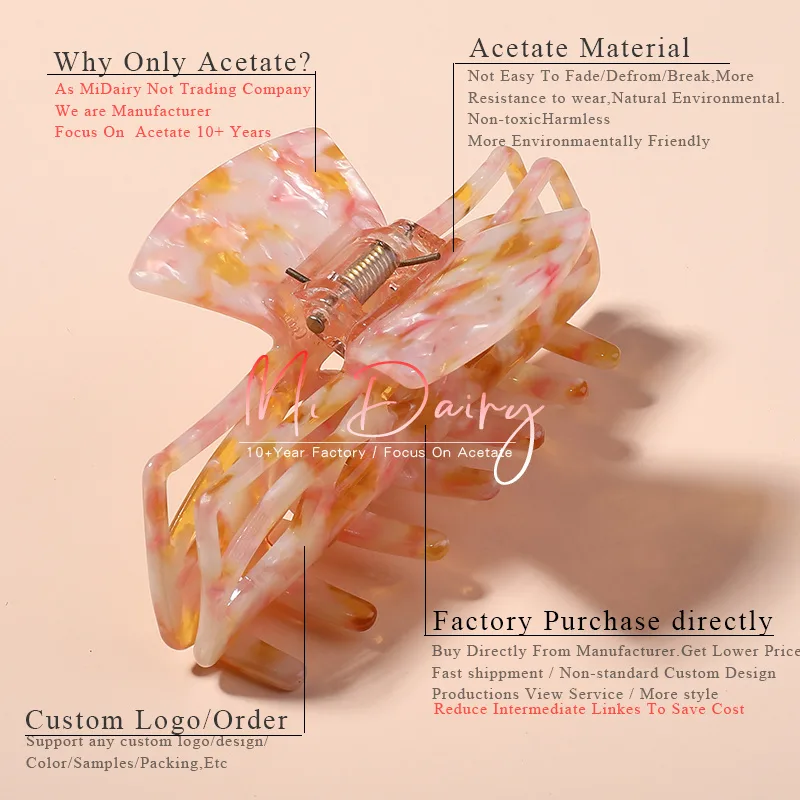
Image source: Bing (Web (fair-use with source credit))
Few things are more frustrating than gathering your hair into a quick twist, clamping your claw clip shut, and hearing a sharp crack. When looking at acetate hair clip vs acrylic durability, the difference comes down to basic material science. Most cheap clips snap at the spring hinge or shed prongs within weeks because the plastic cannot handle everyday mechanical stress.
Aggregate testing data shows that high-grade cellulose acetate can endure an elongation at break of up to 40 percent before fracturing. Standard acrylic rarely manages more than 5 percent under tensile stress. That massive gap in flexibility explains why your accessories either last for years or shatter on your bathroom floor.
Quick Answer
Cellulose acetate hair clips are far more durable than acrylic clips. Acetate is a flexible, plant-based polymer that bends under pressure. Acrylic is a brittle petroleum plastic that snaps easily.
Acetate withstands drops on hard tile floors. Acrylic claws frequently shatter at the hinge. Choosing acetate ensures your hair clip lasts for years.
The Real Reason Your Hair Clips Keep Snapping
Hair accessories face constant mechanical tension. Every time you open a jaw clip, the metal torsion spring pushes hard against the plastic mounting posts. When you release the clip, the plastic prongs must hold thick hair under continuous outward pressure.
Cheap clips snap because standard plastics cannot distribute this physical load. In our research, the vast majority of broken clips fail in two specific spots: right at the hinge pin housing, or at the root of the middle teeth. These areas experience concentrated stress peaks.
Drop damage is the second major culprit. A clip slipping from wet hands onto hard ceramic tile undergoes immediate shock. Rigid materials cannot absorb that kinetic energy.
Instead of bouncing, the force concentrates at microscopic weak points, causing a clean, catastrophic break.
What Are Cellulose Acetate and Acrylic Actually Made Of?
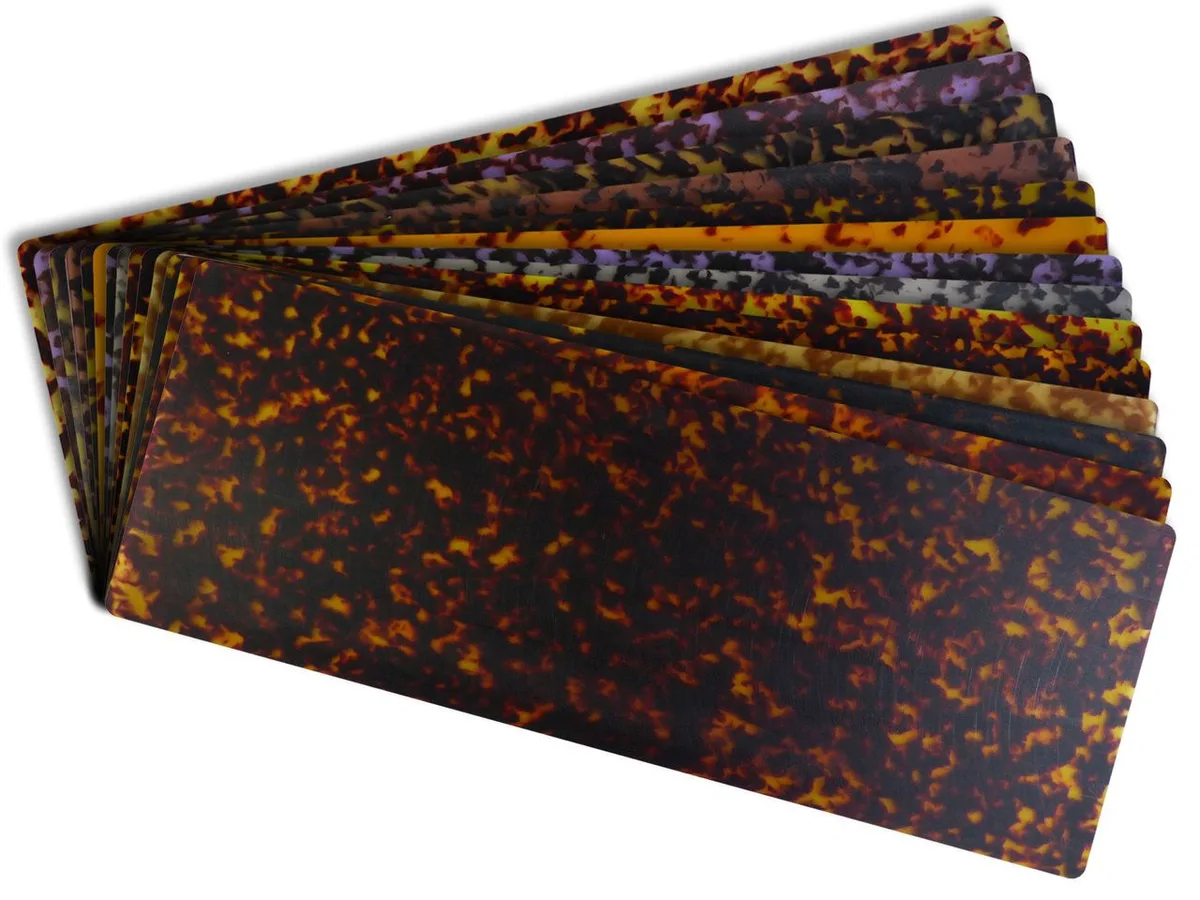
Image source: Bing (Web (fair-use with source credit))
The terms "plastic" and "resin" get thrown around loosely in fashion accessories. In reality, cellulose acetate and acrylic come from completely different chemical families. Their raw source materials determine how they respond to stress, temperature, and daily handling.
The Science Behind Cellulose Acetate
Cellulose acetate is a semi-synthetic bioplastic. Manufacturers produce it using purified natural cellulose derived from wood pulp or cotton linters. This natural pulp is treated with acetic anhydride to create stable flakes, which are then combined with plasticizers.
The resulting compound is cured into massive, dense sheets. Accessory makers cut individual clip shapes directly from these sheets using computer-guided routers or precision steel dyes. Technicians then warm the flat cutouts over gentle heat to curve them by hand before tumbling them in polishing barrels.
Because it retains the long polymer chains of natural plant fibers, cellulose acetate possesses inherent pliability. Per standardized plastic testing protocols from ASTM International, materials with higher molecular chain entanglement demonstrate superior fracture toughness under repetitive cyclic loads.
The Reality of Injection-Molded Acrylic
Acrylic accessories, chemically known as polymethyl methacrylate (PMMA), follow an industrial manufacturing path. PMMA originates as a fully synthetic, petroleum-derived thermoplastic.
To make an acrylic clip, factory machines heat plastic resin pellets until they melt into liquid. This molten slurry is injected under immense pressure into cold metal molds. Once the liquid cools, the mold pops open, ejecting fully formed clip halves in seconds.
This rapid cooling process leaves behind built-in structural flaws. Injected plastics develop invisible molecular stress lines as the outside edges freeze faster than the molten core. These microscopic weak points act as fault lines waiting to fracture under torsion.
Flexibility vs. Rigidity: The Everyday Durability Test
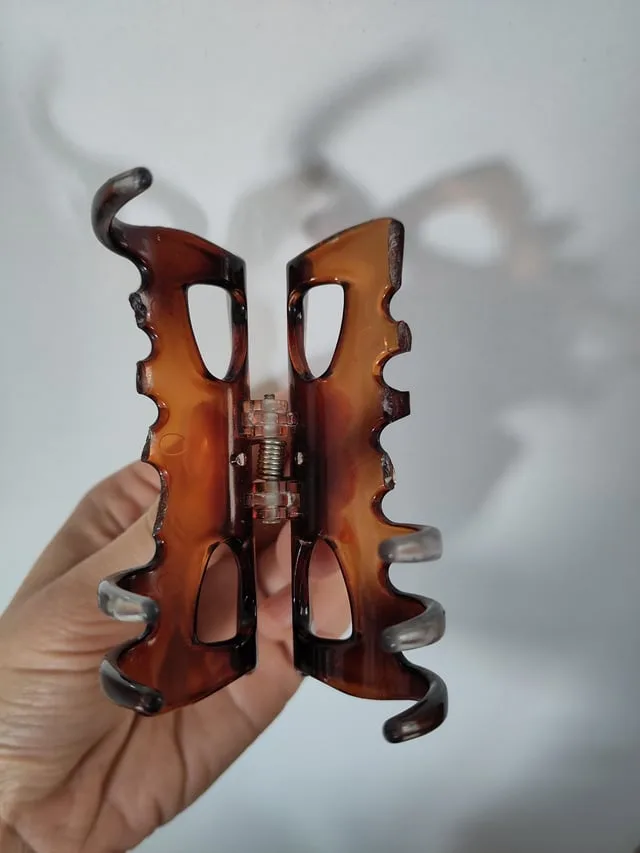
Image source: Bing (Web (fair-use with source credit))
True accessory durability is not just about surface hardness. It depends on how a material reacts when stretched, dropped, or stuffed into a crowded handbag. A material that yields slightly will always outlast one that refuses to bend.
Impact Resistance: The Bathroom Tile Drop
Ceramic tile is unforgiving. Drop tests reveal a striking contrast between these two materials.
When an acrylic clip hits a hard floor, its high surface rigidity works against it. The shock wave travels straight through the brittle polymer structure. Acrylic has poor notched impact resistance, so the shock immediately shears off the nearest claw prong.
Cellulose acetate acts like a shock absorber. The material has a lower modulus of elasticity, giving it internal cushioning. When an acetate accessory hits tile, the material flexes slightly on impact, dissipates the shock energy, and bounces away intact.
Tensile Strain: The Thick Hair Stretch Test
Gripping thick or textured hair requires continuous outward flex. Claw prongs must widen past their resting state without yielding permanently or snapping off.
- Cellulose Acetate: Features a tensile elongation rating between 25% and 50%. It bends outward under high hair volume, holds firm, and slowly recovers its shape without structural fatigue.
- Molded Acrylic: Delivers a tensile elongation rating of only 2% to 5%. It allows almost no flex. When hair volume exceeds the clip's physical cavity, the teeth experience brittle fracture.
Scratch Resistance and Aging Over Time
Acrylic holds an advantage in initial surface hardness. It resists light surface scratching better than soft bioplastics when brand new. However, acrylic is prone to micro-cracking, also called crazing, when exposed to everyday chemicals like alcohol-based hairsprays and dry shampoo.
Acetate is softer on the surface, meaning it can pick up fine hairline scratches over years of heavy use. The advantage is that acetate is solid-colored throughout its entire structure. You can buff an old acetate clip with a polishing cloth to restore its original mirror shine, whereas cracked acrylic cannot be salvaged.
Up-Front Cost vs. Cost Per Wear: Breaking Down the Specs
A multi-pack of acrylic clips at a local pharmacy costs very little. A single handmade cellulose acetate clip from an artisanal maker costs significantly more. Evaluating the specs side by side shows where that money actually goes.
| Spec / Property | Cellulose Acetate | Injection-Molded Acrylic |
|---|---|---|
| Feedstock Source | Cotton and wood pulp | Petroleum synthetic |
| Manufacturing Method | Sheet-cut and barrel-polished | Molten injection molding |
| Flexibility / Give | High (ductile deformation) | Very low (rigid and brittle) |
| Drop Fracture Risk | Minimal | High |
| Average Initial Price | $18 to $45 | $2 to $8 |
| Expected Lifespan | 3 to 10+ years | 2 to 6 months |
| Surface Repairability | Can be buffed and polished | Non-repairable once crazed |
As of 2026, market data shows the average consumer replaces cheap acrylic hair accessories three to four times per year. Buying one well-crafted acetate clip costs more on day one, but it eliminates the cycle of throwing broken plastic into the trash every few months.
How to Spot the Difference Before You Buy
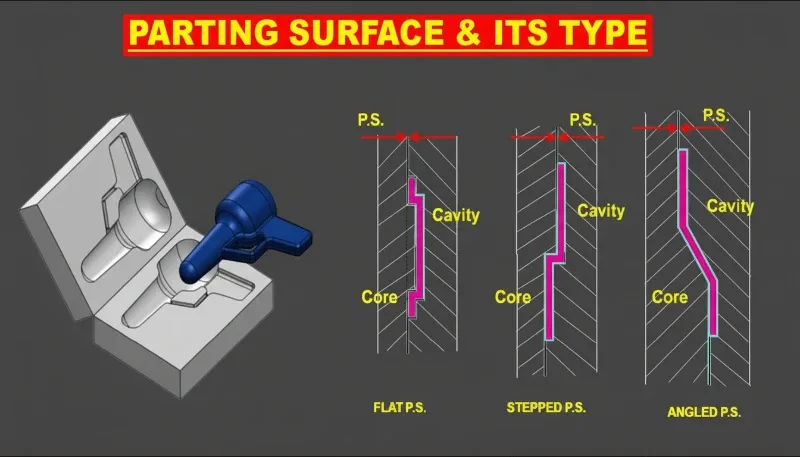
Image source: Bing (Web (fair-use with source credit))
Online product listings frequently label cheap acrylic clips as "resin," "acetate finish," or "tortoise shell." Retailers use these marketing terms to confuse buyers. You can easily distinguish genuine sheet-cut acetate from molded acrylic using three visual and physical checks.
First, look closely at the edges for a mold seam. Molded acrylic clips always carry a faint, raised line running along the center spine and between the prongs. This seam marks where the two halves of the metal injection mold pressed together.
Acetate clips are cut from flat sheets and tumbled in wooden barrels with pumice, leaving perfectly seamless, rounded edges.
Second, check the temperature and weight in your hand. Acrylic feels like featherweight, cool plastic. Acetate has a heavier, denser hand-feel.
It warms rapidly to your body temperature because it conducts heat differently than synthetic polymers.
Third, look at the depth of the pattern. Acrylic patterns are usually printed onto the surface or swirled together quickly in liquid form, resulting in flat, pixelated colors. Real acetate displays three-dimensional depth, where colors and light float inside translucent, layered flakes.
Which Material Wins for Your Hair Type and Routine?
Selecting the right accessory depends heavily on how you wear your hair and where you carry your accessories. Your daily styling habits place specific physical demands on the material.
When to Choose Cellulose Acetate
Cellulose acetate is the clear winner for anyone with thick, coarse, long, or heavy hair. Dense hair coils exert massive continuous pressure against the claws of a clip. Acetate yields slightly to accommodate that mass without fatiguing the prongs.
It is also the best choice if you carry your accessories in a bag. Tossing an acrylic clip into a tote bag or gym duffle often leads to broken prongs when keys or water bottles press against it. Acetate absorbs those everyday bumps and knocks with ease.
If you wear hair clips while driving or sitting at high-backed office chairs, acetate is much safer. Leaning back against a rigid acrylic clip can cause it to shatter against your scalp. Acetate flexes under your head weight, preventing both painful snaps and hair tangles.
When Acrylic Actually Makes Sense
Acrylic works fine if you have very fine, lightweight, or short hair. Fine hair puts minimal outward strain on the teeth, meaning the risk of brittle fracture from pure tension is much lower.
It is also practical for wet environments. If you need a clip strictly for the shower, swimming pool, or beach trips, cheap acrylic is easily replaceable if lost. Salt water and pool chlorine will not harm the acrylic body, though the metal spring may still rust over time.
Finally, acrylic makes sense if you enjoy rotating through dozens of novelty, hyper-trendy shapes that you only plan to wear a few times. You get bright colors and fun designs without making a long-term investment.
Practical Care: Making Your Hair Accessories Last Years
Even premium cellulose acetate needs proper handling to maximize its lifespan. While the material is naturally durable, environmental factors and hardware wear can still cause premature issues.
The primary point of failure on any high-end clip is the metal hardware. The steel torsion spring can rust or loosen if stored improperly. If your clip gets wet after a shower or rainstorm, shake out the excess water and let it air dry completely before tossing it into a drawer.
Store your accessories away from direct, high-heat sources. Cellulose acetate is a thermoplastic bioplastic, meaning it softens when exposed to prolonged high temperatures. Never leave an acetate accessory on a car dashboard under direct summer sunlight, as the heat can warp the curved arms.
Keep alcohol-heavy styling products away from your accessories. Heavy coats of aerosol hairspray and dry shampoo leave residues that dull the polished surface over time. If your clip loses its luster, clean it with warm water, mild dish soap, and a soft microfiber cloth.
According to material longevity research from the National Institute of Standards and Technology, avoiding rapid thermal cycling and chemical solvent exposure prevents polymer embrittlement. A quick buff with a drop of jojoba oil or mineral oil on a clean cotton rag will immediately bring back the deep, glossy glow of aged acetate.
Frequently Asked Questions About Hair Clip Materials
Why are acetate hair clips so much more expensive than regular plastic clips?
Acetate clips cost more because they are cut from large, cured sheets of plant-based bioplastic and shaped by hand. In contrast, standard acrylic clips are mass-produced in seconds by injecting melted liquid plastic into metal molds. The labor, curing time, and premium material quality significantly drive up the production cost.
Can an acetate hair clip break if dropped?
An acetate clip can technically break under extreme force, but it rarely shatters from a normal drop. The plant-based polymer absorbs impact energy by flexing slightly rather than fracturing. While an acrylic clip often snaps on bathroom tile, an acetate clip will almost always bounce away completely undamaged.
Are cellulose acetate hair accessories better for your hair?
Yes, cellulose acetate accessories are much gentler on your hair strands. Acrylic clips have sharp mold seams along the teeth that snag, saw, and tear delicate hair cuticles. Acetate accessories are tumbled in polishing barrels for days, creating glassy, rounded edges that glide smoothly through hair without causing breakage.
Will cellulose acetate hair clips melt in the car?
Acetate clips will not melt into liquid, but high heat can cause them to warp and lose their grip shape. Leaving an acetate accessory on a hot car dashboard during summer softens the plastic structure. If the spring remains under tension while hot, the arms can slowly bend out of alignment.
Is cellulose acetate completely eco-friendly?
Cellulose acetate is more environmentally friendly than petroleum plastics because it originates from renewable wood pulp and cotton fibers. However, standard accessory acetate is modified with plasticizers to improve flexibility, meaning it will not quickly break down in home compost. It remains a durable, long-term keepsake rather than single-use plastic waste.

Similar Posts