Baseball Cap Crown Too High? Easy Fixes for Small Heads
Founder & Fashion Creative Director at Julia Fashionista · CFDA Fashion Scholar, Certified Image Consultant (AICI) · 12+ years in editorial wardrobe styling, sustainable textile sourcing, and luxury capsule curation
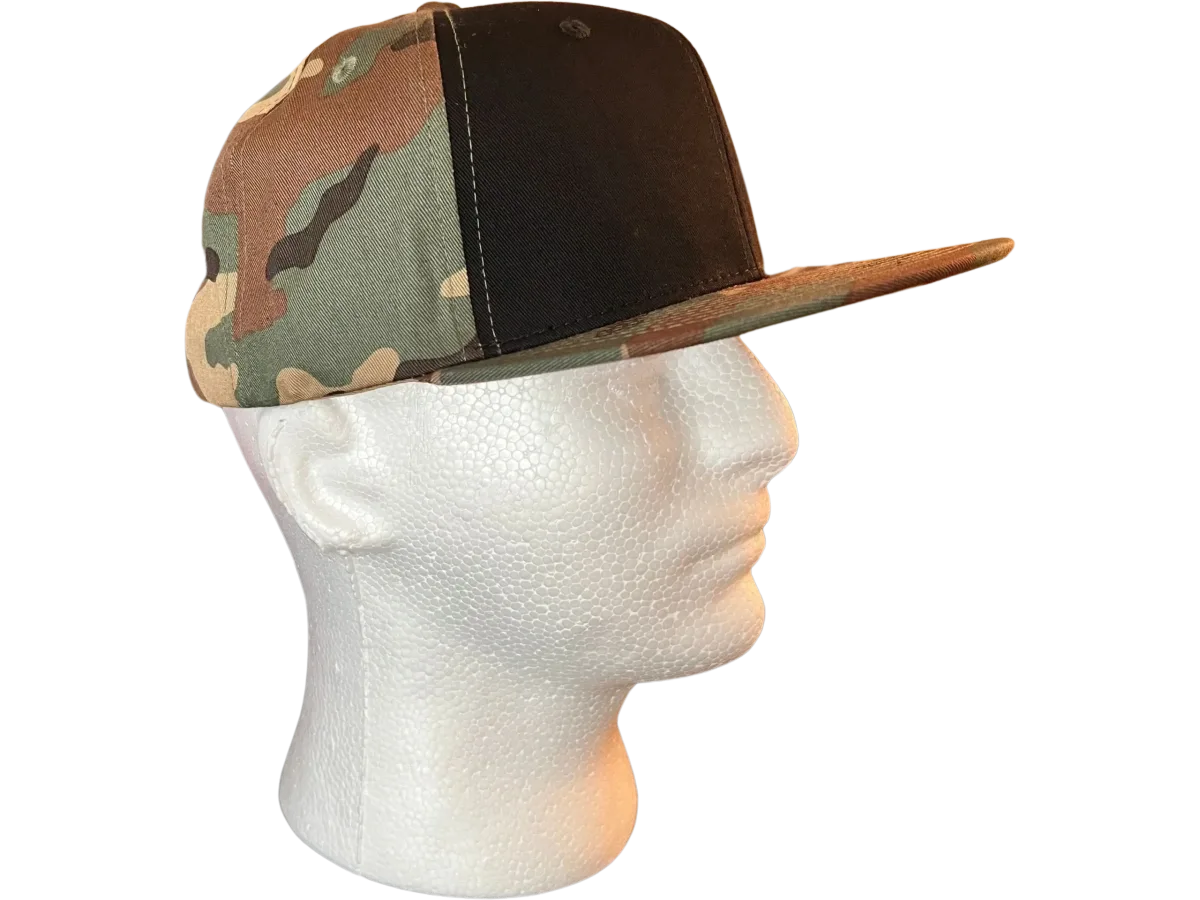
Image source: Bing (Web (fair-use with source credit))
Finding a baseball cap crown too high for small head sizes is a common, frustrating fit issue. Most standard adult caps use deep structural panels designed to fit larger brow bones. When your head has a shallower shape, that extra fabric creates an awkward, boxy gap above your scalp.
Standard "One Size Fits Most" (OSFM) caps are scaled for a 58 cm circumference with vertical crown drops near 4.5 inches. Hats that large push your ears out or hover like a conehead. Here is how to diagnose the issue, reshape existing hats, and find headwear that sits flat.
Quick Answer
A baseball cap crown sits too high on a small head because cranial depth is shallow. Tightening the rear strap only pulls the hat down onto your ears. You can reshape cotton caps using hot steam and a mold.
Removing stiff interior buckram lowers the crown permanently. Foam sizing tape lifts the fabric away from your ears.
The High Crown Problem: Why Standard Caps Swallow Smaller Heads
Standard caps assume your skull has substantial vertical height from the brow to the crown apex. When you place a tall cap on a smaller head, two problems happen immediately. Either the cap slides down and pushes the tops of your ears outward, or it floats above your scalp with empty space inside the front panels.
This issue comes down to the crown profile, which is the vertical measurement from the base sweatband to the top squatchee button. High-profile caps stand 4 inches or taller at the front. Mid-profile caps run roughly 3.5 inches, while low-profile hats measure 3 inches or less.
Most modern snapbacks and flat-brim caps fall squarely into the high-profile category.
When you cinch a snapback strap tighter to compensate for a smaller skull circumference, the hat does not get shorter. It simply creates an oval tube. The excess fabric bunches at the back opening, while the stiff front panels remain upright like a billboard.
Diagnosing Your Fit: Circumference vs. Cranial Depth
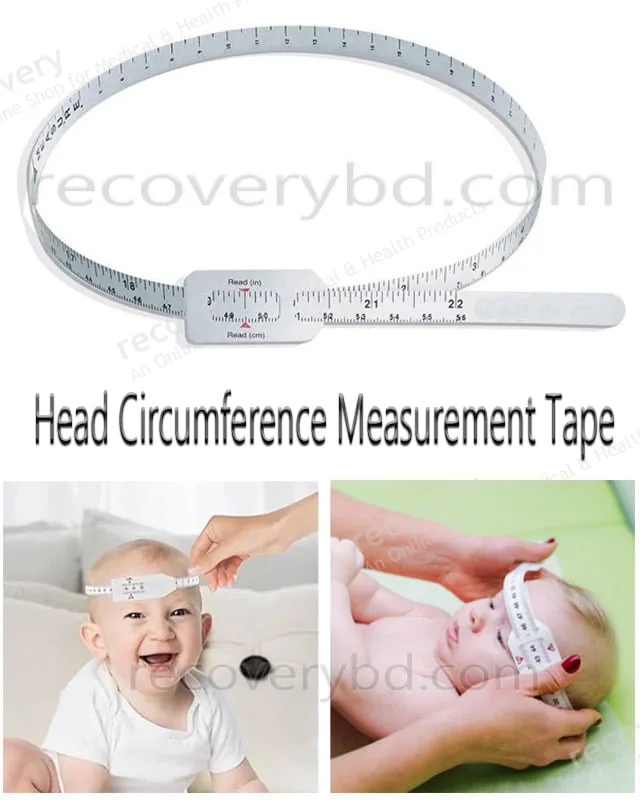
Image source: Bing (Web (fair-use with source credit))
Before trying to reshape a hat, you must know whether your issue is horizontal circumference or vertical cranial depth. Circumference is the distance around your head, measured one inch above your eyebrows. Cranial depth is the vertical distance from the top fold of your ear straight up to the crown apex of your skull.
Industry sizing classifications established under global sizing guidelines like ISO define headwear size primarily by circumference. However, cranial depth varies widely between individuals regardless of hat size.
| Measurement Category | Measurement Range | Common Hat Issue | Primary Fix |
|---|---|---|---|
| Small Circumference | Under 21.5 inches (54.5 cm) | Rear strap overlaps; puckering behind ears | Crown sizing tape or youth sizing |
| Shallow Cranial Depth | Under 4.25 inches (ear-to-apex) | Cap brim rests directly on ear cartilage | Buckram reduction or low-profile swaps |
| Combined Petite | Small circumference + shallow depth | Complete cap engulfment; severe flare | Full crown reshaping or unstructured dad caps |
If your cap fits snugly around your forehead but the side panels press hard against the tops of your ears, your issue is cranial depth. If the cap spins freely on your head, your issue is circumference.
The Crown Height Decision Tree: Fix It, Mod It, or Replace It?
The best way to fix a cap depends entirely on its materials and inner construction. Follow this workflow before attempting any alterations:
- Step 1: Inspect the front panels. Turn the cap inside out. Look behind the front two panels directly above the brim.
- If there is a stiff, fused mesh or canvas fabric: you have a structured cap. Proceed to Step 2.
- If there is only soft, single-layer fabric: you have an unstructured cap. Proceed to Step 3.
- Step 2: Check fabric content for structured caps. Look at the wash tag inside the sweatband.
- If it is 100% cotton or wool: use the heat molding method to lower the crown profile.
- If it is 100% polyester or acrylic: steaming will not shrink it. You must cut out the internal buckram mesh to let the crown drape naturally.
- Step 3: Diagnose unstructured caps.
- If the soft panels still look too tall: add closed-cell foam tape under the interior sweatband to lift the cap body slightly off your ears.
- If the fabric billows: wash it in warm water and air-dry it over a smaller round form to shrink the panels evenly.
Method 1: Reshaping and Lowering a Structured Crown (Step-by-Step)
If your hat is made of natural fibers like cotton twill or wool, you can reshape the crown to sit closer to your skull. This method breaks down the rigid factory shape and sets a lower, rounded contour.
Required Materials
- Handheld garment steamer (or a kettle with boiling water)
- Medium ceramic bowl or youth-sized sports ball (roughly 6.5 to 7 inches in diameter)
- Clean cotton hand towel
- Tailor's chalk or soft pencil
Step 1: Prep the Form
Wrap the towel around the bowl or ball until it roughly matches the inner contour of your skull. This form gives the crown a smooth, lower surface to shrink around instead of drying flat.
Step 2: Apply Targeted Steam
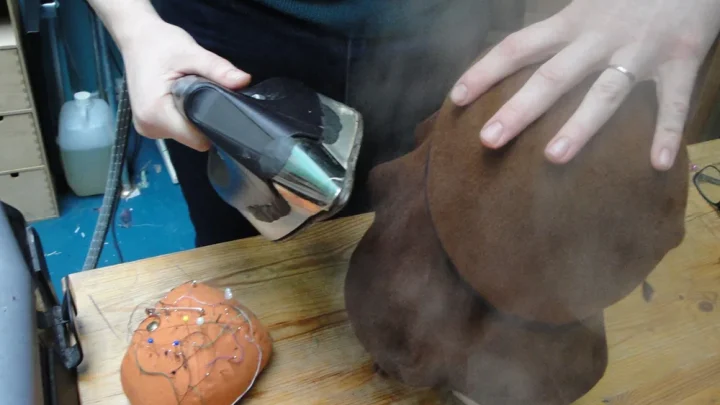
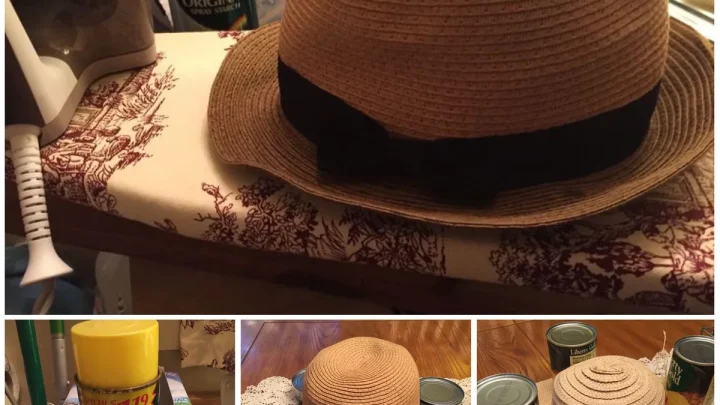
Hold the cap interior 2 inches above the steam source. Target the front two panels for 45 to 60 seconds until the fabric and backing become soft and pliable. Avoid steaming the visor directly, as excessive moisture can warp modern synthetic brim stiffeners.
Step 3: Mold the Apex
Pull the hot, steamed cap firmly down over your prepared form. Use the palms of your hands to smooth the top panels downward, pressing out the high corner peaks.
Step 4: Let the Fabric Cure
Leave the hat on the form until it cools and dries completely, which takes roughly 2 to 3 hours. As of 2026, most quality cotton-blend caps retain their heat-set memory until they are fully submerged in water again.
Method 2: Softening or Removing Rigid Buckram Backing
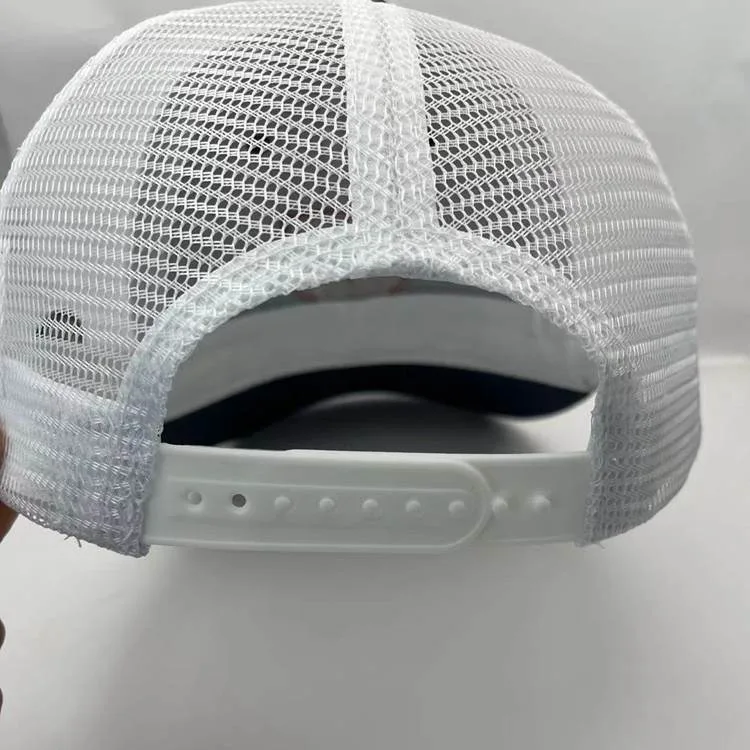
Image source: Bing (Web (fair-use with source credit))
Structured baseball hats use a fused, stiff mesh called buckram to force the front panels upright. In synthetic hats, this mesh prevents the crown from relaxing against a smaller head. Removing or softening it eliminates the empty space above your scalp.
The Gentle Route: Crushing and Softening
If you do not want to cut your cap, break down the glue inside the buckram:
- Dampen the front panels from the inside with warm water.
- Massage and roll the front panels between your thumbs and fingers.
- Fold the crown downward repeatedly to break the rigid sizing glue.
- Wear the damp cap for 20 minutes so it dries following your head's true shape.
The Permanent Route: Removing the Buckram Mesh
For caps that refuse to settle, cut the stiff layer away from the decorative front fabric:
- Flip the cap inside out and locate the exposed buckram mesh behind the front panels.
- Using fine curved embroidery scissors, snip a small opening in the mesh layer near the bottom sweatband seam.
- Carefully separate the mesh from the outer fabric, cutting along the side panel seams.
- Do not cut the actual outer cap cloth or the seam tape.
- Once severed, peel the mesh out. The front panels will immediately collapse into a relaxed, low-profile fit.
Quick Fixes That Don't Require Surgery: Sizing Strips and Brim Curvature
If you want to avoid altering the fabric permanently, mechanical adjustments can improve the fit immediately. The simplest way to keep a tall crown from pressing against your ears is using closed-cell EVA foam hat tape.
Hat tape sticks directly behind the interior sweatband rather than onto the cap fabric. When you place a strip along the sides and front, it reduces the inner circumference by a quarter to a half size. More importantly, it creates a padded shelf that lifts the cap body roughly a quarter-inch higher on your forehead.
That small gap keeps the stiff bottom edge off your ear cartilage.
Curving the brim also dramatically changes how tall the front panels appear. A completely flat bill forces the crown panels outward, maximizing horizontal width and boxiness.
To lower the visual height, gently curve the visor around an ordinary baseball or wide water bottle. Curving pulls the bottom corners of the front two panels inward. This simple bend draws the apex down toward your scalp, creating an arched profile that hugs a smaller head much better.
Cap Profiles Compared: Low-Profile vs. Mid-Profile vs. Dad Hats
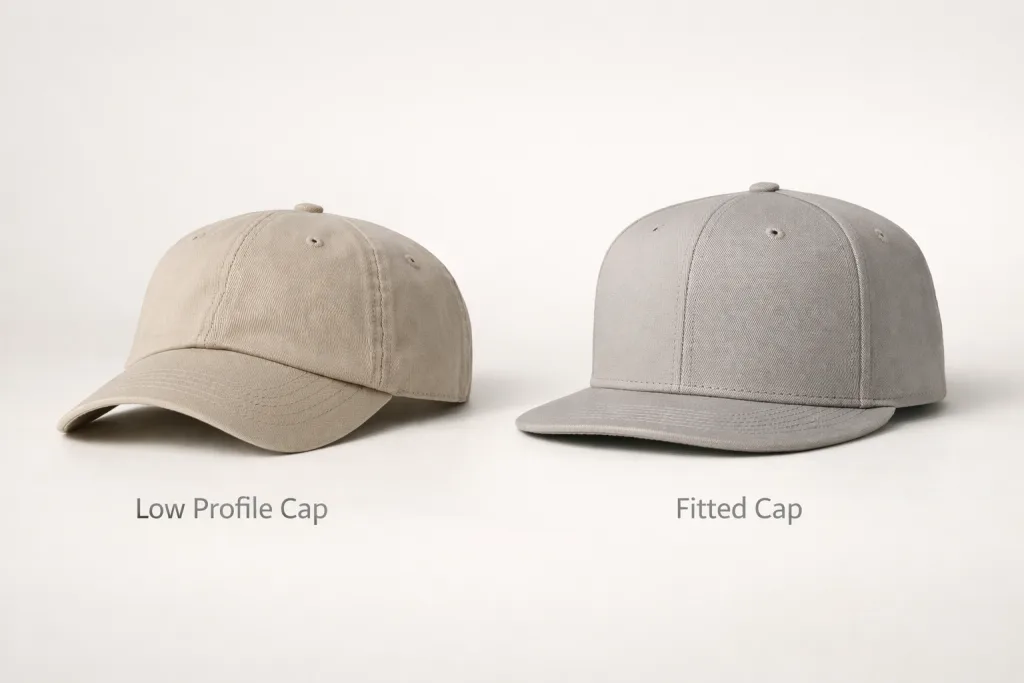
Image source: Bing (Web (fair-use with source credit))
Choosing the right crown construction saves you from doing DIY modifications down the road. Hat manufacturers classify profiles based on the angle and vertical rise of the front panels.
| Feature | Low-Profile Unstructured | Mid-Profile Semi-Structured | High-Profile Structured |
|---|---|---|---|
| Crown Depth | 2.5 to 3 inches | 3.25 to 3.75 inches | 4 inches or more |
| Front Backing | None (soft cotton) | Light buckram mesh | Stiff woven buckram |
| Panel Slant | Sloped back heavily | Moderate upward curve | Vertical / 90 degrees |
| Ear Clearance | High (clears small ears) | Moderate (may touch) | Low (causes ear flare) |
| Best Head Type | Petite, narrow, shallow | Average skull depth | Tall, wide cranial vaults |
Low-profile unstructured caps, commonly called dad hats, work best for smaller heads. Because they lack stiff internal backing, the cotton fabric drapes softly directly over your skull.
Mid-profile caps offer a compromise if you still want a clean, athletic look without the billboard effect. High-profile flat brims, by contrast, are engineered for maximum interior volume and rarely sit well on heads under size 7.
Buyer’s Guide: What to Look For When You Have a Small Head
Shopping for caps with a smaller head requires looking past generic "One Size Fits Most" labels. Standard retail caps fit circumferences from 21.5 up to 23.5 inches, leaving petite wearers swimming in extra fabric.
First, search specifically for low-profile classifications in manufacturer technical specs. Industry leaders like the Headwear Association highlight that fit variations depend on panel architecture as much as circumference. Look for product descriptions that explicitly state "relaxed fit" or "unstructured crown."
Second, check the panel count. Traditional six-panel caps with seam lines running down the center front contour to curved skulls better than five-panel continuous designs. The center seam lets the two front panels slant backward toward your temples instead of rising straight up.
Finally, consider youth or women's lines from athletic headwear brands. Youth medium/large caps often share the exact aesthetic of adult collections, but they cut crown heights down by half an inch. Strapback closures using cloth belts with metal slide buckles are preferable to plastic snapbacks, as they provide micro-adjustments without creating large fabric gaps.
Frequently Asked Questions About Baseball Cap Crown Fit
Why does my baseball cap make my ears stick out?
Your cap makes your ears stick out because the crown is too deep for your vertical head height. When the fabric apex cannot drop any lower, the lower edge pushes downward onto the top of your ear cartilage. Using low-profile caps or adding foam sizing tape behind the brow resolves this pressure.
Can you shrink a polyester baseball cap crown?
You cannot effectively shrink a polyester baseball cap crown with household heat. Polyester fibers only react to extreme temperatures that will melt or warp the plastic visor insert. The most reliable fix for a polyester hat is carefully cutting out the stiff interior buckram lining with small embroidery scissors.
What is the difference between structured and unstructured caps?
The difference lies in the stiff woven mesh, called buckram, fused behind the front two panels. Structured caps use buckram to maintain a rigid, upright shape even when sitting on a table. Unstructured caps omit this layer, allowing the soft fabric to collapse and conform naturally to your head shape.
How do I know if I need a low-profile hat?
You need a low-profile hat if standard caps consistently rest on your ears or leave empty space above your scalp. If your cranial depth from ear fold to skull apex is under 4.25 inches, mid and high-profile caps will almost always swallow your features and look boxy.

Similar Posts