Why Cashmere Beanies Pill on Your Forehead & How to Fix It
Founder & Fashion Creative Director at Julia Fashionista · CFDA Fashion Scholar, Certified Image Consultant (AICI) · 12+ years in editorial wardrobe styling, sustainable textile sourcing, and luxury capsule curation
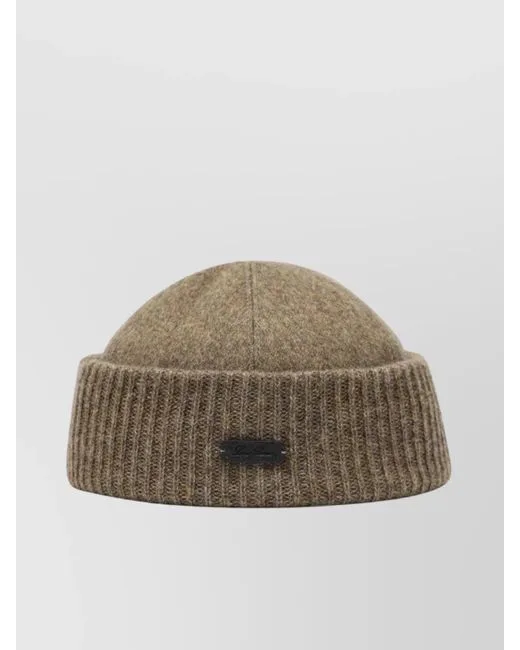
Image source: Bing (Web (fair-use with source credit))
A favorite knit cap can turn fuzzy and messy right across your brow line within a few weeks of winter wear. Cashmere beanie pilling forehead friction happens when the softest animal fibers meet repetitive skin contact, body heat, and everyday facial movements.
Fine undercoat hairs break and tangle into small surface knots under constant mechanical rub. Research on luxury knitwear shows that fibers with a diameter below 19 microns are especially prone to this abrasion when paired with natural skin oils. You can fix the fuzz and stop it from returning once you understand what triggers the wear on your forehead.
Quick Answer
Cashmere beanie pilling forehead friction happens when brow movement rubs delicate fibers against skin. Facial oils and moisturisers worsen the tangling. To fix it, de-pill the brim gently using a brass cashmere comb.
Let your skincare absorb for 20 minutes before wearing. For a permanent fix, sew a silk strip inside the front band.
Why Forehead Friction Targets Cashmere Beanies
The front band of a knit hat endures far more mechanical stress than any other part of the garment. While the crown sits undisturbed against your hair, the brim stays pressed against bare skin.
Every time you raise your eyebrows, squint, or talk, the knit micro-shifts across your brow. This repetitive sliding action creates kinetic friction. Over time, that constant motion forces the loose ends of individual hairs out of the spun yarn structure.
The Physics of Micro-Motion and Brow Tension
Cashmere comes from the fine underdown of Capra hircus laniger goats. These hairs have very low cuticle scale heights compared to standard sheep wool.
Because the scales lie relatively flat, loose fiber ends slide past each other easily. Brow movements pull these free ends outward. Continued rubbing rolls those loose ends into tight little balls, known as pills, right where the knit hugs your forehead.
How Sebum and Skincare Act as Fiber Glues
Skin chemistry speeds up this surface wear dramatically. The forehead contains a dense network of sebaceous glands that produce natural sebum throughout the day.
When you add daily moisturizers or sunscreens into the mix, that oily film transfers straight onto the knit fibers. Instead of shedding naturally, broken fibers stick to the hat band. The oil acts like an adhesive, binding broken fibers into stubborn clusters that refuse to brush away.
The Pilling Diagnostic: Assessing Your Beanie's Knit and Fit
Not all cashmere hats react to forehead friction in the same way. The yarn construction and the way the hat sits on your head determine whether you get light surface fuzz or thick clusters of bobbles.
Before trying to fix the fabric, you need to check how the hat is made and how it fits across your brow.
| Diagnostic Factor | High Pilling Risk | Low Pilling Risk | Why It Matters |
|---|---|---|---|
| Yarn Ply | Single-ply (1-ply) | Two-ply (2-ply) or multi-ply | Higher twist locks short ends inside the strand. |
| Staple Length | Under 30 mm | 34 mm to 40 mm | Long fibers have fewer exposed tips per inch. |
| Brim Fit | Loose or sliding | Snug, stable contact | Movement creates the friction that rolls pills. |
| Knit Gauge | Loose, airy knit | Tight rib or dense gauge | Dense tension shields internal fiber structure. |
Staple Length, Micron Diameter, and Ply
Garment industry standards outline strict criteria for genuine cashmere down. According to guidelines maintained by the Federal Trade Commission, the average diameter of genuine cashmere fibers cannot exceed 19 microns.
Lower-grade knits often use shorter staple lengths, around 28 to 30 millimeters. These short hairs work free from the twist very quickly. Two-ply yarns made from long fibers hold their shape much better against regular skin rubbing.
Brim Tension: Loose Slip vs. Overstretched Ribs
Fit plays a direct role in how much friction the knit experiences. If the brim is too loose, it slips down your forehead with every step you take, creating non-stop surface abrasion.
If the ribbing is pulled too tight across a wide brow, the knit stitches stretch wide open. This exposes the inner yarn core to direct skin friction. A comfortable, secure fit without heavy horizontal pull keeps fibers protected longest.
The Action Workflow: How to Stop Forehead Pilling Based on Root Cause
Treating forehead pilling requires matching your solution to the specific cause. Different friction triggers call for different adjustments to your routine or the hat itself.
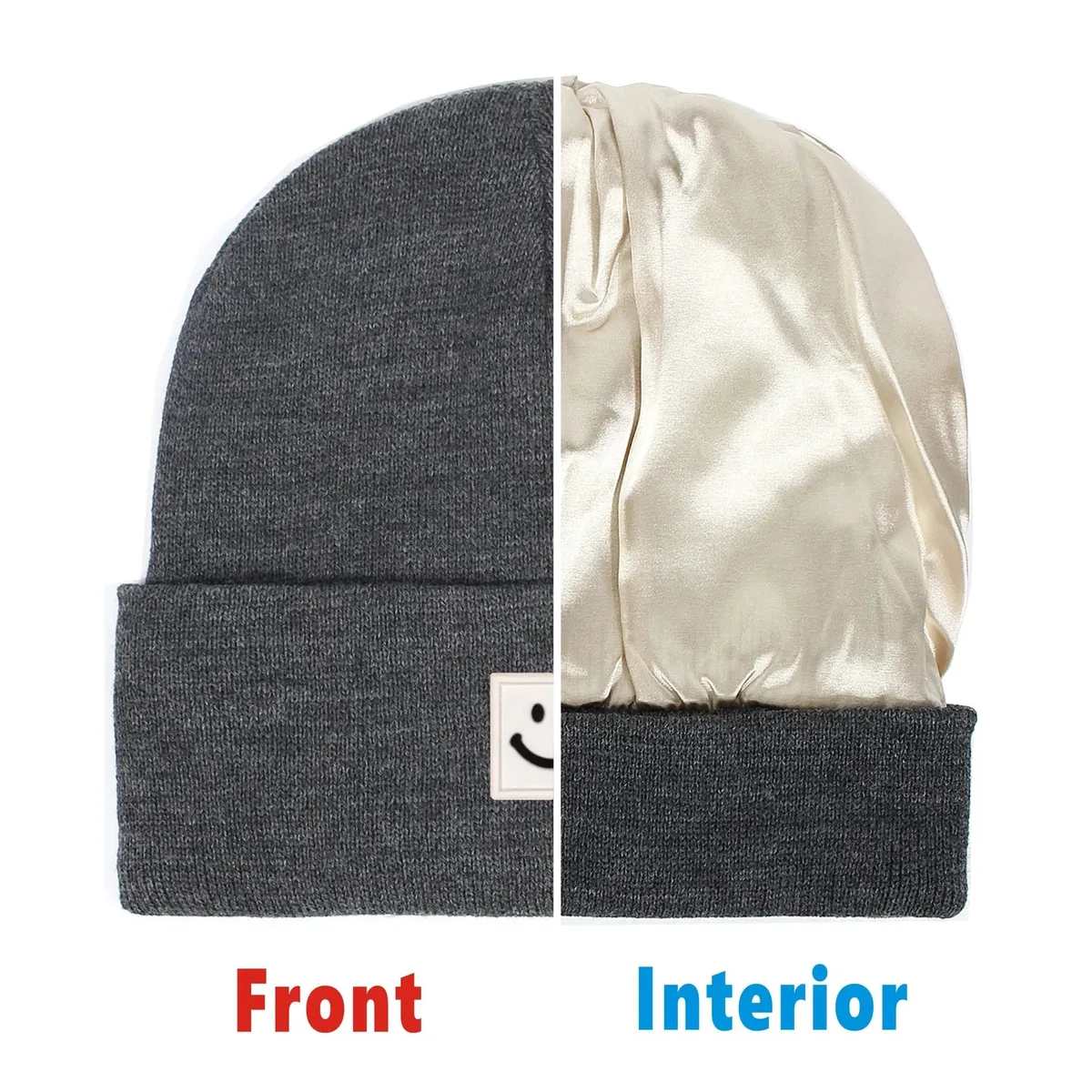
Image source: Bing (Web (fair-use with source credit))
Follow this diagnostic workflow to clear up the problem:
- If your beanie slides or shifts when you walk: Focus on Branch A to stabilize movement.
- If the pilling feels sticky, dark, or greasy: Focus on Branch B to block skincare transfer.
- If the brim has grown baggy or you have forehead stubble: Focus on Branch C to reinforce the knit structure.
                  [Check Forehead Brim Condition]
                                 |
     ---------------------------------------------------------
     |                           |                           |
[Hat slips/moves]       [Pills feel greasy]         [Ribbing overstretched]
     |                           |                           |
  (Branch A)                  (Branch B)                  (Branch C)
Reduce Motion:              Barrier Strategy:           Structural Reset:
Wear cuff higher            Wait 20m after lotion       Hand-wash to snap back
Double-fold brim            Line band with silk         Baste internal ribbon
Branch A: High-Movement Wearer (The Motion-Reduction Fix)
If your hat shifts while walking, the movement itself is the primary issue. Try double-folding the brim if the length allows it.
A double cuff creates a firmer base that grips the scalp firmly. You can also position the brim slightly higher, resting just above the brow line where the skull moves less during facial expressions.
Branch B: Skincare and Sebum Buildup (The Barrier Strategy)
If facial creams are transferring to the wool, mechanical de-pilling will only provide temporary relief. The oils will quickly attract new lint and tangle fresh fibers.
You must establish a clean barrier between your skin and the cashmere. Let all face products absorb fully before dressing. If you wear active skincare or heavy creams in cold weather, an internal fabric lining is the most reliable long-term fix.
Branch C: Loose Knit or Coarse Stubble (The Structural Reinforcement)
Forehead stubble and rough hairlines act like fine sandpaper against delicate yarns. At the same time, aged ribbing that has lost its elasticity moves around far more than fresh knitwear.
If the ribbing has widened, wash the hat to shrink the relaxed stitches back into position. If coarse hair or stubble along the hairline is snagging fibers, add a smooth fabric strip behind the brim.
Safe De-Pilling: Removing Forehead Bobbles Without Slicing Yarns
Once pills form on the forehead band, pulling them off with your fingers is the worst option. Tugging yanks adjacent fibers out of the yarn core, creating a fresh cluster of loose ends that will turn into new pills tomorrow.
You need to sever or comb away the tangled bobbles cleanly while keeping the foundation stitches completely intact.
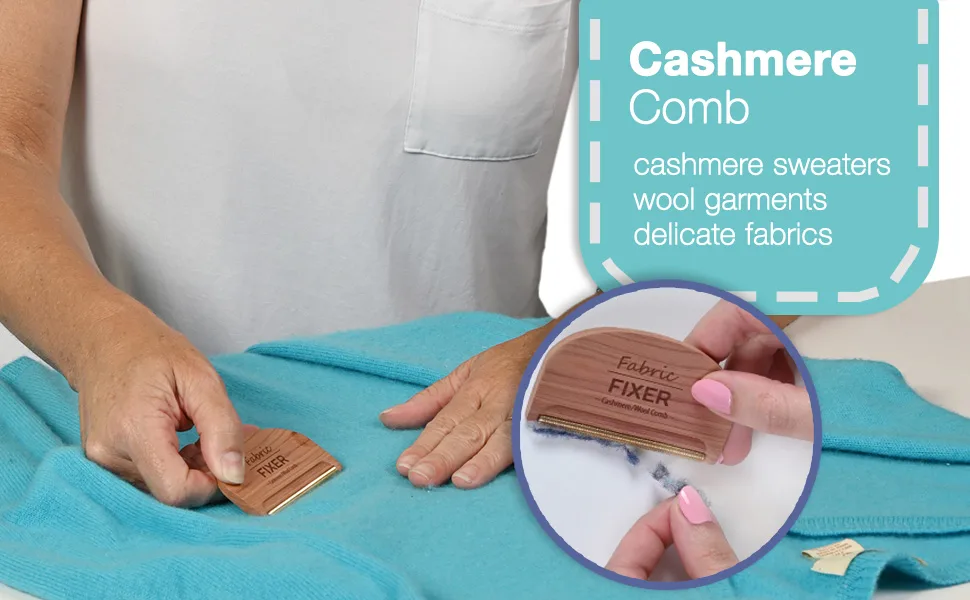
Image source: Bing (Web (fair-use with source credit))
Cashmere Comb vs. Electric Shaver on Curved Ribbing
A manual cashmere comb with a brass wire screen is the safest tool for curved areas. It catches loose pills and breaks them free with minimal pull.
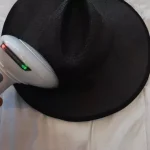
Electric fabric shavers work fast on flat sweaters, but ribbed beanies curve around the head. A rotary blade can easily grab the raised ridge of an elastic knit stitch. If the blade catches that stretched ridge, it will slice right through the structural yarn and leave a permanent hole.
Step-by-Step Restoration Protocol
Follow this simple restoration routine to clean up a fuzzy brim without damaging the yarn:
- Support the curve: Slide a rolled hand towel or tailor's ham inside the hat to mimic the curve of your head without stretching the knit.
- Set your angle: Hold a brass-screen cashmere comb at a 15-to-30-degree angle against the pill cluster.
- Use short strokes: Brush downward in one direction using short, gentle passes. Never scrub back and forth.
- Clear waste regularly: Lift away the collected fuzz from the comb screen every few strokes so the wire stays clean.
- Steam gently: Hold a garment steamer two inches away from the cleaned fabric to relax the fibers and help the knit bloom evenly.
Prevention Workarounds: Modifying Your Wear and Care Routine
Stopping forehead pilling before it begins protects your knitwear and saves you from regular trimming. A few small adjustments to your winter morning habits can reduce brow friction significantly.
The 20-Minute Pre-Wear Skincare Rule
Never pull a cashmere beanie directly over freshly moisturized skin. Creams, facial oils, and rich sunscreens take time to absorb into the upper layers of the epidermis.
Wait at least 20 minutes after finishing your skincare routine before putting on your hat. This gives the emollients time to sink in. Your forehead will feel dry to the touch, preventing oily transfer that gums up fine animal hairs.
Hand-Washing and Re-Blocking to Reset Rib Elasticity
Over time, body warmth and natural head movement stretch out the elastic ribbing on beanies. Loose ribbing slips, and slippage means friction.
Per care recommendations from organizations like The Woolmark Company, hand-washing fine wool in cool water restores its natural mechanical crimp.
Submerge the hat in lukewarm water (under 30°C / 86°F) with a gentle wool wash. Press the soapy water through the fibers without twisting or wringing. Lay the beanie flat on a dry towel, pat the brim back to its original width, and let it dry flat.
The rib stitches will tighten back up, eliminating the loose slip that accelerates pilling.
Adding a Mulberry Silk Friction Strip
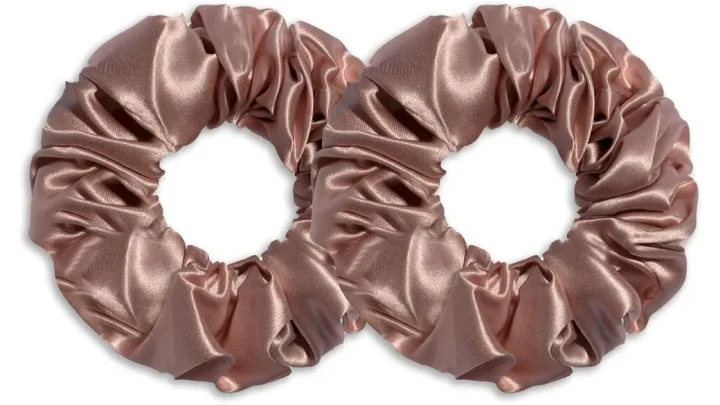
If you have sensitive skin or wear a hat daily for long commutes, sew a strip of mulberry silk inside the front band. Silk has an exceptionally smooth surface that glides against skin without catching loose fibers.
Cut a two-inch strip of lightweight silk ribbon to match the width of your forehead. Using a basic hand-sewing needle and matching silk thread, baste the strip inside the front cuff.
Keep your stitches loose so the beanie can still stretch over your head. The silk sits hidden against your skin, blocking sebum and completely eliminating fabric friction across your brow.
Critical Mistakes That Turn Fuzz Into Holes
Tending to delicate knits requires a gentle touch. When fixing forehead pilling, a single careless move can permanently damage the fabric structure.
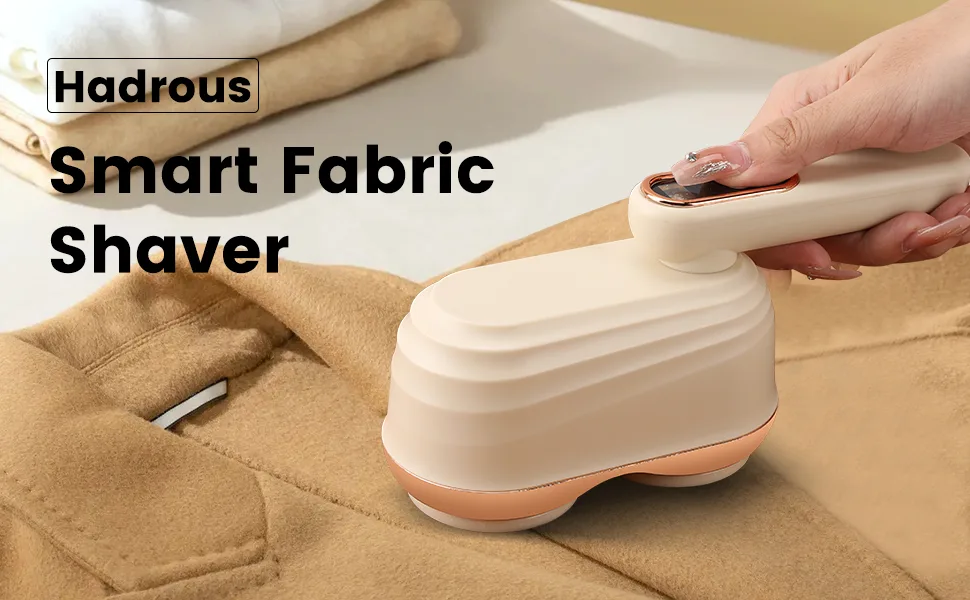
Image source: Bing (Web (fair-use with source credit))
Here are the most common mistakes to watch out for:
- Using pumice stones or sweater bricks: Pumice works well on heavy boiled wool, but it is far too abrasive for fine gauge cashmere. The gritty surface snags thin yarns, snapping healthy strands and creating thin, worn spots on the brim.
- Shaving unstretched ribs on an uneven surface: Never run an electric de-fuzzer over a beanie laid flat on a bed or your lap. The soft backing allows the blades to press deep into the ribs, easily cutting through the yarn.
- Tearing pills off by hand: Pulling at fuzz balls yanks neighboring fibers out of the yarn twist. This creates longer loose strands that tangle into even larger pills within a single day.
- Washing with standard enzyme detergents: Everyday laundry detergents often contain protease enzymes designed to break down protein stains. Cashmere is a natural keratin protein fiber. These enzymes will slowly dissolve the yarn structure over time, leaving the fabric weak, brittle, and prone to tearing.
Frequently Asked Questions
Does pilling mean my cashmere hat is poor quality?
Not necessarily. Even the finest grade cashmere will pill when subjected to constant friction against the forehead. However, lower-grade knits made from short staple fibers will pill much faster and more extensively across the entire hat than tightly spun multi-ply yarns.
Can I stop pilling completely on a forehead cuff?
You cannot prevent pilling entirely on bare cashmere exposed to regular friction. You can reduce it by 80 to 90 percent by ensuring proper brim fit, letting skin products dry, and de-pilling gently. Adding a silk liner is the only way to eliminate friction pilling completely.
Will a silk-lined beanie keep my forehead just as warm?
Yes, a silk lining will keep you just as warm. Silk is a natural protein fiber with excellent insulating properties and wind-blocking traits. It stops friction entirely without adding bulk or hurting the hat's breathability in cold conditions as of 2026.
How often should I de-pill the brim?
De-pill the brim only when distinct clusters form, typically once or twice per winter season. Over-clearing the fabric removes valuable fiber mass from the yarn. Each trimming session thins the knit slightly, so focus primarily on prevention rather than continuous surface shaving.
Critical Mistakes That Turn Fuzz Into Holes
Image source: Bing (Web (fair-use with source credit))
Treating forehead pilling requires a delicate touch. A single aggressive move can permanently slice through the knit structure.
Using Pumice Stones or Sweater Bricks on Thin Gauges
Pumice stones work reasonably well on coarse boiled wool coats. They are far too abrasive for delicate, fine-gauge cashmere beanies.
The rough volcanic glass catches loose strands and tears them violently out of the yarn core. This snaps healthy fibers and creates bare patches across your forehead cuff. Stick exclusively to fine wire combs built for high-micron wools.
Shaving Unstretched Ribs on an Uneven Surface
Never run an electric shaver over a beanie resting on your lap or a soft blanket. The pliable backing lets the razor guard sink deep into the knit ribs.
When the rotary blade catches a raised, unstretched stitch, it slices the anchor yarn instantly. One severed stitch quickly unravels into a running drop-stitch hole. Always support the cuff over a firm, curved surface before trimming.
Over-Washing With Enzyme Detergents
Standard household detergents rely on biological enzymes to dissolve stains. Protease enzymes specifically target and digest protein molecules.
Cashmere consists entirely of natural keratin protein. Washing your beanie in standard liquid detergent weakens the individual hair shafts. Over time, the yarn turns brittle and snaps under the slightest forehead friction.
Always use a dedicated, enzyme-free wool shampoo.
Cashmere Beanie Care & Friction FAQs
Does pilling mean my cashmere hat is poor quality?
Not necessarily. Even top-tier cashmere will pill when exposed to constant friction against the forehead. Lower-grade knits made from short staple fibers simply pill much faster.
Premium long-staple yarns resist friction longer, but kinetic brow motion will eventually create surface bobbles on any pure wool.
Can I stop pilling completely on a forehead cuff?
You cannot stop pilling entirely if raw cashmere sits directly against moving skin. You can reduce it by roughly 90 percent by stabilizing brim fit, allowing facial moisturizers to cure, and combing gently. The only way to stop friction completely is adding a smooth silk lining inside the cuff.
Will a silk-lined beanie keep my forehead just as warm?
Yes, silk maintains excellent thermal warmth without overheating. As a natural protein fiber, silk traps warm air while allowing moisture vapor to escape. It provides a slick barrier against skin friction without adding noticeable bulk or altering the natural drape of your knit cap.
How often should I de-pill the brim?
De-pill the brim only once or twice per winter season. Every time you trim away surface bobbles, you remove a tiny amount of fiber mass from the yarn. Over-clearing the fabric eventually thins the knit stitches.
Focus on daily prevention rather than constant surface shaving.

Similar Posts