How to Use Moleskin on Loafer Heels to Stop Blisters
Founder & Fashion Creative Director at Julia Fashionista · CFDA Fashion Scholar, Certified Image Consultant (AICI) · 12+ years in editorial wardrobe styling, sustainable textile sourcing, and luxury capsule curation
Few wardrobe frustrations match the sting of a stiff pair of shoes digging into your Achilles tendon. Applying moleskin inside heel of leather loafers can stop blister-causing friction quickly, but doing it wrong leaves a gummy mess that ruins expensive linings.
Standard break-in friction creates shear stress between your calcaneus and the leather heel counter. While up to 1/8 inch of heel lift is standard on new Goodyear-welted loafers, anything more requires a targeted fit solution rather than blind padding.
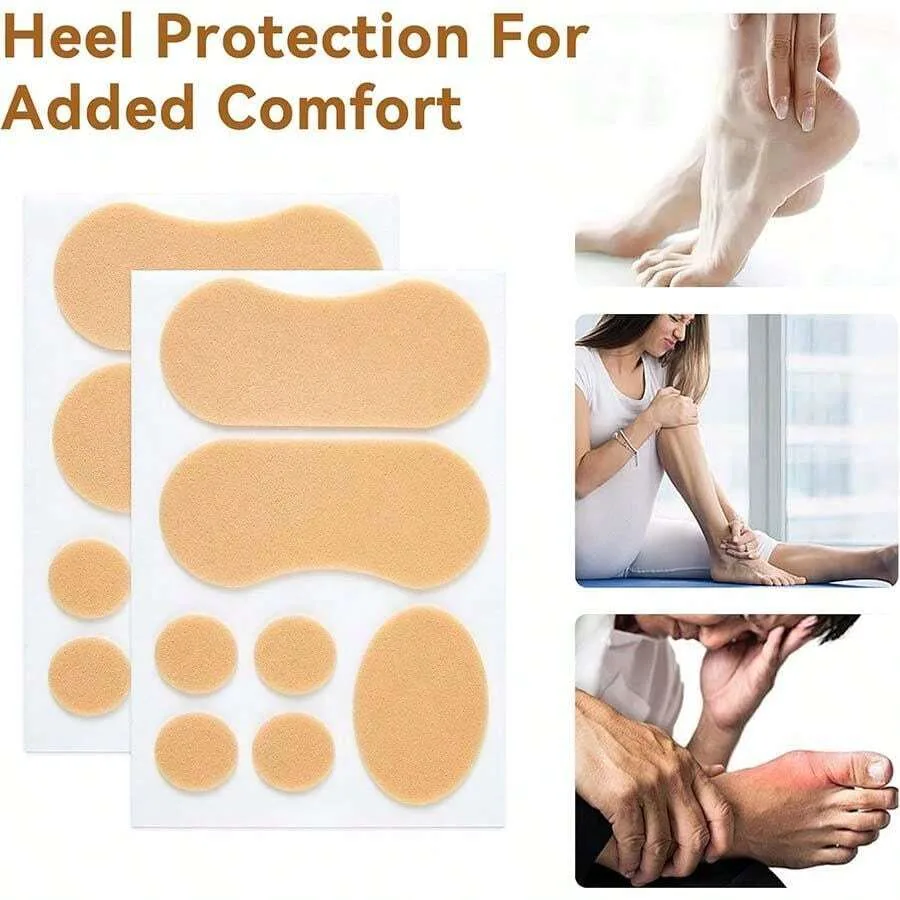
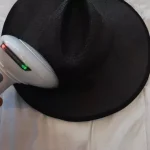
Image source: Bing (Web (fair-use with source credit))
Quick Answer
Applying moleskin inside the heel of leather loafers reduces friction and minor slippage. Cut a crescent patch from adhesive-backed cotton moleskin. Round all corners to prevent rolling edges.
Clean the leather lining lightly before pressing the patch firmly in place. Always insert your foot using a shoe horn.
Why Your Leather Loafers Chew Up Your Heels
Loafers lack laces to lock your foot in place. The fit relies entirely on the shape of the shoe last, the tension across the vamp, and the stiffness of the sole. When a sole is brand new, it resists bending.
During your stride, the stiff leather sole stays flat while your heel lifts. This pulls your heel upward against the interior lining. That repetitive rubbing causes blisters through mechanical shear.
The American Podiatric Medical Association notes that friction blisters develop when shear stress separates the upper skin layers. Thin summer socks or going sockless make this worse because sweat softens your skin and increases skin-to-leather friction.
The Triage: Diagnose Slip, Volume, and Friction Before Sticking Anything
Before grabbing a roll of moleskin, diagnose why your heel is slipping. Not all heel movement requires lining modification. Adding padding to the wrong spot can push your foot forward and crush your toes into the front of the shoe.
Measure your heel lift while walking naturally on carpet. Use these diagnostic parameters to assess the fit:
- Under 1/8 inch (3 mm): Normal break-in slip. The sole leather simply needs to soften and flex.
- Between 1/8 and 1/4 inch (3 to 6 mm): Volume or friction gap. Moleskin or a tongue pad can resolve this.
- Over 1/4 inch (6 mm): Sizing error. The loafers are too long or too wide for your heel shape.
Check the heel collar as well. If the leather bites sharply into your Achilles tendon while standing still, the heel counter is cut too high for your ankle bone. That is collar bite, which requires softening the leather rather than filling volume.
The Decision Tree: Moleskin on Shoe, Moleskin on Foot, or a Different Fix?
Use this if/then framework to pick the right fix for your situation:
- If you have an active, raw hot spot: Apply moleskin directly to your skin, not the shoe. This shields the tissue from further shear without risking adhesive contamination on an open wound.
- If the loafer fits well but the smooth lining slips against your sock: Place moleskin inside the heel counter. The brushed cotton flannel nap provides immediate traction against smooth socks.
- If your heel slips because your instep is low: Do not pad the heel. Install a suede tongue pad under the vamp. This pushes your foot down and back into the heel pocket without shortening the shoe.
- If your heel slips more than 1/4 inch: Skip standard moleskin. Use a thicker 3 mm suede heel grip, or consult a professional cobbler certified by the Shoe Service Institute of America to install a custom split-suede counter lining.
| Issue | Best Solution | Placement | Thickness Added |
|---|---|---|---|
| Stiff sole break-in | Moleskin on skin | On calcaneus | 1 mm (temporary) |
| Lining slickness | Moleskin patch | Heel counter interior | 0.8 mm to 1.5 mm |
| Low instep volume | Suede tongue pad | Under loafer vamp | 2 mm to 4 mm |
| Excessive heel slip | Padded suede grip | Top edge of heel counter | 3 mm to 5 mm |
How to Cut and Install Moleskin in the Heel Counter the Right Way
A poorly applied patch rolls down the counter the very first time you slide your foot in. To make it last, you need clean prep, the right shape, and beveled borders.
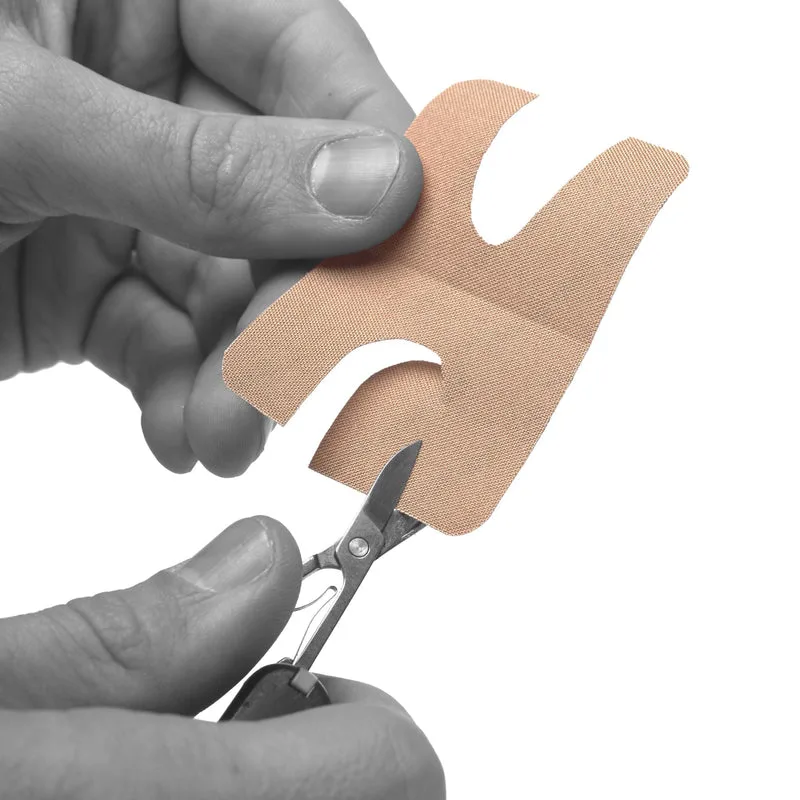
Image source: Bing (Web (fair-use with source credit))
Follow these steps for a clean, durable install:
- Clean the leather counter. Wipe the inner lining with a dry microfiber cloth to remove dust. If the leather is oily, dampen a cloth with a tiny drop of rubbing alcohol and wipe once. Let it dry completely for 10 minutes.
- Cut a crescent pattern. Measure the width of the heel counter. Cut a crescent piece of moleskin that spans the curve without bunching.
- Round every corner. Square corners catch on socks and peel immediately. Trim all sharp corners into smooth, rounded arcs.
- Bevel the top edge. Hold your scissors at a 45-degree angle to chamfer the edges. This tapers the fabric pile so your heel slides over it smoothly instead of rolling the edge down.
- Press and cure. Peel the backing, position the patch 1/4 inch below the collar rim, and press firmly for 30 seconds. Allow the pressure-sensitive adhesive to set for 12 hours before wearing the shoes.
- Always use a shoe horn. When putting on the loafers, guide your foot down with a shoe horn. Stepping directly onto the patch edge will dislodge the adhesive.
Moleskin vs. Suede Heel Grips vs. Tongue Pads
Moleskin is a low-profile cotton fabric backed by medical or rubber adhesive. It adds minimal thickness (about 1 mm), which makes it ideal for subtle friction control without changing the fit of the shoe.
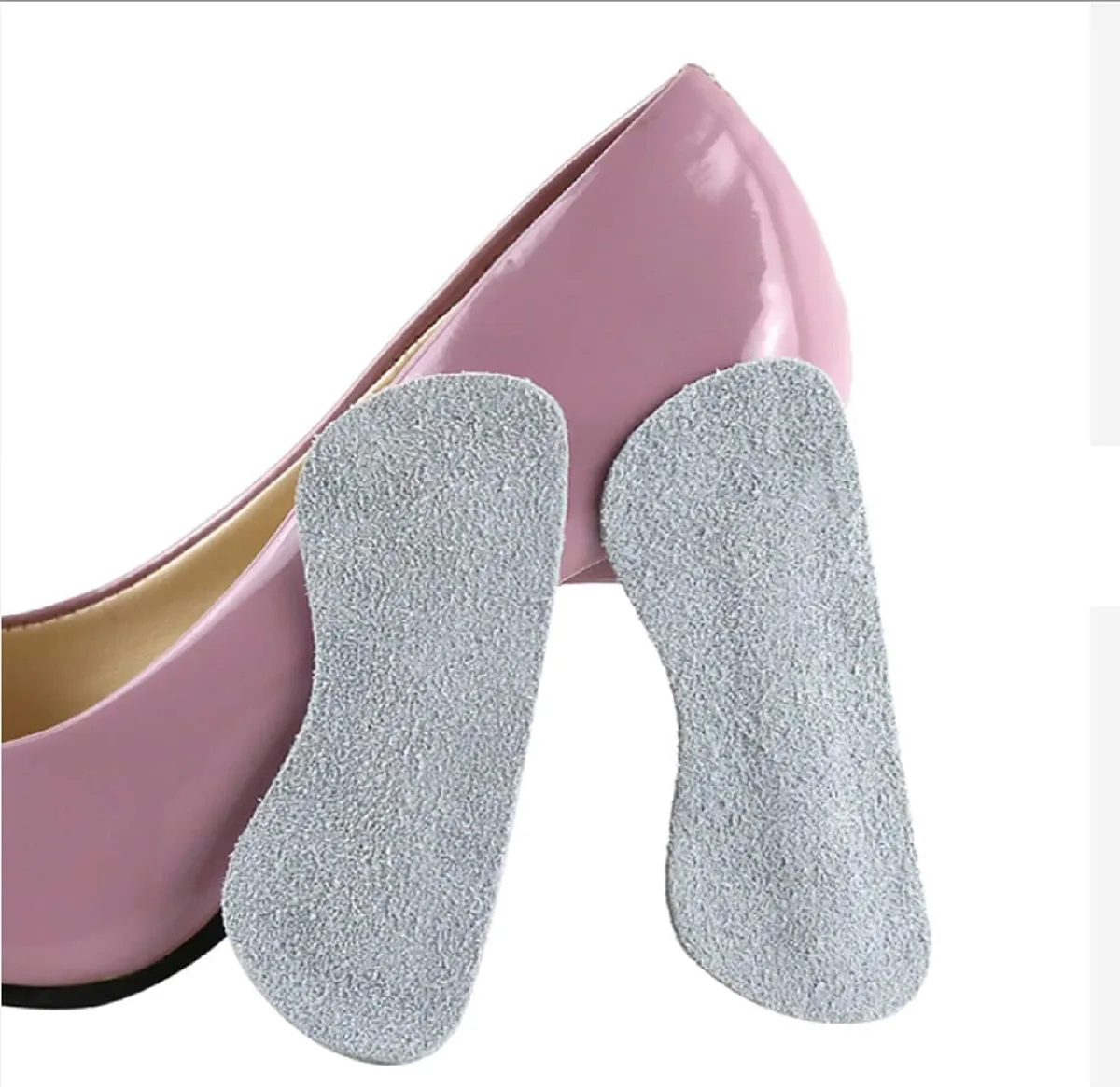
Image source: Bing (Web (fair-use with source credit))
Suede heel grips are made of thick split-cowhide with an internal foam or silicone cushion. They provide 3 mm to 5 mm of padding. These are built for shoes that are genuinely loose at the heel, but they can shove your toes forward into the toe box if the loafer is already snug.
Tongue pads attach under the tongue or vamp. By applying gentle downward pressure across your instep, they lock your heel backward naturally. As of 2026, many master cobblers recommend tongue pads as the first choice for heel slippage because they solve the fit problem without placing adhesive anywhere near delicate heel linings.
How to Remove Moleskin Without Ruining Calfskin Linings
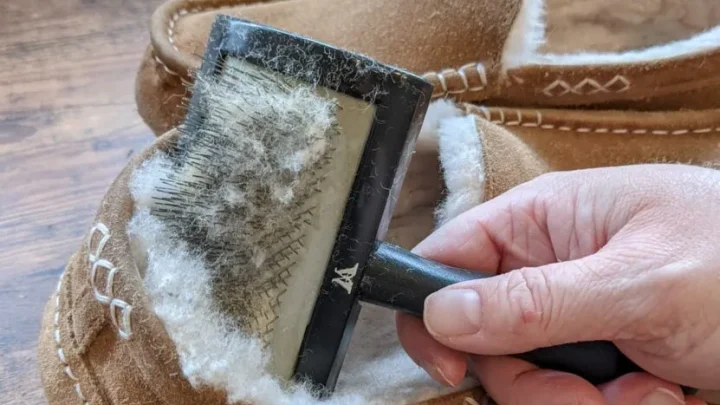
Pulling moleskin out too fast can rip the delicate top grain of a calfskin lining. Pressure-sensitive adhesives bond tighter as body heat and sweat press them into the leather pores over time.
To remove an old patch safely, warm the area first. Direct low heat from a hair dryer held six inches away for 30 seconds softens the acrylic glue. Slowly peel the fabric backward flat against itself rather than pulling straight out.
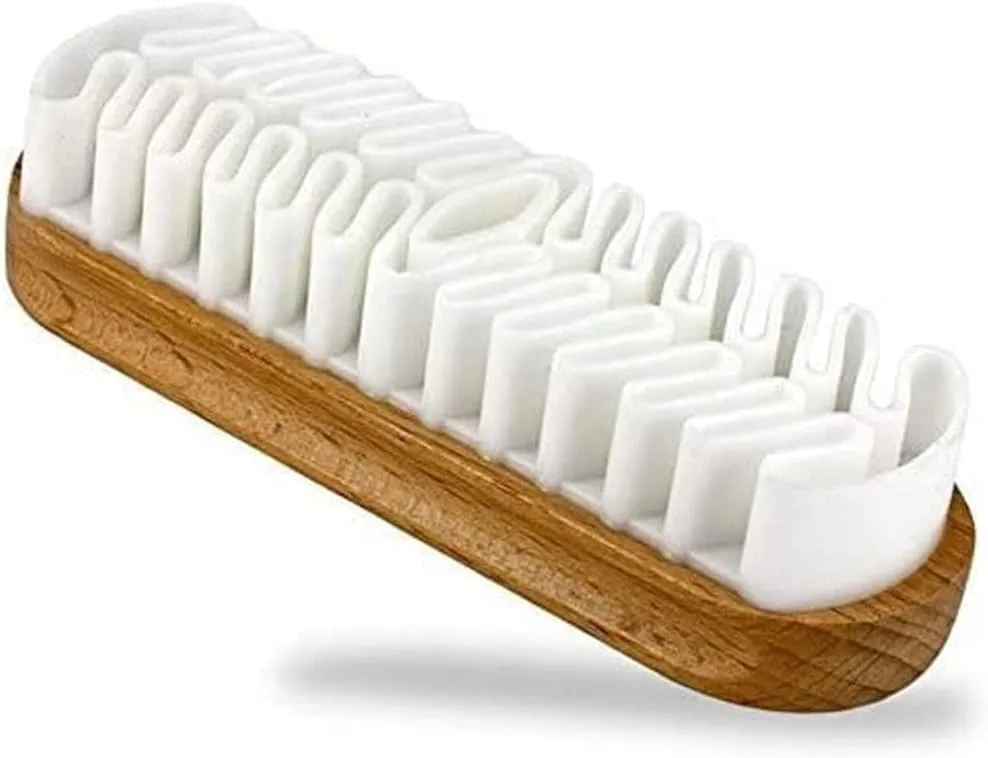
Image source: Bing (Web (fair-use with source credit))
Once the flannel backing is off, sticky residue often stays behind on the leather. Do not soak the lining in harsh acetone or solvent cleaners, which strip dyes and dry out leather fibers. Instead, use a natural crepe rubber bar to lift the gunk:
- Rub the crepe rubber bar firmly in one direction across the sticky area. The natural rubber grabs the softened adhesive and rolls it into dry balls without scratching the surface.
- For stubborn residue, apply a single drop of leather cleaner or mild saddle soap to a cloth and wipe gently.
- Allow the inner lining to air dry completely for at least two hours.
- Apply a trace amount of leather conditioner to restore moisture to the cleaned patch of leather.
Common Loafer Fitting Mistakes That Lead to Heel Blisters
Most heel friction problems start with sizing choices rather than shoe defects. The most frequent mistake is sizing down excessively to stop heel slip.
When you buy loafers too short, your calcaneus still lifts as the sole flexes. Sizing down simply forces your toes against the front stiffener. This crushes your metatarsals without eliminating the movement at the back.
Another common error is applying heavy layers of moleskin directly over an unconditioned, bone-dry heel counter:
- Ignoring sole stiffness: Skipping manual sole flexing before the first wear puts extreme upward leverage on the heel.
- Sticking patches over dirt: Applying adhesive over foot powder or road dust guarantees the patch peels within hours.
- Neglecting sock choice: Wearing ultra-slick synthetic dress socks increases slip against smooth leather. Switching to fine merino wool creates better natural grip.
- Skipping the shoe horn: Forcing your heel past the collar without a shoe horn crushes the internal heel stiffener. Once that internal counter bends, blisters become almost guaranteed.
Frequently Asked Questions About Moleskin and Loafer Fit
Will moleskin leave a permanent stain on leather shoe linings?
Moleskin adhesive can leave a slight dark shadow on pale, unlined, or vegetable-tanned leather. On finished calfskin or pigskin, any remaining residue cleans off easily with a crepe rubber eraser. The adhesive rarely causes structural damage if removed carefully with gentle warmth.
Can I apply moleskin directly to my heel instead of the shoe?
Yes, applying moleskin to your skin is often the better approach during initial break-in. It creates an immediate friction barrier that moves with your foot. This protects tender spots while allowing the shoe sole to break in naturally without gumming up the leather counter.
How long does a moleskin patch stay attached inside a shoe?
A properly applied patch typically lasts between two and four weeks of regular wear. Longevity depends on foot moisture, whether you use a shoe horn, and edge prep. Beveling the borders and rounding the corners prevents the edges from rolling early.
Does moleskin help if my loafers are a half-size too large?
No, standard moleskin is too thin to fix an entire half-size of excess space. It only adds about 1 mm of depth. For shoes that are a half-size too large, use a combination of 4 mm suede tongue pads and full leather insoles instead.
Why does my moleskin patch roll down when I put my shoes on?
Downward friction from your heel catches square edges and forces the adhesive to peel. Always chamfer the top border with scissors at an angle and round every corner. Using a shoe horn lets your heel slide in cleanly without dragging against the fabric edge.

Similar Posts