Should You Put Silica Gel in Stored Leather Bags?
Founder & Fashion Creative Director at Julia Fashionista · CFDA Fashion Scholar, Certified Image Consultant (AICI) · 12+ years in editorial wardrobe styling, sustainable textile sourcing, and luxury capsule curation
Tossing silica gel packets inside stored leather bags seems like an easy way to stop mold. Leather absorbs moisture quickly, and closet dampness can destroy an expensive piece in weeks. Yet using standard desiccants the wrong way often creates the exact opposite problem.
Leather is an organic material that requires a specific balance of internal moisture and natural fatliquors to remain supple. Data from conservation standards, including preservation guidelines from the National Park Service, shows that hide fibers stiffen and crack when relative humidity drops below 40 percent. Understanding how desiccants behave in enclosed spaces helps you protect your leather goods without drying them out.
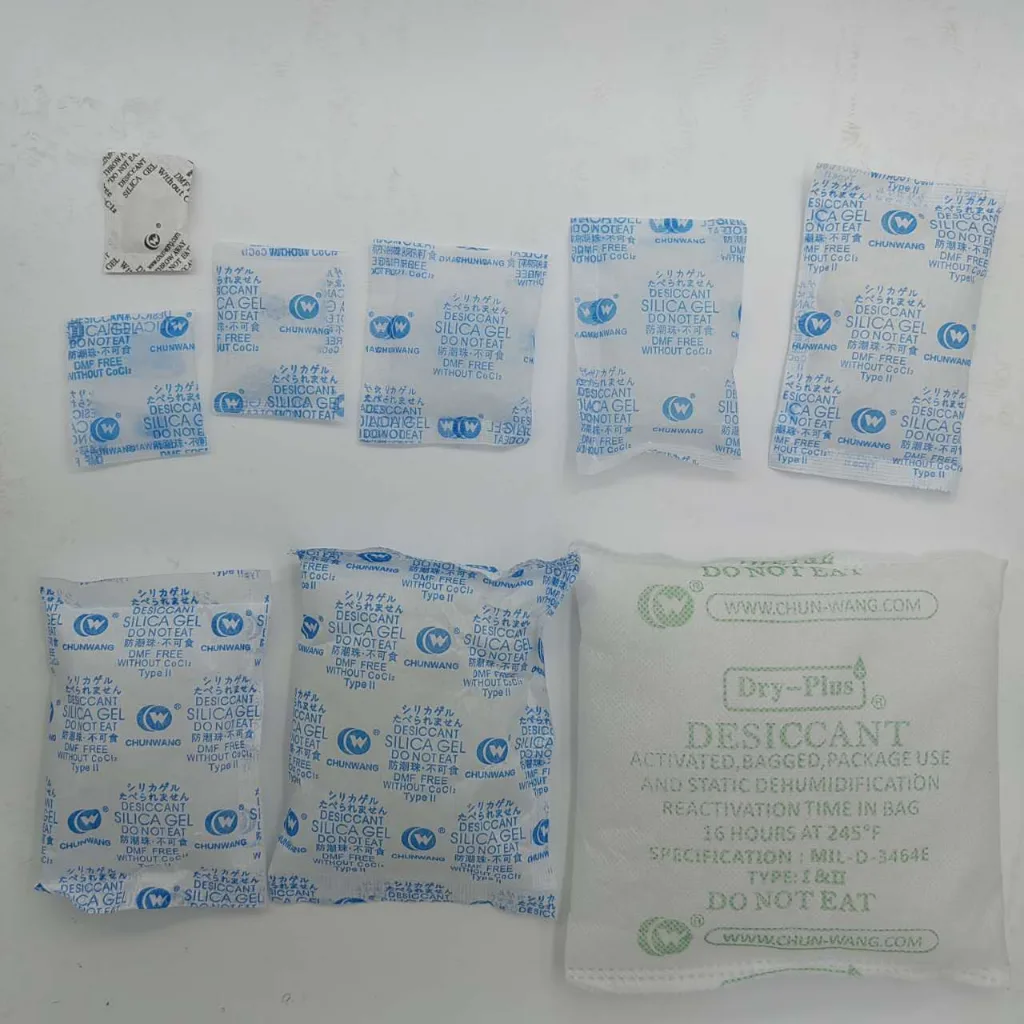
Image source: Bing (Web (fair-use with source credit))
Quick Answer
Never place silica gel packets directly against bare leather. Silica gel strips bound moisture from natural collagen fibers. This rapid drying causes permanent stiffness and surface cracking.
Use silica packets outside the protective dust bag instead. Keep storage areas between 45 and 55 percent relative humidity.
The Real Risk: What Desiccants Do to Stored Leather
Silica gel works by adsorption. Water molecules cling to the vast network of microscopic pores inside each synthetic bead. The material does not stop pulling moisture once an enclosed space reaches an ideal level.
It continues drawing moisture until it reaches its physical saturation point.
How Silica Gel Interacts with Collagen Fibers
Animal hides consist of interwoven collagen protein chains. During the tanning process, tanners treat these fibers with fatliquors, which are specialized oil and fat emulsions. These oils lubricate the protein strands so they slide smoothly against each other whenever the leather bends.
When you drop a desiccant pouch inside an empty bag, it pulls water vapor directly from the surrounding air. Once that air dries out, the packet draws moisture out of the leather itself. The loss of bound water shrinks the collagen network.
Over time, the internal fibers lock together, turning supple leather brittle and prone to tears along fold lines.
The Difference Between Mold Prevention and Desiccation
You must balance two competing threats when storing leather: mold growth and fiber desiccation. Mold spores activate when ambient relative humidity stays above 65 percent for extended periods. Desiccation happens when humidity drops below 40 percent, pulling essential water out of the hide.
Your goal is not to eliminate all moisture from your storage space. Your goal is humidity stabilization. Leather needs ambient moisture to stay flexible, meaning extreme dryness is just as destructive as high humidity.
The Decision Tree: When to Use Silica Gel (and When to Avoid It)
Whether you need desiccants depends on your local climate, the bag's tanning method, and your storage enclosure. Follow these conditional rules to decide if silica packets belong near your collection.
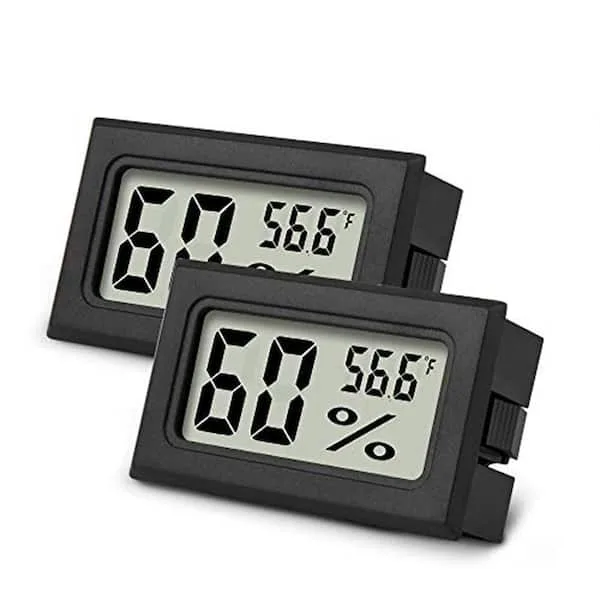
Image source: Bing (Web (fair-use with source credit))
Assessing Your Ambient Storage Humidity
- If your storage area stays between 45% and 55% relative humidity: Skip desiccants entirely. Your space is already in the safe zone, and adding silica risks over-drying the leather.
- If your closet regularly exceeds 65% relative humidity: Use humidity control methods. Place desiccants in the wider closet space or outside the bag cover rather than inside the main compartment.
- If your climate is arid or falls below 40% relative humidity: Keep all desiccants away from your bags. Apply a light leather conditioner annually to retain baseline fiber moisture.
                  [Check Storage Humidity]
                             |
         +-------------------+-------------------+
         |                                       |
    Below 60% RH                            Above 60% RH
         |                                       |
[No Desiccants Needed]               [Desiccant May Be Used]
[Maintain Airflow]                               |
                               +-----------------+-----------------+
                               |                                   |
                       Inside Dust Bag                     Outside Dust Bag
                               |                                   |
                     [RISK: Fiber Damage]                  [SAFE: Traps Ambient]
                     [DO NOT PLACE INSIDE]                 [Moisture in Wardrobe]
Tanning Methods: Vegetable-Tanned vs. Chrome-Tanned Needs
Chrome-tanned leathers make up most modern designer handbags. They handle environmental shifts relatively well because chromium salts create strong, stable bonds between collagen fibers. While durable, their dyed topcoats can still crack if an interior desiccant dries out the backing hide.
Vegetable-tanned leather reacts much more aggressively to moisture changes. Tanners use organic tree barks and plant tannins to preserve the material, leaving it sensitive to environmental shifts. Desiccants pull moisture from vegetable-tanned hides quickly, causing shrinkage, color shifts, and dark spot marks where packets rest.
Keep loose desiccants completely away from vegetable-tanned goods.
Storage Duration and Container Types
- Short-term storage (under 30 days): Do not use silica packets. Standard room air circulation is sufficient.
- Long-term seasonal storage (3 to 6 months): Use external desiccants only if the storage room is naturally damp.
- Sealed containers: Never seal leather inside airtight plastic tubs with silica gel. This traps dry air inside and starves the hide of circulating oxygen.
Safe Placement Protocols: Where the Packets Actually Belong
If you live in a coastal or humid region and must use silica gel, placement is critical. How you position the desiccant determines whether it protects the bag or ruins the finish.
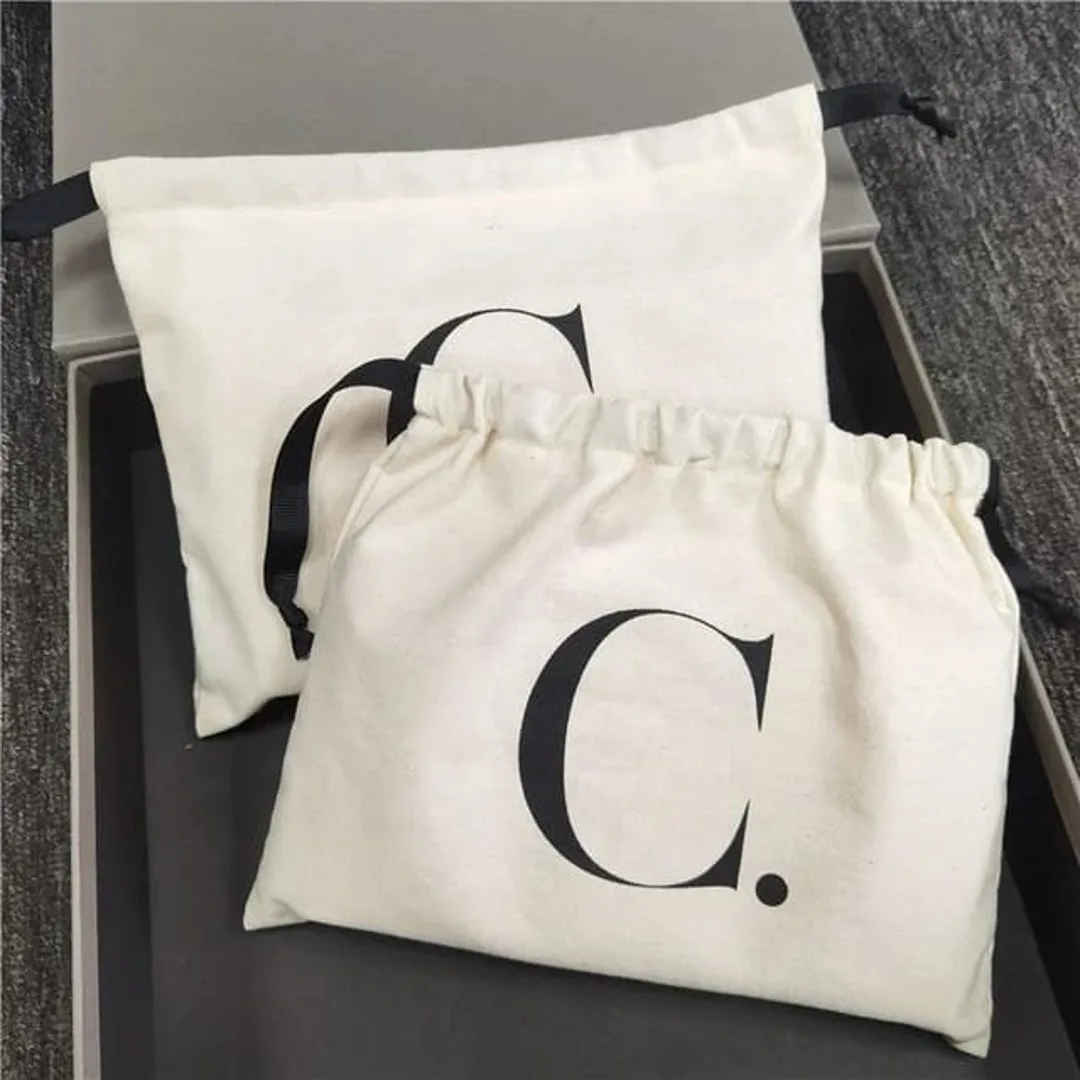
Image source: Bing (Web (fair-use with source credit))
Never Rest Desiccants Directly on Finished Hides
Never drop a silica packet into an interior zip pocket, an open slip pocket, or the bottom of a bag. The packet fabric rests against the leather surface, creating a concentrated dry zone.
The desiccant pulls moisture and finishing oils from that specific contact patch. This leaves a stiff, discolored, or sunken spot on the hide that conditioning treatments cannot fix. Always keep a physical barrier between the desiccant and the leather.
The Buffer Method: Using Dust Bags and Outer Boxes
The safest way to use silica gel is the buffer method. Wrap your clean, stuffed leather bag inside its original breathable cotton or flannel dust cover. Place the bagged purse inside a sturdy cardboard storage box or on a wardrobe shelf.
Set your silica packet on the shelf next to the dust bag, or tuck it into the corner of the outer cardboard box. The dust bag acts as a shield. The packet absorbs excess moisture from the ambient air without stripping bound water straight out of the leather grain.
How Many Grams Do You Actually Need?
Standard consumer silica packets range from 1 gram to 50 grams. Enclosed wardrobes do not require industrial desiccant volumes.
| Enclosure Volume | Recommended Silica Weight | Primary Placement Zone |
|---|---|---|
| Shelf space (approx. 2 cubic feet) | 10 to 15 grams | Shelf corner, 6 inches from bag |
| Medium box (approx. 4 cubic feet) | 20 to 30 grams | Under tissue paper, bottom of box |
| Large wardrobe cabinet (10+ cubic feet) | 50 to 100 grams | Rear corners of cabinet floor |
Mistakes That Ruin Stored Leather Bags
Most storage damage stems from good intentions paired with bad methods. Avoiding these three common missteps will keep your leather intact during seasonal storage.
Trapping Packs Inside Sealed Plastic Totes
Putting leather inside airtight plastic bins with silica packets creates a destructive microclimate. Plastic bins trap stagnant air.
If the silica packets reach full saturation during humid summer months, they stop absorbing water. When temperatures drop, trapped moisture condenses against the plastic walls, drenching the leather. Leather must breathe through woven fabrics like cotton dust bags.
Using Blue Indicating Silica Beads
Indicating silica beads change color as they draw moisture from the air. Traditional blue indicating beads contain cobalt(II) chloride, a regulated chemical and known toxin.
If a packet seams split or punctures, cobalt-laced dust can coat your bag lining. Always use non-toxic, cobalt-free indicating beads that switch from orange to green, or stick to plain white non-indicating packets wrapped in tear-proof material.
Ignoring Saturated Packets and Chemical Leaks
Silica packets do not absorb moisture indefinitely. Once the internal pores fill, they stop working. In high-humidity conditions, low-grade paper desiccant pouches can weaken and leak damp synthetic beads directly onto delicate interior fabrics.
Inspect stored items every 30 to 60 days to replace or reactivate older packets.
Better Alternatives for Long-Term Leather Preservation
Silica gel is an aggressive drying agent designed for electronics and dry food goods. For luxury bags and heritage leather items, gentler humidity-regulating methods deliver far safer results.
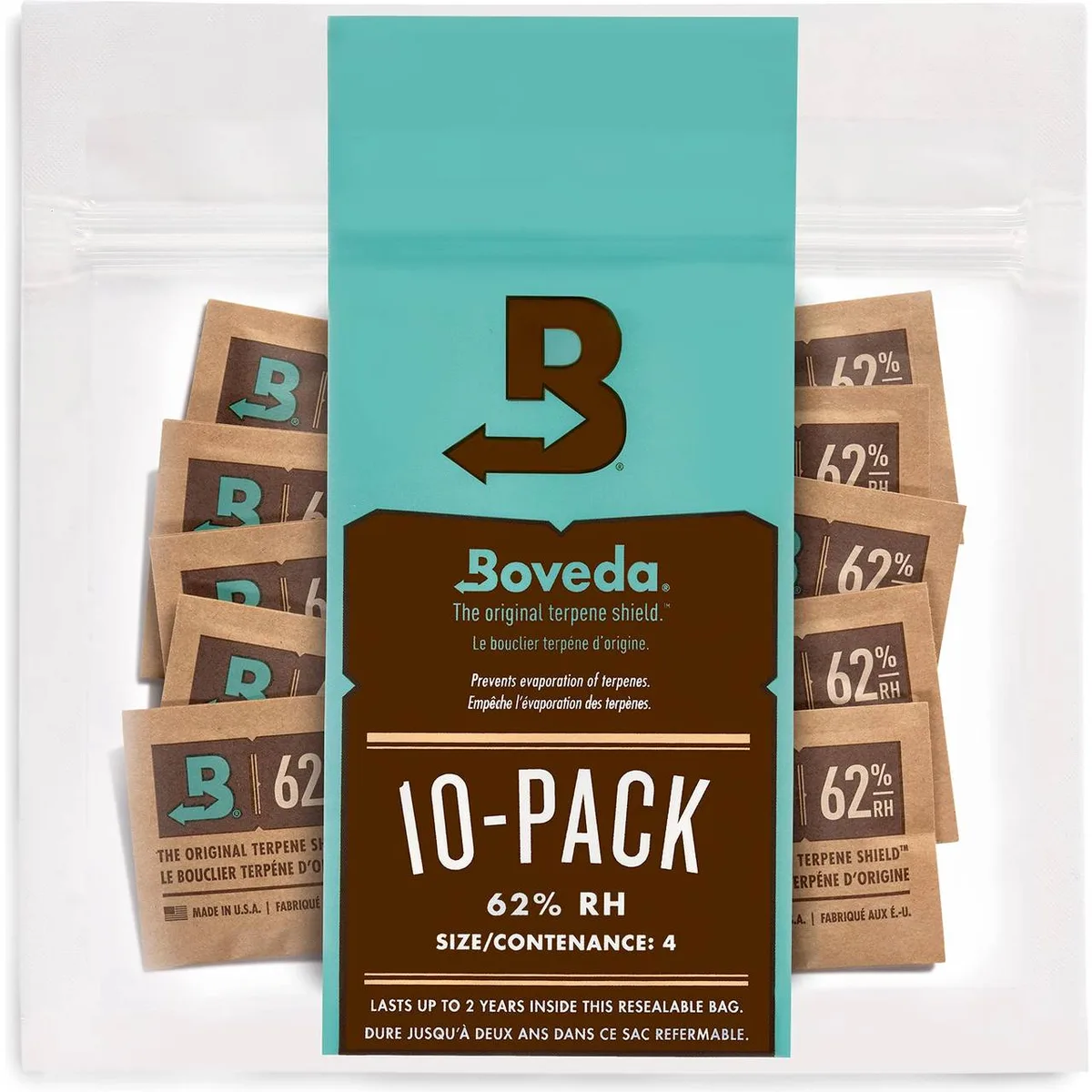
Image source: Bing (Web (fair-use with source credit))
Two-Way Humidity Control Packs
Two-way humidity control packs use a salt-and-water solution inside a vapor-permeable membrane. Unlike standard silica gel, these packets work in both directions.
They pull moisture out of the air when humidity climbs too high, and release clean vapor if the air gets too dry. Using 49 percent or 58 percent two-way packs prevents mold growth without stripping the leather of its critical natural oils.
Activated Charcoal and Breathable Fillers
Activated bamboo charcoal pouches offer a milder alternative to synthetic desiccants. Charcoal captures excess humidity slowly, without creating an aggressive moisture sink inside the storage space. It also neutralizes stale odors and mold spores lingering in closet air.
Pair charcoal pouches with acid-free tissue paper for the bag's interior. Stuffing bags with plain, unprinted acid-free paper preserves the original silhouette, absorbs incidental moisture, and protects internal linings safely.
Room-Level Dehumidification vs. Microclimate Traps
The safest storage setup manages the entire room rather than micro-managing the inside of each individual bag. Running a small thermo-electric or compressor dehumidifier in your closet keeps ambient air stable.
Setting the unit to 50 percent relative humidity protects your entire collection at once. This setup keeps the surrounding environment stable and eliminates the need for loose chemical desiccants around your leather goods.
Complete Step-by-Step Leather Bag Storage Routine
A proper storage workflow prevents mold and fiber dry-out before you pack your bag away. Follow this routine to prepare your leather goods for months of safe storage.
Pre-Storage Cleaning and Hydration
- Empty the bag completely. Turn fabric linings inside out and brush out dust or debris.
- Wipe the exterior with a damp microfiber cloth. Do not soak the leather. Use a mild leather cleaner only if the bag shows visible grime.
- Let the hide air dry at room temperature for at least 24 hours. Placing damp leather directly into storage traps water and guarantees mold blooms.
- Apply a thin layer of wax-free, lanolin-based conditioner. This seals baseline moisture inside the collagen fibers, shielding the hide from drying out if ambient humidity drops later.
Stuffing for Shape Retention Without Plastic
- Roll acid-free tissue paper into loose bundles. Avoid printed newsprint, as ink transfers permanently to leather and fabric linings.
- Stuff the body until the bag holds its natural silhouette. Do not over-pack the interior, which stretches the seams and stitch holes.
- Fasten all zippers, turn-locks, and clasp hardware. Keeping hardware closed prevents structural sagging while the bag sits on a shelf.
- Never use plastic bubble wrap for internal stuffing. Plastic prevents internal air exchange and can stick to leather linings in warm weather.
Setting Up the Storage Environment and Airflow
- Place the stuffed bag inside a pure cotton or breathable linen dust cover. Never store your bags in synthetic polyester or vinyl sleeves.
- Stand the bag upright on a flat shelf. Ensure at least two inches of open space on all sides so air circulates freely.
- Keep the storage area away from heating vents, radiators, and exterior walls prone to dampness. Maintain steady ambient temperatures between 60°F and 72°F.
Frequently Asked Questions About Storing Leather Goods
Can I put silica packets in the pockets of my bag?
No. Keep silica packets completely out of interior slip pockets and zippered compartments. Concentrated contact pulls fatliquors and natural moisture from the surrounding hide.
This leaves stiff, warped spots and causes the leather to crack along the pocket seams.
How often should I replace or recharge silica gel in storage areas?
Replace or recharge your packets every 30 to 60 days in humid conditions. Standard silica beads reach their maximum moisture saturation within two months of open exposure. You can recharge saturated beads by heating them on a baking sheet at 240°F for two to three hours.
Can silica gel remove an existing musty smell from leather?
No. Silica gel only absorbs ambient water vapor, not active odor compounds. To eliminate musty odors caused by old mildew, place a breathable pouch of activated bamboo charcoal inside the dust bag.
Clean the leather surface with a pH-balanced leather cleaner before storage.
Are the silica gel packets that come inside newly bought bags safe to reuse?
Most free packets from new products are already saturated by the time you open the box. Discard them instead of keeping them for your collection. As of 2026, conservation guidelines recommend fresh, cobalt-free packs in tear-resistant packaging when moisture control is necessary.
What should I do if a silica packet breaks open inside my bag?
Vacuum up loose beads immediately using a hose attachment wrapped in a thin cloth. Avoid scrubbing the interior fabric. If the beads were damp, let the lining air dry naturally before vacuuming to avoid pushing chemical residue deeper into the textile weave.

Similar Posts