Wool Fedora Shrunk in Rain? How to Fix It with Steam
Founder & Fashion Creative Director at Julia Fashionista · CFDA Fashion Scholar, Certified Image Consultant (AICI) · 12+ years in editorial wardrobe styling, sustainable textile sourcing, and luxury capsule curation
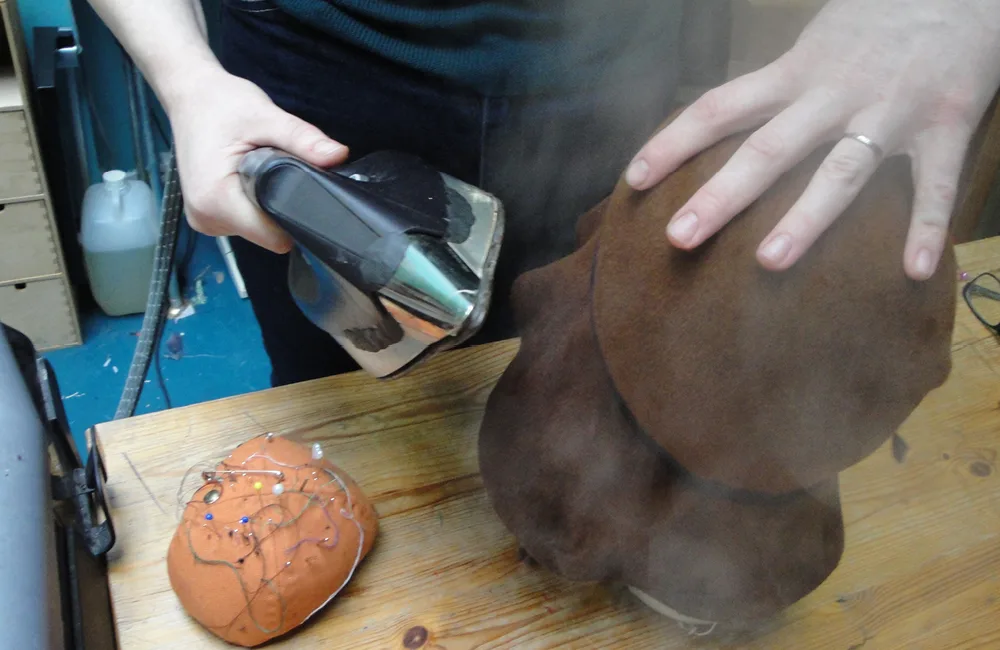
Image source: Bing (Web (fair-use with source credit))
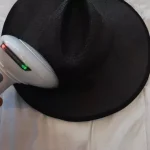
Getting caught in a sudden downpour can quickly ruin a good hat day. If your wool fedora hat shrunk in rain steam is your best ally to restore its original fit and shape. Natural wool fibers tighten aggressively when soaked and dried without tension, leaving you with a tight crown that pinches your forehead.
You do not need an expensive millinery setup to fix the problem. Controlled steam opens the microscopic scales on wool fibers, relaxing them so they can stretch back to your true size. Here is the exact, research-backed workflow you need to save your shrunken fedora at home.
Quick Answer
You can fix a wool fedora hat shrunk in rain steam by relaxing the fibers. Use gentle steam from a kettle or garment steamer. Keep the nozzle six inches away.
Place the hat on a two-way wooden hat stretcher. Turn the turnbuckle slowly until snug. Let the felt dry completely for 24 hours.
Why Rain Shrinks Wool Felt (and Why Steam Can Reverse It)
Wool felt shrinks because moisture and friction cause animal fibers to bind together. Each strand of sheep's wool contains a surface layer of microscopic, overlapping scales called the cuticle. When rainwater saturates the wool, these scales flare outward.
As the wet hat dries, normal ambient evaporation pulls the fibers closer together. The open scales hook into one another like directional barbs, locking the yarn into a tighter, denser pattern. Textile science recognizes this structural contraction as relaxation shrinkage, which occurs rapidly when wool dries without an internal mold.
[Rain Satures Felt] -> [Fiber Scales Flare] -> [Air Drying Locks Scales] -> [Felt Tightens/Shrinks]
         |
         v
[Controlled Steam Applied] -> [Moisture + Heat Soften Keratin] -> [Tension Re-aligns Fibers]
Fortunately, heat and humidity can reverse the mechanical lock. Applying steam introduces hot water vapor directly into the fiber's natural keratin protein matrix. The heat temporarily softens the chemical bonds inside the wool, relaxing the interlocked scales.
Once the wool softens under steam, applying gentle outward tension draws the fibers apart. As long as you maintain that tension until the wool cools and dries completely, the chemical bonds set in the expanded position. The hat keeps its renewed circumference without snapping back to the shrunken state.
Assess the Damage: Leather Band vs. Fabric Band Decision Tree
Before applying any heat, you must inspect the inside of your fedora. The interior sweatband dictates how you deliver the steam. Applying direct steam to the wrong material will permanently destroy your hat.
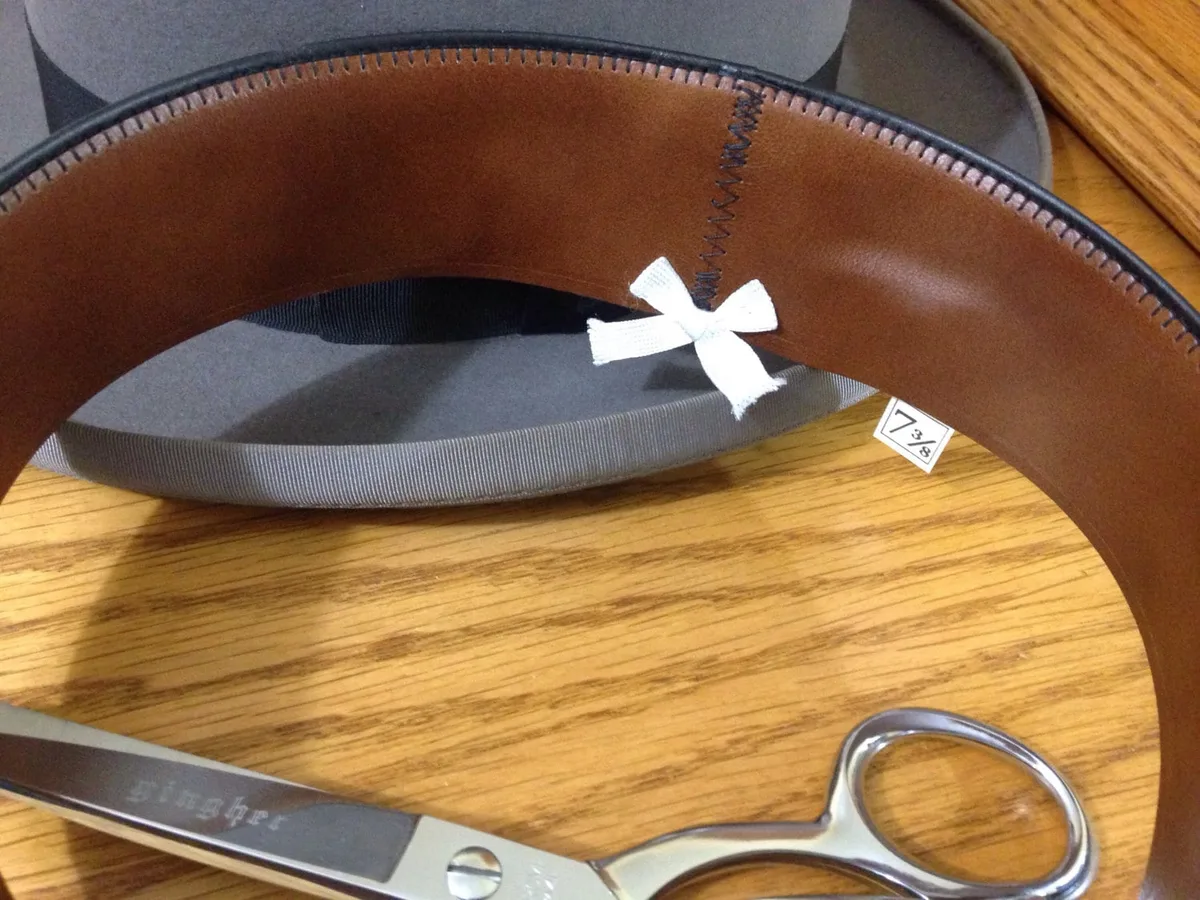
Image source: Bing (Web (fair-use with source credit))
Most fedoras feature one of two sweatband types:
- Genuine leather sweatband: Common in heritage and structured dress fedoras. Real leather contains natural oils that dry out instantly under boiling steam, causing the leather to curl, harden, and crack.
- Grosgrain or fabric sweatband: Found in casual, modern, or packable wool hats. Woven cotton or polyester bands tolerate direct steam easily and stretch smoothly alongside the wool felt.
Use this decision workflow to choose your steaming approach:
                      [Inspect Interior Sweatband]
                                   |
         +-------------------------+-------------------------+
         |                                                   |
[Genuine Leather Band]                             [Fabric/Grosgrain Band]
         |                                                   |
[Flip band completely OUT]                         [Leave band in normal position]
         |                                                   |
[Steam felt from the OUTSIDE only]                 [Steam inside or outside evenly]
         |                                                   |
[Keep steam 8" away from leather]                  [Keep steam 6" away from felt]
If your fedora has a leather band that cannot flip outward because it is stitched down flat, do not steam the lower crown directly. Instead, apply steam strictly to the outside of the hat above the ribbon line. Allowing direct steam to contact roan leather will ruin the band beyond repair.
Essential Tools You Need Before Touching Steam
Do not start steaming your hat until you have your shaping equipment ready. Wool felt cools within thirty seconds of leaving the steam source. Once it cools, the fibers lock back down, so you must apply tension immediately.
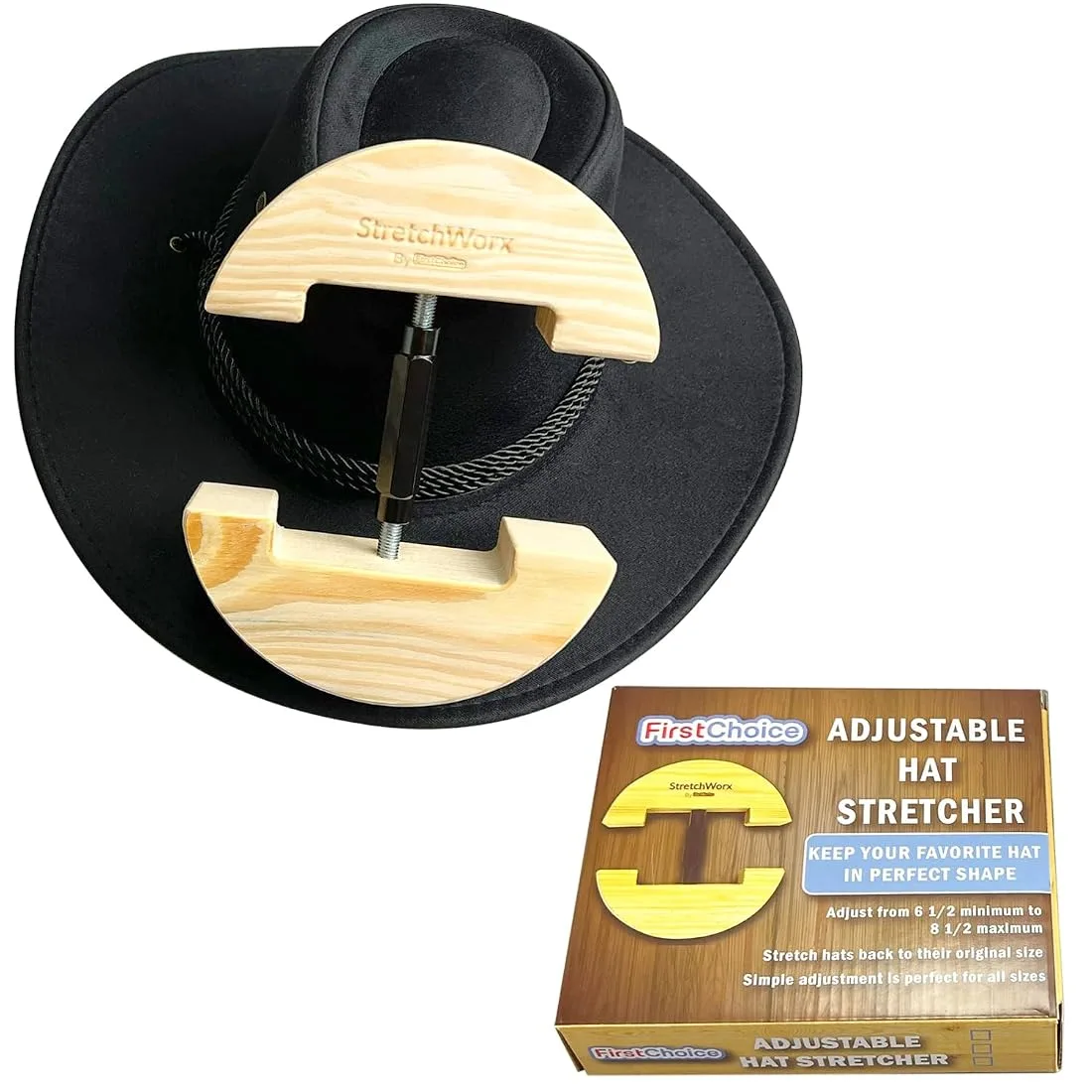
Image source: Bing (Web (fair-use with source credit))
Gather these items before you begin:
- Two-way wooden hat stretcher (hat jack): A turnbuckle-style wooden block that expands evenly to support the crown walls.
- Garment steamer or tea kettle: A steady stream of low-pressure steam is required.
- Horsehair hat brush: Essential for smoothing the wool nap after heating.
- Heat-resistant gloves: Clean grilling or silicone oven gloves protect your hands from steam burns.
- Sewing tape measure: A soft cloth tape to measure your head circumference accurately.
| Tool | Purpose | Critical Specification |
|---|---|---|
| Hat Jack Stretcher | Maintains uniform outward tension | Untreated solid wood (absorbs moisture) |
| Garment Steamer | Supplies continuous low-pressure vapor | Wide nozzle, continuous steam lock |
| Horsehair Brush | Re-lays disturbed wool surface fibers | 100% natural horsehair bristles |
| Cloth Tape | Measures before and after sizing | Metric/imperial flexible tailoring tape |
Avoid using rigid, round objects like bowls or saucepans to stretch a fedora. Human heads are oval, not circular. Round objects stretch the sides of the hat too far while leaving the front and back loose, permanently distorting the brim line.
Step-by-Step Workflow to Stretch and Reshape Your Fedora with Steam
Work slowly and methodically. Stretching wool felt requires patience, gentle pressure, and controlled moisture. Rushing the process risks tearing the delicate felt or snapping the interior ribbon seams.
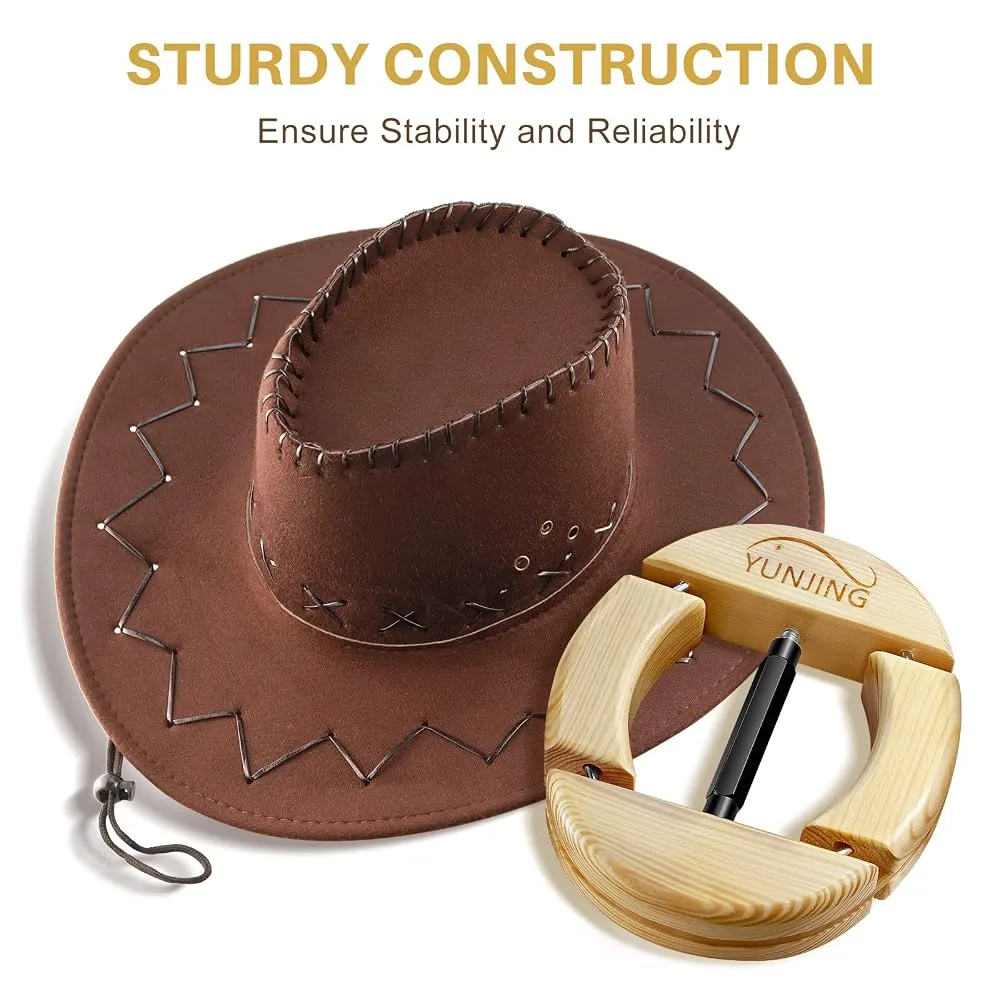
Image source: Bing (Web (fair-use with source credit))
Follow this verified sequence to restore your hat size safely:
- Prep the sweatband: If the hat has an interior leather band, flip it downward so it hangs outside the crown opening. If it has a fabric band, leave it in place.
- Mount the stretcher: Insert the wooden hat jack into the crown opening. Align the flat ends with the front and back of the hat. Turn the center turnbuckle until the wooden blocks rest snugly against the inner felt without stretching it yet.
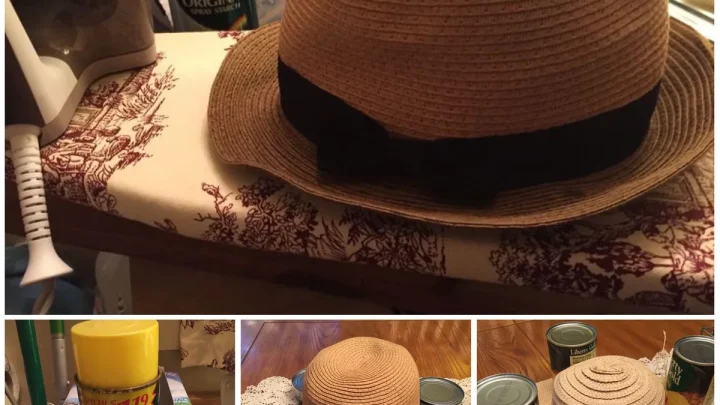
- Apply the steam: Hold the hat six to eight inches away from your steam source. Rotate the hat slowly, allowing the steam to penetrate the lower crown for twenty to thirty seconds. Target the band area where the crown meets the brim.
- Expand the hat jack: Take the hat away from the steam. Immediately give the turnbuckle one-quarter to one-half turn. You should feel firm resistance. Never force the turnbuckle more than one full turn per steaming session.
- Repeat as needed: If the hat shrunk significantly, steam the perimeter again for twenty seconds, then add another quarter-turn. Stop expanding once the stretcher matches your target head measurement.
- Set and cure: Place the hat on a flat, clean surface with the stretcher locked firmly inside. Leave the hat untouched for a full 24 to 48 hours. The wool must shed all absorbed moisture while held under tension to lock in the new size.
As of 2026, research from standards organizations like The Woolmark Company emphasizes that moisture relaxation in wool requires ambient air-drying to achieve dimensional stability. Never use a hairdryer, radiator, or direct sunlight to speed up drying time. Rapid artificial heat will instantly shrink the damp fibers all over again.
Crown, Pinch, and Brim: Restoring the Original Silhouette
Rain rarely shrinks just the circumference of a fedora. Downpours also cause the crown to collapse, make the center crease buckle, and leave the brim looking wavy or uneven.
Restoring the hat's body requires shaping the felt while it is warm and pliable from the steam. Start with the crown pinch:
- Softening the crown: Pass the top crease and side dents through steam for ten to fifteen seconds until the felt yields under gentle finger pressure.
- Resetting the crease: Place your thumb and forefinger inside the crown. Push the top ridge outward, then pinch the front indentations from the outside using your opposite hand.
- Smoothing the brim: Hold the brim flat over the steam, treating three-inch sections at a time. Lay the steamed brim down onto a completely flat tabletop. Press down firmly with your fingers, working from the crown base outward to remove ripples.
- Setting the snap: If your fedora features a snap brim that curves down in front and flips up in back, use your hands to guide the curve while the wool cools. Support the curve with your fingers for forty seconds until the fibers set.
- Finishing the nap: Once the silhouette is sharp, use your horsehair brush to sweep the surface. Always brush counter-clockwise around the crown and brim to lay the fibers in their natural direction.
Critical Mistakes That Can Permanently Ruin a Wool Hat
Stretching a wet wool fedora carries real risks if you apply too much force or heat. In our research across millinery restoration records, most ruined hats suffer from aggressive handling rather than the original rain damage.
Avoid these common pitfalls during the restoration process:
- Over-cranking the turnbuckle: Wool felt has limited tensile elasticity. Forcing the stretcher beyond one full hat size (about 1.25 centimeters) in a single session can tear the felt or pop the crown seams.
- Direct steam on leather: Exposing an interior leather sweatband to direct steam causes the collagen fibers to shrink violently. Once leather buckles and dries stiff, it cannot be stretched back.
- Using concentrated spot heat: Hairdryers, heat guns, and household radiators strip the natural moisture balance from wool. This leaves the felt brittle, discolored, and permanently misshapen.
- Skipping the full cure time: Removing the wooden stretcher while the wool is even slightly damp results in immediate rebound shrinkage. Always allow a full 24 hours of drying time.
- Pulling manually by the brim: Tugging on the brim edges with your hands stretches the outer ring unevenly. This creates unsightly ripples along the brim welt that are difficult to press out flat.
If you hear light popping sounds while expanding your stretcher, stop turning immediately. That sound indicates the structural sewing thread along the sweatband is under extreme stress and about to snap.
Long-Term Maintenance: How to Protect Wool Felt from Future Downpours
Prevention saves you from having to reshape your hat after every storm. While pure fur felt handles heavy downpours reasonably well, wool felt requires proactive moisture management.
Start by treating your fedora with a dedicated water-repellent spray designed specifically for natural wool felt. Manufacturer specifications confirm that silicone-free fluoropolymer or fluorocarbon sprays coat the outer fibers without clogging the air gaps in the felt matrix. Mist the hat lightly from ten inches away, then let it cure completely for twelve hours before wearing it outside.
If you get caught in wet weather again, handle the drying process correctly from minute one:
- Shake off standing water: Flick the brim gently to remove loose surface drops before the water soaks into the center felt.
- Flip the sweatband out: Fold out the inner sweatband so the hat can dry from the inside out without trapping moisture against your forehead band.
- Rest on the crown: Set the fedora upside down on its crown, or place it on a dedicated open-frame hat stand. Never rest a wet fedora flat on its brim, or the weight will flatten the curve.
- Store with a stretcher: Once the hat is dry, store it in a cool closet with a wooden hat jack inserted at neutral tension to maintain your exact head size.
Frequently Asked Questions About Fixing a Shrunken Wool Fedora
Can you stretch a wool fedora without a hat stretcher?
You can use a clean, rolled-up towel stuffed tightly into the crown. However, this method lacks mechanical precision. A two-way wooden hat jack provides uniform tension across the front and sides, which prevents the crown from drying into an asymmetrical shape.
How much can you realistically stretch a wool felt hat?
You can safely increase a shrunken wool fedora by one half to one full hat size. That equals roughly 0.5 to 1.3 centimeters in circumference. Attempting to stretch wool felt further than that will thin out the crown walls and snap the interior band stitching.
Does steaming a wool fedora remove its factory stiffness?
Excessive steam can soften water-soluble sizing agents like shellac, which gives dress fedoras their rigid shape. Keep steam exposure under thirty seconds per section. If your hat feels too floppy after drying, apply a light coat of millinery felt stiffener spray to the crown interior.
Can you use a regular clothes iron instead of a steamer?
Never place a flat clothes iron directly onto wool felt. The direct heated metal will scorch the wool proteins and crush the raised fiber nap flat, creating shiny permanent burn marks. Always use suspended steam vapor held several inches away from the material surface.

Similar Posts