Why Your Slouchy Tote Bag Needs a Base Shaper
Founder & Fashion Creative Director at Julia Fashionista · CFDA Fashion Scholar, Certified Image Consultant (AICI) · 12+ years in editorial wardrobe styling, sustainable textile sourcing, and luxury capsule curation
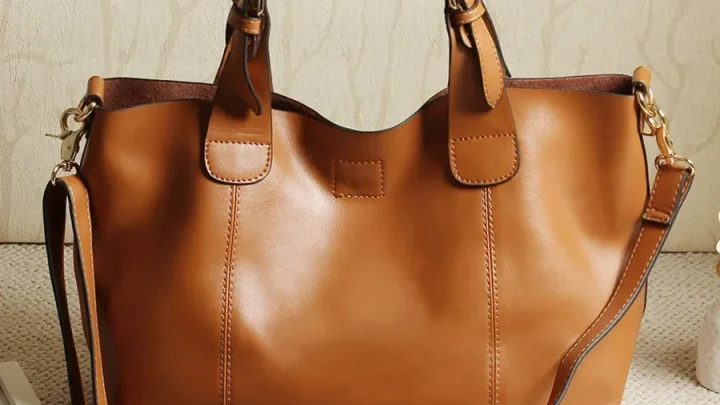
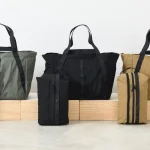
A slouchy bag looks effortlessly chic until you put a water bottle inside. The moment heavy items hit the bottom, the leather droops into an awkward point, stretching the material out of shape. Finding the right base shaper for slouchy tote bag designs solves this problem without turning your relaxed carryall into a stiff, rectangular box.
The trick lies in balancing weight distribution against fabric drape. According to material standards like ASTM D5034, which measures breaking strength and fabric elongation, localized stress from concentrated loads rapidly deforms woven textiles and soft leathers. Installing a tailored support panel spreads that weight across the entire bottom footprint.
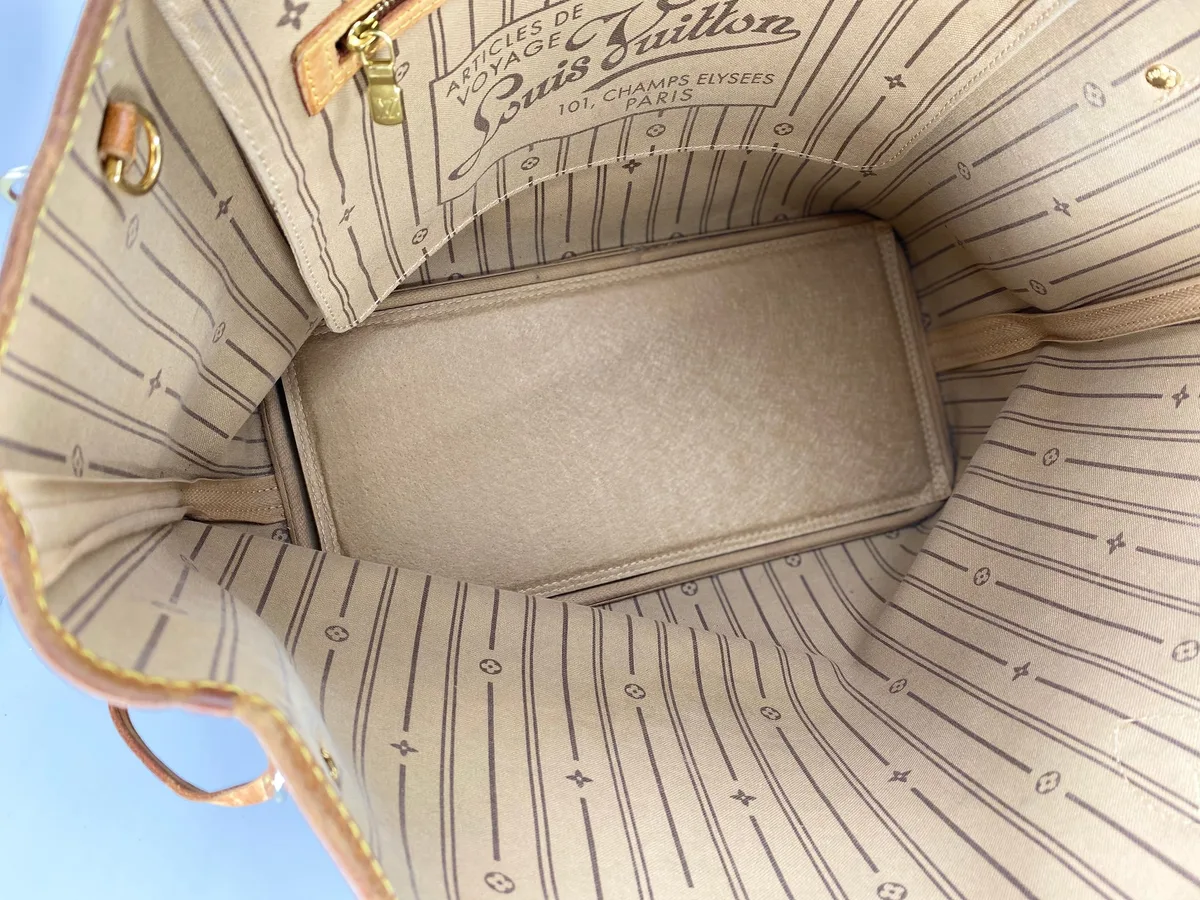
Image source: Bing (Web (fair-use with source credit))
Quick Answer
A base shaper stops your slouchy tote from sagging. It spreads out the weight of heavy items. This keeps the bottom flat while sides stay relaxed.
Felt or wrapped boards work best for soft bags. Rigid plastic often ruins the natural slouch.
Why Slouchy Totes Sag (And Why Most Fixes Ruin the Bag)
Unstructured totes lack internal framing by design. When you drop keys, a phone, or a water bottle inside, gravity pulls those dense objects straight to the center. The bottom fabric stretches downward, creating a hammock effect.
Over time, that focal pressure permanently distorts delicate calfskin, suede, or lightweight canvas.
The common reaction is to buy the stiffest insert available. That usually backfires. A hard, unyielding bottom panel forces the lower edges outward.
Your casual hobo or slouchy carryall suddenly looks like an office file crate.
Worse yet, hard flat bases fight against the soft sides. Instead of folding naturally along your hip, the tote sticks out awkwardly. The goal is never to eliminate every curve.
The right solution reinforces the bottom plane while letting the upper walls drape freely.
Base Shaper Materials Compared: Acrylic vs. Felt vs. Wrapped Vegan Leather
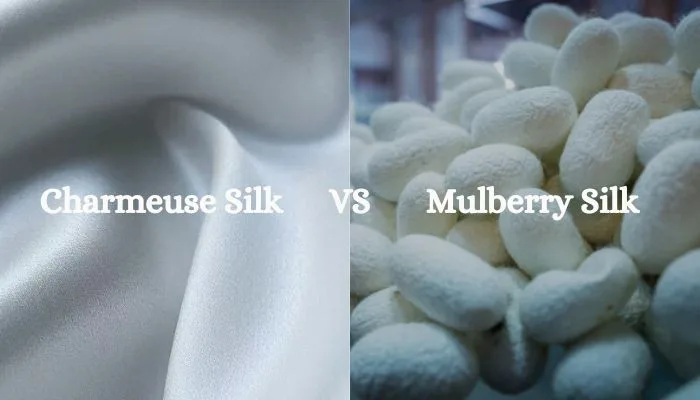
Choosing the right material determines whether your tote keeps its relaxed character or feels clunky. Each popular option brings clear trade-offs between rigidity, interior protection, and weight.
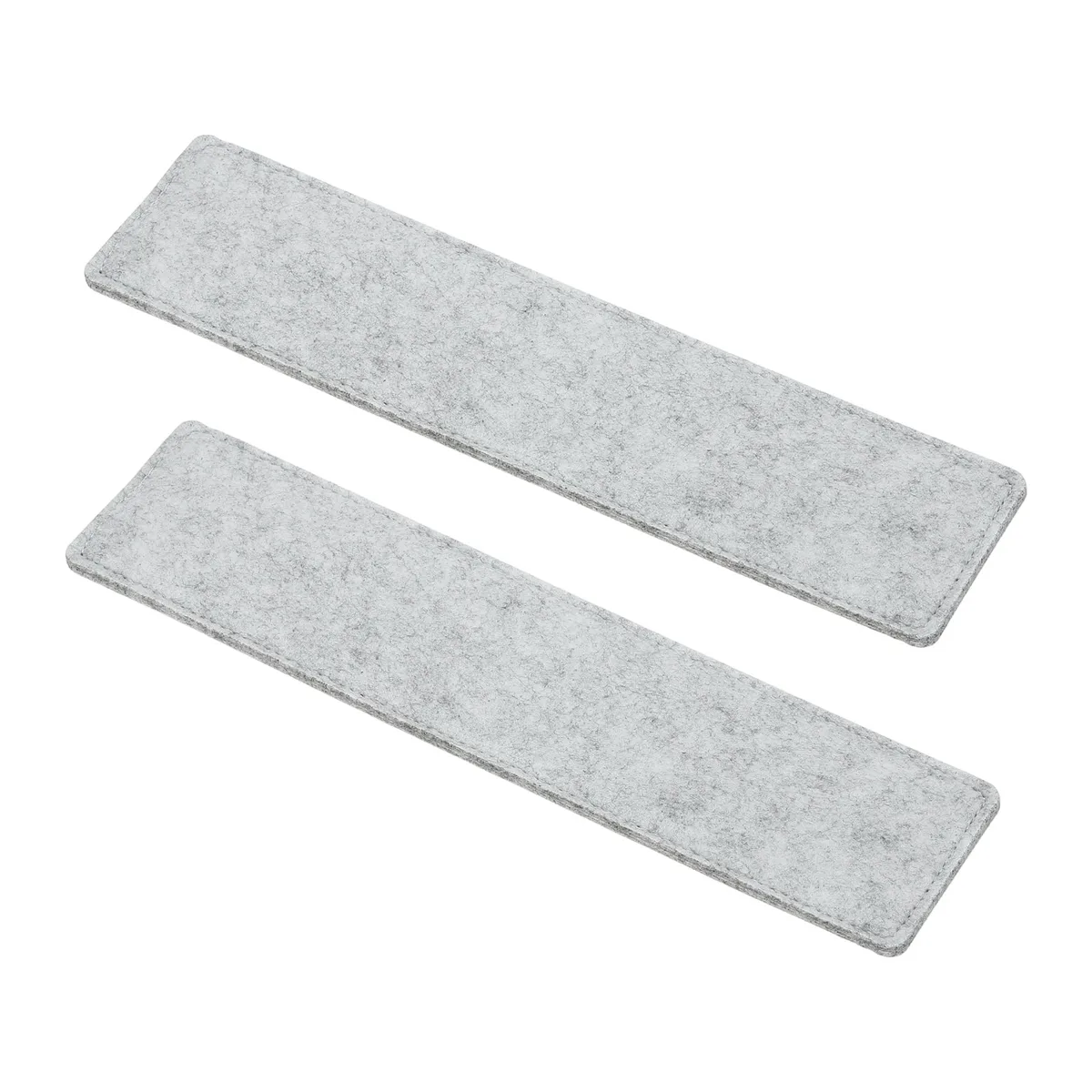
Image source: Bing (Web (fair-use with source credit))
| Material | Rigidity Level | Weight Profile | Lining Safety |
|---|---|---|---|
| Clear Acrylic | Maximum (zero flex) | Heavy (8–12 oz) | Risky on thin linings |
| Pressed Wool / Poly Felt | Semi-rigid (pliable) | Very light (2–4 oz) | Gentle, zero scuffs |
| Wrapped Faux Leather | Moderate (cushioned) | Medium (4–6 oz) | Safe, wipe-clean |
Clear acrylic offers complete structural support. It stops sag entirely, but aggregate reviews report that its hard corners can wear through delicate bag linings. As of 2026, many bag owners favor high-density pressed wool felt instead.
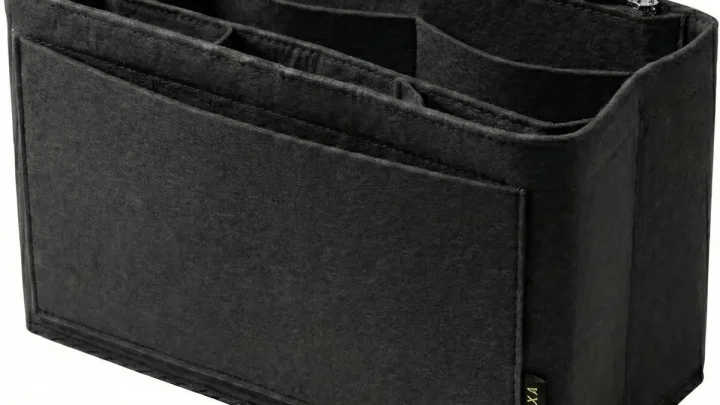
Felt yields slightly when your body bumps the bag, preserving that soft slouch while spreading out weight evenly. Wrapped faux leather boards split the difference nicely, offering structured cardboard or thin plastic cores enclosed in soft, wipeable polyurethane.
Flat Base Shaper vs. Full Organizer Insert: Which Protects the Slouch?
A full purse organizer packs compartments, bottle sleeves, and zipper pockets along tall felt walls. That is great for an upright work satchel, but it completely destroys the silhouette of a slouchy bag. The tall sides prop up the leather, eliminating the natural fold that gives unstructured totes their relaxed look.
A flat base shaper sits solely on the floor of the bag. It adds zero vertical bulk.
If your main goal is organization, a full insert delivers pockets at the cost of your bag's shape. If your goal is preserving the authentic drape while stopping the bottom droop, a flat base board is always the better choice. It quietly handles the weight while your bag slouches naturally above it.
How to Measure Your Unstructured Tote for an Exact Fit
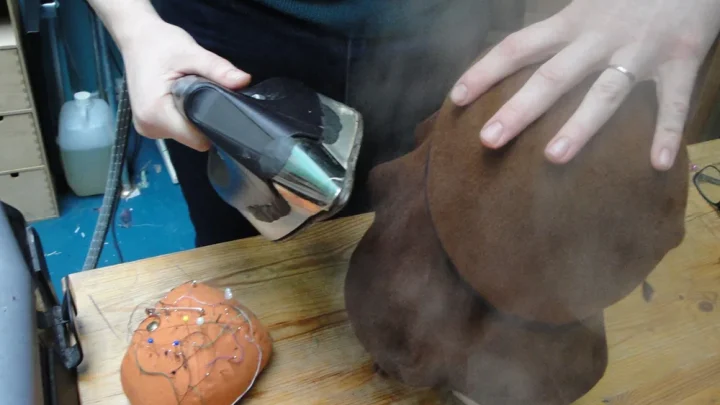
Getting an accurate fit requires measuring the internal seam lines, not the outside shell. Turn your tote slightly inside out or look directly into the bottom cavity with a flexible tailor's tape.
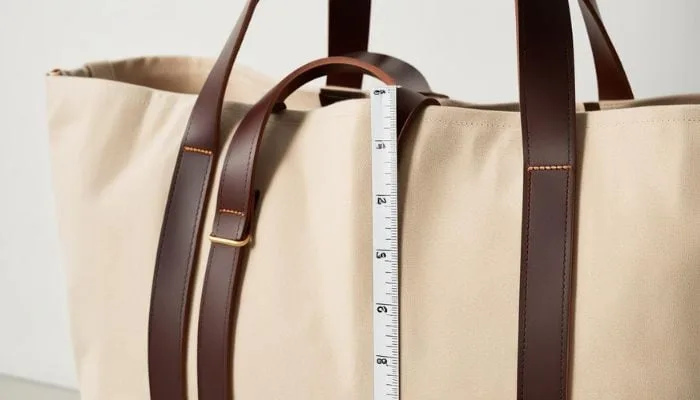
Image source: Bing (Web (fair-use with source credit))
- Measure interior length: Run your tape along the bottom seam from left to right. Stay just inside the stitching.
- Measure interior width: Check the depth across the gusset from front seam to back seam.
- Deduct clearance margins: Subtract 0.25 inches (roughly 6 mm) from both length and depth.
That quarter-inch reduction is critical. An insert cut to the exact outer dimensions will push aggressively against the leather, creating visible ridges on the exterior. Leaving a slight buffer lets the board drop flat against the tote interior lining without stretching the perimeter stitches.
Critical Mistakes That Cause Corner Wear and Ruin Bag Linings
The biggest risk to an unstructured tote is friction between the insert corners and the bag interior. Sharp or poorly finished edges act like tiny chisels against soft fabric.
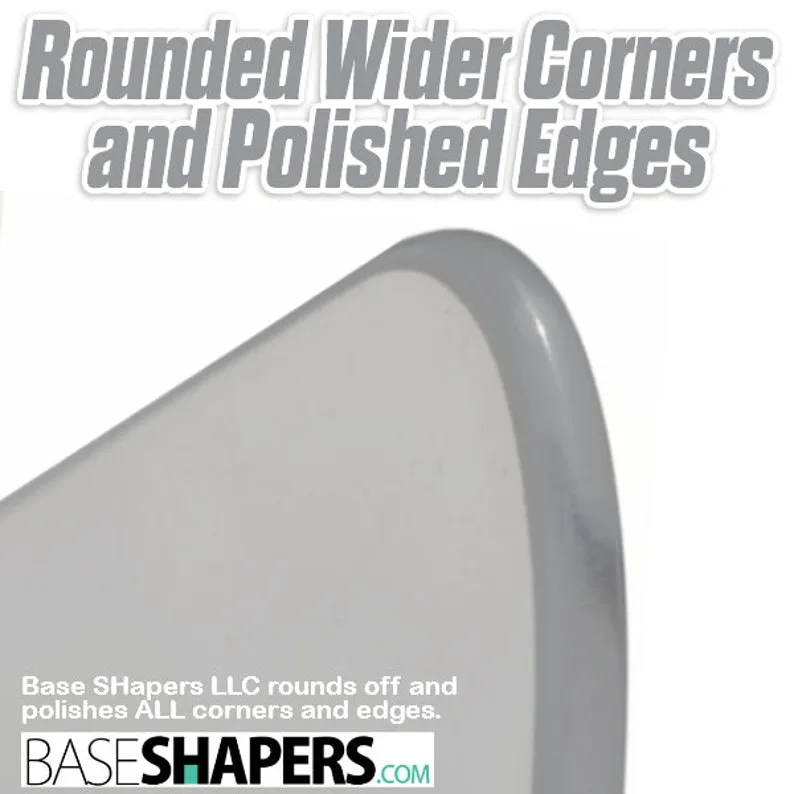
Image source: Bing (Web (fair-use with source credit))
Cheap acrylic boards often feature ninety-degree cut corners. Under daily motion, those pointed ends press directly into the lower seams. In our research analyzing common purse repair issues, corner punctures are the number one damage caused by aftermarket shapers.
Always look for radiused corners. A curved edge guides the shaper gently into the curve of the gusset. Guidelines from organizations like the Leather Working Group emphasize avoiding sharp internal friction points to prevent premature grain cracking.
If you already own a sharp board, rounding the corners with fine sandpaper or wrapping the edges in felt tape will save your bag lining from tears.
The Best Base Shaper for Your Specific Carry Style
Matching your insert to your daily cargo prevents unwanted stiffness while keeping your bag functional. The weight and type of items you carry dictate how much support your tote actually needs.
If you carry a laptop, charger, and water bottle every day, choose a wrapped vegan leather base. Heavy hardware requires firm support to prevent the bottom panel from bowing downward. The synthetic leather wrapping cushions the edges, so the board will not dig into the lower seams under heavy loads.
If you carry light essentials like a wallet, keys, cosmetics, and a book, a 3mm pressed wool felt shaper is the ideal choice. Felt is pliable and light. It gently supports your items without forcing the tote into a rigid geometric profile.
If you use your unstructured tote primarily for weekend errands or travel, a flexible semi-rigid plastic liner wrapped in microfiber works best. It bends easily when you tuck the tote under an airplane seat. Once placed upright on a flat surface, it pops right back into shape, keeping your bag clean and stable.
Practical Tips for Setup, Cleaning, and Long-Term Care
Installing a base shaper requires proper technique so you avoid pulling on the bag opening. Tilt the board vertically and slide it short-end first through the main zipper or opening. Once the board reaches the bottom interior, lay it flat and center it between the seam margins.
Maintenance depends entirely on the construction material. For acrylic or smooth vegan leather shapers, wipe the surface weekly with a damp microfiber cloth. This removes dust, crumbs, and rogue pen marks before they transfer to your tote's fabric.
- Felt care: Clean surface debris using a standard sticky lint roller. Spot clean minor spills immediately with cold water and mild soap, then air dry completely.
- Preventing dye bleed: Test brightly colored felt inserts on a damp paper towel before putting them inside a light-colored lining. Poorly fixed dyes can permanently stain canvas or suede.
- Inspecting edges: Check the corner edges of your insert every few months. If the protective wrapping starts thinning out, replace the board before it scuffs the interior corners.
To prevent permanent creases, never store your tote long-term with the base shaper wedged inside under heavy objects. Remove the shaper, stuff the slouchy bag with acid-free tissue paper, and lay the board flat on a shelf.
Frequently Asked Questions About Tote Base Shapers
Will a base shaper make my slouchy tote look too boxy?
Not if you select the right material and size. A flexible wool felt or thin wrapped board stabilizes only the floor of the bag. The sides remain completely free to drape, fold, and slouch naturally against your body while you walk.
What thickness is best for a slouchy tote base?
A thickness between 2mm and 3mm provides the best balance. Anything thinner than 2mm will bend under the weight of a water bottle. Boards thicker than 4mm add unnecessary weight and create rigid lines visible from the exterior.
Can I leave a base shaper inside my bag permanently?
Yes, for daily use it can stay inside indefinitely. However, when putting the tote into seasonal storage, remove the insert. Emptying the bag and stuffing it loosely prevents permanent creasing along the bottom perimeter seams.
How do I stop a base shaper from sliding around?
Choose an insert with a textured bottom, such as natural felt or pebble-grain synthetic leather. These materials grip interior linings effectively. Avoid bare, ultra-smooth plastic boards, as they slide easily against silk, twill, or nylon purse interiors.

Similar Posts