Gradient vs Solid Tint: Which Is Better for Driving?
Founder & Fashion Creative Director at Julia Fashionista · CFDA Fashion Scholar, Certified Image Consultant (AICI) · 12+ years in editorial wardrobe styling, sustainable textile sourcing, and luxury capsule curation
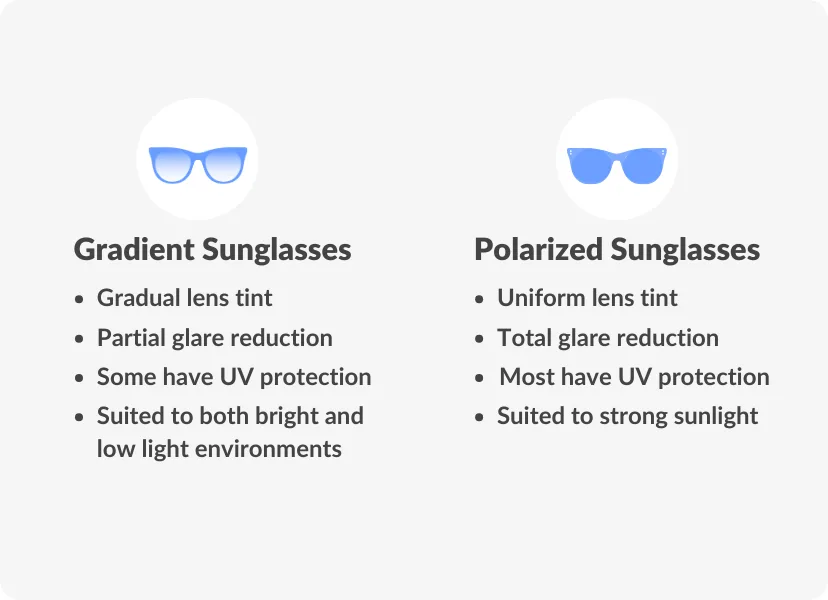
Image source: Bing (Web (fair-use with source credit))
Choosing between gradient lenses vs solid tint driving eyewear comes down to balancing bright skies against dark dashboards. Standard sunglasses often make modern vehicle interiors hard to read. Meanwhile, weak tints leave you squinting into the afternoon sun.
Optical performance inside a modern vehicle requires a deliberate balance. Per standards outlined by the American Optometric Association, driving sunglasses must shield your eyes from overhead strain while preserving critical contrast on the road. Here is how both tint profiles hold up when you get behind the wheel.
Quick Answer
Comparing gradient lenses vs solid tint driving eyewear reveals distinct practical strengths. Gradient lenses work best for daily driving and suburban commutes. The darker top blocks overhead sky glare.
The lighter bottom lets you read digital dashboards clearly. Solid tints work best for open highways and desert roads. They block intense, unbroken glare from every angle.
Why Your Driving Sunglasses Need a Different Strategy
Driving presents an optical challenge that standard outdoor sunglasses simply cannot solve. When walking outside, light hits your eyes from all directions evenly. You look around without huge shifts in luminance.
Inside an automobile cockpit, the lighting environment splits in half. Overhead sunlight pours through the clear windshield glass. At the exact same moment, your instrument cluster sits in deep mechanical shadow.
Modern cars complicate this balance even further. Digital screens, heads-up displays, and recessed navigation tablets require high light transmission to stay legible.
Standard laminated windshields also filter out almost 100 percent of ultraviolet radiation. Because of this, standard photochromic lenses will not darken reliably inside a vehicle cabin. You must rely on fixed-tint eyewear that manages high contrast across split sightlines.
How Gradient Lenses Work Behind the Windshield
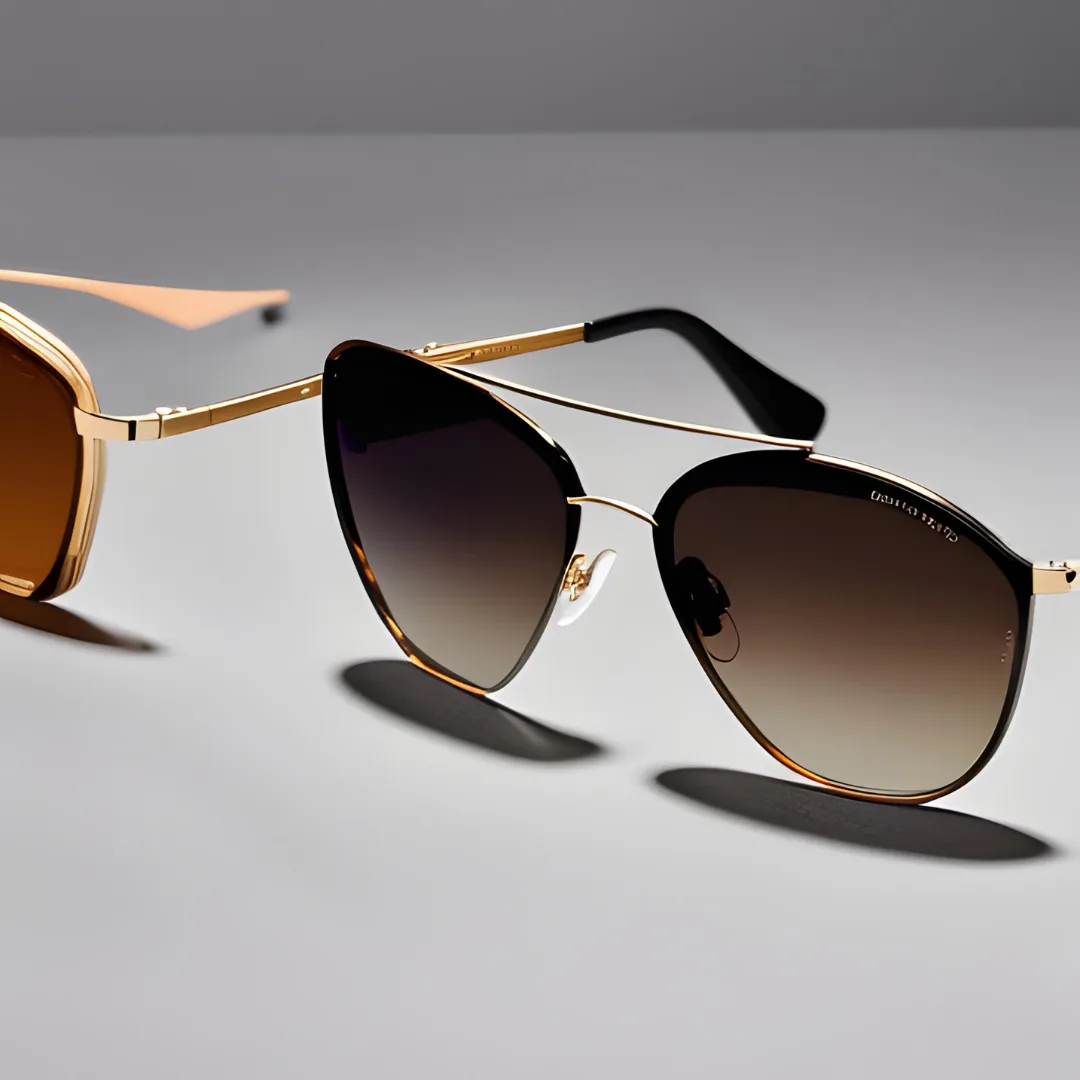
Image source: Bing (Web (fair-use with source credit))
Gradient lenses feature a gradual transition in tint density. The optical lab achieves this effect using a controlled chemical immersion bath. The blank lens is lowered slowly into tinting dye, leaving the top portion submerged longer than the bottom.
The top third of the lens typically blocks out 75 to 80 percent of incoming visible light. This shaded upper band cuts through harsh skylight and blinding cloud cover. It acts like an extension of your car's physical sun visor.
The bottom third of the lens remains much clearer. It usually absorbs only 10 to 30 percent of visible light. This setup lets your eyes view your dashboard without lifting your glasses.
You simply tip your eyes downward to check your speed or GPS. Your eyes stay relaxed because mesopic visual accommodation happens instantly. You avoid the pupil strain caused by forcing your eyes to read dark screens through dark lenses.
The Mechanics of Solid Tint Lenses on the Road
Solid tint lenses feature an identical light absorption rate across the entire lens surface. Whether you gaze straight ahead, check your side mirrors, or glance down, the optical filtration never changes.
These lenses are manufactured by dispersing dye evenly throughout the lens monomer, or by dipping the lens completely into a dye vat. The result is uniform luminance reduction.
Uniform filtration works exceptionally well against high-albedo road surfaces. Light asphalt, white concrete highways, and open desert sand bounce blinding glare straight upward into the lower half of your windshield.
Under these extreme conditions, the lighter lower portion of a gradient lens fails to shield your eyes. Solid tints absorb this low-angle bounce consistently. They offer full peripheral coverage that keeps your visual field calm during long stretches of open highway.
Head-to-Head Comparison: Optical Clarity, Glare, and Cockpit Ergonomics
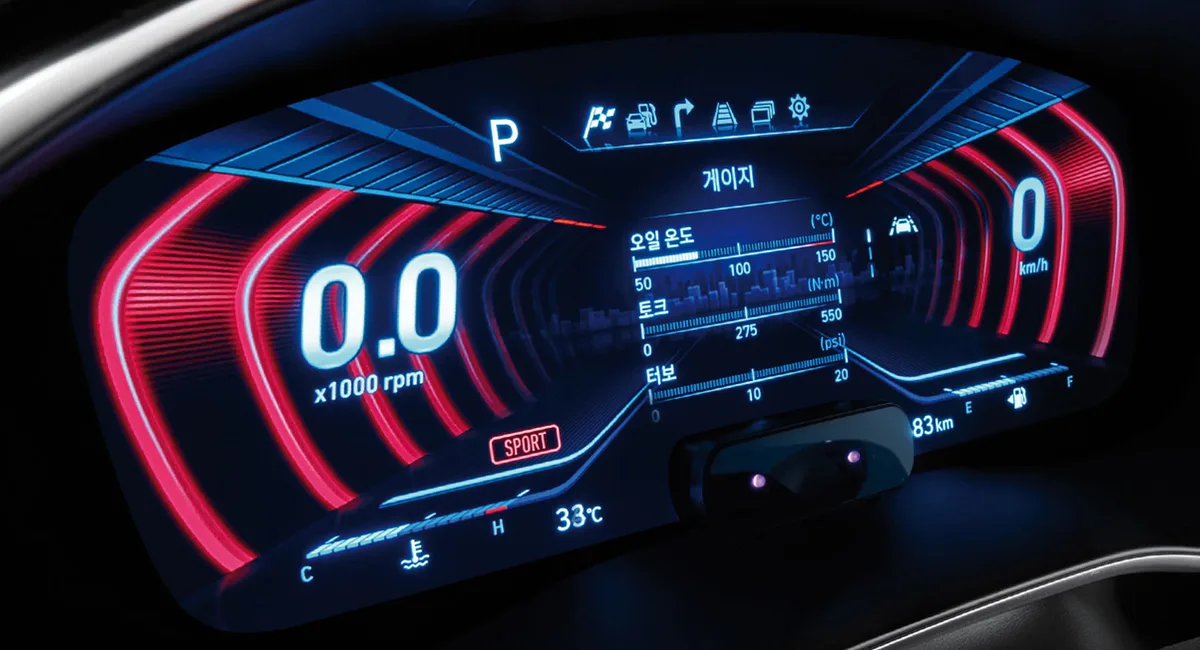
Image source: Bing (Web (fair-use with source credit))
Choosing the right lens profile involves balancing road visibility against cockpit accessibility. Neither style wins in every single environment.
| Performance Metric | Gradient Tint Lenses | Solid Tint Lenses |
|---|---|---|
| Overhead Sun Glare | Excellent (dense upper band) | Excellent (uniform coverage) |
| Upward Road Reflection | Fair (lower lens is clear) | Excellent (consistent absorption) |
| Gauge Cluster Legibility | Superior (natural light path) | Fair to Poor (over-darkened dials) |
| Digital Screen Readability | Crystal Clear | Dimmed (requires LCD backlighting) |
| Tunnel Transition Speed | Fast (tilt head back slightly) | Slow (temporary blackout) |
| Visual Fatigue Over Long Trips | Low in mixed conditions | Low in intense, open sun |
Gradient lenses excel in variable urban conditions. When entering a highway underpass or shaded corridor, you do not have to rip your sunglasses off. You look slightly through the bottom portion to track lane markings and tail lights safely.
Solid tints excel when solar intensity remains relentless. On flat interstates running through midday heat, the uniform tint keeps your pupillary reflex completely steady. Your eye muscles relax because there is zero variation in brightness across your entire visual field.
Tint Categories, VLT Percentages, and Driving Laws You Must Know
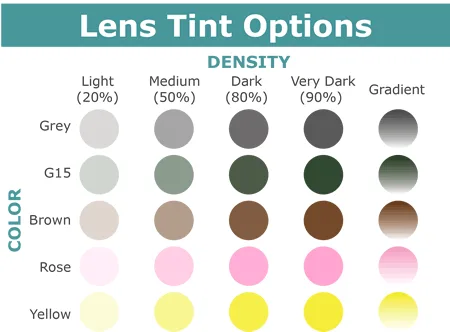
Image source: Bing (Web (fair-use with source credit))
Visible Light Transmission, or VLT, measures how much light passes directly through an optical lens. Eyewear standards define specific performance categories to protect road users. Per standards from the International Organization for Standardization, driving sunglasses must stay within designated safety margins.
- Category 0 (80% to 100% VLT): Clear or very light fashion tints. Safe for daytime and nighttime driving, but useless against harsh sun.
- Category 1 (43% to 79% VLT): Soft pastel tints. Useful for overcast days, but underpowered for summer glare.
- Category 2 (18% to 42% VLT): Medium absorption. Ideal for the lower portion of gradient lenses or mild daytime light.
- Category 3 (8% to 17% VLT): Strong, dark tint. The legal standard for bright, direct daytime driving.
- Category 4 (Less than 8% VLT): Extremely dark lenses designed for high-altitude mountaineering. Illegal for driving at all times because they blind drivers to roadside hazards.
As of 2026, transportation safety regulations require all daytime driving glasses to maintain at least 8 percent VLT across the optical center. Lenses must also meet strict Q-value color metrics.
These color standards guarantee that you can tell red, amber, and green traffic lights apart instantly. If a solid tint lens is too dark, or if a gradient lens drops too steeply, your reaction time slows down dangerously.
The Best Scenarios for Gradient vs. Solid Tints
Your daily route dictates which lens style serves you best. Commuting through changing urban landscapes requires visual flexibility. Cruising across open terrain demands raw light filtration.
Choose gradient lenses if your commute involves:
- Mixed city driving: Tall buildings, frequent overpasses, and sudden shadows require quick adaptation.
- Modern digital dashboards: Bright LCD infotainment displays remain crisp and legible through the lower lens segment.
- Morning and evening commutes: Low sun angles in the sky are cut by the dark top, while darker road levels stay visible below.
Choose solid tint lenses if your driving looks like:
- Cross-country highway trips: Long stretches of exposed interstate create massive visual fatigue that only uniform absorption can settle.
- Snow-covered or wet winter roads: High-albedo surfaces reflect blinding light upward, bypassing the bottom of a gradient lens.
- Desert or coastal driving: Extreme, multi-directional ambient brightness requires Category 3 protection across your whole field of view.
If your route changes constantly, keep both profiles in mind. Matching the tint profile to your driving environment eliminates unnecessary eye strain.
Critical Mistakes to Avoid When Choosing Driving Eyewear
Selecting driving eyewear involves more than picking a style you like. Optical missteps can directly compromise your road safety.
The most common mistake is using polarized lenses alongside digital dashboard displays. Linear polarization filters horizontal light, which clashes with the liquid crystal displays in modern cars. You might see shimmering rainbow patterns or total screen blackout on your navigation map.
Another frequent error is driving with overly dark lenses. Using Category 4 lenses behind the wheel is dangerous and illegal in most jurisdictions. These dark lenses drop your visual throughput too low, making roadside pedestrians and cyclists vanish in shadowed areas.
Pay close attention to frame selection as well. Bulky temples block peripheral vision when checking blind spots. Rimless or thin metal wire frames preserve natural peripheral awareness, keeping lane merges safe.
Finally, avoid cheap uncertified tints lacking UV400 absorption. Dark lenses without proper UV coating cause your pupils to dilate wider. This dilation floods your retinas with damaging radiation through the unshielded material.
Frequently Asked Questions About Driving Tints
Are gradient lenses better than solid tints for everyday driving?
Yes, gradient lenses are better for most everyday commutes. They block blinding overhead sunlight through the top half while keeping instrument clusters and navigation screens clear through the bottom. Solid tints work better on flat highways where ground reflections are intense.
Can I use polarized gradient lenses for driving?
Yes, but you must check your vehicle's display screens first. Polarized filters cut surface road glare effectively. However, they frequently clash with LCD gauge clusters and heads-up displays, causing distracting blackouts or oily rainbow distortions while you drive.
Which lens color works best for driving tints?
Amber, copper, and brown tints work best for daytime driving. These warm colors filter out blue light scatter and sharpen depth perception. Neutral grey lenses preserve true real-world color balance, while green lenses offer balanced contrast and low eye fatigue.
Are gradient sunglasses safe for night driving?
No, gradient sunglasses are unsafe and illegal for night driving. The clear bottom portion still absorbs light, reducing critical night visibility. Any lens worn after dark must let through at least 75 to 80 percent of visible light.
The Final Verdict: Which Lens Should You Keep in Your Car?
If you must choose a single pair of sunglasses to leave in your console, let your vehicle's interior make the call.
Drivers in modern vehicles with high-tech cabins will get the most utility from gradient lenses. Modern cars rely on complex digital screens, back-up cameras, and backlit center consoles. Gradient tints offer the exact balance needed to view those interior tools without fighting dark upper-sky glare.
Drivers running long, unbroken highway miles across sun-drenched regions should stick with a solid Category 3 tint. When road reflection bounces upward off bleached concrete or desert asphalt, uniform filtration provides visual comfort that gradient shades cannot match.
Match the lens design to your primary driving environment. When your sunglasses work with your car rather than fighting against it, every drive feels smoother, safer, and much less tiring.

Similar Posts