How to Stop Aviators From Tangling in Your Hair
Founder & Fashion Creative Director at Julia Fashionista · CFDA Fashion Scholar, Certified Image Consultant (AICI) · 12+ years in editorial wardrobe styling, sustainable textile sourcing, and luxury capsule curation

Image source: Bing (Web (fair-use with source credit))
Few things ruin a sunny day faster than aviator sunglasses tangling in top of head hair when you push them up. You slide your shades up to read a menu or step inside, and instantly, a dozen strands wrap around the tiny hardware. Pulling them loose hurts, snaps your hair, and bends your frame out of shape.
The trouble comes down to basic frame engineering. Traditional metal frames use adjustable nose pads mounted on thin metal stems that create tiny triangular pinch points. Per ANSI Z80.5 guidelines from the American National Standards Institute for ophthalmic frame construction, these wire assemblies require open clearances to allow custom fitting against the nose.
That same clearance creates an accidental trap for hair shafts. Here is how to eliminate the catch entirely.
Quick Answer
Aviator sunglasses tangling in top of head hair happens at the small gap behind the nose pads. Individual strands slip into the pad mount and wrap around tiny hinge screws. Sliding 2mm clear heat-shrink tubing over the wire arms seals this gap.
Installing a single-piece silicone saddle bridge also removes the catch point entirely. Lifting frames off your crown rather than sliding them prevents strand breakage.
The Real Reason Aviators Snag Your Hair Every Single Time
Classic teardrop aviators look great, but their mechanical construction makes them natural hair traps. Traditional pilot frames feature adjustable nose pads anchored by thin, S-curved wire stems known as gooseneck pad arms. These arms give opticians room to adjust how the eyewire sits across your bridge.
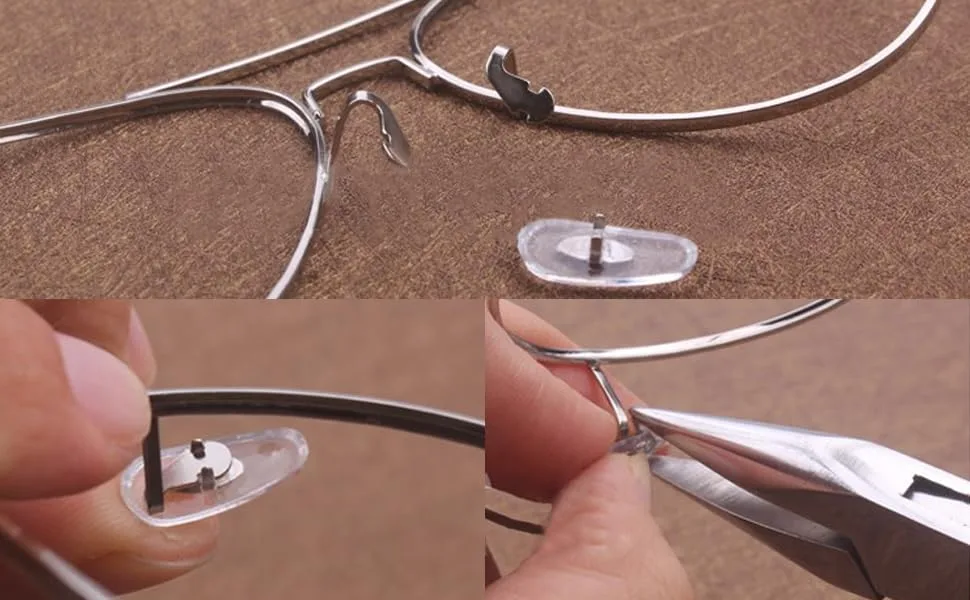
Image source: Bing (Web (fair-use with source credit))
Unfortunately, that adjustment room creates an open triangular notch between the pad box and the frame rim. When you slide glasses onto your crown, hair bundles pass across the frame. Fine strands naturally settle into this notch.
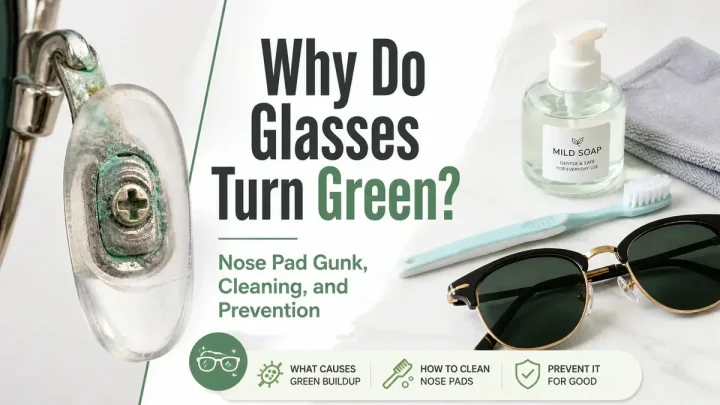
Once inside, they wrap around the miniature mounting screw holding the silicone pad in place.
The hair cuticle acts like a series of microscopic shingles. When you pull the frame forward, those shingles catch against the sharp edges of the pad mount. The tension strips the cuticle and snaps the strand near the root.
Clinical research from the American Academy of Dermatology notes that repeated mechanical friction of this type causes localized traction damage over time. You do not just lose loose hairs; you snap healthy growth mid-shaft.
Decision Tree: What Is Your Best Fix?
You do not need to replace your favorite shades to get rid of the problem. Your path forward depends on your budget, whether you want to alter the frame, and your frame style.
- If you want a zero-cost fix right now: Change your clearing technique. Never slide the frame backward over your crown. Lift the frames directly up, clear your hairline, and set them lightly downward.
- If you want a permanent, invisible DIY fix: Use clear heat-shrink tubing. Slipping a tiny polyolefin sleeve over the gooseneck arm seals the hair-catching void without changing the fit.
- If you prefer an off-the-shelf hardware swap: Install a silicone saddle bridge. This replaces independent pad assemblies with a solid, continuous bar that has zero hair gaps.
- If you are shopping for a new pair as of 2026: Choose acetate aviators with molded bridges, or look for modern metal styles engineered with closed, loop-style pad mounts.
Quick Fixes for the Aviators You Already Own
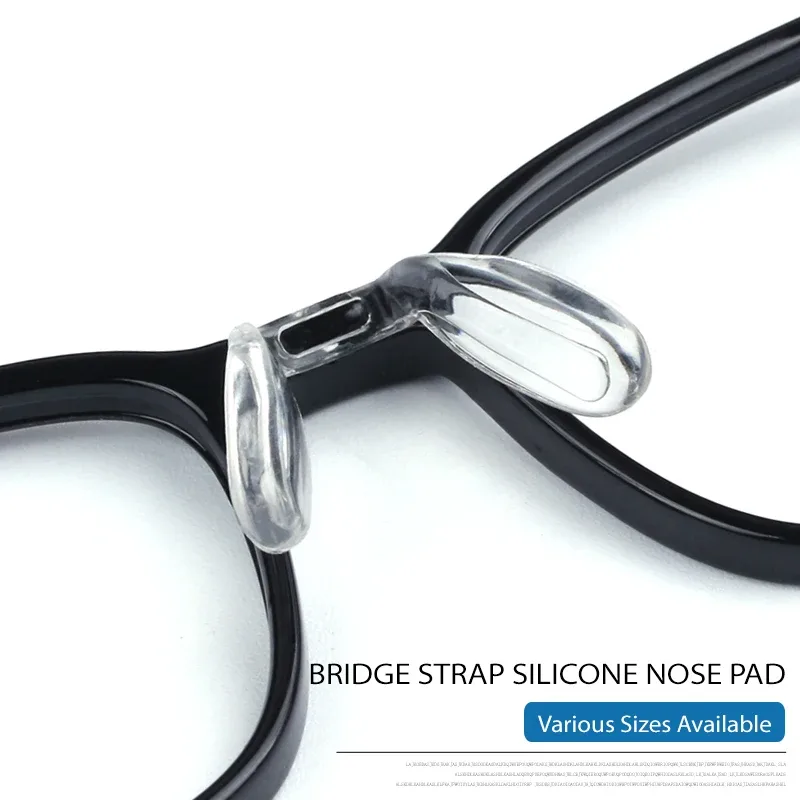
Image source: Bing (Web (fair-use with source credit))
If you already own a great pair of wire aviators, you can eliminate the pinch points in under fifteen minutes. These three adjustments address the exact mechanical gaps where strands get caught.
The 5-Minute Heat-Shrink Tubing Mod
Clear polyolefin heat-shrink tubing creates a smooth, continuous bridge across the gooseneck arm. It covers the gap between the eyewire and the pad box so hair glides straight across.
| Material / Tool | Specification | Purpose |
|---|---|---|
| Clear heat-shrink tubing | 2.0 mm to 2.5 mm diameter (2:1 shrink ratio) | Creates smooth barrier over the pad arm |
| Precision scissors | Curved craft or cuticle shears | Cuts sleeve to exact 4–6 mm lengths |
| Heat source | Hair dryer on medium heat | Shrinks the tubing without damaging lenses |
| Microfiber cloth | Standard optical cloth | Protects lenses and frame finish during heating |
First, cut two small pieces of clear 2mm polyolefin tubing, roughly 5 millimeters long each. Gently slide a tube segment over each gooseneck pad arm, positioning it directly behind the pad box. Cover your sunglass lenses completely with a folded microfiber cloth to shield sensitive optical coatings.
Apply medium air from a household hair dryer roughly four inches away for 10 to 15 seconds. The sleeve will shrink down tightly to fit the metal stem. Let it cool for one minute.
The clear plastic forms a slick, transparent barrier that prevents hair from slipping behind the pad.
Swapping to a Silicone Saddle Bridge
Another reliable fix is replacing individual teardrop pads with a one-piece silicone saddle bridge. Also called a unibridge, this component connects both sides into a single U-shaped silicone unit.
Because the bridge spans the gap across your nose, it completely eliminates independent wire stems. Most optical supply kits sell screw-in saddle bridges that fit standard aviator screw mounts. Simply unscrew your existing pads using a 1.2mm optical screwdriver, position the saddle bridge mounts into the frame boxes, and tighten the screws back down.
Hair can no longer wrap around independent posts because the central gap is filled.
Bending the Pad Arm Gap Closed
If you do not have parts on hand, closing the physical gap helps immediately. Take a pair of needle-nose optical pliers, wrapping the tips with electrical tape to avoid scratching the finish.
Gently compress the S-curve of the gooseneck arm toward the back of the eyewire rim. You only need to reduce the open notch by roughly one millimeter to stop hair from wedging inside. Make tiny, gradual adjustments, checking frame alignment against your nose after each bend.
If the pads press unevenly against your skin, back off the bend slightly.
The Better Route: Buying Snag-Free Aviator Alternatives
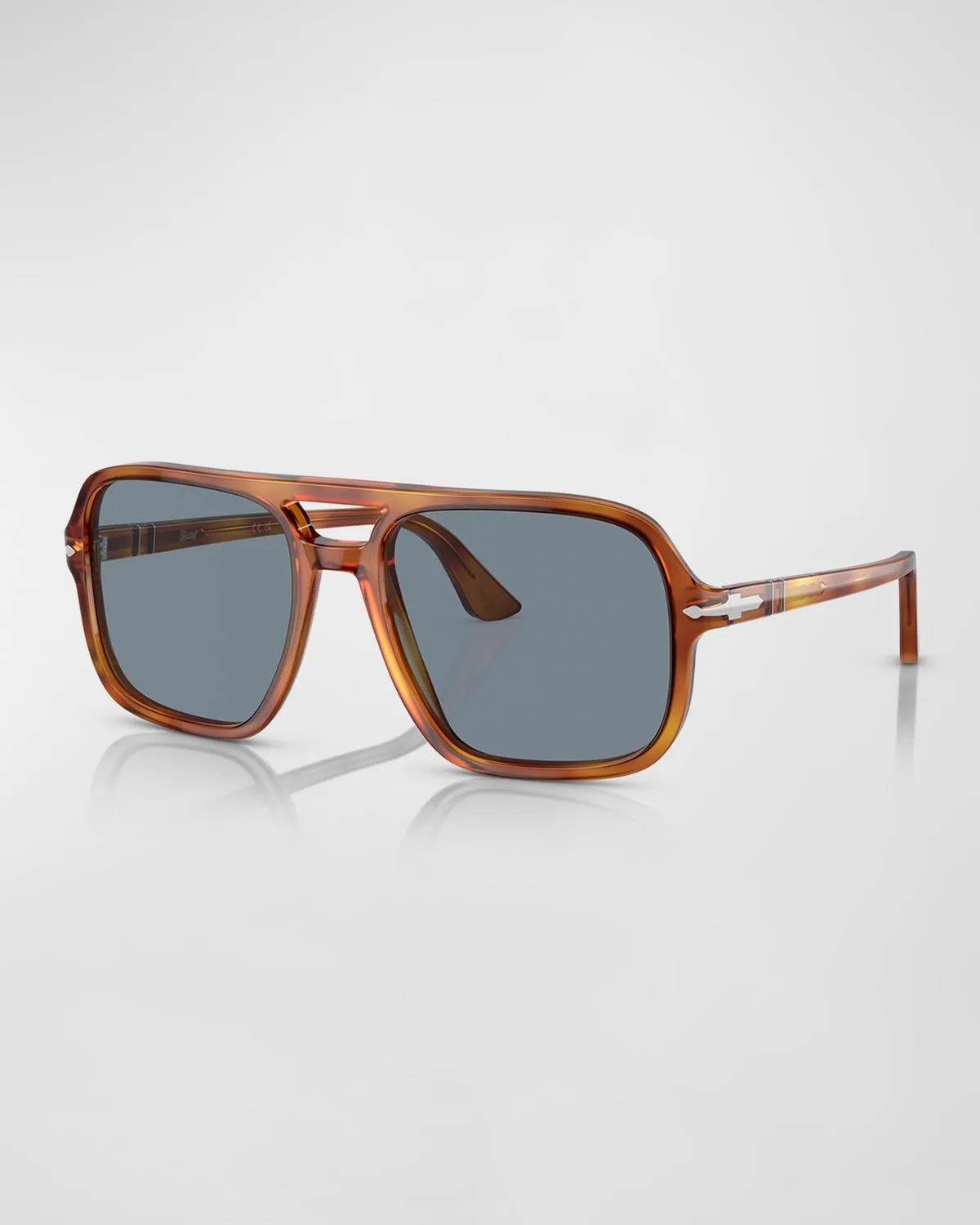
Image source: Bing (Web (fair-use with source credit))
When you are ready for a new pair, choosing the right frame architecture eliminates this problem permanently. Frame makers now design pilot silhouettes specifically to eliminate exposed nose hardware.
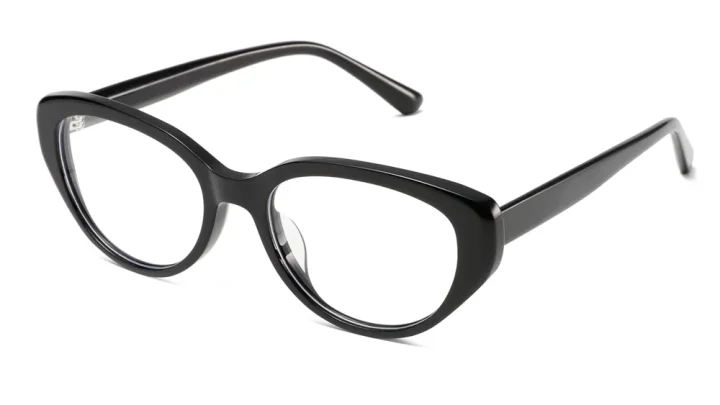
Acetate aviators are the easiest swap. Instead of metal stems, these frames feature fixed nose bridges molded directly into the cellulose acetate rim. The surface is smooth and seamless, giving hair nothing to catch on when pushed back.
If you love thin metal profiles, look for aviators with cast or loop-style pad arms. Instead of an open gooseneck wire that leaves a triangular opening, these designs loop the wire back into the rim or cast the pad box directly against the eyewire. Brands also produce aviator designs with keyhole bridges or integrated silicone bars.
These maintain the classic teardrop look while keeping the top of the bridge entirely flush.
What Not to Do When Your Glasses Get Stuck
Yanking your aviators forward when they catch is the quickest way to cause hair breakage and ruin your sunglasses. Sudden force snaps hair shafts along the cuticle layer. It also bends the delicate gooseneck arms out of true alignment.
Never twist the frames side to side while trying to break them free. Twisting winds additional strands around the miniature hinge screws, creating a tighter knot. It also risks stripping the threads inside the pad box mount.
Avoid using sharp implements like scissors or car keys near your scalp to cut the hair free. You risk gouging the anti-reflective lens coatings, scratching the frame plating, or cutting healthy hair patches unnecessarily.
Instead, work backward with calm fingers using this untangling sequence:
- Freeze frame motion immediately: Stop pulling the moment you feel tension against your scalp.
- Support the eyewire: Hold the center bridge firmly with one hand to remove pressure from the caught hair roots.
- Isolate the snag: Use your other hand to trace the trapped bundle directly to the pad arm.
- Thread backwards: Lift small groups of strands up and back over the top of the nose pad rather than pulling them forward through the pinch point.
Keeping Aviators Overhead Without Stretching the Frame
Resting eyewear on your head introduces practical issues beyond hair tangles. The human cranium is significantly wider than the face across the temples. Leaving wire-frame aviators perched on your skull exerts continuous outward pressure on the spring hinges and eyewire solder points.
Over time, this habit splays the temple arms outward. When you put the sunglasses back over your eyes, they slide down your nose because the original clamping tension is gone. Metal frames made of monel or nickel silver retain bends easily, leading to permanently loose temples.
If you regularly transition between bright sun and indoor shade, consider better holding methods:
- Hook over a shirt collar: Slide one temple arm through the front placket of your shirt or crew neck. The frames stay secure against your chest without contacting your hair or expanding the hinges.
- Use an eyewear lanyard: Thin paracord, leather, or silicone retaining straps let the frames hang safely around your neck. This keeps the gooseneck pads completely away from your crown.
- Pocket carry in a micro-pouch: Dropping your frames into a protective slip pouch keeps them scratch-free in a jacket pocket or bag, avoiding frame stretch entirely.
Frequently Asked Questions
Why do aviators get stuck in hair more than other sunglasses?
Aviators feature adjustable wire pad arms that sit proud of the metal frame. This open space creates a triangular catch point where hair strands slip beneath the pad and wrap around tiny screws. Plastic frames have molded, flat bridges that lack these mechanical gaps.
Does heat-shrink tubing ruin the sunglasses?
No, clear polyolefin heat-shrink tubing is fully reversible and does not damage frame metal or electroplated finishes. It grips by mechanical tension as it cools. If you want to remove it later, carefully slice the tubing lengthwise with a craft blade to peel it off cleanly.
Will putting sunglasses on my head cause hair loss?
Repeated pulling on hair roots creates localized traction damage that can lead to thinning along the crown. While normal shedding accounts for 50 to 100 strands daily, tearing hair out with metal eyewear breaks healthy active shafts and stresses hair follicles over time.
Can an optician adjust aviator nose pads so they do not catch hair?
An optician can bend the gooseneck stems closer to the eyewire rim to reduce the gap. However, metal frames still require some clearance for nose fitting. Swapping the pads for a unitary silicone saddle bridge at the optical shop is a more reliable permanent solution.
How do I push aviators on my head without catching hair?
Lift the sunglasses upward away from your face by several inches before setting them down gently onto your crown. Avoid sliding the frame backward across the scalp. Sliding pushes loose hair directly into the open notches behind the nose pad boxes.

Similar Posts