Handbag Chain Too Long? How to Use a Shortening Clip
Founder & Fashion Creative Director at Julia Fashionista · CFDA Fashion Scholar, Certified Image Consultant (AICI) · 12+ years in editorial wardrobe styling, sustainable textile sourcing, and luxury capsule curation
A gorgeous bag loses all its charm when it hangs past your hip and constantly bangs against your thigh. If your handbag chain strap is too long, a shortening clip offers a clean, non-destructive fix that takes seconds to install. It pulls up excess slack without cutting links or damaging delicate leather.
Standard luxury crossbody straps feature factory drop lengths between 20 and 23 inches, designed around a tall runway model frame. For petite frames or shoulder-carry preferences, this drop sits several inches too low. As of 2026, high-grade zinc and brass adjuster clips have become the go-to solution for fine-tuning strap lengths safely at home.
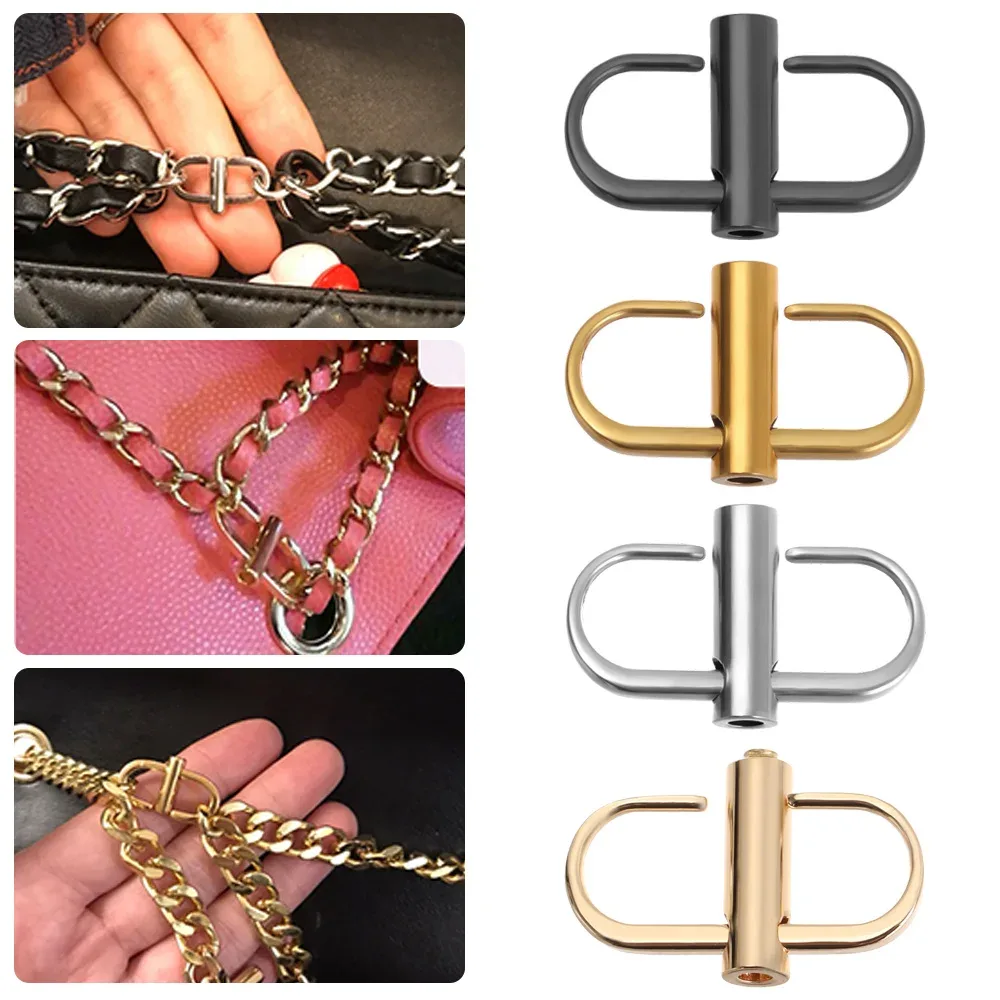
Image source: Bing (Web (fair-use with source credit))
Quick Answer
A handbag chain strap shortening clip secures extra chain links inside your bag. It stops straps from hanging too low. The clip fastens two links together under tension.
You do not need tools or permanent link removal. It preserves your bag's original hardware and resale value.
Why Factory Chain Straps Hang Too Low (And How Shortening Clips Fix It)
Most fashion houses manufacture chain straps to a single standard length. They design these straps for a person who is 5 feet 8 inches tall wearing an overcoat. If you are shorter, or if you prefer your bag to sit at the high hip, the bag bounces awkwardly as you walk.
Chain straps lack the punch holes found on traditional leather straps. You cannot simply buckle them tighter. Removing links with jewelry pliers permanently devalues a luxury purse.
It can also scratch the electroplated finish on the surrounding metal.
A chain strap shortening clip solves this issue mechanically. The clip functions as a removable bridge. It gathers a designated section of chain links, holding them in a loop inside the bag's interior or beneath the top flap.
By isolating those extra links away from the load-bearing line, you shorten the usable drop length instantly. The exterior strap looks completely factory-made. The altered portion stays hidden away, fully reversible whenever you want to sell or swap styles.
Choosing the Right Hardware: Clip Types, Metal Finishes, and Link Gauges
Choosing the wrong hardware can ruin your bag's look or gouge its finish. Adjuster clips come in two main structural designs, each suited to different chain styles.
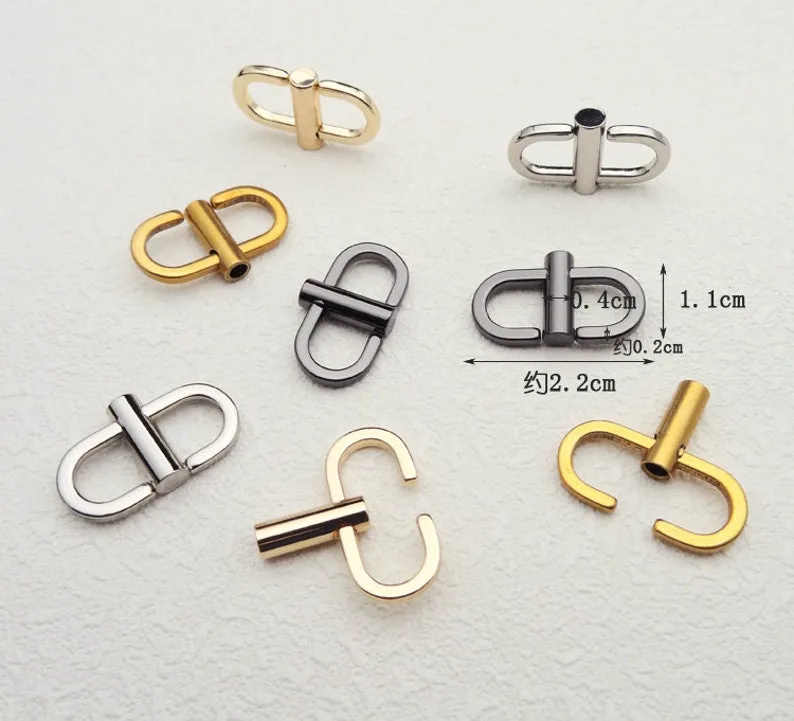
Image source: Bing (Web (fair-use with source credit))
Spring-Gate vs. Screw-Bar Clasps
Spring-loaded clips use an inward-opening gate. You push the chain link against the spring, snap it in, and release. They are fast and require no tools.
They work best on standard curb chains and cable chains.
Screw-bar clips feature a solid metal pin that unscrews completely. You slide the pin through the center of two chain links, then thread it shut with a tiny screwdriver. Screw-bar adjusters are flatter and far less bulky.
They are ideal for leather-interwoven chains where a spring clip might pinch or tear the fragile hide.
Matching Finish and Gauge
Always check the undertone of your existing chain in natural daylight. Modern hardware typically falls into four distinct categories:
- Light gold (champagne or pale gold)
- Yellow gold (rich, vintage brass tones)
- Shiny palladium (cool, mirror-like silver)
- Ruthenium (dark gunmetal or antique silver)
Ensure the clip matches European safety standards, such as ECHA REACH regulations, which limit nickel release on wearable hardware. Nickel-free coatings prevent skin irritation and stop premature hardware tarnish. Finally, check your chain link wire gauge.
Most clips accommodate links up to 3.5 mm thick. Oversized chunky chains require wide-clearance clips to close without binding.
| Clip Style | Best Chain Type | Tool Required | Profile Bulk |
|---|---|---|---|
| Spring-Loaded Gate | Open Curb / Cable Chain | None | Medium |
| Screw-Bar Pin | Leather-Interwoven Chain | Flathead Screwdriver | Ultra-Slim |
| Double Swivel Hook | Exterior D-Ring Bags | None | High |
The Assessment: Measuring Your Target Drop and Inspecting Your Bag's Architecture
Before attaching any hardware, you need to calculate your ideal drop length. Strap drop is the vertical distance from the peak of the strap down to the top edge of the handbag.
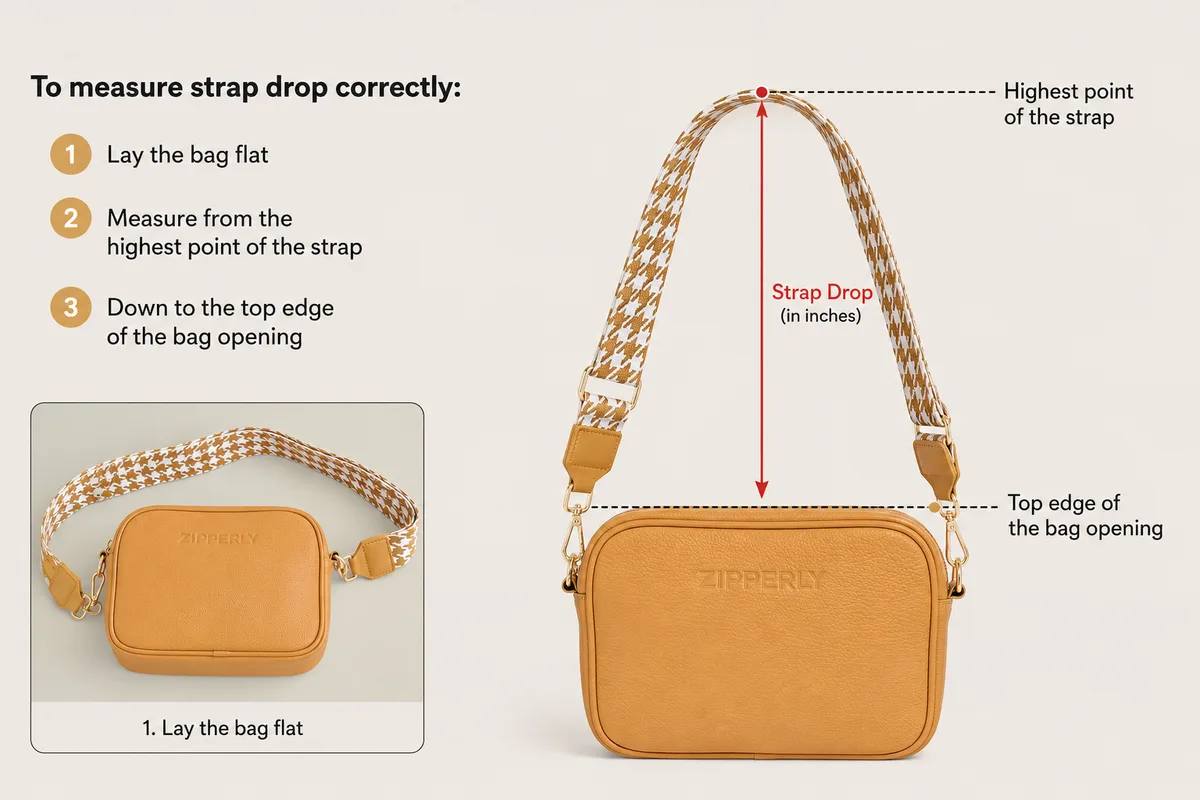
Image source: Bing (Web (fair-use with source credit))
Put your empty bag on your shoulder. Stand in front of a mirror. Pinch the chain at your collarbone until the purse rests exactly where you want it.
For most crossbody wearers, the sweet spot sits right along the natural waist or the high hip bone.
Use a soft sewing tape to measure the gathered slack you are pinching. If you pinch 4 inches of doubled chain, you are removing 8 total inches of strap length. That gathered 8-inch loop is what your clip will need to hold inside the bag.
Next, examine how the chain enters the purse:
- Grommet pass-through: The chain slides freely through metal eyelets on top of the bag.
- Inner header / flap anchor: The chain runs across an internal leather ledge under an exterior flap.
- Fixed side mounts: The chain clips directly to exterior D-rings stitched into the side seams.
Your bag's entry points determine where the gathered loop will sit. The goal is simple. Keep the clip hidden while preventing uneven tension on the bag's structural seams.
Step-by-Step Decision Workflow: How to Shorten Your Chain Based on Bag Style
Follow the specific branch below that matches your bag's construction.
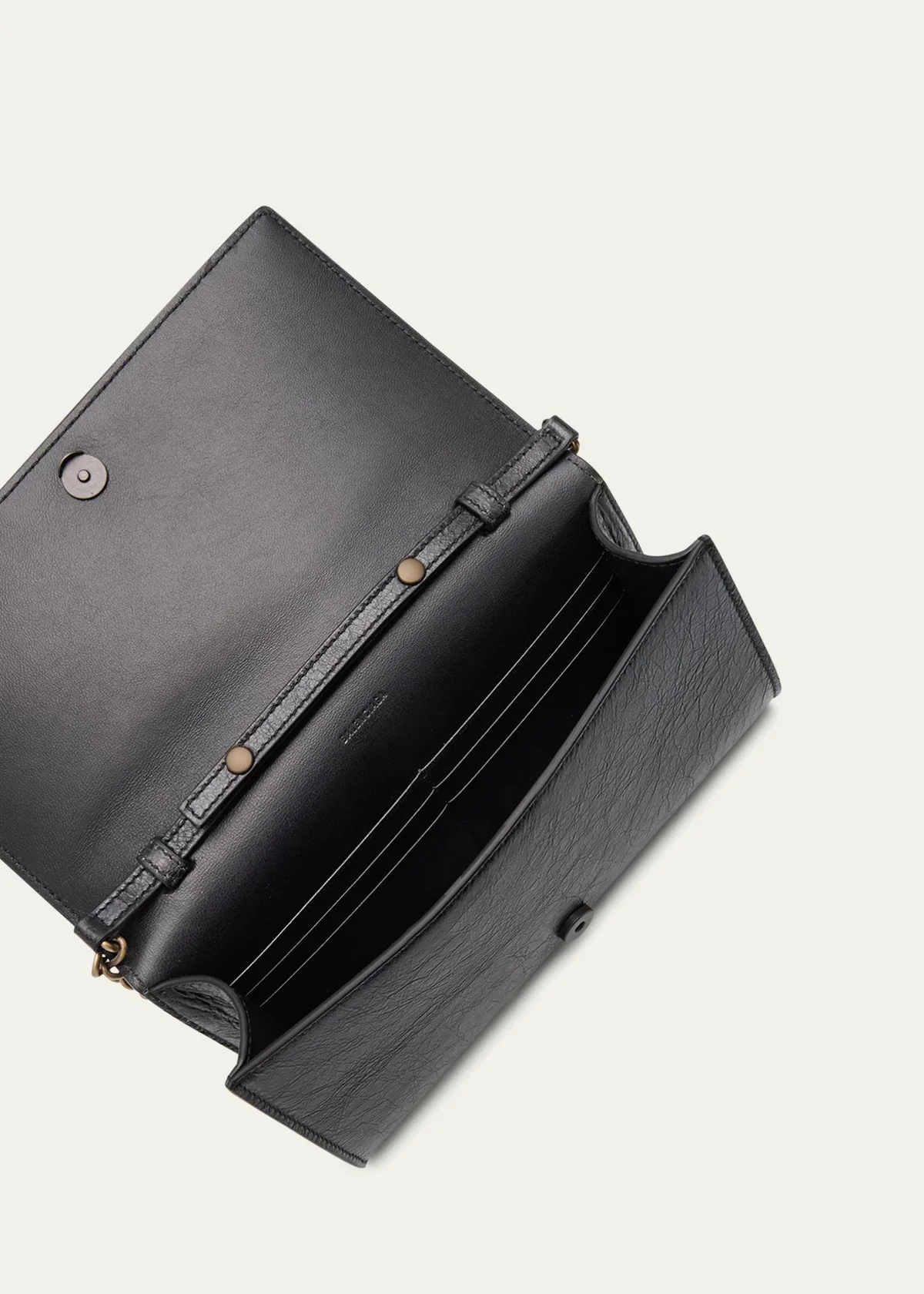
Image source: Bing (Web (fair-use with source credit))
Branch 1: Flap Bags with Pass-Through Grommets
Flap bags with top grommets offer the cleanest method for hiding excess strap.
- Open the bag flap completely to expose the inner compartment.
- Pull the chain strap all the way through the grommets into the interior.
- Bring the left and right interior chain lengths toward each other along the inside back wall.
- Measure the necessary link offset to reach your target drop.
- Clip the two internal chain strands together in the center.
- Let the gathered loop rest flat against the interior back wall, then close the flap.
The grommets bear the friction of the chain. The clip simply holds the tension slack inside the pocket.
Branch 2: Double Flap Bags with an Inner Header
Double flap architectures require extra care to avoid denting the secondary inner flap.
- Open the primary outer flap, leaving the smaller inner flap snapped shut.
- Pull the chain upward so the slack gathers over the flat leather header between the flaps.
- Bring the two chain segments together horizontally across the top leather bridge.
- Attach a flat screw-bar clip across the links, keeping the screw head faced outward.
- Close the exterior flap gently over the clipped chain.
Always opt for an ultra-flat adjuster here. Bulky spring clips will press into the leather hide and leave permanent indentations on the flap over time.
Branch 3: Bags with Fixed Exterior D-Rings or Side Clips
Bags with fixed side rings do not allow you to route chain inside through grommets.
- Clip your adjuster directly onto the base D-ring on one side of the bag.
- Loop the excess chain downward into the main interior cavity.
- Catch the corresponding chain link inside the clip's secondary gate.
- Check that the side seam leather does not twist sideways under the altered weight distribution.
If your bag uses a single continuous chain attached to external rings, divide the slack equally. Use two smaller clips, one on each side. Gathering all the excess on one side causes the bag to tilt when worn.
Protecting Your Leather and Lining from Metal-on-Metal Friction
Metal clips resting inside a purse create friction against internal leather and fabric linings. Every step you take produces micro-movements between the metal adjuster and the bag wall. Over time, that vibration rubs color off smooth lambskin and frays silk textiles.
You can prevent interior wear by applying clear polyurethane adhesive dots to the flat side of the clip. These tiny silicone or vinyl bumpers cushion the hardware directly. They create a soft, non-marking barrier between the metal clasp and your bag's interior wall.
For leather-threaded chains, check link compression before loading the bag with daily items. Make sure the clip grips only the metal link framework. Never clamp the clasp gate directly onto the leather ribbon.
Clamping the leather crushes the edge paint, causing the delicate strip to split under tension. If the clip fits too tightly, move it one link down to catch bare metal instead.
Common Shortening Mistakes That Ruin Straps and Hardware
The most frequent error is overloading the clip by skipping link alignment. When you snap a clip over twisted links, the chain pulls at an angle. This puts lateral force on the tiny hinge pin, causing the spring gate to pop open while you walk.
Another widespread mistake involves forcing thick chain links into narrow clip gaps. If the gate cannot swing fully closed, the clip will slip off under normal movement. Always match the clip opening to your link wire thickness, checking for full closure before stepping out.
Avoid using raw, unfinished budget clips with jagged mold lines. Cheaply manufactured die-cast clips often carry microscopic metal burrs along their inner seams. These burrs act like tiny saw blades against leather linings and interwoven ribbon strips.
Finally, do not clip two links together on the exterior, exposed portion of the strap. Exterior placement ruins the drape of the bag. It catches on knit sweaters, and it risks snapping if the bag swings against a doorway.
Keep all gathered slack tucked strictly beneath the flap or inside the bag cavity.
Chain Shortening Clips vs. Permanent Modifications and Makeshift Hacks
You have several ways to shorten a strap, but each method carries distinct trade-offs in bag health and resale preservation.
Cutting links with wire cutters or jewelry pliers permanently damages the factory build. Luxury resale platforms significantly downgrade purses with altered chain lengths or missing links. Taking the bag to a professional cobbler ensures clean work, but it costs considerably more and permanently alters the piece.
Makeshift hacks, such as looping the chain with zip ties or safety pins, present major structural risks. Plastic ties bend chain links sideways under tension. Safety pins carry sharp points that easily puncture delicate interior lining leathers.
Ribbon wraps and thread ties look untidy. They also loosen quickly throughout the day. A dedicated hardware clip provides a balanced middle ground:
- Reversibility: You can detach the clip instantly with zero residual marks.
- Cost efficiency: Quality clips cost under twenty dollars, compared to expensive cobbler fees.
- Aesthetic integrity: The structural modification stays concealed inside the purse.
- Resale safety: The factory chain remains untouched and complete.
Hardware testing standards from organizations like ASTM International show that solid brass and treated zinc alloy hardware offer superior tensile strength over makeshift fasteners. Choosing purpose-built hardware preserves your bag while ensuring dependable daily carry.
Frequently Asked Questions About Handbag Chain Adjuster Clips
Will a chain shortening clip scratch my bag's leather?
A clip can rub against leather if it moves freely inside the bag. You can prevent surface wear by sticking a tiny clear vinyl bumper to the clip's flat side. Make sure the clasp rests against an interior slip pocket rather than bare, soft lambskin.
Can I use a shortening clip on leather-interwoven chain straps?
Yes, but you should choose a screw-bar pin adjuster instead of a spring-gate clip. A screw-bar slides smoothly between the open gaps of the chain link without pinching the leather strip. Spring clasps can snag and tear delicate leather edges when snapped shut.
How much weight can a chain strap adjuster clip hold?
High-grade zinc alloy and brass clips generally hold up to 15 pounds of direct tension. That capacity easily supports everyday carry items like a phone, wallet, keys, and cosmetics. Avoid overloading your purse with heavy water bottles, which can stress the clip hinge.
How do I know which metal color matches my chain?
Examine your chain under bright, natural daylight next to a white sheet of paper. Yellow gold hardware has warm, brassy tones, while champagne gold looks cool and muted. Palladium and silver hardware show crisp, mirror-like reflections, whereas ruthenium looks smoky and dark.
Can I shorten the strap into a double-loop shoulder bag?
Yes. If your bag features pass-through grommets, you can pull the chain into two equal loops under the flap. Fasten the central links together with your clip inside the flap header.
This locks the loops at a comfortable shoulder-drop height without constant slipping.

Similar Posts