How to Remove Oil Stains from Nylon Bags with Dawn
Founder & Fashion Creative Director at Julia Fashionista · CFDA Fashion Scholar, Certified Image Consultant (AICI) · 12+ years in editorial wardrobe styling, sustainable textile sourcing, and luxury capsule curation
A greasy drop on a favorite tote can ruin your day. Treating a nylon bag oil stain with Dawn dish soap is one of the most reliable ways to save your gear without ruining the fabric. You do not need expensive commercial dry-cleaning kits to lift grease.
Textile research shows that synthetic polyamide fibers grab onto grease much tighter than natural fibers do. Standard water rinses slide right off, locking the stain in place. Understanding how the fabric behaves helps you strip the oil without damaging delicate waterproof backings.
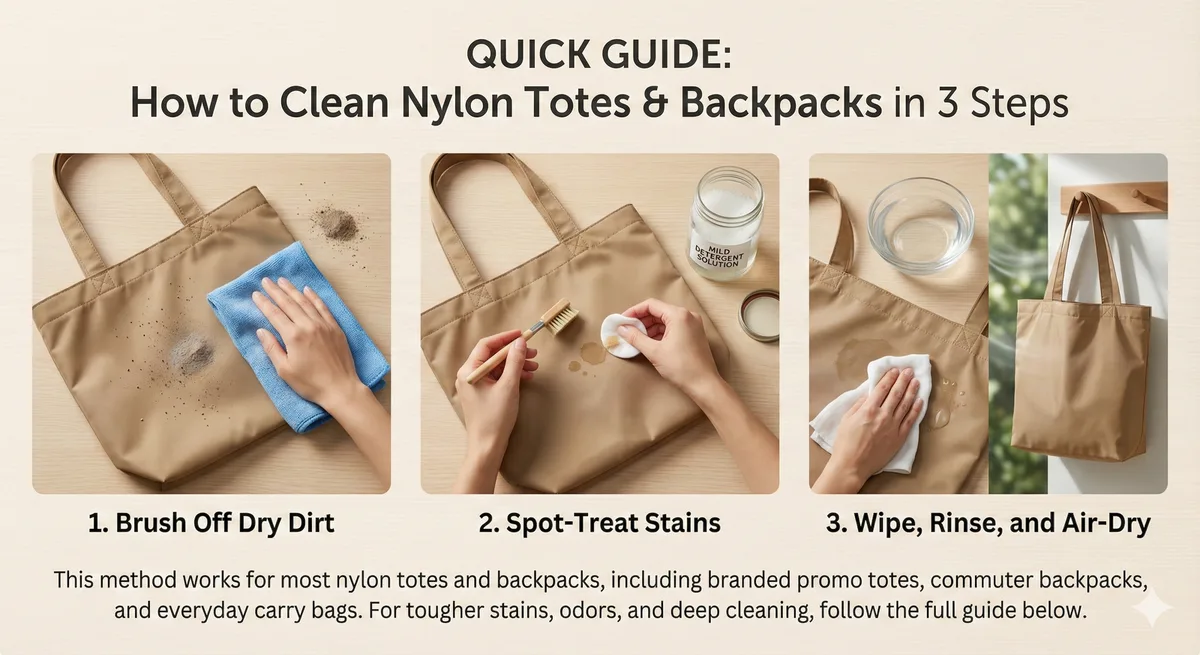
Image source: Bing (Web (fair-use with source credit))
Quick Answer
Original Dawn dish soap removes oil from nylon bags effectively. First, absorb fresh oil with cornstarch for 30 minutes. Then, apply diluted Dawn using lukewarm water.
Brush the spot gently with a soft toothbrush. Rinse the soap out completely with cool water. Always let the bag air dry away from heat.
Why Oil Clings to Nylon and Why Original Dawn Actually Works
Nylon consists of synthetic polyamide chains. These polymers are naturally oleophilic, meaning they attract and absorb oils rapidly. When vegetable oil, salad dressing, or skin sebum hits nylon, it does not just sit on top.
It bonds directly with the synthetic plastic threads.
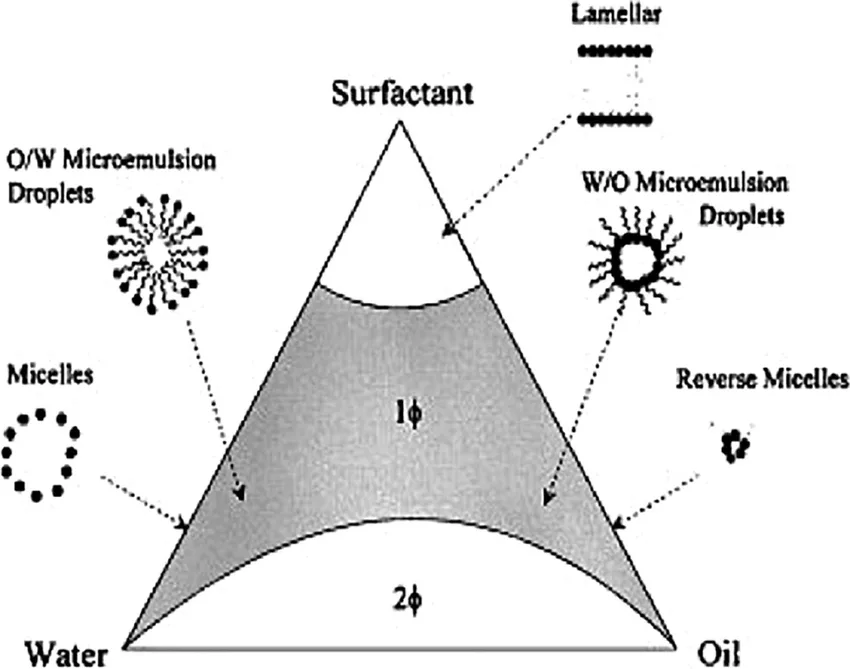
Image source: Bing (Web (fair-use with source credit))
Water alone cannot break this chemical attraction. In fact, nylon is hydrophobic enough to repel plain water while holding tight to lipids. Applying water to fresh grease often spreads the oil outward, creating a larger dark ring.
Original blue Dawn works because of its concentrated surfactant structure. Surfactants contain two distinct ends: a hydrophobic tail that latches onto lipids, and a hydrophilic head that bonds with water. As of 2026, standard textile washing practices set by ASTM International emphasize using balanced surfactants to alter surface tension without melting delicate synthetic filaments.
When you apply the soap, the surfactant tails surround the grease molecules. They trap the oil inside spherical structures called micelles. Once encapsulated inside a micelle, the grease loses its grip on the polyamide fibers.
The hydrophilic outer layer of the micelle then binds to your rinse water, pulling the oil away cleanly.
The Decision Workflow: Assessing Your Bag Before You Touch It
Never clean a nylon bag without checking its specific construction first. A cleaning method that works on a heavy duffel can easily destroy a designer handbag. Inspect the stain and the fabric type before applying any liquid.
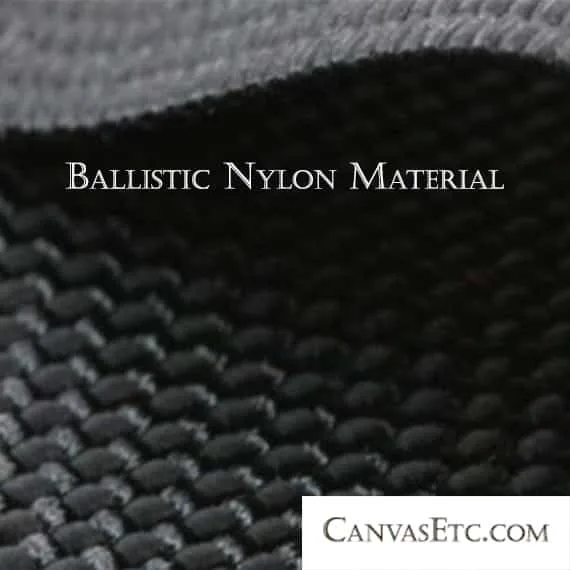
Image source: Bing (Web (fair-use with source credit))
Condition Variable 1: Fresh Spill vs. Dried, Set-In Grease
If the grease spill happened just minutes ago, keep water away from it. Wetting fresh oil expands the perimeter of the stain. Your immediate goal is dry absorption through capillary action.
If the stain is dry, dark, and set-in, dry powders will not help much. The oil has already bonded deep within the synthetic yarns. You must skip straight to active surfactant emulsification with warm water to loosen the dried lipid matrix.
Condition Variable 2: Pack Cloth, Ballistic Weaves, and Coated Linings
Look closely at the weave and interior of your bag. High-denier fabrics like ballistic nylon or Cordura handle moderate scrubbing quite well. Lightweight 210D pack cloth or slick ripstop nylon can fray if scrubbed too hard.
Check the underside of the fabric. Many outdoor packs and luxury totes feature a thin polyurethane (PU) or thermoplastic polyurethane (TPU) waterproof backing. Aggressive scrubbing or hot water can separate this film from the nylon face fabric, leaving permanent bubbles.
| Nylon Type | Fabric Texture | Interior Coating Risk | Scrubbing Tolerance |
|---|---|---|---|
| Ripstop (70D–210D) | Thin, smooth, crosshatch pattern | High (thin PU seal) | Low (dab only, soft cloth) |
| Classic Pack Cloth | Medium-weight, slight sheen | Moderate (laminated back) | Medium (soft-bristle brush) |
| Ballistic / Cordura | Heavy, rough, dense weave | Low (resilient backing) | High (firm brush pressure) |
Step-by-Step Treatment Workflows
Once you evaluate the fabric and stain age, choose the correct path below. Gather a clean microfiber towel, an ultra-soft baby toothbrush, cornstarch, and original blue Dawn.
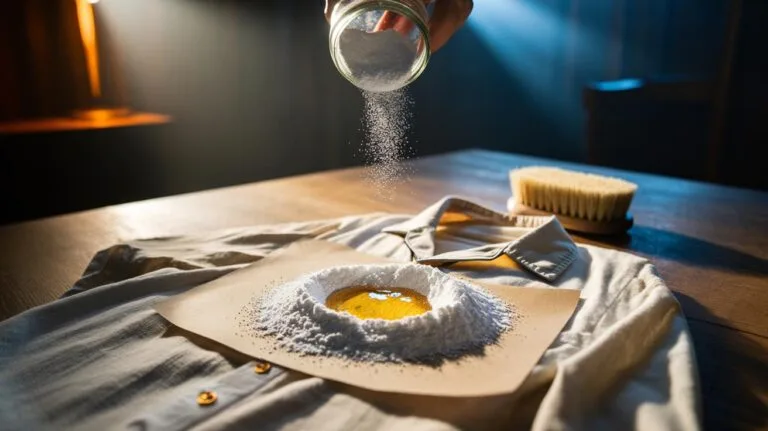
Image source: Bing (Web (fair-use with source credit))
Workflow A: The Emergency Treatment for Fresh Spills
Use this sequence if the grease spill occurred recently and the surface still looks wet.
- Blot the surface. Press a dry paper towel firmly against the spot. Do not rub side to side. Lift straight up to avoid spreading the oil footprint.
- Apply an adsorbent powder. Cover the grease puddle with a thick layer of cornstarch or baking soda. Press the powder lightly into the fabric.
- Wait for capillary action. Leave the powder alone for 30 to 45 minutes. The dry starch pulls free lipids out of the weave.
- Brush away the powder. Sweep the clumped powder off with a dry cloth.
- Wash with Dawn. If a faint shadow remains, mix one drop of Dawn with two tablespoons of lukewarm water. Tap the mixture onto the spot with your fingertip.
- Rinse and air dry. Dab the spot with a damp microfiber cloth to remove all soap. Let the bag dry naturally at room temperature.
Workflow B: The Deep-Clearing Method for Stubborn, Set-In Stains
Use this sequence for old, dried oil stains or grease spots that survived a regular laundry wash.
- Pre-wet with lukewarm water. Dip a soft cotton swab in warm water (around 100°F / 38°C). Tap it directly onto the stained fibers to loosen the dried oils.
- Apply the detergent. Place one pinhead-sized drop of original Dawn directly onto the spot.
- Agitate gently. Wet an extra-soft toothbrush with warm water. Work the soap into the weave using light, tiny circular motions for 60 seconds.
- Let it dwell. Allow the surfactant to rest on the nylon for 15 minutes. This gives the micelles time to fully encapsulate the hardened lipids.
- Flush from behind. Turn the pocket or bag inside out if possible. Run cool tap water through the back of the fabric to push the soap and grease out the front.
- Air dry completely. Hang the bag in a well-ventilated spot away from direct sunlight. Never use a hair dryer or tumble dryer.
How Dawn Compares to Alternative Grease Treatments
Homeowners often debate using alcohol, commercial gear washes, or simple laundry soap for synthetic fabrics. While other cleaners have their place, their chemistry targets different stain types.
Original blue Dawn remains the standard because of its high concentration of grease-cutting surfactants. Laundry detergents contain enzymes that tackle biological fluids and proteins, but they clean concentrated cooking oils much more slowly. Specialty technical washes maintain factory water-repellent treatments, but they lack the raw power needed to dissolve dense grease.
Rubbing alcohol works well on ink and pine sap. However, repeated alcohol exposure can dry out nylon yarns and dissolve delicate polyurethane coatings on the reverse side of the bag.
| Cleaning Agent | Best Stain Targets | Safety on Backings | Residue Risk |
|---|---|---|---|
| Dawn Dish Soap | Cooking oils, grease, cosmetics | High (if rinsed well) | Moderate (needs full flush) |
| Rubbing Alcohol (70%) | Ink, adhesives, tree sap | Low (dissolves backings) | None (evaporates clean) |
| Liquid Laundry Detergent | Mud, sweat, food spills | Moderate | High (leaves film) |
| Tech Gear Wash | Light dust, general grime | Very High | Very Low |
Costly Mistakes That Ruin Nylon Bags Permanently
The most common mistake when treating nylon is applying boiling water directly to an oil spot. While hot water melts cooking fats on ceramic plates, high heat permanently sets oil into synthetic nylon fibers. Heat above 120 degrees Fahrenheit can also melt or blister internal waterproof linings.
Another frequent error is scrubbing the fabric with abrasive pads or wire brushes. Stiff bristles quickly cause friction pilling and fray the fine exterior yarns. Always stick to an extra-soft toothbrush or a microfiber cloth.
Do not reach for harsh chemicals like acetone, nail polish remover, or chlorine bleach. Acetone acts as a solvent that immediately dissolves polyamide synthetics, melting a hole right through the cloth. Bleach destroys the molecular bonds of nylon, leading to yellow discoloration and frayed webbing.
Finally, avoid tossing your treated bag into a heated clothes dryer. Even if an oil stain looks gone when wet, hidden grease can remain. The intense heat of a dryer bakes those leftover lipids into the fabric permanently.
Keeping High-End Nylon Protected After Cleaning
Washing grease out of nylon with surfactants naturally removes the factory water-repellent finish. Most high-performance backpacks and luxury totes use a Durable Water Repellent (DWR) fluoropolymer coating. Dish soap breaks surface tension to lift grease, which also weakens this protective barrier.
Once the cleaned area dries completely, test its water repellency. Sprinkle a few droplets of plain water onto the spot. If the water beads into tight spheres and rolls off, your factory finish remains intact.
If the water soaks in and darkens the fabric, you need to restore the coating. Spray the dry area with a fluoropolymer-free water-repellent spray designed specifically for technical gear. Brands following guidelines from Cordura recommend applying two light mists rather than one heavy, soaking layer.
Let the fresh spray cure at room temperature for a full 24 hours before taking the bag outdoors. This simple maintenance step blocks future oil spills from penetrating deep into the fibers.
Frequently Asked Questions About Cleaning Nylon Bags
Will Dawn dish soap discolor or fade black nylon?
No, original blue Dawn will not fade or discolor black nylon. Polyamide fibers are typically solution-dyed during manufacturing, making the color highly stable. Always dilute the soap in lukewarm water and rinse it out completely to prevent any cloudy, dried detergent residue.
Can you put an oil-stained nylon bag in the washing machine?
You can machine wash some unlined nylon bags on a gentle, cold-water cycle. Place the bag inside a mesh laundry bag first to protect the straps. Never use hot water, skip standard fabric softeners, and always air dry the bag flat on a drying rack.
How do you remove an oil halo ring left on nylon?
A halo ring appears when grease spreads outward during spot cleaning. To erase it, wash the entire fabric panel rather than just the center spot. Wet the whole section evenly with lukewarm water and mild soap, then rinse the entire panel to edge-to-edge uniformity.
Does baking soda work better than cornstarch on nylon?
Cornstarch works better than baking soda on delicate nylon weaves. Cornstarch has a finer, lighter particulate structure that enters small weave crevices easily to draw out liquid grease. Baking soda has coarser granules that can abrade tight nylon weaves if rubbed too hard.
Can you use scented or antibacterial Dawn on nylon bags?
Stick exclusively to the original blue formula without antibacterial additives. Antibacterial variants and heavy fragrances contain extra chemicals and synthetic colorants that can leave behind gummy residues. The classic blue formula rinses cleanest and offers the highest concentration of basic grease-cutting surfactants.
The Fast-Action Decision Checklist
Before you treat an oil stain on your nylon gear, run through this quick checklist:
- Identify if the grease is wet or dry. If wet, start with cornstarch. If dry, start with diluted Dawn.
- Confirm the interior lining. If the bag has a rubbery polyurethane film inside, avoid harsh rubbing and hot water.
- Mix one drop of original blue Dawn with warm water. Never pour undiluted soap straight onto dry, thin pack cloth.
- Work gently using tiny circular motions. Let the soap dwell on the stain for 15 minutes without drying out.
- Flush thoroughly with cold water. Soap residue left behind will attract airborne dirt later.
- Hang the bag to air dry completely. Inspect the fabric in natural sunlight before applying heat or water-repellent sprays.

Similar Posts