19 vs 22 Momme Silk Scrunchies: The Real Difference
Founder & Fashion Creative Director at Julia Fashionista · CFDA Fashion Scholar, Certified Image Consultant (AICI) · 12+ years in editorial wardrobe styling, sustainable textile sourcing, and luxury capsule curation
Choosing between hair accessories often comes down to fabric density. When evaluating silk scrunchie momme weight 19 vs 22, the core difference lies in fiber density, drape, and daily durability. Picking the wrong weight can leave you with a band that constantly slides out or fabric that tears along the inner elastic.
Under standard textile measurements like ASTM D3776, 19 momme silk weighs roughly 82.5 grams per square meter, while 22 momme reaches approximately 95.5 grams per square meter. That 16 percent increase in fabric mass changes how the accessory holds your hair, resists friction, and wears over time. Let's break down how these two silk grades perform in everyday use.
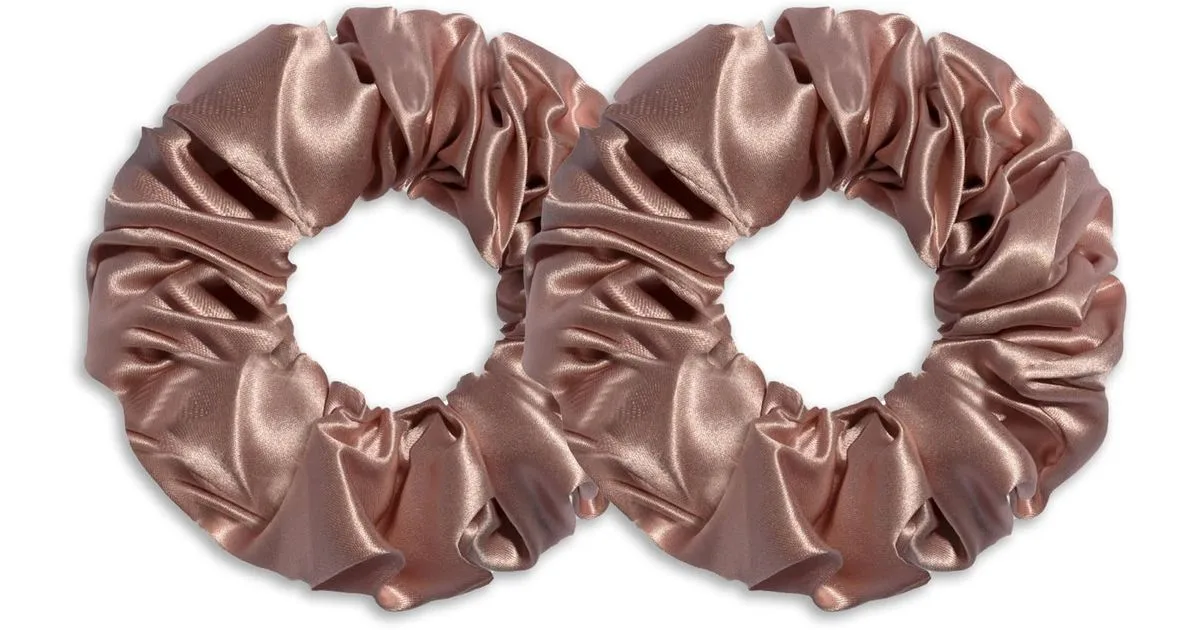
Image source: Bing (Web (fair-use with source credit))
Quick Answer
Comparing silk scrunchie momme weight 19 vs 22 reveals clear practical trade-offs. The 22 momme silk offers higher density and greater durability. It withstands heavy daily tension without tearing.
The 19 momme silk is lighter and more pliable. It creates softer folds for delicate or fine hair. As of 2026, 22 momme remains the standard for long-term wear.
Understanding Momme Weight: The Science of Silk Density
Momme (pronounced "toe-may" and abbreviated as "mm") is the traditional unit used to measure the weight and density of real silk fabrics. Historically developed in Japan, one momme equals the weight in pounds of a piece of silk fabric that is 100 yards long and 45 inches wide. In modern metric units, one momme equals roughly 4.34 grams per square meter.
Higher momme numbers do not necessarily mean higher fiber purity. Most quality hair accessories use pure mulberry silk woven into a charmeuse weave, regardless of density. Charmeuse features a lustrous, floating surface on the front and a muted matte finish on the back.
Instead, momme measures the concentration of silk threads packed into that weave. A higher number indicates thicker yarns, tighter weaving, and more physical silk per square inch.
When you hold a 19 momme silk scrunchie next to a 22 momme version, the physical difference is subtle to the eye but distinct to the touch. The lighter fabric has a fluid, liquid-like drape that crinkles easily. The heavier fabric feels thicker, resists crushing, and holds its own structural shape around the elastic band.
19 Momme Silk Scrunchies: Strengths, Weaknesses, and Feel
A 19 momme silk fabric represents an entry-level grade for luxury silk goods. It is widely used in apparel like blouses, lightweight scarves, and sleepwear. In hair accessories, this density provides a very soft, featherlight touch that puts minimal weight against delicate roots.
The primary advantage of 19 momme silk is its softness and flexibility. Because the fabric is thinner, it gathers cleanly into tight, tiny ruffles around the inner elastic core. This makes it ideal for sleep wear or low-manipulation styles where you want zero pulling, zero tension, and no heavy bulk pulling on your hairline.
- Fluid drape that compresses flat without creating thick ridges
- Gentle surface contact that helps prevent sleep creases
- Lower production cost compared to heavier weights
- High breathability around the scalp
The drawback comes down to tensile wear. Hair scrunchies experience repeated stretching, pulling, and twisting cycles every day. Over time, the internal braided elastic rubs against the interior face of the silk tube.
In a 19 momme construction, that constant friction can cause the silk fibers to thin out, fuzz, or split along the seam after four to eight months of daily use.
22 Momme Silk Scrunchies: Durability, Grip, and Structure
Stepping up to 22 momme silk brings a noticeable jump in fabric heft and structural strength. Often considered the sweet spot for luxury bedding and high-use silk goods, this density uses thicker fibers from the Bombyx mori silkworm. The result is a robust, tightly woven textile built to handle routine mechanical stress.
The standout benefit of a 22 momme scrunchie is its durability. The heavier charmeuse weave resists the sharp stretching forces caused by wrapping an elastic two or three times around thick hair. It also resists abrasion from fingernails and rough hair cuticles, keeping its glossy sheen much longer than lighter weaves.
- Substantially higher tensile strength along the stitched seams
- Retains a rich, glossy sheen through months of regular handling
- Stiff enough to support heavy, dense, or textured hair without collapsing
- Long service life, often lasting well over a year with proper care
There is one potential compromise to keep in mind. Because 22 momme silk is denser, the fabric is slightly less pliable. When bunched tightly around a small elastic core, the folds can feel thicker.
If your hair is very fine or completely straight, that extra thickness can occasionally reduce how snugly the elastic can grip down on smaller ponytails.
Side-by-Side Breakdown: 19 Momme vs. 22 Momme
Choosing between these two weights requires looking at fabric weight, tensile resistance, and overall performance. The Federal Trade Commission regulates textile fiber products to ensure consumers receive accurate fiber content labels, making it important to confirm pure mulberry silk rather than synthetic satin substitutes.
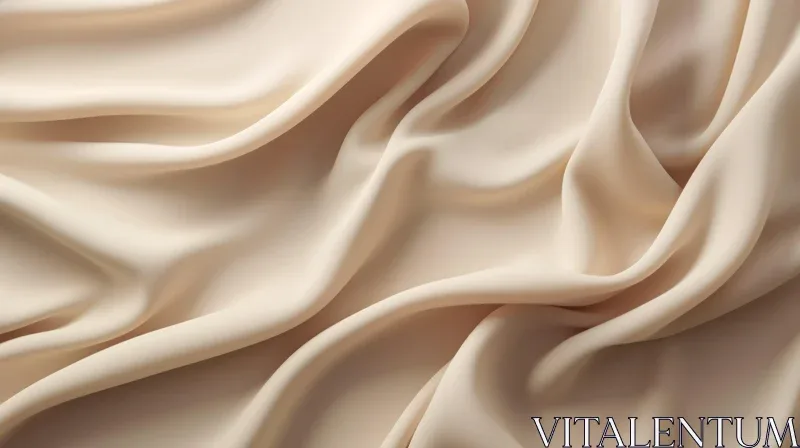
Image source: Bing (Web (fair-use with source credit))
The table below outlines how these two grades compare across everyday metrics:
| Performance Metric | 19 Momme Silk | 22 Momme Silk |
|---|---|---|
| Fabric Density | ~82.5 g/m² | ~95.5 g/m² |
| Fabric Hand Feel | Soft, airy, highly pliable | Substantial, buttery, structured |
| Friction Resistance | Moderate | Very high |
| Seam Stress Resistance | Lower (best for light tension) | High (handles tight wrapping) |
| Luster Longevity | Fades faster with washing | Retains optical sheen longer |
| Average Functional Life | 4 to 8 months of daily wear | 12 to 24+ months of daily wear |
| Best Styling Use | Sleep styles, loose buns, fine hair | Daytime hold, thick hair, workouts |
The 16 percent increase in material density between 19 and 22 momme makes a major difference in structural durability. If you plan to wear your scrunchie out of the house, twist it tight, or secure heavy ponytails, the 22 momme build provides the resilience needed to avoid premature seam splits.
Matching Momme Weight to Your Hair Type and Daily Routine
Your hair texture, strand thickness, and daily styling needs dictate whether 19 or 22 momme makes sense. Because hair accessories create varying levels of surface tension, matching the fabric density to your specific strand profile prevents unnecessary pulling or accidental slippage.
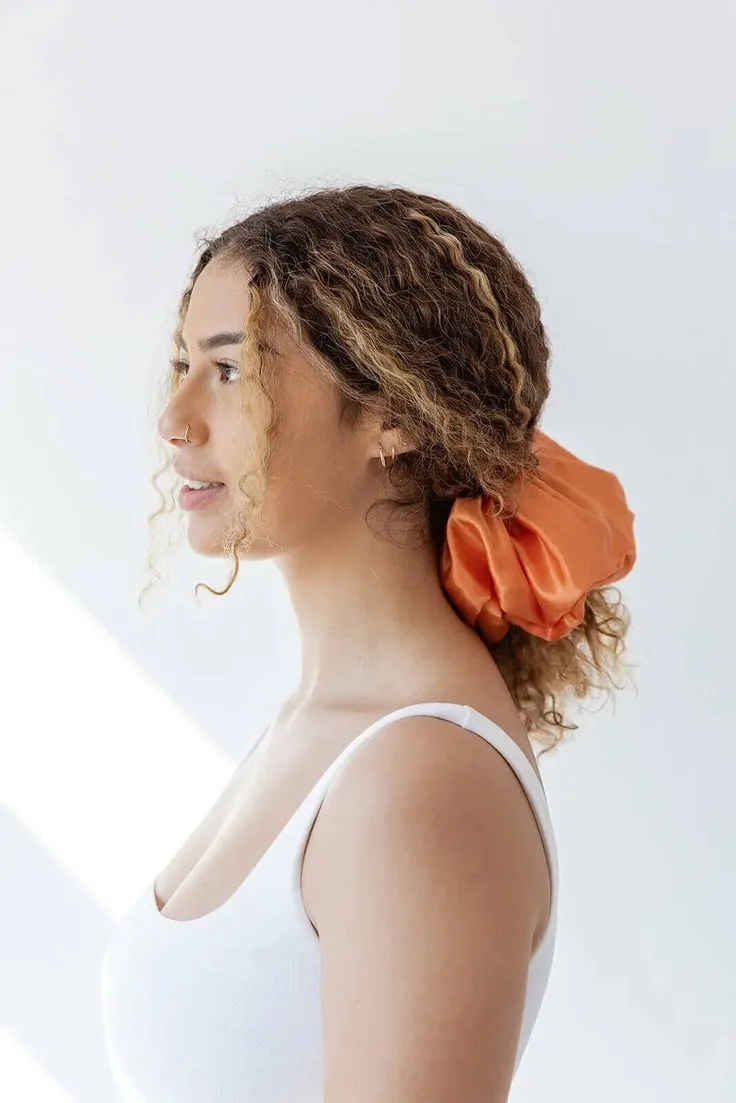
Image source: Bing (Web (fair-use with source credit))
If your hair is fine, straight, or slippery, a 19 momme scrunchie often provides a better physical fit. The thinner charmeuse compresses down flat when looped. This lets the interior elastic close tightly against thin ponytails without creating extra bulk that forces the tie to slide down your hair shaft.
For dense, coarse, or curly hair textures (Types 3 and 4), 22 momme silk is the clear winner. The high weight and tensile strength easily handle the outward pressure of heavy hair without popping interior seams. It also glides smoothly over natural curls without catching on delicate cuticle scales.
Consider your primary use case when deciding:
- Overnight Pineappling and Sleep Buns: Choose 19 momme for its ultra-soft, featherlight feel that will not press hard into your scalp while you sleep.
- Daytime Updos and Active Wear: Choose 22 momme because it handles repeated twisting and holds heavier styles in place all day.
- Bleached, Damaged, or Thinning Hair: Choose 19 momme to minimize mechanical weight and reduce tension along your fragile hairline.
- Voluminous Ponytails and Thick Braid Ends: Choose 22 momme to ensure the band maintains its shape and will not stretch thin over time.
How to Wash, Dry, and Preserve Real Silk Scrunchies
Proper cleaning preserves the natural fibroin proteins and slick surface sheen of mulberry silk. Because scrunchies absorb sebum, sweat, and styling products, regular washing prevents elastic breakdown and fabric discoloration.
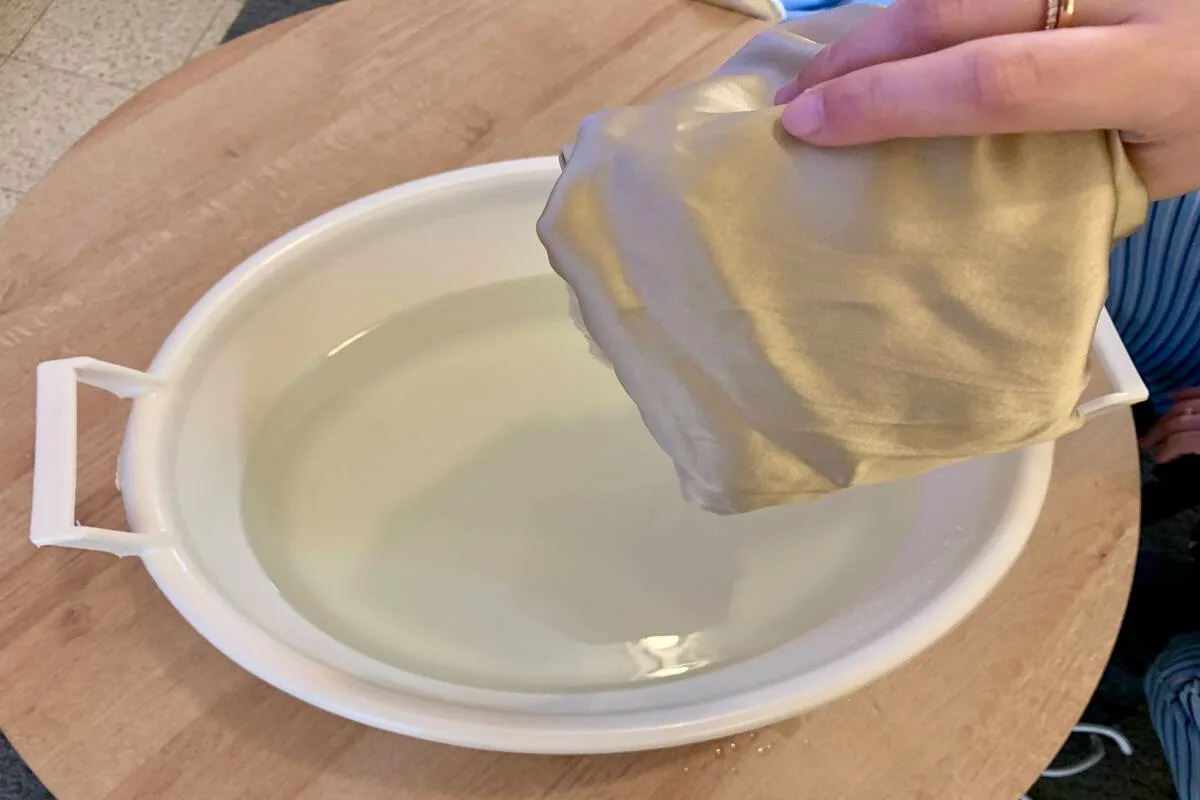
Image source: Bing (Web (fair-use with source credit))
Follow this straightforward routine to keep the fabric supple and clean:
- Fill a clean bowl with cool water and add a few drops of pH-neutral silk detergent.
- Submerge the scrunchie and gently swirl it for about 60 seconds without scrubbing or twisting the seams.
- Rinse thoroughly in cold, clean water until all soap residue washes out completely.
- Place the wet scrunchie flat between two clean cotton towels and press down firmly to absorb excess moisture.
- Reshape the silk folds and lay the scrunchie flat on a drying rack away from heat vents and direct sunlight.
Never place pure silk accessories into a heated dryer or wring them with your hands. High heat degrades the natural protein fibers, causing the smooth charmeuse weave to become brittle, rough, and dull.
Chemical products also present hidden risks. Avoid traditional laundry detergents that contain protease enzymes. These enzymes are engineered to dissolve protein stains, which means they will actively break down real silk over time.
Check product labels for safety seals like OEKO-TEX Standard 100 to ensure your silk accessories and cleaning soaps remain free from harmful processing chemicals.
Frequently Asked Questions About Silk Scrunchie Density
Does a higher momme weight mean better hair protection?
Not necessarily, because both 19 and 22 momme mulberry silks offer identical frictionless benefits for your hair cuticle. The higher momme count simply means thicker fabric threads and higher resistance to physical wear. Both weights prevent friction damage, mechanical split ends, and harsh ponytail ridges equally well.
Can fine hair wear a 22 momme silk scrunchie?
Yes, fine hair can safely wear 22 momme silk, but skinny or slim scrunchie styles work best. Large or jumbo 22 momme bands add unnecessary fabric bulk that fine strands cannot fill. That extra bulk often causes the scrunchie to slide right down smooth hair throughout the day.
How do I know if my scrunchie is real silk or polyester satin?
Perform a quick water drop test or check the care tag for genuine fiber certification. Real silk absorbs moisture slowly, warms immediately to body contact, and displays a multi-dimensional sheen. Synthetic polyester satin produces an artificial, plastic-like shine and stays cool to the touch.
How often should you wash a silk hair accessory?
Wash your silk scrunchie every two to three weeks if you wear it daily. If you use heavy hair oils, leave-in conditioners, or wear it during light workouts, wash it weekly. Regular cleaning removes accumulated scalp oils that weaken and break down the inner elastic core.

Similar Posts