Earmuffs vs. Beanies: Which Causes Less Hat Hair?
Founder & Fashion Creative Director at Julia Fashionista · CFDA Fashion Scholar, Certified Image Consultant (AICI) · 12+ years in editorial wardrobe styling, sustainable textile sourcing, and luxury capsule curation
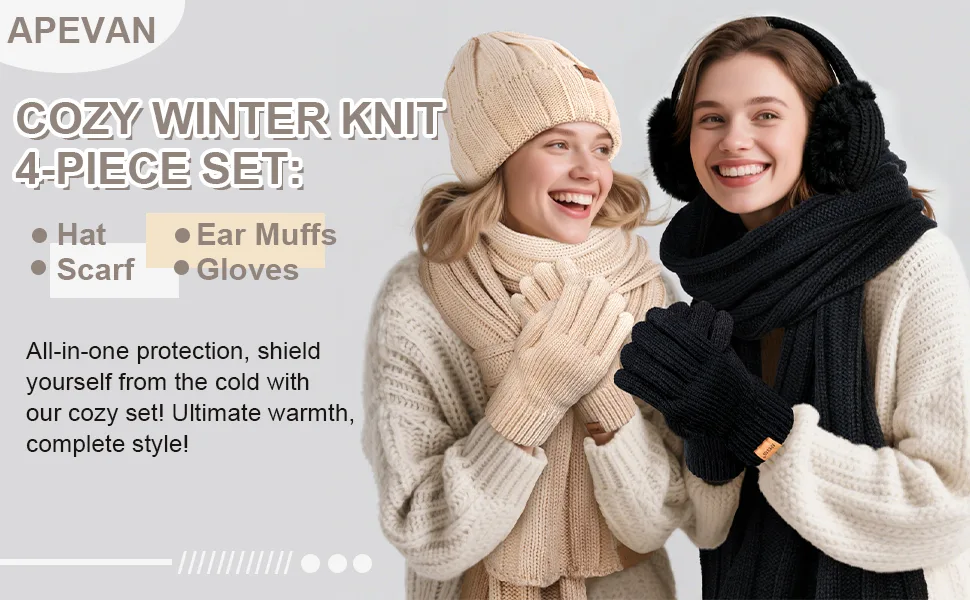
Image source: Bing (Web (fair-use with source credit))
Choosing winter earmuffs messing up hair vs beanie usually comes down to warmth versus style preservation. Earmuffs protect your root lift, but they leave your head exposed to bitter wind. Beanies keep your whole head warm, but they can flatten your crown and cause flyaways.
Hair typically holds 10 to 15 percent moisture by weight, and dry sub-freezing air saps that hydration fast. Both accessories protect you from the cold, yet each creates different mechanical friction against your hair strands. Deciding which one to wear depends on your hair texture, your commute, and your styling goals.
Quick Answer
The choice between winter earmuffs messing up hair vs beanie depends on styling priorities. Earmuffs preserve crown volume and prevent flat roots. They work best for styled blowouts and updos.
Beanies offer full-head warmth in sub-freezing temperatures. However, beanies cause friction, flat hair, and static flyaways.
The Winter Dilemma: Preserving Your Hair Without Freezing Your Ears
Winter air lacks ambient humidity. When you step outside into sub-freezing temperatures, the dry air pulls moisture out of your hair shaft. The hair cuticle, which protects the inner cortex, lifts and becomes brittle.
Adding headwear introduces friction. As you walk, your winter gear rubs against fragile strands. This creates a tough choice between freezing your ears and showing up with crushed, frizzy hair.
Research into workplace cold stress from the Centers for Disease Control and Prevention notes that uncovered heads release substantial body heat in freezing wind. You have to cover up to stay safe. The real challenge is managing heat loss without completely destroying your morning styling routine.
How Beanies and Earmuffs Actually Alter Your Hair
Every winter accessory affects your hair through three main forces: friction, downward compression, and heat buildup. Understanding these forces helps you pick the right headwear for your hair type.
The Mechanics of "Hat Hair": Friction, Pressure, and Scalp Heat
"Hat hair" is not just flat strands. It is a structural collapse caused by heat and downward force.
Your scalp produces heat and natural oils continuously. When you cover your entire head with a tight knit cap, you create a microclimate. Scalp perspiration mixes with sebum at the roots.
At the same time, the elastic knit exerts downward pressure.
This combination resets your hair shape while warm and damp. Once you take the cap off, the cooler room air sets your hair flat against your skull.
Static Electricity and Cuticle Damage: Acrylic vs. Wool vs. Silk
Static flyaways happen because of triboelectric charging. When two different materials rub together, electrons move between them.
Human hair sits on the positive end of the triboelectric scale. It readily gives up electrons. Acrylic yarn, a common synthetic beanie material, sits on the negative end.
When acrylic rubs against hair keratin, the fibers strip electrons from your strands. Each strand ends up with a positive electrical charge. Because like charges repel, the strands push away from each other, creating wild static.
Wool causes less static than acrylic, but its rough, scaly fibers can snag delicate hair cuticles. Smooth materials like silk or satin produce almost no static charge, making them much gentler on your hair.
Earmuffs: The Structural Trade-Offs for Hair Preservation
Earmuffs isolate thermal protection right over your ears. This keeps the crown of your head open, which preserves your hair's natural body and volume.
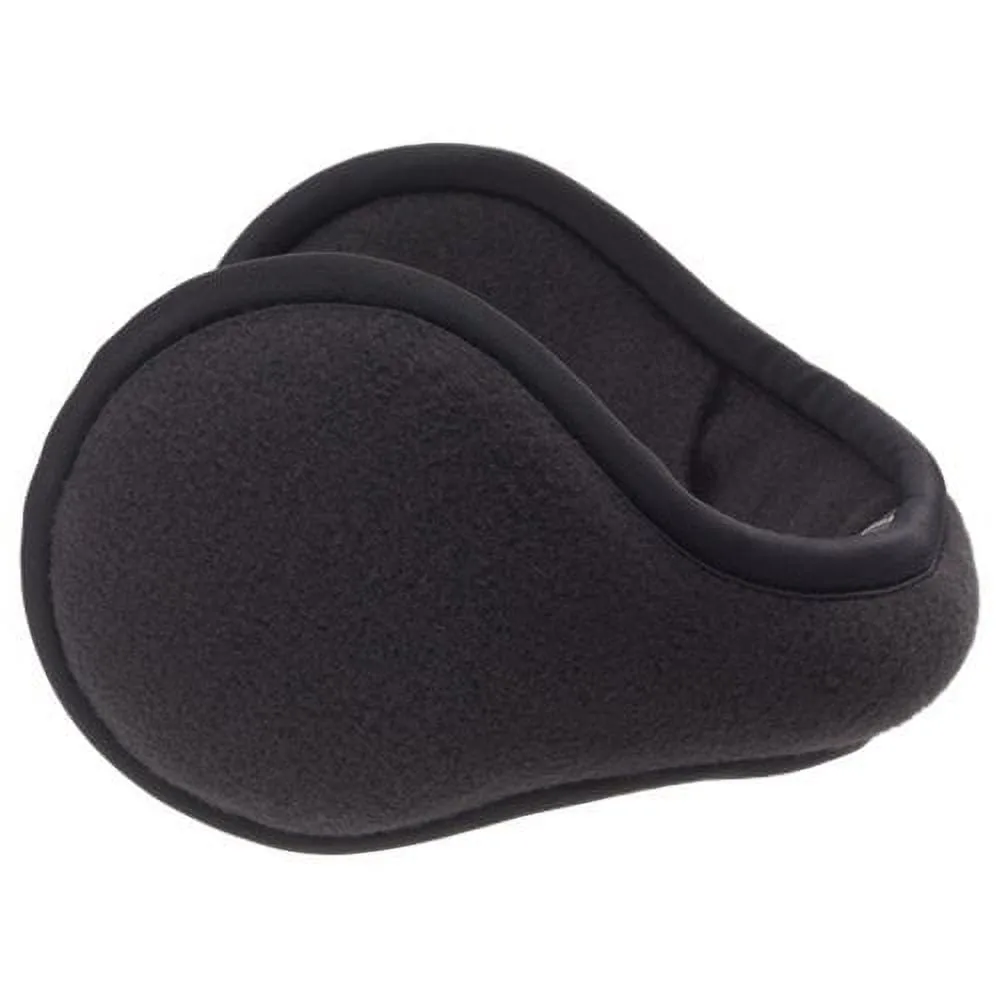
Image source: Bing (Web (fair-use with source credit))
Traditional Over-the-Head vs. Behind-the-Neck Styles
Traditional earmuffs use an adjustable band that arches over the top of your skull. While they leave your root volume mostly intact, the band still presses down across the center of your head. This pressure can leave a dent across middle parts or smooth blowouts.
Behind-the-neck earmuffs wrap around the base of the skull. The band rests right at the hairline along the nape of your neck.
This design avoids the top of your head completely. It leaves your crown volume, curls, and parts undisturbed. However, if the neck piece fits too tightly, it can create friction tangles in longer hair at the collar line.
Where Earmuffs Excel (and Where They Still Cause Creases)
Earmuffs excel whenever you are wearing an updo, high ponytail, or voluminous blowout. They provide focused warmth without trapping scalp heat, so your roots stay lifted and oil-free.
They do have a few structural drawbacks:
- Side compression: The ear cups press your side sections flat against your jawline and temples.
- Cowlicks: A shifting top band can push small sections of hair the wrong way, creating stubborn bends.
- Slippage: Over-the-head styles can slide backward on straight, silky hair textures, requiring constant adjustments.
Beanies: Maximum Cold Protection at the Expense of Volume
A classic knit beanie covers your forehead, crown, temples, and ears all at once. It remains the top choice for pure thermal defense in harsh winter conditions.
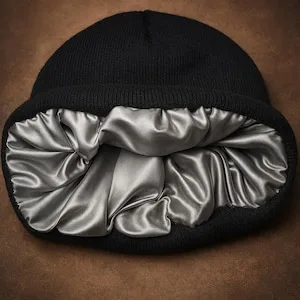
Image source: Bing (Web (fair-use with source credit))
Why Beanies Flatten Roots and Trap Sebum
Beanies cover every square inch of your scalp. Because heat rises, warm air pools at the crown of the cap.
This trapped warmth prompts your scalp to produce light perspiration. That moisture softens your roots, dissolving any volume created by blow-drying or styling sprays.
Meanwhile, the ribbed elastic band compresses the hair flat. When you take off the beanie, your roots are stuck to your scalp, while the mid-lengths and ends often turn into frizzy flyaways.
The Game-Changer: Silk- and Satin-Lined Beanies
Silk-lined and satin-lined beanies solve the friction problem. As of 2026, they are widely recognized as an essential winter accessory for protecting delicate hair.
The exterior knit provides warmth against cold winds, while the inner lining stays completely smooth. The hair cuticle glides across silk without snagging.
Silk is also non-absorbent compared to cotton or wool. It keeps the knit fibers from pulling moisture out of your hair shafts, which helps curls and waves keep their natural shape.
Side-by-Side Comparison: Earmuffs vs. Beanies Across Hair Types and Styles
Different hair textures react differently to winter accessories. Fine hair crushes easily, while textured, coily hair is more prone to moisture loss and cuticle friction.
| Factor | Behind-the-Neck Earmuffs | Over-the-Head Earmuffs | Standard Acrylic Beanie | Silk-Lined Beanie |
|---|---|---|---|---|
| Crown Volume Retention | High (zero pressure) | Moderate (band crease) | Poor (fully crushed) | Poor (flattened roots) |
| Friction Damage Risk | Low (isolated to nape) | Low (isolated to band) | High (rough yarn snagging) | Very Low (smooth glide) |
| Static Generation | Very Low | Low | Very High | Extremely Low |
| Thermal Protection | Moderate (ears only) | Moderate (ears only) | High (full head) | High (full head) |
| Updo Compatibility | High (buns, ponytails) | Low (hits high hair) | Very Low (traps hair inside) | Low (must tuck updo) |
| Best Hair Type Match | Fine, straight, blowout | Short, parted hair | Coarse, resilient styles | Curly, coily, textured |
How to Choose Based on Your Daily Commute and Climate
Your choice depends on how long you stay outside and the intensity of the wind.
If your commute involves short walks between heated cars or transit stations, behind-the-neck earmuffs are the practical pick. They keep your ears warm in temperatures down to 25 degrees Fahrenheit. Most importantly, they leave your roots lifted and your style untouched for work.
If you walk outdoors for more than twenty minutes in sub-freezing temperatures, switch to a beanie. Medical guidance from agencies like NIOSH warns that prolonged exposure to wind chill causes rapid body heat loss through an uncovered scalp. When wind chills drop below 20 degrees Fahrenheit, ear coverage alone is rarely enough.
If you run or bike in the winter, fleece athletic headbands offer a steady middle ground. They anchor securely across your ears without crushing the top of your head. They also vent moisture upward so sweat does not collect at your crown.
Pro Styling Strategies to Prevent and Fix Cold-Weather Hair Damage
You do not have to settle for flat roots or wild flyaways when protecting your ears. A few small styling adjustments before you leave home will protect your hair cuticle.
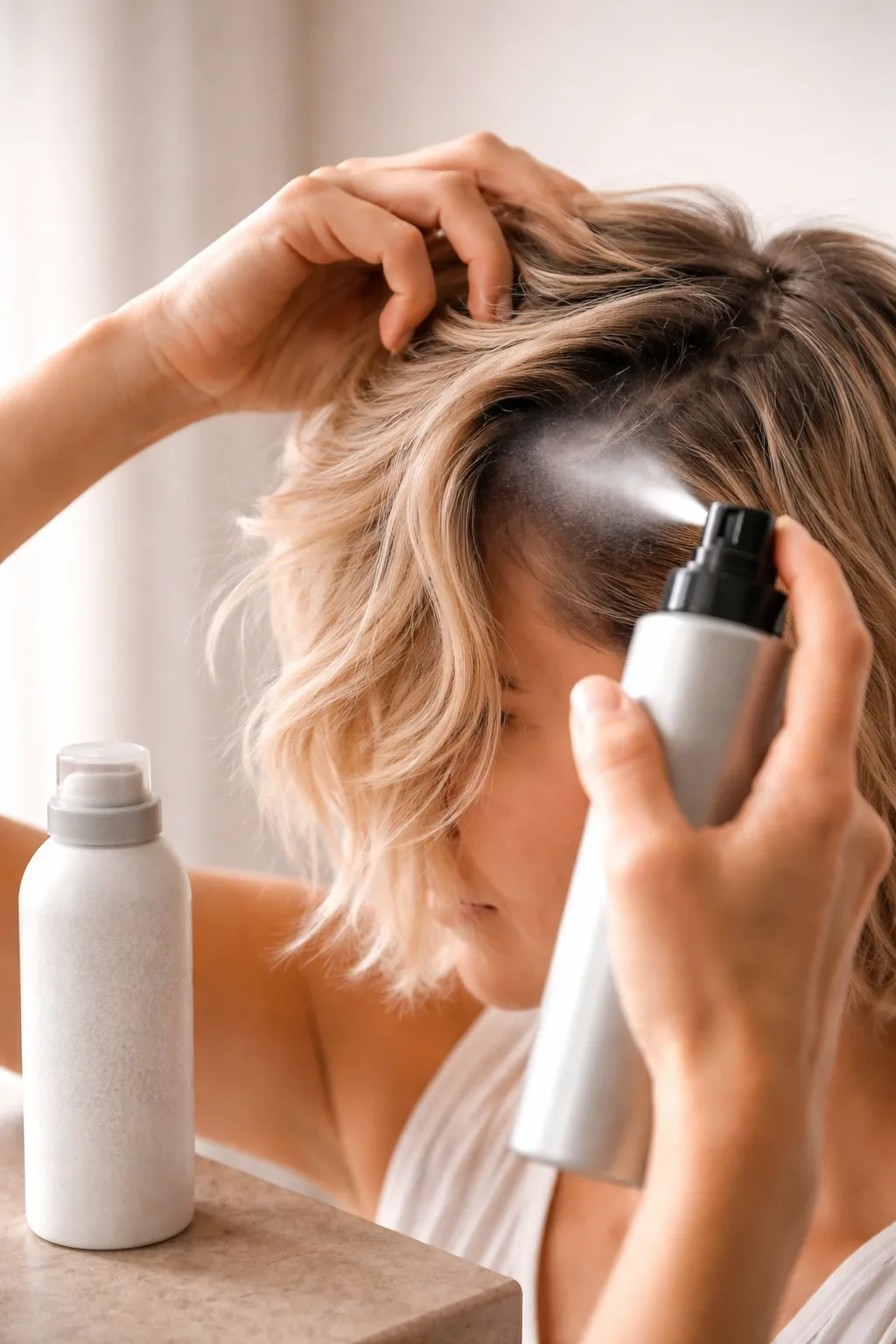
Image source: Bing (Web (fair-use with source credit))
- Apply dry shampoo before heading out. Spraying dry shampoo on dry roots before putting on headwear absorbs sweat as it forms. This prevents oil from pasting your strands to your scalp.
- Mist your headwear lining with anti-static spray. Lightly coating the inner lining of your beanie or earmuffs neutralizes triboelectric charge buildup before it touches your strands.
- Use the silk scarf barrier technique. If you love a rough wool beanie, drape a small square silk scarf over your crown first. Then pull the beanie on over the silk to stop friction snags.
- Roll beanies on from forehead to back. Never pull a cap straight down over your hair. Place the front edge at your hairline and roll it backward along your strands to keep cuticles lying flat.
Once you arrive indoors, flip your head upside down. Gently shake your roots with your fingertips to release trapped body heat. Avoid brushing immediately, as brushing charged hair multiplies static flyaways.
Frequently Asked Questions About Winter Headwear and Hair Damage
Do behind-the-neck earmuffs damage the hairline?
Behind-the-neck earmuffs rarely cause breakage if they fit properly. However, cheap bands with tight steel springs can pull the delicate baby hairs around your ears and nape. Look for styles with wide, fleece-padded bands that sit flat against the skin without pinching.
Can you wear a wool beanie without getting hat hair?
You can minimize hat hair by waiting until your hair is completely dry and cool before putting the beanie on. Warm or damp hair takes the shape of whatever compresses it. Pairing fully cooled hair with a silk barrier prevents the cap from reshaping your roots.
Are fleece headbands better for your hair than beanies?
Fleece headbands preserve your crown volume because they leave the top of your scalp open. However, standard polyester fleece creates high friction and strong static charges against hair cuticles. To protect curly or fragile hair, choose headbands lined with smooth satin or silk.
How do you get rid of hat static instantly once indoors?
Carry a small bottle of leave-in conditioning mist or a dry oil spray. Spritzing a tiny drop onto your palms and smoothing them lightly over the surface of your hair instantly neutralizes positive static charges. Plain hand lotion also works in a pinch if applied very lightly.
Which winter headwear is safest for curly and coily Type 4 hair?
Silk-lined beanies and satin-lined wrap hoods are the safest options for textured hair. Coily hair textures are naturally dry and fragile, making them prone to breakage from rough acrylic and wool yarns. Silk interiors preserve critical moisture levels while preventing mechanical friction along delicate curl patterns.

Similar Posts