How to Remove Suede Bag Color Transfer from White Jeans
Founder & Fashion Creative Director at Julia Fashionista · CFDA Fashion Scholar, Certified Image Consultant (AICI) · 12+ years in editorial wardrobe styling, sustainable textile sourcing, and luxury capsule curation
Finding dark suede bag color transfer onto white jeans can ruin an otherwise great outfit in seconds. Richly dyed suede rubs against denim with every step you take, leaving behind an unsightly blue, black, or tan stain right at your hip line.

Image source: Bing (Web (fair-use with source credit))
Textile testing under the American Association of Textile Chemists and Colorists (AATCC) defines this friction rub-off as crocking. Fortunately, you can lift suede dye out of cotton denim completely if you use the right sequence of solvents and avoid common laundry traps.
Quick Answer
Fixing suede bag color transfer onto white jeans requires immediate dry treatment. Do not add water right away. Lift loose dye dust with a dry kneaded art eraser.
Blot remaining marks with 70% isopropyl alcohol on a white microfiber cloth. Soak the jeans in oxygen bleach and cold water. Never use hot water or a tumble dryer.
Why Suede Bags Bleed Onto White Denim (and Why It's Not a Normal Stain)
Suede causes a unique staining problem because of how tanneries process split leather. Suede features an open, napped surface created by buffing the interior split of the hide. This fibrous texture absorbs a massive volume of aniline or direct dyes during manufacturing.
Many fashion tanneries leave these dyes unsealed to keep the velvety hand-feel of the suede. When you walk, your hip brushes repeatedly against the bag. This continuous mechanical friction dislodges microscopic dye particles from the leather nap, grinding them directly into the twill ridges of your jeans.
Standard stains like coffee, wine, or oil respond well to immediate soap and warm water. Suede dye transfer behaves in the exact opposite manner. Adding warm water to dry suede crocking activates the loose dye particles.
Once activated by moisture, these pigments flow into the core of the hollow cotton fibers. The dye locks into the cellulose structure, turning a surface-level rub into an embedded, permanent stain.
The First Rule: Triage the Stain Before Touching Water
Before reaching for the faucet or a bottle of spray cleaner, you must diagnose the state of the transfer. Rushing this step often ruins a pair of white jeans permanently.
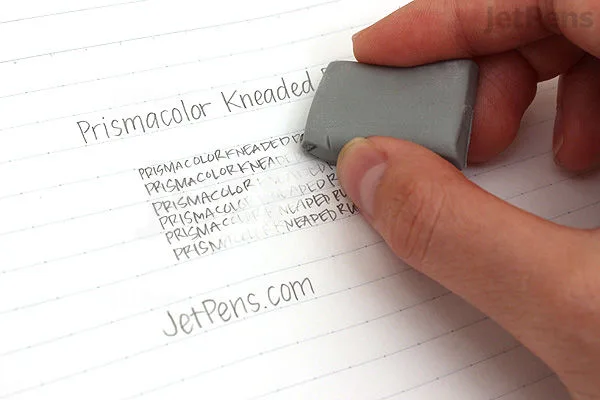
Image source: Bing (Web (fair-use with source credit))
Check whether the dye marks are dry powder or wet bleed. If the transfer happened on a cool, dry day, the dye sits on top of the fabric as loose dust. Introducing moisture at this point will ruin your chances of an easy fix.
Next, check your denim's inner care tag for synthetic content:
- 100% Rigid Cotton: Highly durable. Can handle higher-strength alcohol solvents and extended oxygen bleach soaks.
- Cotton-Elastane Blends (1% to 4% Spandex): Requires gentle handling. Harsh chemicals or warm soaks will degrade the elastic stretch core, causing puckering.
Keep all heat sources away from the pants. Do not iron the spot, and do not toss the jeans into the laundry hamper for later. Ambient room heat or friction from other clothes can push the pigment deeper.
The Decision Tree: How to Treat the Transfer Based on Your Jeans and the Stain Type
Every suede stain requires a slightly different initial approach depending on your fabric and how the transfer occurred. Use this decision tree to identify your immediate starting point.
| Stain Condition | Denim Composition | First Action Step | Avoid Completely |
|---|---|---|---|
| Dry Smudge | 100% Cotton | Dry lifting (eraser / vacuum) | Any wet wiping or damp towels |
| Dry Smudge | Cotton / Elastane blend | Gentle patting with art eraser | Aggressive wire or stiff brushing |
| Moisture / Sweat Bleed | 100% Cotton | Isopropyl alcohol blot (backside) | Chlorine bleach, hot water rinses |
| Moisture / Sweat Bleed | Cotton / Elastane blend | Micellar water or dilute alcohol blot | Pure acetone, hot soaks over 30°C |
Branch A: Dry Powder Crocking (Light, Chalky Smudge)
If the mark looks like a faint shadow or fine colored dust, you are dealing with dry crocking. The dye molecules have not yet bonded with the cotton fibers.
Your goal here is purely mechanical extraction. You will lift the loose particles off the twill surface without using any liquids whatsoever.
Branch B: Moisture-Induced Dye Bleed (Sweat, Rain, or Friction Heat)
If you were caught in the rain or walking rapidly on a humid afternoon, body heat and moisture have already liquefied the leather dye. The stain will look darker, sharper, and deeply absorbed into the weave.
Mechanical dry lifting will not help here. You must transition directly to a polar solvent to break down the aniline dye carrier before it sets.
Branch C: Stained Denim with Elastane or Stretch Blends
Stretch denim requires extra caution. Spandex and elastane fibers are sensitive to high-pH chemicals and harsh industrial solvents.
If your jeans contain elastane, skip aggressive rubbing. Use lighter solvents, keep soaking times under four hours, and never use water temperatures above 30°C (86°F).
Step-by-Step Workflow: Safely Extracting Suede Dye From White Jeans
Follow this sequential workflow carefully. Work from dry mechanical extraction up to liquid chemical baths. Stop as soon as the mark disappears.
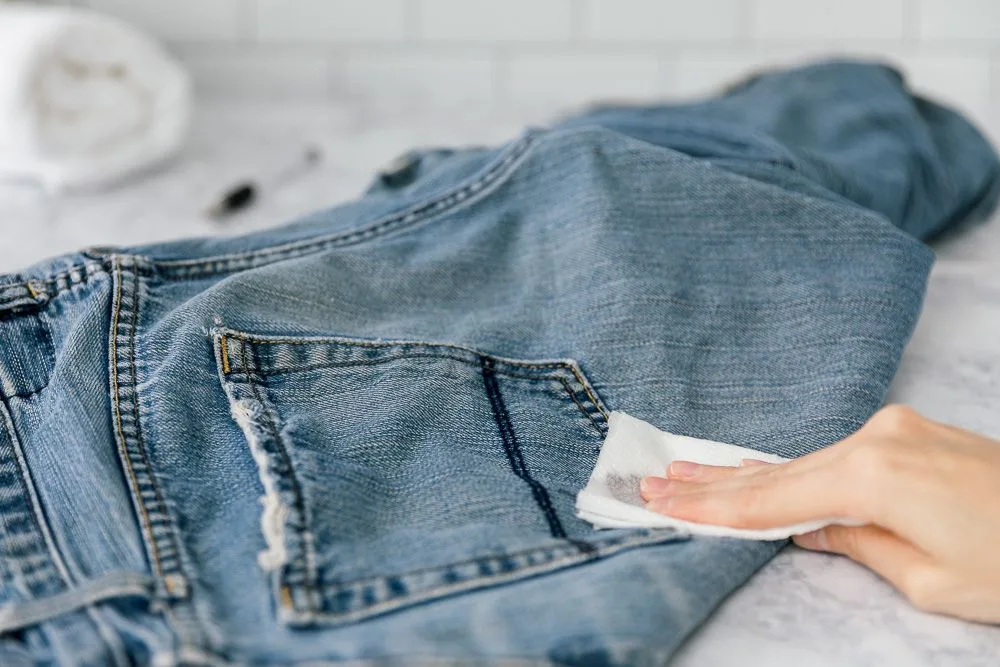
Image source: Bing (Web (fair-use with source credit))
Step 1: Dry Extraction and Particulate Lifting
Start by laying the jeans flat on a firm, clean surface. Take a standard vacuum hose with a narrow nozzle attachment, hold it directly over the stain, and hover just millimeters above the denim. Pull the loose, sitting dye dust right off the surface.
Next, grab a vulcanized rubber dry-cleaning sponge or an artist's kneaded rubber eraser. Gently dab and roll the eraser across the suede mark. Do not scrub back and forth.
Scrubbing grinds the loose particles deeper into the weave. Press down, lift straight up, and knead the eraser to expose clean rubber between taps. Continue until the eraser picks up no more visible pigment.
Step 2: Solvent Transfer Using Isopropyl Alcohol
Turn the jeans inside out. You want to push the embedded dye back out the way it entered, rather than driving it all the way through the fabric. Place a clean, white cotton towel directly underneath the stained area on the outside face of the denim.
Dampen a clean white microfiber cloth with 70% isopropyl alcohol. Dab firmly against the back of the stain.
The alcohol acts as a fast-evaporating solvent that dissolves aniline dye binders without setting them. As you press from behind, the alcohol will force the dissolved color onto the backing towel underneath.
Rotate the towel to a clean, dry spot frequently. Repeat this blotting motion until the cloth no longer picks up color.
Step 3: Targeted Surfactant Application
Once the solvent treatment lightens the stain, rinse the spot with a gentle stream of cold tap water. Never use warm water here.
Apply a nickel-sized drop of heavy-duty liquid laundry detergent directly to the remaining mark. Use a formula that contains active cleaning enzymes like protease and amylase.
Work the detergent into the fibers using the pad of your thumb or a soft-bristled baby toothbrush. Work in tiny circular motions, keeping the pressure light to protect the denim twill. Let the liquid detergent sit on the fabric for 15 to 20 minutes to suspend the remaining pigment particles.
Step 4: The Oxygen Bleach Soak
Fill a clean bucket or utility sink with cool or lukewarm water. Dissolve one full scoop of sodium percarbonate powder, commonly sold as oxygen-based bleach, into the water until fully dissolved.
Submerge the white jeans completely. Let the denim soak for at least four hours, or overnight for severe stains.
Oxygen bleach breaks down dye color bonds through an oxidative reaction without eroding cotton fibers. Once the soak is finished, pull the jeans out and wash them in your machine on a standard cold-water cycle. Hang the jeans up to air-dry completely.
Keep them out of the tumble dryer until you confirm the stain is 100% gone under natural daylight.
What Will Permanently Ruin Your White Jeans (Mistakes to Avoid)
The biggest mistake you can make with suede dye transfer is applying chlorine bleach. While bleach seems like the obvious weapon for plain white cotton, sodium hypochlorite chemically reacts with leather tanning agents.
This reaction causes severe yellowing across the denim twill. Worse, if your white jeans contain even 1% elastane or spandex, chlorine bleach immediately dissolves the synthetic elastic core. Your jeans will develop rippled, bagging stretch marks that cannot be repaired.
Another critical error is tossing the jeans into a hot dryer while a faint shadow remains. Heat permanently denatures and sets aniline leather dye into the hollow core of natural cotton fibers.
Once baked in by a high-heat drying cycle, the pigment is practically impossible to remove with home laundry methods. Always let your jeans line-dry in ambient air, away from direct sunlight, until you inspect them in bright daylight.
Finally, resist the urge to scrub the transfer with hot water, hand soap, or dish detergent. Hand soaps contain fats that bond with loose dye dust, creating greasy, set-in rings. Hot water expands the cotton weave, pulling the leather tannins deeper into the interior threads.
How to Seal Your Suede Bag So It Never Crocks Again
Removing dye from your jeans solves only half the problem. If you carry the same suede bag tomorrow, color transfer will happen again on your next walk.
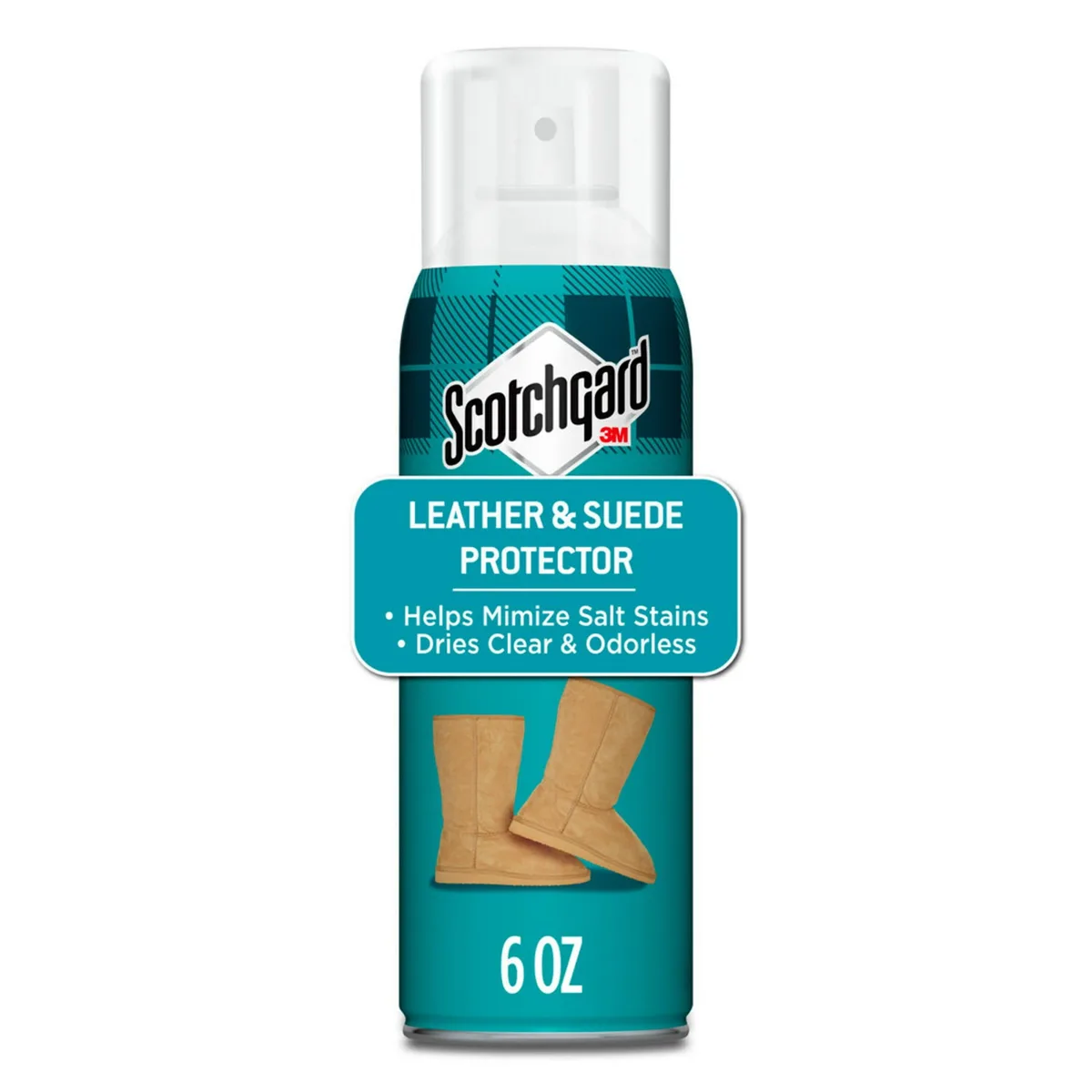
Image source: Bing (Web (fair-use with source credit))
Start by brushing the suede with a brass or crepe suede brush. Brush firmly in one direction across the back panel that rests against your hip. This pulls out loose, unbonded dye dust left over from the tanning drum.
Next, conduct a dry crock test. Rub a dry white cotton towel across the back of the bag using firm hand pressure for ten seconds. If any pigment rubs off onto the cloth, the leather requires a barrier seal.
Apply a fluoropolymer or silicone suede protective spray. Spray two light, even coats across the leather from eight inches away, allowing thirty minutes between coats.
As of 2026, modern hydrophobic barrier sprays coat individual leather fibers without hardening the velvety nap. This protective shield prevents natural moisture, body warmth, and friction from dislodging pigment onto your clothes.
Frequently Asked Questions About Suede Dye Removal
Can dry cleaners remove suede dye from white denim?
Yes, professional dry cleaners can remove suede transfer using non-polar commercial solvents like perchloroethylene or hydrocarbon fluids. Inform the cleaner immediately that the stain is leather crocking. This prevents them from using steam presses, which would accidentally heat-set the dye into the cotton twill.
Does baking soda or vinegar lift suede crocking?
Baking soda and vinegar are ineffective against industrial leather dyes. Vinegar is an acid that actually acts as a mordant, bonding acid dyes more securely to cotton. Baking soda forms an abrasive paste that damages the denim weave without breaking down aniline pigments.
Will isopropyl alcohol damage white stretch jeans?
Standard 70% isopropyl alcohol will not harm denim with low elastane content when blotted gently. Avoid saturated soaking, and never use pure acetone instead of alcohol. Acetone can melt synthetic fibers, whereas isopropyl alcohol dissolves dye binders without degrading elastane strands.
Can you use chlorine bleach if the jeans are 100% rigid cotton?
Chlorine bleach is still not recommended for leather dye transfer on 100% cotton. Chlorine interacts with leather tannins and sulfur dyes, creating stubborn yellow or orange oxidation halos. Stick to sodium percarbonate oxygen bleach, which safely oxidizes dye color without yellowing cotton fibers.

Similar Posts