Fix Worn Conductive Thread on Touchscreen Leather Gloves
Founder & Fashion Creative Director at Julia Fashionista · CFDA Fashion Scholar, Certified Image Consultant (AICI) · 12+ years in editorial wardrobe styling, sustainable textile sourcing, and luxury capsule curation
When your touchscreen leather gloves conductive thread worn out spots appear, your phone screen stops responding. The leather still protects your hands from bitter wind, but tapping an app now does nothing. Repeated friction against glass and steering wheels slowly rubs off microscopic conductive metal coatings.
That broken circuit means your phone cannot detect the electrical charge from your fingers. Standard capacitive screens require an electrical resistance path below roughly 50 ohms to register a tap reliably. You do not need to replace premium leather gear when this happens.
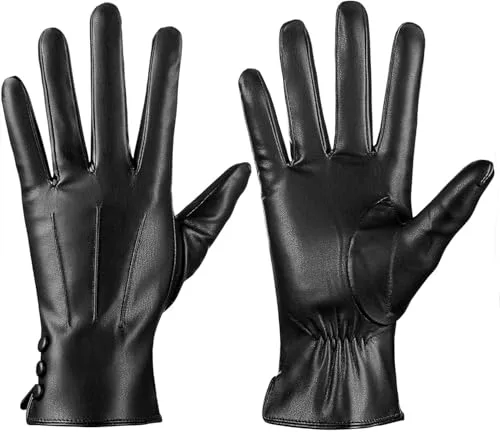
Image source: Bing (Web (fair-use with source credit))
Quick Answer
Touchscreen leather gloves fail when friction rubs away conductive metallic thread. You can restore response by sewing fresh conductive thread through the tip. The new stitch must touch your skin inside the glove.
It also needs several tight stitches on the leather outside. This re-establishes the electrical path to your smartphone screen.
Why Your Touchscreen Leather Gloves Stopped Working
Leather is a natural electrical insulator. Untreated cowhide, goatskin, and sheepskin completely block the minute bioelectric field your body emits. Glove makers solve this by sewing small patches of conductive filament into the index fingertips and thumbs.
Every swipe and tap grinds that exposed thread against glass, zippers, steering wheels, and pockets. Over time, physical abrasion strips the ultra-thin silver or copper plating clean off the synthetic core fibers. Once that metallic layer wears off, the thread becomes an ordinary piece of non-conductive nylon.
Ambient humidity also plays a quiet role. In bitter winter air, dry skin produces significantly less surface moisture. Natural skin salts and oils normally help carry your body's capacitance across mechanical boundaries.
When worn-down thread meets dry skin and parched cold air, capacitive contact drops to zero.
The Secret Circuit: How Capacitive Leather Gloves Actually Function
Your smartphone screen relies on projected capacitive touch technology. Under the front glass sits a transparent grid of micro-electrodes that constantly monitors electrostatic field changes.
When your bare finger touches the glass, it alters the local electrical capacitance by absorbing a tiny fraction of the electrical charge. Research published through IEEE shows that human skin exhibits a relative permittivity that reliably disrupts these high-frequency sensory fields. For this disruption to happen through leather, an unbroken electrical conduit must run from your living flesh straight to the glass surface.
The conductive thread is not an antenna that magically radiates power. It is a physical wire bridge. If the interior knot lifts away from your fingertip, or if a thermal fleece lining separates the wire from your skin, the capacitive circuit breaks.
The screen will stay completely blank no matter how firmly you mash your thumb against it.
The Glove Inspection Workflow: Assessing Your Repair Path
Before picking up a needle, you need to understand how your glove is constructed. Poking a needle blindly through technical winter gear can ruin water barriers or fail to restore touch response entirely.
Use this simple decision workflow to determine how to run your repair:
                  [Check Glove Interior]
                            |
           +----------------+---------------+
           |                                |
      [Unlined]                          [Lined]
           |                                |
  Stitch directly through         What kind of lining?
  leather. Ensure knot                      |
  contacts skin inside.        +------------+------------+
                               |                         |
                        [Free/Floating]          [Bonded / Membrane]
                               |                         |
                      Turn lining inside-out.    Sew surface patch only.
                      Tether thread through to   Run internal conductive
                      fleece, then through shell. tape to avoid leaks.
- Unlined dress or driving gloves: These are the easiest to repair. A needle passes through the leather shell, leaving a clean pad on the outside and a direct contact loop inside.
- Separable thermal-lined gloves (fleece or cashmere): The stitch must travel through both the outer leather and the interior lining so it physically rests against your skin.
- Waterproof membrane gloves (motorcycle or ski gear): If your glove uses an internal waterproof liner like Hipora or Gore-Tex, puncturing it with a needle causes water leaks. For these, use an external conductive pad paired with internal grounding tape rather than stitching through the shell.
| Glove Construction | Repair Difficulty | Tool Needed | Moisture Risk |
|---|---|---|---|
| Unlined Leather | Low | Leather Sharp Needle | None |
| Floating Wool/Fleece | Medium | Long Milliners Needle | None |
| Bonded Membrane | High | Curved Needle / Adhesive | High (leakage risk) |
Choosing the Right Materials: Silver-Coated vs. Stainless Steel Thread
Picking the correct conductive spool determines whether your repair lasts a month or several seasons. Standard craft thread will not conduct an electrical charge. You need specialized metallic sewing filament.
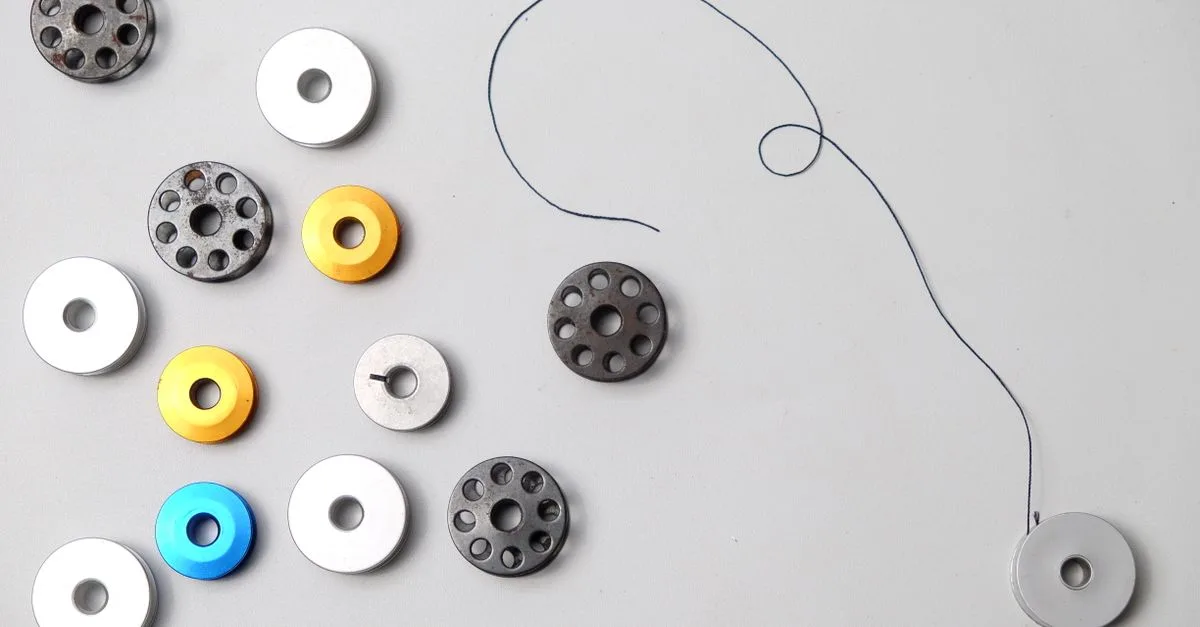
Image source: Bing (Web (fair-use with source credit))
Silver-plated nylon thread is widely available and exceptionally soft on delicate phone displays. It flows smoothly through hand needles and blends discreetly into glove seams. However, silver oxidizes and tarnishes when exposed to road salt, rain, and acidic skin oils.
As it turns black with silver sulfide, its surface resistance climbs, steadily degrading touch response over several months.
Stainless steel spun thread consists of micro-filaments of raw steel twisted into a sewing strand. It never tarnishes, resists saltwater corrosion, and handles heavy mechanical abrasion without breaking. The tradeoff is stiffness.
Uncut ends can feel scratchy against bare fingertips, and loose wire loops risk marring softer plastic screen protectors.
For high-end lambskin dress gloves, choose 2-ply silver-plated nylon for its flexibility and smooth profile. For winter work gloves or motorcycle gear, choose 3-ply stainless steel thread for permanent wear resistance.
Step-by-Step Restoration Guide: Re-Stitching the Conductive Path
Restoring a worn pad takes about twenty minutes per finger. Gather a size 5 embroidery needle (or a fine leather glover's needle), scissors, and about twenty inches of conductive thread.
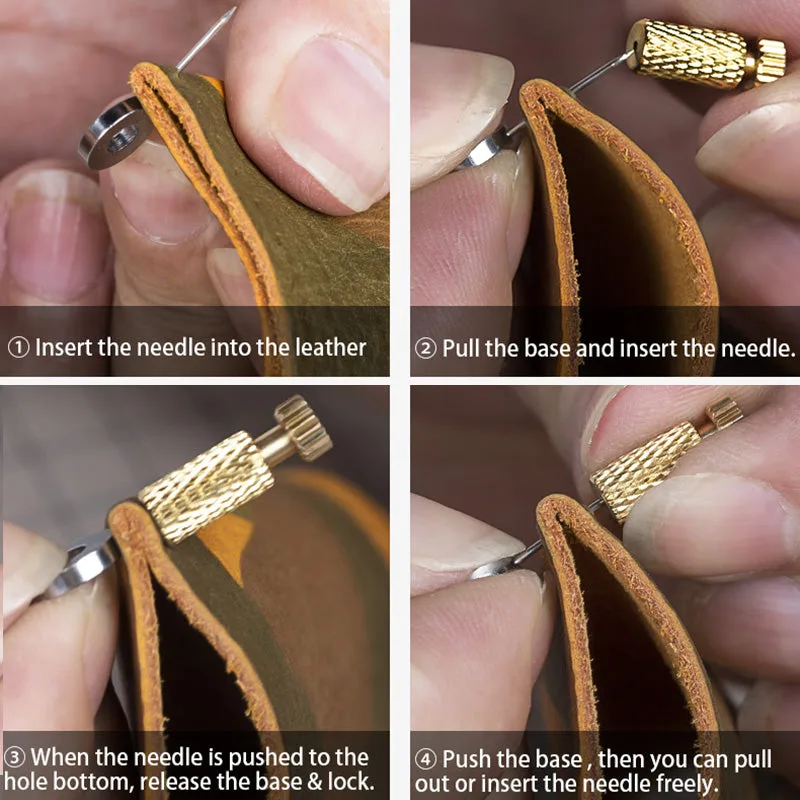
Image source: Bing (Web (fair-use with source credit))
- Clear the dead fibers: Use a small pair of curved embroidery scissors to trim away frayed or broken original conductive thread. Do not cut the primary structural seams holding the leather finger together.
- Thread and anchor: Thread your needle with a double strand of conductive filament. Push the needle from the outside of the finger through to the inside, leaving a small tail.
- Build the interior contact point: Turn the glove inside out if possible. Create three to four flat, overlapping loops on the interior lining right where your finger pulp rests. This creates a wide metal footprint that maintains solid contact with your skin.
- Form the exterior touch pad: Pass the needle back out to the leather surface. Sew a compact satin-stitch pattern or a tight starburst shape roughly six millimeters wide. Keep the stitches flat against the grain so the thread does not snag on pockets.
- Lock the finish: Pass the needle back inside the glove. Tie a secure square knot against the interior fabric, trim the tail to a quarter-inch, and press the knot flat with your thumb. Test the glove on your smartphone before trimming any remaining thread tails.
Alternative Fixes: Liquid Treatments, Patches, and Workarounds
Sewing is not the only way to revive dead touchscreen fingertips. If you own heavily insulated work gloves or delicate designer lambskin that cannot take needle holes, several no-sew alternatives exist.
Liquid conductive treatments use a suspended carbon or conductive polymer base that soaks into the leather grain. You drip the solution onto the fingertip, rub it in, and let it cure for a few hours. In our research, these liquids work well on porous, unfinished leathers like nubuck or suede.
However, smooth top-grain leather resists liquid penetration, and aggregate user reviews show the treatment usually wears off within two to three weeks of heavy friction.
Adhesive conductive fabric patches offer a faster mechanical fix. These peel-and-stick circles use silver-infused fabric backed with high-tack conductive adhesive. They work best if your glove already has an internal wire pathway that simply lost its outer surface contact.
- Liquid solutions: Best for porous leather or suede where needle punctures would ruin aesthetics.
- Adhesive conductive patches: Best for quick temporary fixes before a winter trip or outdoor event.
- Stylus rings or fingertip caps: Best for heavy-duty winter work gloves where sewing through bulky insulation is impossible.
Critical Mistakes That Can Ruin Leather or Scratch Your Screen
A quick repair can easily go wrong if you use the wrong tools or sewing habits. Leather behaves very differently from woven fabric. Once you punch a hole in an animal hide, that hole never closes.
The most common mistake is using an oversized needle. Large craft needles punch gaping holes that tear under tension. Always use a fine glover needle or a size 5 embroidery needle.
Keep your exterior stitches close together without bunching the hide into a hard knot.
Thread finish matters just as much for display safety. When trimming stainless steel conductive thread, tiny microscopic wire ends can stick out. These steel burrs are harder than typical plastic screen protectors and can abrade oleophobic display coatings over time.
As of 2026, modern mobile screens use toughened glass, but loose steel micro-wires can still leave fine swirl marks on untreated surfaces. Always bury your knot tails inside the lining where they touch flesh, never on the outside where they drag across the phone face.
Finally, avoid puncturing internal waterproof membranes on all-weather riding gear. Stabbing a needle through Gore-Tex or Hipora layers creates direct water channels. Rain will seep in, soaking the insulation and ruining the glove for sub-zero riding.
Frequently Asked Questions About Restoring Touchscreen Gloves
Can you use ordinary metallic embroidery thread to fix gloves?
No, standard craft embroidery thread will not work. Decorative gold and silver threads use plastic cores wrapped in shiny metallic foil that does not conduct electricity. You must purchase specialized conductive thread made with silver plating or stainless steel micro-filaments.
Why does my repaired glove work inside but fail outdoors in the cold?
Cold air drastically drops your skin's surface moisture, reducing electrical conductivity. In bitter weather, dry skin cannot transfer enough capacitance across the glove lining. Applying a small amount of hand moisturizer before putting on the gloves immediately solves this issue.
Will sewing conductive thread into leather make my gloves leak water?
Yes, sewing through the shell punctures whatever layers you pierce. On unlined driving gloves, water resistance is not a concern. On insulated, waterproof gloves with sealed membrane inserts, needle holes break the waterproof seal and allow water to seep straight through to your hands.
How long does a conductive thread repair usually last?
A proper repair with 3-ply stainless steel thread can easily outlast the leather itself. Silver-plated nylon thread typically lasts one to two full winter seasons before friction and silver oxidation reduce conductivity enough to require a quick touch-up stitch.

Similar Posts