How to Fix a Loose Reversible Belt Buckle Mechanism
Founder & Fashion Creative Director at Julia Fashionista · CFDA Fashion Scholar, Certified Image Consultant (AICI) · 12+ years in editorial wardrobe styling, sustainable textile sourcing, and luxury capsule curation
A reversible belt buckle mechanism loose on your waist can turn an everyday accessory into an annoying distraction. The buckle spins uncontrollably, flops forward, or pulls free from the leather strap entirely when you try to cinch it. You do not need to discard the belt or buy an expensive replacement just yet.
Most reversible buckles rely on basic mechanical components like internal springs, set screws, or friction clamps. Under standard mechanical testing per ASTM International specifications for zinc alloys, repeated cyclical loading inevitably loosens fasteners and fatigues small tension springs over time. Fortunately, identifying the exact failure point lets you restore a firm lock with simple household tools.
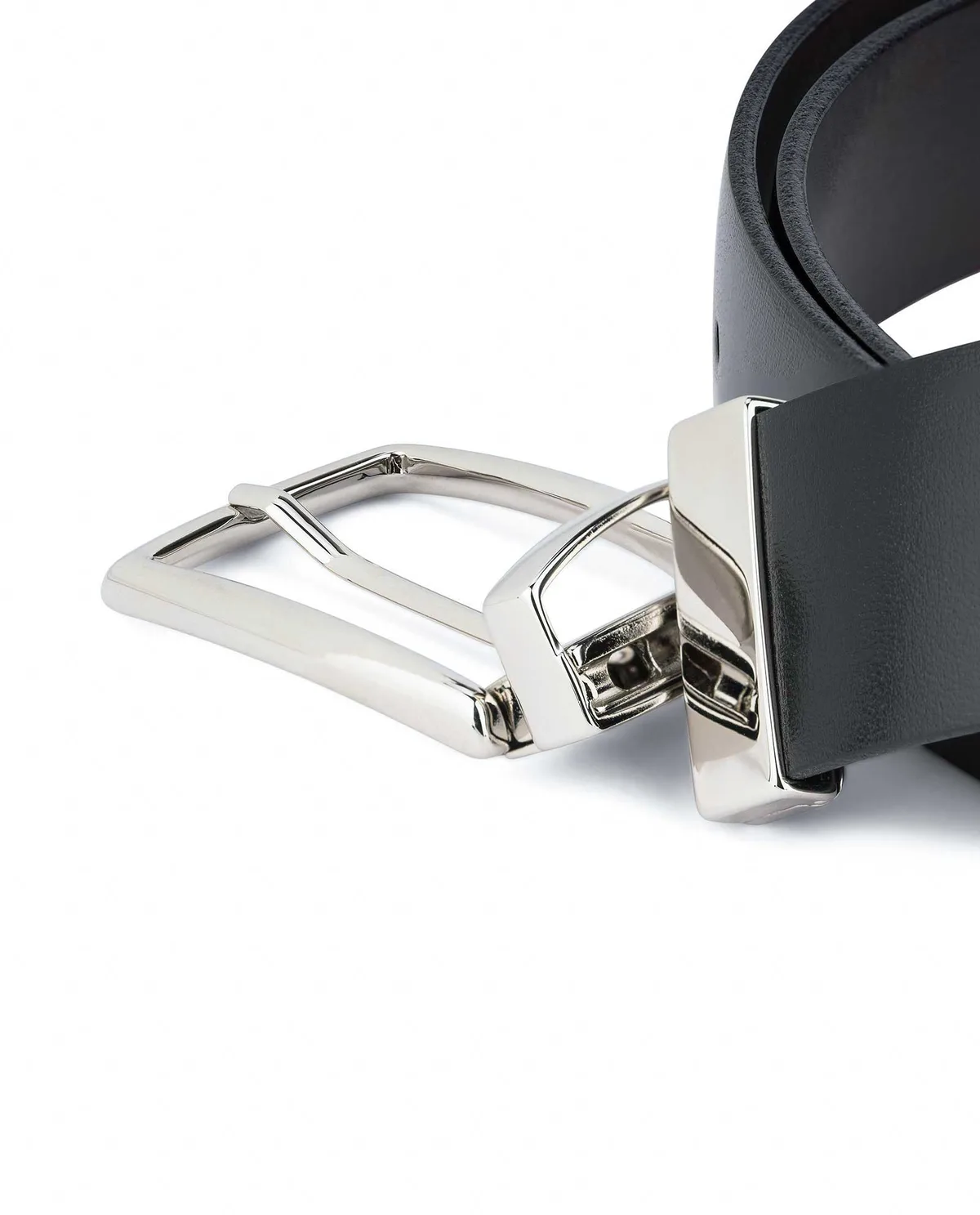
Image source: Bing (Web (fair-use with source credit))
Quick Answer
A loose reversible belt buckle mechanism results from worn set screws, fatigued springs, or slipping strap clamps. Tighten loose hinge screws using a 1.5mm precision screwdriver. Apply medium-strength blue threadlocker to stop recurring vibrations.
Re-crimp loose friction clamps with smooth-jaw pliers. Replace or shim fatigued internal barrel springs to remove shaft play.
Why Your Reversible Belt Buckle Came Loose
Reversible belts offer two leather finishes in one product, but that versatility introduces mechanical weak points. A standard fixed buckle relies on a solid frame and prong. Reversible designs, by contrast, incorporate rotating joints, internal springs, or pivoting clamp jaws.
Every time you flip the buckle, you work the internal hardware. Three main issues cause the hardware to fail over months of use:
- Vibrational loosening: Walking and sitting cause small micro-movements across the belt. These vibrations back out tiny assembly screws that hold the swivel base together.
- Spring fatigue: Pull-and-twist designs use a small compression spring to hold the indexing pin in place. Constant tension eventually weakens the spring steel, leaving the barrel feeling loose.
- Strap compression: Clamping jaws hold the cut end of the leather strap using metal teeth. Over time, the leather fibers compress, causing the teeth to lose grip and slide loose.
Identify Your Buckle Type Before Touching Any Tools
You cannot fix the mechanism until you know how it was assembled. Most reversible belts fall into two distinct mechanical categories. Taking a moment to examine the joint will save you from stripping soft metal or cracking the buckle casing.
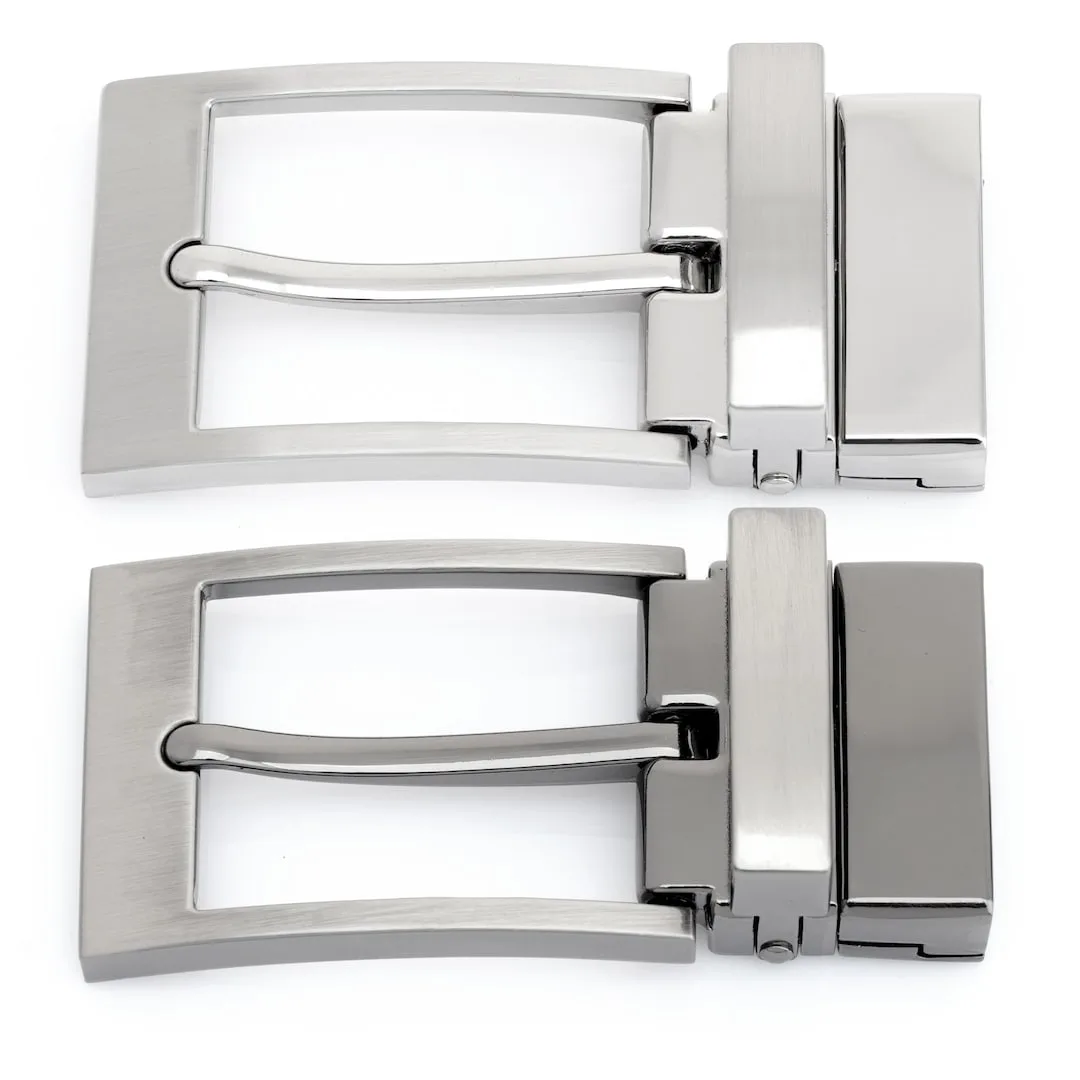
Image source: Bing (Web (fair-use with source credit))
Pull-and-Twist Swivel Buckles
This design features a solid barrel between the frame and the belt strap. To reverse the belt, you pull the buckle frame outward along its axis and rotate it 180 degrees. An internal spring snaps the buckle back into a locked detent notch.
If this buckle fails, it usually pulls out too far, spins completely without stopping, or wobbles along the central pin.
Flip-Over Hinged Clamp Buckles
This style uses a swinging hinge bracket equipped with sharp metal teeth or an integrated screw clamp. You release a lever or flip the entire buckle over the top of the leather strap to switch sides.
When these fail, the clamp usually pops open under pressure or the pivot pin backs out from the side of the housing.
| Feature | Pull-and-Twist Barrel | Flip-Over Hinged Clamp |
|---|---|---|
| Reversing Action | Axial pull, then 180-degree rotation | Hinged flip or lever release |
| Core Hardware | Internal spring, center post, detent lug | Clamp teeth, hinge pin, micro set screws |
| Common Failure | Floppy spin, loss of spring tension | Teeth slip off leather, loose pivot pin |
| Fix Difficulty | Moderate (may require internal access) | Easy (requires precision screwdrivers) |
The Diagnostic Decision Tree: Where Did the Mechanism Fail?
Before grabbing your toolkit, run through this simple diagnostic workflow. Isolating the mechanical fault ensures you apply the correct remedy without damaging the finish.
Image source: Bing (Web (fair-use with source credit))
- Scenario A: If the buckle pulls completely off the leather strap, the issue is the clamp or retainer screw. Inspect the end of the leather. If the clamp simply pulled loose, the leather may have thinned, or the clamp teeth lost tension.
- Scenario B: If the buckle wobbles sideways at the hinge, check for external fasteners. Look along the side and bottom edges of the buckle housing for a micro Phillips or Torx set screw that backed out.
- Scenario C: If the buckle pulls outward and spins freely without locking, the internal detent mechanism has failed. The coil spring has either collapsed, slipped off its seat, or the indexing tab has sheared.
- Scenario D: If the mechanism rattles and slides along the center shaft, the axial spring has lost its preload. This creates end-play along the shaft, preventing the locking lugs from meshing tightly.
Step-by-Step Fixes for Every Failure Point
Once you have identified the failure point, you can fix the hardware using standard household items. Most repairs take less than fifteen minutes.
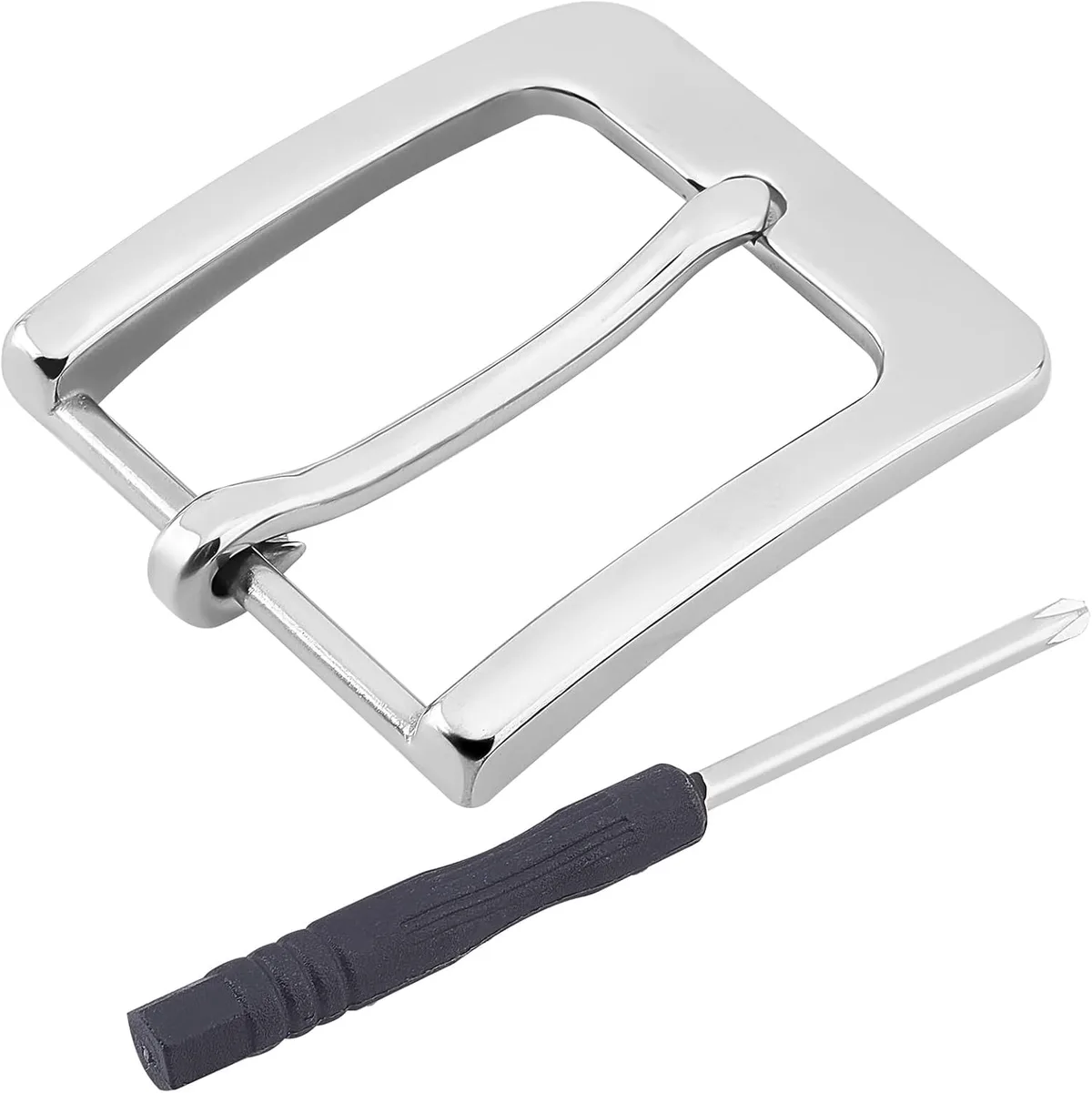
Image source: Bing (Web (fair-use with source credit))
Fixing Loose Screws and Hinge Pins (The Most Common Culprit)
Tiny set screws hold many reversible pivot assemblies together. When these work loose, the entire frame sags.
- Clean the screw threads thoroughly. Back the loose set screw out completely using a matching 1.5mm or 2.0mm precision screwdriver.
- Degrease the hardware. Wipe the screw and the threaded hole with a cotton swab dipped in isopropyl alcohol to remove body oils and dirt.
- Apply threadlocker. Place a single drop of medium-strength blue threadlocker (such as Loctite 242) onto the male threads. Avoid permanent red formulas, which require high heat to remove.
- Seat the screw firmly into place. Drive the screw in until it sits flush against the housing. Do not over-torque, as die-cast zinc threads strip easily.
- Let the adhesive cure. Allow the threadlocker to cure undisturbed for 24 hours before wearing the belt.
Restoring Tension in a Floppy Pull-and-Twist Barrel
If your pull-and-twist barrel spins without resistance, the internal spring has lost its clamping tension.
First, look for an access point. Many barrel assemblies conceal a small retention screw inside the strap-mounting slot. Remove the belt strap, look directly into the open metal channel, and back out the center screw holding the rotating core.
Slide the rotating barrel off the center post to expose the small coil spring. Gently grasp both ends of the spring with needle-nose pliers and pull slightly to stretch it out. Extending its length by just two to three millimeters restores significant pre-load tension.
Reassemble the components in reverse order. If the spring is damaged or snapped, you can cut down a replacement spring from a standard ballpoint pen as a durable fix.
Re-Gripping a Slipping Clamp Mechanism
When the hinged clamp releases under tension, the leather strap usually has compressed beyond the reach of the clamp teeth.
Open the clamp gate completely using a flat, non-marring tool. Inspect the leather strap end. If the leather is crushed, frayed, or chewed through by the teeth, use heavy utility shears to trim off roughly 1/4 inch of damaged leather.
Next, place a piece of electrical tape over the jaws of your pliers to protect the metal finish. Gently squeeze the hinge tabs of the clamp slightly inward to take up any excess play.
Insert the freshly cut leather square into the clamp pocket. Press the clamp shut firmly until the metal teeth bite deeply into fresh leather fibers.
How to Fix a Mechanism With No External Screws
Some pull-and-twist buckles are permanently swaged or riveted together at the factory. You will not find any visible screws, access slots, or fasteners on these sealed casings.
When a rivet-sealed buckle becomes loose, the internal compression spring has usually lost its preload. This creates axial play along the center shaft. You can eliminate this gap without tearing the casing apart by shimming the base.
- Pull the buckle frame away from the rotating barrel to expose the center steel pin.
- Measure the gap between the barrel housing and the frame collar using a small ruler. Most loose mechanisms display between 1mm and 2mm of excess slack.
- Cut a thin, C-shaped spacer out of a sturdy nylon washer or flexible brass shim stock.
- Slide the C-shim directly around the exposed center shaft behind the barrel.
- Crimp the ends of the shim gently with needle-nose pliers so it wraps securely around the pin.
The shim occupies the dead space created by the tired spring. When the buckle retracts, the indexing lugs will seat firmly back into their locking detents without slipping.
Critical Mistakes That Will Snap Die-Cast Buckles
Most commercial belt buckles are not made of solid steel or milled brass. They are cast from ZAMAK, an inexpensive zinc-aluminum alloy that is rigid but quite brittle under bending force.
Aggressive hammer strikes or heavy plier pressure will snap zinc alloy immediately. Never try to bend a loose buckle frame back into shape while cold. If a cast housing has bent out of square, bending it backward almost always results in a complete snap along the grain.
Over-tightening micro-screws is another common point of failure. The male screw is hardened steel, while the internal threads inside the buckle body are soft zinc. Cranking down on a loose set screw will strip those delicate metal threads in seconds.
Turn fasteners only until you feel firm resistance, and let threadlocking adhesive handle the retention.
Finally, avoid using super glue or cyanoacrylate adhesives inside swivel barrels. Thin adhesives wick deep into the spring chamber and lock the rotational joint permanently. Once that happens, your reversible belt becomes a permanent single-sided belt.
Frequently Asked Questions About Reversible Belt Repairs
Can I use Loctite to fix a loose reversible belt buckle?
Yes, medium-strength blue threadlocker works very well on threaded hinge pins and set screws. It locks fasteners against movement caused by walking while still allowing future disassembly. Avoid permanent red formulas, which require high heat to remove and will ruin the nearby leather strap.
Why does my reversible buckle keep spinning past the stop point?
Your buckle spins freely because the internal indexing tab has either sheared or slipped past its detent groove. This occurs when an internal spring loses tension, allowing the post to pull out too far. Restoring spring tension or inserting an axial shim prevents the tab from bypassing the stop.
Can you replace a reversible belt buckle with a standard one?
You can replace the buckle if the strap attaches via a clamp or screw-based Chicago comb post. Simply unclamp the old mechanism and attach a standard single-sided prong buckle. Straps permanently stitched around a closed swivel loop cannot accept aftermarket hardware without cutting and restitching the leather.
How do I stop the teeth on the clamp from slipping off the leather?
Trim away the crushed portion of the leather strap so fresh material enters the clamp. Make sure to cut the edge square using heavy-duty shears. Before clamping down, clean any oils off the metal teeth with rubbing alcohol to ensure a firm bite.
The Verdict: When to Repair vs. When to Replace the Hardware
Fixing a loose reversible buckle makes complete sense when the issue involves basic hardware. A backing set screw, a compressed leather strap, or a fatigued spring are all straightforward fixes. These minor adjustments cost almost nothing and restore full functionality within minutes.
Replacement is the smarter choice once structural metal breaks. If the internal detent lug shears off, the buckle will never lock straight again. Attempting to solder or weld cast zinc is rarely successful outside an industrial shop, as the metal melts at low temperatures.
As of 2026, standalone replacement reversible buckles are readily available online for modest costs. If your leather strap is still in good condition but the die-cast metal housing is cracked or stripped, swapping on a fresh clamp-on buckle is far more practical than trying to salvage broken pot metal. Save the leather strap, replace the failed hardware, and your belt will be ready for daily wear again.

Similar Posts