Compact Windproof Umbrellas That Fit in Your Tote Bag
Founder & Fashion Creative Director at Julia Fashionista · CFDA Fashion Scholar, Certified Image Consultant (AICI) · 12+ years in editorial wardrobe styling, sustainable textile sourcing, and luxury capsule curation
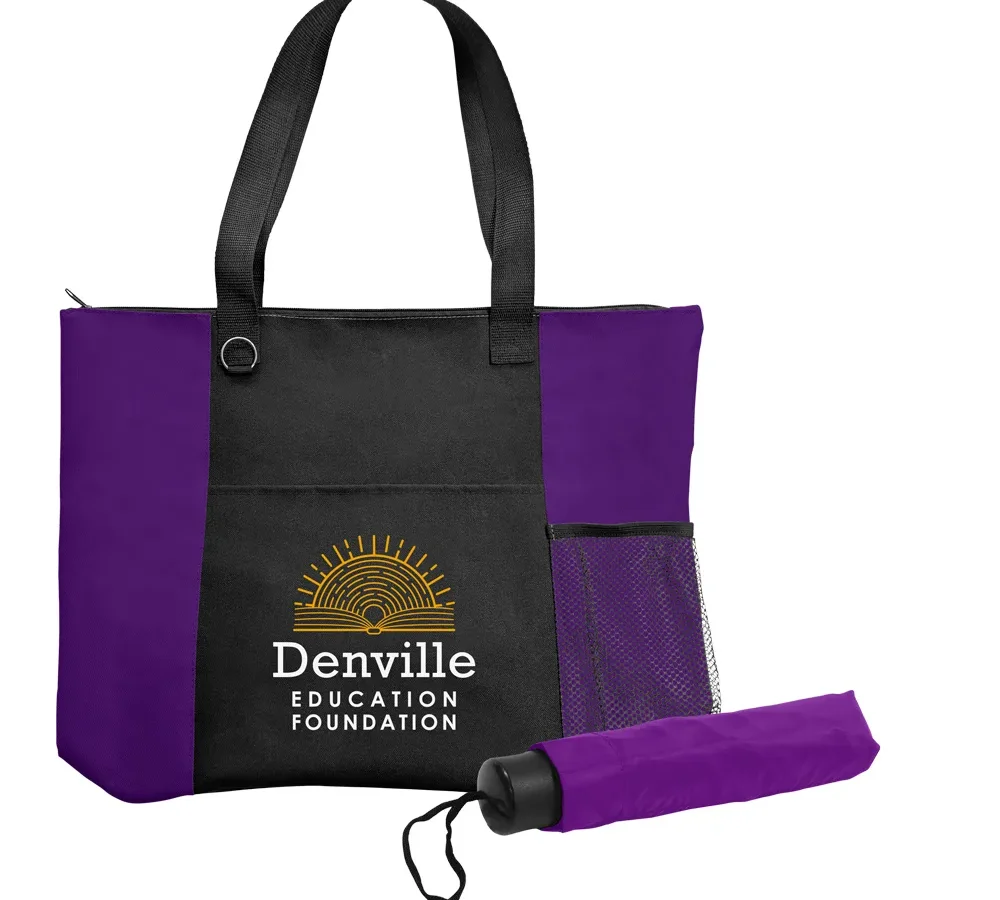
Finding an umbrella windproof compact fits in tote bag spaces without turning your carryall into a soggy, disorganized mess is surprisingly tricky. Most compact frames buckle under city crosswinds, while heavy-duty options are often too bulky to drop alongside a laptop and daily essentials.
Engineering makes all the difference here. High-performance compact designs pair flexible resin-reinforced fiberglass ribs with a packed length under 11 inches to survive gale-force gusts while fitting neatly into standard commuter totes.
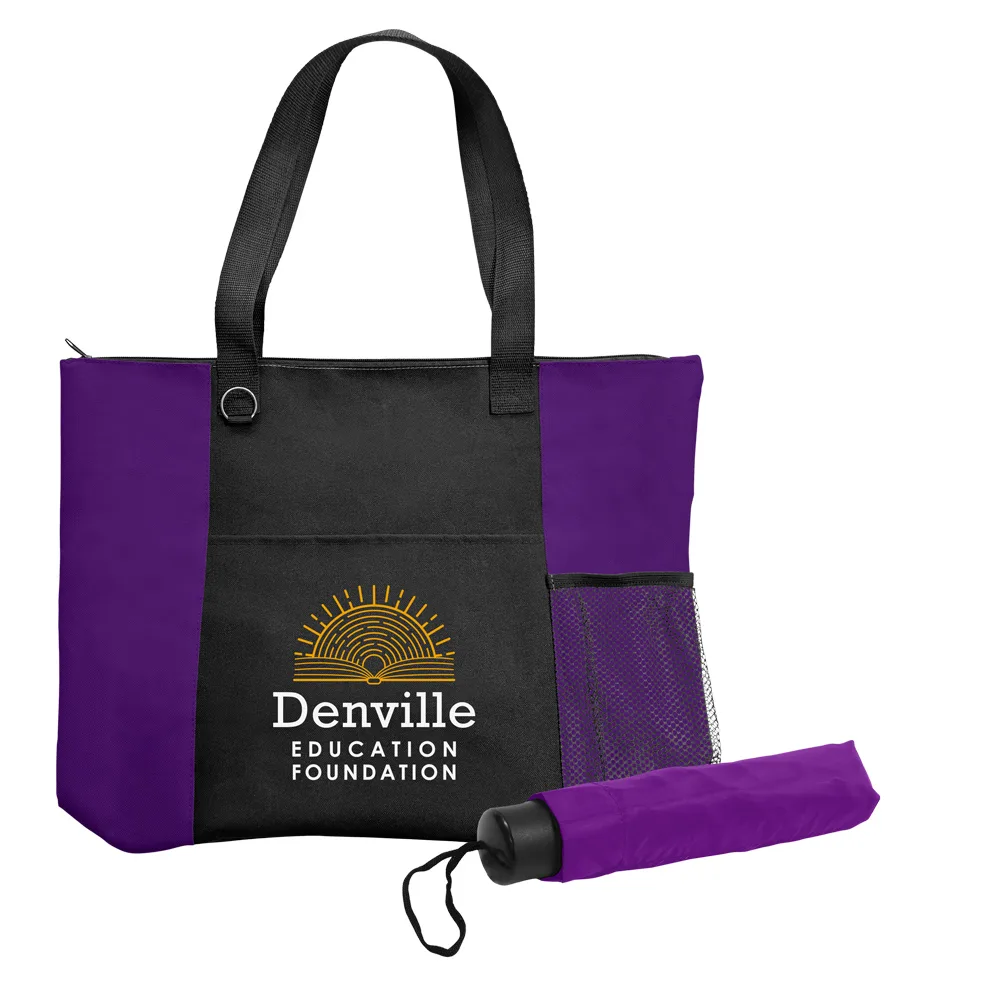
Image source: Bing (Web (fair-use with source credit))
Quick Answer
An umbrella windproof compact fits in tote bag dimensions when packed under 11 inches. Look for flexible fiberglass ribs. Choose a vented canopy.
These features survive 40 mph gusts without breaking. High-density 210T pongee fabric sheds water fast. This keeps your tote bag dry.
The Tote Bag Dilemma: Why Most Compact Umbrellas Snap or Soak Your Gear
Carrying an umbrella inside a tote bag introduces two distinct engineering problems: space competition and water containment. A standard work tote has vertical depth but limited horizontal base room. When an umbrella features a chunky, barrel-like folded profile, it forces your laptop, water bottle, and notebooks into awkward angles.
This strains bag zippers and crowds your carry.
Cheap convenience-store compacts fail because they rely on brittle, stamped-aluminum ribs. In street-level wind tunnels, air pressure builds beneath the canopy. Without structural flex, these rigid joints bend, pop rivets, and snap instantly.
Even worse is the internal moisture hazard. A low-grade polyester canopy absorbs surface water rather than repelling it. Shoving a damp canopy directly into an open-top tote exposes electronics, leather journals, and paperwork to residual humidity and direct leaks.
To solve this, a commuter-grade compact umbrella must balance three elements:
- Structural yield that bends with wind rather than fighting it.
- A low-profile cross section that slides into interior side sleeves.
- Hydrophobic fabric coatings that dry with a single flick of the wrist.
The Anatomy of Real Wind Resistance in a Small Frame
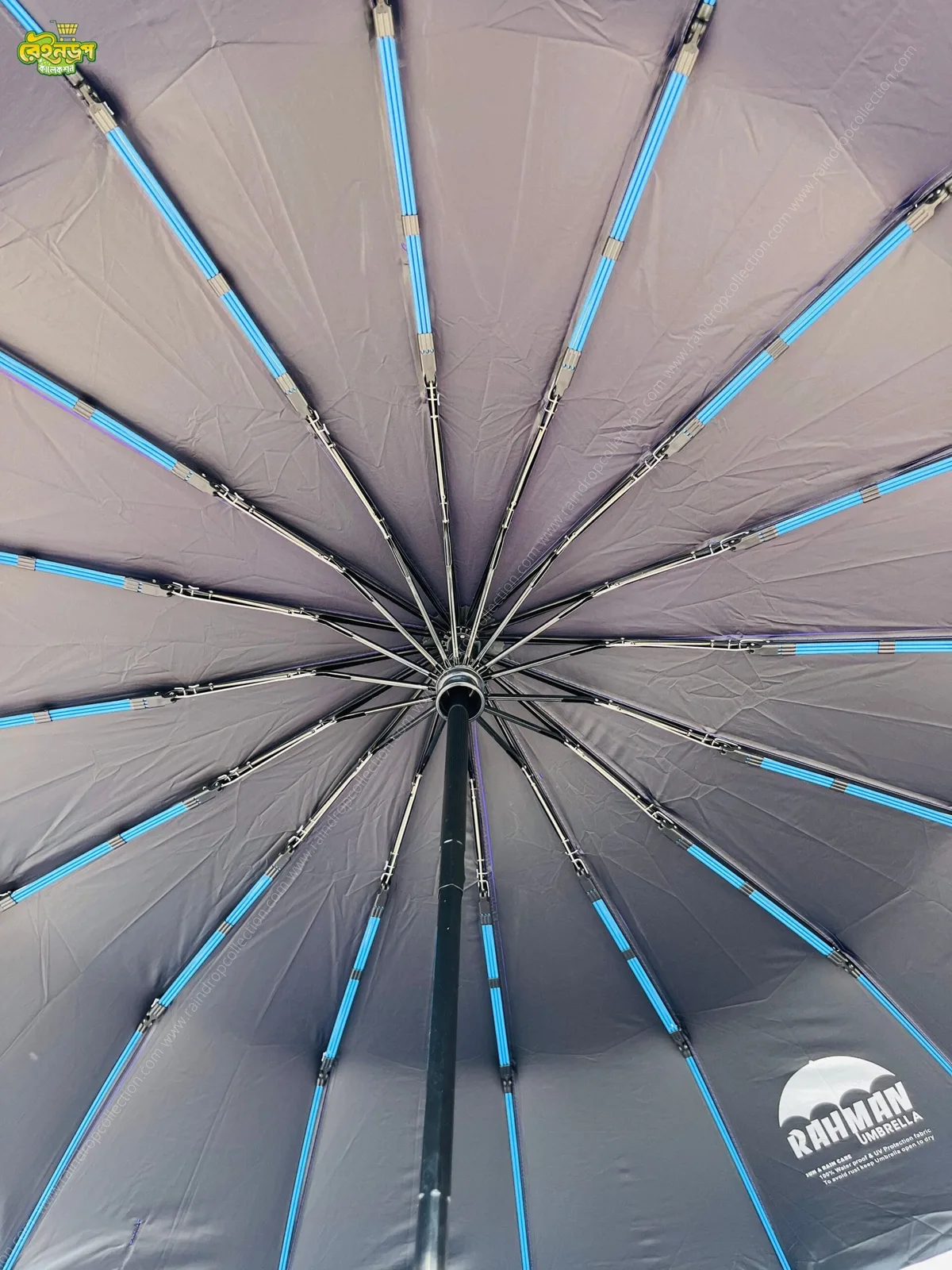
Image source: Bing (Web (fair-use with source credit))
Rib Architecture: Fiberglass Flexibility vs. Cheap Stamped Metal
The ribs form the structural skeleton supporting the fabric canopy under stress. Bargain umbrellas use cheap U-channel stamped aluminum or low-carbon steel. These metals lack elasticity.
When heavy wind hits them, they suffer permanent plastic deformation, meaning they bend and stay bent.
High-grade windproof models utilize resin-reinforced fiberglass (FRP) composite ribs. Fiberglass possesses an impressive strength-to-weight ratio and natural flex memory. When a microburst hits, fiberglass ribs curve upward to absorb the load.
If forced into a full inversion, they simply snap back into position without snapping or bending out of shape.
Canopy Physics: Vented Double Canopies vs. Single-Canopy Tension
Wind damage is caused by pressure differential. Air moving quickly across the top of an open umbrella creates low pressure, while trapped air underneath creates high pressure. This lift flips standard single-canopy frames inside out.
Vented double-canopy designs solve this using overlapping fabric tiers. Slits in the primary fabric allow trapped gust pressure to escape upward through the top, while an elastic-tensioned outer flap prevents rain from entering downward. According to data monitored by the National Oceanic and Atmospheric Administration, metropolitan wind speeds regularly exceed 35 to 40 mph during severe frontal passages.
A vented canopy reduces wind lift significantly, letting the umbrella remain stable in your hand instead of wrenching your wrist.
The Shaft and Rivets: Where Budget Mini Umbrellas Actually Snap
Telescoping shafts collapse down using nesting metal segments. Budget models use circular, thin-walled tubing that twists under pressure. Look for multi-section shafts with hexagonal or octagonal geometry instead.
The faceted edges lock each section into place, stopping rotational slip during turbulent crosswinds.
Pay close attention to hinge hardware. Traditional hollow brass eyelets loosen quickly through normal cycling. Windproof frames replace these weak points with solid stainless steel pins, tempered coil springs, and molded composite joints that handle cyclic bending without fatiguing.
Dimensions That Matter: Packability vs. Usable Rain Coverage
Length, Diameter, and Weight: The Sweet Spot for Everyday Carry Totes
Every inch and ounce matters when slung over a single shoulder all day. An umbrella designed for tote carry must fit within very specific dimensional thresholds. If it is too small, your shoulders get soaked.
If it is built too heavy, it turns your daily commute into an endurance test.
Here are the key dimensions to target for an ideal tote bag balance:
- Folded Length: 9.5 to 11.5 inches. This clears standard vertical tote depths while remaining below the top edge.
- Canopy Span: 37 to 42 inches of linear coverage. Anything under 36 inches leaves your backpack or tote exposed to runoff.
- Carry Weight: 10 to 14 ounces. Umbrella frames lighter than 9 ounces typically compromise on rib thickness, while frames over 16 ounces lead to noticeable shoulder strain.
- Fabric Density: 210T micro-weave pongee. Higher thread counts block fine mist penetration under driving rain.
Flat-Pack Profiles vs. Traditional Cylindrical Folds
Standard travel umbrellas fold down into thick cylinders roughly 2.5 to 3 inches in diameter. When placed inside a slim tote, this round shape acts like a wedge, taking up disproportionate internal volume.
Modern flat-pack frames solve this through staggered rib hinges. By arranging the rib folding points along a horizontal plane rather than clustering them in a circle around the runner, the collapsed profile flattens down to roughly 1.5 inches thick. This rectangular cross section slips seamlessly between a laptop sleeve and the bag's interior wall, saving substantial room.
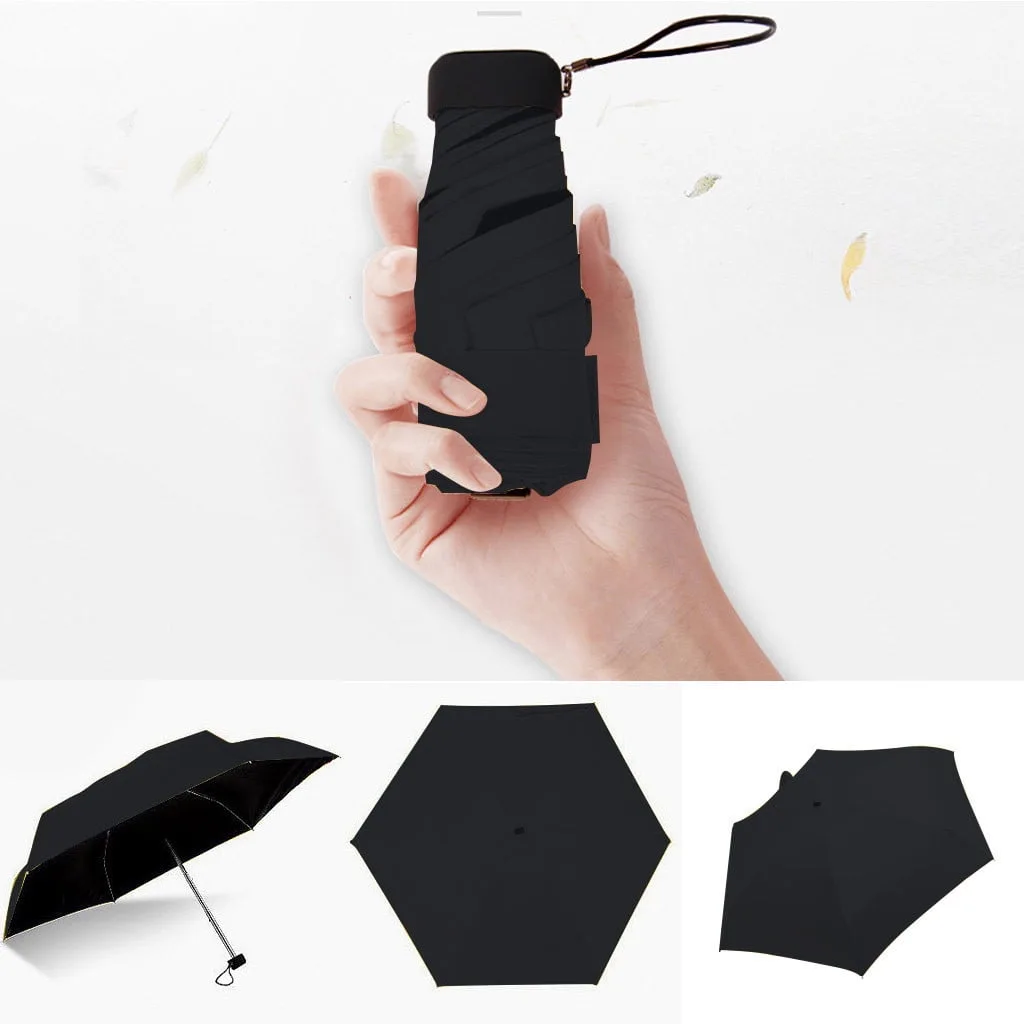
Image source: Bing (Web (fair-use with source credit))
Side-by-Side Comparison: Compact Windproof Umbrella Archetypes
Finding the right umbrella means choosing the structural trade-offs that match your commute. The table below evaluates the primary compact archetypes across core performance metrics as of 2026.
| Feature / Archetype | Ultra-Mini Micro Flat | Heavy-Duty Double-Canopy | Reverse Inverted Auto | Single-Canopy Fiberglass Flex |
|---|---|---|---|---|
| Folded Length | 7.0 – 8.5 in | 11.5 – 13.0 in | 12.0 – 13.5 in | 10.0 – 11.0 in |
| Weight | 6.5 – 8.5 oz | 14.0 – 17.0 oz | 13.5 – 15.5 oz | 10.0 – 12.5 oz |
| Max Wind Stability | 20 – 25 mph | 45 – 55 mph | 35 – 45 mph | 35 – 40 mph |
| Tote Fit Profile | Slender rectangular | Bulky cylinder | Medium cylinder | Slim cylinder |
| Wet Canopy Control | Standard fold (wet outside) | Standard fold (wet outside) | Inverted fold (dry outside) | Standard fold (wet outside) |
| Canopy Coverage | 34 – 36 in | 42 – 44 in | 40 – 42 in | 38 – 40 in |
Who Each Build Serves Best
- Ultra-Mini Micro Flat: Best for casual emergencies and small bags. These models sacrifice storm endurance for ultra-compact storage, making them suited only for light showers.
- Heavy-Duty Double-Canopy: Ideal for coastal cities, bridge crossers, and open plazas. They deliver maximum storm resistance, though their thicker profile demands a larger, structured tote.
- Reverse Inverted Auto: The smart choice for tech commuters. The mechanism folds the wet canopy surface inward when collapsed, trapping droplets inside to shield sensitive gear.
- Single-Canopy Fiberglass Flex: The balanced daily commuter pick. It offers strong gust defense, fair pricing, and a trim silhouette that packs away easily.
Real-World Use Cases: Matching the Right Build to Your Daily Carry
The Tech Commuter: Protecting Laptops and Electronics from Leaks
Carrying expensive hardware in an open tote requires zero moisture transfer from your rain gear. If you slide a damp umbrella into an unlined main compartment, surface moisture wicks straight across your laptop sleeve or tablet screen.
For tech setups, pick an inverted folding model paired with a waterproof travel case. Inverted frames trap leftover water droplets on the inside fold when collapsed, keeping the outside dry. Pair this with a high-density 210T canopy so that a single firm shake sheds remaining water before you board a bus or train.
The High-Wind City Walker: Beating Downtown Skyscraper Wind Tunnels
Downtown grid layouts act as natural funnels, turning ordinary breezes into sharp updrafts. If your route cuts past skyscrapers, prioritize frame resilience over low weight.
Choose a vented double-canopy model with an eight-rib fiberglass setup. When crosswinds hit street corners, the pressure escape vents keep the umbrella from turning inside out. Sturdy hexagonal steel shafts prevent frame twist under sudden shear loads, giving you reliable control in unpredictable weather.
The Minimalist Traveler: Maximum Coverage with Zero Shoulder Strain
If your tote is already packed with everyday items, a heavy steel umbrella adds unwanted shoulder strain. Heavy frames turn long strolls or station transfers into a slog.
Look for a flat-profile aluminum and fiberglass hybrid weighing under 10 ounces. These slim rectangular builds slip right into flat interior pockets. They free up central bag volume while providing a 38-inch canopy arc to keep you dry.
Protecting Your Bag: Moisture Control, Sleeves, and Post-Storm Care
Even premium water-repellent umbrellas track excess surface water into your bag if packed carelessly. Safe tote carry requires a solid moisture-barrier system.
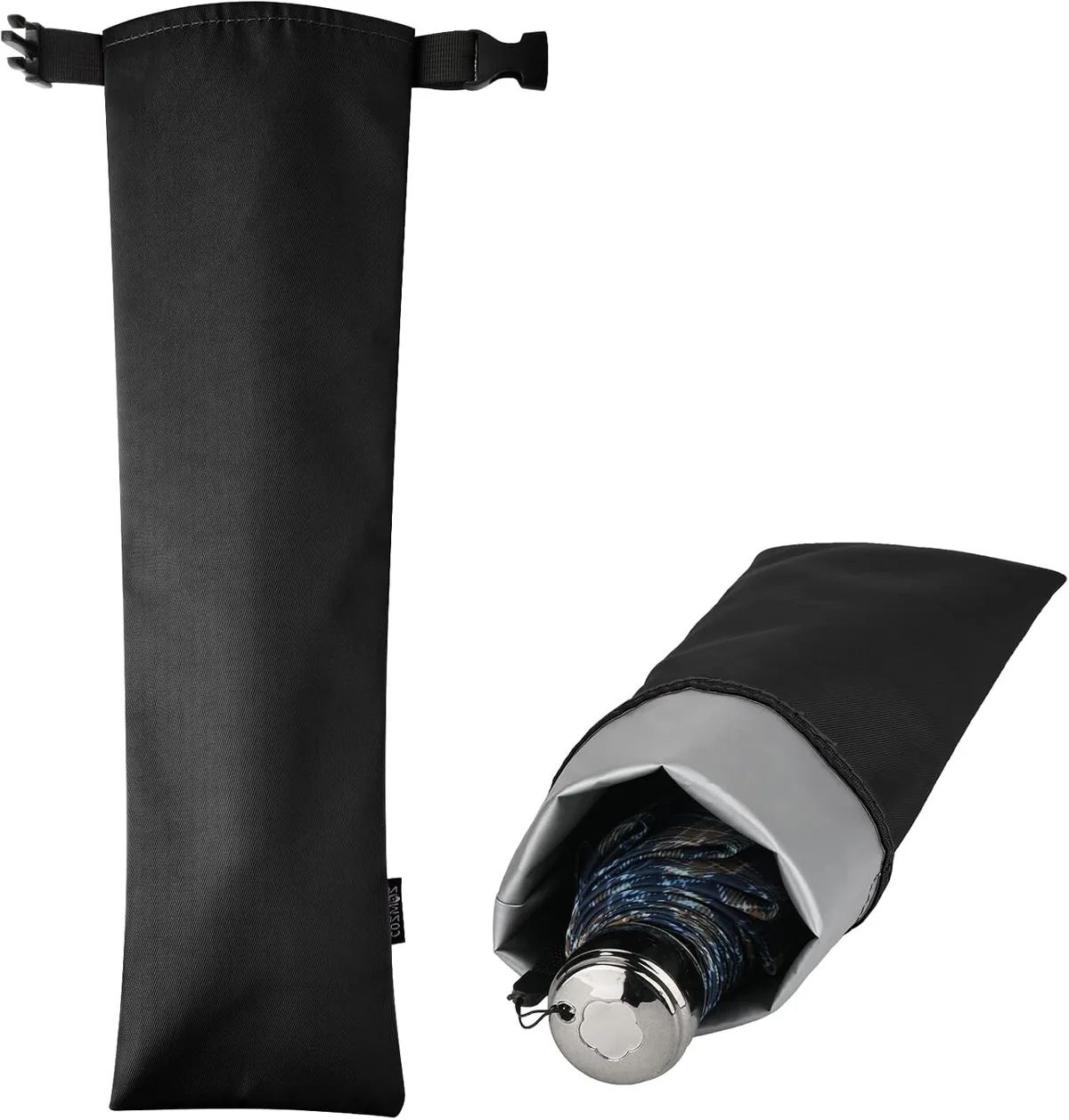
Image source: Bing (Web (fair-use with source credit))
Standard slip covers included with compact umbrellas use thin, unsealed polyester that bleeds moisture through within minutes. Upgrade to a dedicated EVA-lined or microfiber-lined zippered dry sleeve. Microfiber interiors wick water right off the canopy fabric.
Waterproof exterior shells seal moisture away from papers and electronics.
Follow this simple routine to keep your umbrella working reliably over time:
- Shake firmly before stowing: Give the folded canopy three sharp downward shakes to clear beading moisture before slipping it into a case.
- Open to air-dry at your desk: Never leave a wet umbrella collapsed inside a closed sleeve for more than a couple of hours. Open the canopy fully once indoors to dry out the ribs and prevent hinge rust or fabric mildew.
- Rinse off salt residue: Winter slush kicks up road salts that pit aluminum and corrode steel rivets. Rinse the fabric and joints under clean tap water once a month during storm season.
Frequently Asked Questions About Compact Windproof Umbrellas
How can you tell if an umbrella is truly windproof?
Check rib flexibility and joint build. A genuine windproof umbrella uses reinforced fiberglass ribs that bend without breaking. It also features a vented canopy or tensioned springs designed to pop back safely after an inversion.
Stamped aluminum ribs bend permanently under sudden gusts.
Will a compact umbrella fit inside a medium work tote?
Yes, provided the packed length stays under 11.5 inches. Compact models between 9 and 11 inches stand upright neatly in medium tote bags without sticking out past the top rim or stressing the closure zippers.
How much should a good commuter umbrella weigh?
The ideal carry weight sits between 10 and 14 ounces. Umbrella frames under 9 ounces usually cut corners on rib thickness. Models over 16 ounces add unnecessary weight to your shoulder during longer commutes.
Are auto open-and-close buttons worth it?
Yes, especially when carrying a tote bag or coffee. A single push button allows quick one-handed deployment when getting out of cabs or transiting train steps. Just remember that resetting the shaft spring requires two hands to push the handle back into the base.
The Verdict: What to Buy Based on How You Carry
Finding the best compact windproof umbrella comes down to how much bag space you can spare and your local weather. There is no single build that wins every scenario, so pick the configuration that addresses your biggest daily hassle.
If you deal with heavy downtown wind tunnels, choose an eight-rib, vented double-canopy build. The extra ounces are well worth the wind resistance and frame durability.
If bag volume is tight, buy a flat-pack fiberglass hybrid. Its rectangular profile slips neatly alongside books and tech gear without hogging space.
If protecting electronics and notebooks from water damage is your main goal, pick an inverted folding model and carry a dedicated microfiber dry sleeve. You get solid storm defense and complete peace of mind that your gear stays dry.