Foldable Tote Bag Zip Pouch Capacity: What Fits?
Founder & Fashion Creative Director at Julia Fashionista · CFDA Fashion Scholar, Certified Image Consultant (AICI) · 12+ years in editorial wardrobe styling, sustainable textile sourcing, and luxury capsule curation
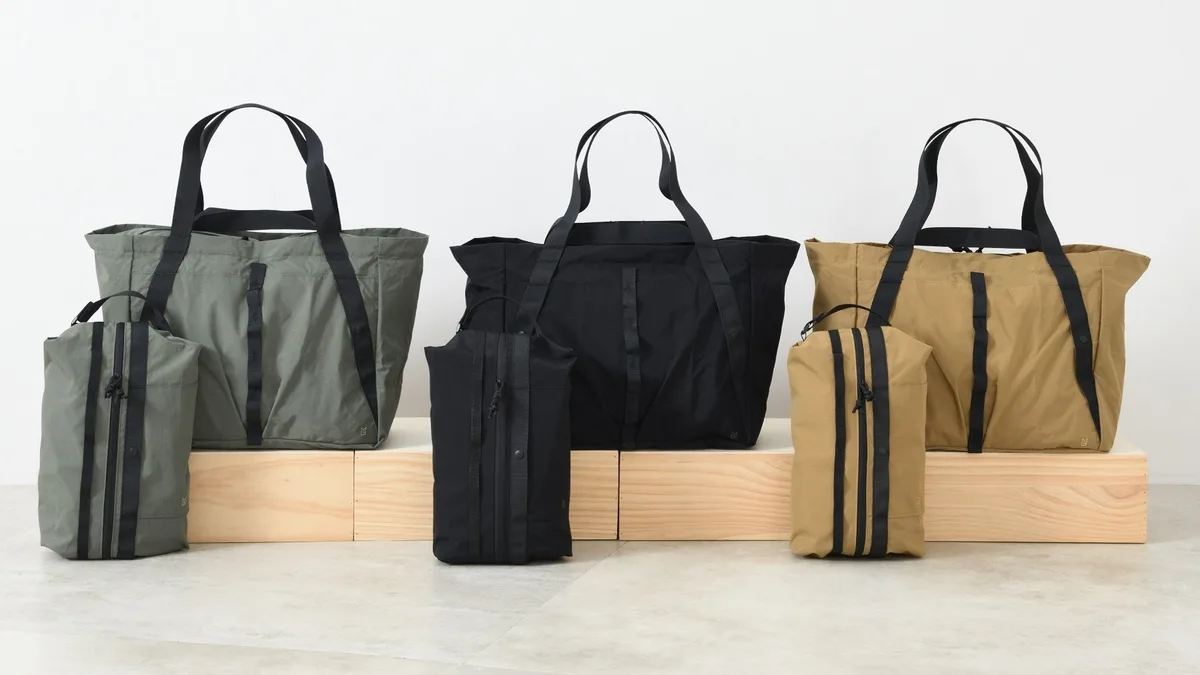
A foldable tote bag zip pouch capacity describes two different things at once. It measures the compact size of the packed pouch and the full cargo volume once unfolded. Most people buy these bags for quick errands, travel backups, or grocery hauls, only to find the interior either swallows too little or refuses to fold back down.
Standard bags range from 10 to 40 liters of open storage, while their zipped pouches stay between 0.3 and 0.8 liters. As of 2026, standardized textile testing methods from organizations like ASTM International show that fabric density directly determines how much weight that volume can actually carry. Understanding these two capacity numbers helps you pick the right bag without blowing out seams or carrying unnecessary bulk.
Image source: Bing (Web (fair-use with source credit))
Quick Answer
A foldable tote bag zip pouch capacity covers two separate volumes. The packed pouch usually holds 0.3 to 0.8 liters. The unfolded main tote holds between 15 and 30 liters.
Compact pouches fit easily into a pocket. Full totes carry standard grocery or travel loads safely.
The Capacity Confusion: Packed Pouch Volume vs. Deployed Cargo Space
Shoppers often confuse the size of the zipped pouch with the interior space of the bag. The pouch volume measures the tiny parcel you tuck into a pocket, purse, or glovebox. Deployed capacity measures the working volume of the opened tote bag.
A pouch measuring 4 by 5 inches has an internal volume under half a liter. Yet, an ultra-thin bag pulled from that exact pocket might expand to 20 liters. That is a 40-to-1 expansion ratio.
When a bag is open, the empty zip pouch usually hangs inside near the rim. You can use it as a secure drop pocket for keys, cards, or a smartphone.
However, cramming bulky items into that deployed pouch reduces main bag opening space. Keep these measurements separate when reading packaging specifications.
Anatomy of a Packable Zip Pouch Tote: Materials, Seams, and Zippers
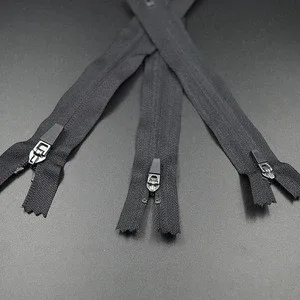
Image source: Bing (Web (fair-use with source credit))
Packable bags achieve high load-to-weight ratios through specific materials. Most lightweight designs use 20D to 70D ripstop nylon or 190T to 210T polyester. Ripstop weaves incorporate a grid of thicker reinforcement yarns to stop small tears from spreading.
Light fabrics require strong stitching. The most durable packables use French seams or bound interior edges. These enclose raw edges so heavy items do not fray the fabric under tension.
Handles should feature box-X stitching or bartacks where they join the bag body.
Zippers make or break the packed pouch. Reverse-coil YKK nylon zippers prevent snags during compression. Metal zippers add unnecessary weight and catch on fine fabrics, while plastic coil zippers flex easily during packing.
Capacity Tiers: Comparing Ultralight, Everyday, and Heavy-Hauler Packables
Packable totes fall into three distinct volume groups. Each serves a different balance of packed bulk and load space.
- Ultralight (10L to 15L): These pack down to the size of an egg. They use sheer 20D silnylon and carry up to 15 pounds. They work well for quick pharmacy runs, lunch carry, or light jackets.
- Everyday Utility (18L to 25L): This is the sweet spot for standard grocery shopping. They pack down to wallet size and easily handle 30 pounds. The fabric is thick enough to resist punctures from boxed goods.
- Heavy-Hauler (30L to 40L): Built for airport overflow, laundry, or beach gear. They fold down to roughly paperback-book size. They often include wide webbing handles to distribute the weight across your shoulder.
Selecting the right tier prevents fabric stretching and keeps your hands comfortable.
Side-by-Side Spec Comparison: Liter Volumes, Weight Ratings, and Pouch Footprints
Understanding how packed dimensions relate to carrying performance helps you match a bag to your routine.
| Capacity Tier | Open Volume (Liters) | Packed Pouch Size (Inches) | Tare Weight | Safe Load Limit |
|---|---|---|---|---|
| Ultralight | 10L – 15L | 3" x 3" x 0.75" | 1.0 – 1.8 oz | 15 lbs |
| Everyday | 18L – 25L | 4.5" x 5.5" x 1" | 2.5 – 4.0 oz | 30 lbs |
| Heavy-Hauler | 30L – 40L | 6" x 7.5" x 1.5" | 5.0 – 7.5 oz | 45 lbs |
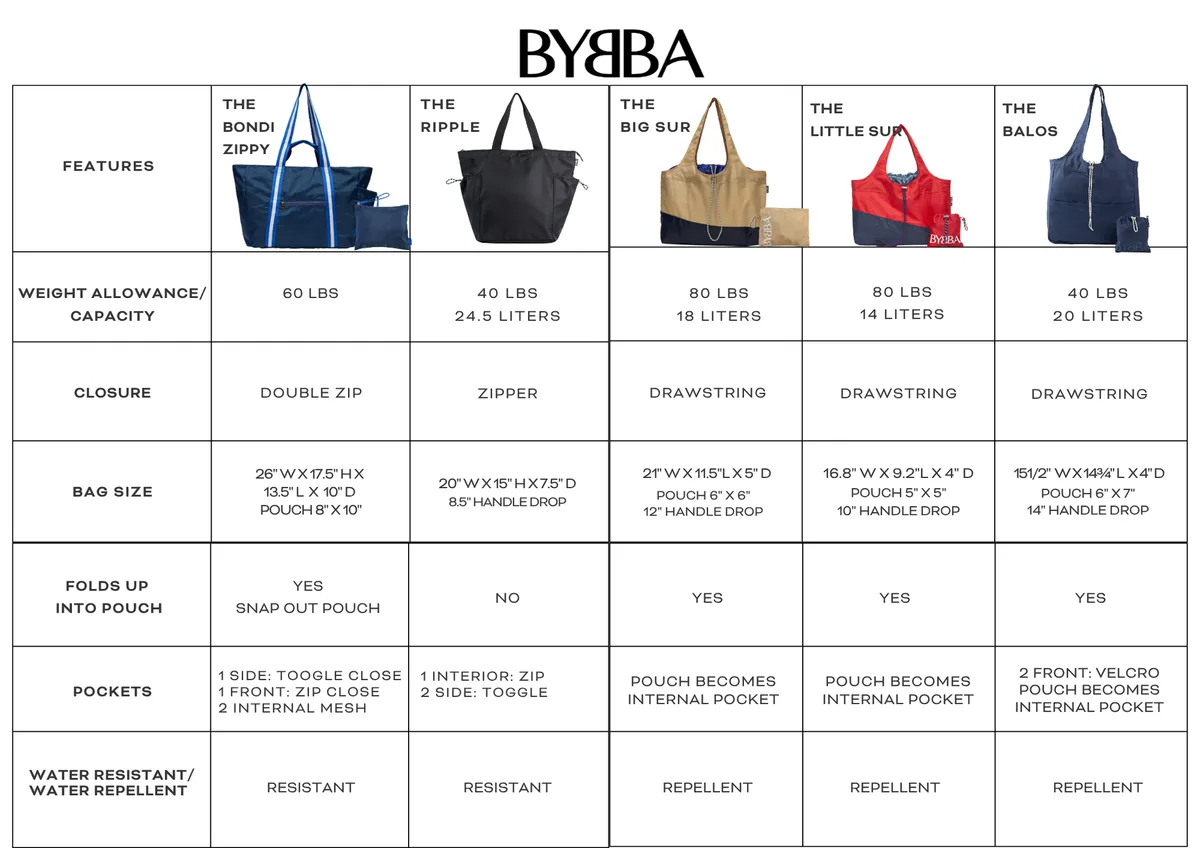
Image source: Bing (Web (fair-use with source credit))
A higher liter rating does not always mean a higher weight limit. A 30-liter bag made of cheap 15D fabric can tear at 15 pounds. Always check both the volume rating and the safe static load capacity before loading heavy items.
Which Capacity Fits Your Routine? Real-World Use Cases
The right bag capacity depends on what you carry and how you travel.
If you commute on foot or via transit, an Everyday 20-liter tote is the most versatile option. It fits two standard grocery bags worth of goods without dragging on the ground when hand-carried.
For frequent flyers, a 30-liter Heavy-Hauler makes an ideal personal-item backup. You can keep it tucked away in your carry-on until you hit duty-free or face strict gate baggage checks.
Ultralight 12-liter bags suit minimalists and runners. They take up practically zero space in a jacket pocket or small waist pack, giving you instant carry capacity whenever unexpected errands pop up.
The Pack-Down Struggle: Folding Technique vs. Direct Stuffing
Getting an unfolded tote back into its integrated pouch can be frustrating. Most users try one of two methods: precise folding or random stuffing. Research into fabric packing reveals that each technique impacts bag life and pouch strain differently.
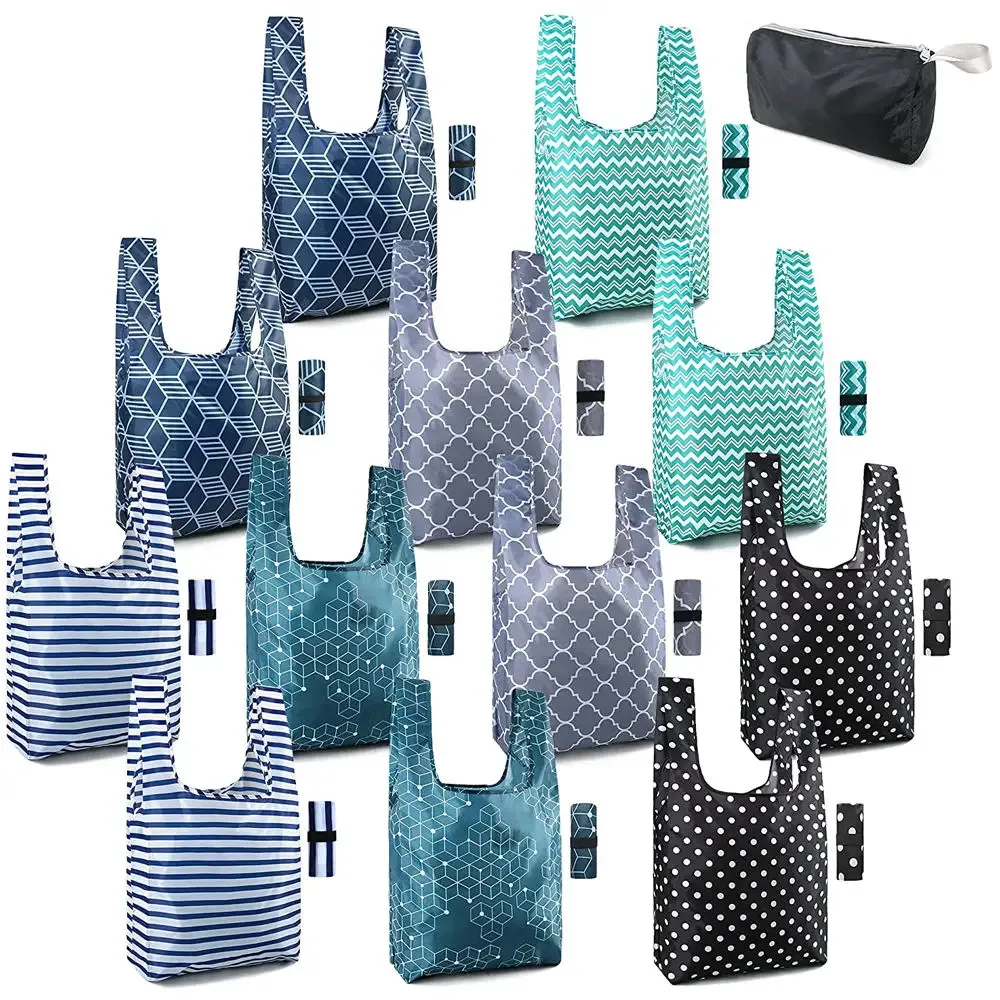
Image source: Bing (Web (fair-use with source credit))
Precise folding works best for structured polyester bags. Lay the tote flat, smooth out trapped air, and fold the side edges inward until the width matches the pouch. Roll or accordion-pleat the length from the bottom hem toward the zipper pocket.
This creates a flat profile that slides smoothly into the enclosure without straining the zipper track.
Step 1: Lay tote flat and push out excess air.
Step 2: Fold sides inward to match pouch width.
Step 3: Accordion-fold from bottom to top pocket.
Step 4: Invert pocket over bundle and zip shut.
Direct stuffing is actually better for thin silnylon models. With ultralight materials, repeated hard crease folds along the exact same lines can weaken polyurethane waterproof coatings over time. Stuffing the fabric into the pouch randomly spreads fabric tension evenly.
Use your thumbs to work the bag into the bottom corners first, leaving space near the zipper teeth to avoid snags.
Common Pitfalls: Where Packable Zipped Bags Fail Under Load
Most packable totes fail at predictable stress points. The primary failure occurs along the zipper seam of the stow pocket. When users pack a tote beyond its design volume, outward pressure pulls the zipper coils apart.
A blown zipper leaves you with a tote that will no longer pack into a compact unit.
Handle attachment points represent another common failure zone. Bags without reinforced box-X stitching or bartacks can pull free under heavy loads. If you load twenty pounds of canned goods into a tote secured by single-line straight stitching, the thread can easily shear through the thin synthetic fabric.
High-Risk Failures vs. Prevention:
- Blown pouch zipper: Avoid overstuffing cargo beyond flat seams.
- Torn handle joint: Check for cross-box bartack stitching.
- Fabric pinholing: Avoid carrying sharp metal or rigid plastic corners.
- Bacterial buildup: Follow sanitation guidelines after carrying meat.
Carrying groceries introduces sanitation risks as well. Thin ripstop nylon easily absorbs food liquids from meat packaging or leaking produce. Guidance from the USDA Food Safety and Inspection Service stresses that reusable shopping bags must be washed frequently to avoid bacterial cross-contamination.
Always choose bags that tolerate regular machine washing or warm-water hand rinsing.
Frequently Asked Questions About Packable Zippered Totes
What does bag capacity in liters actually mean?
Capacity in liters measures the total internal cargo space of the tote when fully opened. A standard brown paper grocery bag holds roughly 20 liters. A 10-liter bag holds smaller day-trip items, while a 30-liter bag accommodates bulk purchases or travel gear.
How much weight can a lightweight foldable tote carry?
Most everyday packable totes safely carry between 25 and 30 pounds. Ultralight models built from sheer fabrics hold roughly 15 pounds. Heavy-duty options with reinforced handles handle up to 45 pounds.
Always match cargo weight to fabric thickness rather than bag volume alone.
Can you put packable ripstop totes in the washing machine?
Most nylon and polyester packable bags can handle gentle, cold-water machine cycles. Avoid hot water and harsh detergents, as they break down water-resistant coatings. Always hang the bag to air-dry completely before stuffing it back into the storage pouch to avoid mildew.
Why do some packable totes snag when zipping shut?
Snags happen when loose interior fabric catches in the moving zipper slide. This occurs most often when users pack the bag unevenly. To prevent snags, tuck raw fabric edges deep into the pocket corners and keep your finger flat under the zipper track as you close it.
The Verdict: How to Choose the Right Capacity for Your Needs
Choosing the correct foldable tote comes down to balancing packed size against how much you plan to carry. Buying a massive bag sounds practical, but larger totes use thicker fabrics and wider straps. That added bulk makes the packed pouch larger and less convenient for everyday carry.
For most people, an everyday tote in the 18 to 22-liter range hits the sweet spot. It holds a full basket of groceries, packs down to the size of a deck of cards, and fits into a coat pocket.
If you want an emergency bag for unexpected shopping or daily transit, go with a 12-liter ultralight model. If you need a reliable secondary personal item for air travel, pick an everyday utility or 30-liter hauler with reinforced webbing straps. Prioritize reinforced seams over raw volume, and your packable tote will deliver dependable service for years.