Why Flat Feet Roll Inward in Uggs (And How to Fix It)
Founder & Fashion Creative Director at Julia Fashionista · CFDA Fashion Scholar, Certified Image Consultant (AICI) · 12+ years in editorial wardrobe styling, sustainable textile sourcing, and luxury capsule curation
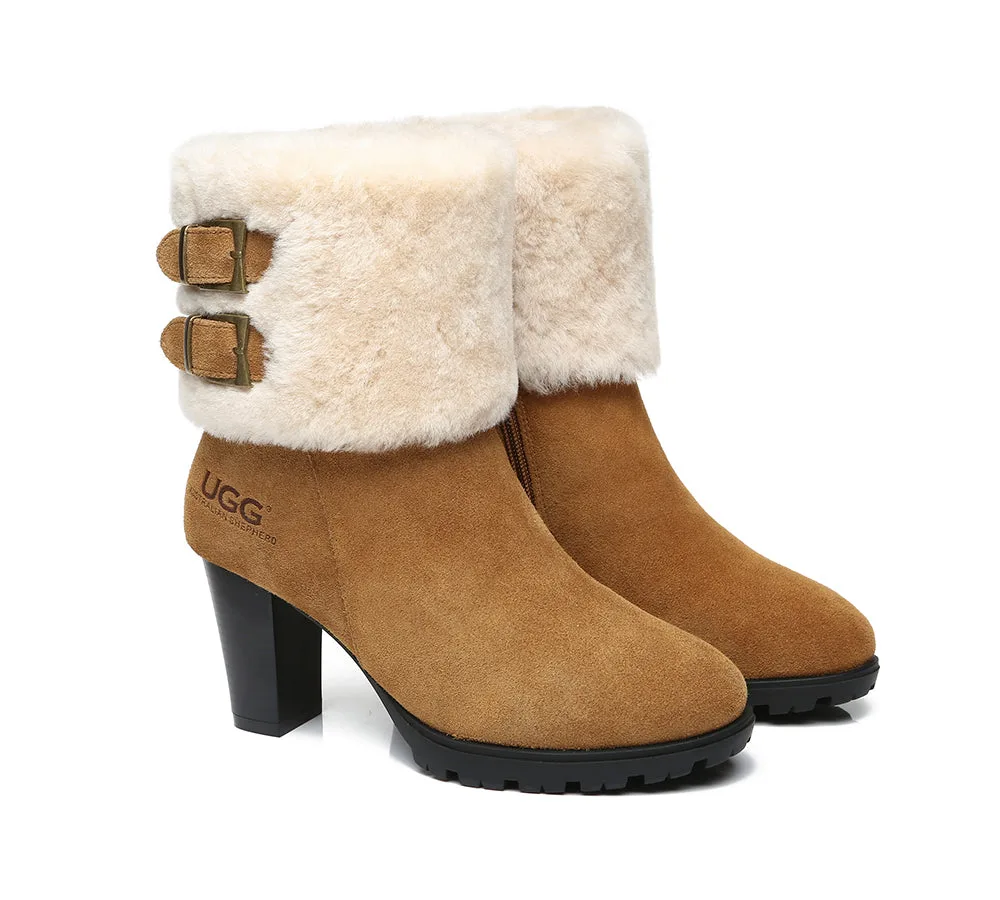
If you notice your flat feet rolling inward in soft UGG boots, you are dealing with excessive overpronation inside unsupportive footwear. The plush shearling feels comfortable at first, but your arches quickly collapse against the flat footbed. Over time, your ankles tilt inward, causing visible boot distortion and persistent foot fatigue.
Image source: Bing (Web (fair-use with source credit))
Clinical guidelines from the American Podiatric Medical Association note that normal pronation involves only 4 to 6 degrees of inward rotation. Soft sheepskin boots offer zero torsional rigidity, allowing severe inward roll past 10 degrees. Understanding how these boots interact with your arches is the first step toward stopping chronic foot pain.
Quick Answer
Flat feet rolling inward in soft UGG boots happens because the boots lack arch support. The soft suede uppers and flexible soles cannot stabilize your rearfoot. Your arches collapse, forcing the heel bone to tilt inward.
This excessive roll crushes the boot lining and stretches your inner ankle tendons. Inserting a rigid orthotic with a deep heel cup stops the inward roll.
The Anatomy of the "UGG Lean": Why Soft Boots Wreck Flat Feet
The dreaded "UGG lean" occurs when the heel of the boot slumps inward toward the floor. This happens because classic shearling boots rely on soft sheepskin without an internal, rigid heel counter. A heel counter is the stiff plastic or composite cup built into standard shoes to keep your heel bone upright.
Without that rear support, your heel slides toward the inner edge of the sole with every step. The plush wool lining quickly packs down unevenly under your body weight. Within a few weeks of daily wear, the soft suede upper stretches out, offering zero lateral resistance.
Once the upper stretches, you end up walking on the interior side seam rather than the actual footbed. As of 2026, research into unstructured lifestyle footwear shows that soft-soled boots lose structural integrity within 100 to 150 miles of walking. The boot permanently molds to your misaligned gait, locking your feet into a damaging walking pattern.
The Biomechanics of Overpronation Inside Unstructured Footwear
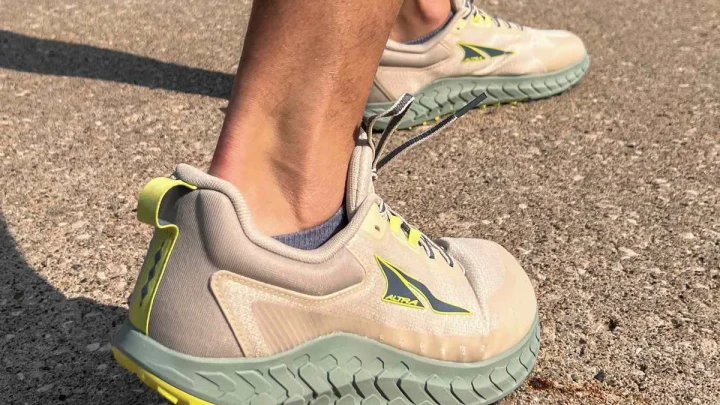
Pronation is a normal shock-absorbing movement where the foot rolls slightly inward after heel strike. Overpronation occurs when that inward roll continues too far and fails to stabilize. In soft boots, this motion becomes exaggerated.
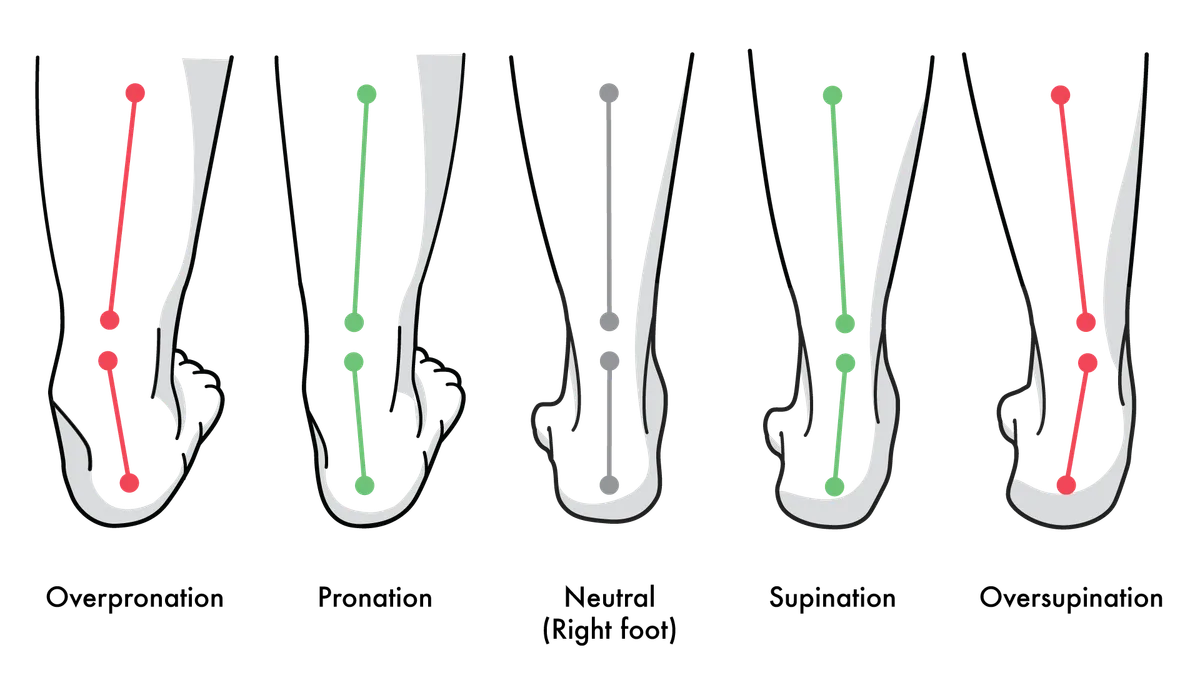
Image source: Bing (Web (fair-use with source credit))
What Happens at the Subtalar Joint and Calcaneus
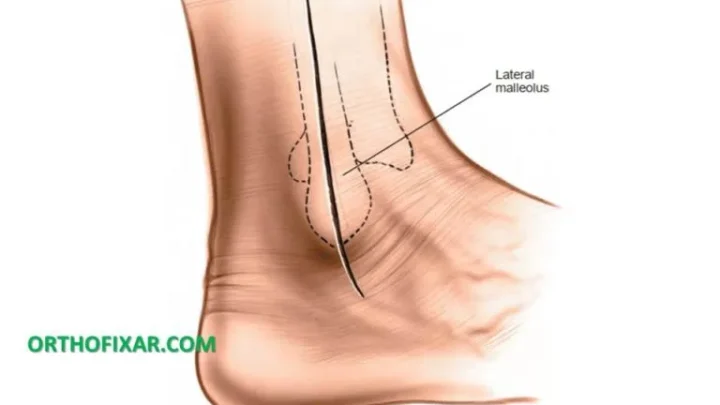
The subtalar joint sits directly beneath your ankle joint, connecting your talus and calcaneus (heel bone). When you have low arches or flexible flat feet, weight-bearing forces drive your talus downward and inward.
Simultaneously, the calcaneus tilts outward, a motion known as calcaneal eversion. In firm athletic shoes, a stiff sole and external heel cup restrict this eversion to safe limits. Soft shearling boots provide zero rearfoot control, letting your calcaneus tilt well beyond normal thresholds.
The Kinetic Chain Reaction: From Ankle to Lower Back
Your feet are the foundation of your entire skeletal frame. When your foot collapses inward inside a soft boot, the tibia (shin bone) is forced into internal rotation.
This internal twisting travels straight up your leg. The knee joint compensates by tracking inward, placing unnatural tension on your kneecap. From there, your femur rotates inward, pulling your pelvis forward into an anterior pelvic tilt.
That tilt compresses your lumbar spine, often turning a winter boot habit into chronic lower back soreness.
| Joint / Segment | Normal Alignment | Effect of Overpronation in Soft Boots |
|---|---|---|
| Calcaneus (Heel) | Vertical (0° to 4° tilt) | Severe eversion (>6° inward roll) |
| Tibia (Shin) | Neutral rotation | Excessive internal rotation |
| Knee | Straight tracking | Valgus stress (knock-knee angle) |
| Pelvis & Lumbar Spine | Neutral posture | Anterior tilt and lumbar compression |
Clinical Risks: When Casual Boots Trigger Chronic Foot Injuries
Walking on unsupported surfaces for extended periods causes microtrauma to soft tissues. When your arches flatten continuously inside soft boots, two major connective structures take the brunt of the damage.
Posterior Tibial Tendon Strain and Navicular Drop
The posterior tibial tendon runs down the inside of your calf, wraps behind your inner ankle bone, and attaches under your midfoot. Its main job is to hold up your medial longitudinal arch during walking.
When your arch collapses inside a soft boot, the navicular bone drops toward the ground. This places intense, repetitive tension on the posterior tibial tendon. Over time, this causes Posterior Tibial Tendon Dysfunction (PTTD).
If left unaddressed, PTTD can turn flexible flat feet into permanent, painful rigid deformities.
Plantar Fascia Tearing and Bone Spurs
The plantar fascia is a thick band of connective tissue running from your heel to the base of your toes. Every time your arch flattens against a soft boot sole, this band stretches past its natural limit.
This continuous stretching creates microscopic tears where the fascia attaches to your heel bone. The resulting inflammation is plantar fasciitis, marked by sharp, stabbing morning heel pain. In chronic cases, the body deposits calcium along the strained ligament, creating painful traction bone spurs.
How to Check If Your Boots and Feet Are Out of Alignment
You do not need an MRI to spot whether your boots are worsening your flat feet. Simple visual tests and movement screens reveal the damage early.
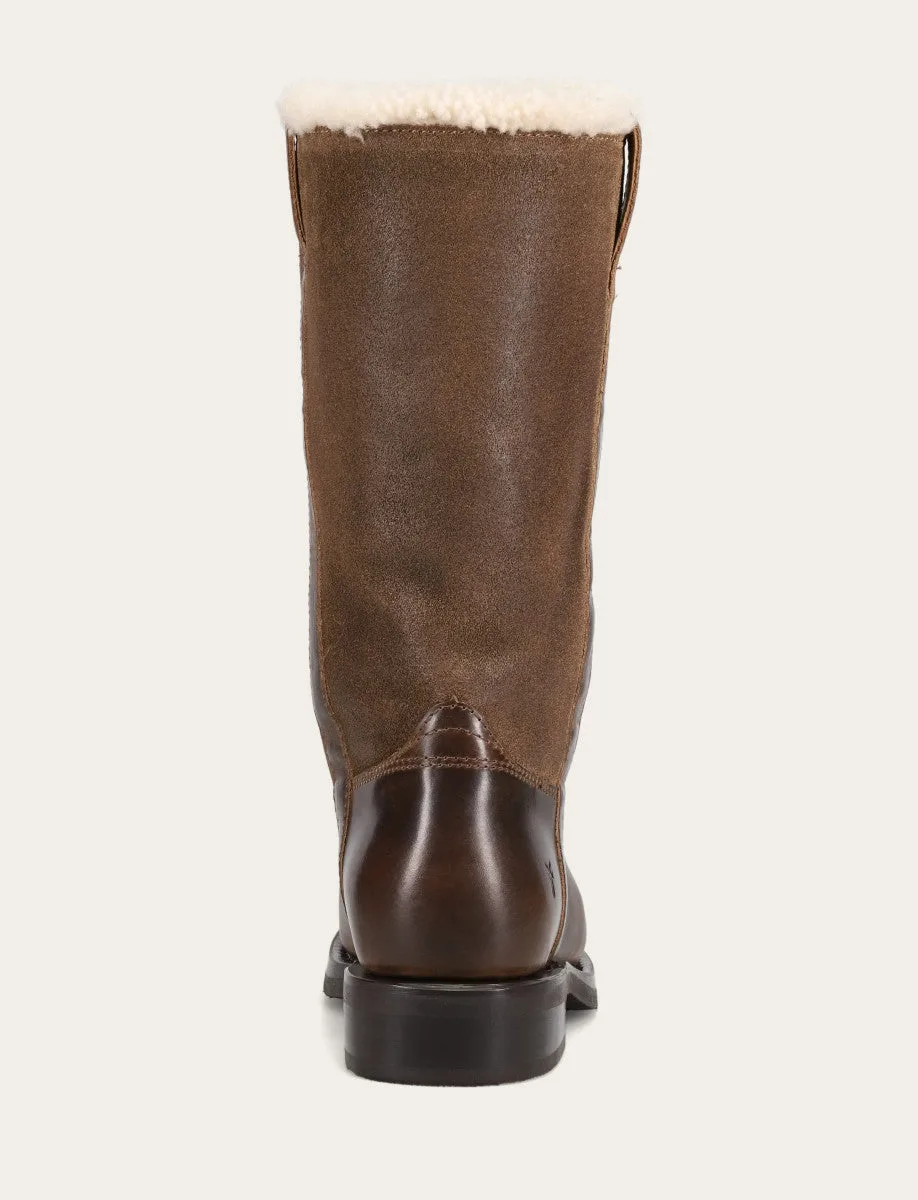
Image source: Bing (Web (fair-use with source credit))
The Back-Seam Test and Tread Wear Patterns
Take off your boots and set them side by side on a flat, level table. Stand back and inspect them from directly behind at eye level:
- The Back Seam: The vertical seam running up the back of the heel should be completely straight. If the seams curve inward toward each other, your calcaneus has broken down the boot's medial structure.
- Sole Contact: Look at the bottom of the boot. If the inner edge of the sole is squashed flat while the outer edge lifts off the table, the boot is compromised.
- Tread Wear: Check the outer sole underneath. Heavy wear on the inner border of the heel and under the big toe signals severe overpronation.
The Single-Leg Heel Raise Self-Check
This test checks the strength of your posterior tibial tendon. Stand barefoot near a wall for balance, but do not lean on it:
- Lift one foot off the floor so you are standing on a single leg.
- Slowly push up onto the ball of your standing foot, lifting your heel as high as possible.
- Observe your heel from behind (use a mirror or have a partner look).
A healthy foot will invert slightly, tilting outward as you rise. If your heel stays rolled inward, or if you feel sharp pain along the inner ankle, your tendon is fatigued and struggling to stabilize your arch.
Fixing the Problem: Insoles, Orthotics, and Footwear Modifications
You do not necessarily have to throw away your favorite boots, but you cannot wear them stock if you have flat feet. You must add internal mechanical stability.
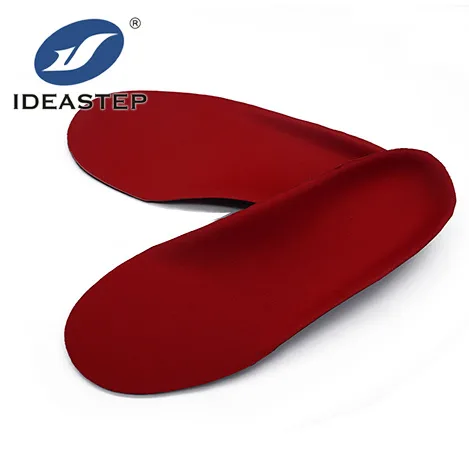
Image source: Bing (Web (fair-use with source credit))
Rigid Rearfoot Support vs. The Gel Insole Trap
The biggest mistake people make is buying soft gel inserts. Gel insoles feel squishy in your hand, but they provide zero structural resistance under full body weight.
Gel cushions compress instantly, creating an unstable, wobbly surface. This actually forces your ankle muscles to work harder, accelerating tendon fatigue. To correct overpronation, you need a rigid or semi-rigid orthotic made from dense carbon composite, firm EVA, or rigid plastic.
The orthotic must hold its shape under load.
Choosing the Right Orthotic for Soft Shearling Boots
When choosing an insert for wide, unstructured boots, look for these design features:
- Deep Heel Cup: A cup depth of at least 20mm encapsulates the fatty pad of the heel and stops the calcaneus from tilting inward.
- Firm Medial Arch Support: The arch contour must resist downward pressure without compressing flat.
- Low-Profile Forefoot: UGG boots taper slightly over the top of the toes. A three-quarter length orthotic or an insert with a slim front prevents toe pinching while keeping the sheepskin cozy.
- Slip-Resistant Bottom: Soft boot interiors are slippery. Ensure the base of your insert has a textured or rubberized bottom so it stays anchored to the boot floor.
Insole Comparison: Finding Real Stability
The following table breaks down common insert styles to help you choose the correct level of mechanical support:
| Insert Type | Material Core | Arch Rigidity | Calcaneal Eversion Control | Recommendation for Flat Feet |
|---|---|---|---|---|
| Mass-Market Gel Insoles | Silicone / Soft Gel | None (Fully collapsible) | Poor (Increases joint instability) | Avoid completely |
| Standard Foam Liners | Low-density EVA | Low (Packs down quickly) | Minimal | Not recommended |
| Semi-Rigid Functional Orthotics | High-density foam + TPU cradle | High (Resists arch collapse) | Excellent (Locks heel upright) | Best daily choice |
| Custom Clinical Orthotics | Molded carbon fiber or polypropylene | Maximum (Prescription-matched) | Superior (Total rearfoot control) | Best for severe pain or PTTD |
Foot Rehabilitation: Strengthening the Arch to Fight Inward Roll
Supporting your feet from the outside with an orthotic helps immediately. Even so, rebuilding the strength of your own muscular foundation prevents long-term joint decline. Targeted exercises build endurance in the deep stabilizers of the foot, helping you resist excessive inward collapse.
Short-Foot Exercises for the Intrinsic Muscles
The short-foot exercise trains the abductor hallucis and plantaris muscles to hold your medial arch off the floor.
Sit barefoot in a chair with your knees bent at 90 degrees. Keep your heel and the ball of your big toe firmly glued to the floor. Without curling your toes downward, pull the ball of your big toe backward toward your heel.
Your arch will visibly dome upward as the foot contracts. Hold that squeeze for 5 to 8 seconds, then release. Complete 3 sets of 10 repetitions daily.
As your control improves, progress to doing these while standing on both feet, and eventually on a single leg.
Calf and Achilles Tendon Release Work
A tight Achilles tendon restricts normal ankle upward bending (dorsiflexion). When your ankle cannot bend forward correctly as you step, your body takes the path of least resistance: it unlocks the subtalar joint and forces your arch to collapse flat.
Perform a straight-leg calf stretch against a wall twice a day. Keep your back heel flat on the floor with your toes pointed straight ahead, never turned outward. Hold the stretch for 30 seconds per leg.
Follow this with a bent-knee calf stretch to target the deeper soleus muscle. Lengthening these tissues takes direct pressure off your collapsing inner foot.
Smarter Alternatives: Cozy Boots That Actually Support Low Arches
If your shearling boots have already collapsed past the point of repair, switching styles is your safest path forward. You do not have to give up warm sheepskin lining to protect your feet, but you must look for structural reinforcement.
When shopping for replacement winter footwear, prioritize three specific construction details:
- Molded External Heel Counters: Press your thumb hard against the back of the boot heel. It should feel like a rigid plastic shell, not soft suede that folds under light pressure.
- Dual-Density Outsoles: Look for boots with a firm polyurethane or high-durometer rubber base. Avoid single-slab, ultra-soft EVA soles that compress flat within weeks.
- Removable Footbeds: Look for boots designed with removable shearling insoles. This lets you pull out the factory flat foam and drop in a rigid functional orthotic without cramping your toes.
Footwear brands certified by clinical biomechanics programs or bearing seal-of-acceptance marks from orthopedic associations build boots with built-in medial arch posts. These provide the same plush warmth while stopping calcaneal eversion before it starts.
Frequently Asked Questions About Flat Feet and Soft Boots
Can wearing soft shearling boots make flat feet worse?
Yes, soft shearling boots can worsen flexible flat feet. Without a firm heel counter or arch support, the posterior tibial tendon stretches continuously under your body weight. Over extended wear, this chronic strain weakens the tendon and can cause your arch to drop permanently.
Can I put custom orthotics into classic soft boots?
Yes, custom orthotics fit well inside classic soft boots, provided you manage internal volume. A three-quarter length orthotic works best because it controls the rearfoot without crowding your toes. If your boot features a removable factory insole, always remove it first before placing your orthotic.
How do I know if my boots are already ruined from overpronation?
Set your empty boots side by side on a flat table and view them from behind. If the heel seams lean inward toward each other, or if the inner edge of the sole is squashed thin, the structural integrity is gone. Once broken down, the boot will force your foot to roll inward.
Why do my shins and knees hurt after wearing unstructured boots?
Unstructured boots let your feet roll inward, forcing your lower leg bones to twist internally with every step. This inward rotation knocks your knees out of alignment and overworks the anterior tibialis muscle along your shin. The resulting strain leads directly to shin splints and front-of-knee pain.

Similar Posts