How to Stop Necklaces Tangling on Travel Case Hooks
Founder & Fashion Creative Director at Julia Fashionista · CFDA Fashion Scholar, Certified Image Consultant (AICI) · 12+ years in editorial wardrobe styling, sustainable textile sourcing, and luxury capsule curation
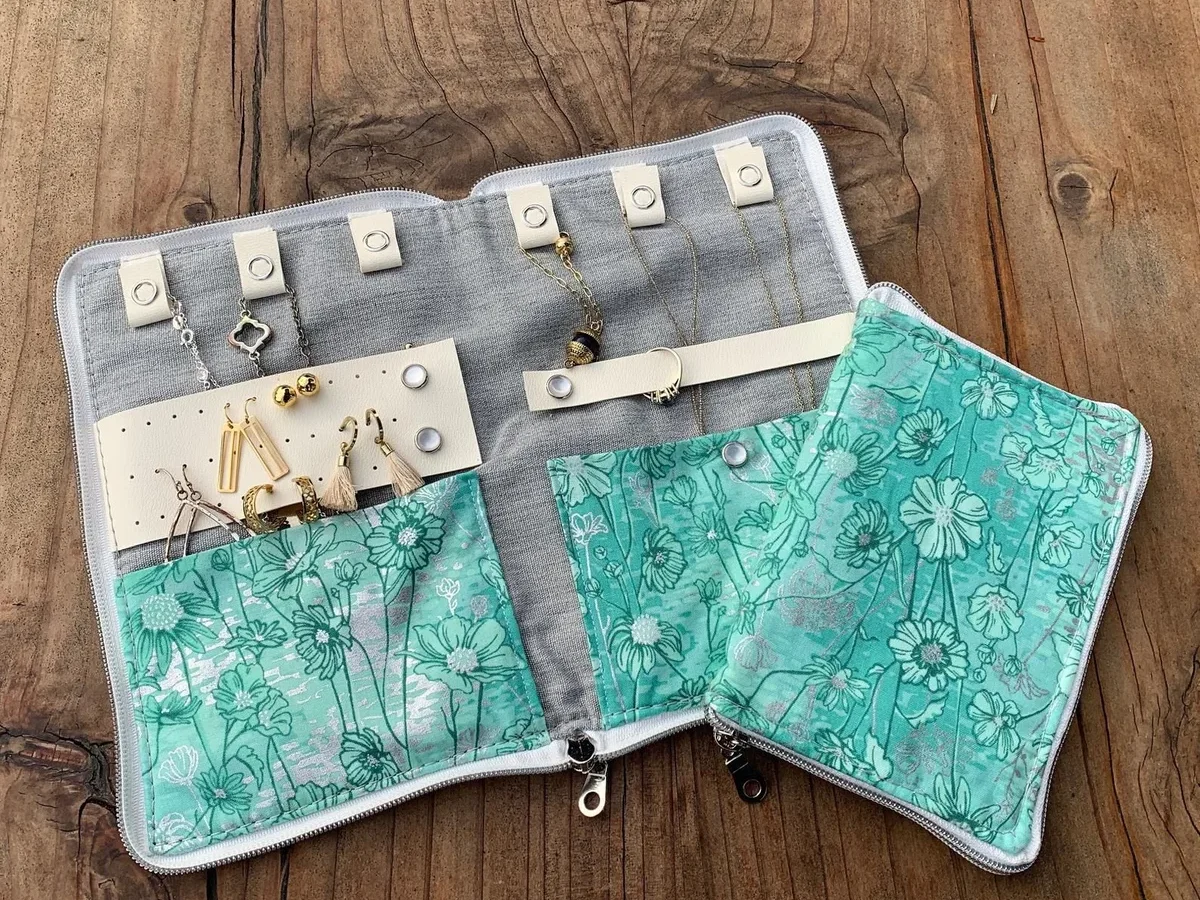
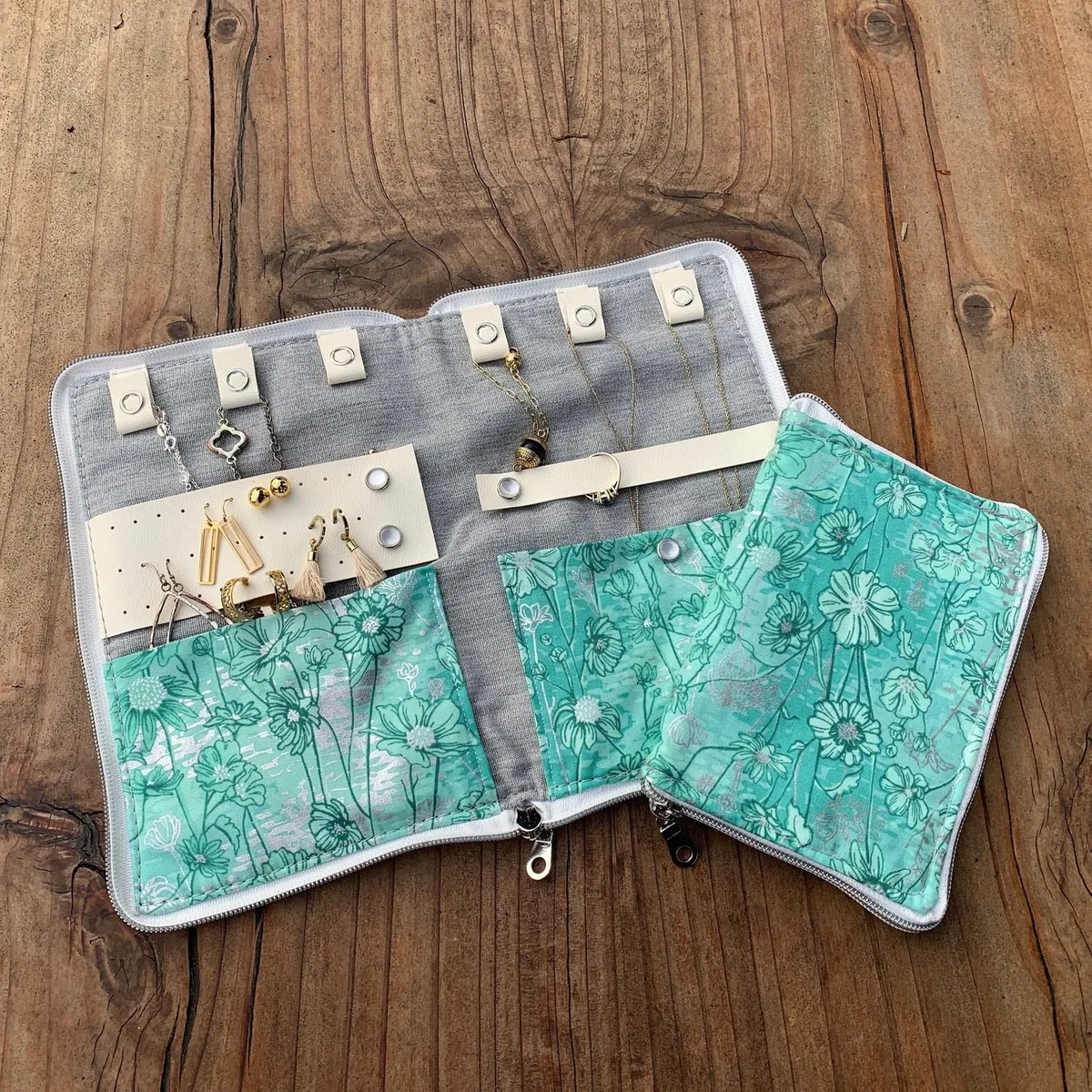
Image source: Bing (Web (fair-use with source credit))
Opening your luggage to find jewelry travel case necklace hooks tangling your favorite pieces is frustrating. You carefully hung each chain before leaving home, yet you arrive with a knotted nest of gold and silver.
Luggage undergoes continuous, multi-axis vibration during transit. Most travel cases feature hook-and-pouch drop distances of only 3.5 to 5 inches, which leaves long chains loose. As a result, standard 16-inch to 20-inch chains easily slide off their anchors.
Quick Answer
Jewelry travel case necklace hooks tangling happens when loose chains slip off open hooks during transit. Luggage vibration bounces chains out of unsealed elastic pockets. The loose metal links quickly knot around adjacent necklaces.
To fix this, thread thin chains through straws. You can also sandwich them between cling wrap layers. Finally, always close clasps and pull chains taut before packing.
Why Necklace Hooks in Travel Cases Fail Under Motion
Travel organizers look great on a dresser, but transit changes the physics entirely. When a suitcase rolls across pavement or sits in a cargo hold, constant vibration creates kinetic energy. This motion causes slack chain links to walk upward against gravity.
The Physics of Transit Vibration and Chain Slack
Chains need tension to stay separated. When a necklace hangs freely inside a travel case, the excess length bunches at the bottom. As luggage shifts, these loose loops lift off open metal hooks.
Once two chains touch, friction locks them together. Thin cable and curb links wrap around one another with minimal movement. Before your plane even lands, simple road vibrations create tight micro-knots.
The Anatomy of an Ineffective Hook-and-Pouch System
Most budget jewelry cases have fundamental design flaws. They use shallow open metal hooks that point up with no retention snap. A sudden bump sends chains flying right off the top.
The bottom elastic pouch is usually the secondary failure point. Weak elastic bands leave large gaps where chains spill out. Pockets shallower than 1.5 inches cannot trap loose chain tails, allowing them to drift into neighboring jewelry compartments.
The Diagnostic Workflow: Identifying Your Tangle Failure Point
Fixing the tangle depends on your specific jewelry and case layout. Follow this diagnostic workflow to identify why your necklaces keep knotting.
Is the chain slipping off the top anchor?
 ├── YES -> Hook design flaw (Open hooks lack snap retention)
 └── NO  -> Check bottom pocket:
             ├── Are chain tails spilling out? -> Weak elastic or shallow drop pouch
             └── Are pendants sliding sideways? -> Pendulum drift from excess slack
Check 1: Chain Gauge vs. Hook Retention Style
Examine the wire gauge of your necklaces. Fine chains under 0.8 millimeters slip through tiny gaps. If your case uses wide, rigid hooks, thin chains easily hop off under vertical movement.
If you carry delicate chains, you need physical snap tabs rather than open prongs. Open hooks only work well for thick chains over 2.0 millimeters that have enough weight to stay seated.
Check 2: Vertical Drop Clearance and Pocket Tension
Measure the distance from the hook base to the top of the elastic pocket. Most cases offer 4 inches of vertical clearance. A standard 18-inch necklace folded in half drops 9 inches, leaving 5 inches of slack.
If the elastic band sits loose against the case backing, that slack chain bunches and spills out. The elastic must hold firm against the back wall to pin the metal in place.
Check 3: Pendant Mass and Pendulum Drift
Heavy pendants act like pendulums during transit. As your bag moves, the pendant swings, pulling the chain along with it. This downward pull yanks the top loop completely off open hooks.
If your necklace has a heavy gemstone or charm, never let it swing freely. It must be tucked firmly inside the bottom pocket to immobilize the weight.
| Tangle Factor | What Goes Wrong | The Practical Fix |
|---|---|---|
| Open Metal Hooks | Chains bounce off under vertical turbulence | Double-loop chain or use snap closures |
| Loose Bottom Pouch | Chain tails spill and mix together | Insert foam spacers or tissue padding |
| Heavy Pendants | Swinging weight pulls chains off hooks | Anchor pendant inside the bottom pocket |
| Micro-Chains (<0.8mm) | Extreme static friction causes micro-knots | Thread chains through straws before packing |
The Step-by-Step Packing Routine to Lock Chains in Place
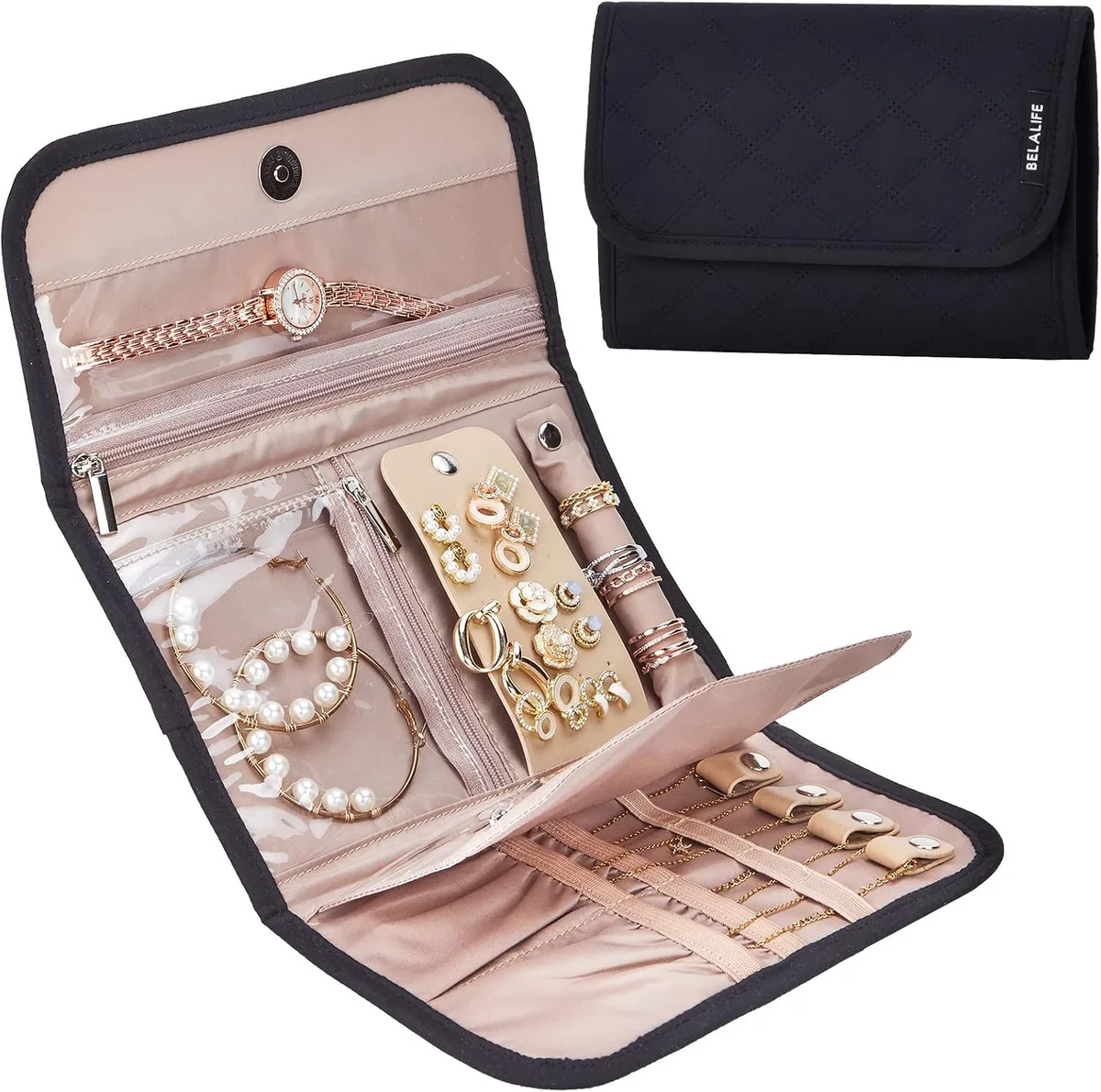
Image source: Bing (Web (fair-use with source credit))
Packing your jewelry properly stops knots before they start. Use this four-step routine to secure every necklace.
Step 1: Pre-Clasp and Individual Tensioning
Never pack an unclasped necklace. Fasten every lobster claw or spring ring clasp before doing anything else. An open clasp acts like an anchor, snagging every nearby link.
Inspect the chain for any existing twists. Straighten the necklace out completely on a flat surface so tension remains uniform along the whole length.
Step 2: The Double-Loop Anchor for Open Hooks
If your case has open hooks instead of snap tabs, do not just hang the chain once. Loop the necklace over the hook, bring it under, and loop it over a second time.
This double-loop creates enough friction to stop vertical hopping. The chain will stay planted on the hook even if your case turns upside down.
Step 3: Pocket Bundling and Friction-Layering
Slide the pendant and chain tail deep into the elastic drop pouch. Keep each necklace in its own pouch section whenever possible.
If your case has one wide pouch, insert small squares of acid-free tissue paper between each chain. This barrier prevents neighboring metals from rubbing against each other.
Step 4: The Clamshell Compression Seal
Close the case slowly while watching the necklace section. Make sure no chains pinch along the outer zipper track or perimeter frame.
A good travel case should exert gentle pressure on the necklaces when closed. This sandwich effect holds the chains flat and eliminates the slack space they need to knot.
When Your Travel Case Needs Help: Tactical Workarounds That Work
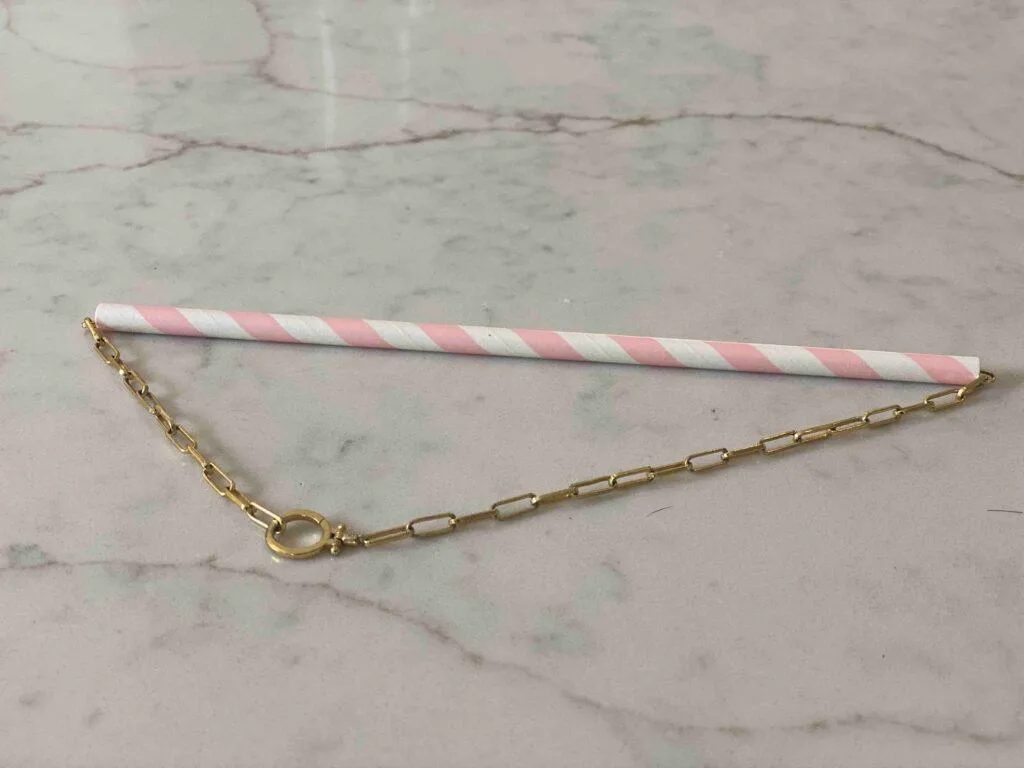
Image source: Bing (Web (fair-use with source credit))
If your travel case has poor hooks, cheap household materials can help. These simple modifications stabilize delicate pieces during bumpy transit.
The Drinking Straw Method for Ultra-Thin Chains
Standard plastic or reusable silicone drinking straws make great stabilizers. Unclasp your necklace, drop the chain through the straw, and re-clasp it on the outside.
The rigid straw prevents the chain from bending back on itself. Because the metal cannot fold, it cannot form knots. For shorter chains or chokers, cut the straw down with scissors to match the chain's drop length.
Cling Wrap Micro-Sandwiching
Press-and-seal plastic wrap is one of the most effective ways to immobilize fine jewelry. Lay a sheet flat, place your necklaces on it side by side with one inch of clearance, and place a second sheet on top.
Press firmly around each chain to seal the air out. The plastic holds the metal completely still. You can roll the sheet up and slide it into your travel case pouch without any tangling.
Individual Anti-Tarnish Zip Pouches Inside Case Pockets
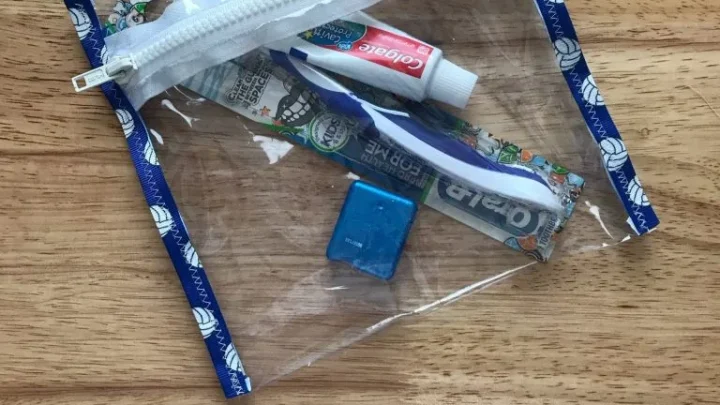
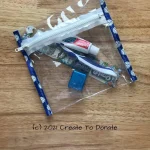
Small 2×3-inch polyethylene zip bags provide simple, reliable protection. Place the body and pendant of each necklace inside its own bag.
Leave the clasp hanging one inch outside the seal, then zip the bag shut around the chain. Hang that external clasp on your travel case hook and tuck the sealed bag into the drop pocket.
Travel Case Comparison: Hook Mechanisms Ranked for Zero-Tangle Transit
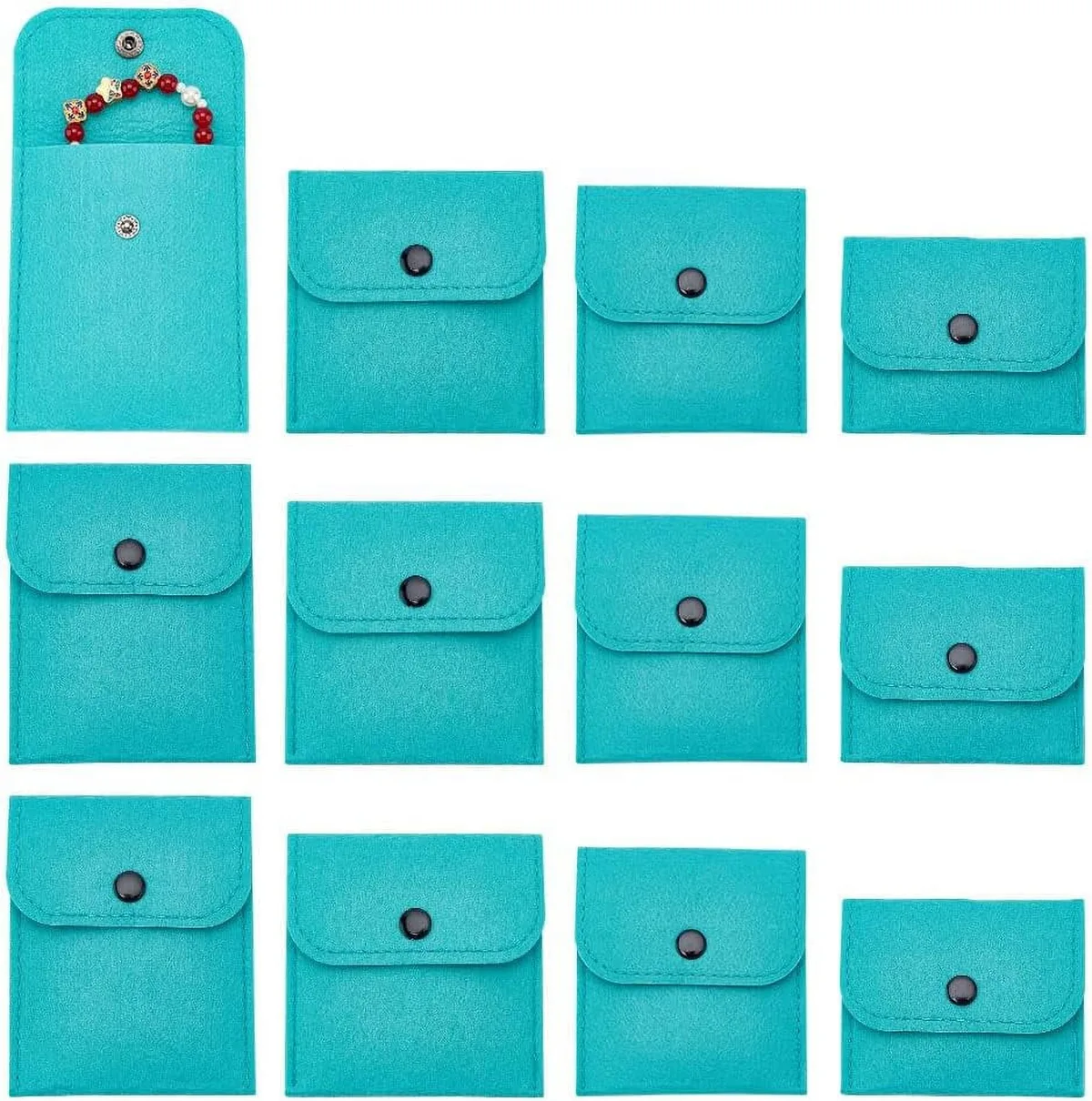
Image source: Bing (Web (fair-use with source credit))
Case hardware varies significantly across brands. The mechanism holding your chains dictates how safe they remain during international flights or weekend trips.
Snap-Down Leather Loops vs. Open Metal Hooks vs. Modular Cards
Open metal hooks are the most common design, but they are also the least secure. They rely strictly on gravity. The moment a suitcase goes into an overhead bin sideways, open hooks lose all holding power.
Snap-down leather or microfiber tabs offer far better security. A leather strap loops over the chain and snaps into a recessed metal stud. Even under direct drops, the chain cannot slide out of its lane.
Modular necklace cards are another smart alternative. These removable plastic or wrapped-velvet cards feature top slits and bottom elastic bands. You wind the chain tightly around the card, locking in tension along the entire drop length.
Specifications and Retention Profiles
Choosing the right layout depends on your chain styles. As of 2026, premium organizers feature dedicated snap-tab channels with deep drop pockets to keep chains separated.
Guidelines from the Gemological Institute of America emphasize that proper jewelry storage should prevent abrasion by keeping pieces completely separated. Precious metals like 14k gold scratch easily when chains rub together under pressure.
| Retention Style | Grip Mechanism | Best Necklace Types | Tangle Risk Level |
|---|---|---|---|
| Open Metal Hooks | Gravity hanging | Heavy chains (>2.0mm), statement pieces | High |
| Snap-Button Tabs | Mechanical closure | Delicate chains, pendants, 16"-18" drops | Very Low |
| Modular Slit Cards | Friction edge slots | Ultra-fine chains (<0.8mm), chokers | Extremely Low |
| Hanging Jewelry Rolls | Open loops, soft roll | Medium cable chains, casual beads | Moderate |
Costly Mistakes That Ruin Delicate Chains on the Road
Packing jewelry in a hurry often leads to structural damage that goes beyond simple knots. Certain chain styles cannot tolerate the bends and twists that happen inside standard luggage. Avoiding these common mistakes will save you expensive trips to the repair bench.
Coiling Stiff Chains (Herringbone and Snake Chain Traps)
Herringbone and snake chains do not knot, they kink. These designs rely on tightly fitted metal plates that require smooth curves. Once bent past their natural radius, the internal links warp permanently.
Never roll or fold a herringbone chain into an elastic travel case pocket. Industry advice from organizations like Jewelers of America highlights that bent herringbone links cannot be smoothed back out by hand. They require laying completely flat in a rigid, elongated compartment without any sharp turns.
Overcrowding Multiple Chains on a Single Anchor Point
Hanging two or three necklaces on the same hook guarantees friction. As your luggage vibrates, the independent weights pull against one another. This movement twists the metal into tight cross-knots that are nearly impossible to pick apart.
If your case has four hooks, pack a maximum of four necklaces. If you must carry extras, isolate them completely using separate pouches rather than doubling up on hooks.
Storing Unclasped Necklaces in Elastic Drop Pouches
Dropping an unfastened chain into a pouch creates an immediate snag risk. The open lobster claw or spring ring acts like a barb. It hooks onto other loops, jump rings, or the interior fabric lining.
Always fasten the clasp behind the mounting tab or hook before packing. A closed loop limits erratic chain migration and keeps the necklace under uniform tension during travel.
Frequently Asked Questions About Traveling with Necklaces
Why do necklaces still tangle when hung on hooks?
Necklaces tangle because luggage vibration bounces slack chains off open hooks. Once the top loop slips free, the entire chain drops into the bottom pocket. The loose metal quickly wraps around adjacent pieces as the bag moves.
How do you untangle a knotted necklace in a hotel room?
Lay the knotted chain flat on a hard, well-lit surface. Apply a drop of mineral oil, baby oil, or liquid soap directly onto the knot. Use the tips of two sewing needles or safety pins to gently pull the links apart from the center outward.
Can I carry valuable necklaces in checked luggage?
Never pack fine jewelry in checked luggage. The Transportation Security Administration recommends packing all high-value items in your carry-on bag. Checked bags experience severe turbulence, rough handling, and greater risk of theft or permanent loss.
How do I pack long necklaces over 20 inches?
Thread long chains through two linked plastic straws, or fold them in half before securing them under a snap tab. You can also sandwich long chains between sheets of press-and-seal wrap to immobilize the entire length.
The Final Checklist: Choosing and Loading the Right Travel Case
Before heading out on your next trip, run through a quick gear and packing audit. A few seconds of inspection will prevent hours of frustrating detangling later.
- Case Style: Choose a rigid clamshell exterior over a soft roll to protect against crushing forces.
- Hook Hardware: Pick snap-button leather tabs instead of open, upright metal hooks whenever possible.
- Pocket Tension: Ensure the bottom elastic pouch sits flush against the back lining with zero sagging.
- Chain Security: Fasten all clasps, double-loop any chains placed on open hooks, and tuck tails deep into the pocket.
- Fragile Item Isolation: Isolate ultra-fine chains (<0.8mm) with straws, and keep stiff herringbone chains completely flat.

Similar Posts