Shoe Bags That Actually Trap Suitcase Odor
Founder & Fashion Creative Director at Julia Fashionista · CFDA Fashion Scholar, Certified Image Consultant (AICI) · 12+ years in editorial wardrobe styling, sustainable textile sourcing, and luxury capsule curation
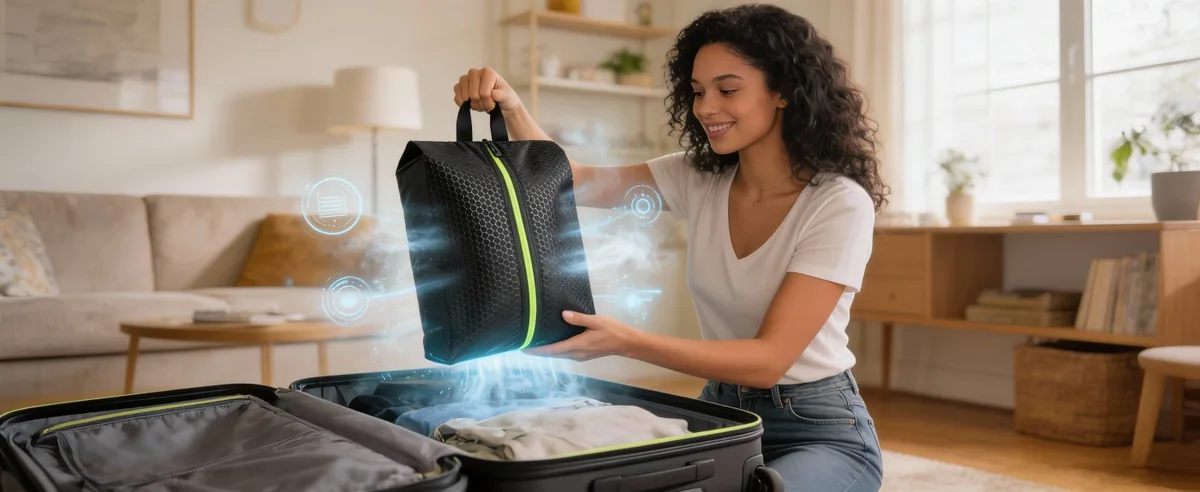
Opening your luggage after a long flight only to catch a blast of dirty sneaker smell ruins the trip before it starts. Finding reliable shoe bags for suitcase odor containment is the difference between fresh vacation clothes and an entire wardrobe that smells like a damp locker room. Footwear traps sweat, bacteria, and grit that quickly migrate across an enclosed suitcase during transit.
Standard drawstring covers protect clothes from surface dirt, but they do nothing to stop airborne stink. Reliable containment requires materials tested against gas permeability standards like ASTM E96 to halt volatile organic compounds at the fabric barrier. Understanding how different technical textiles trap or neutralize these molecules makes packing your footwear stress-free.
Image source: Bing (Web (fair-use with source credit))
Quick Answer
Effective shoe bags for suitcase odor containment use gas-impermeable barriers or activated carbon fabrics. Standard nylon bags only stop surface dirt. Volatile odor compounds pass straight through normal cloth.
Welded seams and roll-top closures trap smell molecules completely. Adding a desiccant pack absorbs trapped moisture during transit.
Why Standard Shoe Bags Fail at Odor Containment
Most travelers assume any pouch keeps dirty shoes isolated. In practice, cheap nylon dust bags only stop loose dirt from brushing against clean shirts. They offer zero resistance to odor molecules.
The Chemistry of Luggage Cross-Contamination
Foot odor is not just stale air. It is a gaseous byproduct caused by bacteria like Brevibacterium linens feeding on sweat. This process creates volatile organic compounds, primarily isovaleric acid.
These acidic vapor molecules are tiny. In the tight space of a sealed suitcase, they bleed through loosely woven fabrics. Once airborne, they bind directly to clean natural fibers like cotton and wool.
Why Polyester Drawstrings and Plastic Bags Fall Short
Woven polyester and nylon feature thousands of microscopic gaps between individual threads. Air passes through these pores with ease. Research into textile permeability shows that thin fabrics without dense backings have high air-transmission rates, meaning odor escapes within hours.
Thin polyethylene grocery bags are equally poor choices. They puncture easily from shoe eyelets and heel tabs. Worse, standard grocery plastic lacks a gas barrier, allowing sulfur and acid vapors to leach right into your luggage.
The Three Core Odor-Containment Technologies
Stopping foot odor requires technical fabrics engineered to trap or absorb volatile compounds. As of 2026, travel gear relies on three distinct containment systems.
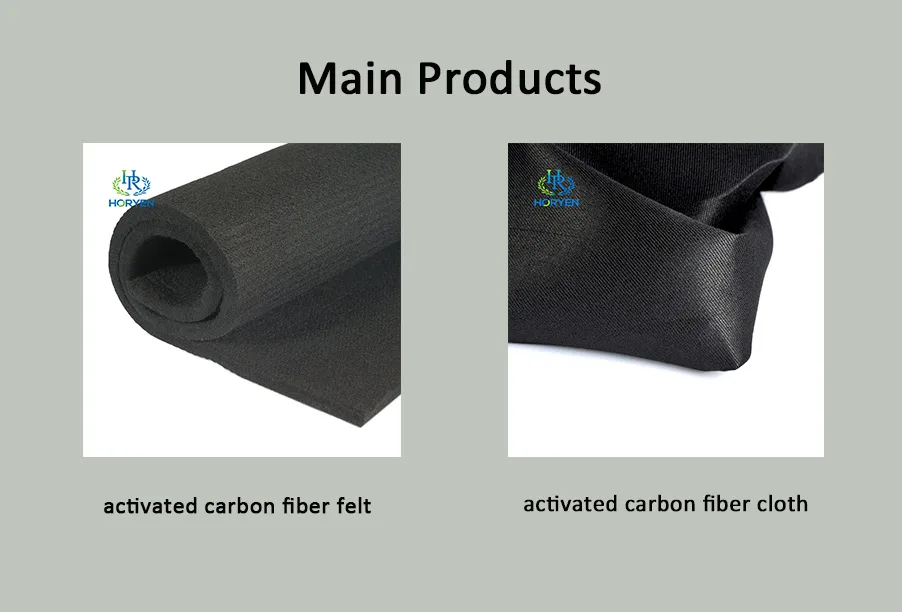
Image source: Bing (Web (fair-use with source credit))
Activated Carbon Linings: Adsorbing Volatile Compounds
Activated carbon fabric features millions of microscopic pores created through controlled thermal processing. These pores attract and trap gaseous molecules through chemical adsorption.
Instead of merely creating a sealed wall, the lining actively pulls isovaleric acid out of the air inside the pouch. This neutralizes the smell before pressure builds up. It works exceptionally well for dry shoes with lingering smells.
Welded TPU and Roll-Top Closures: Hermetic Vapor Barriers
Thermoplastic polyurethane (TPU) laminated fabrics are completely non-porous. Rather than sewing panels together with needles, manufacturers use radio-frequency (RF) welding.
This process fuses the fabric seams together with electromagnetic energy. It eliminates stitch holes entirely. Paired with a roll-down top or an airtight zipper, this design locks all vapors inside a hermetic bubble.
Antimicrobial Silver Coatings and Breathable Membranes: The Hybrid Approach
Hybrid bags use dense woven outer shells treated with bonded silver ions. Silver damages bacterial cell membranes, stopping microbes from multiplying while your shoes are packed away.
These pouches often include an expanded polytetrafluoroethylene (ePTFE) vent. The membrane lets water vapor escape while blocking larger odor molecules. This keeps leather footwear from staying soggy during transit.
Head-to-Head Comparison: Materials, Permeability, and Real-World Performance
Selecting a shoe bag involves balancing odor containment against moisture control. If a bag stops gas, it also traps moisture.
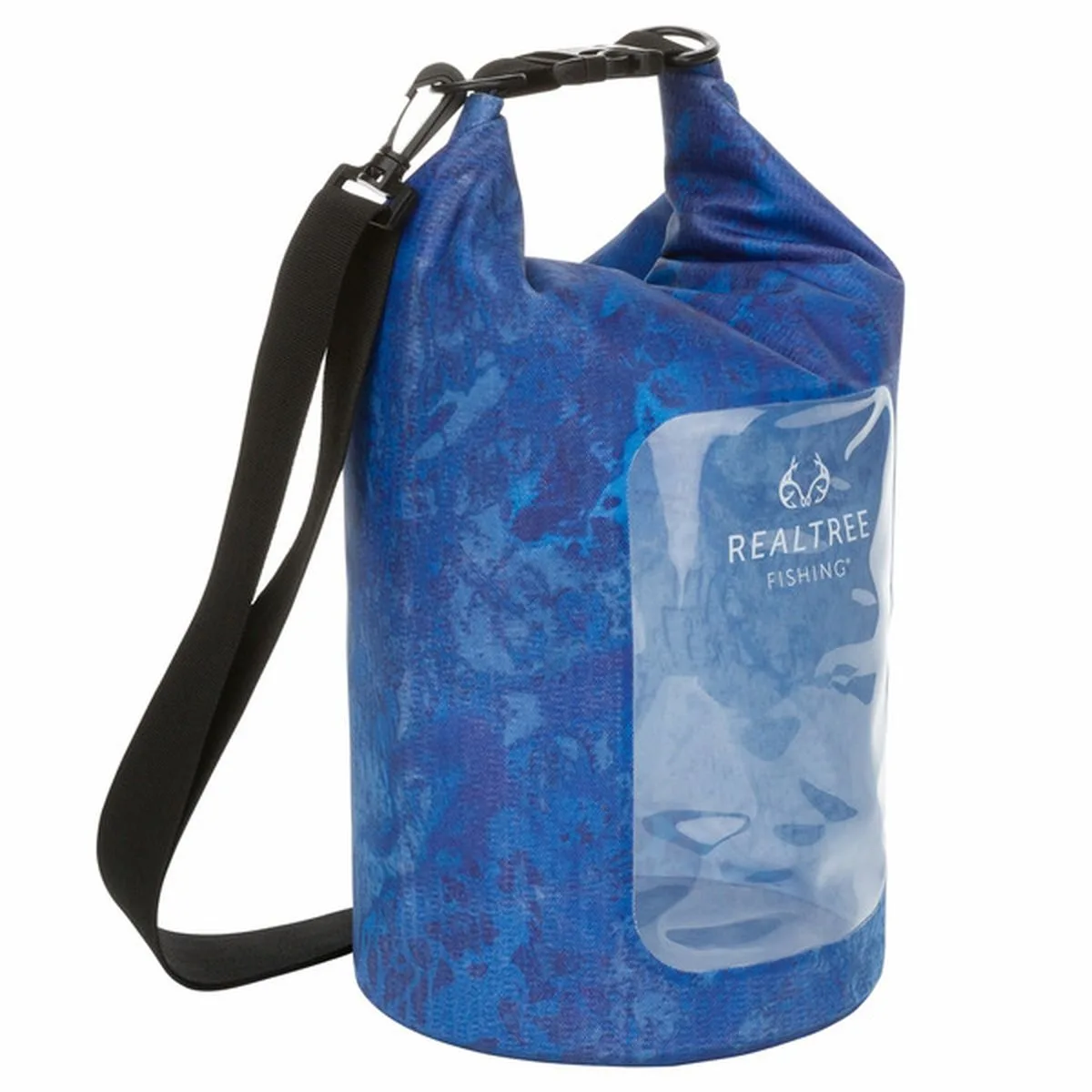
Image source: Bing (Web (fair-use with source credit))
Side-by-Side Spec Breakdown
| Bag Material / Tech | Odor Containment Level | Seam Construction | Moisture Retention | Best For |
|---|---|---|---|---|
| Activated Carbon Cloth | High (Adsorbs VOCs) | Stitched with tape backing | Moderate (Fabric breathes) | Odorous dress shoes, casual sneakers |
| Welded TPU Laminate | Maximum (Airtight) | RF-welded (No holes) | Extreme (Traps 100% moisture) | Muddy cleats, wet running shoes |
| Ripstop Nylon (DWR coated) | Very Low | Traditional stitched | Low (Vents freely) | Clean shoes, basic dirt protection |
| Silver Ion Hybrid Shell | Moderate | Bound and taped | Low-Moderate (Membrane vented) | Extended trips, multi-day walking shoes |
The Anaerobic Bloom Risk: Trapped Moisture vs. Gas Containment
Airtight TPU dry bags solve the smell problem for the rest of your suitcase, but they create a greenhouse effect inside the pouch. When sweat-soaked running shoes sit sealed in an airtight space without oxygen, anaerobic bacteria flourish.
This microbial bloom causes intense ammonia and sulfur smells once you open the bag. For long flights exceeding eight hours, pairing airtight bags with moisture-absorbing inserts is essential.
Choosing the Right System for Your Travel Style
Every travel setup brings different demands for luggage space, moisture, and pack weight.
The Business Traveler: Dress Leather and Commuter Runners
Business itineraries demand crisp suits and pristine shirts. A single pair of post-workout commuter shoes can ruin an entire garment bag.
For high-end leather oxfords or light running flats, choose an activated carbon pouch. Carbon fabric preserves fine leather by allowing ambient humidity to equalize. At the same time, it prevents volatile compounds from latching onto your dress shirts.
The Endurance Athlete: Sweat-Soaked Trainers and Trail Mud
Marathon runners and trail hikers face wet gear, heavy sweat, and trail muck. Odor-absorbing carbon alone cannot handle soaked trail shoes.
Athletes should pick a heavy-duty TPU bag with RF-welded seams and a roll-top closure. It acts as an absolute dry sack in reverse. The outer shell contains wet mud and prevents foul moisture from touching technical apparel.
The Long-Haul Backpacker: Multi-Climate Bulk and Weight Constraints
Backpacking requires shaving every ounce while living out of a single pack for weeks. Thick rubberized bags add unnecessary pack weight.
A silpoly pouch treated with an antimicrobial silver finish offers the best balance here. It blocks dirt, resists bacterial buildup, and packs down flat when you wear your primary shoes.
The Proper Pre-Pack Protocol to Prevent Odor Lock-In
Putting damp shoes directly into an odor-proof bag causes heavy bacterial growth. Following a strict pre-pack routine keeps your gear fresh.
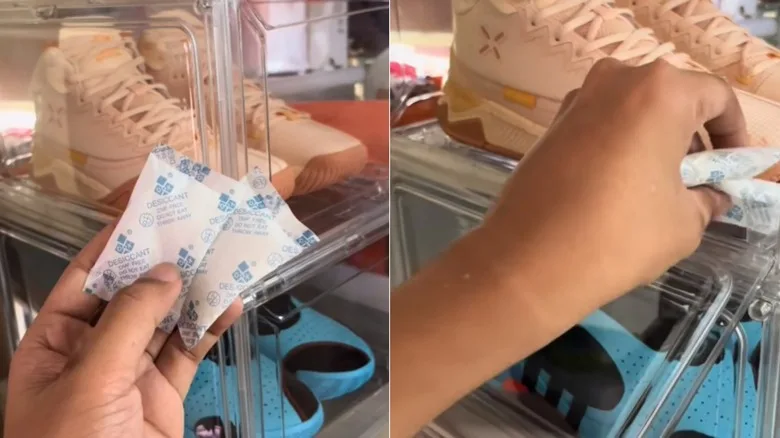
Image source: Bing (Web (fair-use with source credit))
Drying and De-Insoling Before the Zip
Never pack shoes straight off your feet. Insoles hold up to 70% of the sweat produced by your feet during a long walk.
- Pull out the insoles and stand them up inside the shoe cavity.
- Place the shoes near an air conditioner vent or open window for at least two hours.
- Wipe the leather linings or footbeds clean with a dry towel.
Research published by the National Center for Biotechnology Information highlights that drying footwear dramatically curbs Staphylococcus and Brevibacterium reproduction rates. Drying your shoes briefly before packing makes odor containment much easier.
The Role of Desiccants in Enclosed Bags
If you must pack damp footwear right after a workout, drop two 20-gram silica gel desiccant packs inside the shoes. Silica beads grab free moisture out of the air, pulling humidity below the threshold where mildew forms.
Clay-based desiccants and mini cedar shoe inserts also work well. They pull sweat out of the fabric while your bag stays sealed in the airplane cargo hold.
Purging Dead Air Without Popping Seams
Air takes up valuable space in your luggage and strains bag seams under cargo-hold pressure changes.
- Place your shoes inside the pouch heel-to-toe to make a compact rectangle.
- Add your desiccant packs between the soles.
- Roll down the top or zip the closure three-quarters of the way shut.
- Press down firmly with your chest to force out the dead air.
- Seal the final inch of the zipper or snap the buckle down tight.
Maintenance, Reactivation, and Bag Care
Trapping volatile compounds eventually saturates containment fabrics. Without periodic cleaning and thermal refreshing, performance drops quickly.
Recharging Activated Carbon Fabrics
Activated carbon does not lose its odor-fighting structure permanently. It simply fills up its microscopic surface pores with trapped molecules.
To clear these pores, you need heat. Place the empty bag out in direct sunlight for two to three hours on a warm afternoon. The radiant ultraviolet heat frees the trapped volatile compounds.
If outdoor space is limited, put the pouch in a clothes dryer on low heat for twenty minutes. Never submerge raw activated carbon cloth in soapy water, because detergent residues clog the pore network permanently.
Sanitizing TPU Linings Without Degrading Welds
Airtight TPU dry pouches require liquid sanitation because sweat transfers directly onto the slick inner walls. Wipe down the interior using a microfiber rag dampened with a mixture of warm water and mild dish soap.
For stubborn funk, use a 70% isopropyl alcohol solution. Alcohol kills surface bacteria without weakening radio-frequency welded bonds.
Never use harsh bleach or acetone on TPU. Solvents melt the thin plastic lamination and degrade the airtight seal around the closure. Let the bag air out fully inside out before rolling it away for storage.
Frequently Asked Questions About Luggage Odor Containment
Will TSA search bags with dense activated carbon linings?
Dense activated carbon linings can appear opaque on standard airport X-ray scanners. This sometimes triggers a routine physical bag inspection. Packing your footwear near the top of your suitcase makes manual inspection fast and hassle-free for security officers.
Can a simple heavy-duty Ziploc replace a technical shoe pouch?
Thick slider bags hold odors temporarily for short trips. However, regular polyethylene plastic lacks a true gas-barrier layer, allowing isovaleric acid to leach out after roughly twelve hours. Rigid shoe edges also puncture thin kitchen plastic easily during transit.
How long can damp running shoes stay sealed without ruining the uppers?
Keep damp shoes sealed inside an airtight pouch for no more than twelve to fourteen hours. Leaving wet footwear sealed longer creates an ideal environment for mold spores and anaerobic bacteria. Always unpack shoes immediately upon reaching your hotel room.
Does freezing your shoes before a trip actually eliminate the bacteria?
Freezing footwear does not kill odor-causing bacteria. Sub-zero temperatures merely force microbes like Brevibacterium into an inactive dormant state. The moment your shoes return to room temperature and absorb foot sweat, the odor returns immediately.
The Final Verdict on Suitcase Odor Containment
Containing footwear odor inside packed luggage comes down to matching the bag material to moisture levels. Volatile organic compounds pass through standard woven fabrics within hours. If you travel with damp, high-sweat sneakers or muddy trail shoes, welded TPU pouches offer the safest barrier against cross-contamination.
For business travelers packing dry leather shoes or gym commuters battling daily smells, activated carbon linings provide the best balance of breathability and gas adsorption. Always remember to pull the insoles, toss in a couple of desiccant packs, and purge the dead air before you zip your suitcase. Taking two minutes to prep your shoes keeps your clothes smelling just as clean as the day you packed them.

Similar Posts