Why Clear PVC Bags Crack in the Cold (And How to Stop It)
Founder & Fashion Creative Director at Julia Fashionista · CFDA Fashion Scholar, Certified Image Consultant (AICI) · 12+ years in editorial wardrobe styling, sustainable textile sourcing, and luxury capsule curation
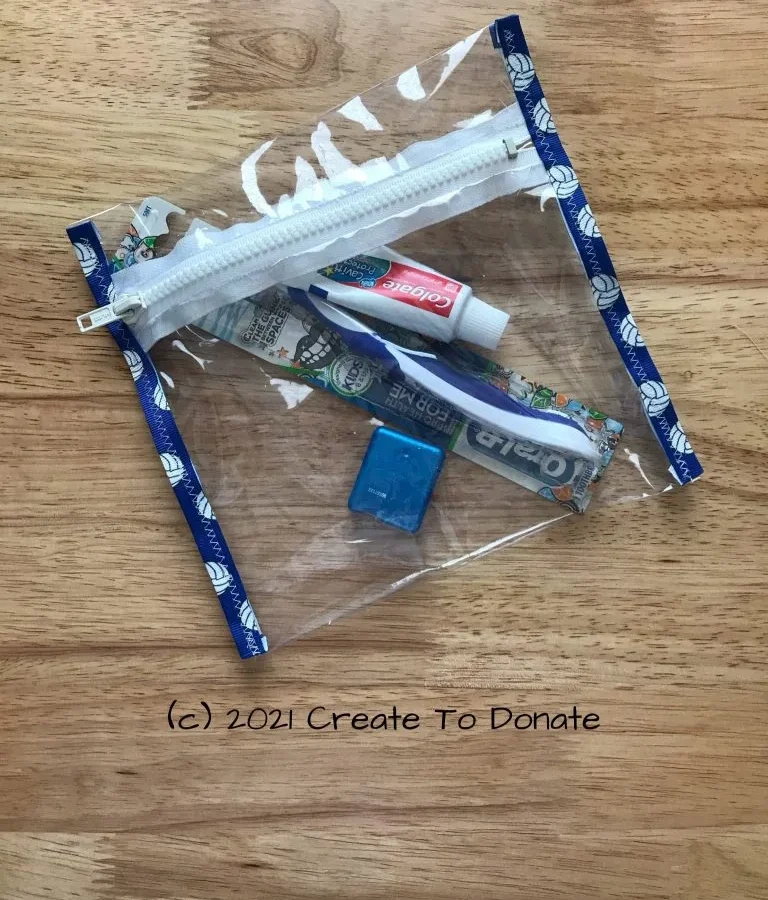
You open your suitcase after a winter flight, and your clear plastic toiletry pouch is ruined. A clear tsa toiletry bag pvc cracking cold is an extremely common winter travel mishap that leaves shampoo and lotion smeared across packed clothing.
Standard polyvinyl chloride (PVC) turns brittle rapidly when temperatures drop below freezing. Standard low-temperature testing shows clear vinyl loses its impact strength sharply between 0°C and 10°C (32°F to 50°F). Understanding how this polymer behaves helps you keep your liquids secure on freezing trips.
Quick Answer
A clear TSA toiletry bag cracks in cold weather because PVC hardens at low temperatures. Freezing air freezes the plasticizers that keep vinyl flexible. The bag turns rigid and brittle.
Bending the frozen plastic causes it to shatter like glass. Switching to thermoplastic polyurethane prevents cold cracking.
Why Cheap Clear Toiletry Bags Snap and Shatter in the Cold
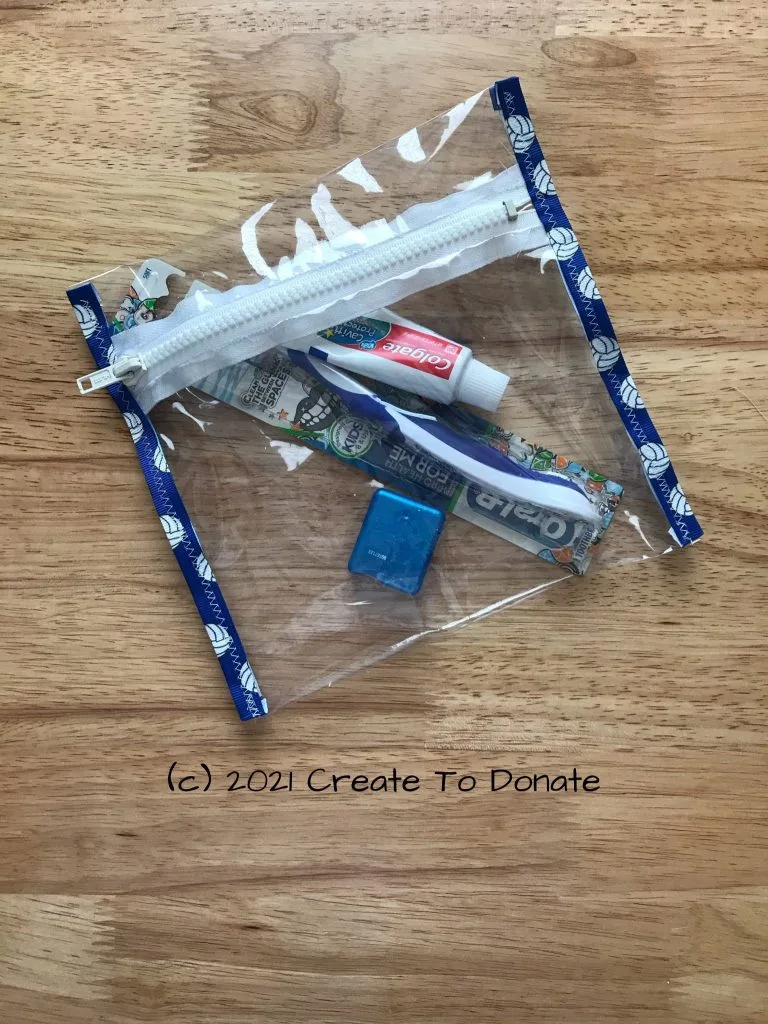
Image source: Bing (Web (fair-use with source credit))
Standard clear toiletry bags are made from thin sheets of polyvinyl chloride. PVC in its natural state is a rigid, hard plastic. Pipe fittings and construction conduits are classic examples of unplasticized PVC.
To turn that stiff material into a supple, transparent travel pouch, manufacturers mix in chemical plasticizers. These additives slide between the polymer chains. They keep the chains from locking together, which allows the material to bend easily at room temperature.
Cold weather reverses this effect quickly. When luggage sits in sub-zero temperatures, the polymer chains contract. The plasticizers lose mobility, and the material stiffens.
Once the temperature drops below the material's specific glass transition threshold, the vinyl behaves like glass. Opening the zipper, unfolding the bottom gusset, or squeezing the bag inside a tight suitcase creates instant stress fractures. The pouch snaps along fold lines instead of flexing.
The Science of Plasticizer Migration and Polymer Embrittlement
Polymer embrittlement is a chemical process driven by temperature and additive breakdown. In economy vinyl toiletry bags, plasticizers are not chemically bonded to the PVC chains. They sit suspended within the polymer matrix.
Over time, these plasticizers slowly migrate to the surface. Frequent flyers often notice an oily film or hazy residue on old clear bags. That residue is migrating plasticizer.
Alcohol from hand sanitizers, colognes, and toners speeds up this loss drastically.
When plasticizers leach out, the base polymer becomes permanently brittle. Low temperatures then accelerate the physical failure. The standard evaluation method, ASTM International test method D1790, measures the impact brittleness of plastic sheeting at low temperatures.
Standard PVC films fail this impact test right around 0°C (32°F). High-grade formulations with low-temperature plasticizers can survive down to -10°C (14°F). Once past that limit, molecular motion stops.
Any sudden mechanical shock, such as baggage handlers dropping a suitcase, produces starburst cracks along stress points.
Material Breakdown: PVC vs. TPU vs. EVA for Travel
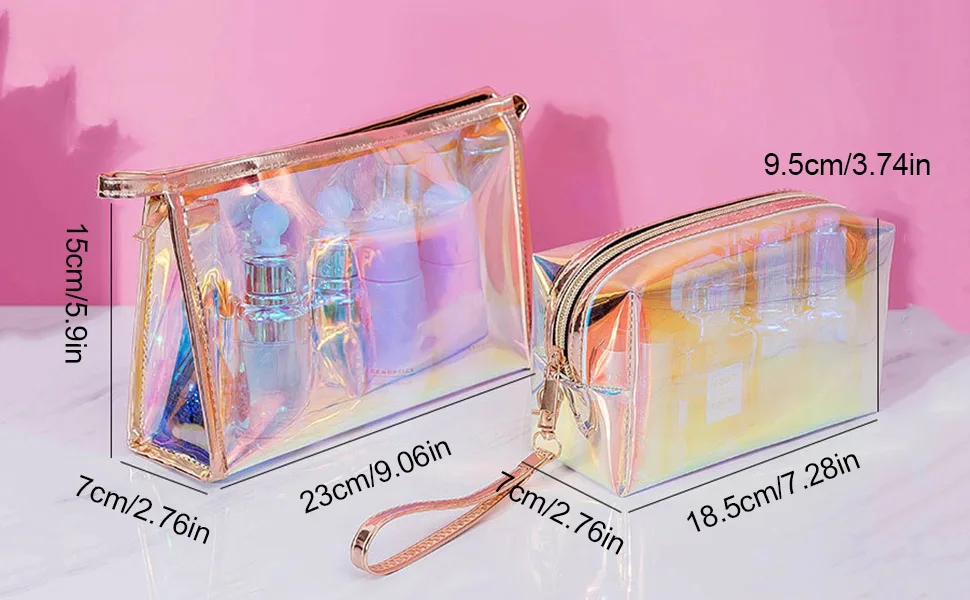
Image source: Bing (Web (fair-use with source credit))
Choosing the right transparent pouch comes down to polymer performance in cold conditions. Three main materials dominate the market for clear travel kits.
Standard Polyvinyl Chloride (PVC)
PVC is the cheapest and most common clear plastic. It offers high gloss and perfect optical clarity right off the shelf.
It is also the most fragile in cold climates. PVC relies heavily on external plasticizers that degrade with age and cold. It works well for warm summer beach travel, but it is a poor choice for winter transit.
Thermoplastic Polyurethane (TPU)
TPU is a high-performance elastomer that blends plastic with rubber characteristics. It requires no added plasticizers to stay flexible, which prevents the oily buildup common with older vinyl bags.
TPU maintains its elasticity down to -40°C (-40°F). It costs more to produce, but it withstands heavy luggage compression, resists punctures, and will not yellow over time. It is the best material for winter flyers.
Ethylene-Vinyl Acetate (EVA)
EVA is an eco-friendlier polymer often used as a PVC alternative. It contains zero chlorine and zero phthalate plasticizers.
EVA handles cold better than PVC, staying flexible down to roughly -20°C (-4°F). It features a slightly milky, semi-matte finish rather than crystal-clear transparency. It is softer to the touch, highly crack-resistant, and serves as an affordable middle ground for cold-weather travel.
Side-by-Side Comparison: Cold Crack Ratings, Durability, and TSA Compliance
Screeners at airport checkpoints require clear, quart-sized containers that let them inspect liquid bottles quickly. The table below details how the primary travel plastics compare under harsh conditions as of 2026.
| Material | Cold Crack Threshold | Plasticizer Leaching Risk | Flexibility in Sub-Zero Temps | Clarity Rating | Best For |
|---|---|---|---|---|---|
| Standard PVC | 0°C to -5°C (32°F to 23°F) | High (uses phthalates) | Stiff, brittle, prone to tearing | High (crystal clear) | Budget summer travel |
| Cold-Rated PVC | -10°C (14°F) | Moderate | Moderate, resists light flexing | High (glossy) | Mild winter travel |
| EVA | -20°C (-4°F) | Zero (naturally flexible) | Good, remains pliable | Medium (semi-matte) | Budget-conscious winter trips |
| TPU | -40°C (-40°F) | Zero (no plasticizers used) | Exceptional, fully elastomeric | High (clear transparent) | Heavy winter flying, ski travel |
Seam construction also plays a massive role in low-temperature durability. PVC bags are typically bound with stitched fabric edges or light radio-frequency (RF) welds. Needle punctures from stitching create tiny micro-perforations that turn into run-away tears when the plastic stiffens.
TPU bags are normally assembled with high-frequency thermal welding. This technique fuses the sheets together into a single continuous seam. These welded joints spread mechanical pressure evenly, preventing cold-induced splits along the bottom corners.
How Luggage Tarmac Time and Unheated Cargo Holds Trigger Failures
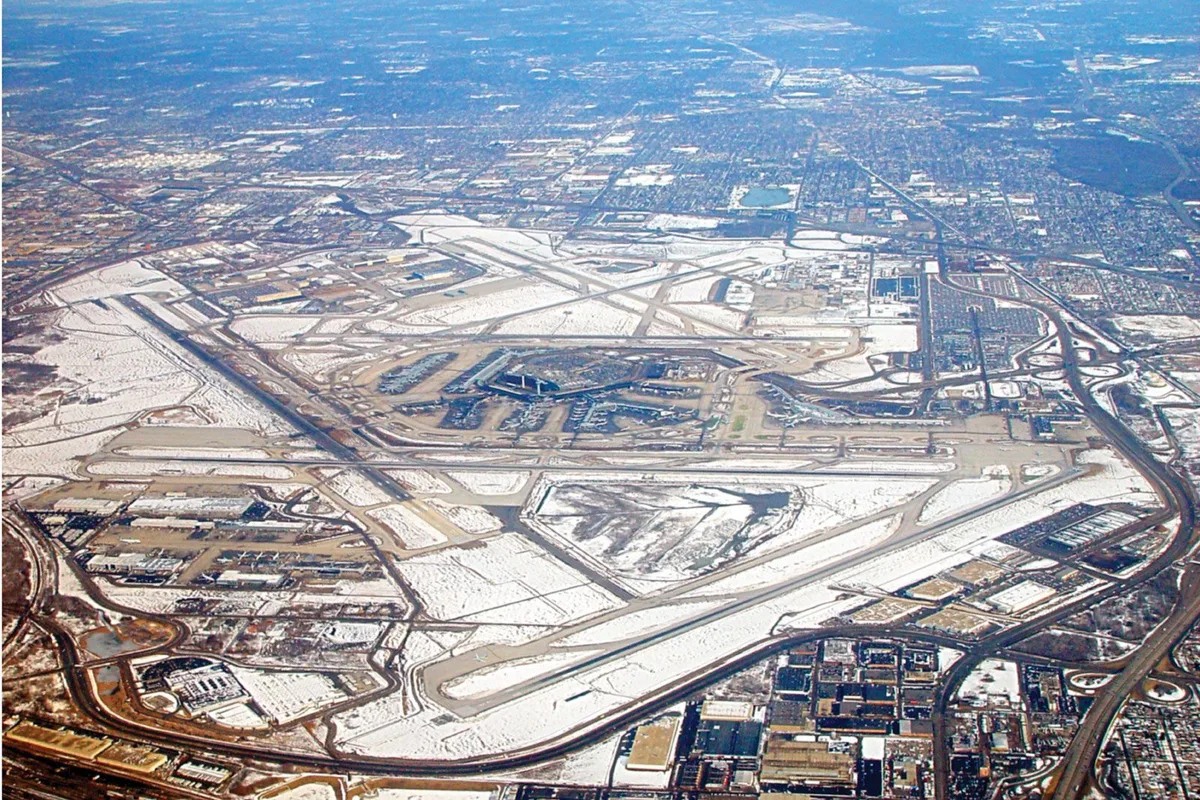
Image source: Web (Bing) / ar.inspiredpencil.com (Web image (fair-use with source credit))
Many travelers assume checked bags ride in a heated, cozy cabin environment beneath the passenger floor. The reality depends heavily on aircraft design and airport logistics.
Commercial aircraft feature pressurized cargo compartments, but active heating varies by cargo zone. Bulk baggage holds are generally kept above 7°C (45°F), but forward cargo areas on long-haul routes can dip close to freezing during prolonged cruising at 35,000 feet.
The biggest temperature drops happen on the ground:
- Luggage sits on open-air baggage carts during snow delays.
- Bags wait on exposed airport tarmacs in sub-zero winds for 30 to 90 minutes.
- Luggage is stored in unheated regional commuter holds on short hops.
- Bags ride in unconditioned car trunks or ski bus roof boxes after arrival.
When your luggage endures extended tarmac staging in Chicago, Minneapolis, or Denver, the interior drops below freezing fast. The vinyl freezes solid inside the packed suitcase.
If heavier bags shift against your pouch, or if you grab your bag upon arrival and unzip the stiff vinyl right away, the rigid material fractures immediately. The combination of sustained freezing and mechanical pressure causes the bag to shatter.
Smart Packing Habits to Prevent Shattered Kits in Winter
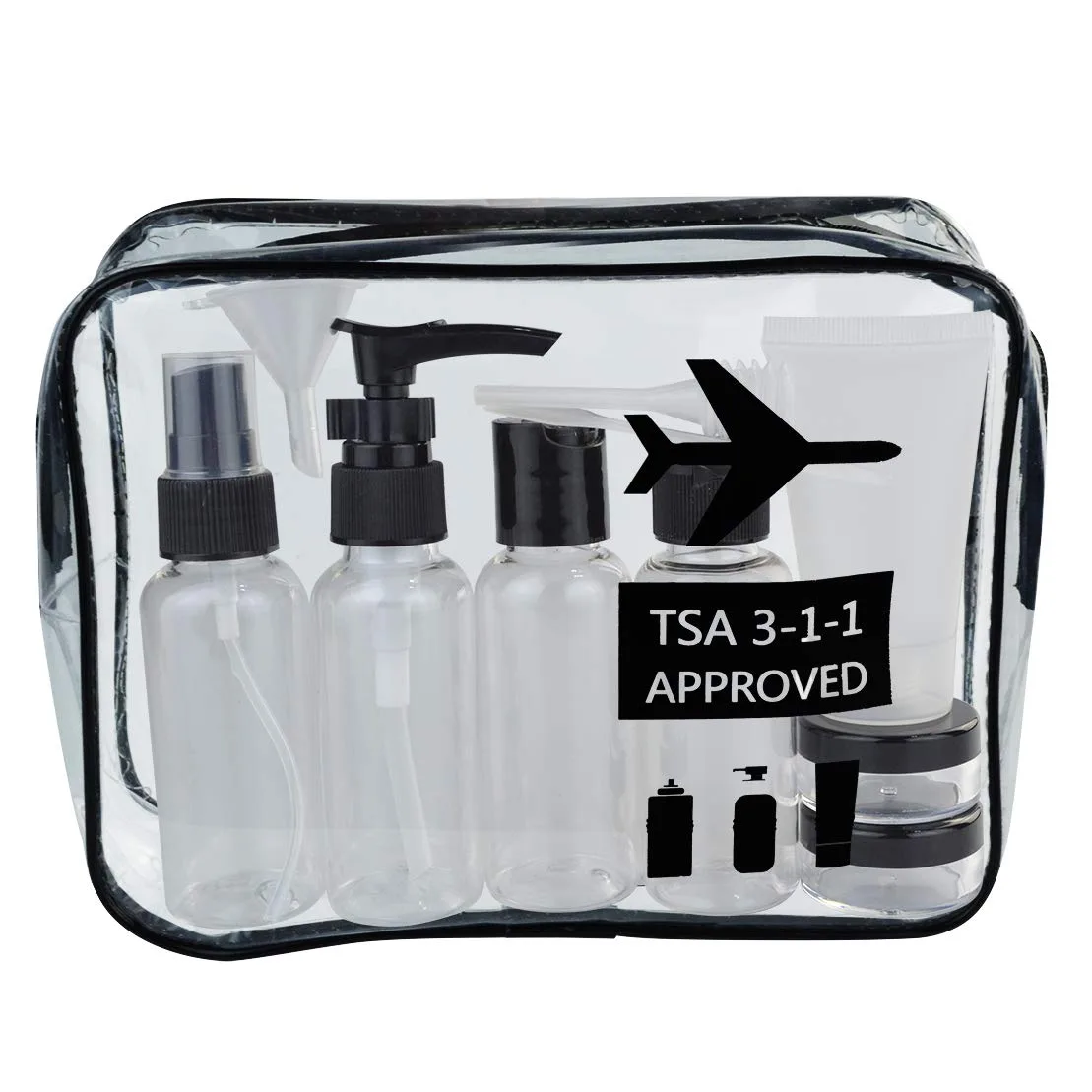
Image source: Bing (Web (fair-use with source credit))
If you already own a clear vinyl kit, simple adjustments can lower the risk of cold-weather shattering. Prevention starts with where you place the pouch inside your luggage.
Never pack a clear plastic pouch against the outer walls of a soft-sided suitcase. The thin outer fabric transfers exterior freezing temperatures straight to your kit within minutes.
Instead, bury the pouch directly in the center of your clothing layers. Sweaters, winter socks, and thermal layers serve as thermal insulation. They slow down the rate of temperature drop during long runway waits.
Give cold luggage time to acclimate before you unpack. If your suitcase feels icy after a flight, leave the toiletry bag alone for 20 minutes in your warm hotel room. Forcing an icy, stiff zipper across cold-contracted vinyl is when most physical tears occur.
You should also isolate solvent liquids. Perfumes, toners, and alcohol rub formulations accelerate plasticizer breakdown. Place these high-risk bottles into small silicone sleeves or zip-top bags before tucking them into your main kit.
Finally, keep your kit compliant with carry-on guidelines. Per the Transportation Security Administration, carry-on liquids must fit within a single clear, quart-sized container. Leaving ten percent empty headspace in your liquid bottles prevents cabin pressure shifts from bursting caps inside a cold-stressed pouch.
Frequently Asked Questions About Cold-Weather Travel Bags
Can you repair a cracked PVC toiletry bag?
No, cracked PVC cannot be permanently repaired for air travel. Adhesives like superglue make the vinyl stiffer, which creates new fracture lines beside the repair. Duct tape peels off quickly when exposed to spilled moisture.
Replacing the damaged pouch with a TPU alternative is the only reliable fix.
Does TSA accept TPU toiletry bags instead of clear vinyl?
Yes, TSA screeners accept TPU bags as long as they are transparent and fit the quart-size volume limit. The official 3-1-1 liquids rule focuses on visual clarity and bag dimensions, not specific polymer types. High-clarity TPU provides total visibility of your bottles while offering much better puncture resistance.
Why does clear plastic turn milky white after being in the cold?
Clear vinyl turns cloudy or milky because plasticizers migrate to the surface when exposed to cold and friction. This effect is known as plasticizer bloom. When low temperatures contract the polymer lattice, suspended chemical oils get squeezed out, which creates a hazy, slightly greasy film across the surface.
Are silicone travel pouches better than clear plastic in sub-zero temps?
Silicone handles cold temperatures down to -60°C without cracking, but it lacks visual clarity. Most silicone pouches are frosted or opaque, which can trigger extra manual inspections at security checkpoints. TPU remains the better choice because it stays supple in freezing air while maintaining complete transparency.
What temperature causes standard clear vinyl to crack?
Standard clear PVC sheeting begins to harden at 10°C (50°F) and turns brittle around 0°C (32°F). Impact testing reveals that sharp bends or drops at temperatures below freezing will cause standard vinyl to fracture. Low-temperature formulations resist cracking slightly longer, failing around -10°C (14°F).
The Verdict: Upgrading Your Liquids Kit for Winter Travel
Sticking with standard PVC for warm summer trips is fine if you want an inexpensive, disposable solution. But if your itinerary involves freezing layovers, ski travel, or winter road trips, basic vinyl is an active travel hazard.
Investing in a welded TPU liquids kit eliminates the risk of ruptured bottles in your baggage. TPU stays soft in deep freezes, resists harsh cosmetic solvents, and will not leach oily plasticizers onto your packed gear. It meets every TSA visual security check while surviving the coldest baggage holds and tarmacs effortlessly.

Similar Posts