Do Compression Packing Cubes Wrinkle Linen Dresses?
Founder & Fashion Creative Director at Julia Fashionista · CFDA Fashion Scholar, Certified Image Consultant (AICI) · 12+ years in editorial wardrobe styling, sustainable textile sourcing, and luxury capsule curation
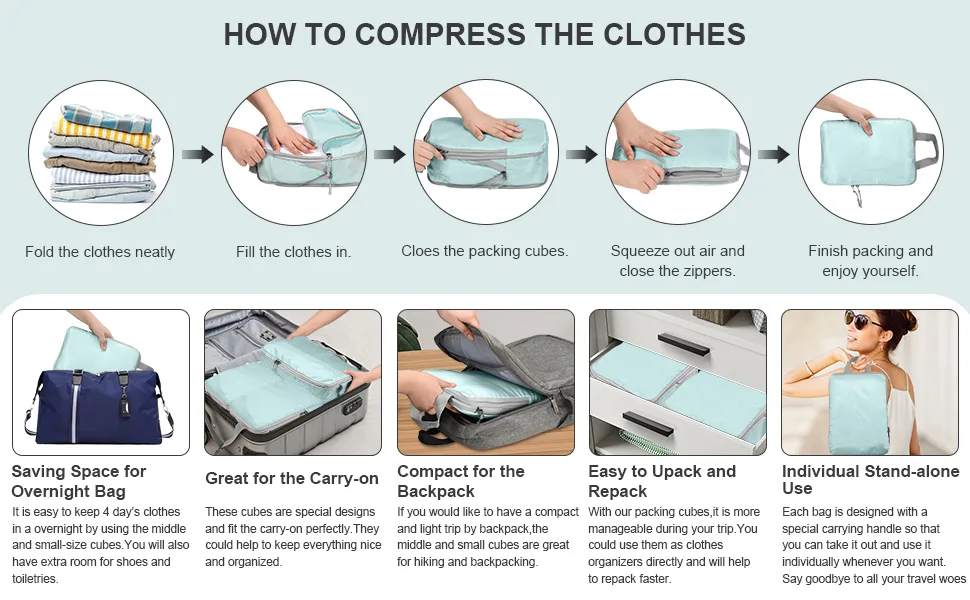
If you pack a summer wardrobe into a carry-on, compression packing cubes wrinkling linen dresses is likely an issue you know well. You zip the secondary compression track, board your flight, and unpack at your hotel only to find sharp, accordion-style creases stamped across the fabric. Instead of an easy, breezy outfit, you get a garment that looks like crumpled paper.
Linen behaves differently than synthetic technical fabrics or stretchy knits. Research on textile mechanics shows that pure flax fibers have an elongation rate of just 2.5% to 3.0%, giving them almost zero natural bounce-back when crushed. Squeezing linen flat inside an airtight nylon pouch creates rigid fold lines that simple shower steam cannot remove.
Image source: Bing (Web (fair-use with source credit))
Quick Answer
Compression packing cubes wrinkling linen dresses happens due to mechanical pressure. Flax fibers lack elasticity. Clamping them flat breaks hydrogen bonds inside the weave.
This action stamps permanent creases into the garment. For best results, use standard cubes or garment folders instead.
The Linen Dilemma: Why Compression Cubes Can Wreck Delicate Flax Dresses
Compression packing cubes use a dual-zipper perimeter system to push trapped air out of your clothes. For nylon hiking shorts, polyester blends, and merino wool, they work wonders. These stretchy, synthetic, or animal fibers bend under load and snap back into shape when unpacked.
Linen does not work this way. Garments made from European flax are stiff by nature. When you stack three linen dresses into a cube and squeeze the volume down by 40%, the fabric folds collapse under direct pressure.
The edges of those folds turn into sharp creases under the sustained mechanical clamping force of the zippers.
Travelers often find that the tighter the compression, the deeper the crease damage. Darker dyed linens can even develop faint white stress marks along the sharpest fold lines. If your goal is to land with ready-to-wear clothing, high-pressure compression is the fastest way to ruin your plans.
| Packing Method | Volume Saved | Crease Severity | Best Garment Fabric |
|---|---|---|---|
| Compression Cube | 30% to 50% | Extreme / Sharp | Synthetics, Merino Wool, Knits |
| Standard Packing Cube | 10% to 20% | Moderate / Soft | Cotton, Denim, Rayon Blends |
| Garment Folder / Envelope | 15% to 25% | Low / Controlled | 100% Linen, Dress Shirts, Silks |
| Flat Packing (Suitcase Lid) | 0% | Minimal / Wide | Structured Linen, Suiting, Gowns |
The Science of the Crease: What Compression Does to Flax Fibers
To fix the problem, you have to understand the plant fiber itself. Linen is spun from the bast fibers of the flax plant, known botanically as Linum usitatissimum. According to textile structural standards published by ASTM International, flax is composed mostly of crystalline cellulose microfibrils held together by natural plant gums and hydrogen bonds.
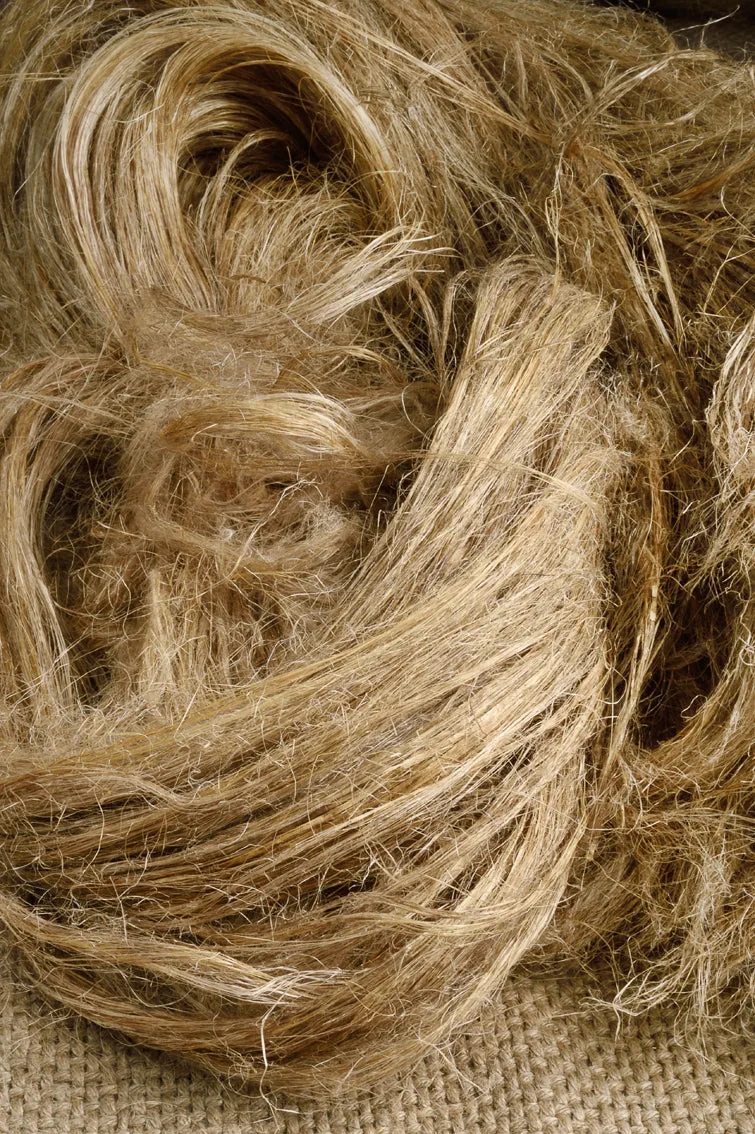
Image source: Bing (Web (fair-use with source credit))
When linen sits in a warm suitcase, ambient humidity softens those internal hydrogen bonds. The heavy clamping force of a compression cube forces the cellulose chains flat against each other. As the luggage holds that pressure over hours of transit, the bonds reset in that bent position.
This reaction creates a low Crease Recovery Angle (CRA). Synthetic polyesters simply roll with the punches because their long-chain polymers can flex and rebound. Flax lacks that elastic recovery.
Once compressed along an edge, it stays bent until high heat and water break the bonds again.
The Linen Decision Tree: Which Packing Method Fits Your Trip?
You do not have to leave your favorite dresses behind to travel light. You just need the right packing method for your destination and itinerary. Use this straightforward if/then guide to choose your setup:
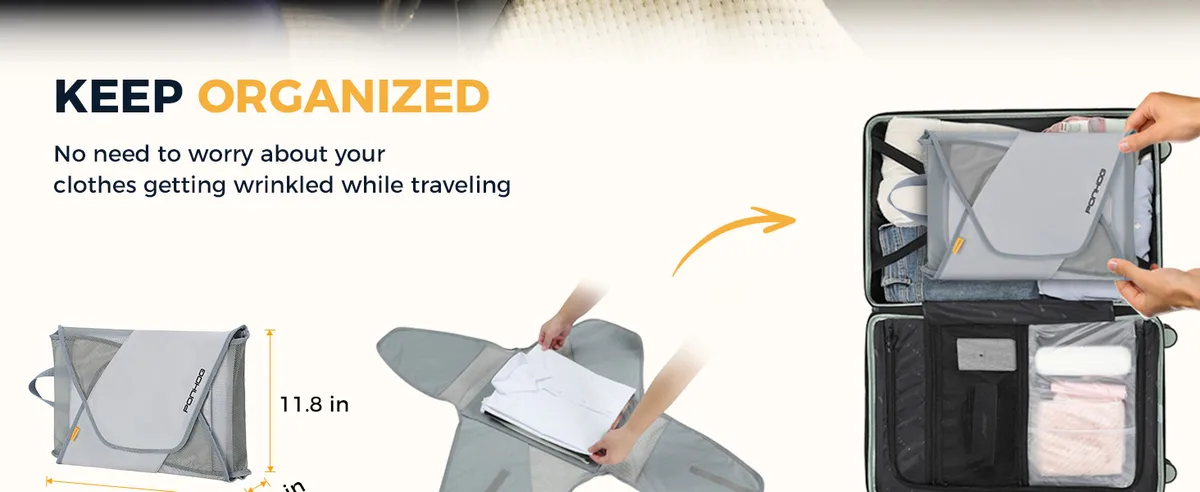
Image source: Bing (Web (fair-use with source credit))
- If you have a reliable iron or clothes steamer at your hotel: Go ahead and pack your linen dresses in a standard, uncompressed packing cube. A quick press on arrival will easily knock out the softer transit folds.
- If your room has no iron (European train travel, eco-lodges, boutique rentals): Skip cubes entirely for this dress. Use an envelope garment folder with a rigid plastic folding board, or lay the dress flat across the top tray of your roller luggage.
- If your dress is a linen-viscose or linen-rayon blend: You can safely use a standard packing cube with a gentle rolling technique. Viscose adds drape and helps the fabric shake out wrinkles faster than pure flax.
- If you are living out of a single 40L backpack: Use the bundle-wrapping method. Wrap your linen dress around a soft, wrinkle-resistant core of knit t-shirts or underwear to prevent hard-edge folds.
Step-by-Step: The Best Ways to Pack Linen Without Iron-Defying Creases
If you want to keep your dresses presentable without bringing a portable steamer, your packing technique matters. The goal is simple: eliminate friction, avoid sharp fold radiuses, and keep heavy pressure off the seams.
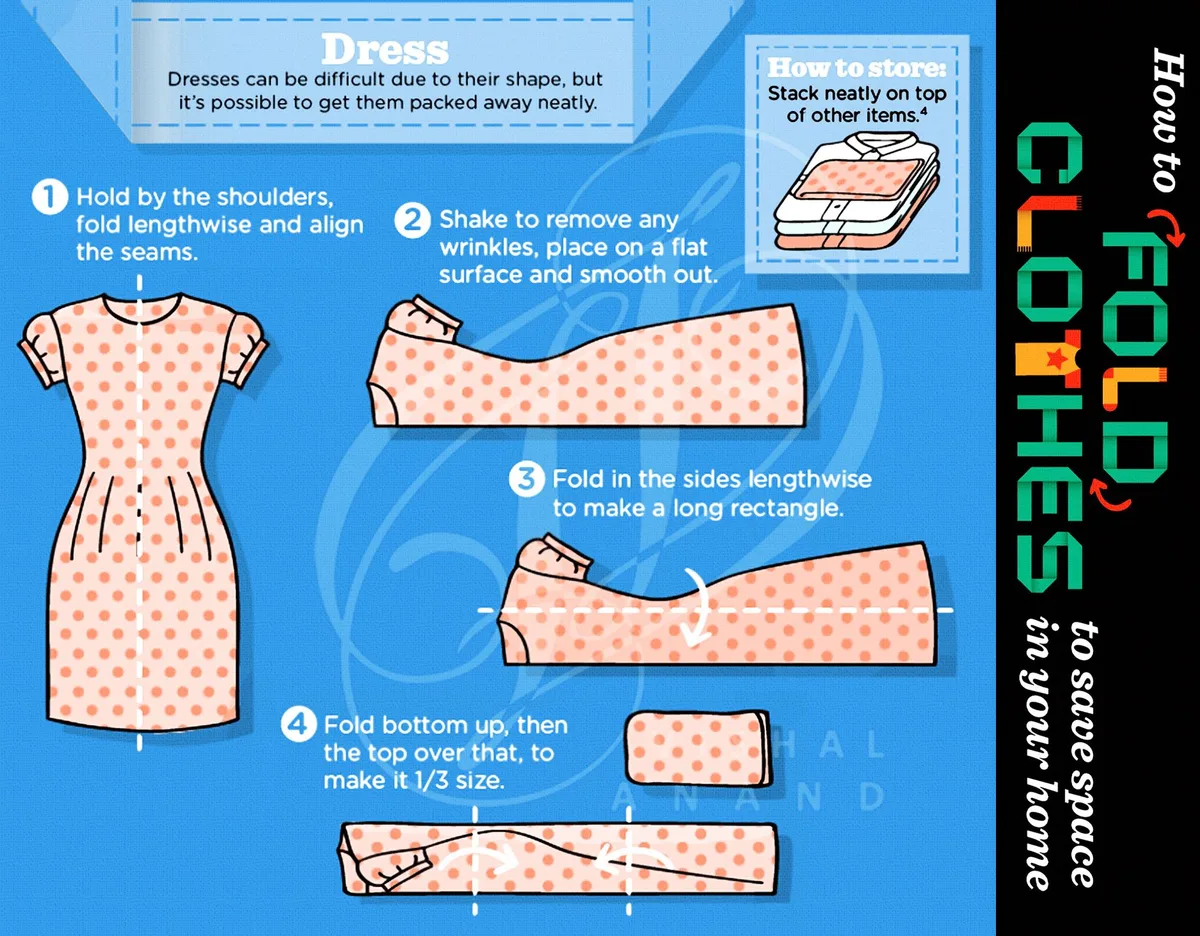
Image source: Bing (Web (fair-use with source credit))
Method 1: The Tissue Paper Interleaving Technique
Friction between layers of fabric is what locks deep folds in place. Using a physical slip-sheet lets the fabric glide instead of crimping.
- Lay your clean, bone-dry dress face-down on a flat surface like a bed or table.
- Smooth out the skirt and sleeves with your hands to remove pre-existing bunching.
- Place two sheets of acid-free tissue paper or a plastic dry-cleaner bag along the entire length of the dress body.
- Fold the sleeves inward over the paper. The paper acts as a soft cushion inside each bend.
- Fold the bottom third of the hem up, then fold down from the shoulders.
- Slide the dress into a standard, non-compressing cube as the very top item.
Method 2: The Soft-Core Bundle Wrap
Rolling linen tightly creates dozens of micro-creases. Wrapping it loosely around a soft center keeps the fold radius wide and smooth.
- Lay your dress out flat.
- Take a soft, wrinkle-proof item, such as a rolled cotton t-shirt, athletic leggings, or a fleece pullover, to serve as your core.
- Place the core item horizontally across the hem of the dress.
- Roll the linen loosely around that center item, taking care not to pull the fabric tight as you go.
- Pack this rolled cylinder into your main bag compartment without squeezing it into a compression pod.
Unpacking Triage: How to Drop Wrinkles Fast Without a Hotel Iron
Even with great packing, linen will always carry a soft, relaxed texture when unpacked. The key is knowing how to drop transit creases without spending your vacation wrestling with an old, stained hotel iron.
As of 2026, travel gear experts emphasize quick moisture activation over high-pressure pressing. Here is how to refresh your dress in ten minutes or less:
- Use the fine-mist gravity pull: Hang the dress on a sturdy wooden or padded hanger. Fill a small travel spray bottle with clean tap water and mist the dress evenly from 12 inches away until the surface is cool and barely damp. Gently grasp the hem, pull downward to apply tension, and smooth the fabric with your palms. Gravity will pull the relaxed fibers straight as the water evaporates.
- The enclosed shower steam trick: Do not hang the dress inside the shower stall where it can get splashed. Hang it on the back of the bathroom door, turn the shower to hot, and close the door for 10 minutes. Follow up immediately by hand-smoothing the warm, humid fibers against a flat door surface to set the shape.
- Target creases with a damp washcloth: If a single collar, belt, or hemline is badly creased, dampen a clean washcloth with hot water. Press and hold the cloth against the problem spot for 15 seconds, stretch the fabric gently, and let it dry flat on a clean towel.
What Not to Do: Common Mistakes That Cement Wrinkles into Linen
Packing linen poorly can turn light travel creases into permanent structural folds. Most travelers make mistakes during preparation rather than during transit.
- Packing slightly damp linen: Moisture resets hydrogen bonds under pressure. If you pack a freshly washed or steamed dress that retains even slight residual humidity, compression sets those folds like concrete. Make sure linen is completely dry before packing.
- Rolling items tightly under high tension: Rolling works well for synthetic workout gear. With stiff flax weaves, tight rolling creates dense rings of friction wrinkles across the entire body of the dress.
- Placing linen at the bottom of your suitcase: Stacking heavy denim, boots, or toiletry kits on top of your linen acts like a continuous clamp. Keep delicate dresses at the top of your bag to minimize static weight.
- Using commercial wrinkle-release sprays with heavy silicones: Many synthetic garment sprays leave visible water spots on unbleached or garment-dyed flax. Stick to pure distilled water or verify fabric compatibility first.
Frequently Asked Questions About Packing Linen Clothing
Can you use compression cubes for linen blends?
Yes, you can safely compress linen blends that feature at least 30% rayon, viscose, or lyocell. These semi-synthetic cellulose fibers add elasticity and drape. The fabric tolerates folding pressure far better than 100% pure flax, dropping transit creases quickly once hung.
Is rolling or folding better for linen dresses?
Loose folding with wide radiuses is significantly better than tight rolling. Rolling puts the outer surface under high friction tension while crushing the inner layers, causing micro-wrinkles. Wide folds padded with tissue paper prevent those sharp, localized creases across the fabric.
How do you get deep creases out of linen without an iron?
Hang the dress in a closed bathroom while taking a hot shower to allow the ambient steam to relax the fibers. Afterwards, mist the stubborn creases with clean water and pull the fabric taut by hand. Let gravity pull the hem flat as it dries.
Why does linen wrinkle more than cotton?
Linen fibers are thicker, stiffer, and less elastic than cotton fibers. Cotton fibers have a natural twist that absorbs bending forces, whereas flax fibers have high crystalline content with low flexibility. When flax bends under luggage pressure, the fibers lock into that crease instead of snapping back.
The Final Verdict: When to Compress and When to Pack Flat
Compression cubes remain one of the best space-saving tools for travel, but they simply clash with pure flax. The mechanical force that shrinks your sweaters and activewear works directly against the stiff molecular structure of woven linen.
If your trip calls for crisp tailoring and formal linen dresses, leave the compression cubes in the drawer. Reach for a structured garment folder, interleave the folds with tissue paper, and pack the pieces near the top of your luggage. You will save ten minutes of frantic ironing on the other end.
Save your compression cubes for base layers, socks, and durable synthetics. By separating elastic clothes from rigid natural fibers, you get the volume savings of compression without destroying the look of your summer wardrobe.

Similar Posts