2-Inch vs. 3-Inch Block Heels: Which Height Is Best?
Founder & Fashion Creative Director at Julia Fashionista · CFDA Fashion Scholar, Certified Image Consultant (AICI) · 12+ years in editorial wardrobe styling, sustainable textile sourcing, and luxury capsule curation
Choosing the right block heel height 2 inch vs 3 inch often comes down to a battle between pure comfort and sharper posture. That single inch seems minor on paper, but it completely transforms how your weight lands on your feet.
A 2-inch heel keeps roughly half your body weight on your rear foot, while a 3-inch heel shifts up to 75% of that load straight onto your metatarsal heads. Understanding this physical tipping point helps you pick the right pair for your daily routine.
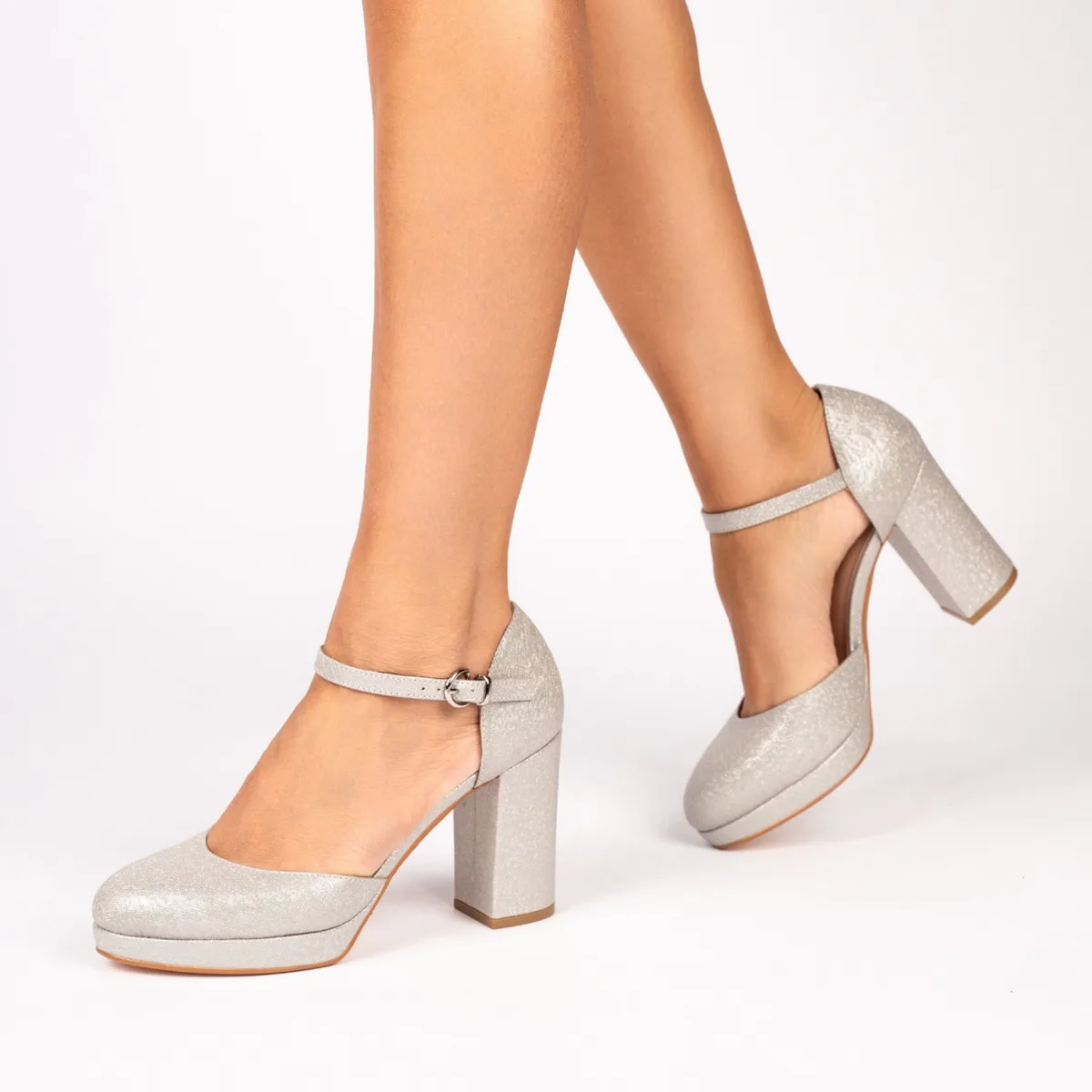
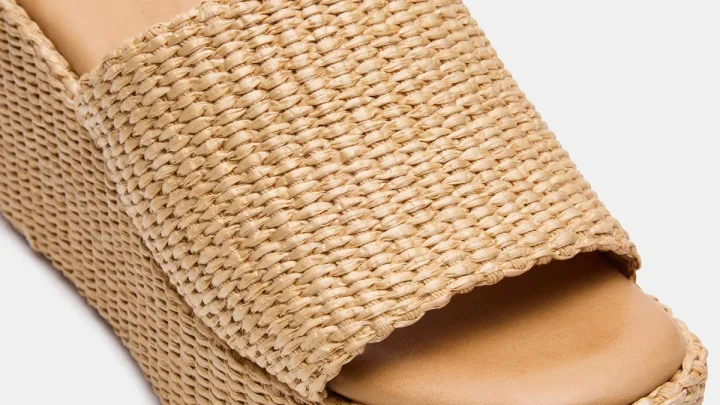
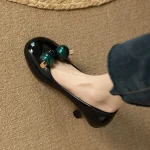
Image source: Web (Bing) / laceandfavour.com (Web image (fair-use with source credit))
Quick Answer
A 2-inch block heel suits full days on your feet. It maintains natural weight distribution across your whole foot. A 3-inch block heel gives more lift and formal polish.
It shifts body weight onto the ball of your foot. Pick 2 inches for walking and 3 inches for evening wear.
The Biomechanics: How Pitch and Foot Pressure Shift Between Heights
Footwear pitch is the vertical drop from your calcaneus (heel bone) down to the ball of your foot. When you elevate the heel, your entire center of gravity moves forward. A wider base helps with side-to-side balance, but it cannot eliminate downward gravitational force.
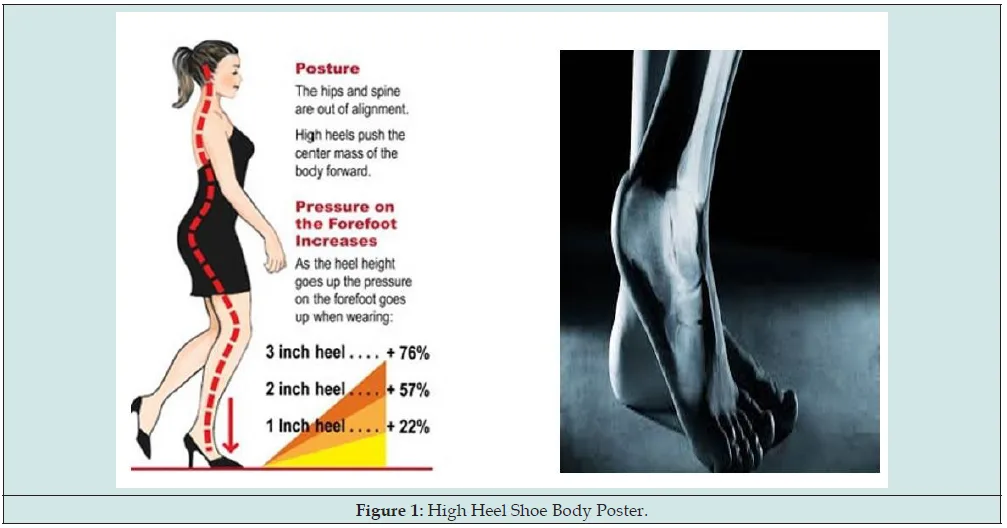
Image source: Bing (Web (fair-use with source credit))
At 2 inches (roughly 50mm), your foot sits at an easy angle of about 15 to 18 degrees. Clinical guidance from the American Podiatric Medical Association indicates that keeping heel height under two inches minimizes forefoot pressure and gait abnormalities. You retain a standard heel-to-toe stride, and your calf muscles stay close to their resting length.
At 3 inches (about 75mm), the incline steepens toward 25 to 30 degrees depending on your shoe size. The pressure on your forefoot spikes dramatically. Your pelvis tilts forward, your lower back arches slightly, and your knees absorb more torque with every step.
The block base stops your ankle from wobbling sideways, but the ball of your foot carries the brunt of the impact.
The 2-Inch Block Heel: The All-Day Workhorse
A 2-inch block heel provides subtle elevation while preserving functional, pain-free mobility. It functions as the ultimate commuter shoe because it never forces your foot into an aggressive, unnatural position.
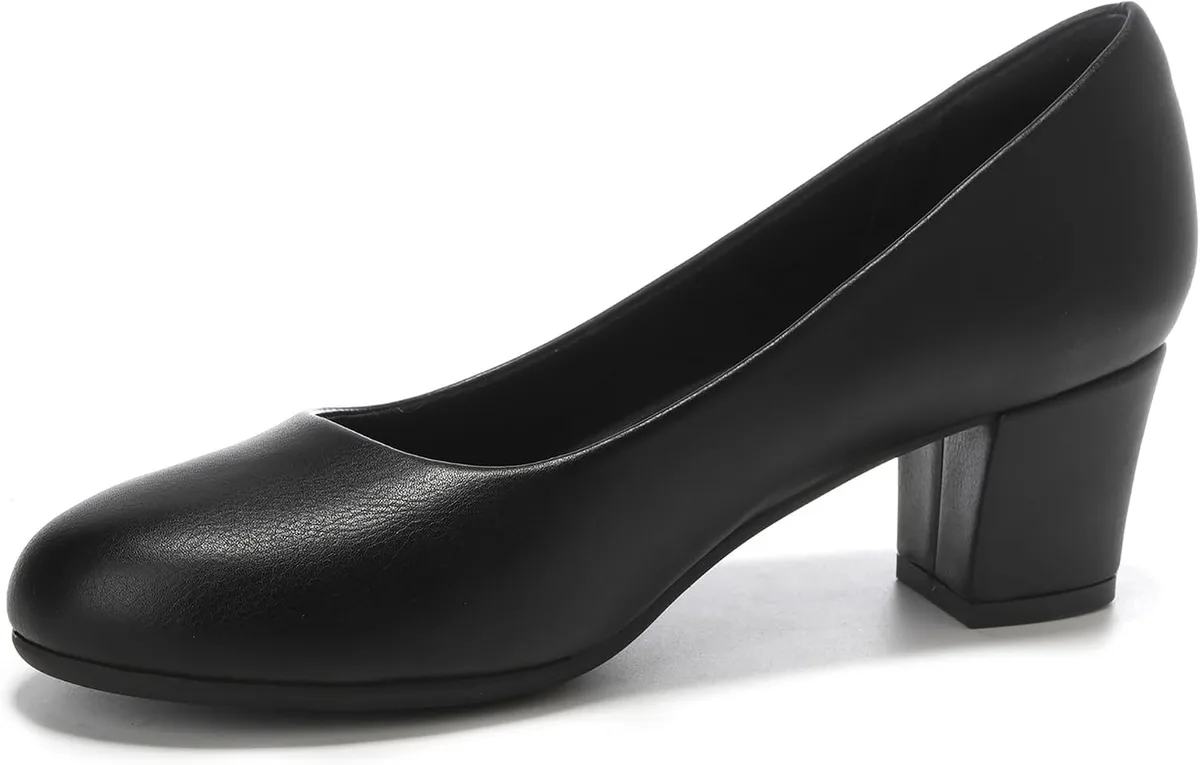
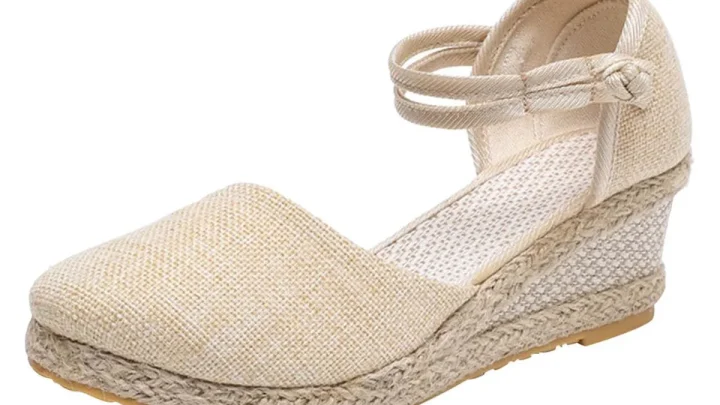
Image source: Bing (Web (fair-use with source credit))
The Everyday Wins
- Even weight distribution: The 50mm rise keeps roughly half your weight on your heel bone, preventing metatarsal burn.
- Natural stride: You can land solidly on your heel and roll through your toes without altering your gait.
- Stable surface area: The broad ground contact lets you cross subway grates, sidewalk cracks, and brick paths without hesitation.
- Zero foot sliding: Your foot stays seated in the heel cup instead of sliding downward into the toe box.
Where the 2-Inch Heel Falls Short
The 2-inch heel offers limited dramatic lift. It provides a modest visual boost, but it will not give you the striking calf elongation of a higher shoe.
Wide-leg trousers and floor-length maxi dresses can also pose a problem. A 2-inch height often lacks the clearance needed to keep wide trouser hems from dragging along dusty ground. If you want a bold, dressy statement shoe, this modest profile can sometimes feel a bit casual.
The 3-Inch Block Heel: Height, Posture, and Drama
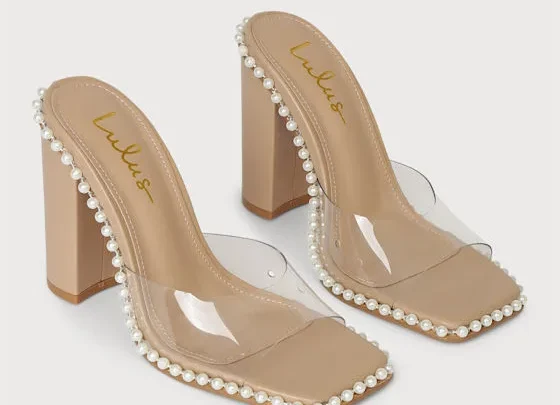
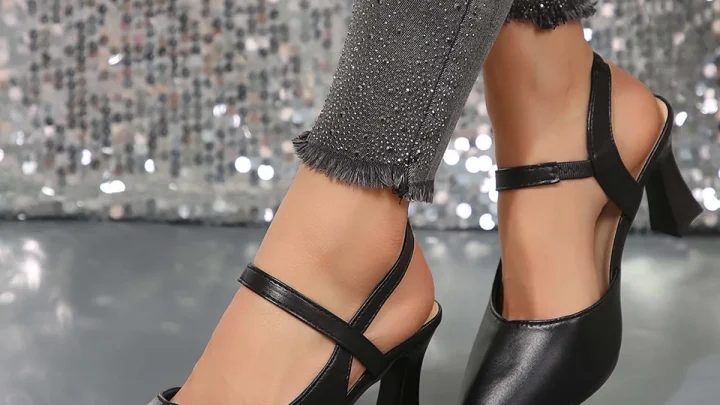
The 3-inch block heel steps into statement territory. It provides the visual drama of a stiletto while using a chunky base to keep your ankles steady.
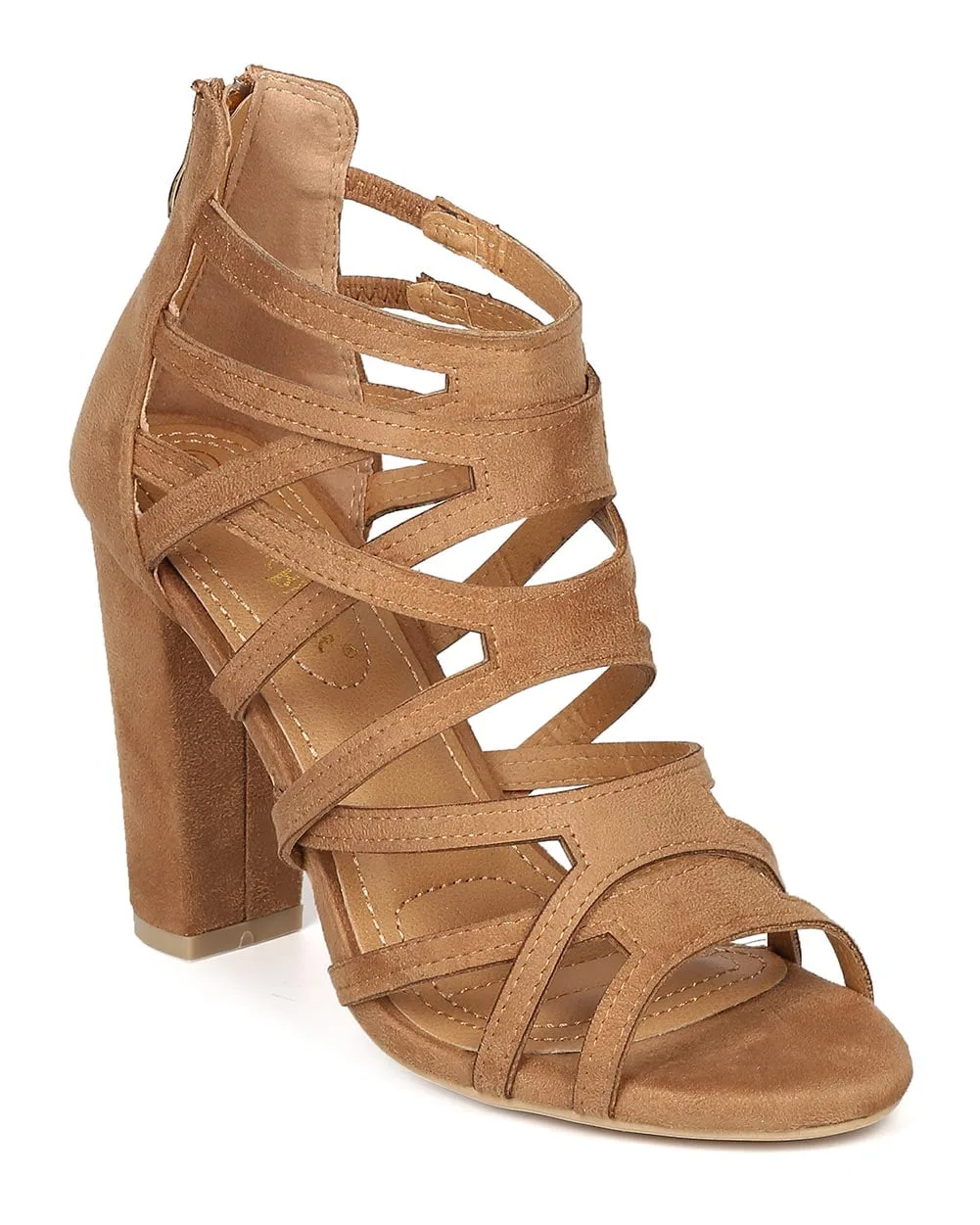
Image source: Web (Bing) / walmart.com (Web image (fair-use with source credit))
The Visual and Styling Advantages
- Pronounced silhouette: The 75mm incline arches the foot sharply, lifting your calves and changing your standing posture.
- Hemline clearance: It provides the clearance required for long tailoring, wide-leg palazzos, and formal gowns.
- Formal presence: The height reads distinctly dressy, making it a reliable option for galas and black-tie events.
- Lateral support: The wide toplift helps prevent outward ankle rolls that typically happen in thin stilettos.
The Cost to Your Feet
That extra inch changes your endurance window. Aggregate user feedback indicates that standing tolerance drops from a full day down to about three or four hours.
Gravity continuously pulls your foot downward into the front of the shoe. That friction can pinch your toes against the toe box and trigger burning metatarsalgia under the ball of the foot. Your calf muscles also stay shortened throughout the day, which often causes tight Achilles tendons once you kick your shoes off.
Side-by-Side Breakdown: 2-Inch vs. 3-Inch Block Heels
Choosing between these two comes down to how long you plan to stand and what your outfit demands.
| Feature | 2-Inch Block Heel (50mm) | 3-Inch Block Heel (75mm) |
|---|---|---|
| Forefoot Pressure | Around 50% of body weight | Up to 75% of body weight |
| Comfort Window | 8 to 10+ hours of continuous wear | 3 to 4 hours of standing or walking |
| Incline Angle | Mild (~15° to 18°) | Moderate to steep (~25° to 30°) |
| Gait Style | Normal heel-to-toe strike | Shortened stride, quicker toe roll |
| Terrain Versatility | Handles stairs, gravel, and grates | Stable on grass, slower on cobblestones |
| Best Outfit Match | Cropped pants, midi skirts, casual denim | Wide-leg trousers, long dresses, evening wear |
The 2-inch height remains the better choice if your day involves unpredictable errands or extended walking. The 3-inch version works best when your time on your feet is limited and your outfit requires extra vertical lift.
Real-World Scenarios: Which Height Wins Where?
Real environments test footwear differently than a quick try-on at home. Where you walk, how long you stand, and the clothes you wear dictate whether that extra inch helps or hurts.
Commutes, City Sidewalks, and Cobblestones
The 2-inch block heel easily wins the urban commute. It provides enough clearance to keep your feet out of street grime without forcing you to slow your walking pace.
Cobblestones and metal subway grates catch narrow heels instantly. A wide 2-inch base glides over uneven pavers, letting you sprint for the train without twisting an ankle. At 3 inches, even a chunky heel demands a slower pace on broken concrete because your center of gravity sits higher.
8-Hour Workdays and Office Floors
A 2-inch block heel takes the prize for long shifts on hard commercial surfaces. Hardwood, polished concrete, and thin office carpets offer very little natural shock absorption.
A 2-inch rise lets your calcaneus absorb the initial landing impact naturally. If your job involves teaching, retail floor shifts, or walking between meeting rooms, 2 inches prevents mid-day foot fatigue. A 3-inch shoe works fine for desk-heavy roles, but standing during long presentations will make you search for a chair.
Weddings, Galas, and Evenings Out
The 3-inch block heel takes the lead for formal occasions. Outdoor lawns are notorious for swallowing thin heels, but a 3-inch block stays perched right on top of soft grass.
You get the elevated stance of a dress stiletto without sinking into turf during cocktail hour. You can mingle outside, take photos, and head to the dance floor with stable footing. Expect about three or four hours of comfortable dancing before the forefoot pressure encourages you to switch into flats.
Styling Wide-Leg Trousers and Midi Hemlines
Hemline length often decides the height for you. Wide-leg palazzo pants, puddle trousers, and long evening skirts demand a 3-inch block heel to keep the fabric off dirty sidewalks.
The added height creates clean lines and lets tailored fabrics drape properly. For midi skirts, cropped ankle trousers, and straight-leg jeans, a 2-inch block works best. It keeps the outfit looking grounded and proportional without overwhelming a casual daytime silhouette.
Smart Buying and Comfort Strategies for Both Heights
The stated heel height does not tell the whole story. You can make both options significantly more comfortable by inspecting shoe construction before buying.
- Look for an offset platform: A 3-inch heel paired with a 1/2-inch sole platform feels like a 2.5-inch heel to your foot. That small front lift reduces the steepness of the pitch.
- Inspect the arch shank: High-quality shoes use a tempered steel or composite shank under the arch. This internal bridge holds your weight instead of letting the footbed collapse.
- Add metatarsal padding: Placing high-density foam or silicone inserts right behind the ball of your foot redistributes downward pressure. It keeps your toes from taking the brunt of the impact.
- Choose supportive uppers: Ankle straps, higher vamps, or boot shafts lock your instep in place. They prevent your toes from sliding forward and jamming against the front of the shoe.
Industry production standards show that shoe brands measure heel height on a sample size (usually a US women's 7). If you wear a size 5, a 3-inch heel creates a much steeper pitch than it does on a size 10. Keep your shoe size in mind when evaluating how aggressive an incline will feel.
Frequently Asked Questions About Block Heel Heights
Can you walk all day in a 3-inch block heel?
Most people cannot walk comfortably in a 3-inch block heel all day. The wide base provides steady balance, but the steep angle still places intense pressure on your forefoot. After four hours of continuous walking, ball-of-foot soreness and calf fatigue usually set in.
Does a block heel feel shorter than a stiletto of the same height?
A block heel feels slightly lower than a stiletto because your heel strike is stable. The actual pitch and angle remain identical, but the broader ground contact eliminates the muscle fatigue caused by balancing on a pinpoint. That extra stability makes walking feel far more secure.
Which height is better for preventing lower back pain?
A 2-inch block heel is much better for preventing lower back strain. Footwear exceeding two inches tilts the pelvis forward and increases lumbar lordosis, which compresses spinal joints. The lower 2-inch incline lets your spine and pelvis maintain a more neutral posture while walking.
Are 2-inch block heels considered stylish or too casual?
A 2-inch block heel is highly versatile and easily dressed up or down. Pointed or square-toe designs in leather or suede look professional in corporate offices. They deliver an intentional, tailored appearance while remaining far more practical for everyday use than higher alternatives.
How much difference does one inch really make in a heel?
One extra inch fundamentally changes your foot biomechanics. Moving from 2 to 3 inches increases forefoot weight distribution from roughly 50% up to nearly 75%. That dramatic jump sharply reduces your pain-free wear time and alters your natural stride.
The Final Verdict: How to Choose Your Exact Height
Base your decision on your schedule and outfit length rather than the broad stability of the block base.
Pick the 2-inch block heel if you need an everyday, desk-to-dinner shoe that supports a full day on your feet. It handles daily commutes, active workdays, and extensive city walking without causing metatarsal strain. You trade a little bit of vertical lift for reliable, eight-hour comfort.
Pick the 3-inch block heel when your outfit demands dramatic height and tailoring clearance. It is the ideal choice for lawn weddings, dinner parties, and formal events where you want elevated posture without stiletto wobbles. Just remember to pack metatarsal pads or keep a backup pair of flats ready for later in the evening.

Similar Posts