How to Stop Espadrille Ankle Straps from Rubbing
Founder & Fashion Creative Director at Julia Fashionista · CFDA Fashion Scholar, Certified Image Consultant (AICI) · 12+ years in editorial wardrobe styling, sustainable textile sourcing, and luxury capsule curation
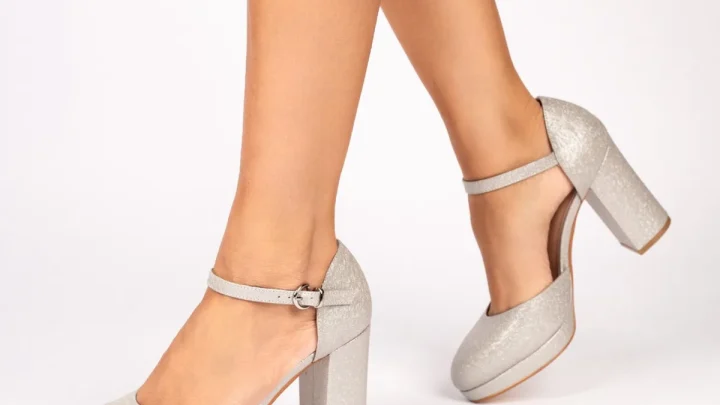
You strap on a fresh pair of espadrilles, step out the door, and within three blocks, the back of your foot is on fire. Having your platform espadrilles ankle strap rubbing against delicate skin turns a relaxed summer stroll into an agonizing shuffle. The sharp, burning pinch makes every step feel like sandpaper dragging across your ankle bone or Achilles tendon.
According to footwear testing standards from the SATRA Technology Centre, thick and inflexible outsoles dramatically increase shear strain at the rearfoot interface. When an inflexible sole cannot bend with your natural gait, that force redirects straight into the strap. Fortunately, you do not need to abandon your favorite summer footwear to save your skin.
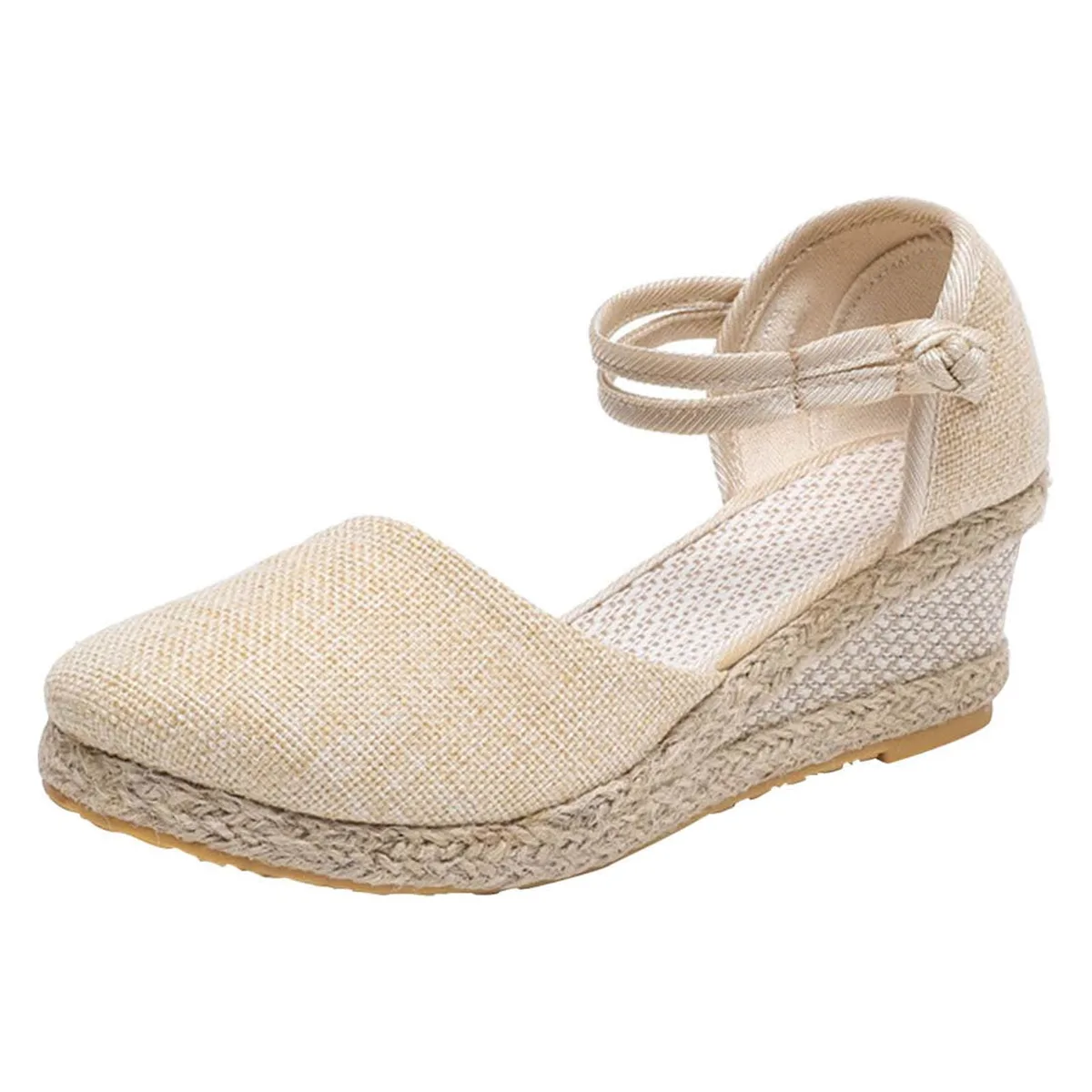
Image source: Bing (Web (fair-use with source credit))
Quick Answer
Platform espadrilles ankle strap rubbing happens when rigid soles block natural foot flexion. The heel lifts upward while the heavy platform pulls straight down. This movement forces the ankle strap to saw against delicate skin.
You can stop this instantly with silicone friction sticks or hydrocolloid pads. For long-term comfort, punch an extra buckle hole or soften stiff strap edges.
Why Platform Espadrilles Tear Up Your Ankles (The Mechanics of Heel Lift)
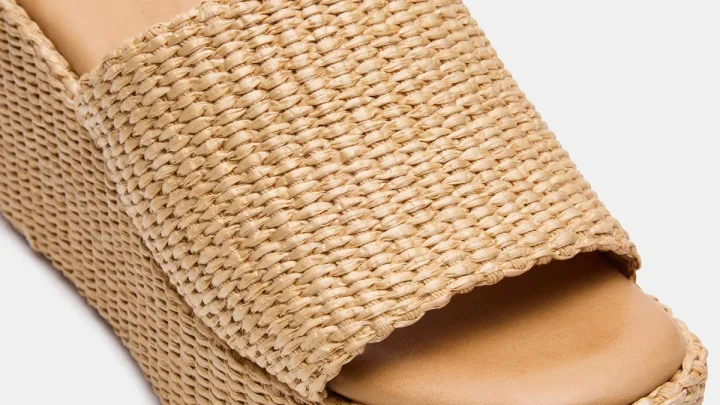
To solve the friction, you have to understand the physics working against your feet. Unlike standard flats, platform espadrilles feature a thick, dense block of braided jute rope topped with vulcanized rubber. As of 2026, fashionable platform heights frequently average between 2 and 4 inches.
That thick block creates a physical lever arm that your foot must lift with every step.
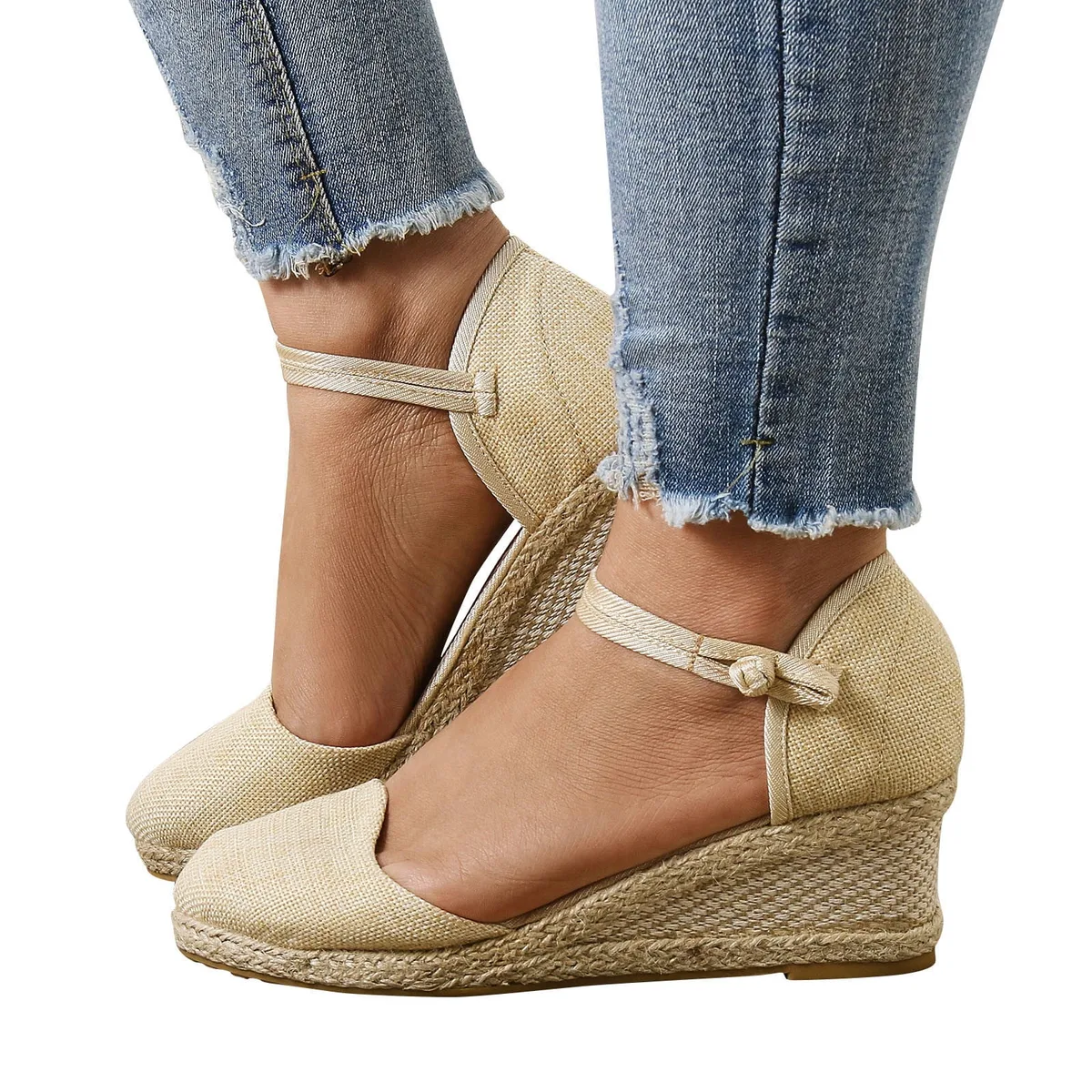
Image source: Bing (Web (fair-use with source credit))
In a normal shoe, the sole flexes at the metatarsophalangeal joints (the ball of your foot) during the push-off phase of your stride. With a solid espadrille platform, that sole flexion is practically zero. Because the shoe cannot roll or bend, your foot attempts to roll forward naturally while the heavy sole stays flat against the ground.
This mechanical mismatch creates what biomechanists call heel lift. Your heel separates from the footbed, rising straight up, but the ankle strap tethers the shoe to your leg. The entire weight of the platform drags down against that single strip of leather or canvas.
That downward pull causes intense mechanical shear stress. The strap does not simply rest on the skin. It slides, tugs, and saws against your epidermis.
Add in warm summer weather, foot sweat, and skin softening, and you have the perfect recipe for painful friction blisters within minutes.
Quick Diagnostics: Pinpointing Exactly Where and Why the Strap Rubs
Before grabbing random bandages or oils, check where the abrasion actually sits. Different friction zones stem from entirely different fitting problems.
Take a close look at your foot in front of a mirror while standing with your full weight on the shoe:
- The Achilles Tendon (Directly Behind the Ankle): If the rubbing concentrates here, your shoe has excessive vertical heel lift. The ankle strap is either sitting too loose, allowing the heel cup to drop away, or the strap sits at an improper height that chops into the tendon.
- The Lateral or Medial Malleolus (The Bony Protrusions): If your pain sits directly on the ankle bones, the strap placement is either too low or the buckle hardware is resting right against the bone. Pressure points on bare bone cause bruising long before blisters even appear.
- The Anterior Ankle (Across the Front of the Foot): If the front strap bites into your flex crease, the strap is pulled too tight. People often overtighten straps to stop the heavy sole from flopping, which binds the ankle during forward motion.
Once you know whether you are battling vertical slip, hardware contact, or excessive strap tension, you can apply the right solution.
The Friction Fix Workflow: Match Your Problem to the Solution
Use this targeted workflow to eliminate chafing based on your specific diagnostic result.
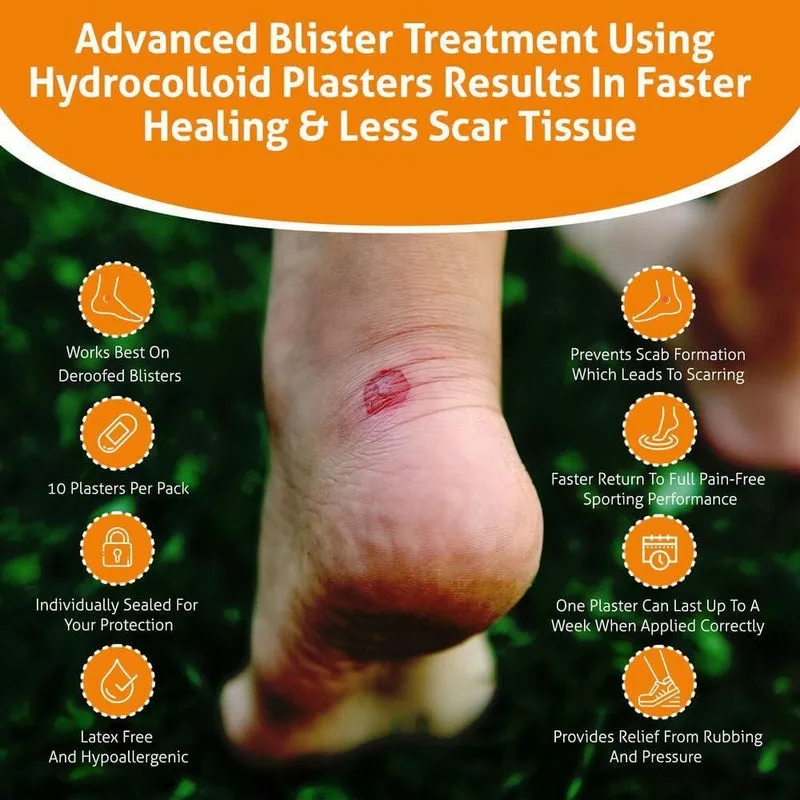
Image source: Bing (Web (fair-use with source credit))
Branch 1: The Strap Slices the Back of Your Achilles
If the strap saws against your Achilles, you must reduce heel slippage or place a durable shear barrier on the skin.
First, insert an adhesive heel cup grip or a thin suede heel liner into the back of the espadrille footbed. This fills dead space and locks your heel closer to the base.
Second, protect the skin using hydrocolloid blister bandages rather than standard cotton-pad bandages. Hydrocolloid seals to the epidermis and forms an artificial second skin that absorbs shear force. If you prefer not to wear bandages, coat the back of your heel thoroughly with an anti-friction silicone stick.
Branch 2: The Buckle Digs Directly into Your Ankle Bone
When hardware bites into bone, topical balms will not help because the issue is pressure, not surface friction.
If the buckle hits your lateral malleolus, unbuckle the shoe and inspect the tongue or keeper loop. You can purchase adhesive moleskin sheets, cut an oval patch slightly larger than the buckle, and adhere it directly to the underside of the metal hardware.
Alternatively, thread a soft silicone strap sleeve over the strap so it cushions the interface between the metal prong and your ankle bone.
Branch 3: The Canvas or Leather Edges Chafes Raw Across the Top
Stiff, untreated edges on canvas or bonded leather act like dull serrated blades against soft skin.
If dealing with stiff leather, apply a dab of specialized leather conditioner or stretching oil directly to the strap edges using a cotton swab to soften the fibers.
If dealing with rough woven canvas or esparto rope ties, take an ultra-fine emery board or 400-grit sandpaper. Lightly buff the inner edge of the fabric strap to remove micro-burrs and soften rough weave ends. Follow this by rubbing a beeswax stick or clear candle wax along the inner edge to create a slick glide line.
Quick Field Fixes vs. Permanent Modifications: A Side-by-Side Comparison
When you are stranded mid-walk, you need an instant fix. When you are prepping your shoes at home for the entire season, permanent alterations work best.
Here is how common interventions compare in terms of longevity, tool requirements, and effectiveness:
| Method | Best For | Application Time | Permanence | Pros & Cons |
|---|---|---|---|---|
| Anti-Chafe Barrier Balm | Mild edge rubbing, light canvas ties | 30 seconds | Temporary (reapply every 2-3 hours) | Pros: Invisible, zero shoe modification. Cons: Sweat washes it away; leaves slick residue. |
| Hydrocolloid Bandages | Active hot spots, deep skin shears | 1 minute | Semi-temporary (lasts 1-2 days) | Pros: Absorbs friction completely, water-resistant. Cons: Visible on bare skin; single-use cost. |
| Moleskin on Strap Interior | Hard buckle bite, rough inner seams | 5 minutes | Medium (lasts several weeks) | Pros: Shields skin without visible exterior patches. Cons: Adhesive can collect dirt or peel in high heat. |
| Rotary Hole Punch | Straps that sit too loose or tight | 2 minutes | Permanent | Pros: Resolves improper tension forever. Cons: Irreversible; requires leather punch tool. |
| Edge Sanding & Conditioning | Stiff leather or rigid canvas cuts | 15 minutes | Permanent | Pros: Retains shoe aesthetics; permanently eliminates bite. Cons: Takes time; requires leather balm or sandpaper. |
Step-by-Step: How to Permanently Soften and Adjust Stubborn Straps
If you want to wear your espadrilles all summer without constantly taping your heels, take twenty minutes to customize the straps at home.
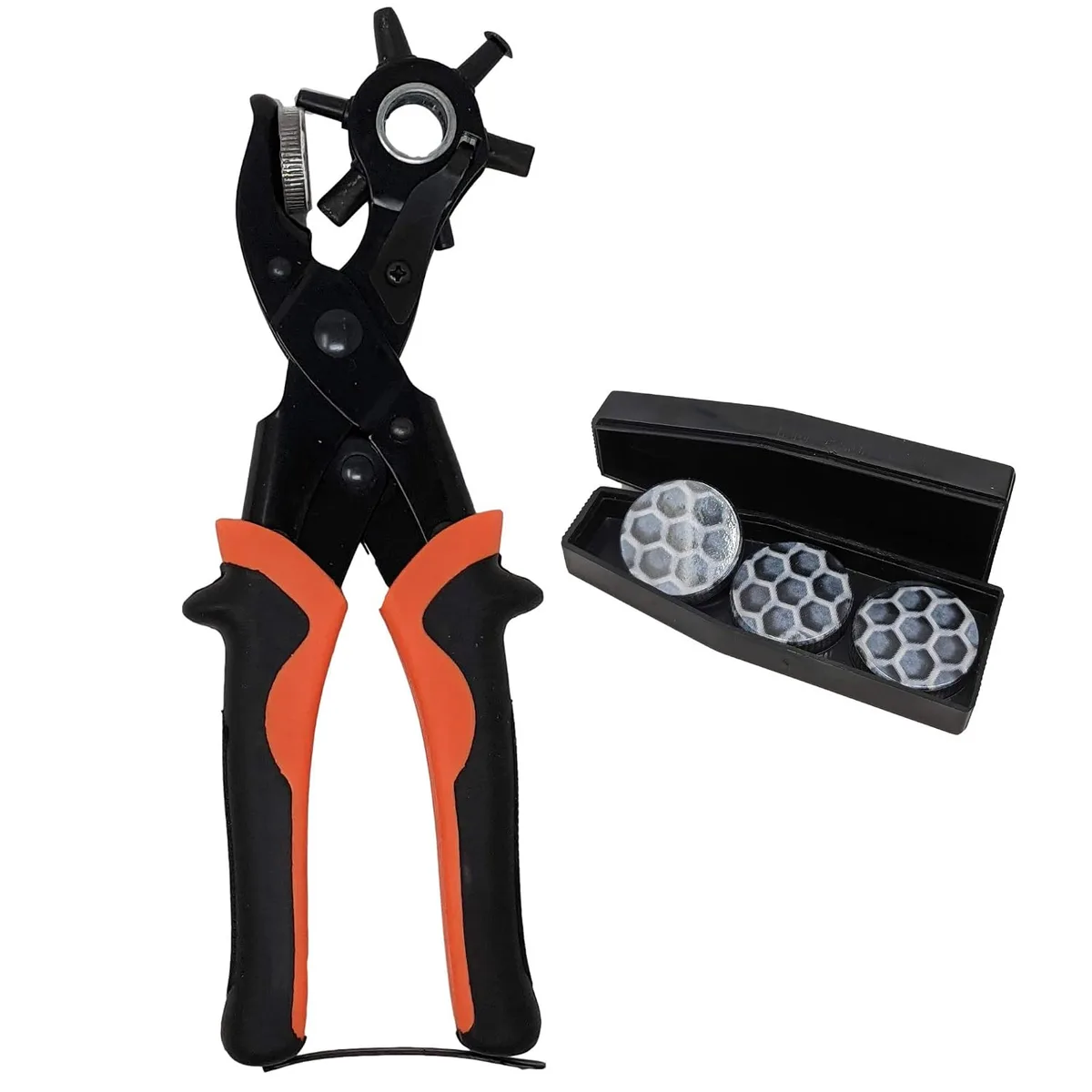
Image source: Bing (Web (fair-use with source credit))
Step 1: Loosen the Sole Stiffness Manually
Before tweaking the strap, reduce the heavy lever action of the sole. Grip the toe of the espadrille in one hand and the heel in the other. Gently bend the sole upward in a flexing motion several times.
You will not fold it in half, but flexing helps loosen the rigid binder adhesives inside the braided jute midsole, easing heel pull.
Step 2: Mark Your Custom Tension Point
Standard factory strap holes sit roughly 1/4 inch apart. Often, one hole leaves the platform dragging, while the next cuts off circulation. Put the shoe on and find the sweet spot where your heel stays planted without strangling your ankle.
Use a pencil tip to mark this intermediate spot directly on the strap.
Step 3: Punch a Clean Intermediate Hole
Never use a hammer and nail or scissors to make a hole. That weakens the strap and frays stitching. Use a hand rotary leather punch tool.
Match the punch wheel diameter precisely to the original factory holes (usually 2mm or 2.5mm). Align the wheel over your pencil mark, squeeze firmly over a scrap piece of wood or firm cardboard, and punch cleanly through the material.
Step 4: Condition and Flex the Strap Edges
If your strap is real leather, rub a pea-sized amount of leather balm or mink oil into both sides. Once coated, roll the strap between your fingers like a piece of rope, gently kneading the perimeter edges. This breaks the structural rigidity of the leather grain, transforming a stiff edge into a pliable, rolled contour that glides over skin.
Common Mistakes That Make Platform Rubbing Worse
Trying to stop strap irritation with the wrong methods often makes the chafing much worse. The most common error is cranking the ankle strap as tight as possible. Wearers think clamping the strap will stop the shoe from slipping.
In reality, this pins the strap against moving tendons and restricts blood flow, causing deeper tissue bruising alongside surface blisters.
Another frequent misstep is using standard plastic or sheer fabric adhesive bandages. Standard bandages lack the structural strength to handle shear forces. Within twenty paces, the heavy platform causes the bandage edges to roll up.
This creates a gummy, abrasive wad of adhesive that saws directly into the open friction spot.
- Slathering on heavy petroleum jelly: While thin anti-friction balms work well, thick petroleum jelly softens the skin keratin (maceration). Over-softened skin tears and blisters twice as fast under mechanical pressure.
- Soaking jute soles in water to soften them: Wetting natural esparto rope ruins the shoe. Water dissolves the interior glues, swells the fibers, and permanently rots the core.
- Stretching canvas straps with heat: Unlike real leather, woven cotton and synthetic canvas do not stretch under blow-dryer heat. Heating simply degrades the structural stitching holding the buckle intact.
Avoid quick fixes that compromise either your skin integrity or the shoe's construction.
Frequently Asked Questions About Espadrille Strap Chafing
How can I stop my ankle strap from rubbing immediately?
Apply a generous swipe of an anti-chafe stick directly onto your skin where the strap rests. If skin is already red, skip the balm and apply a hydrocolloid bandage. Hydrocolloid absorbs shear stress, stays put through sweat, and cushions raw skin right away.
Why do platform espadrilles cause worse blisters than flat sandals?
Platform soles are rigid and do not bend when you step. Because the thick jute sole cannot roll forward, your heel lifts while the platform drags down. That pulling force puts intense mechanical strain directly onto the ankle strap, generating immediate friction.
Should I wear ankle socks with platform espadrilles?
No-show slingback socks or sheer ankle socks eliminate friction, but they often ruin the summery aesthetic. If you dislike socks, line the inside of the strap with velvet tape or moleskin. That creates an invisible barrier without changing the look of your shoe.
Can a cobbler fix an ankle strap that sits too high or low?
Yes, a professional cobbler can easily reposition the strap anchor points or shorten the heel counter. They can also stitch a soft split-suede lining underneath the rough strap, permanently eliminating rough canvas edges and sharp hardware contact.
The Verdict: How to Keep Your Platform Espadrilles Blister-Free
You do not have to endure painful cuts or bloody ankles just to wear your favorite summer platforms. The friction comes down to basic physics: heavy, rigid soles fight against natural foot motion. The key is simply canceling out that mechanical shear before it damages your skin.
Start with the least invasive adjustments. Place silicone heel grips inside the shoe to lock your foot down and minimize the initial lift. If you are heading out for a long day on pavement, apply a blister-prevention patch or anti-chafe balm to vulnerable spots ahead of time.
Pre-treating your skin always works better than treating a raw wound later.
For long-term wear, invest a few minutes into tailoring the straps. Punch custom buckle holes for an exact fit, soften stiff leather edges with conditioner, and pad scratchy metal hardware with moleskin. With the right fit and proper friction barriers, you can walk comfortably in your platform espadrilles all season long.

Similar Posts