How to Wash a Baggu Medium Nylon Crescent Bag Safely
Founder & Fashion Creative Director at Julia Fashionista · CFDA Fashion Scholar, Certified Image Consultant (AICI) · 12+ years in editorial wardrobe styling, sustainable textile sourcing, and luxury capsule curation
Spilling iced coffee or makeup inside your purse is an instant headache. Fortunately, Baggu medium nylon crescent bag washing is straightforward and completely safe if you follow a few basic fabric rules.
Per manufacturer specifications and textile care standards from ASTM International, synthetic fibers require cold temperatures and zero harsh agitation. As of 2026, the Medium Crescent features 100% recycled nylon exterior fabric and lining, making it durable yet sensitive to direct heat.
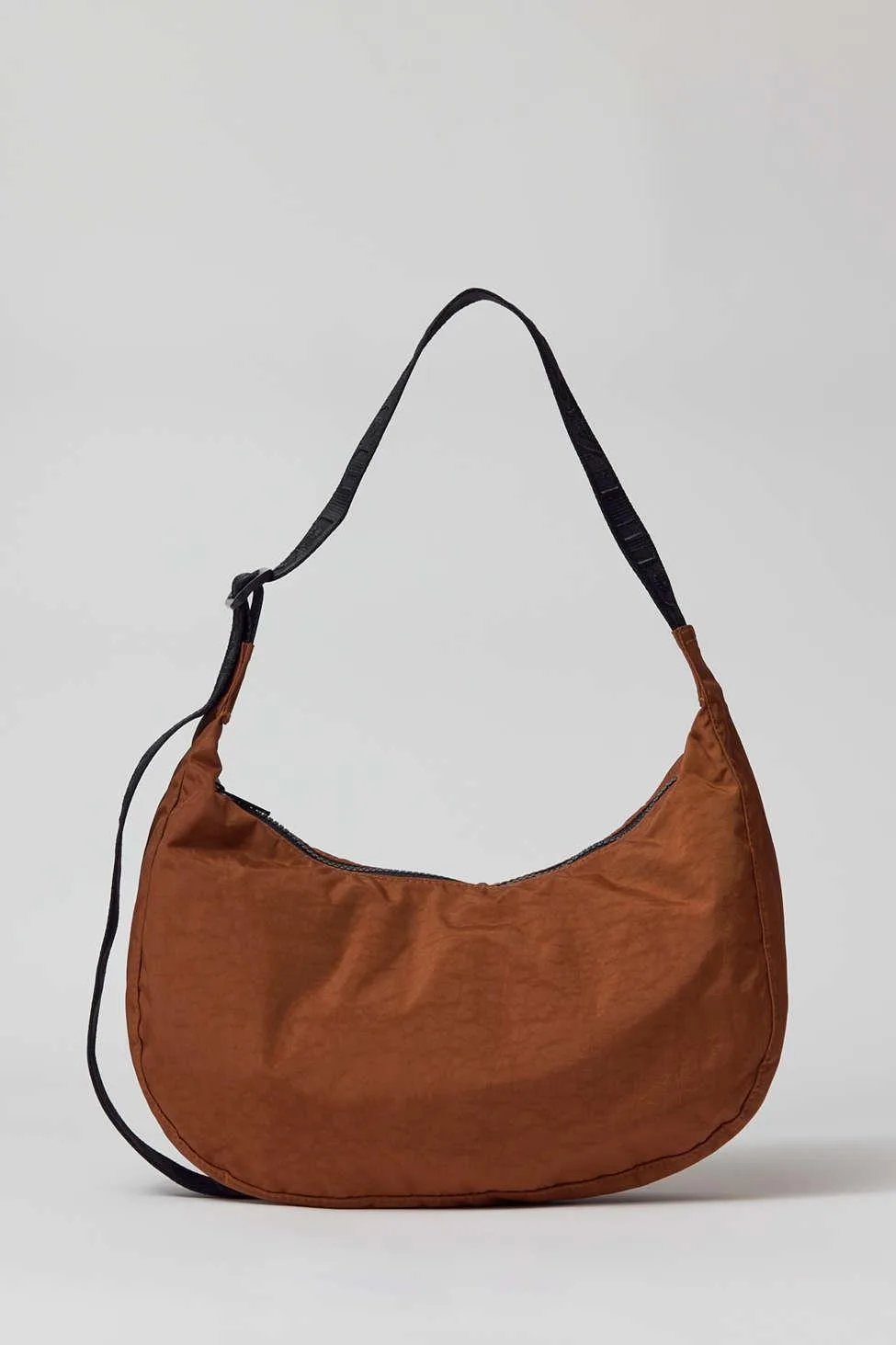
Image source: Bing (Web (fair-use with source credit))
Quick Answer
Wash your Baggu medium nylon crescent bag in cold water. Use a gentle, bleach-free detergent. Zip all pockets completely.
Place the bag inside a mesh laundry bag. Run a gentle cycle with cold water. Never use fabric softener.
Always line dry your bag away from direct heat.
The Quick Truth About Cleaning Your Baggu Crescent
Recycled heavyweight nylon can handle daily wear, but it dislikes extreme friction and high temperatures. The exterior shell uses a dense weave paired with a lighter ripstop interior. Both layers hold dirt on the surface rather than letting it soak deep into the core fibers.
Because synthetic threads release soil easily, you rarely need aggressive wash cycles. Gentle soap and cool water do most of the heavy lifting. Heat, however, ruins the internal seams and weakens the zipper tape.
Stick to mild cleansers and room-temperature air drying to keep the bag looking brand new.
Assess the Mess: Deciding Between Spot Cleaning, Hand Washing, and Machine Washing
You do not need to soak the entire bag for a minor scuff. Choose your cleaning method based on the type and depth of the stain.
Use this simple decision workflow:
- If dealing with dry dirt, dust, or a light exterior streak: Spot clean. Use a damp microfiber cloth with a drop of clear dish soap. Wipe the spot, rinse with clean water, and let it dry.
- If tackling isolated oil, sunscreen, or ink spots: Spot treat first. Work a drop of gentle dish liquid directly into the oil stain with your fingertips. Let it sit for 15 minutes before rinsing.
- If cleaning minor interior spills or faint odors: Hand wash. Submerge the bag in a clean basin filled with cool water and mild soap. Swish it around for two minutes, rinse thoroughly, and press dry with a towel.
- If facing heavy overall grime, sticky beverage spills, or deep mud: Machine wash. Run the bag on a delicate cycle using cold water and a protective wash pouch.
| Method | Best For | Water Temp | Time Required |
|---|---|---|---|
| Spot Clean | Dust, scuffs, makeup smudges | Cold to lukewarm | 5 minutes |
| Hand Wash | Odors, minor soda or coffee drips | Cold (under 30°C / 85°F) | 10 to 15 minutes |
| Machine Wash | Deep grime, mud, heavy daily buildup | Cold delicate cycle | 30 to 45 minutes |
Preparation Checklist: Protecting Hardware, Zippers, and Linings
Preparation protects your washing machine drum and keeps the bag from getting snagged. Skipping these basic steps can scratch the hardware or stretch the seams.
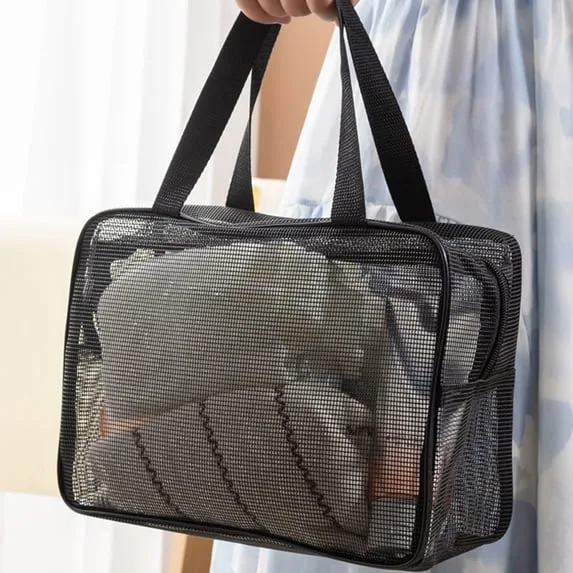
Image source: Bing (Web (fair-use with source credit))
Follow this checklist before wet washing:
- Empty every compartment. Turn the bag upside down over a trash bin. Pull out the interior zip pocket lining to dump trapped crumbs, coins, and loose lip balms.
- Zip all zippers shut. Fasten the main top nylon coil zipper and the interior safety pocket. Open zipper teeth can chew into soft nylon webbing during agitation.
- Adjust the strap buckle. Shorten the 59-inch strap to its shortest setting. This prevents the long webbing from tangling around an agitator or knotting up.
- Enclose in a mesh wash bag. Place the crescent inside a zippered mesh delicates bag. The mesh barrier keeps the plastic strap adjuster from repeatedly smacking the machine drum.
Step-by-Step: The Safest Machine Wash Workflow
Machine washing is the most convenient route for a heavily soiled bag. Done right, the cycle removes dirt without softening the structured drape of the heavyweight nylon.
Follow these direct steps for a risk-free cycle:
- Select the cycle: Set your machine to the Delicate, Gentle, or Hand Wash setting.
- Dial the temperature down: Use cold water only (under 30°C / 85°F). Warm or hot water softens synthetic coatings and puckers seams.
- Add mild liquid detergent: Pour in one teaspoon of gentle liquid detergent. Choose a formula without added fabric softeners, bleach, or heavy synthetic fragrances. Powder detergents can leave a chalky residue on dark nylon weaves.
- Balance the load: Never wash the bag entirely alone in a large drum, as it will slam around. Toss in a few soft items like towels or t-shirts to balance the spin.
- Set low spin: Choose a low or medium spin speed. High-speed spins crush nylon creases into sharp, stubborn wrinkles.
- Remove promptly: Take the bag out immediately once the cycle ends. Leaving wet nylon sitting inside a dark washer invites mildew and musty smells.
Step-by-Step: Deep Hand Washing and Targeted Stain Removal
Hand washing gives you total control over the cleaning process. It is the gentlest way to lift stubborn oil marks, food grease, and collar-rub grime along the strap without stressing the seams.
Image source: Bing (Web (fair-use with source credit))
To deep clean in a sink or basin, work through these steps:
- Fill the basin: Run a clean sink or small tub full of cool tap water. Stir in a half-teaspoon of mild liquid laundry soap or clear dish detergent until dissolved.
- Pre-treat stubborn stains: Apply a drop of clear dish liquid directly to oil spots or greasy strap sections. Gently massage the fabric together using your fingertips. Avoid stiff-bristled brushes, which cause fuzzy pilling on recycled threads.
- Submerge and soak: Dunk the bag underwater. Gently compress it several times to push the soapy water through both nylon layers. Let it soak for 10 to 15 minutes.
- Rinse clean: Drain the dirty water. Refill the basin with fresh, cool water and submerge the bag. Repeat until the water runs clear and zero soap bubbles appear when you squeeze the fabric.
- Extract excess water: Do not wring or twist the bag, as twisting warps the zipper track. Instead, place the bag flat between two clean, dry bath towels. Press down firmly with your hands to roll out excess moisture.
The Drying Rulebook: Why Heat Is the Ultimate Enemy
Never put your Baggu crescent bag in the clothes dryer. Tumble dryers expose synthetic fibers to sustained high temperatures. Heat shrinks the nylon threads, causes seam puckering, and permanently warps the polyester zipper coil.

Image source: Bing (Web (fair-use with source credit))
Line drying is the only safe method. Because recycled nylon is naturally hydrophobic, it expels moisture rapidly on its own. Under average room temperatures, the bag dries completely within two to four hours.
Follow these steps to air dry your bag without creating water rings:
- Unzip the bag fully: Open both the main zipper and the interior safety compartment. Pull the inner ripstop lining outward so airflow reaches every corner.
- Reshape the shell: While the fabric is damp, gently pull the seams flat. Smooth out the crescent shape with your palms to prevent wrinkles.
- Hang by the strap: Hang the bag over a shower rod, clothesline, or drying rack. Keep it in a spot with decent airflow, such as near an open window or ceiling fan.
- Avoid harsh direct sunlight: Do not leave the wet bag baking in direct midday sun. Strong ultraviolet rays degrade nylon colorants and fade vibrant fabrics over time.
Costly Mistakes That Ruin Recycled Nylon and Coatings
Nylon is exceptionally tough, but chemical and mechanical mistakes can destroy its protective finish. Knowing what to avoid will keep the fabric crisp and resilient for years.
Watch out for these common maintenance errors:
- Using chlorine bleach: Bleach strips color immediately and weakens synthetic polymers. It breaks down the internal seams and causes the fabric to fray.
- Adding liquid fabric softener: Softeners leave a waxy silicone coating over synthetic weaves. This residue traps odors inside the bag and ruins the water-resistant finish.
- Using hot water: Washing with hot water softens nylon yarns and loosens stitching tension. It leads to bubbly, puckered zipper tracks that snag when opened.
- Scrubbing with abrasive brushes: Stiff nylon bristles shred recycled fibers, creating permanent fuzzy patches. Always use a soft microfiber cloth or your fingers.
- Ironing out wrinkles: Putting a hot iron directly onto nylon will melt the fabric on contact. If you need to smooth deep creases, hang the bag in a steamy bathroom for ten minutes instead.
Frequently Asked Questions About Baggu Crescent Care
Can I wash my Baggu crescent with other clothes?
Yes, you can wash it with other soft garments. Always place the crescent inside a zippered mesh wash pouch first. Wash it alongside similar lightweight items like t-shirts, activewear, or towels.
Avoid washing it with heavy items like denim jackets or jeans with exposed metal rivets.
How do I get grease or oil stains out of the nylon fabric?
Apply a drop of clear liquid dish soap directly to the oil mark. Rub the fabric together gently using your fingertips to break up the grease. Let the soap sit on the dry fabric for ten minutes.
Rinse the area thoroughly with cold tap water before air drying.
Does washing the bag ruin its water resistance?
Machine washing with mild detergent will not hurt the light polyurethane coating. Using fabric softeners, harsh stain sprays, or hot water will degrade it quickly. If water stops beading on the surface over time, you can refresh the exterior with a synthetic fabric water-repellent spray.
How do I clean the adjustable logo strap?
Spot clean the strap with warm water and mild liquid soap using a damp cloth. For deeply embedded dirt along the edges, gently work the soap into the webbing with your thumb. Rinse the strap thoroughly under a faucet and press it dry with a towel.
Why does my bag smell musty after washing?
Musty odors happen when wet nylon is dried in a damp room without airflow. If the interior lining stays wet too long, mildew forms. Rewash the bag in cold water with gentle detergent.
Hang it to dry in an open room with strong circulating air.

Similar Posts