Saffiano vs. Pebble Leather: Which Is Softer?
Founder & Fashion Creative Director at Julia Fashionista · CFDA Fashion Scholar, Certified Image Consultant (AICI) · 12+ years in editorial wardrobe styling, sustainable textile sourcing, and luxury capsule curation
If you run your hand across a store shelf, the difference hits you immediately. Comparing saffiano leather vs pebble leather softness reveals two opposite approaches to finishing cowhide. Saffiano feels firm, rigid, and structured like cardboard under a crosshatch pattern.
Pebble leather yields to your fingers with a buttery, flexible grain.
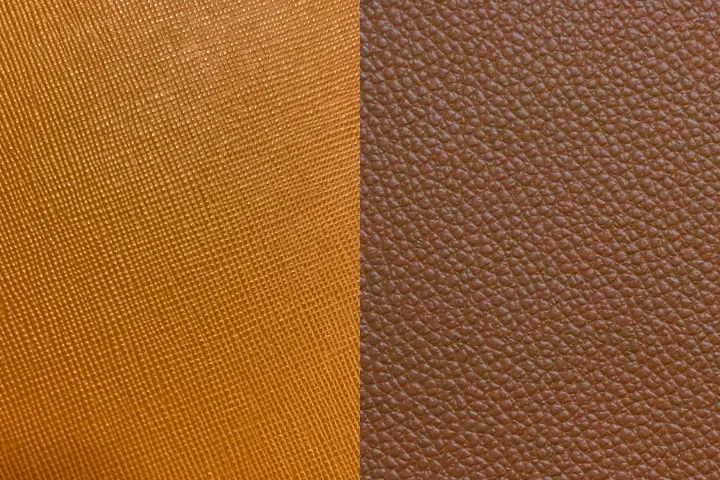
Image source: Bing (Web (fair-use with source credit))
In our research across leathercraft standards, this gap comes down to internal fiber tension and surface coatings. Most luxury pebble goods use 3 to 4-ounce hides milled until the natural temper drops to extra soft. Saffiano undergoes intense mechanical compression that keeps it board-stiff for decades.
Here is how both finishes behave in your hands.
Quick Answer
Pebble leather is vastly softer than Saffiano leather. Pebble leather feels plush and pliable right away. It bends easily and drapes against your body.
Saffiano leather is hard, structured, and very rigid. A heavy wax seal locks its fibers in place. Saffiano will never break in or become supple.
Why Saffiano Feels Rigid: The Heat, Stamp, and Wax Treatment
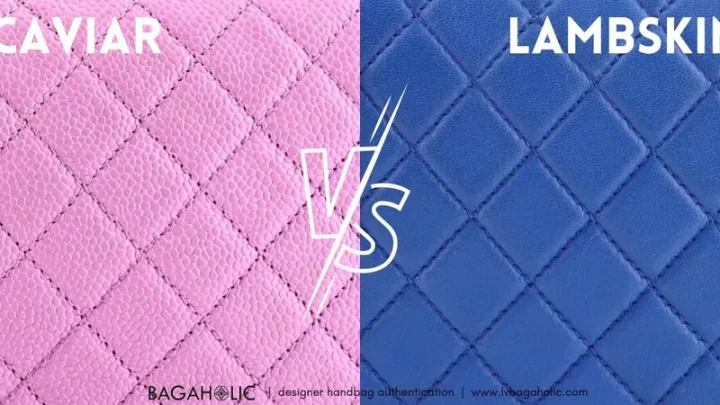
Saffiano leather owes its firmness to an aggressive industrial finishing method. Patented by Mario Prada in 1913, the process takes a full-grain or top-grain calfskin and subjects it to heavy mechanical pressure.
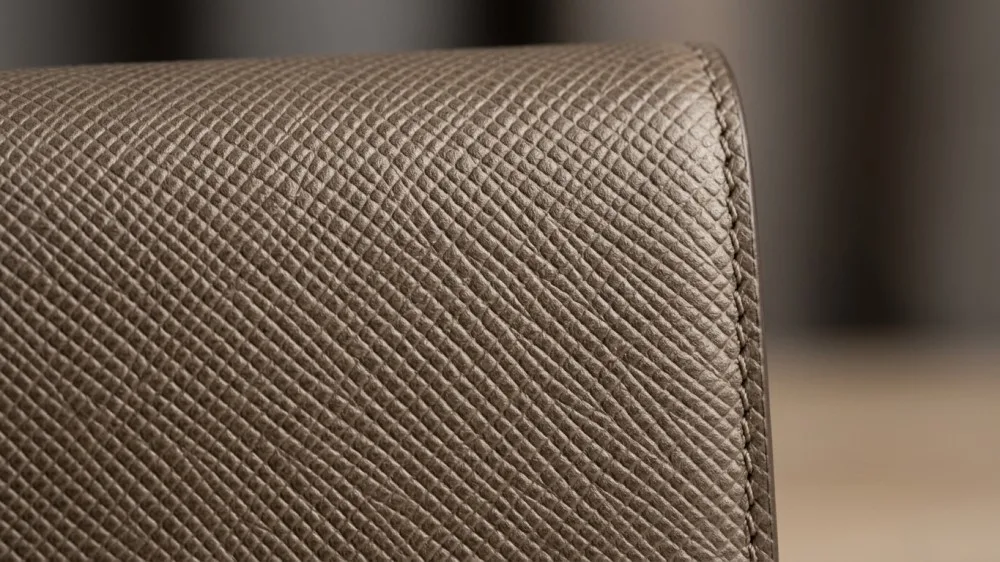
Image source: Bing (Web (fair-use with source credit))
Tanneries press the hide with metal plates heated between 70°C and 80°C. These plates stamp the iconic diagonal crosshatch pattern directly into the surface. The heat and tonnage flatten the natural hide.
This compacts the loose collagen fiber matrix underneath into a dense, unyielding core.
Once stamped, workers coat the hide in a protective synthetic resin or hot wax seal. This clear acrylic or polyurethane layer shields the raw fibers from moisture, ink, and friction. It also eliminates almost all natural stretch.
Per technical guidelines from the Leather Working Group, surface coatings heavily dictate hide breathability and hand temper. The hardened topcoat prevents the hide from moving freely. When you touch Saffiano, you are feeling cured resin and compressed fibers.
It yields virtually nothing when pressed with a thumb.
Why Pebble Leather Feels Supple: Drum Tumbling and Natural Grain
Pebble leather achieves its signature softness through physical movement rather than heavy chemical coats. Instead of pressing the hide flat, tanneries encourage the fibers to separate and relax.
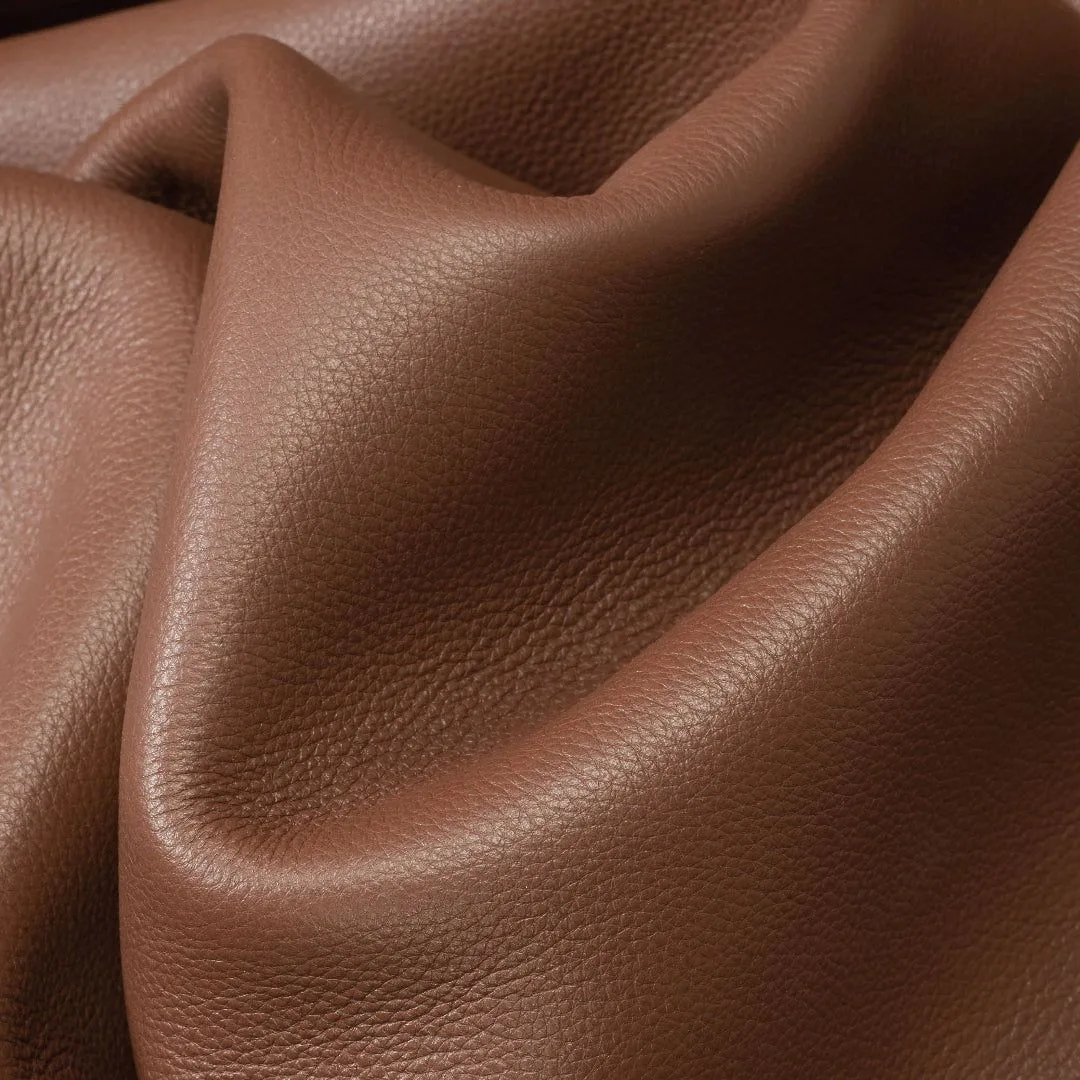
Image source: Bing (Web (fair-use with source credit))
The primary method relies on dry-milling or drum tumbling. After chrome tanning, workers place dry hides inside giant rotating wooden drums. As the drums spin for hours, the hides continually drop and collide.
This tumbling action breaks apart the tight collagen bundles inside the corium layer.
The tumbling process creates a soft temper and highlights the hide's natural raised pebbles. High-end hides like French Clemence or Italian pebbled calfskin retain their natural surface grain. Some commercial tanneries lightly emboss pebble patterns on top-grain splits to ensure uniformity.
Even embossed pebble leather avoids the hard wax seals found on crosshatch hides.
Because the surface uses light aniline dyes or breathable protective finishes, the skin retains its natural moisture. The leather compresses effortlessly under gentle fingertip pressure.
Side-by-Side Breakdown: Temper, Break-In, and Everyday Pliability
Leather temper describes how stiff or bendable a hide feels in the hand. The two materials sit on opposite ends of the trade temper spectrum.
| Feature | Saffiano Leather | Pebble Leather |
|---|---|---|
| Temper Rating | Firm to extra firm | Soft to semi-soft |
| Immediate Feel | Dry, textured, rigid | Buttery, pillowy, flexible |
| Break-In Timeline | None (under 5% over years) | Fast (loosens in 2 to 4 weeks) |
| Drape & Slouch | Holds 100% rigid shape | Drapes, puddles, molds to frame |
| Scratch Resistance | Extremely high | Moderate to high |
| Water Resistance | Repels water on contact | Absorbs water if unsealed |
The break-in experience marks the biggest practical difference. Verified buyer feedback shows that Saffiano remains stiff for its entire lifespan. The wax-impregnated matrix does not loosen up with body heat or daily handling.
Pebble leather softens significantly as of 2026 manufacturing standards. Constant movement flexes the open fiber bundles. A brand-new pebble leather item feels moderately pliable on day one.
Within a month of regular handling, it softens into a supple, puddle-like slouch.
Everyday Usability: How Rigidity vs. Softness Affects Your Bag
The physical temper of each material directly dictates how a bag behaves during your daily commute. Neither option is universally better. Each delivers distinct trade-offs in functionality.
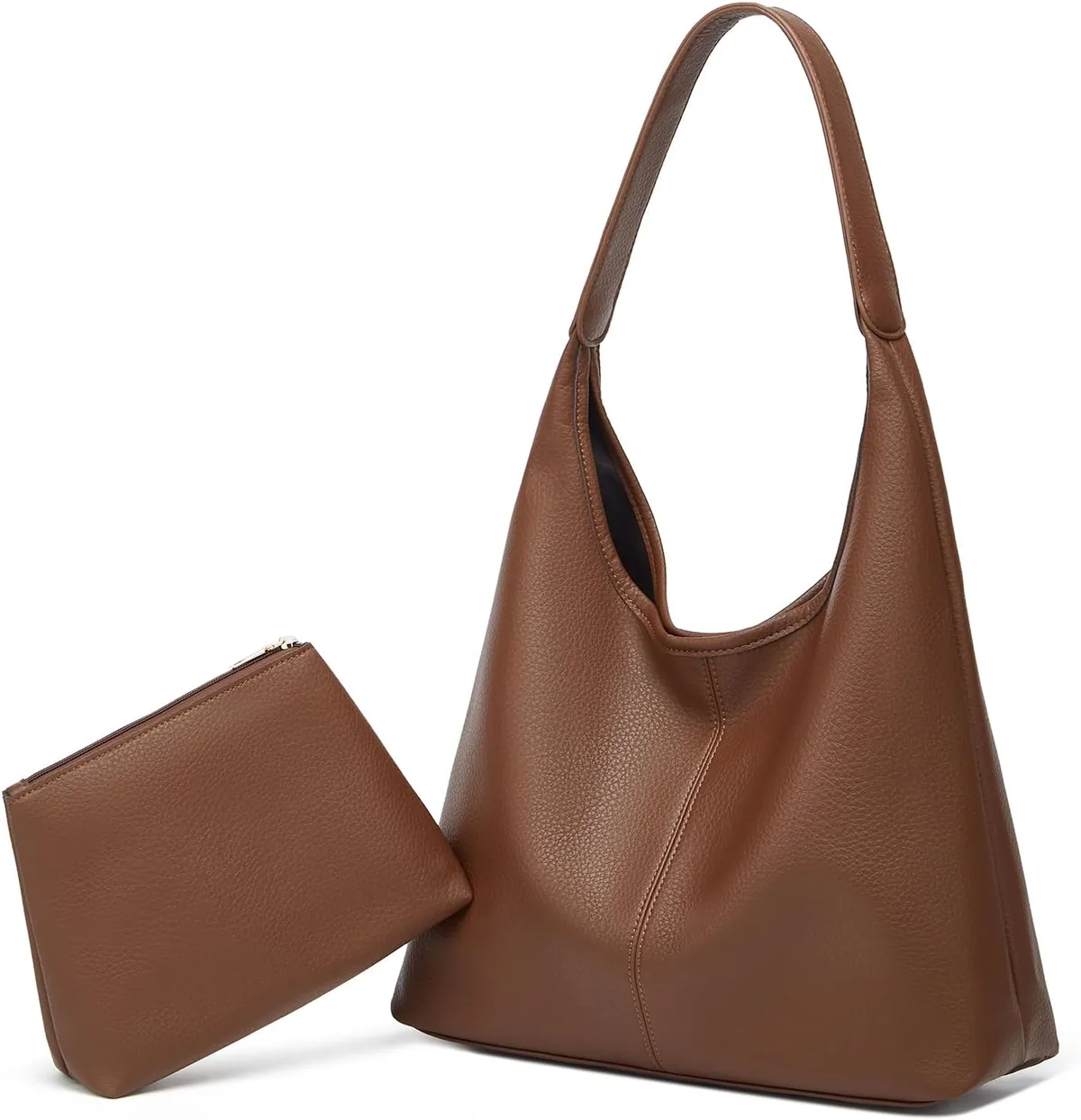
Image source: Bing (Web (fair-use with source credit))
Carrying Comfort
Pebble leather wins decisively for carrying comfort. When worn as a shoulder bag or crossbody, it rests smoothly against your hip or ribs. It shifts naturally with your walking stride instead of bouncing uncomfortably against your side.
Saffiano can feel sharp and unforgiving. A large Saffiano tote maintains hard, sharp edges that can jab into your side during transit.
Interior Access and Capacity
A soft pebble bag stretches gently when you pack odd-sized items like a bulky water bottle or an oversized camera. The pliable leather flexes outward to accommodate your gear.
Saffiano refuses to budge. The walls stay completely upright, making it easy to see everything on the bag floor. However, forcing an oversized object past a stiff Saffiano zipper can easily scrape your knuckles.
Care, Conditioning, and Long-Term Durability Differences
The structural difference between these hides completely changes how you clean and maintain them. Saffiano leather is virtually impermeable to liquid. Because of its thick acrylic or wax seal, standard leather creams and oils cannot penetrate the surface.
To clean Saffiano, wipe it down with a damp microfiber cloth and mild soap. Heavy conditioning balms will only sit on the sealed surface, collect dust, and leave a cloudy film. However, that rigidity comes with a specific wear risk.
Long-term use concentrates mechanical stress entirely on the folded edges and corners. Over several years, that heavy coating can micro-crack along flex points.
Pebble leather requires traditional leather care to maintain its buttery softness. The open grain absorbs moisture, oils, and environmental pollutants.
- Apply a light wax-free conditioner every six months to keep the collagen fibers supple.
- Clean dust and grime out of the pebble crevices using a horsehair brush before conditioning.
- Blot liquid spills immediately with a dry cloth to prevent water marks or dark spots.
Per maintenance advisories from the Leather Care Supply trade network, unconditioned pebble leather will slowly dry out, stiffen, and lose its flexible drape over time.
Which One Matches Your Lifestyle?
Choosing between these finishes comes down to whether you prioritize crisp structural lines or relaxed tactile comfort.
Choose Saffiano leather if your daily routine demands durability and sharp presentation. It works best for corporate work totes, laptop sleeves, travel wallets, and passport holders. If you commute in rainy weather, set your bag on public transit floors, or need an accessory that stands upright on a desk without toppling over, Saffiano is ideal.
It trades away soft hand-feel in exchange for near-bulletproof scratch resistance.
Choose pebble leather if you want casual luxury and all-day carrying comfort. It suits relaxed hobo bags, everyday crossbodies, backpacks, and slouchy weekenders. If you like how a bag contours against your waist while walking, pebble leather delivers.
It will show liquid marks more easily, but minor scuffs blend invisibly into the uneven grain.
Frequently Asked Questions About Saffiano and Pebble Leathers
Does Saffiano leather soften over time?
No, Saffiano leather does not soften with age. The industrial heat-stamping and cured wax seal lock the hide into a permanent, rigid structure. You can expect less than five percent give even after years of daily wear.
Which leather is more scratch-resistant?
Saffiano leather resists scratches significantly better than pebble leather. Its hard synthetic coating deflects keys, fingernails, and rough surfaces. Pebble leather hides minor abrasions well inside its textured grain, but sharp metal objects can still gauge the softer, unprotected hide.
Is pebble leather real leather?
Yes, authentic pebble leather is real cowhide or calfskin. High-end tanneries create the texture naturally by tumbling the hides in large wooden drums. Some budget brands press an embossed pebble pattern onto lower-grade split leather, so check the product tag for full-grain or top-grain descriptions.
Can you use leather conditioner on Saffiano leather?
You should avoid standard leather conditioners on Saffiano leather. The dense wax seal prevents conditioning oils from reaching the fibers underneath. Conditioners simply sit on top, creating a sticky, hazy layer.
Use a damp microfiber cloth for routine cleaning instead.
Why is Saffiano leather so stiff?
Saffiano leather is stiff because tanneries compress it under heated steel plates at 70°C to 80°C. This crushes the natural fiber bundles together. The tannery then applies an acrylic or hot wax topcoat that locks the compressed fibers into place permanently.

Similar Posts