How to Fix Heel Slip in Horsebit Loafer Mules
Founder & Fashion Creative Director at Julia Fashionista · CFDA Fashion Scholar, Certified Image Consultant (AICI) · 12+ years in editorial wardrobe styling, sustainable textile sourcing, and luxury capsule curation
Nothing ruins the effortless look of a backless slip-on like your foot sliding out with every step. If you struggle with horsebit loafer mule heel slip, you know the awkward shuffle it causes. Your toes curl tightly to hold the shoe in place, making simple walks tiring.
Footwear fit guidelines from organizations like the American Podiatric Medical Association show that unanchored footbeds alter your natural gait mechanics. As of 2026, mule silhouettes remain a staple, but standard shoe hacks rarely fix their open-back construction. Let us look at what makes your feet lose their grip.
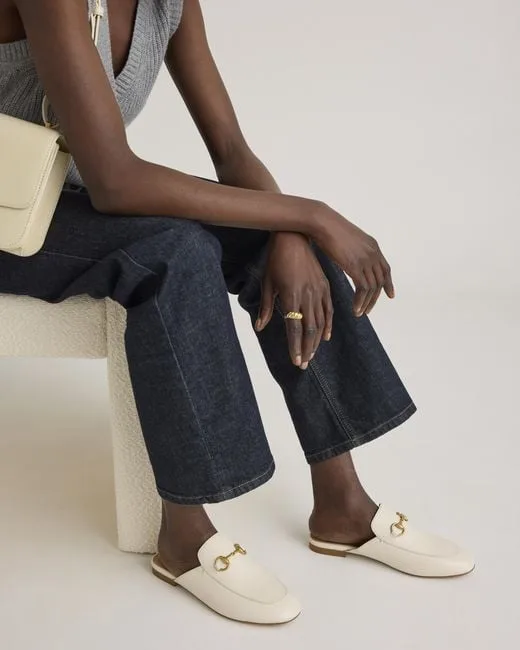
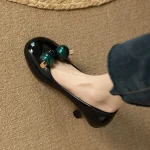
Image source: Web (Bing) / lyst.com (Web image (fair-use with source credit))
Quick Answer
Horsebit loafer mule heel slip happens when your instep lacks volume to secure the shoe upper. Without a heel counter, your foot slides forward or sideways. Adding a 2mm tongue pad under the vamp stops this immediately.
A textured metatarsal insert also prevents forward sliding. Never size down aggressively. Doing so pushes your heel past the back edge.
Why Horsebit Mules Slip and Slide Off Your Heel
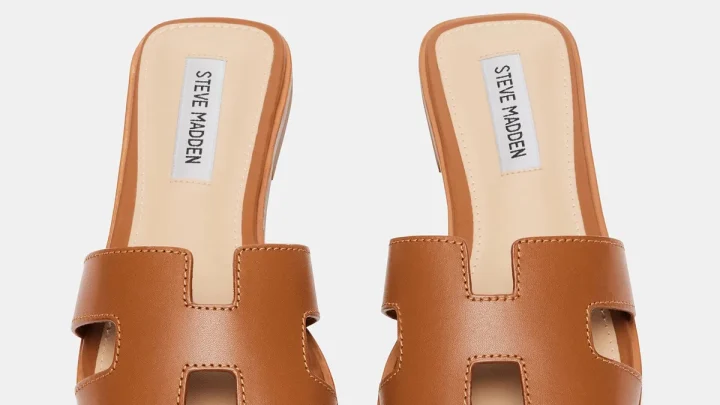
Backless mules rely entirely on your instep and the front footbed to stay on. Unlike traditional oxfords or loafers, there is no heel counter to lock your rearfoot in place. When you lift your foot, the shoe must cling to your arch through upward friction alone.
If your instep does not fully press against the underside of the vamp, a gap forms. The shoe swings free during the swing phase of your stride. The metal horsebit hardware adds localized weight across the bridge.
That extra weight pulls the front of the shoe downward, encouraging the footbed to drop away from your heel.
Smooth calfskin linings make this issue worse. A polished leather insole has very little natural traction. When you walk, your foot slides forward into the toe box, leaving the heel floating unsupported in the open air.
The 3-Step Slippage Diagnostic: Finding Your Root Cause
Before buying inserts, you need to identify why your heel is floating or drifting. Testing your fit takes less than two minutes on a hard, flat floor.
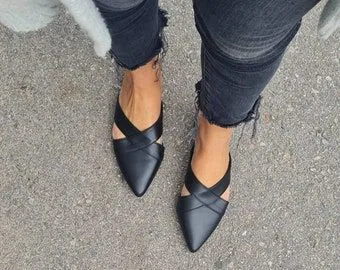
Image source: Bing (Web (fair-use with source credit))
- Step 1: Check your vertical instep clearance. Slide your foot fully into the mule and stand tall. Slip your index finger under the leather strap right beneath the metal bit. If your finger slides through easily without resistance, your instep lacks the volume needed to grip the upper.
- Step 2: Test for forward slide. Walk forward five steps while watching your toes. If your toes push deep into the front tapered toe box, your foot is sliding downhill on the slick footbed.
- Step 3: Check for lateral heel drift. Walk along a straight floorboard. Watch your heel from behind or have someone look. If your heel pivots off the side of the footbed, your forefoot is twisting inside a wide toe box.
| Diagnostic Check | What You See or Feel | Primary Cause | Best Fix |
|---|---|---|---|
| Finger-Gap Test | Loose space beneath the horsebit | Low instep volume | Adhesive tongue pad under vamp |
| Forward Slide | Toes jamming into the front taper | Low footbed friction | Suede ball-of-foot metatarsal pad |
| Lateral Drift | Heel strikes off the outer edge | Narrow forefoot width | Leather half-insole for lateral fill |
| Sole Levering | Shoe slaps hard and drops early | Stiff, unyielding outsole | Outsole flex break-in routine |
Decision Tree: Fixing the Slip Based on Your Specific Foot Mechanics
Fixing a mule requires matching your mechanical issue to the right correction. Work through these branches to find the exact fix for your foot profile.
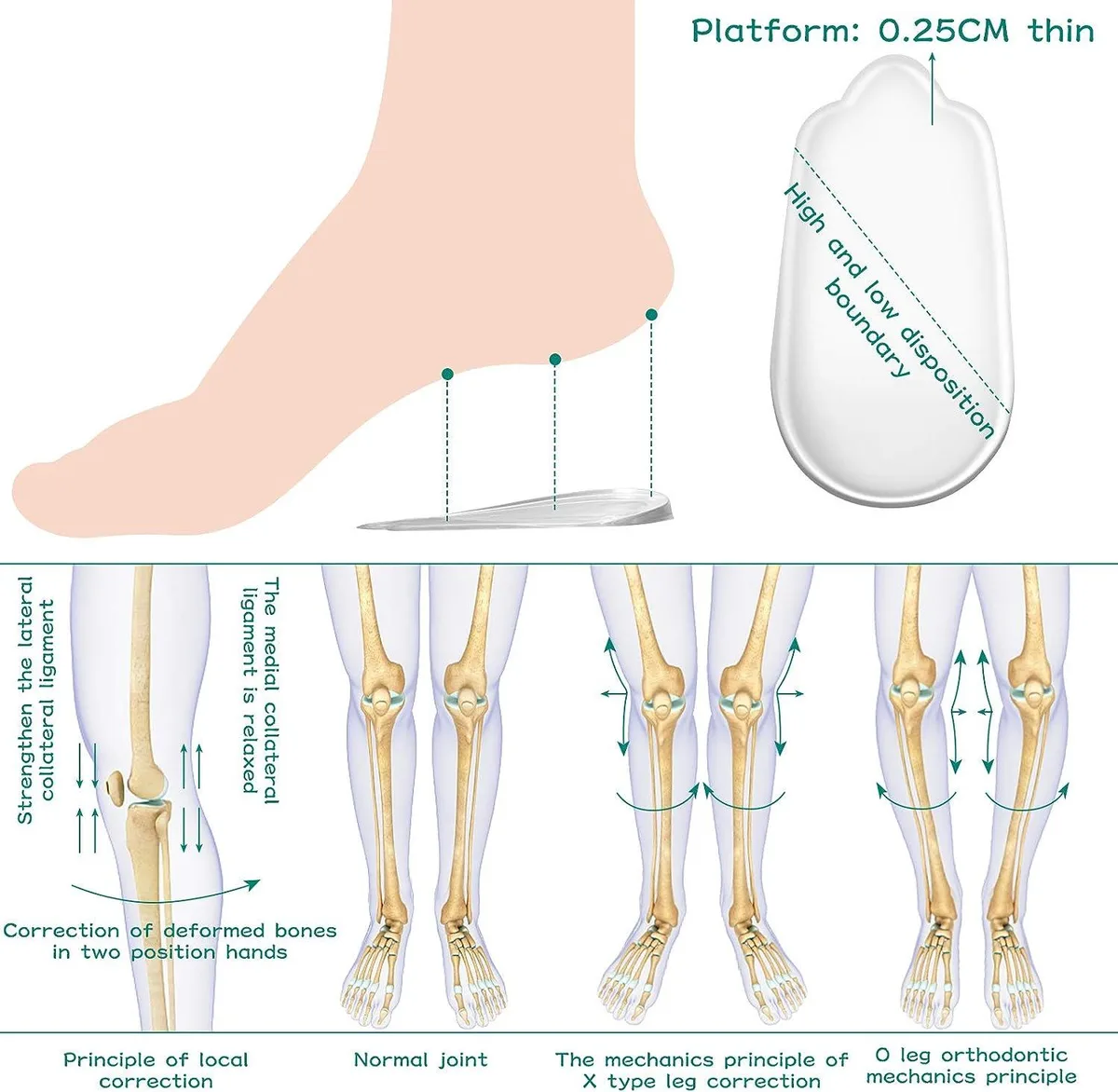
Image source: Bing (Web (fair-use with source credit))
Branch 1: Low-Instep Foot (The "Floating Foot" Problem)
If you passed the finger easily under the vamp in step one, your instep is too low for the shoe's throatline. The leather upper cannot clamp down on your foot arch. Sizing down will only cramp your toes while leaving the volume loose.
Place a felt or foam tongue pad on the underside of the upper right below the metal hardware. This pushes your foot down into the base without changing shoe length.
Branch 2: High-Polish Footbed (The Forward Slide)
If your instep fits well but your heel hangs out the back, your foot is skidding forward. Glazed leather linings offer almost zero grip for bare skin or thin socks. Add a 2mm suede or textured leather metatarsal pad directly behind the ball of your foot.
This creates a natural brake that stops your forefoot from creeping into the toe box.
Branch 3: Rigid Outsoles (The Lever Action)
If your foot lifts cleanly out of the shoe with every step, the leather sole is too stiff. When you roll onto your toes, a rigid sole acts as a lever, peeling the footbed away from your heel. Bend the shoe gently by hand at the ball of the foot to loosen the internal shank.
Branch 4: Narrow Feet and Lateral Drift
If your heel shifts sideways off the footbed rim, the shoe is too wide across the ball of the foot. Your foot pivots within the vamp, sliding your calcaneus off center. Install a slim, full-width leather half-insole beneath the ball of the foot to snug up the lateral space.
Choosing the Right Fit Solutions: Insoles, Tongue Pads, and Grips
Never buy traditional heel-cup grips for a backless mule. Because mules lack a back collar, adhesive heel pads have nowhere to stick. You must focus entirely on instep and forefoot modifications.
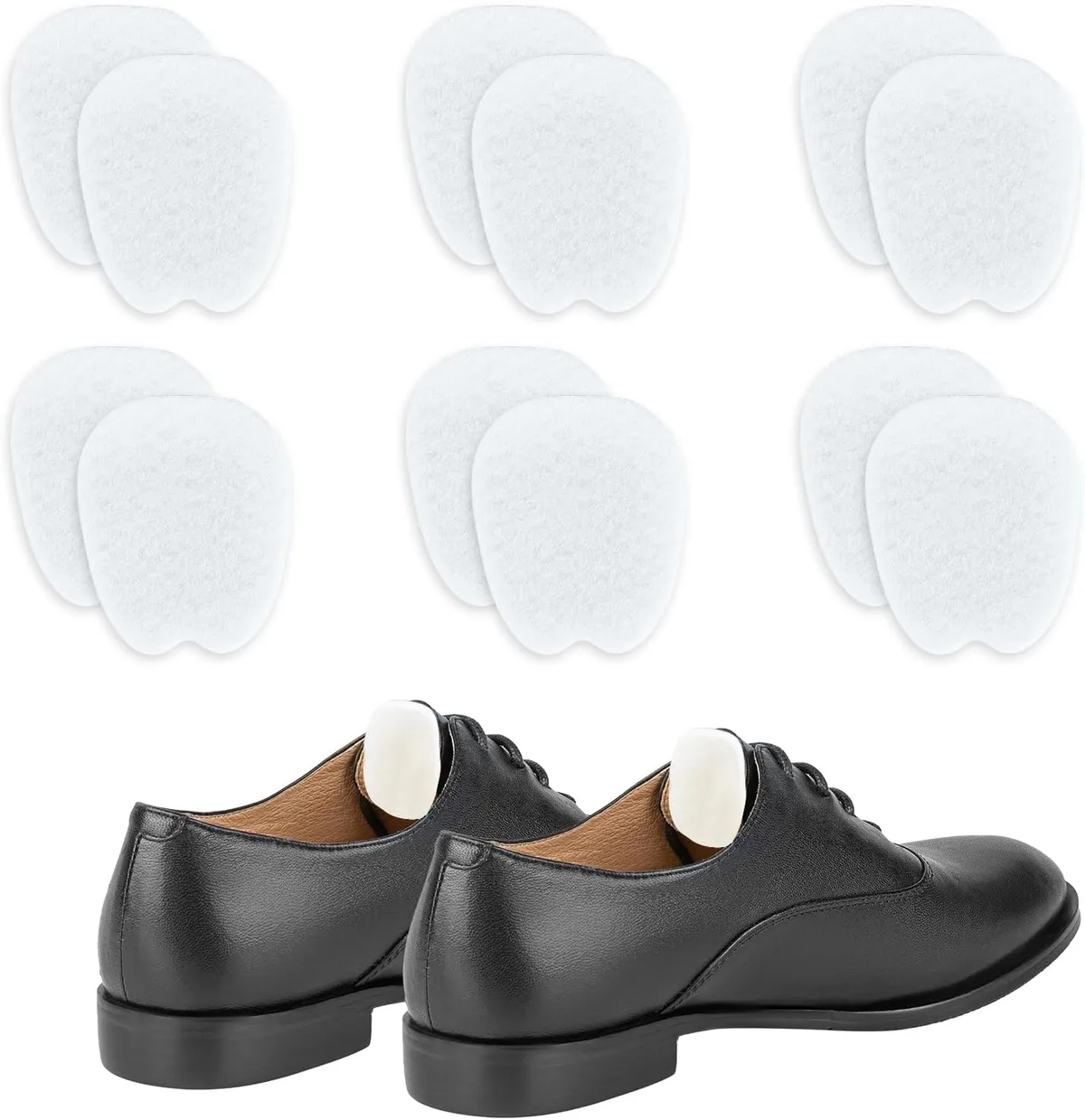
Image source: Web (Bing) / amazon.ca (Web image (fair-use with source credit))
Tongue pads are the most effective tool for horsebit mules. They stick to the ceiling of the vamp, completely hidden from sight. Choose dense Poron foam or soft wool felt.
These materials apply steady downward pressure across the bridge of your foot. That pressure keeps the shoe moving alongside your foot during each stride.
Metatarsal cushions work best when made of vegetable-tanned leather or textured suede. Avoid thick gel pads because they push your toes upward, causing painful rubbing against the roof of the shoe. A 1.5mm to 2mm leather half-sole provides the ideal blend of grip and comfort.
If you wear hosiery, swap standard nylon tights for styles with silicone grip pads on the soles. Smooth nylon against smooth shoe leather creates an ultra-slick surface that invites slippage. Silicone-treaded loafer socks solve this problem instantly without modifying your shoes.
How to Settle Mule Slippage Without Ruining the Leather
Adjusting luxury mules requires gentle methods so you do not stain the lining or warp the leather. Aggressive glues can permanently ruin soft lambskin.
Start with dry, non-invasive friction hacks before turning to adhesives. Lightly wiping the glazed footbed with an alcohol-free leather cleaner removes factory waxes that cause sliding. If you need more grip, use double-sided fashion tape as a temporary test.
This lets you test pad placement without committing to permanent backing adhesive.
When applying tongue pads, clean the ceiling of the vamp with a dry microfiber cloth first. Peel just half of the adhesive backing to position it. Test the fit by walking around on carpet.
Once the pad rests comfortably against your dorsal instep, press down firmly across the entire pad surface for thirty seconds.
If you are dealing with a stiff leather sole, flex the shoe by hand at home. Place one hand firmly on the heel base. Use your other hand to cup the toe, then gently bend the sole upward twenty to thirty times.
This eases the steel or composite shank without creating harsh crease lines across the apron toe.
For persistent slipping, visit an experienced cobbler. A cobbler can stitch a discreet leather wedge beneath the lining or buff the smooth footbed to create a suede-like nap that holds your foot in place.
Common Mistakes That Make Mule Heel Slip Worse
The most common mistake is sizing down to stop the loose feeling. Backless shoes need roughly 5mm to 10mm of space behind your heel. Sizing down forces your heel to strike the hard back rim of the shoe with every step.
This looks bad and causes deep heel bruises.
Another frequent error is sticking generic gel cushions right into the toe tip. Jamming material into the front crowds your toes together, which triggers hammer-toe reflexes. Your toes then curl instinctively, actually lifting your midfoot away from the vamp and making the slip worse.
- Do not apply silicone heel strips anywhere inside a backless mule. They need a rigid heel counter to work and will simply roll up under your foot.
- Avoid aggressive sandpaper on luxury glazed insoles. Heavy sanding damages the delicate stitch lines along the footbed edge.
- Never soak or wet the leather upper to shrink it. Moisture stiffens high-end calfskin unevenly, leading to dry rot and permanent creases.
- Stop walking through the slip without adjustments. Constantly gripping the footbed with your toes strains the plantar fascia over time.
Frequently Asked Questions About Horsebit Mule Fit
Can a cobbler fix mule heel slippage?
Yes, a skilled cobbler can resolve mule slipping easily. They can install custom suede linings to add friction, stitch thin leather volume reducers inside the vamp ceiling, or soften a rigid shank. Cobbler modifications provide a permanent fix while maintaining the original silhouette and structure of the shoe.
Should I size down in horsebit loafer mules?
No, you should buy your true size or size up by a half size. Mules require roughly 5mm to 10mm of clearance behind the heel so your foot does not spill over the back edge. Slipping is almost always caused by instep volume issues, not shoe length.
Why do my mules slip only when I wear socks?
Smooth knit socks, silk blends, and nylon hosiery lack traction against polished leather footbeds. The fabric acts as a frictionless barrier that sends your foot sliding forward. To solve this, wear no-show loafer socks that feature silicone gripper patterns printed along the bottom sole.
How do I know if my mule is too wide?
If your heel slides sideways off the footbed edge when cornering, the shoe is too wide. A proper fit keeps your calcaneus centered over the rear footbed. If your forefoot shifts laterally inside the vamp, add a slim leather half-insole to take up excess space.
The Quick-Action Guide to Keeping Your Mules Grounded
Resolving heel slip in a horsebit mule comes down to controlling footbed friction and instep contact. If your instep floats, insert a dense felt or Poron tongue pad directly under the vamp strap to anchor your foot downward. If your foot slides forward, place a slim suede metatarsal pad right behind the ball of your foot.
Avoid drastic moves like sizing down or sticking gel cups along the back edge. Work within the natural mechanics of an open-back shoe, give the outsoles time to flex, and your mules will stay firmly planted stride after stride.

Similar Posts