Pointed Shoes & Numb Toes: Is It Morton’s Neuroma?
Founder & Fashion Creative Director at Julia Fashionista · CFDA Fashion Scholar, Certified Image Consultant (AICI) · 12+ years in editorial wardrobe styling, sustainable textile sourcing, and luxury capsule curation
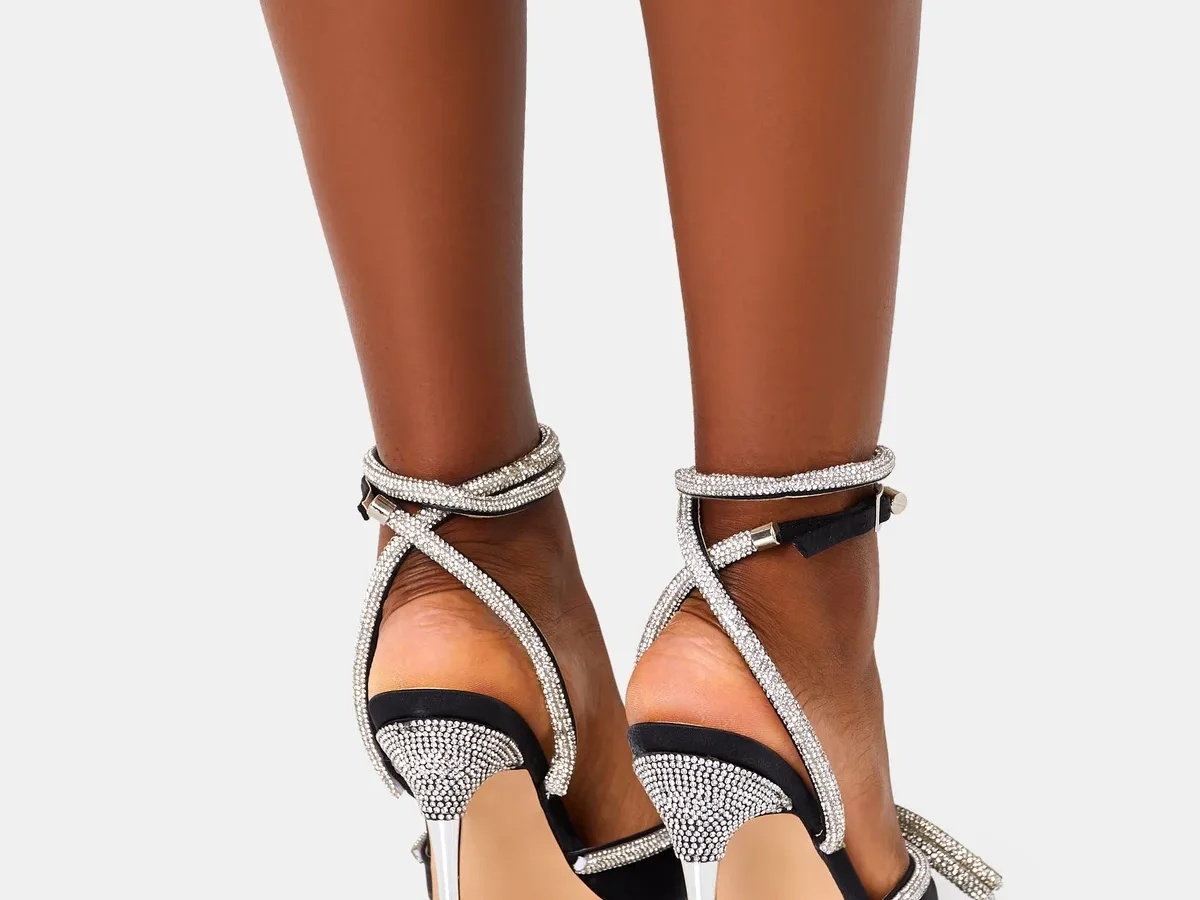
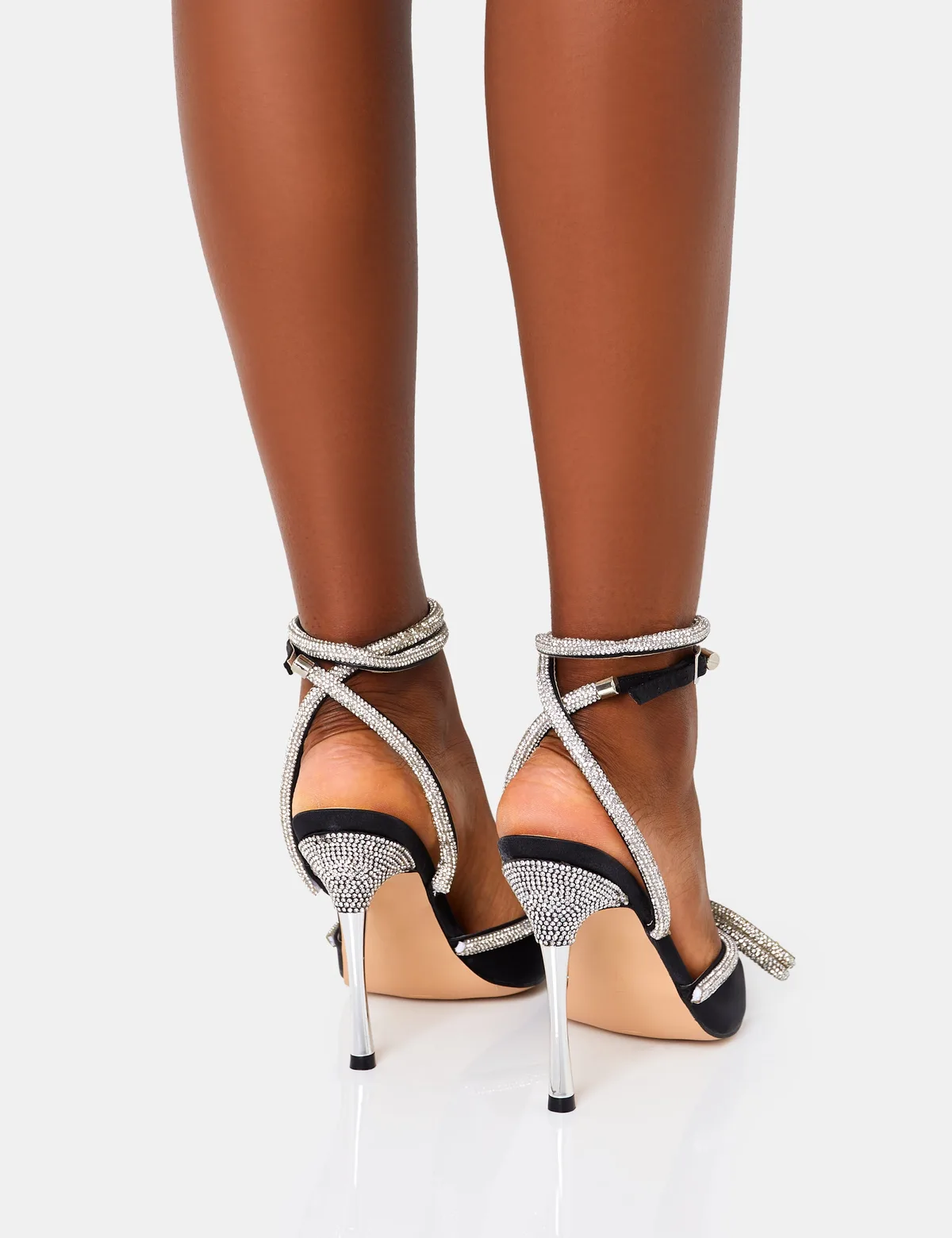
Image source: Bing (Web (fair-use with source credit))
Experiencing mortons neuroma pointed toe shoes numbness is a direct warning sign from your forefoot. Tight, narrow footwear pinches the small digital nerves running between your metatarsal bones, cutting off blood flow and sensation. That dead, wooden feeling in your middle toes means a nerve is actively compressed.
Our research into clinical foot mechanics shows that high heels and narrow toe boxes increase forefoot pressure by more than 75 percent compared to flat ground. Left unchecked, simple nerve irritation develops into dense scar tissue known as perineural fibrosis. Here is how that compression occurs and the steps required to restore normal sensation.
Quick Answer
Mortons neuroma pointed toe shoes numbness happens when tapered footwear compresses forefoot nerves. Metatarsal bones squeeze together tightly. This pressure crushes the common plantar digital nerve.
Blood flow to the nerve stops. The lack of oxygen causes digital numbness. Switching to wide footwear relieves pressure.
Adding metatarsal pads restores natural foot splay.
Why Pointed-Toe Shoes Turn Nerve Irritation into Lasting Numbness
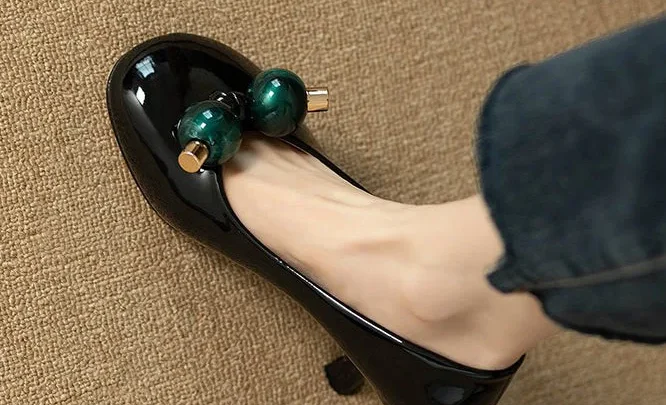
A pointed shoe forces your forefoot into an unnatural triangular wedge. Your foot is naturally widest across the metatarsal heads, right at the base of your toes. When you squeeze that broad structure into a tapered toe box, the long bones grind against each other.
This constant side-to-side squeezing traps the nerve between your third and fourth toes. At first, the nerve responds with sharp, burning twinges. If you keep wearing the shoes, the constant friction thickens the protective sheath around the nerve.
That thickening creates a mass of fibrous tissue. The swollen nerve bundle now has even less room inside the narrowed space.
As blood vessels get crushed alongside the nerve, oxygen cannot reach the nerve fibers. When nerves starve for oxygen, they lose the ability to transmit signals. The sharp pain gives way to cold, deadened numbness.
What Happens Inside the Third Web Space: Anatomy of Nerve Entrapment
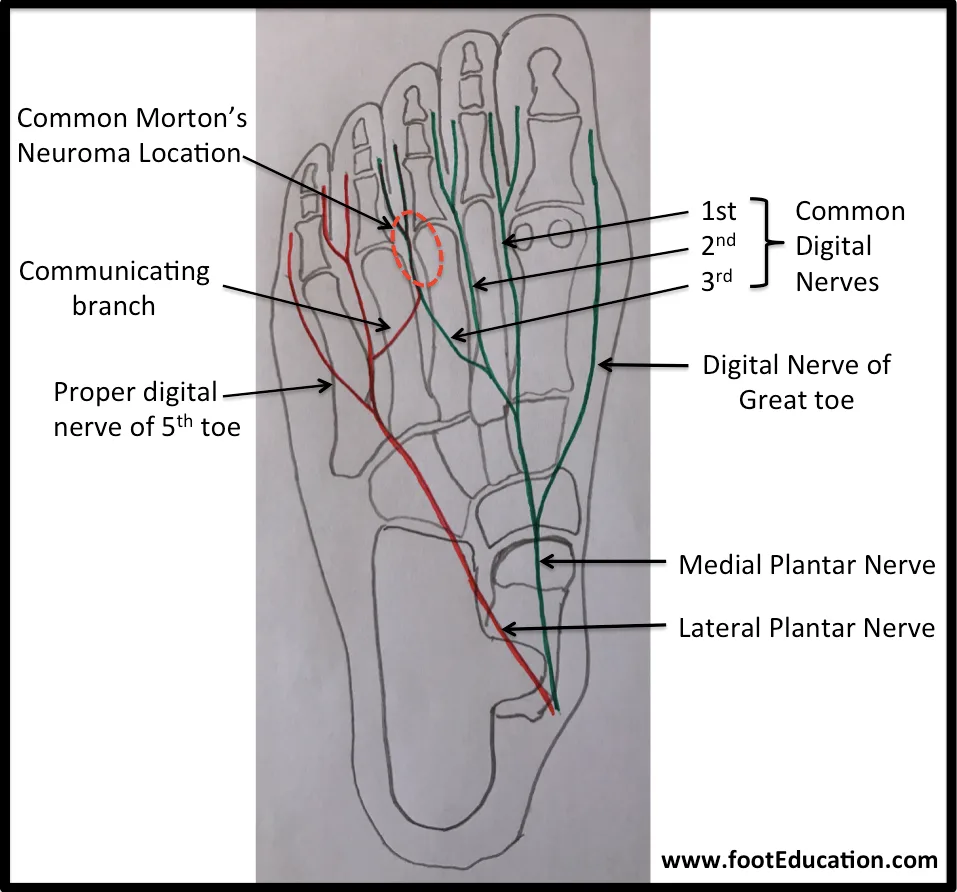
Image source: Bing (Web (fair-use with source credit))
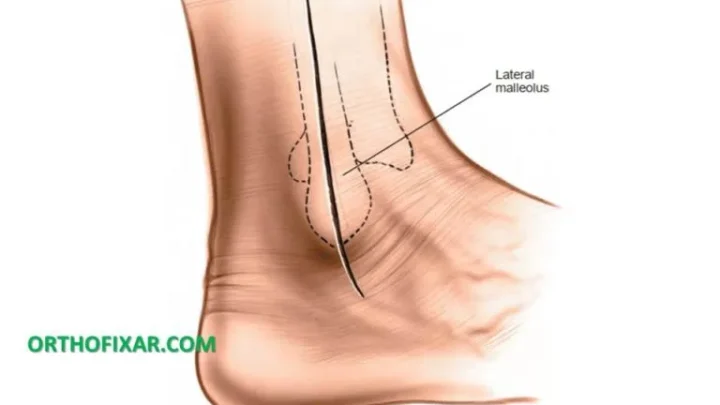
The third intermetatarsal space sits between your third and fourth toes. This specific spot is uniquely vulnerable to compression due to its underlying anatomy.
The common plantar digital nerve in this web space is unusually thick. It receives sensory branches from both the medial and lateral plantar nerve trunks. A thicker nerve needs more physical room to glide as you step.
A rigid band of connective tissue, called the deep transverse metatarsal ligament, runs directly across the top of this nerve. When you walk, the metatarsal bones roll forward, and ground reactive forces push the nerve upward into this stiff ligament.
| Anatomical Structure | Normal Gait Function | Impact of Pointed-Toe Compression |
|---|---|---|
| Common Plantar Digital Nerve | Transmits sensation from the 3rd and 4th digits | Pinched, starved of blood, forms fibrous scar tissue |
| Deep Transverse Metatarsal Ligament | Stabilizes the forefoot bones during toe-off | Acts as an unyielding roof, crushing the swollen nerve beneath it |
| Metatarsal Heads (3rd and 4th) | Splay outward 5 to 8 millimeters to absorb shock | Clamped together, grinding against the enlarged nerve bundle |
| Intermetatarsal Bursa | Reduces friction between bones and soft tissue | Becomes inflamed (bursitis), increasing internal pressure |
Pointed-toe shoes make this mechanical sandwich far worse. Without room for the metatarsals to splay outward, the nerve is crushed between the bone heads from the sides and sheared by the ligament from above.
Burning Pain vs. True Numbness: Recognizing the Signs of Nerve Damage
Nerve irritation moves through predictable stages. Recognizing where you sit on that timeline determines how aggressively you must change your habits.
Early-stage irritation usually presents as an electric zap, a burning sensation, or a vague feeling that your sock is bunched up under your foot. You take off the shoe, rub the ball of your foot, and normal feeling returns within ten minutes. That is simple mechanical neuritis.
True numbness, or digital hypoesthesia, marks a more serious shift. You might touch your third and fourth toes and realize they feel like carved wood or dental anesthesia. This deadened state means the nerve is experiencing prolonged ischemia, or lack of blood supply.
If the numbness lingers for days after taking off the narrow shoes, the nerve has developed chronic perineural fibrosis. Clinical guidance from the American College of Foot and Ankle Surgeons emphasizes that persistent loss of sensation requires immediate offloading to prevent permanent nerve injury.
Assessing the Damage: Self-Checks and Clinical Diagnosis
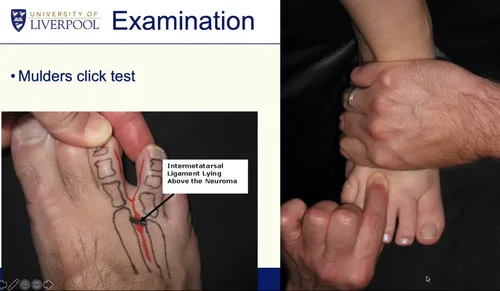
Image source: Bing (Web (fair-use with source credit))
Determining whether you have a neuroma or simple foot fatigue requires a few targeted diagnostic checks.
A podiatrist or orthopedic specialist typically begins with a physical test called Mulder's sign. The clinician squeezes your forefoot from side to side using one hand to compress the metatarsal heads. At the same time, they press upward into the third web space with their thumb.
A positive Mulder's sign produces a palpable "click" or snap accompanied by sharp, radiating discomfort. The click occurs when the enlarged, fibrous nerve bundle slips abruptly beneath the transverse metatarsal ligament.
Other conditions can mimic these symptoms, making accurate assessment essential:
- Stress Fractures: Causes pinpoint bone tenderness right on the shaft of the metatarsal, usually accompanied by visible swelling on top of the foot.
- MTP Joint Capsulitis: Inflammation inside the toe knuckle joint itself, marked by pain when bending the toe upward.
- Peripheral Neuropathy: Bilateral numbness that affects all toes equally across both feet, often linked to metabolic conditions.
If physical testing is inconclusive, high-resolution musculoskeletal ultrasound or weight-bearing MRI can measure the nerve bundle directly. As of 2026, ultrasound scans showing a nerve cross-section larger than 5 millimeters confirm a clinically significant neuroma.
Reversing the Pressure: Footwear Overhaul, Metatarsal Pads, and Mechanical Relief
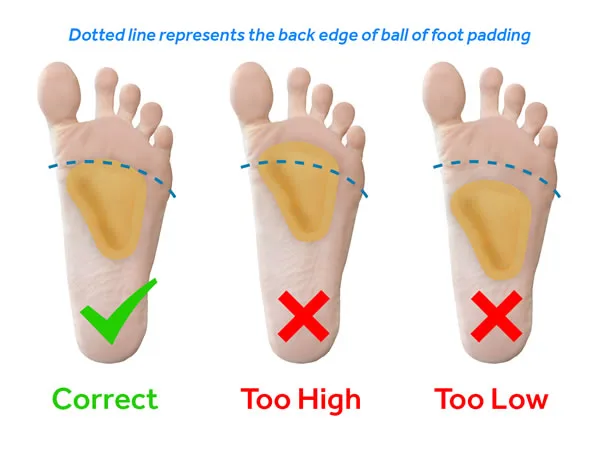
Image source: Bing (Web (fair-use with source credit))
Resolving nerve numbness requires removing the transverse squeeze and letting the metatarsal arch relax. You cannot heal an entrapped nerve while continuing to wear shoes that actively pinch it.
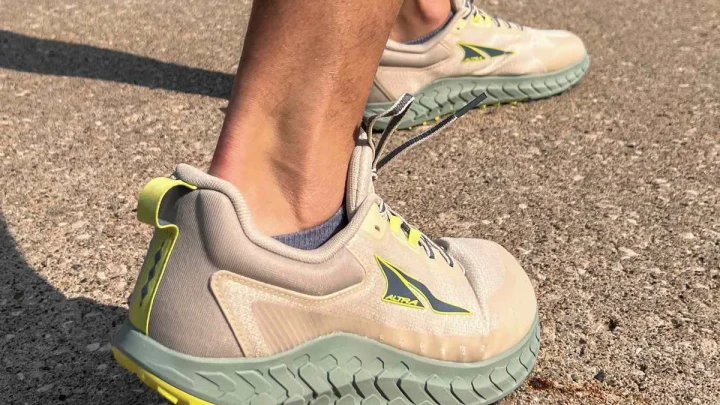
Switch to shoes featuring an anatomical toe box that mirrors the actual shape of a human foot. The front of the shoe must be wide enough to let your toes spread without touching the sides of the upper material. Look for shoes with a zero-drop or low-drop sole, keeping the heel level with the forefoot to stop your body weight from driving forward into the ball of the foot.
The most effective mechanical tool for immediate nerve relief is a tear-drop-shaped metatarsal pad. However, most people place these pads in the wrong spot, which makes the pain worse.
Never stick the pad directly under the ball of your foot. Placing it on top of the sore spot crushes the nerve even harder against the pavement. Instead, position the thickest part of the pad just behind the metatarsal heads, in the softer pocket of your arch.
Placing the pad behind the bones lifts and spreads the metatarsal shafts as you step. This opens up the space between the bones, relieving pressure on the common plantar digital nerve and allowing blood flow to return. Combine this with daily calf stretches, because tight Achilles tendons force early heel rise and dramatically spike forefoot pressure.
Medical Interventions: From Injections to Decompression and Neurectomy
When changing your shoes and adding metatarsal pads does not restore sensation, medical treatment becomes necessary. The goal shifts from simple mechanical relief to calming severe tissue swelling or physically freeing the trapped nerve.
Cortisone injections are often the first clinical step. A doctor injects a corticosteroid mixed with a local anesthetic directly into the intermetatarsal space. This powerful anti-inflammatory shrinks the swollen bursa and reduces pressure on the digital nerve.
However, repeated steroid injections carry real risks. They can cause plantar fat pad atrophy, permanently thinning the natural shock absorber beneath the ball of your foot. They can also weaken the surrounding joint capsules.
If numbness and pain persist, surgical options enter the conversation:
- Intermetatarsal Nerve Decompression: The surgeon cuts the deep transverse metatarsal ligament without removing the nerve. This releases the tight roof of tissue, giving the nerve space to heal while preserving toe sensation.
- Neurectomy: The surgeon completely resects the enlarged, fibrous nerve segment. This permanently eliminates the source of burning pain, but it leaves the inner sides of the third and fourth toes permanently numb.
- Stump Neuroma Formation: A recognized complication of neurectomy where the cut end of the nerve grows disorganized scar tissue. This occurs in roughly 10 to 15 percent of surgical cases and can cause severe recurring symptoms.
Per the clinical guidelines published by the National Institute for Health and Care Excellence, conservative non-surgical management should be exhausted for at least several months before considering operative excision.
Long-Term Forefoot Health: Action Plan and Everyday Protocol
Recovering from nerve irritation requires consistent daily habits. Healing an inflamed nerve takes weeks, and regaining lost sensation can take months once pressure is fully removed.
Start by removing the shoe insole and standing directly on it. If your forefoot spills over the edges, that shoe is actively compressing your metatarsals. Retire every pair of narrow, pointed shoes until normal digital sensation returns.
Follow this practical daily routine to restore space and blood flow across the forefoot:
- Morning Plantar Mobilization: Roll the ball of your bare foot over a firm massage ball or tennis ball for two minutes. This mobilizes the metatarsal joints and breaks up morning stiffness.
- Calf and Soleus Lengthening: Stretch your calves against a wall for three sets of 30 seconds per leg. Supple calves reduce early heel lift during your stride, lowering forefoot peak pressures.
- Active Toe Splay Exercises: Sit with your feet flat on the floor. Lift and spread your toes outward as far as possible without curling them, holding for five seconds. Repeat for ten repetitions to build internal foot muscle strength.
- Midday Foot Inspection: Check your third and fourth toes for lingering numbness after long periods of walking. If the wooden sensation returns, switch immediately to a wide shoe with a metatarsal pad.
Frequently Asked Questions About Morton's Neuroma and Footwear
Can pointed-toe shoes cause permanent numbness?
Yes, prolonged use of pointed shoes can lead to permanent loss of sensation. Constant sideways compression cuts off microvascular blood flow to the nerve fibers. Over time, chronic lack of oxygen causes endoneurial fibrosis, which permanently destroys sensory nerve axons.
How long does it take for toe numbness to go away?
Numbness from mild, temporary compression usually clears up within two to six weeks after switching to wide-toe-box shoes. If dense fibrous tissue has formed, sensory recovery may take three to six months. In cases with prolonged nerve death, full sensation might never completely return.
Do I need to buy wide-width shoes if my feet are narrow?
Not necessarily, because shoe width and toe box shape are different things. You need footwear that features an anatomical, foot-shaped front rather than a tapered point. Many standard-width shoes offer wide, foot-shaped toe boxes that prevent metatarsal pinching without slipping at the heel.
Should I walk barefoot to fix my Morton's neuroma?
No, walking completely barefoot on hard, flat surfaces often makes a neuroma worse. Without sole cushioning or a metatarsal pad, ground reactive forces push the swollen nerve directly upward into the transverse metatarsal ligament. Stick to supportive, zero-drop shoes with adequate forefoot cushion while healing.
How do I know if my metatarsal pad is in the right place?
A properly placed metatarsal pad should feel like a supportive, comfortable dome just behind the ball of your foot. It should never feel like you are stepping directly on a hard lump. If your toes feel more numb or your forefoot pain increases while walking, the pad sits too far forward.

Similar Posts