Second Toe Longer Than Big Toe? How to Size Sandals
Founder & Fashion Creative Director at Julia Fashionista · CFDA Fashion Scholar, Certified Image Consultant (AICI) · 12+ years in editorial wardrobe styling, sustainable textile sourcing, and luxury capsule curation
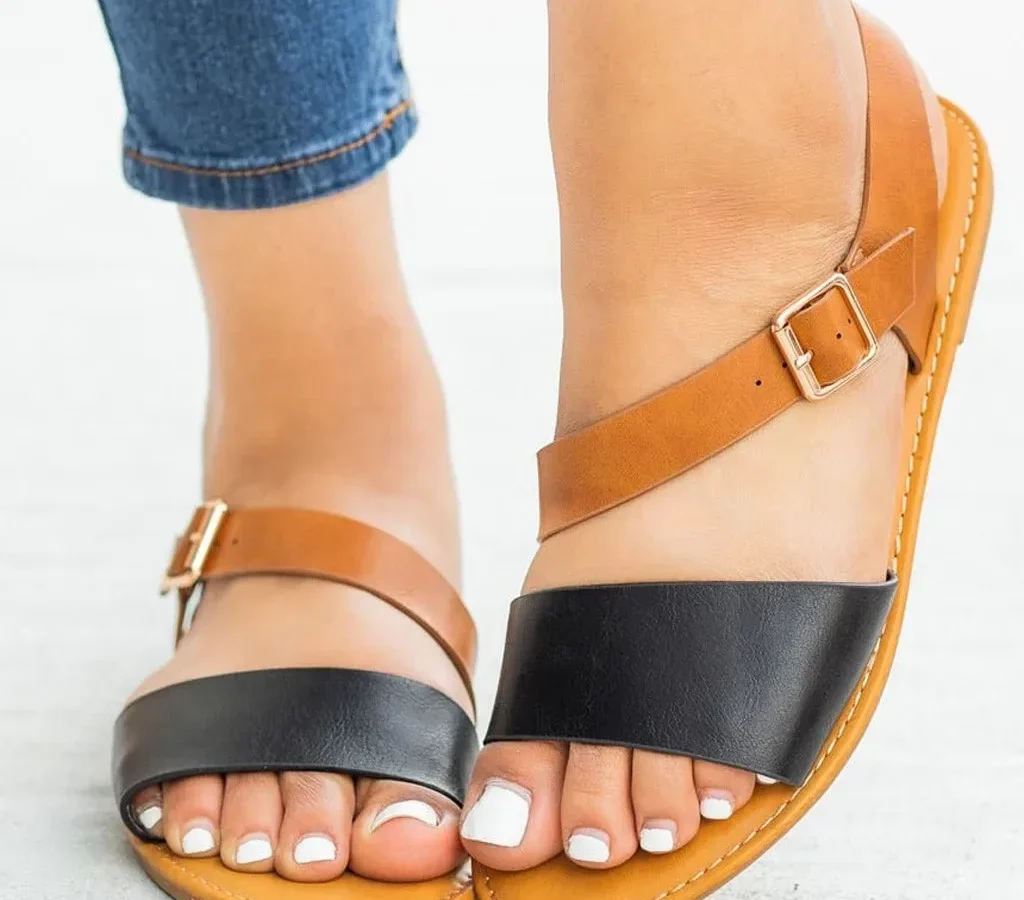
Finding the right fit feels impossible when your second toe extends past your big toe. Traditional shoe charts assume your big toe is the longest point, making second toe longer than big toe sandal sizing a constant battle against front-edge overhang.
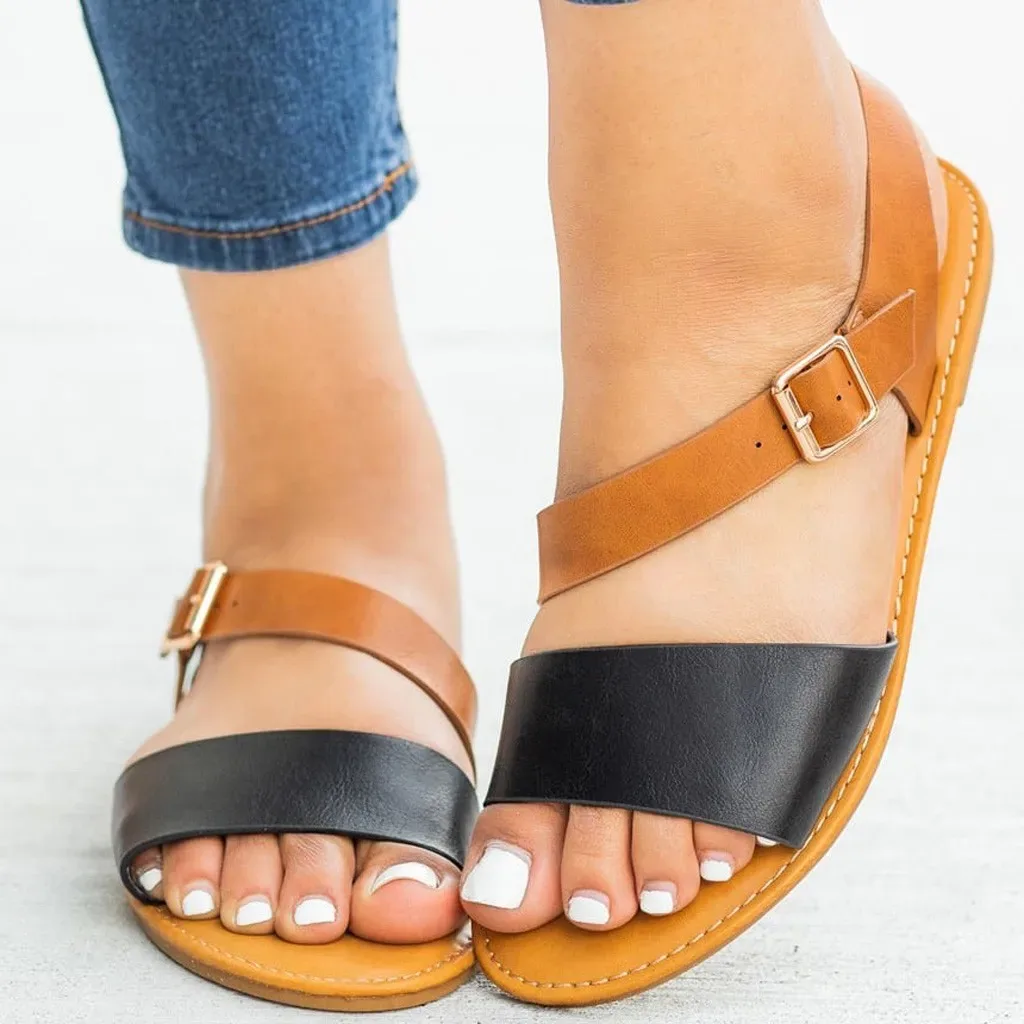
Image source: Bing (Web (fair-use with source credit))
This anatomical setup is known as Morton's toe, and clinical surveys show it occurs in roughly 10% to 22% of the global population. When choosing open footwear, a standard size often forces your longest digit to hit the pavement or rub raw against a protective rim.
Quick Answer
Second toe longer than big toe sandal sizing requires fitting your longest digit first. Always leave 5 to 10 millimeters of space past your second toe. Check your arch placement to ensure built-in supports sit correctly.
Never rely on the big toe for sandal length.
The Second-Toe Sizing Dilemma: Why Your Sandals Never Quite Fit Right
Most footwear designers build sandals around an Egyptian foot shape, where the big toe is the longest point. When your foot does not follow that slope, standard sizing breaks down immediately.
If you buy your normal shoe size, your second toe frequently creeps over the front edge. You end up scraping your toe against curbs, catching it on stairs, or bruising the nail bed during simple walks.
Sizing up sounds like the obvious fix, but it creates a secondary problem. Sandals rely on specific anchor points like heel cups, arch bridges, and strap placements.
When you increase the size to protect that longer toe, the entire platform shifts. The arch support now sits too far forward, pressing painfully into the middle of your plantar fascia. The shoe feels sloppy, your heel slides around, and you find yourself clawing your toes just to keep the sandal on.
How Morton’s Toe Changes Sandal Biomechanics and Sizing Rules
Morton's toe is not actually an abnormally long toe bone. As described in classic orthopedic research by Dr. Dudley Morton, it is caused by a shortened first metatarsal bone.
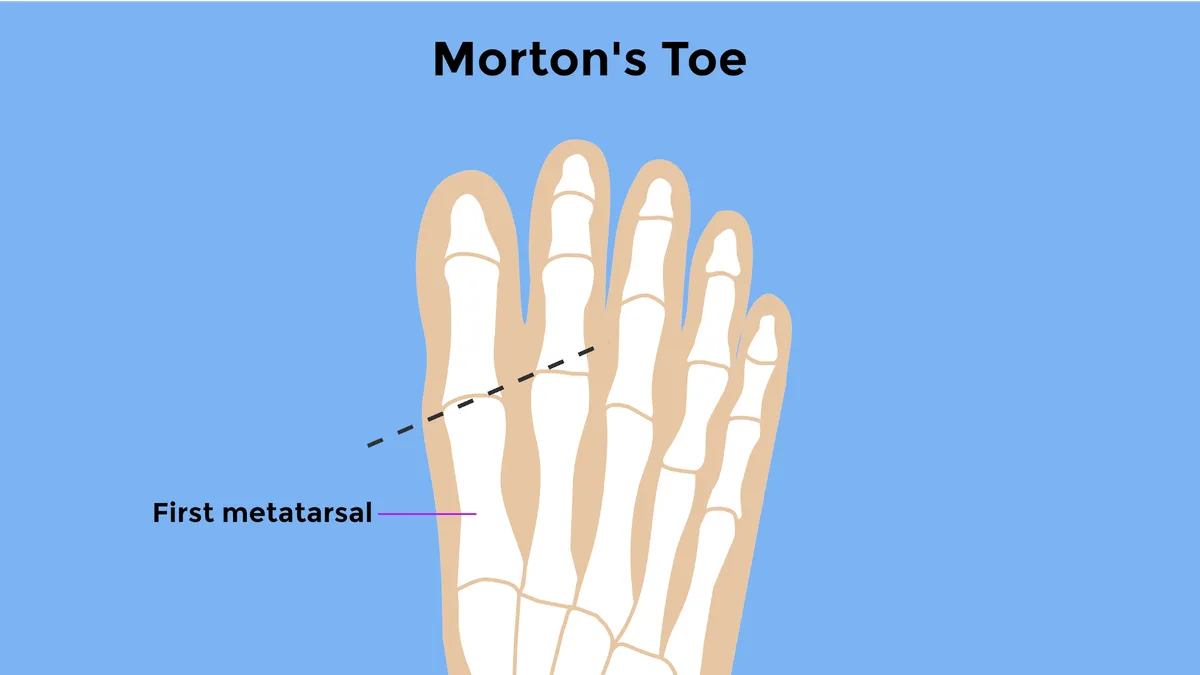
Image source: Bing (Web (fair-use with source credit))
Because the first metatarsal is short, the second metatarsal sits forward, making the second digit your functional apex. The American Orthopaedic Foot & Ankle Society notes that variations in forefoot anatomy significantly alter how ground forces distribute across the metatarsal heads during gait.
When you push off the ground, your body naturally transfers weight to that second toe instead of the first. In an open sandal, this forward drive propels your foot toward the front bumper. If your sandal lacks proper forefoot depth or sits on a rigid rocker, that extra load causes calluses and joint pain.
Sizing rules must account for this forward propulsion. You cannot use standard heel-to-big-toe metrics. You must measure from the back of your heel directly to the tip of your second toe, adding an intentional buffer for natural foot splay.
The Sandal Sizing Decision Tree: How to Size Based on Sandal Construction
Different sandal builds interact with a long second toe in completely different ways. Follow this decision tree based on the specific style you plan to wear.
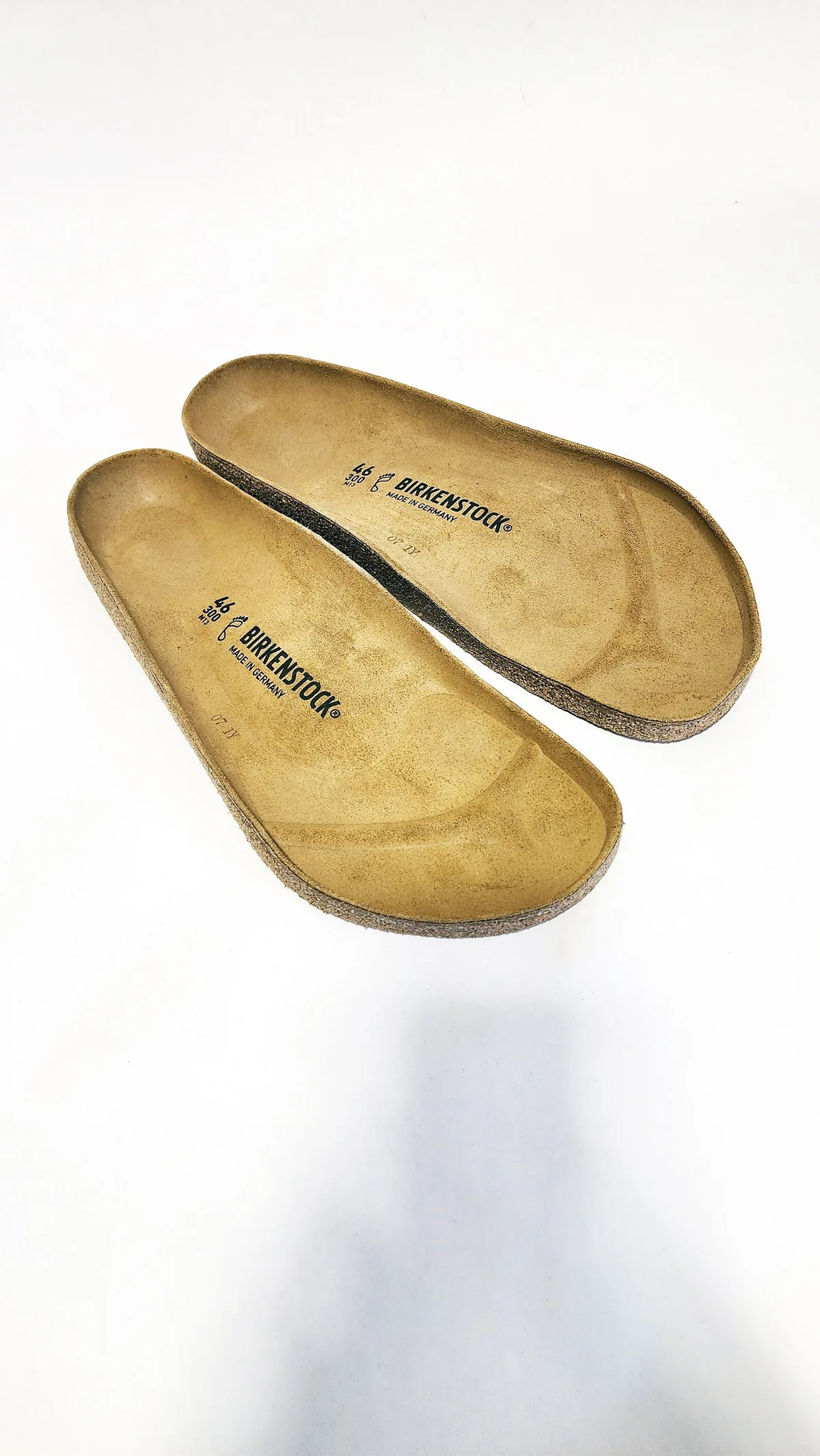
Image source: Bing (Web (fair-use with source credit))
Branch 1: Deep Contoured Footbeds with Raised Rims (Birkenstocks, Mephisto)
If the sandal features a molded cork footbed with a distinct outer ridge, your longest toe must never touch the rim.
- Check the heel seat first: place your heel firmly in the cup.
- Look at the front lip: if your second toe hits or curls over the rim, you must size up.
- Verify the toe bar: the raised ridge beneath your toes must rest comfortably in the crease, not under your ball or pads.
- As of 2026, many brands offer regular and narrow widths; if sizing up makes the shoe too loose, try sizing up in the narrower width to maintain strap snugness.
Branch 2: Flat-Slab Leather Slides and Minimalist Soles
If the sandal has a flat footbed without raised edges, you have far more sizing freedom.
- Focus purely on total clearance rather than built-in arch locations.
- Ensure you have at least 6 millimeters of visible leather ahead of your second toe while standing.
- Check the instep strap: flat sandals need a snug midfoot band to prevent your foot from sliding forward as you walk.
Branch 3: Thong Sandals and Toe Posts (The Critical Trap)
If the sandal uses a center post between the first and second toes, sizing becomes restrictive.
- A toe post acts as a physical wall, stopping your foot from moving backward.
- This post often forces your long second toe straight forward into the edge of the sole.
- If the post sits too close to the front edge, sizing up only creates empty space behind your heel while leaving your second toe exposed.
- Pass on center-post styles if your second toe extends more than 5 millimeters past your big toe.
Branch 4: Multi-Strap Sport Sandals with Adjustable Insteps (Chacos, Tevas)
If you need footwear for trails or water, adjustable webbing is your best solution.
- Size up to give your second toe a full 10 millimeters of bumper space at the front.
- Tighten the main instep strap across your navicular bone.
- Locking the instep prevents your foot from sliding forward, preserving the front toe buffer even on steep downhill hikes.
Step-by-Step Sizing Workflow: Finding Your True Apex and Alignment
Finding your correct sandal size requires five distinct steps. Grab a ruler, a blank sheet of paper, and a pen.
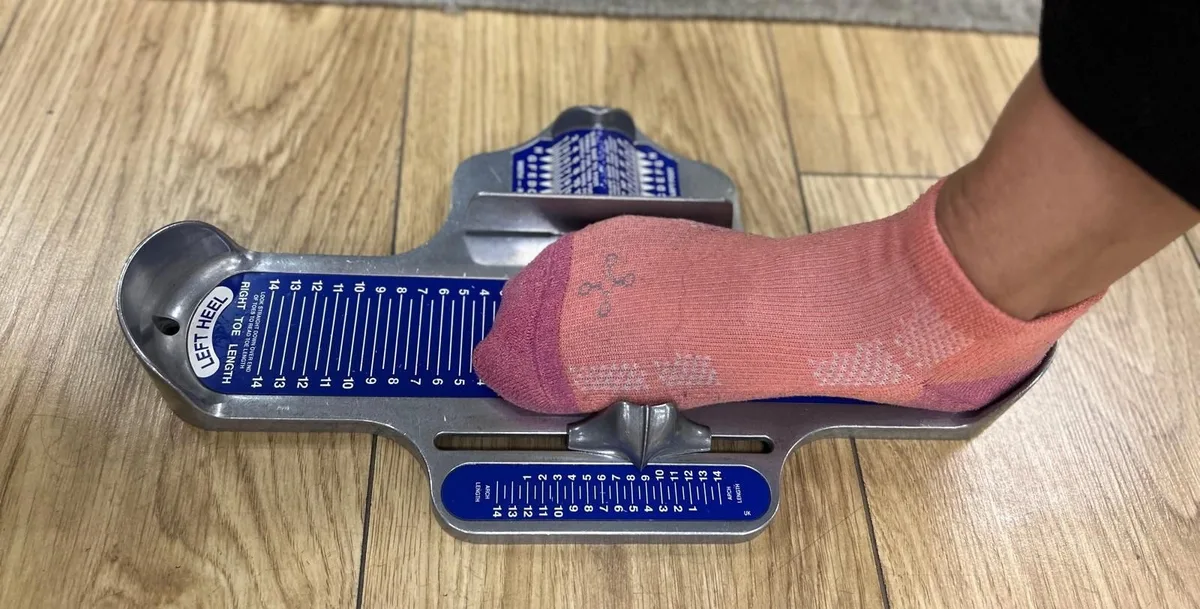
Image source: Bing (Web (fair-use with source credit))
- Trace Your Foot Under Weight: Place your bare foot on paper while standing upright. Trace closely around your heel and toes. Have a helper do this to keep your weight centered.
- Identify Your Foot Apex: Draw a straight horizontal line across the very tip of your longest digit. In your case, this is the second toe. Measure the distance from the center of the heel curve to this line in millimeters.
- Compare Heel-to-Ball vs. Heel-to-Toe: Standard sizing uses the Brannock Device Company sizing scales, which measure both total length and arch length. If your arch size is smaller than your total length, you must prioritize the toe clearance to avoid digit trauma.
- Add the Dynamic Buffer: Add 5 millimeters for casual flat sandals, or 8 to 10 millimeters for outdoor or contoured sandals. Feet elongate under dynamic loads when walking.
- Test the Midfoot Lockdown: Put the sandal on. Stand up and push your foot forward as hard as you can without walking. If your second toe touches the edge, adjust the straps or go up one size.
| Sandal Feature | Target for Egyptian Foot (Big Toe Longest) | Adjustment for Morton's Toe (Second Toe Longest) |
|---|---|---|
| Front Clearance | 3 to 5 mm from big toe | 5 to 10 mm from second toe tip |
| Footbed Profile | Sharp asymmetrical taper inward | Broad, rounded, or squared toe box |
| Toe Bar Fit | Sits along standard diagonal slope | Must sit behind the second toe joint |
| Instep Webbing | Standard factory tension | Must be tightened to anchor heel back |
| Toe Post Suitability | High compatibility | Low compatibility (causes forward jam) |
Four Critical Sandal Fitting Mistakes People with Morton's Toe Make
The most common mistake is buying for the big toe. When you leave a safe 5-millimeter gap ahead of your first digit, your second toe is already hanging over the front edge. Always measure from your longest point, regardless of which toe it is.
The second mistake is ignoring footbed taper. Many dress sandals taper sharply inward starting right at the big toe. This diagonal cut slices directly across the path of a long second toe, pinching it sideways or letting it drop off the side of the shoe.
A third error is tolerating raised rims. People often convince themselves that a cork edge will soften over time. It will not.
Walking on a raised rim bruises the distal tip of the second toe and can permanently damage the nail matrix.
Finally, many buyers forget to secure the ankle or instep. If your straps are loose, your foot slides forward with every stride. Even an oversized sandal will fail to protect your second toe if your heel cannot stay anchored in the back half of the bed.
Footbed Silhouette Comparison: Which Profiles Actually Accommodate a Longer Second Toe?
The outer contour of the footbed matters just as much as its length. Sandals are built on distinct foot shapes, known in shoemaking as lasts. Matching your forefoot shape to the correct silhouette prevents overhang without forcing you into an excessively long shoe.
Rounded and oblique silhouettes provide the best real-world fit. An oblique toe bed mirrors the natural fan shape of human toes, peaking near the second digit rather than tapering early. Square-toe footbeds are equally practical.
They maintain uniform length across the middle digits, giving your second toe the room it needs without wasting space at the edges.
Asymmetrical and almond profiles create the most problems. Asymmetrical designs slope sharply inward from the big toe, instantly crowding the second and third digits. Almond profiles round off on both sides, pinching the center of your forefoot and pushing your longest toe over the front center edge.
| Footbed Silhouette | Toe Box Shape | Fit Compatibility for Morton's Toe | Best Sandal Type |
|---|---|---|---|
| Oblique / Natural | Broad fan with high center clearance | Excellent | Outdoor sport sandals and ergonomic walking shoes |
| Square | Straight horizontal front edge | Very Good | Open-toe dress slides and strappy mules |
| Rounded | Gentle, uniform semicircular arc | Moderate | Casual lifestyle sandals and cork footbeds |
| Asymmetrical | Aggressive diagonal slope from big toe | Poor | Pointed leather slides and fashion sandals |
Frequently Asked Questions About Sizing Sandals with Morton's Toe
Should I size up if my second toe hangs over?
Yes, you should size up. Your longest toe needs a safety buffer against impact. When you size up, check that the arch support aligns with your medial arch.
If the larger size creates too much width, look for styles with adjustable straps to secure your foot.
Can a cobbler stretch or modify sandals for Morton's toe?
A cobbler can stretch leather upper straps across your instep, but they cannot lengthen a footbed. If your sandal features a raised perimeter rim, stretching the leather upper will not stop your toe from hitting that rigid lip. Sizing up remains the only fix for short soles.
Why do thong sandals hurt when the second toe is longer?
Thong posts lock your foot into a fixed position. The post stops your foot from sitting further back on the footbed. This forces your longer second toe forward into the edge of the sole, leading to friction, toe cramping, and repetitive impact with the ground.
Does Morton's toe cause calluses on the ball of the foot?
Yes, calluses are common. A short first metatarsal transfers propulsion forces directly onto the second metatarsal head. In unsupportive, flat sandals, this pressure concentrates on the ball of your foot just behind the second toe, leading to thick skin buildup and localized soreness.
How much toe clearance is normal in contoured sandals?
You should have 5 to 10 millimeters of clearance beyond your longest toe. When your second toe is longest, measure that gap from its tip to the inside edge of the front rim. Any clearance below 5 millimeters risks bruising while walking downhill.
The Morton's Toe Sandal Sizing Checklist: Your Final Buying Rules
Use these practical rules before keeping any new pair of sandals:
- Identify your apex first: Confirm whether your second toe extends past your big toe when fully weight-bearing.
- Fit to the longest digit: Treat the tip of your second toe as your sizing marker for length.
- Maintain the dynamic buffer: Keep at least 5 millimeters of clear sole ahead of that second toe on flat models, and up to 10 millimeters on contoured footbeds.
- Lock the instep down: Select models with adjustable midfoot or heel straps to prevent your foot from shifting forward during movement.
- Inspect the silhouette: Prioritize square or oblique toe designs over sharply tapered or almond shapes.
- Check the arch curve: Make sure the molded arch supports your actual arch instead of digging into your heel or ball.

Similar Posts