Broadway Show Dress Code: Matinee vs. Evening
Founder & Fashion Creative Director at Julia Fashionista · CFDA Fashion Scholar, Certified Image Consultant (AICI) · 12+ years in editorial wardrobe styling, sustainable textile sourcing, and luxury capsule curation
Figuring out a Broadway show dress code matinee vs evening can feel confusing if you have never stepped inside a historic Manhattan theatre. Broadway no longer enforces a strict, traditional dress code, which leaves many audience members wondering how casual is too casual.
Industry guidelines from The Broadway League confirm that modern theatres permit entry in almost any attire as long as you wear a shirt and shoes. Even so, the vibe changes noticeably depending on the time on your ticket. As of 2026, daytime audiences lean heavily practical, while night audiences use the curtain call as an excuse to dress up.
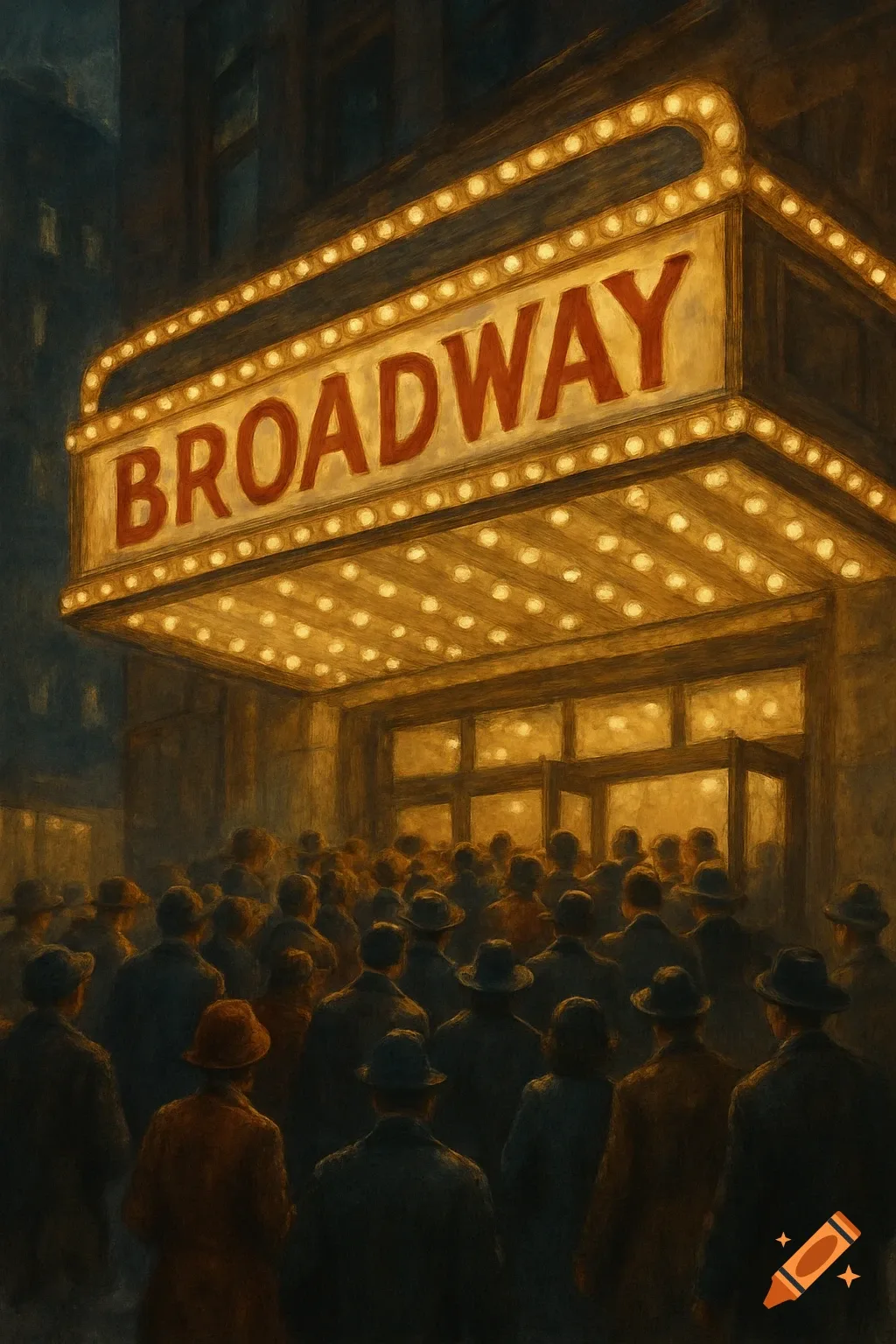
Image source: Web (Bing) / craiyon.com (Web image (fair-use with source credit))
Quick Answer
No Broadway house enforces a mandatory dress code. Matinees skew toward casual daytime walking clothes. Evening curtains lean sharper, toward smart casual or business casual.
Dark denim and neat layers work well for both. Pack a light jacket to handle cold theatre air.
The Truth About Broadway Dress Codes: Rules vs. Reality
If you ask the box office staff, they will tell you the rulebook is basically blank. You will not be turned away at the door for wearing dark jeans, clean sneakers, or a plain T-shirt. Theatre operators care about ticket validation, security checks, and keeping aisles clear.
The social expectations, however, are very real. Broadway remains a major cultural event, so audience members naturally dress up out of respect for the performers and the venue. You will see people in cocktail dresses and blazers sitting right beside people in polo shirts and comfortable denim.
The real goal is looking intentional without sacrificing personal comfort. Finding that middle ground keeps you from feeling underdressed during pre-show drinks or overdressed on the subway ride back.
Broadway Matinee Dress Expectations: Daytime Practicality Meets Casual Style
Matinee performances run on Wednesday, Saturday, and Sunday afternoons, usually starting at 1:00 PM or 2:00 PM. These crowds consist of weekend tourists, school groups, families, and suburban commuters. Most people in the audience spent the morning walking through museums or Central Park, and their clothing reflects that schedule.
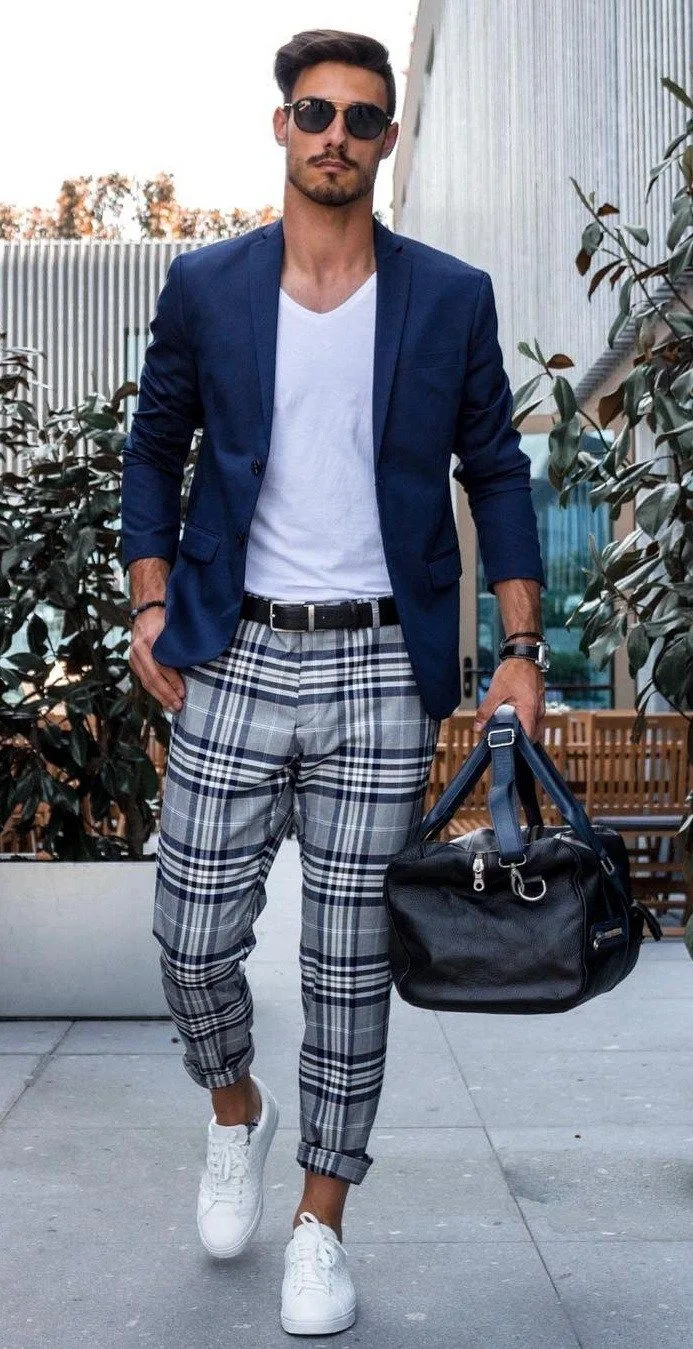
Image source: Web (Bing) / pinterest.com (Web image (fair-use with source credit))
For a matinee, elevated casual is the gold standard. You want clothing that holds up to thousands of steps on Midtown sidewalks while still looking neat in a dimly lit auditorium.
Good matinee options include:
- Well-fitted dark jeans or casual chinos
- Knit sweaters, polos, or relaxed button-down shirts
- Day dresses, midi skirts, or structured jumpsuits
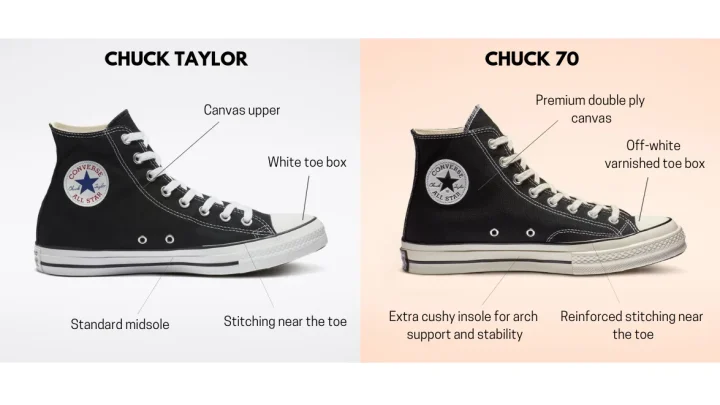
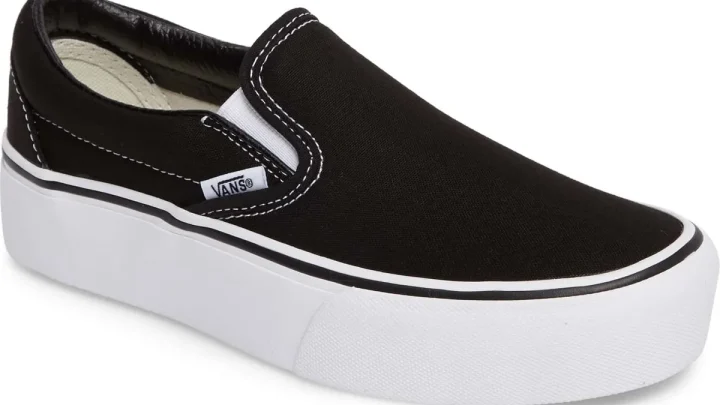
- Clean, low-profile leather sneakers, ankle boots, or supportive loafers
Skip anything sloppy like gym shorts, graphic tank tops, or pool flip-flops. You do not need a suit or evening gown for a 2:00 PM curtain, but putting together a clean outfit shows courtesy to the cast.
Broadway Evening Performance Attire: The Traditional Night Out
Evening performances, running Tuesday through Saturday around 7:00 PM or 8:00 PM, draw a noticeably sharper crowd. Many patrons arrive directly from corporate offices across Manhattan. Others treat the performance as the centerpiece of an anniversary, birthday, or date night paired with fine dining.
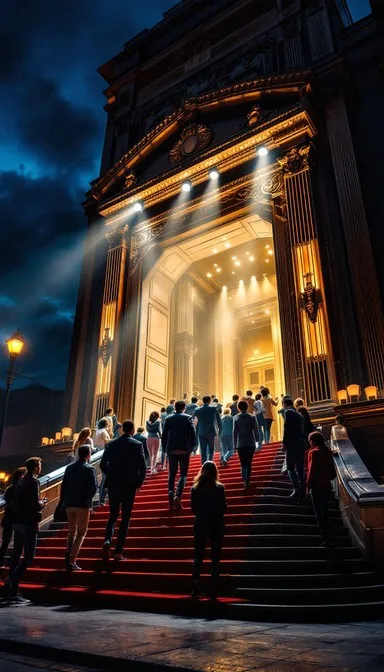
Image source: Web (Bing) / stockcake.com (Web image (fair-use with source credit))
At night, smart casual is the floor, and business casual or cocktail attire is common. You will spot tailored blazers, silk tops, darker colour palettes, and dressier footwear throughout the orchestra rows.
Solid evening choices include:
- Tailored trousers paired with a sport coat or blazer
- Dark wash denim matched with a crisp dress shirt
- Cocktail dresses, elegant wrap dresses, or dressy pant suits
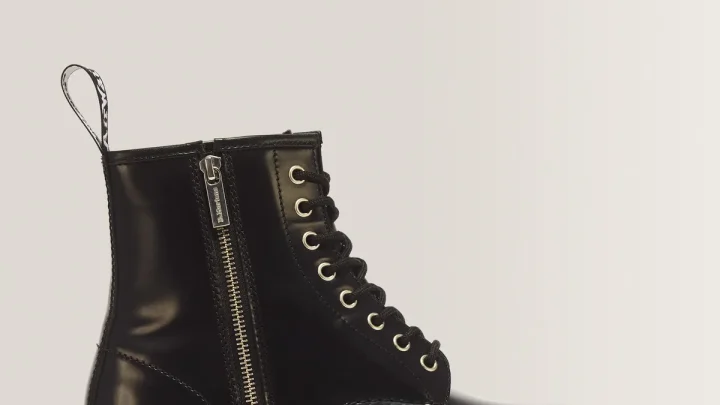
- Polished leather oxfords, dress boots, or low, comfortable heels
You still do not need black-tie formalwear unless you hold tickets to an official opening night gala. Even so, leaning slightly dressier at night ensures you look right at home when heading to an upscale restaurant or lounge after the final bow.
Matinee vs. Evening: Side-by-Side Comparison
Choosing between matinee and evening styling comes down to balancing daytime walking requirements against evening dining plans. Matinee patrons should prioritize durable walking shoes and low-maintenance fabrics. Evening patrons can safely prioritize tailored cuts and richer materials.
The table below breaks down what you can expect across both curtain times:
| Category | Matinee Shows (1:00 PM / 2:00 PM) | Evening Shows (7:00 PM / 8:00 PM) |
|---|---|---|
| Dominant Dress Style | Elevated casual, comfortable smart casual | Business casual, smart casual, cocktail attire |
| Audience Demographics | Tourists, families, students, day-trippers | Office commuters, date nights, theatre regulars |
| Recommended Footwear | Clean leather sneakers, flat walking boots | Loafers, dress flats, low heels, dress shoes |
| Jacket / Layer Need | Essential (heavy venue AC in daytime) | Essential (consistent cooling year-round) |
| Denim Norms | Common; light or dark washes accepted | Preferred dark wash or tailored trousers |
| Post-Show Setting | Casual lunch, coffee, or museum tours | High-end dining, hotel bars, stage door visits |
Pick the matinee side of the table if your theatre trip is packed between hours of sightseeing. Choose the evening column whenever your show connects directly to a formal dinner or celebratory night out.
The Architecture Factor: Navigating Cramped Historic Theatres and Wild Temperatures
What you wear matters far beyond aesthetic appeal. Most of Broadway's 41 active venues are protected landmarks built between 1900 and 1930. These historic houses were designed for smaller audiences, meaning narrow aisles, tight seating rows, and almost zero storage space.
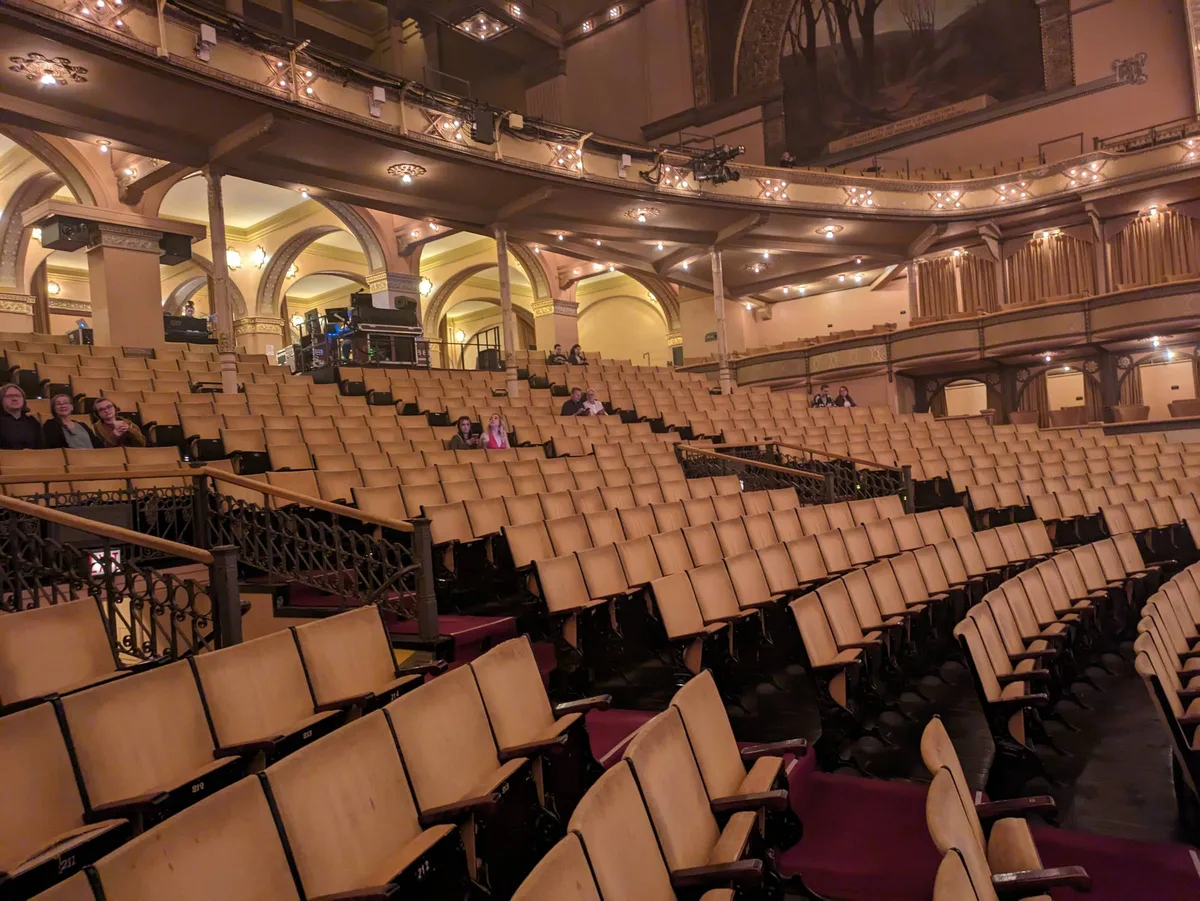
Image source: Web (Bing) / rateyourseats.com (Web image (fair-use with source credit))
Seat pitch inside these venues is famously tight, often giving you less legroom than a coach airline seat. You will sit upright in close quarters for roughly two and a half hours, with only a 15-minute intermission to stretch. Stiff waistbands, scratchy textiles, and overly structured jackets turn into genuine annoyances by Act Two.
Venue climate control is equally challenging. The Occupational Safety and Health Administration notes general indoor comfort ranges between 68°F and 76°F, but historic theatres present wild swings. During sweltering summer afternoons, cooling systems blast cold air directly into the orchestra to counter outdoor humidity, pushing room temperatures down near 65°F.
In winter, century-old radiators can make vestibules and balconies uncomfortably warm.
Always build your outfit around adaptable layers. A light sweater, tailored cardigan, or packable pashmina lets you regulate your temperature without hogging limited seat space. Avoid huge winter parkas or massive bags if possible, as floor space under your seat is practically non-existent.
What to Wear: Tested Outfit Formulas for Men, Women, and Gender-Neutral Styling
Putting together an outfit is much easier when you use simple, reliable formulas. The right choice depends on balancing presentation with physical ease during long sitting periods.
For daytime matinees, stick to functional layers that handle street walking and cold indoor drafts.
- For men: dark slim chinos, a merino wool crewneck or collared polo, and leather dress sneakers.
- For women: an ankle-length knit dress, an unstructured cardigan, and supportive Chelsea boots or cushioned flats.
- Gender-neutral: straight-leg dark jeans, an Oxford button-down layered under a chore coat, and broken-in blundstones or tailored loafers.
For evening curtains, elevate the fabric choices and lean into tailored silhouettes.
- For men: wool dress trousers, an unlined sport coat, a crisp button-down shirt, and leather derbies.
- For women: wide-leg pleated trousers, a silk or satin blouse, a tailored blazer, and low block heels.
- Gender-neutral: black tailored trousers, a structured mock-neck sweater, a minimalist wool overcoat, and polished dress boots.
These combinations keep your silhouette sharp while ensuring you stay comfortable in compact auditorium seats.
Common Wardrobe Mistakes That Will Ruin Your Broadway Experience
The most frequent wardrobe error is wearing brand-new shoes. Between walking through Midtown, navigating steep mezzanine staircases, and standing in crowded restroom queues, stiff footwear leads directly to painful blisters. Stick to shoes that are thoroughly broken in.
Another common misstep is wearing tall headwear or large hairstyles. Wide-brimmed hats, high top-knots, and bulky fascinators block sightlines for the patrons sitting directly behind you. Theatre ushers routinely ask guests to remove hats before the house lights dim.
Avoid noisy or bulky clothing. Silk taffeta skirts that rustle with every shift, jangly metal bangles, and massive puffer coats disrupt your neighbors during quiet dramatic scenes. If you carry shopping bags from daytime errands, pay the small fee to leave them at coat check rather than stuffing them into your foot space.
Frequently Asked Questions About Broadway Attire
Can you wear jeans to a Broadway show?
Yes, you can wear jeans to both matinee and evening Broadway shows. Darker washes without rips, distressing, or frayed hems look most appropriate. Pair them with a neat collared shirt, knit sweater, or blazer to keep the overall outfit looking put-together and respectful of the venue.
Are sneakers acceptable at a Broadway theatre?
Sneakers are completely acceptable for both daytime and night performances. To look your best, choose clean, minimalist leather or canvas sneakers in neutral colors like white, brown, or black. Avoid muddy running sneakers, brightly colored athletic gym shoes, or worn-out cross-trainers.
Do people dress up more for evening shows than matinees?
Yes, audiences dress noticeably sharper for evening shows. While matinee crowds prioritize casual sightseeing clothes, evening attendees often arrive straight from Midtown corporate offices or dress up for pre-show dinners. You will see far more blazers, tailored slacks, and cocktail dresses at 8:00 PM curtains.
What should I wear to Broadway in the summer?
Opt for lightweight, breathable fabrics like linen and cotton, but always bring a light jacket or shawl. Historic Broadway houses run their cooling systems aggressively during hot months. Outdoor temperatures may hit 90°F, but interior auditorium temperatures frequently feel brisk and chilly after an hour of sitting.
Is there a coat check at Broadway theatres?
Most Broadway houses offer a coat check in the main lobby, but space is extremely limited. These services fill up quickly on rainy days and during cold winter months. Keep your layers compact so they can fold neatly over your lap or fit comfortably under your seat.

Similar Posts