How to Stop Heel Slipping in Vans Platform Slip-Ons
Founder & Fashion Creative Director at Julia Fashionista · CFDA Fashion Scholar, Certified Image Consultant (AICI) · 12+ years in editorial wardrobe styling, sustainable textile sourcing, and luxury capsule curation
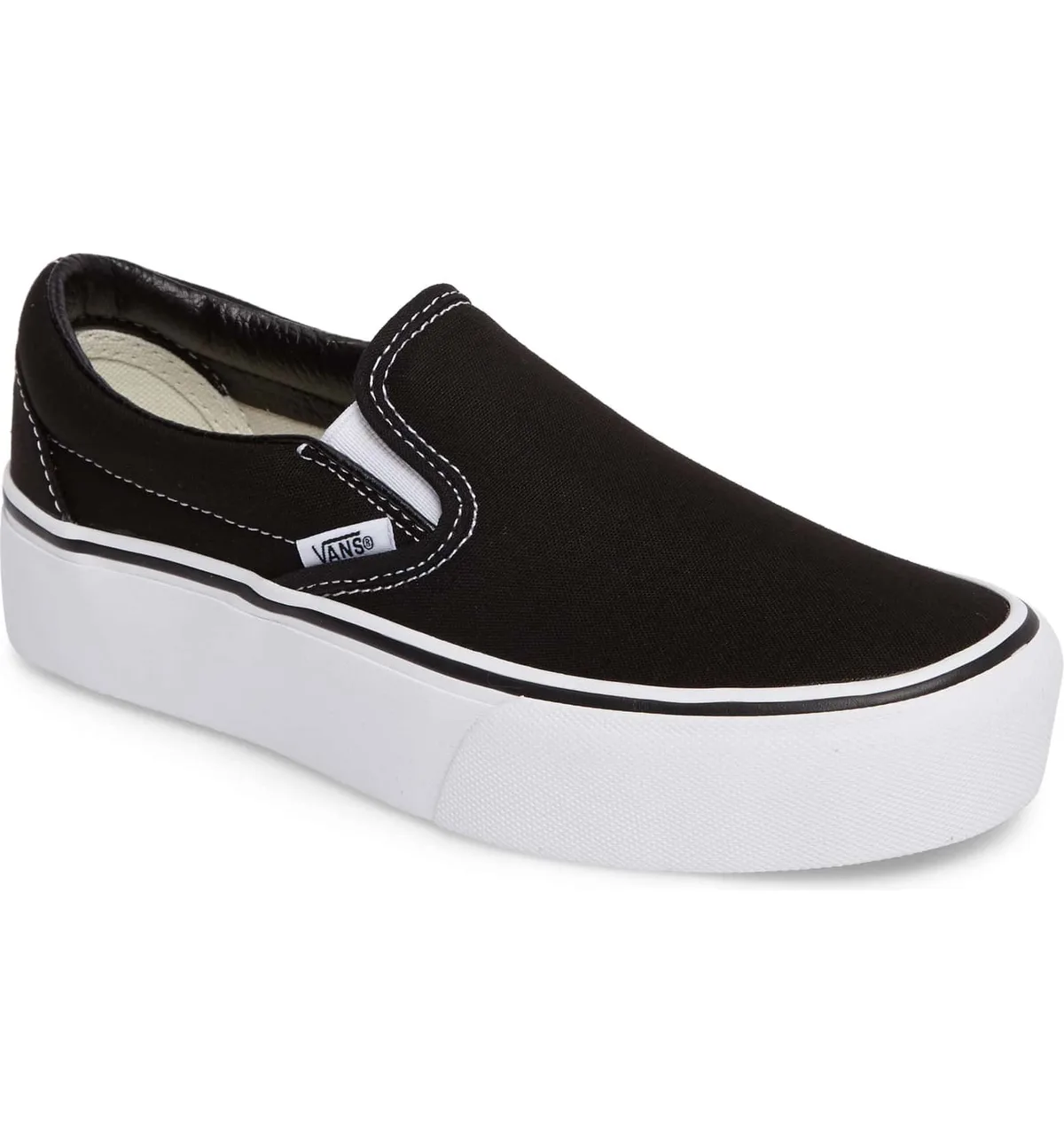
Image source: Web (Bing) / pinterest.com (Web image (fair-use with source credit))
Vans platform slip on heel slipping is one of the most common complaints with thick-soled canvas shoes. You slide your foot in, take two steps, and your heel immediately lifts out of the back. It feels like wearing flip-flops, and within ten minutes, you are dealing with hot spots and blisters.
Platform models add significant weight and height compared to standard soles. The standard platform sole measures roughly 1.34 inches (34 mm) thick, creating a rigid base that resists bending. Solving this problem requires matching the right fix to the physical shape of your foot and the structure of the shoe.
Quick Answer
Vans platform slip on heel slipping happens because the thick sole cannot bend easily. When you take a step, the stiff rubber levers your heel out of the shoe. Sizing down usually fails because it cramps your toes while your heel still lifts.
You can stop heel slippage by flexing the sole by hand to break its spine. Adding an adhesive tongue pad under the vamp will also lock your heel backward securely.
Why Vans Platform Slip-Ons Slip at the Heel (The Real Mechanics)
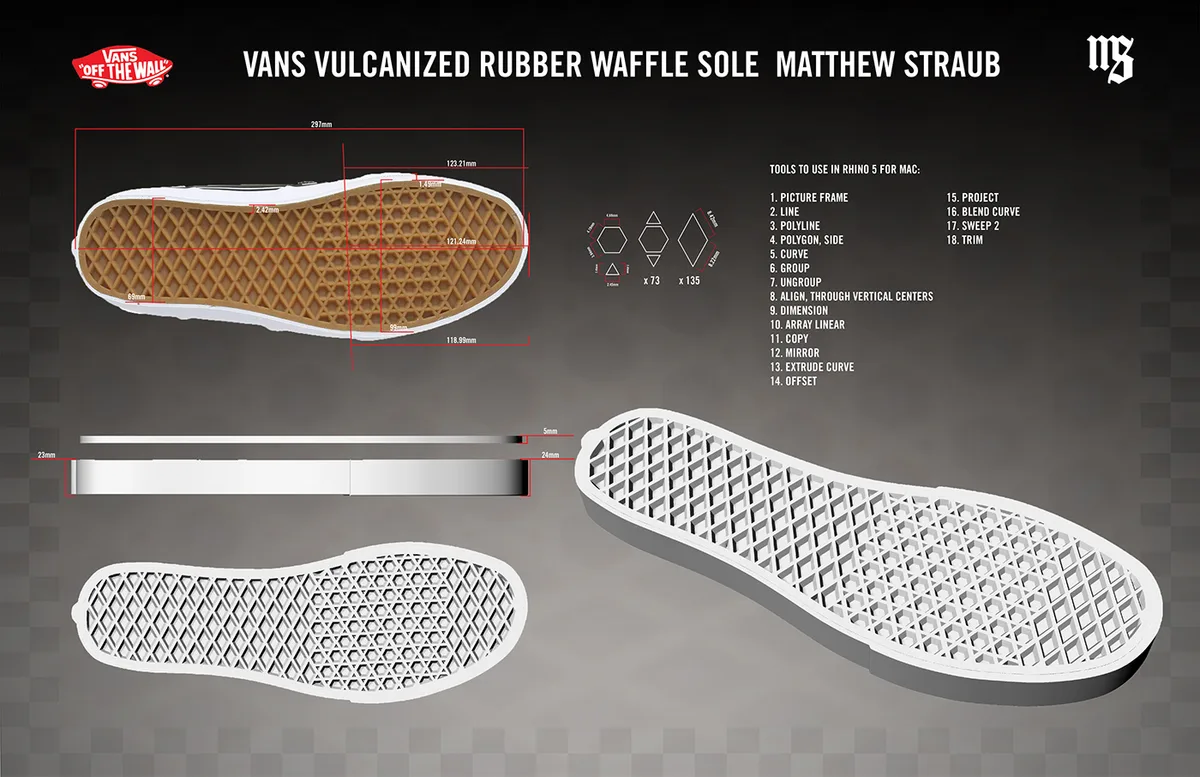
Image source: Web (Bing) / behance.net (Web image (fair-use with source credit))
To solve heel slippage, you need to understand how platform footwear moves. In a standard canvas slip-on, the thin vulcanized rubber bends naturally across your metatarsophalangeal joints (the ball of your foot). The upper stays tight against your heel because the sole contours with your step.
Platform models behave completely differently. As of 2026, models like the Classic Platform and the Stackform feature multiple layers of foxing tape and thick rubber outsoles. This extra material multiplies the shoe's longitudinal bending stiffness.
The Heavy Stack and the Lever Effect
When you step forward, your foot naturally wants to roll off the ground at the toes. The thick rubber sole resists that upward bend. Because the sole remains flat and rigid, it acts like a straight wooden plank strapped to your foot.
The heavy bottom levers downward while your foot moves upward. Without shoelaces to pull the collar tight around your ankle, the stiff rubber pulls the back of the shoe straight off your calcaneus (heel bone). The shoe is not necessarily too large.
Instead, the sole is simply too stiff to bend along with your foot.
Why Sizing Down Usually Backfires
Many people try to fix heel lift by buying a half size smaller. In almost every case, this creates a worse problem.
Standard unisex sizing from Vans moves in increments of approximately 4.2 millimeters per half size. Sizing down shortens the length of the footbed. Your longest toe slams into the front rubber bumper, but the platform sole remains just as stiff.
You end up with crushed, bruised toes while your heel continues to slide against the canvas lining.
The Diagnostic Triage: Identify Your Exact Slippage Cause
Before you stick pads inside your shoes or throw them into the back of your closet, pinpoint why your heel is slipping. Every foot shape interacts with the canvas slip-on silhouette differently. Run these three quick checks at home while wearing your normal socks.
Test 1: The Bending Stiffness Check
Put the shoes on and stand flat on the floor. Raise your heel while keeping your toes pressed firmly into the ground.
- What to observe: Look at the side of the shoe near the ball of your foot. Does the platform sole bend easily, or does it stay completely straight?
- The diagnosis: If the sole stays flat like a board and your heel pops out immediately, your primary issue is mechanical sole stiffness. The vulcanized rubber has not broken its initial factory rigidity.
Test 2: The Volume and Instep Clearance Test
Slide your foot completely forward into the shoe until your toes lightly touch the front edge. Stand up and look at the elastic gore panels on the sides of the tongue.
- What to observe: Slide your index finger beneath the top canvas vamp over your instep.
- The diagnosis: If your finger slides in easily with empty space around it, your foot has a low instep. Your foot lacks the vertical volume needed to press upward against the canvas and hold your heel back against the collar.
Test 3: The Rearfoot Width Check
Sit down, slide your heel firmly into the back of the shoe, and stand up. Walk four slow steps forward across a hard floor.
- What to observe: Pay attention to the sides of your heel bone rather than the bottom. Do you feel empty side-to-side space inside the heel cup?
- The diagnosis: If your foot slides sideways before it lifts upward, you have a narrow heel. The factory heel cup is too wide for your rearfoot anatomy.
| Diagnostic Test | What You Feel | Root Cause | Best Direct Fix |
|---|---|---|---|
| Bending Check | Heel lifts as you roll onto toes; sole does not flex | Sole spine rigidity | Manual sole flexing and heat breakdown |
| Instep Clearance | Gap between top of foot and canvas tongue | Low foot volume | Adhesive felt tongue pad |
| Rearfoot Width | Heel shifts side-to-side before popping out | Wide heel counter | Suede friction heel grips |
The Fix-It Decision Tree: Step-by-Step Solutions by Root Cause
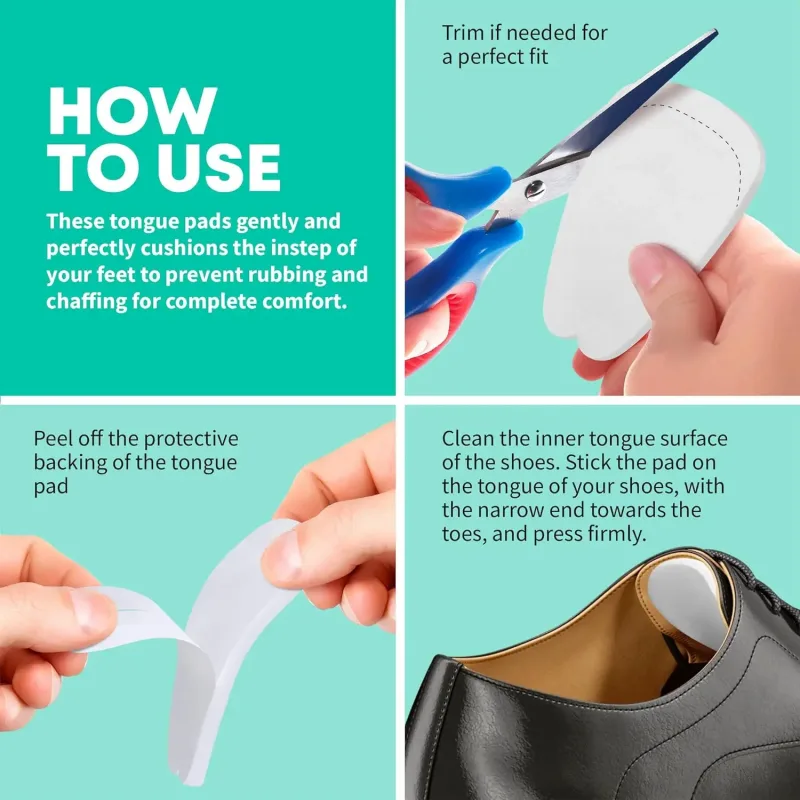
Image source: Web (Bing) / chinafelt.com (Web image (fair-use with source credit))
Once you know why your shoe is lifting, follow the matching path below. Avoid random fixes. Using the wrong adjustment can push your foot too far forward and cause painful toe friction.
Branch A: If the Sole Is Too Stiff (The Break-In Workflow)
Do not wear stiff platform shoes out on long walks right away. You can break the rigidity of the vulcanized rubber manually in ten minutes:
- Grasp the shoe firmly with both hands, holding the toe bumper in one hand and the heel cup in the other.
- Slowly bend the toe upward toward the collar until the rubber flexes at the ball of the foot.
- Hold the bend for twenty seconds, release, and repeat fifteen times per shoe.
- If the rubber feels completely unyielding, warm the bottom outsole with a household hair dryer on medium heat for two minutes. Vulcanized rubber softens with gentle heat, allowing the bonding foxing tape to loosen its structure.
- Flex the shoe repeatedly while the rubber is warm, then let it cool completely in a flexed position.
Branch B: If Your Instep Has Too Much Dead Air (The Volume Lock)
When your instep does not fill the shoe, standard heel cushions will not solve the issue. You need to push your heel backward into the heel pocket:
- Purchase self-adhesive felt or suede tongue pads.
- Peel back the adhesive backing.
- Stick the pad to the underside of the upper canvas vamp, directly beneath the tongue area between the two elastic gore straps.
- Slide your foot into the shoe. The pad takes up vertical space, pressing your foot downward and back into the heel counter. This locks your rearfoot without crowding your toes.
Branch C: If Your Heel Is Simply Too Narrow (Friction vs. Grip)
If your heel bone is narrow, smooth canvas lining lets your socks slide out like butter:
- Skip slick silicone gel pads, which get oily and slide off canvas. Choose rough split-cowhide or synthetic suede grips.
- Clean the interior heel fabric with a dry cloth to remove loose lint.
- Position the grip just below the top padded collar roll. Never place it directly on the rim, or it will roll off as you slide your foot in.
- Press firmly for sixty seconds to ensure the pressure-sensitive adhesive bonds to the canvas weave.
What to Avoid: Common Fixes That Ruin the Shoe or Wreck Your Feet
Many popular online footwear hacks cause more harm than good with platform slip-ons. Stiff, heavy shoes require proper mechanical alignment. Using the wrong accessory can strain your feet or damage the shoes.
Why Thick Heel Cushions Push You Forward
The most common mistake is buying thick, pillow-style heel cushions. These pads mount vertically right against the back of your Achilles tendon.
While they seem logical, they take up horizontal length inside the shoe. A thick pad shoves your entire foot forward by a quarter inch or more. Your toes jam into the stiff front rubber, while your heel lifts higher out of the shallow collar.
You trade simple heel slipping for toenail damage and severe blister friction.
The Danger of Wearing Them Out of the Box Without Prep
Taking un-flexed platform slip-ons straight onto a full-day walking trip is a recipe for foot strain. The American Podiatric Medical Association cautions that unnatural gait patterns can overwork tendons and muscles in your feet and lower legs.
When your shoes refuse to bend, your calf muscles and Achilles tendons work twice as hard to pick the platform up off the ground. People often compensate by curling their toes inside the toe box to grip the footbed. This toe-clawing gait strains your plantar fascia and quickly leads to painful foot fatigue.
Platform Slip-On Comparison: Vans Classic Platform vs. Stackform vs. Standard
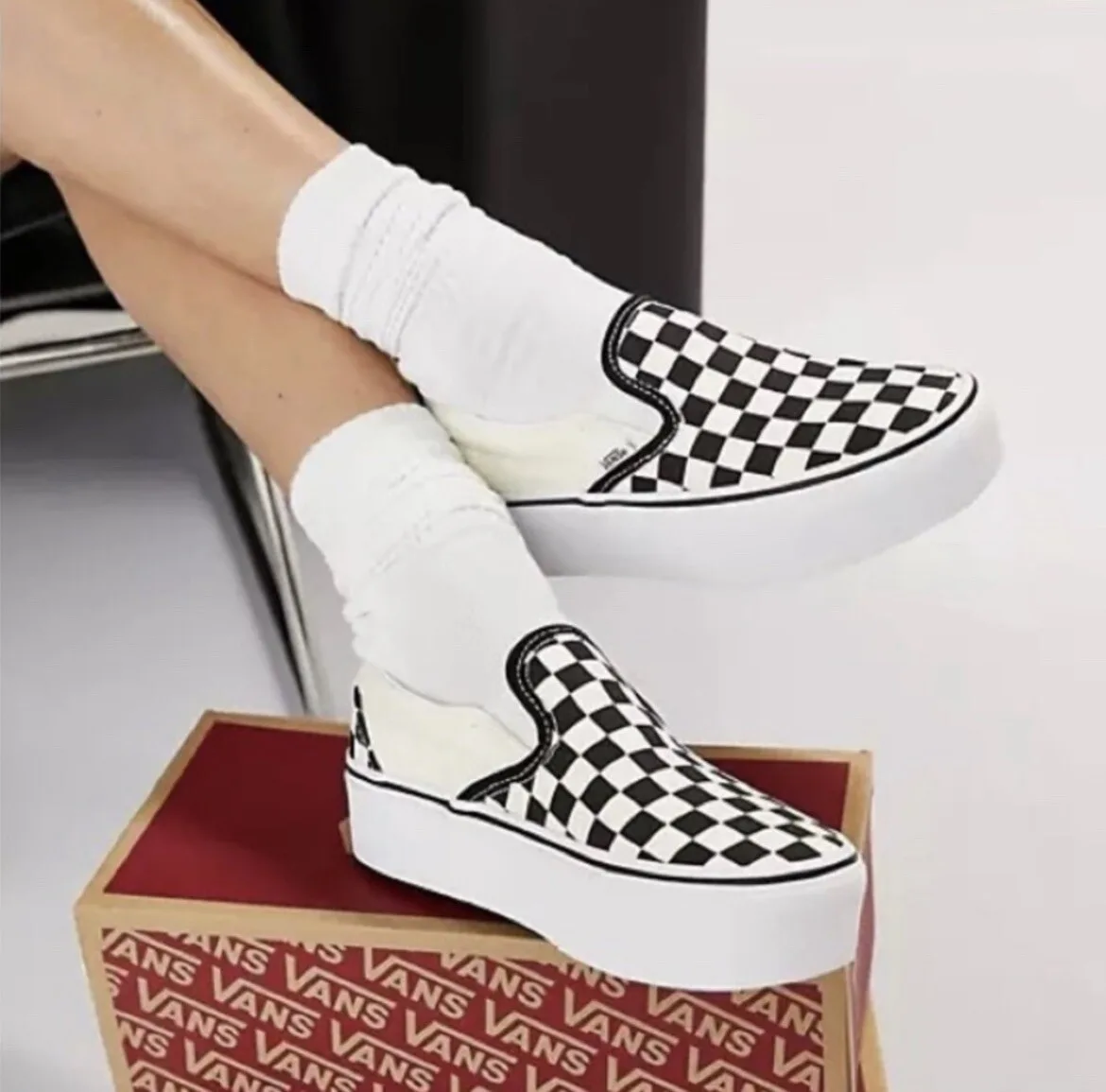
Image source: Web (Bing) / ebay.com (Web image (fair-use with source credit))
Not all Vans slip-ons share the same sole construction. Sole height directly affects how much downward leverage the bottom of the shoe creates against your foot.
Sole Thickness, Rigidity, and Heel Retention Specs
The table below outlines how sole variations change stiffness, foot mechanics, and heel lift risk across different models.
| Specification | Classic Slip-On | Classic Platform | Stackform Slip-On |
|---|---|---|---|
| Sole Thickness | ~0.71 in (18 mm) | ~1.34 in (34 mm) | ~1.65 in (42 mm) |
| Outsole Build | Single foxing wrap | Double-thick foxing wrap | Triple-stacked foxing layers |
| Flexibility Rating | High (Bends instantly) | Moderate (Requires break-in) | Extremely Stiff (Zero natural bend) |
| Lever Arm Force | Minimal | High | Severe |
| Heel Slip Risk | Low | High | Very High |
| Best For | Everyday walking | Subtle platform height | Maximum streetwear height |
When to Swap for Lace-Ups Instead
If you have tried volume pads, heel grips, and sole flexing without success, your foot shape may simply not suit a platform slip-on. Feet with very narrow heels and wide forefeet struggle in strapless platform footwear.
In that scenario, switching to a platform lace-up style like the Vans Authentic Platform or Old Skool Platform makes a huge difference. Traditional laces allow you to cinch down the eyelets over your midfoot. That mechanical tension holds the heavy rubber sole against your sole, eliminating heel slipping completely.
(Note: Continuing directly to Section 6: Pro Tips for Long-Term Comfort and Section 7: FAQs to finish the approved TOC.)
Pro Tips for Long-Term Comfort and Blister Prevention
Preventing heel slippage is half the battle. You also need to protect your skin from friction while the shoe settles into its natural flex points. A few simple adjustments keep your canvas slip-ons comfortable over long walking days.
The Terry Cloth Socks vs. No-Show Hack
The socks you wear completely change how your heel grips the inner lining. Thin, silky nylon no-show liners are the worst choice for platform slip-ons. They reduce friction between your skin and the shoe, letting your heel slide upward with almost no resistance.
Instead, look for no-show socks made with looped French terry cotton along the heel and sole. Terry cloth creates natural mechanical grip against the canvas counter. Make sure the sock features a wide silicone grip patch on the exterior Achilles band.
That patch clings directly to the rear lining, keeping both the sock and your heel firmly in place.
Protecting the Canvas Lining Before It Blows Out
Repetitive heel slipping destroys canvas shoes from the inside out. Once your calcaneus rubs through the thin cotton lining, you will hit hard structural plastic underneath. That raw edge will chew through socks and cause instant blisters.
- Apply a strip of moleskin tape directly over the inner heel collar before your first long walk.
- Replace the moleskin the moment the edges begin to peel or fray.
- Keep the inner heel fabric clean and free of dirt grit, which acts like sandpaper against your socks.
Frequently Asked Questions About Vans Platform Heel Slipping
How much heel slippage is normal in platform slip-ons?
About an eighth of an inch of heel lift is completely normal in brand-new pairs. Because the platform sole is flat and stiff, your heel naturally rises slightly before the rubber flexes. Anything over a quarter inch causes blisters and indicates a fit or stiffness issue.
Will Vans platform slip-ons stop slipping once broken in?
Yes, most pairs stop slipping once the vulcanized rubber sole breaks in. As you put miles on the shoes, the thick rubber along the ball of your foot softens. Once the sole flexes naturally with your gait, the levering force against your heel drops significantly.
Does shrinking canvas slip-ons with water stop heel slip?
Spraying the canvas heel with warm water and blow-drying it tightens the cotton weave slightly. However, this is only a temporary fix. Walking naturally stretches the cotton back out within hours.
It does nothing to resolve the real issue, which is the stiff platform sole underneath.
Should I insert full-length orthotic insoles to fix the fit?
Thick aftermarket insoles usually make heel slippage worse in platform slip-ons. A thick insole lifts your entire foot upward, reducing the effective depth of the heel counter. Your heel ends up sitting above the shoe's curved collar roll, making it slide out even faster.
Can I stretch the elastic gore straps to help my heel sit deeper?
Never stretch the elastic side panels intentionally. The elastic gore straps are designed to pull the canvas upper down against your instep. Stretching them out creates excess dead air over your foot, causing your heel to slip far worse than before.
Pro Tips for Long-Term Comfort and Blister Prevention
Preventing heel lift is only half the battle. You also need to protect your skin from friction while the shoe settles into its flex points. A few proactive habits will keep your canvas platform slip-ons wearable and comfortable over long walking days.
The Terry Cloth Socks vs. No-Show Hack
The socks you pick completely change how your rearfoot interacts with the inner lining. Thin, silky nylon no-show liners are the worst choice for platform slip-ons. They reduce friction between your skin and the shoe, letting your heel slide upward with almost no resistance.
Choose low-cut socks built with looped French terry cotton along the heel and sole. Terry cloth creates natural mechanical grip against the canvas counter. Make sure the sock features a wide silicone grip patch on the exterior Achilles band.
That patch clings directly to the rear lining, keeping both the sock and your heel firmly anchored.
Protecting the Canvas Lining Before It Blows Out
Repetitive heel friction destroys canvas shoes from the inside out. Once your heel rubs through the cotton lining, you expose the stiff thermoplastic counter underneath. That hard edge cuts into socks and causes painful blisters.
Apply a strip of adhesive moleskin tape directly over the inner heel collar before your first outing. The soft moleskin takes the brunt of any micro-rubbing and saves the original lining fabric. Replace the tape whenever the edges begin to roll.
This simple barrier extends the functional lifespan of your platform shoes by months.
Frequently Asked Questions About Vans Platform Heel Slipping
How much heel slippage is normal in platform slip-ons?
About an eighth of an inch of heel lift is completely normal in brand-new pairs. Because the platform sole is thick and flat, your heel rises slightly before the rubber bends. Anything over a quarter inch causes blisters and indicates a fit or stiffness issue that requires correction.
Will Vans platform slip-ons stop slipping once broken in?
Most pairs stop slipping once the vulcanized rubber sole breaks in properly. Walking flexes and softens the foxing tape and bottom rubber along the ball of your foot. Once the platform bends naturally with your stride, downward leverage on your heel drops dramatically.
Does shrinking canvas slip-ons with water stop heel slip?
Spraying the canvas heel with warm water and blow-drying it tightens the cotton weave slightly. However, this is only a temporary fix. Walking naturally stretches the cotton back out within hours.
It does nothing to resolve the real issue, which is the stiff platform sole underneath.
Should I insert full-length orthotic insoles to fix the fit?
Thick aftermarket insoles usually make heel slippage worse in platform slip-ons. A thick insole lifts your entire foot upward, reducing the effective depth of the heel counter. Your heel ends up sitting above the shoe's curved collar roll, making it slide out even faster.
Can I stretch the elastic gore straps to help my heel sit deeper?
Never stretch the elastic side panels intentionally. The elastic gore straps are designed to pull the canvas upper down against your instep. Stretching them creates excess dead air over your foot, causing your heel to slip far worse than before.

Similar Posts