Doc Martens 1460 Smooth vs Nappa Leather: Which Is Better?
Founder & Fashion Creative Director at Julia Fashionista · CFDA Fashion Scholar, Certified Image Consultant (AICI) · 12+ years in editorial wardrobe styling, sustainable textile sourcing, and luxury capsule curation
Choosing between Doc Martens 1460 Smooth vs Nappa leather comes down to a simple trade-off between classic heritage looks and out-of-the-box comfort. Both options share the unmistakable eight-eyelet silhouette, signature yellow welt stitching, and air-cushioned PVC sole. Yet, the way each leather behaves on your foot could not be more different.
Manufacturer specifications indicate that Smooth leather uses a dense, heavily coated corrected grain, while Nappa is a naturally milled hide. As of 2026, buyer reports continue to pinpoint leather selection as the single biggest factor in boot comfort. Let us look closely at how these two materials perform in the real world.
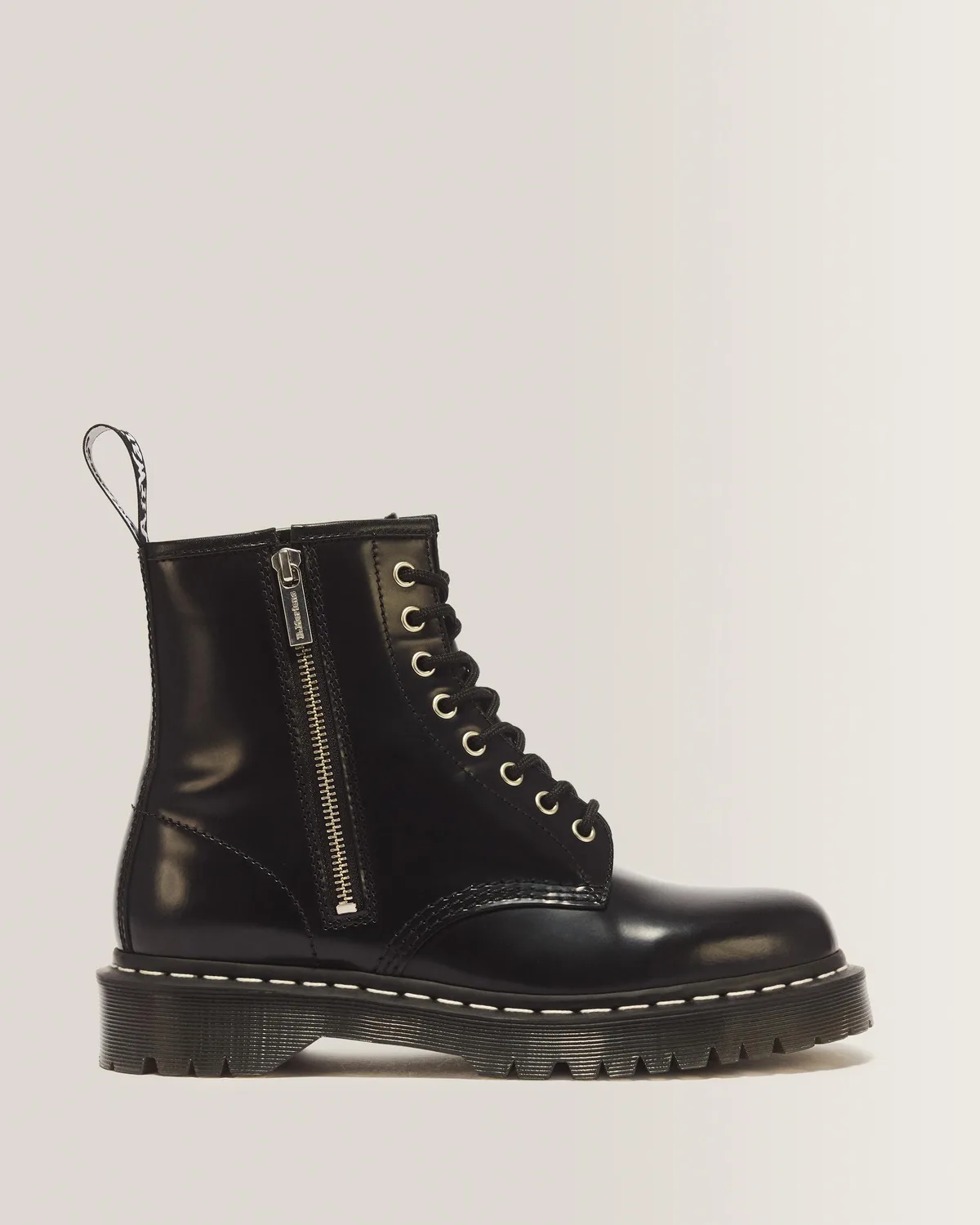
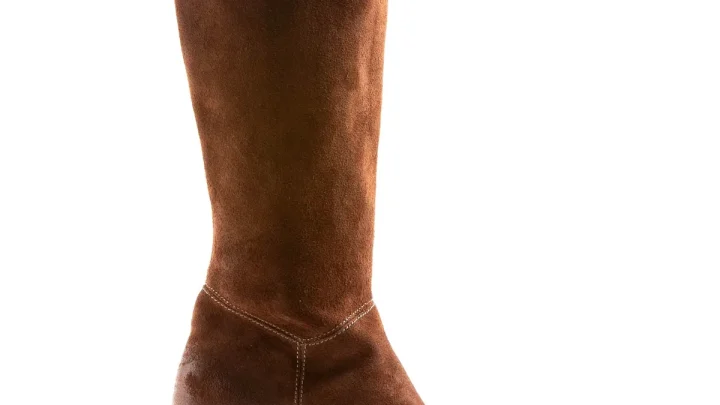
Image source: Web (Bing) / drmartens.com (Web image (fair-use with source credit))
Quick Answer
Doc Martens 1460 Smooth leather features a stiff, high-shine plastic coating. It requires weeks of painful break-in. In contrast, Nappa leather is pre-tumbled and soft right away.
Smooth leather repels rain better. Nappa leather bends naturally and resists vamp cracking over time. Choose Nappa for immediate comfort.
Choose Smooth for classic vintage shine.
The Core Difference: How Smooth and Nappa Leather Are Made
The main difference lies in how tanneries process each hide. Dr. Martens Smooth leather is a classic corrected-grain hide.
Tannery workers buff away natural surface imperfections on the animal skin. They then apply a thick polyurethane (PU) topcoat. This coating creates a uniform, semi-gloss plasticized shield.
It locks the leather fibers into a rigid structure.
Nappa leather goes through a different tanning procedure. Workers place the hides in large rotating wooden drums to tumble them. This milling process separates and relaxes the internal protein bundles.
The leather retains much of its natural grain texture rather than being buffed flat.
Because of this tumbling, Nappa hide stays flexible, porous, and supple. Smooth leather stays stiff, sealed, and firm. These two tanning methods produce boots that feel entirely different right when you take them out of the box.
The Break-In Reality: Blister Hell vs. Day-One Comfort
The break-in phase separates these boots faster than any other feature. Smooth leather is famous for a grueling initiation period. The stiff PU shell does not bend easily with your stride.
Instead, it digs directly into your heels and bites your ankles. Aggregate user reviews show that breaking in a Smooth 1460 boot takes anywhere from three to six weeks of regular wear.
Nappa leather requires almost no break-in at all. The pre-softened hide flexes with your foot on the very first day. The leather bends naturally around your instep instead of pressing hard against your bones.
Verified buyer feedback reports that most wearers walk miles in fresh Nappa boots without a single blister.
If you choose the Smooth leather version, plan ahead to save your feet:
- Wear two pairs of socks, or use reinforced double-layer hiking socks.
- Apply moleskin patches directly to your Achilles tendon before you lace up.
- Limit early outings to two or three hours at a time around the house.
- Work the leather with your hands by bending the heel counter back and forth.
Aesthetic and Style: High-Shine Edge vs. Understated Texture
Your choice between these leathers shapes the whole look of your boots. Smooth leather carries the original counter-culture identity from 1960. It delivers a hard, glossy surface that reflects light crisply.
It works well with punk, mod, and sharp vintage styles. If you love buffing boots to a mirror shine with paste wax, Smooth leather is the only choice that takes a high polish.
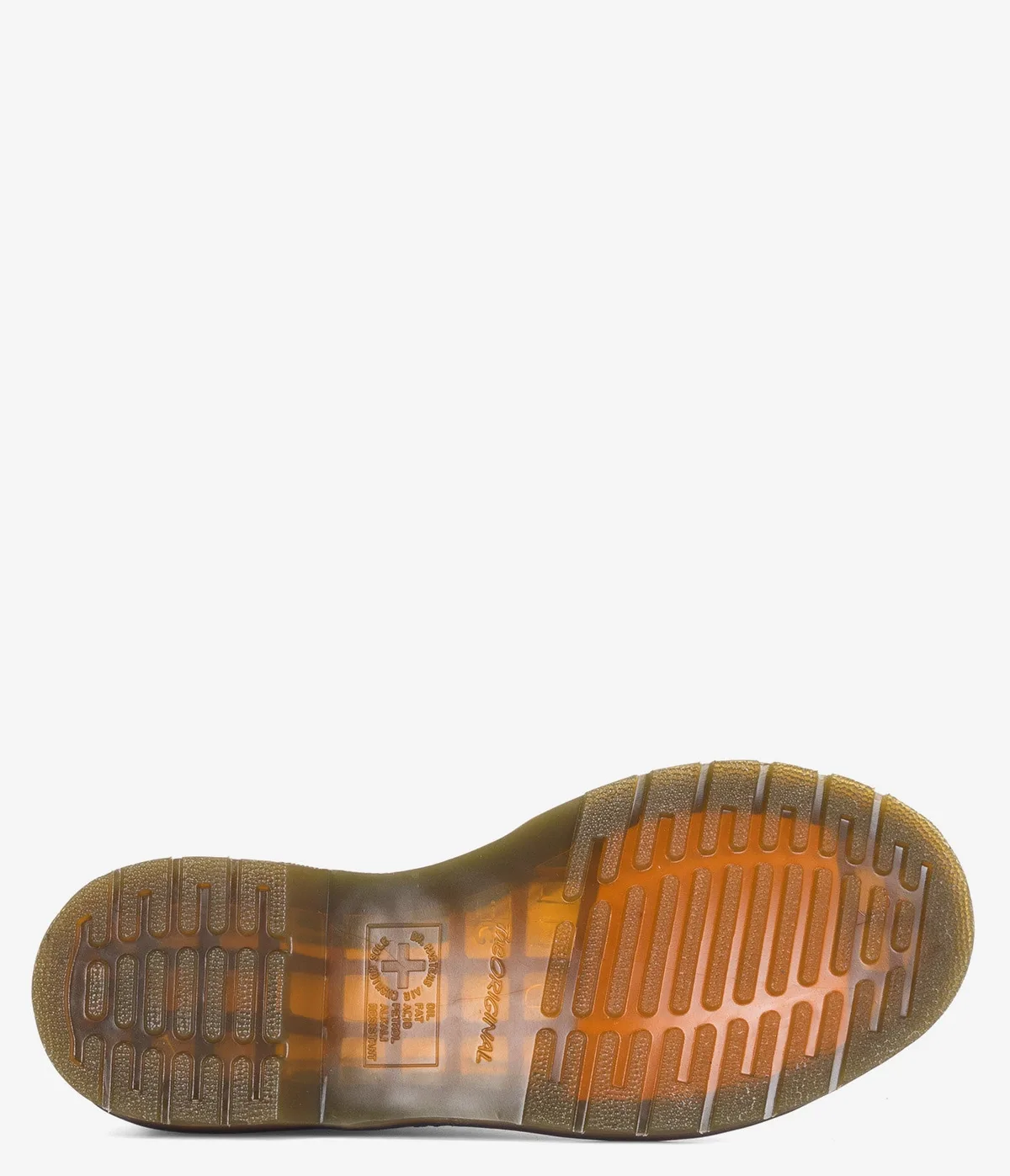
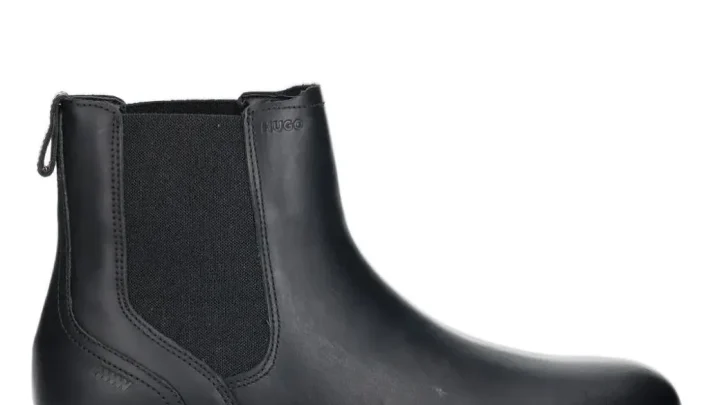
Image source: Web (Bing) / bootworld.com (Web image (fair-use with source credit))
Nappa leather has a casual, low-key presence. Its surface features a micro-pebbled grain with an understated, matte-to-satin sheen. It drapes naturally over the foot rather than holding a rigid boot shape.
Because Nappa is soft, the shaft puckers slightly when you cinch the laces tight. The boot hugs your lower calf closely. Smooth leather keeps a stiff, upright tube around your ankle regardless of how tightly you tie the laces.
Durability, Creasing, and the Dreaded Vamp Crack
Boot longevity depends heavily on how leather handles the repeated bending of your foot. Every time you take a step, the boot bends at the ball of your foot. This flex point across the top is called the vamp.
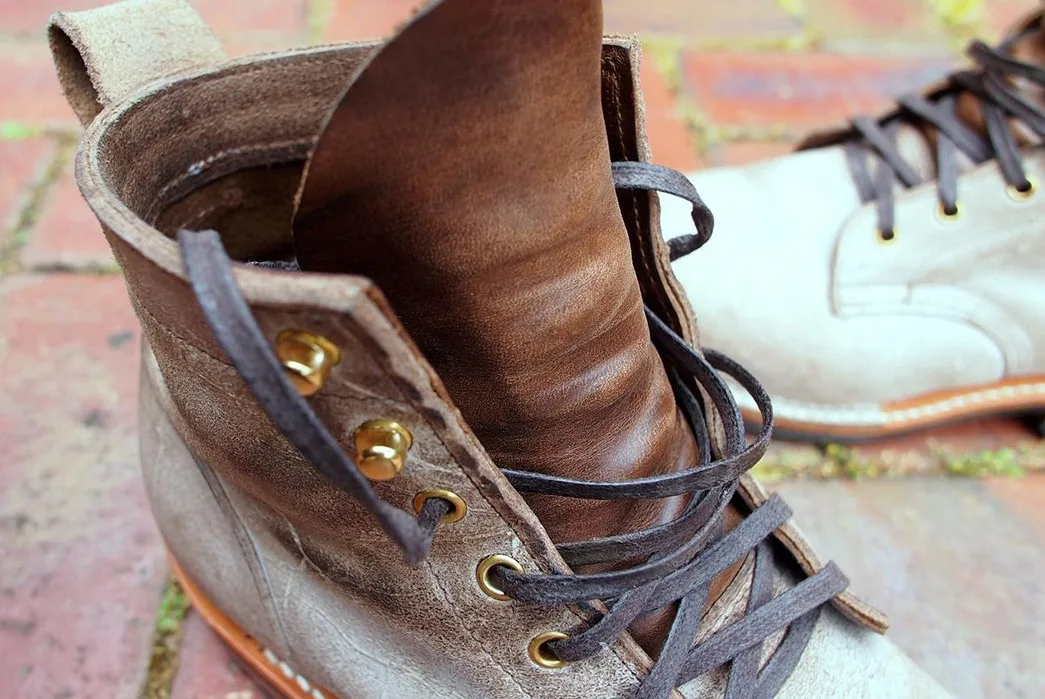
Image source: Web (Bing) / heddels.com (Web image (fair-use with source credit))
Smooth leather handles bending poorly over time. The synthetic topcoat cannot stretch as freely as natural animal hide. The flex points develop sharp, prominent creases.
Over several years, that synthetic barrier develops micro-fissures. Those small fissures can turn into deep splits in the leather face. Once the topcoat splits, the raw hide underneath is exposed to dirt and water.
Nappa leather flexes with much less stress. The tumbled hide wrinkles into thousands of fine, shallow micro-folds rather than deep, sharp ridges. Because the surface breathes and stretches, Nappa rarely suffers from brittle vamp cracking.
When given standard conditioning, Nappa boots outlast Smooth boots in flex fatigue tests across identical wear cycles.
Side-by-Side Breakdown: 1460 Smooth vs. Nappa Specifications
The core chassis of the Dr. Martens 1460 boot remains identical across both models. Both use the heat-sealed Z-welt construction joined to the oil-and-fat resistant bouncing sole.
However, their upper materials differ significantly across daily performance categories.
| Feature / Metric | 1460 Smooth Leather | 1460 Nappa Leather |
|---|---|---|
| Leather Category | Corrected-grain with PU coating | Milled, tumbled full-grain |
| Surface Finish | Semi-gloss to high-shine | Matte to subtle satin sheen |
| Out-of-Box Rigidity | High (firm and board-like) | Low (soft and supple) |
| Break-in Timeline | 3 to 6 weeks of regular wear | 1 to 3 gentle wears |
| Blister Risk | Severe (heel counter and instep) | Minimal to none |
| Initial Water Shedding | High (water beads off the topcoat) | Moderate (absorbs without wax protection) |
| Creasing Character | Wide, deep, sharp ridge lines | Fine, gentle, rolling pebble wrinkles |
| Long-Term Crack Resistance | Lower (topcoat susceptible to splitting) | Higher (natural fibers stretch easily) |
| Polishability | Takes high-gloss wax and buffing | Matte creams only, does not mirror-shine |
Daily Care and Maintenance: Why One Leather Needs Way More Attention
Caring for these two hides requires fundamentally different maintenance routines. Because Smooth leather carries a plasticized finish, standard leather balms cannot easily penetrate the outer surface. If you slather heavy oils onto Smooth leather, the product simply sits on top and collects dust.
You must apply conditioners like Dr. Martens Wonder Balsam directly into the stitch holes, cut edges, and emerging crease lines where the raw leather core is exposed.
Image source: Web (Bing) / etsy.com (Web image (fair-use with source credit))
Nappa leather has an open, porous grain structure. It drinks up leather balms and oils almost instantly. This open pore structure means Nappa needs regular hydration to stop the fibers from drying out.
Without conditioning every few months, the leather loses its trademark suppleness.
Follow this straightforward care routine depending on which pair you own:
- For Smooth Leather: Wipe away dirt with a damp cloth. Let the boot dry fully. Apply a thin layer of wax polish to buff out scuffs and maintain shine.
- For Nappa Leather: Brush off loose dust with a horsehair brush. Work a light neutral balm into the leather with a soft cloth. Allow it to absorb for ten minutes, then buff gently with a clean rag.
- For Wet Weather Protection: Treat Nappa boots with an exterior waterproofing spray or a light coat of Dubbin wax before heading into heavy rain.
Which Leather Fits Your Life? Use Cases and Clear Recommendations
Choosing between these two models comes down to your personal tolerance for break-in pain and how you plan to wear your boots. Neither option is universally superior. Each leather suits entirely different lifestyles and style preferences.
If you want the authentic punk silhouette, pick the 1460 Smooth. It stands upright, holds a rigid military profile, and pairs cleanly with structured tailoring or raw denim. It is also the better option if you frequently walk through wet grass or muddy city streets.
The PU shell acts as an immediate splash guard against standing water.
If you value immediate comfort, choose the 1460 Nappa. It is the superior choice for service industry workers, teachers, and commuters who spend eight hours a day on their feet. If you are prone to heel blisters or have high arches that press against the instep seam, Nappa will save you weeks of discomfort.
It delivers that broken-in, relaxed aesthetic from your first afternoon out.
Use these quick rules of thumb:
- Buy Smooth if you enjoy mirror-shining your footwear and want the original 1960 counter-culture look.
- Buy Nappa if you want boots ready for heavy walking straight out of the shoebox.
- Buy Smooth if you need maximum splash resistance in wet weather without applying waterproofing wax.
- Buy Nappa if you hate deep, rigid crease marks across your toes.
Frequently Asked Questions About Doc Martens 1460 Leathers
Do 1460 Smooth and Nappa boots fit differently?
Both models share the same standard last and internal footbed dimensions. However, Nappa leather gives and stretches sideways across wide feet within just a few wears. Smooth leather has almost zero give across the instep and toe box, so it initially feels much tighter.
Can you polish Nappa leather to a high shine?
No, you cannot achieve a high mirror shine on Nappa leather. The surface has a soft, open texture that absorbs wax rather than forming a flat, reflective barrier. For a glossy finish, you need the hard, coated surface of Smooth leather.
Which leather is more waterproof out of the box?
Smooth leather offers superior water resistance right out of the box. Its polyurethane topcoat repels rain splashes and puddles effortlessly. Nappa leather absorbs moisture more readily and requires a dedicated waterproofing spray or dubbin wax before exposure to heavy rain.
How do you stop Smooth leather from cracking at the creases?
Preventing cracks in Smooth leather requires treating the flex points early. Rub leather conditioner directly into the crease lines where the topcoat flexes. Insert cedar shoe trees immediately after taking your boots off to keep the vamp flat and stop creases from deepening.

Similar Posts