How to Break in Frye Campus Boots Without Blisters
Founder & Fashion Creative Director at Julia Fashionista · CFDA Fashion Scholar, Certified Image Consultant (AICI) · 12+ years in editorial wardrobe styling, sustainable textile sourcing, and luxury capsule curation
If you are struggling with Frye campus boots break in blisters, you are not alone. These iconic pull-on boots are famous for their rugged good looks, but the early wear period can feel brutal on your heels. Stiff full-grain leather creates intense friction before it softens and conforms to your foot.
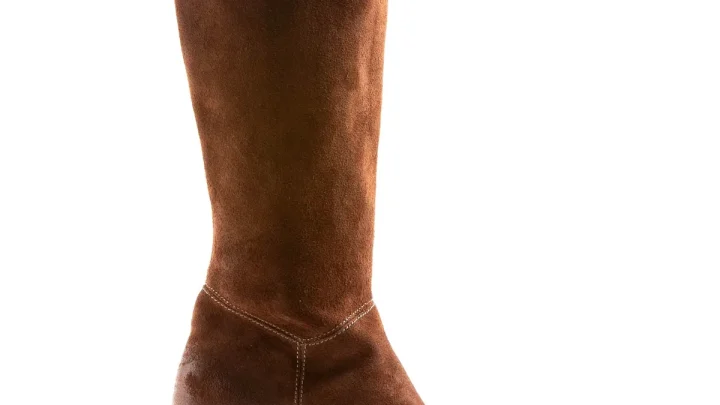
Manufacturer specifications indicate that these classic boots feature heavyweight 5 to 6-ounce leather uppers and rigid stacked leather heels. That dense construction does not yield easily right out of the box. Understanding the mechanics behind this build is the secret to protecting your skin while the leather adapts.
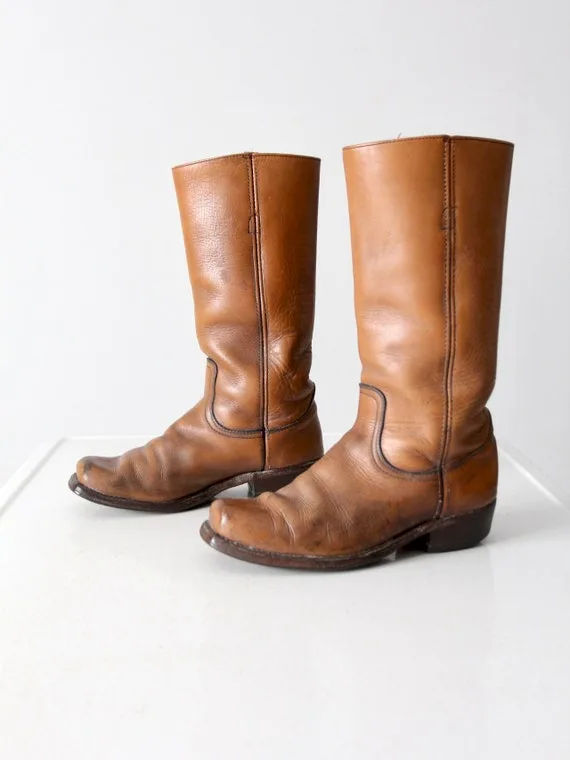
Image source: Web (Bing) / gem.app (Web image (fair-use with source credit))
Quick Answer
Frye campus boots break in blisters happen because stiff leather rubs moving heels. Unlined pull-on boots need slight heel slip to function properly. Thick veg-tan leather takes forty to eighty hours to soften fully.
Wear dense wool socks and apply friction tape to prevent hot spots. Condition the exterior leather early to speed up natural flexibility.
Why Frye Campus Boots Chew Up Your Heels (The Anatomy of the Bite)
Campus boots do not flex like ordinary shoes. Standard lace-up boots anchor your foot firmly against the footbed with eyelets and laces. A pull-on boot relies entirely on the geometry of the instep and the heel counter to keep your foot in place.
As of 2026, classic Frye Campus boots continue to utilize thick full-grain cowhide, historically known as Montana or Crunch leather. This hide measures roughly 2.0 to 2.4 millimeters thick. Beneath your foot sits a dense leather insole, a steel shank, and a heavy stacked leather heel.
When you take a step, your foot wants to roll through a natural biomechanical gait. The boot sole, however, is a flat piece of stiff oak-tanned leather. It resists bending.
Because the sole refuses to flex upward with your toes, your heel pulls up inside the boot.
That upward travel is called heel slip. In a new pull-on boot, between 1/4 inch and 1/2 inch of heel slip is completely normal. The problem begins when that moving heel meets an unyielding, rock-hard leather counter.
The resulting shear force separates your outer skin layers, filling the gap with fluid.
The boots are not necessarily defective or improperly sized. They are simply waiting for your body heat, sweat, and weight to break the stiff fibers of the leather midsole. Until that bottom structure learns to bend, the heel counter will continue to bite.
Diagnostic Decision Tree: Where Is the Friction Coming From?
Before you attempt to fix the problem, you need to identify your specific friction point. Not all blisters come from the same mechanical flaw. Treating an instep pinch with a heel grip will only make your boots tighter and worsen your discomfort.
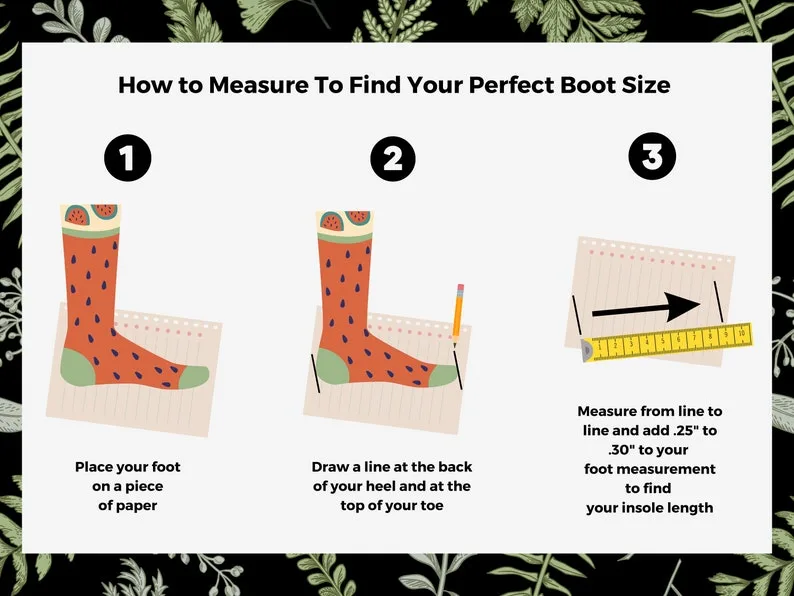
Image source: Bing (Web (fair-use with source credit))
Use this diagnostic workflow to pinpoint the issue:
- If the blister forms on the back of your heel (Achilles level): Your heel is lifting excessively against an unyielding backstay. If the lift exceeds 1/2 inch, the boot shaft or waist may be too wide for your heel width. If the lift is under 1/2 inch, the sole is simply too stiff to bend with your foot.
- If the blister forms on top of your foot (dorsal instep): The vamp is pressing down into your instep bone. Pull-on boots require instep snugness to hold your foot, but excessive downward pressure cuts off circulation and creates blister-causing friction points.
- If the blister forms on your pinky toe or big toe joint: The toe box width is too narrow for your forefoot spread. You may need a spot stretch rather than a heel adjustment.
- If the blister forms on the bottom ball of your foot: Your foot is sliding forward inside the boot during deceleration. This indicates an oversized instep that fails to lock your midfoot back.
| Friction Location | Primary Cause | Immediate Fix | Long-Term Solution |
|---|---|---|---|
| Rear Heel / Achilles | Sole stiffness resisting foot flex | Rigid barrier tape (Leukotape) | 40+ hours wear to flex the midsole |
| Top of Instep | Low vamp height compressing bone | Thin moisture-wicking sock liner | Professional instep stretcher |
| Outer Pinky Toe | Tight toe box pinch | Bunion stretcher spot-pressure | Cobbler ball-and-ring stretch |
| Ball of Foot | Foot sliding forward on downhill steps | Tongue pad or thin leather half-insole | Insole insert to take up excess volume |
Pre-Wear Protocol: Conditioning and Mechanical Stretching
Never wear a bone-dry, factory-stiff pair of Frye boots out the door for a full day. You must prepare the leather fibers before your heels step into them. A proactive conditioning routine dramatically reduces the break-in timeline.
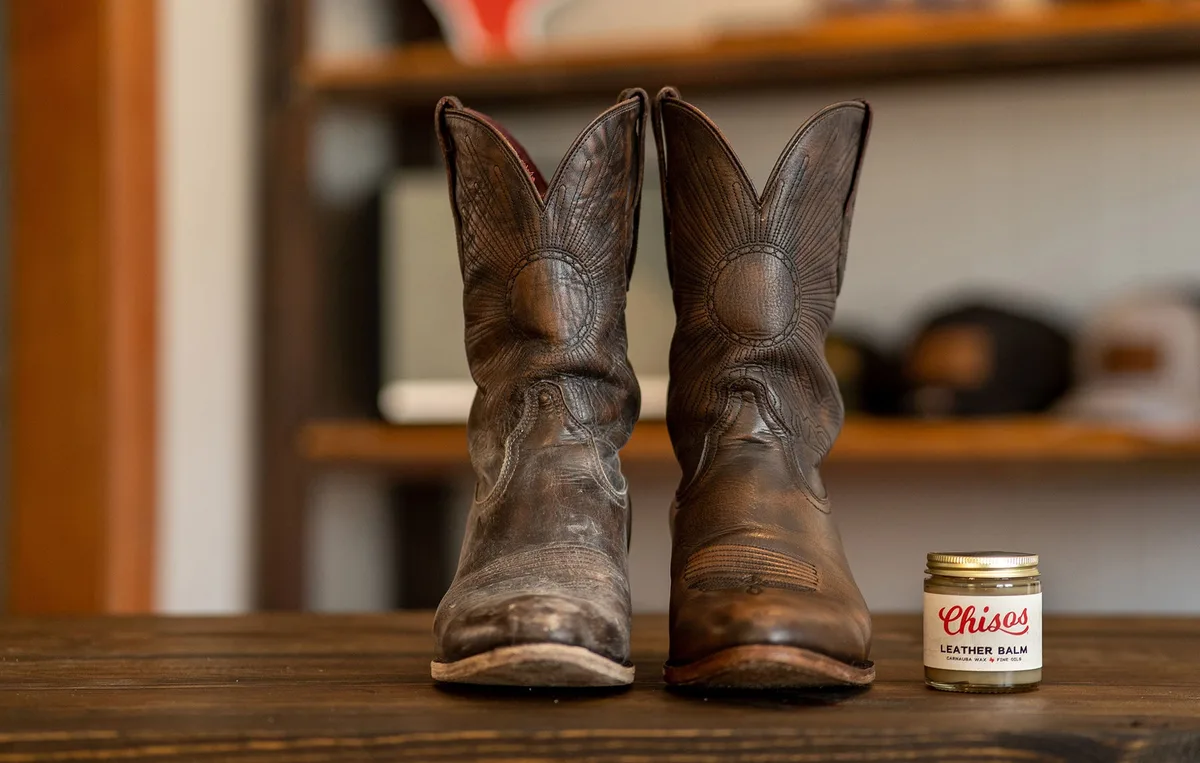
Image source: Web (Bing) / chisos.com (Web image (fair-use with source credit))
Start by hydrating the leather uppers. Heavy vegetable-tanned or oil-tanned leather can sit in warehouses for months before reaching your closet. Dry leather fibers are brittle and resist bending, which concentrates all friction directly onto your heels.
Apply a generous coat of a wax-free, lanolin-based leather conditioner like Bick 4 or Venetian Imperial Leather Balm. Work the conditioner deep into the heel counter, the lower ankle seams, and the vamp bend. These products soften the hide without darkening the original vintage patina.
Let the conditioner absorb for 12 hours, then buff off the excess with a horsehair brush.
Next, address mechanical stiffness manually. Take the boot in your hands and aggressively flex the sole. Place the toe on a carpeted floor, grab the shaft, and push down repeatedly to introduce flex grooves into the leather welt and midsole.
If the diagnostic table showed an instep pinch, insert a mechanical two-way shoe stretcher fitted with an instep riser. Expand the stretcher until you feel firm resistance against the leather, then leave it in place for 24 hours. This eases dorsal compression without blowing out the heel pocket.
The Blister-Proof Wear Schedule: 40 Hours to Custom Molded Leather
Patience prevents raw skin. Rushing the break-in process by wearing brand-new boots on an eight-hour city commute is the primary cause of severe, skin-tearing blisters. You need a structured, graduated wear routine.
Aggregate user feedback indicates that Frye Campus boots require between 40 and 80 hours of active wear to form a custom footbed impression. According to footwear guidelines from the American Orthopaedic Foot & Ankle Society, matching footwear to your daily activity level prevents repetitive shear injuries.
Follow this graduated breakdown:
- Phase 1: The Carpet Test (Days 1 to 3): Wear the boots for 45 to 60 minutes each evening inside your home on carpeted floors. Keep your thickest wool socks on. Walk around, climb stairs, and sit with your feet flat on the floor to let body heat warm the internal leather counters.
- Phase 2: Short Errand Shifts (Days 4 to 7): Wear the boots for 2-hour stretches during low-impact activities. Run a quick errand to the grocery store or wear them around an office desk. Do not log high step counts yet.
- Phase 3: Half-Day Neighborhood Walks (Days 8 to 12): Expand your wear time to 4 or 5 hours. At this stage, the cork filler beneath the leather footbed begins to compress under your individual pressure points.
- Phase 4: Full Day Duty (Day 13 onward): By hour 40, the sole flexes naturally with your gait. The heel slip should reduce to a gentle, non-irritating 1/4-inch glide.
Always give the boots 24 hours of rest between wears. Leather absorbs moisture from your sweat glands, and resting the boots with cedar boot trees allows the hide to dry without warping.
Real-Time Blister Defense: Socks, Tapes, and Friction Barriers
While the leather softens, you must physically protect your skin. Relying on standard cotton crew socks will almost certainly result in painful friction burns. Cotton holds moisture against your heel, softening the skin and making it far more vulnerable to shear tears.
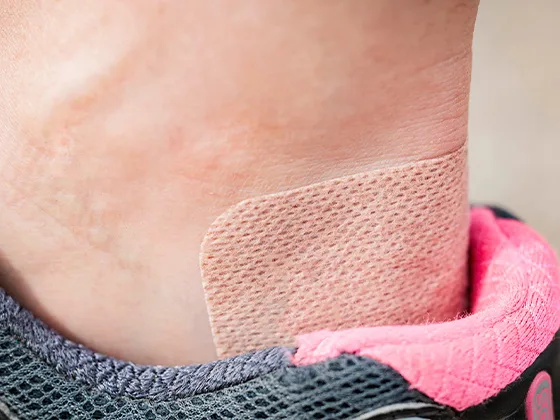
Image source: Web (Bing) / wmdhc.com (Web image (fair-use with source credit))
Your first line of defense is a high-density merino wool boot sock. Brands like Darn Tough or Smartwool make dedicated full-cushion styles that absorb friction within their own knit fibers rather than transferring it to your epidermis. The natural crimp of wool also wicks dampness away, keeping your skin dry and resilient.
For maximum protection against severe heel slip, try a double-sock system:
- Base Layer: A paper-thin synthetic or silk sock liner worn directly against the skin.
- Outer Layer: A medium or heavy-cushion merino wool boot sock over the top.
With this setup, the outer wool sock rubs against the slick liner instead of your heel. The shear friction occurs entirely between the two fabric layers.
If you already feel a hot spot developing, apply protective tape before you step into the boot. Standard plastic bandages slide off within twenty steps inside a stiff pull-on boot. Use zinc-oxide medical tape, such as Leukotape P, or athletic kinesiology tape.
Cut the tape with rounded corners so the edges do not catch on the leather lining as you slide your foot downward. Press it smoothly over your Achilles area on clean, dry skin. For existing raw spots, apply a sterile hydrocolloid blister patch directly over the wound, then anchor it with a strip of Leukotape across the top.
What Never to Do: Internet Myths That Ruin Veg-Tan Leather
Desperation leads many boot owners to try extreme hacks. Unfortunately, shortcuts often ruin fine full-grain leather permanently. Vegetable-tanned and oil-tanned cowhides rely on balanced moisture and natural collagen bonds.
Harsh treatments break these fibers down instead of breaking them in.
Avoid these four common internet myths at all costs:
- The hot shower or bathtub soak: Submerging your boots in warm water strips the tanning oils out of the hide. As the leather dries, it shrinks unevenly and turns brittle like cardboard. The internal heel counter can warp out of shape, worsening your heel rub.
- The blow dryer or oven trick: Direct heat bakes natural fats out of the leather. High temperatures also melt the heat-activated adhesives inside the Goodyear welt and sole construction.
- Rubbing alcohol spray: Spraying 70 percent isopropyl alcohol inside the vamp dehydrates the leather lining. It also rots the cotton welt stitching over time, shortening the lifespan of your boots.
- Freezing water bags: Placing bags of water inside the toe box to expand in the freezer exerts uncontrolled pressure. This stretches leather unevenly and frequently bursts the side welt seams.
If mechanical stretching and gradual wear do not solve the problem, take the boots to a cobbler. Professional cobblers use controlled cast-iron shoe anvils and leather softeners. They can stretch specific pressure zones by millimeters without damaging structural stitching.
Frye Campus Boot FAQ
How long does it take to break in Frye Campus boots?
It typically takes between 40 and 80 active wear hours for the thick leather insole and stacked heel to flex. For most wearers pacing themselves indoors and on short neighborhood walks, this process spans roughly three to six weeks.
Should my heels slip in new Frye Campus boots?
Yes, new pull-on Campus boots should have between 1/4 inch and 1/2 inch of heel slip out of the box. Pull-on boots lack laces to tie your foot down. As the flat leather sole softens, it flexes naturally with your gait and heel slip reduces.
Are Frye Campus boots supposed to hurt at first?
They should feel stiff and snug across the instep, but they should never cause unbearable foot pain. A tight instep holds your heel in place. If your toes touch the front edge or cramp painfully, you likely need a half-size larger.
What socks prevent blisters in Frye boots?
Dense merino wool boot socks with high-cushion heels provide the best friction defense. Avoid thin cotton socks entirely because they retain foot sweat and drag against the heel lining. A thin slick synthetic liner sock worn beneath a wool sock stops friction completely.

Similar Posts