Ugg Ultra Mini Opening Too Tight? How to Stretch It
Founder & Fashion Creative Director at Julia Fashionista · CFDA Fashion Scholar, Certified Image Consultant (AICI) · 12+ years in editorial wardrobe styling, sustainable textile sourcing, and luxury capsule curation
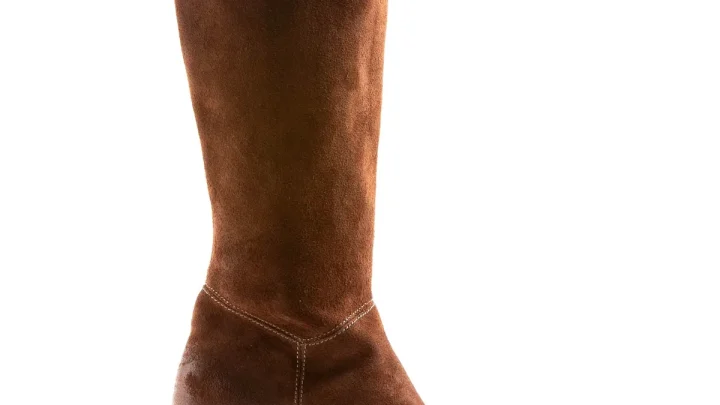
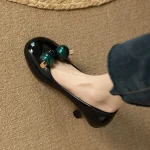
If you find an UGG Ultra Mini opening too tight foot entry can feel almost impossible. You pull on the rear tab, shove your heel down, and your foot stops dead at the ankle seam. It feels like the boot is two sizes too small, even when you ordered your usual size.
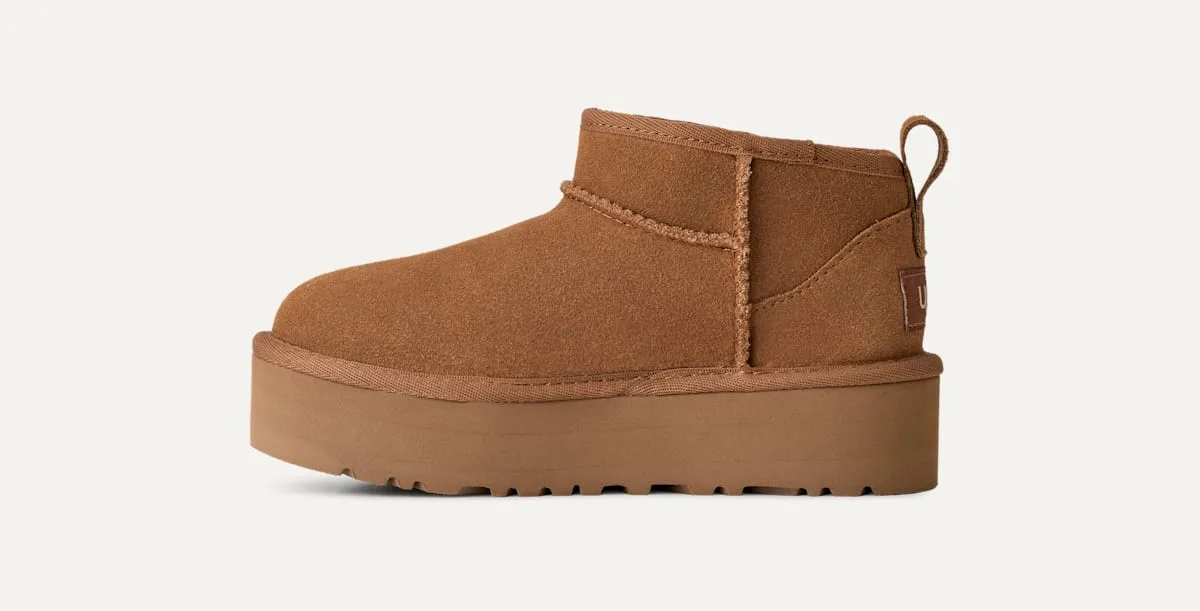
Image source: Bing (Web (fair-use with source credit))
Manufacturer specifications from Deckers Brands indicate the UGG Classic Ultra Mini features a short 3.5-inch shaft with a fixed, non-stretch collar circumference. This specific cut creates a steep entry angle around your heel bone. The good news is that a tight opening rarely means you bought the wrong shoe size.
Quick Answer
An UGG Ultra Mini opening too tight foot issue happens because of non-stretch collar binding. The footbed itself usually fits correctly. Do not yank the rear pull tab.
Instead, use a plastic bag or shoehorn to slide past the ankle. You can also stretch the suede opening safely with jars or a boot stretcher.
Why Your Foot Gets Stuck in the UGG Ultra Mini Opening
The root problem comes down to boot geometry and foot mechanics. When you slide your foot into a shoe, your ankle bends at a 45-degree angle. Your heel and instep need extra clearance to pivot through the boot shaft.
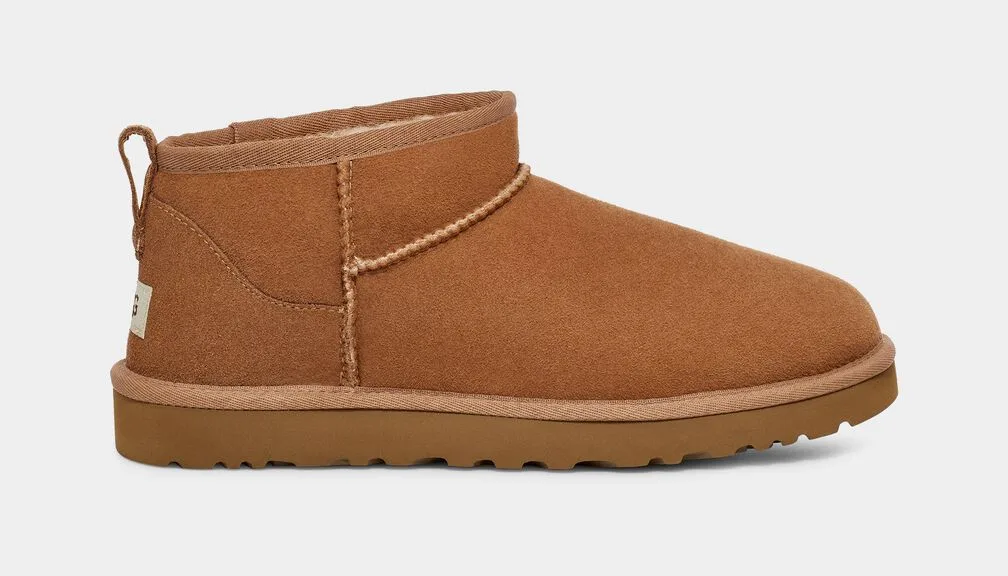
Image source: Bing (Web (fair-use with source credit))
Standard boots use stretch panels, zippers, or taller shafts that flex. The Ultra Mini features an asymmetrical topline bound with rigid nylon tape. That tape has less than 2% elastic give.
When your instep hits the throat of the boot, the opening refuses to expand.
Thick interior shearling creates another barrier. Plush wool creates friction against cotton socks and skin. As you push downward, your heel catches the dense wool fibers.
Instead of gliding into the footbed, your foot jams right above the heel counter.
The Sizing Dilemma: Tight Opening vs. Correct Footbed Size
Most people react to the tight collar by exchanging their boots for a larger size. Sizing up usually creates bigger problems down the road.
Once your foot clears the narrow shaft, the interior volume tells the real story. Twinface sheepskin and upcycled wool linings compress by roughly 30% to 40% within your first ten wears. If you size up to bypass the collar, the footbed becomes too long.
As of 2026, user fit data shows that sizing up leads to severe heel slippage once the shearling packs down. The boot starts flopping with every step. Sizing up also barely widens the shaft opening.
The collar circumference increases by only fractions of an inch between full sizes.
| Factor | True to Size (TTS) | One Size Up |
|---|---|---|
| Initial Collar Entry | Very difficult | Slightly easier |
| Entry After Break-In | Smooth and snug | Loose |
| Heel Slippage | None after break-in | Moderate to severe |
| Lining Compression | Forms custom footbed | Leaves empty gaps |
| Arch Alignment | Locks onto natural arch | Sits too far forward |
Phase 1: Friction-Reduction Hacks to Slip In Right Away
You can bypass the narrow collar instantly without altering the suede. The key is eliminating friction between your heel and the shearling lining.
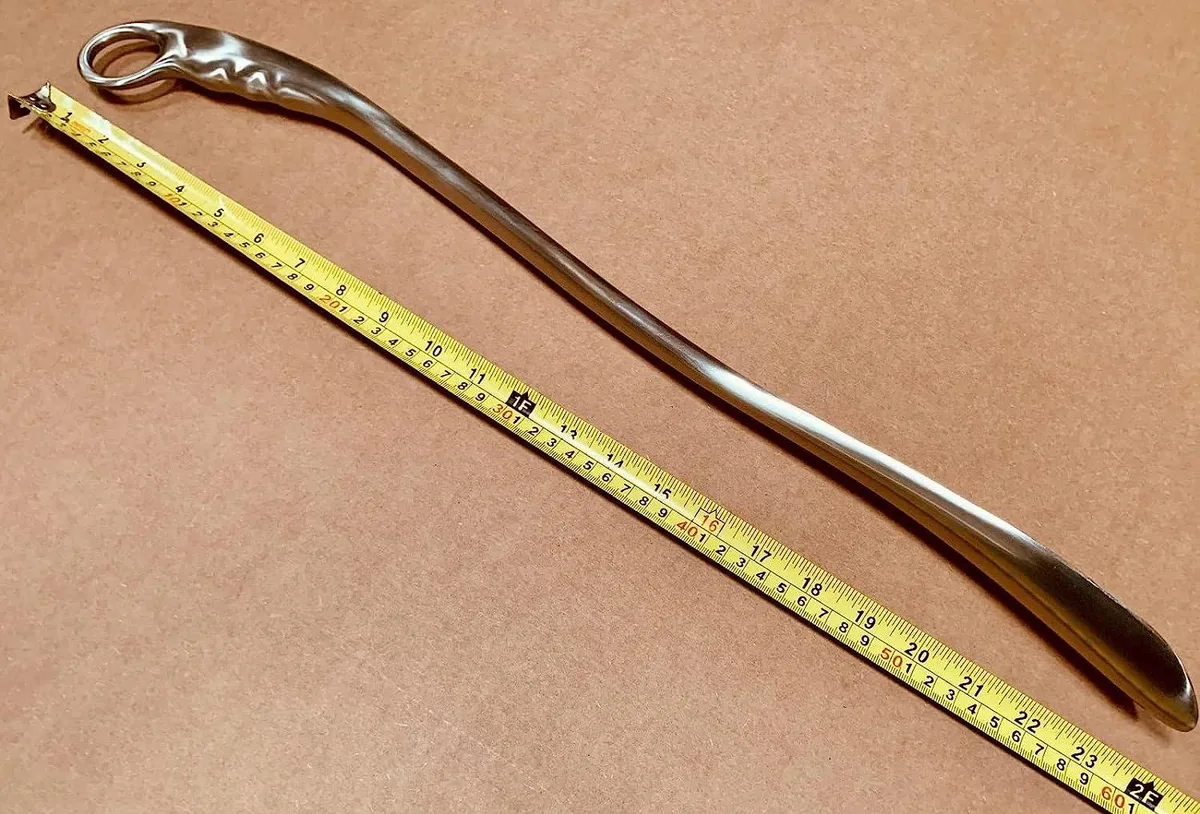
Image source: Web (Bing) / gosupps.com (Web image (fair-use with source credit))
The Plastic Bag Slide Trick
The plastic grocery bag trick provides instant entry without stretching the boot:
- Wrap a thin plastic grocery bag or produce bag around your heel and ankle.
- Slide your foot into the boot opening.
- Push downward firmly. The smooth plastic lets your heel glide past the throat with zero drag.
- Once your foot reaches the footbed, grab the bag handles and slide the plastic up and out.
The Nylon Barrier Method
Avoid wearing thick athletic cotton socks during the initial break-in period. Cotton acts like Velcro against genuine shearling.
Instead, wear thin nylon socks, silk dress socks, or try entering barefoot. Smooth nylon slides right against wool fibers. Once the interior fleece settles down over time, you can return to standard socks.
The Long-Handled Metal Shoehorn Approach
Standard plastic shoehorns bend under pressure, but a rigid metal shoehorn works wonders:
- Pick a metal shoehorn between 18 and 24 inches long.
- Slide the shoehorn flat against the interior heel counter of the boot.
- Step into the boot while keeping your heel pressed against the metal surface.
- Let your heel ride the metal plate straight to the bottom.
- Pull the shoehorn straight out using its long handle.
Phase 2: How to Safely Stretch the Collar and Instep
If friction hacks still leave you struggling, mechanical stretching expands the suede collar permanently. Genuine sheepskin suede yields well to steady, dry tension.
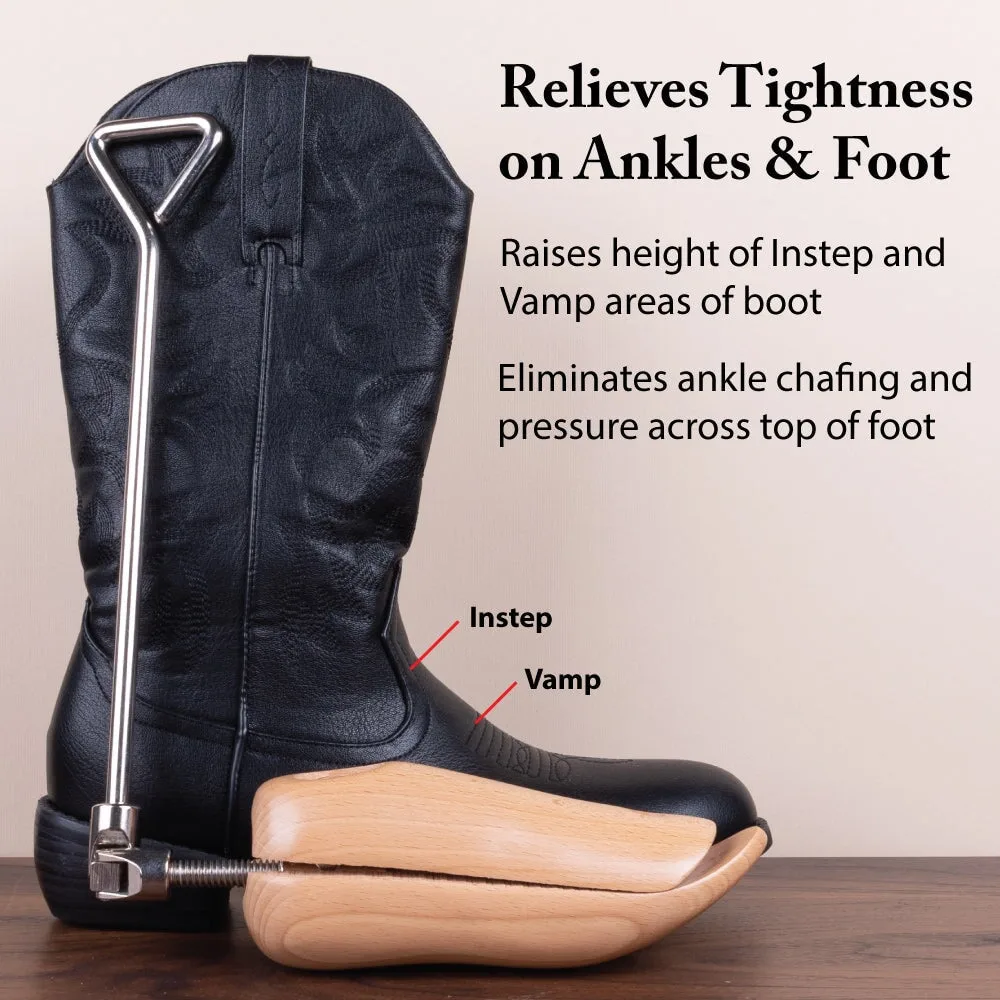
Image source: Web (Bing) / footfitter.com (Web image (fair-use with source credit))
Manual Seam and Vamp Massage
You can break the initial stiffness using your hands:
- Grasp the front throat and rear heel collar with both hands.
- Work your thumbs along the inside seams right below the binding tape.
- Apply firm outward pressure to loosen the suede fibers.
- Flex the vamp (the top arch area) backward and forward for three to five minutes.
The Controlled Bottle or Jar Stretch Method
Constant low tension stretches suede without tearing stitches:
- Wrap an 8-ounce glass jar or clean wine bottle in a microfiber cloth.
- Push the rounded end of the jar firmly into the boot throat where the instep sits tight.
- Leave the insert in place for 24 to 48 hours.
- Check the fit. The suede will adapt to the expanded circumference while the nylon binding settles.
Using a Mechanical Boot Instep Stretcher
A two-way boot instep stretcher provides the most precise results:
- Insert the wooden stretcher down into the shaft until the instep block sits beneath the collar.
- Turn the adjustment handle clockwise until you feel firm resistance against the instep.
- Add one extra turn to create gentle outward tension.
- Leave the stretcher in place for 24 hours.
- Avoid overtightening. Excess force can pop the top nylon stitches.
The Decision Tree: Keep, Stretch, Alter, or Return?
Not every tight boot should be kept. Use this decision flow to pick the right path:
[Is your foot completely inside the boot?]
   |
   +--> NO: Can your heel reach the footbed with a plastic bag or shoehorn?
   |       |
   |       +--> YES: Keep the size. Use friction hacks for 5 to 7 wears.
   |       |
   |       +--> NO: Return and exchange for a side-zip model or Mini II.
   |
   +--> YES: Stand up and check your toe room.
           |
           +--> Toes crushed against front: Return. You need a larger size.
           |
           +--> Quarter-inch toe space, tight instep: Keep. Stretch instep with jars.
           |
           +--> Excessive heel slip when walking: Do not size up. Shaft will break in.
If your foot has an unusually high arch, medical guidance from the American Podiatric Medical Association confirms that excessive dorsal pressure can irritate nerves. If direct pressure causes numbness on top of your foot even after stretching, the Ultra Mini profile is simply too low for your anatomy. In that scenario, exchanging them for the UGG Classic Mini II is your best bet.
Destructive Mistakes That Ruin the Suede and Void the Warranty
Desperation often leads to quick hacks that ruin delicate sheepskin. Twinface suede is soft leather, not resilient synthetic fabric. It requires gentle handling to avoid permanent structural failure.
- Never yank violently on the rear pull tab. That woven loop is meant for light stabilization, not heavy leverage. Ripping the pull tab tears the rear vertical seam and completely voids manufacturer warranty protection.
- Never apply direct heat with a hair dryer or radiator. Suede shrinks and turns brittle when exposed to temperatures above 120 degrees Fahrenheit. Heat permanently damages the natural oils, making the leather crack.
- Never soak the collar in hot water or alcohol to stretch it. Water causes sheepskin to dry stiff, misshapen, and stained. Alcohol breaks down the glue binding the heel counter.
- Never cut small slits into the nylon binding tape. Cutting the topline ribbon unravels the edge stitching within weeks. Once that thread unravels, the suede splits open under ordinary foot movement.
- Never force your heel down while crushing the internal heel counter. Folding that internal stiffener breaks its inner structure. Once crushed, the heel counter will dig into your Achilles tendon permanently.
Frequently Asked Questions About UGG Ultra Mini Sizing and Fit
Do UGG Ultra Minis stretch out over time?
Yes, the sheepskin upper and shearling lining loosen noticeably with regular wear. While the rigid nylon collar binding will not stretch much, the suede around the instep relaxes within three to seven wears. The interior fleece also flattens by about one-third, giving your entire foot much more room to move.
Can a cobbler make the opening bigger?
Yes, a professional cobbler can easily adjust the ankle opening. They typically create a small, neat V-notch slit along the inner collar seam and stitch an elastic gore into the gap. This structural modification gives you extra entry stretch while keeping the original exterior look of the boot intact.
Should I size up if the opening is too tight?
No, you should not size up purely because of entry friction. Sizing up only adds a fraction of an inch to the shaft circumference, but it makes the footbed significantly longer. Once the interior wool packs down, an oversized boot will slip at the heel with every single step.
How do I break in the ankle collar quickly?
Wear the boots around the house with smooth nylon socks for an hour at a time. Between wears, insert a wide jar or boot stretcher into the shaft opening overnight. This gentle combination stretches the suede throat without damaging the delicate materials or pulling apart the stitched seams.

Similar Posts