Best Shoe Brands for a Narrow Heel and Wide Forefoot
Founder & Fashion Creative Director at Julia Fashionista · CFDA Fashion Scholar, Certified Image Consultant (AICI) · 12+ years in editorial wardrobe styling, sustainable textile sourcing, and luxury capsule curation
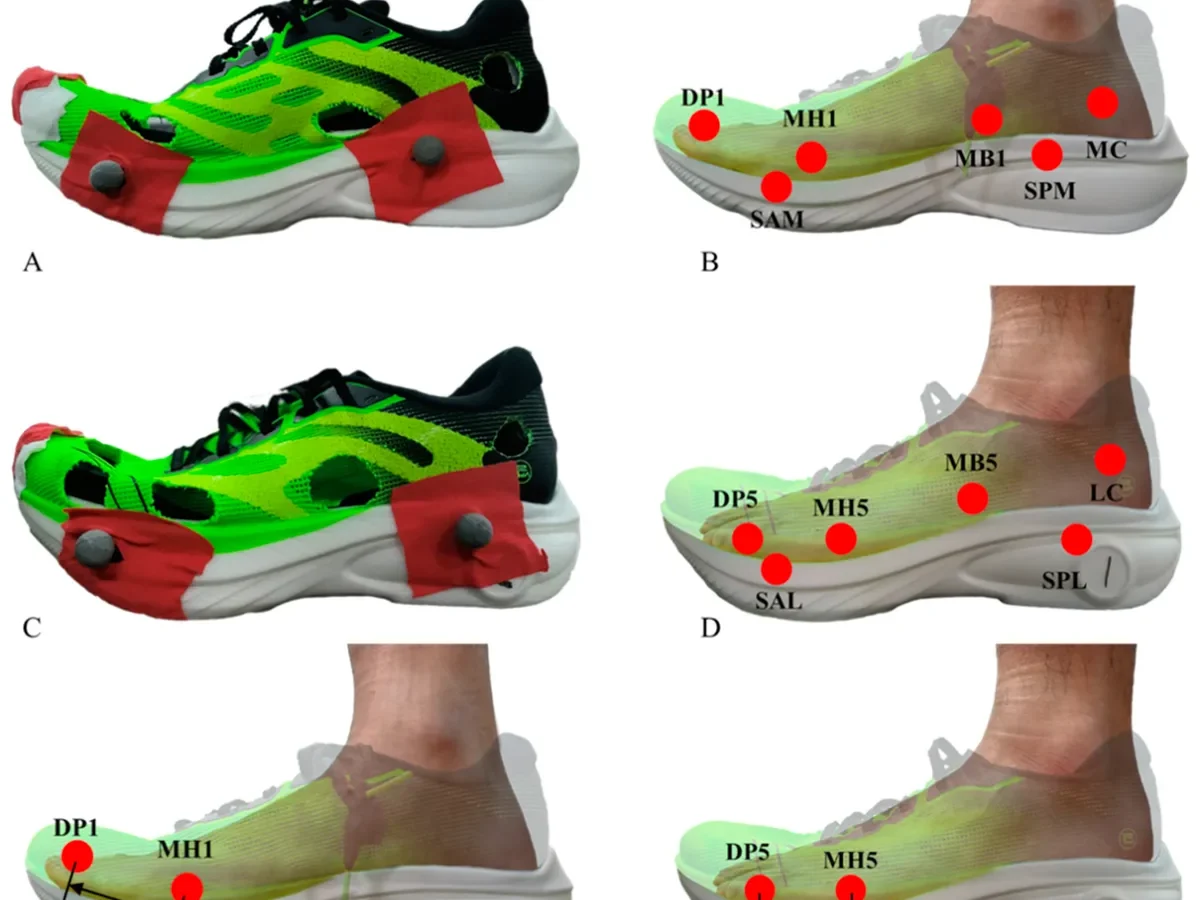
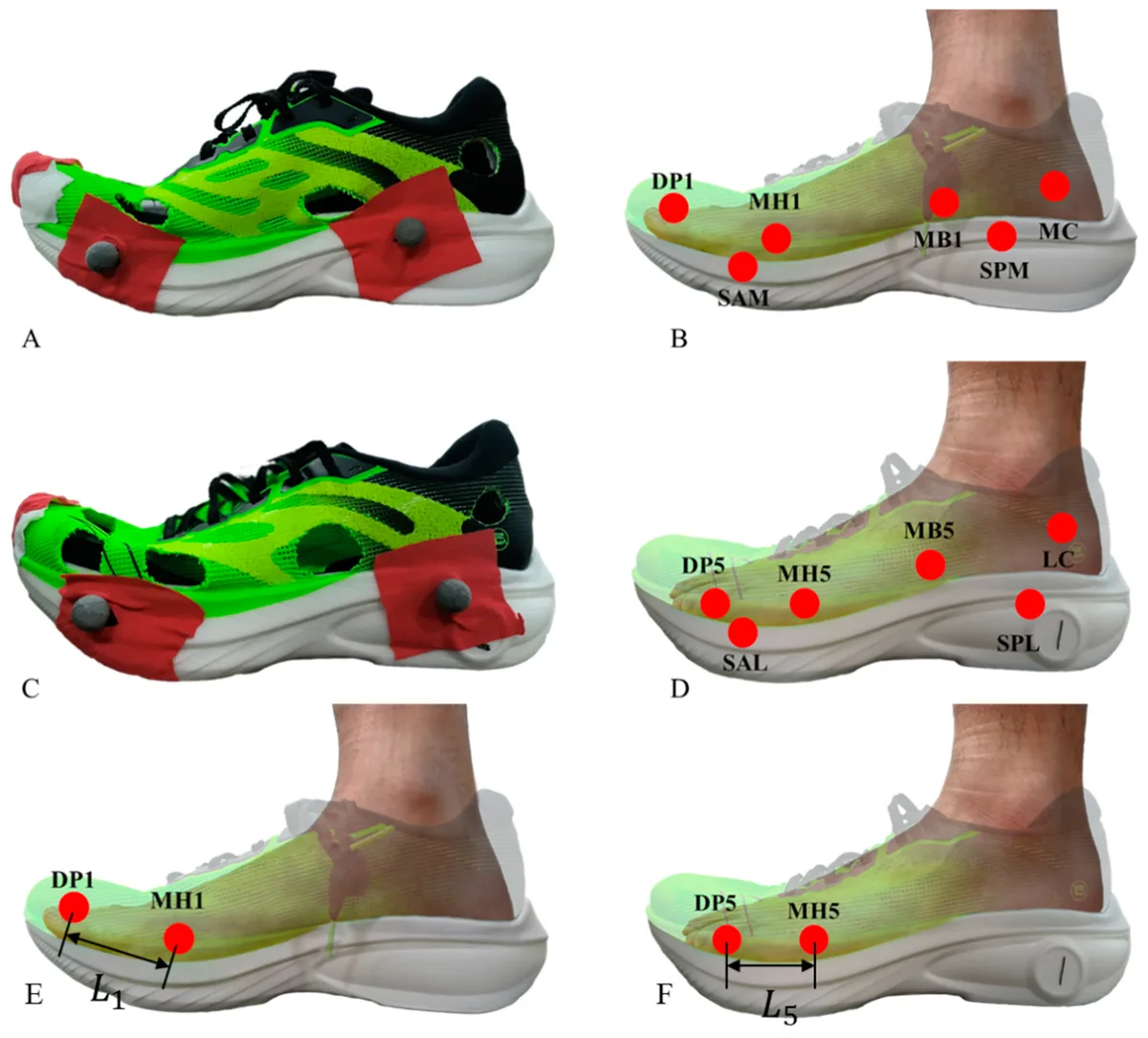
Image source: Bing (Web (fair-use with source credit))
Finding footwear that accommodates a broad forefoot without slipping off your rearfoot feels nearly impossible. Most narrow heel wide forefoot shoe brands are difficult to identify because standard retail sizing treats width as a single measurement across the entire base.
According to footwear sizing data published by the American Podiatric Medical Association, true foot morphology often follows a fan shape, meaning the heel bone (calcaneus) remains narrow while the metatarsals splay wide. When brands scale standard shoes up to wide designations, they inadvertently create rearfoot slippage that ruins stability.
Quick Answer
The best narrow heel wide forefoot shoe brands use an anatomical combination last. Topo Athletic leads the category with a secure heel cup and wide toe box. Altra offers broad forefoot options but fits looser in the rearfoot.
Mizuno provides standard drop shoes with natural rearfoot taper. These brands prevent heel slippage while letting your toes splay naturally.
Why Most "Wide" Shoes Fail Narrow Heels
Traditional shoe sizing relies on uniform proportional grading. When a shoe company builds a wide model (designated as D for women or 2E for men), the factory increases volume across the entire shoe.
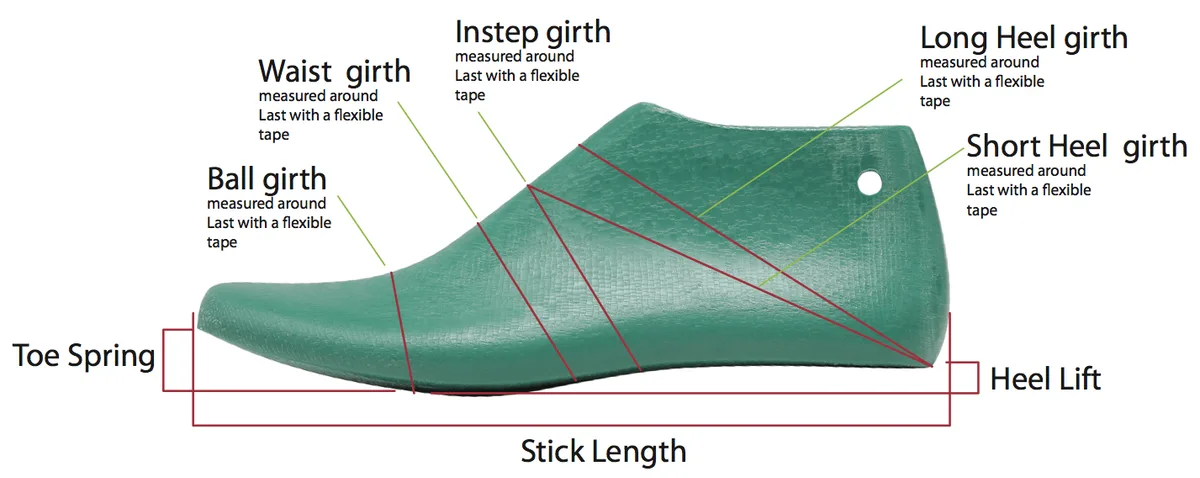
Image source: Bing (Web (fair-use with source credit))
That approach ruins the fit for fan-shaped feet. Your toes might finally feel comfortable, but the heel collar becomes loose, leading to severe friction, hot spots, and chronic blisters.
The Problem with Traditional Wide Sizing
Standard wide shoes expand the heel circumference alongside the ball of the foot. When your calcaneus lacks solid contact with the heel counter, your foot slides forward with every stride.
This forward movement jams your toes directly into the front of the toe box. You end up with bruised toenails and forefoot numbness, even though the shoe was technically labeled "wide."
What Makes a Combination Last Different
A shoe last is the solid mechanical form around which a shoe is constructed. A true combination last breaks standard sizing rules by pairing two distinct width measurements on one platform.
- The rearfoot uses a standard or narrow mold (such as an A or B width) to grip the calcaneus firmly.
- The midfoot stays snug to keep your arch supported and prevent inward rolling.
- The forefoot splays out to a generous D or 2E width, giving your metatarsal heads room to spread under load.
The Best Shoe Brands for Narrow Heels and Wide Forefeet
Several footwear manufacturers specialize in anatomical builds designed specifically to solve this proportion imbalance. Understanding their distinct design philosophies helps you narrow down your search.
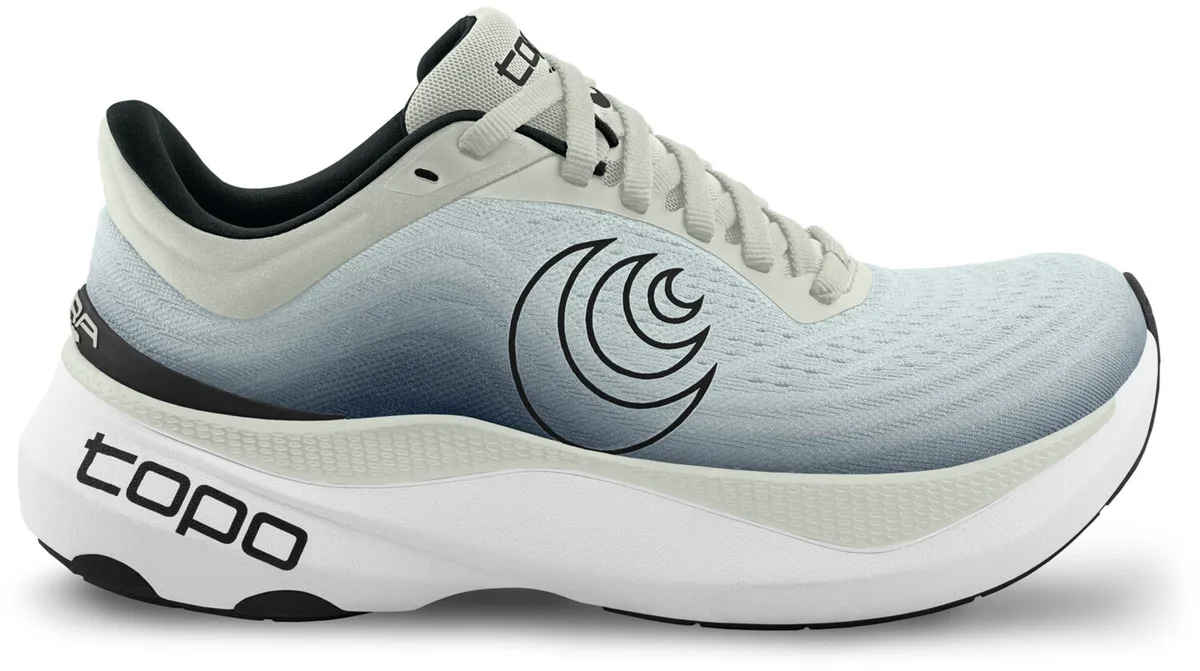
Image source: Bing (Web (fair-use with source credit))
Topo Athletic: The Gold Standard for Locked Heels and Roomy Toes
Topo Athletic designs shoes centered on a snug rearfoot and an anatomical toe box. In our research across verified buyer feedback and technical specs as of 2026, Topo consistently delivers the best combination-last geometry on the market.
Their platforms feature a low heel-to-toe drop (ranging from 0mm to 5mm). The shoe holds your heel securely against the back counter while leaving ample vertical and horizontal room across the ball of the foot.
Altra (Slim & Standard FootShape): The Zero-Drop Contender
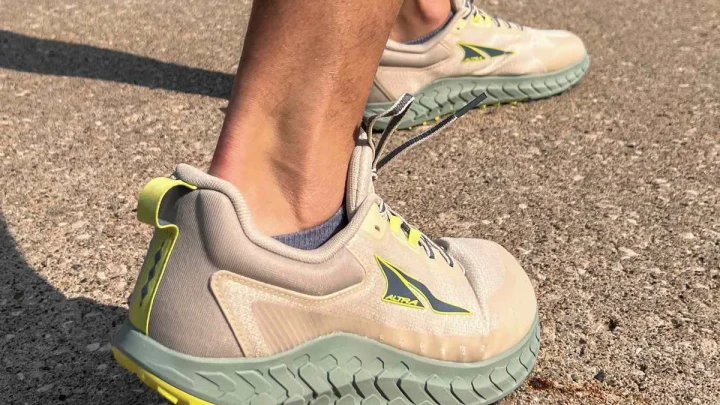
Altra built its reputation on its signature FootShape toe box, which allows your big toe to sit completely straight. However, aggregate user reviews frequently point out that Altra shoes can feel sloppy around the heel.
To address this, Altra now offers three distinct fits: Original, Standard, and Slim. If you have narrow heels, avoid the Original fit entirely. The Standard and Slim profiles pull the rearfoot inward, delivering a much better lock for lean heels while keeping the forefoot open.
Lems Shoes: Casual Comfort and Everyday Foot Freedom
Lems produces lifestyle sneakers, casual boots, and lightweight trail runners built on an anatomical footprint. Unlike conventional athletic footwear, Lems focuses on zero-drop platforms with wide front geometries.
Their heel collars use soft, padded materials that wrap closely around narrow ankles. They provide an ideal solution for people who need all-day comfort without the rigid plastic counters common in running shoes.
Inov-8 (Wide Fit): Trail Precision with Metatarsal Splay
Inov-8 categorizes shoes using a precision-fit scale, offering both standard and wide-fit options tailored for rough terrain. Their wide-fit models grip the rearfoot firmly to ensure high-speed stability on uneven ground.
The shoe flares open right at the first and fifth metatarsal heads. This design prevents side blowouts and keeps your toes from rubbing without sacrificing downhill security.
Mizuno: Traditional Drops with a Naturally Tapered Heel Cup
If you prefer a traditional heel drop (10mm to 12mm) rather than low-drop designs, Mizuno is an outstanding option. Mizuno does not market its shoes as barefoot or foot-shaped, yet their standard lasts run noticeably tapered through the heel cup.
Models featuring Mizuno Wave plate technology seat the calcaneus deeply into the midsole. When paired with their flexible mesh uppers, your forefoot can spread outward while your rearfoot remains locked in place.
Side-by-Side Comparison: Fit Profiles, Drop, and Best Uses
Choosing the right pair requires balancing drop height, forefoot volume, and intended activity. The table below outlines how the leading options compare.
| Brand | Heel Fit | Forefoot Width | Heel-to-Toe Drop | Primary Use Case |
|---|---|---|---|---|
| Topo Athletic | Very Snug | Wide / Anatomical | 0mm to 5mm | Road running, trail running, hiking |
| Altra (Standard Fit) | Medium | Wide / Anatomical | 0mm | Low-impact walking, distance running |
| Lems Shoes | Snug to Medium | Extra Wide | 0mm | Casual wear, light day hikes, travel |
| Inov-8 (Wide Fit) | Snug / Locked | Wide | 4mm to 8mm | Technical trail running, obstacle courses |
| Mizuno | Very Snug | Medium-Wide (Standard) | 10mm to 12mm | High-mileage road running, walking |
How to Match Your Foot Shape to the Right Brand
Matching your footwear to your lifestyle ensures you do not end up fighting your shoe's natural geometry. Different activities place different demands on your feet.
Daily Road Running and High Mileage
Road running creates repetitive impact that causes feet to swell over long distances. Topo Athletic is an exceptional choice here because the snug midfoot and heel stop internal sliding on asphalt, while the roomy forefoot accommodates natural foot expansion.
Technical Hiking and Trail Running
When hiking steep descents, a loose heel causes your toes to slam repeatedly into the front of the shoe. Inov-8 and Topo trail models feature secure heel cups and protective toe caps that eliminate toe bruising on uneven terrain.
Standing All Day and Occupational Wear
If your day involves standing on concrete floors, rigid athletic shoes can pinch your metatarsals. Lems shoes provide a natural, low-pressure platform that lets your toes splay flat, while the padded collar holds your heel steady.
Managing Bunions and Morton’s Neuroma
Bunions and Morton’s neuroma require zero pressure on the outside edges of your foot. Altra and Topo Athletic allow the transverse arch to spread naturally, instantly eliminating the painful lateral squeeze caused by standard tapered shoes.
Fit Hacks: How to Lock Down a Narrow Heel in Any Shoe
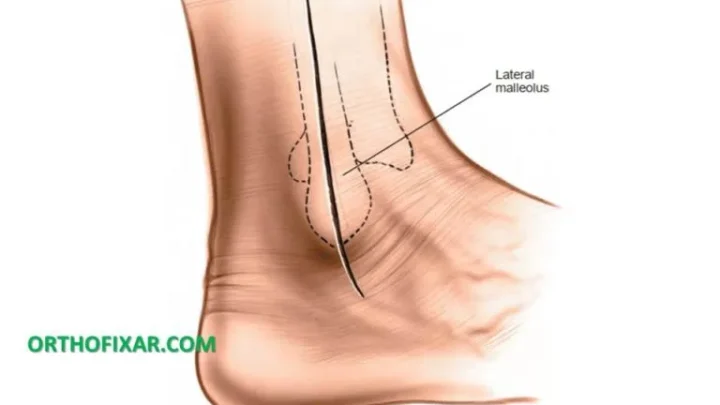
Even with combination-last shoes, you might occasionally experience tiny amounts of heel movement. Small anatomical quirks, such as a prominent Achilles tendon or an unusually shallow heel bone, can require slight fit adjustments. You can easily fix these issues without compromising forefoot room.
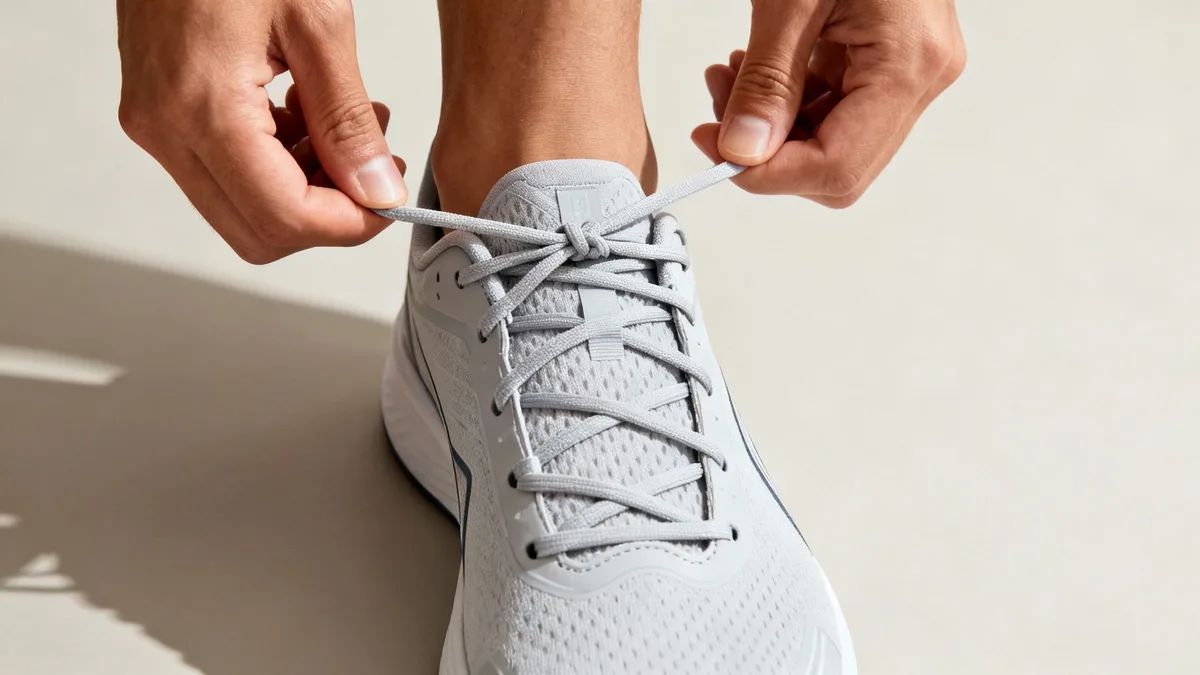
Image source: Bing (Web (fair-use with source credit))
The Runner’s Loop (Heel-Lock Lacing)
The runner's loop uses the extra eyelet located at the top of most athletic shoes to create a secure pulley system. Thread each lace through the extra top hole on the same side, creating a small loop on both edges of the collar.
Cross your laces over the tongue, feed each end through the opposite loop, and pull firmly downward before tying a standard knot. This technique pins your heel directly against the rear counter without increasing pressure over your metatarsals.
Customizing Volume with Insoles and Tongue Pads
If lacing tricks do not solve the problem, you need to adjust internal shoe volume. Standard aftermarket insoles often make the problem worse by lifting the entire foot, which pushes your heel out of its cup.
- Install self-adhesive felt tongue pads underneath the shoe tongue to push your rearfoot backward into the collar.
- Use tapered heel-only inserts that sit underneath your current insole to cup your calcaneus without crowding the front of the shoe.
- Try window lacing over the top of your foot. Skip an eyelet cross directly above the high point of your arch to eliminate top-of-foot pressure while keeping the heel collar pulled tight.
Critical Sizing Mistakes That Lead to Heel Slip and Foot Pain
The most frequent sizing mistake is sizing up in length to gain forefoot width. When you buy a shoe a half-size or full size too long, the flex point of the shoe shifts out of alignment with your metatarsal heads.
This error causes the shoe to bend in the wrong spot, which forces your heel to lift out of the back with every step. It also leads to severe calf fatigue, Achilles strain, and toe bruising during active use.
Another widespread error is overtightening standard laces across the instep to stop rearfoot movement. Cinching the laces down hard crushes the dorsal nerves and blood vessels on top of your foot.
This habit leads to tingling, numbness, and burning sensations without actually solving the loose heel problem. A shoe built on the right last holds your rearfoot securely with normal, moderate lace tension.
Frequently Asked Questions About Narrow Heel, Wide Forefoot Shoes
Can you stretch the toe box of a narrow shoe instead?
You can stretch shoes made of genuine leather, but synthetic running shoes will not hold a stretch. Synthetic engineered mesh and TPU overlays always snap back to their molded factory shape. It is far better to buy shoes designed with an anatomical toe box from the start.
Why do women experience heel slippage more often than men?
Statistically, women have higher instances of a narrow calcaneus paired with a broader forefoot ratio. Standard women's running shoes often scale down from a unisex mold, which leaves the heel collar too wide. Brands like Topo Athletic account for this natural fan shape in their female-specific lasts.
Are barefoot shoes always good for narrow heels?
Barefoot shoes always provide a wide forefoot, but many models feature wide, unstructured heels that slip constantly. If you want zero drop and minimal stack height, focus on brands like Lems that provide padded collars and contoured heel cups rather than wide, bucket-style barefoot shoes.
Does a runner’s loop cause lace bite?
A runner's loop can cause lace bite if you yank the laces directly upward against the tendon. To prevent pressure points, pull the laces forward toward your toes to snug the loops before tying your knot. Make sure the padded tongue sits fully extended under the knot.
The Verdict: Which Pair Should You Actually Buy?
For road running, fitness walking, and daily training, Topo Athletic remains the clear frontrunner. Their combination-last shape offers the most secure rearfoot lockdown available while giving your toes full freedom to splay naturally.
If you want a zero-drop platform for trail use or lifestyle wear, choose Altra in their Standard or Slim fit profiles, or try Lems Shoes for casual comfort. Matching your shoe choice to a true combination last guarantees you stop fighting heel slippage once and for all.

Similar Posts