Gold Filled vs Gold Vermeil: Which Lasts Longer?
Founder & Fashion Creative Director at Julia Fashionista · CFDA Fashion Scholar, Certified Image Consultant (AICI) · 12+ years in editorial wardrobe styling, sustainable textile sourcing, and luxury capsule curation
When you buy demi-fine jewelry, you want to know if it will survive daily wear or turn dull within months. The debate around gold filled vs gold vermeil longevity comes down to how these metals are manufactured and how they react to everyday friction.
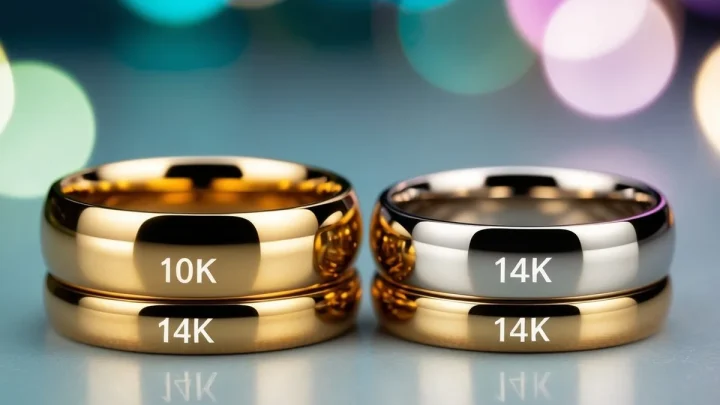
Federal trade standards require gold-filled pieces to contain at least 5% gold by weight, while vermeil relies on an electroplated layer over sterling silver. That structural difference directly dictates how many years each finish will last on your skin. As of 2026, understanding these metal ratings helps you avoid wasting money on pieces that quickly tarnish.
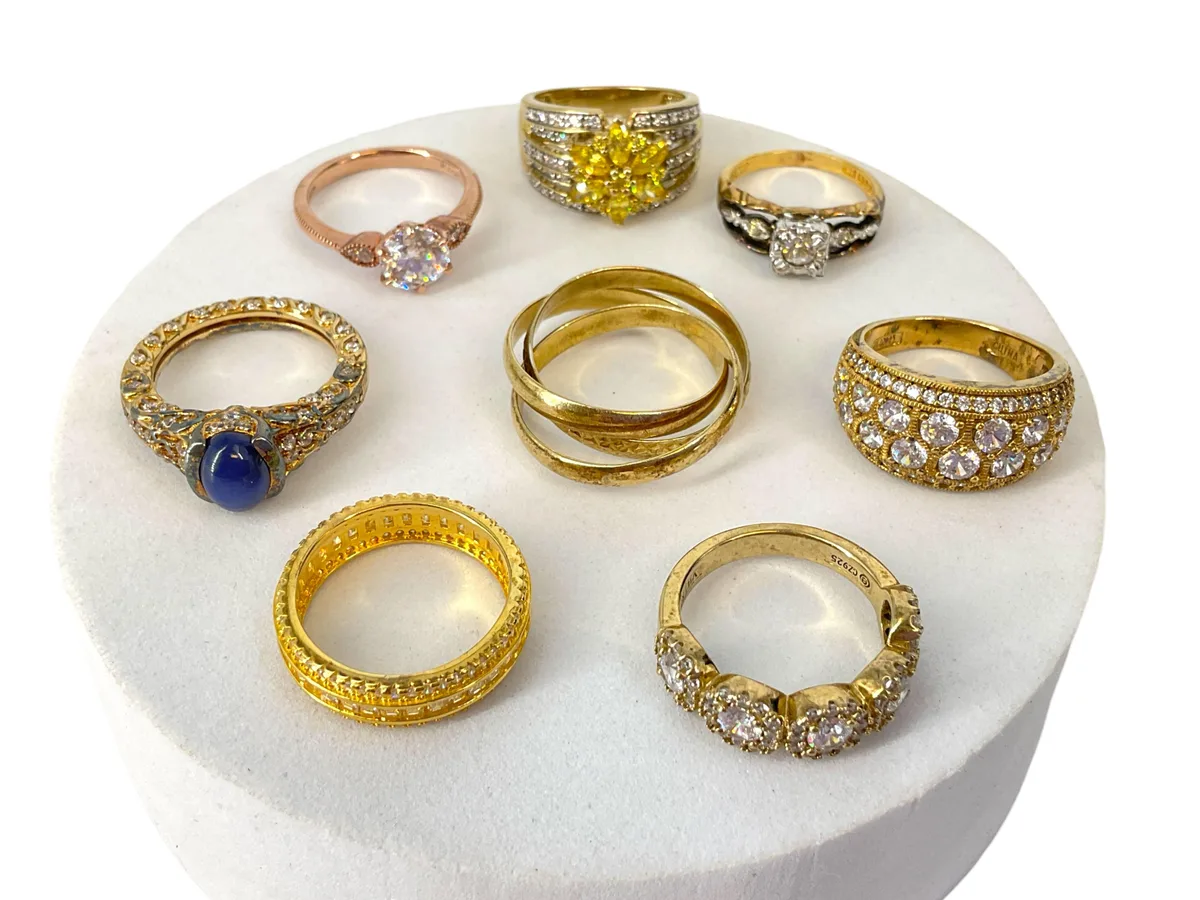
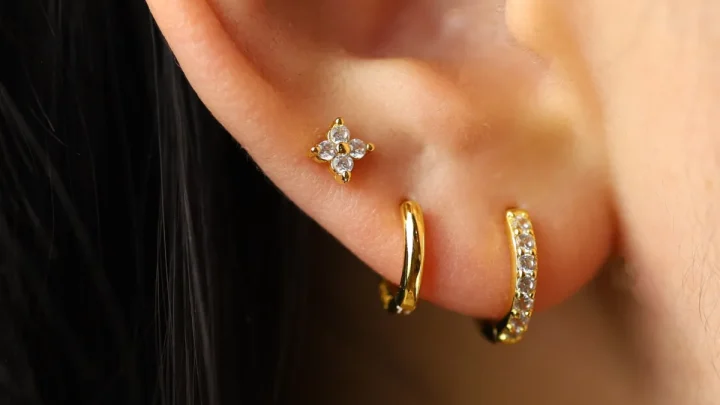
Image source: Bing (Web (fair-use with source credit))
Quick Answer
Gold-filled jewelry lasts significantly longer than gold vermeil. Gold-filled pieces last 10 to 30 years with daily wear. Gold vermeil typically lasts six months to three years.
Friction rubs vermeil plating away quickly. Gold-filled features a much thicker layer bonded by heat and pressure.
The Short Answer: Which Metal Lasts Longer Under Daily Wear?
Gold-filled metal easily outperforms gold vermeil in durability tests and everyday use. In our research, verified buyer feedback and jeweler reports consistently show that gold-filled pieces retain their luster for decades. Vermeil, while made with higher-end core materials, has a fragile surface that wears down under regular friction.
If you wear a piece every day, gold-filled is the clear winner. A gold-filled chain or bracelet can handle sweat, water, and daily movement without showing its base metal. Vermeil pieces worn continuously on high-contact areas, such as the hands, will show wear within one to two years.
Here is the basic takeaway for lifespan expectations:
- Gold-filled: Expect 10 to 30 years of regular use before any base metal shows through.
- Gold vermeil: Expect 1 to 3 years of daily wear, or up to 5 years for low-contact items like earrings.
The core difference lies in the bonding. Vermeil is simply a specialized, high-grade plating. Gold-filled is a solid mechanical sheet fused directly to a brass core.
How Gold Filled and Gold Vermeil Are Actually Made
Understanding the manufacturing process explains why these two metals perform so differently. They are regulated by strict trade standards, but the methods of application belong to entirely different metallurgical categories.
Gold-filled items are made by taking a solid sheet of karat gold and mechanically bonding it to a jeweler's brass core using intense heat and high-pressure rolling mills. According to standards enforced by the U.S. Federal Trade Commission, gold-filled items must contain at least 1/20th (5%) pure karat gold by total weight.
The outer layer is thick, dense, and structurally continuous with the core metal.
Gold vermeil, pronounced ver-may, is produced through chemical electroplating. Jewelers start with a base of genuine .925 sterling silver. The silver is submerged in an electrolytic bath, where an electric current deposits microscopic gold particles onto the surface.
To legally earn the vermeil label in the United States, the gold layer must measure at least 2.5 microns thick and be at least 10k gold.
The Science of Longevity: Mechanical Bonding vs. Electroplating
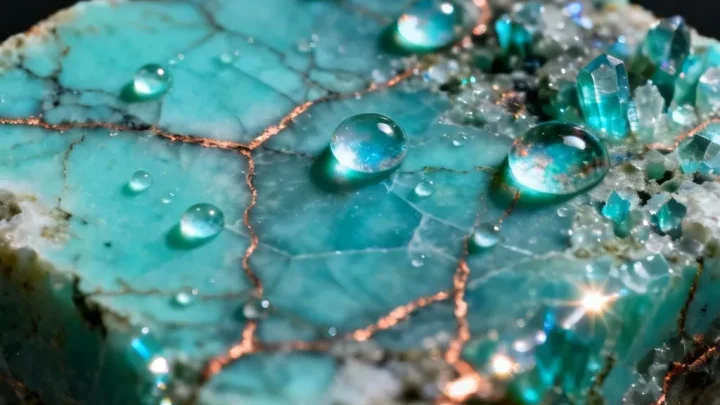
The lifespan gap comes down to layer thickness and structural adhesion. Microscopic inspection reveals why electroplated surfaces fail long before mechanically bonded sheets.
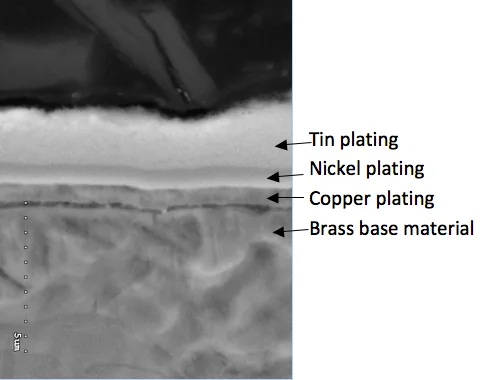
Image source: Bing (Web (fair-use with source credit))
Electroplating creates a thin coating that clings to the surface at a molecular level. While 2.5 microns is five times thicker than standard flash plating, it remains extraordinarily thin. Daily contact with clothing, skin oils, and hard surfaces acts like micro-sandpaper.
Over time, friction buffs that 2.5-micron layer completely off the underlying silver.
Mechanical cladding creates a much thicker barrier. A typical 14k gold-filled layer measures between 50 to 100 times thicker than an electroplated vermeil coating. The extreme pressure from rolling mills compacts the crystal structure of the alloy, significantly increasing surface hardness.
Vermeil also faces chemical migration. Silver atoms from the core can slowly migrate outward through the porous electroplated gold layer. When those silver atoms reach ambient air, they oxidize.
This creates unsightly black tarnish spots on the surface, even before the gold plating has physically worn away.
Gold Filled vs. Gold Vermeil: Head-to-Head Comparison
Choosing between these two depends on what you value more: the core metal's intrinsic value or the jewelry's exterior durability. Vermeil offers precious sterling silver beneath the surface, while gold-filled uses a durable brass alloy designed purely for structural longevity.
The following table breaks down the technical and practical differences between both constructions:
| Feature | Gold-Filled | Gold Vermeil |
|---|---|---|
| Gold Content | 5% (1/20) by total weight | Minimum 2.5 microns thick |
| Base Metal | Jeweler's brass (copper/zinc alloy) | .925 Sterling silver |
| Application Method | Heat and high-pressure rolling | Electrolytic bath plating |
| Average Lifespan | 10 to 30 years | 1 to 3 years |
| Water Resistance | High (handles occasional showers) | Low (water accelerates silver tarnish) |
| Tarnish Risk | Extremely low | Moderate (core silver can oxidize) |
| Replating Potential | Difficult and rarely practical | Easy to clean and re-plate |
For raw longevity, gold-filled wins every category except core scrap value.
Real-World Wear: How Rings, Necklaces, and Earrings Hold Up Over Time
The lifespan of demi-fine jewelry depends heavily on which part of your body it rests against. Friction, skin contact, and sweat affect rings far differently than earrings.
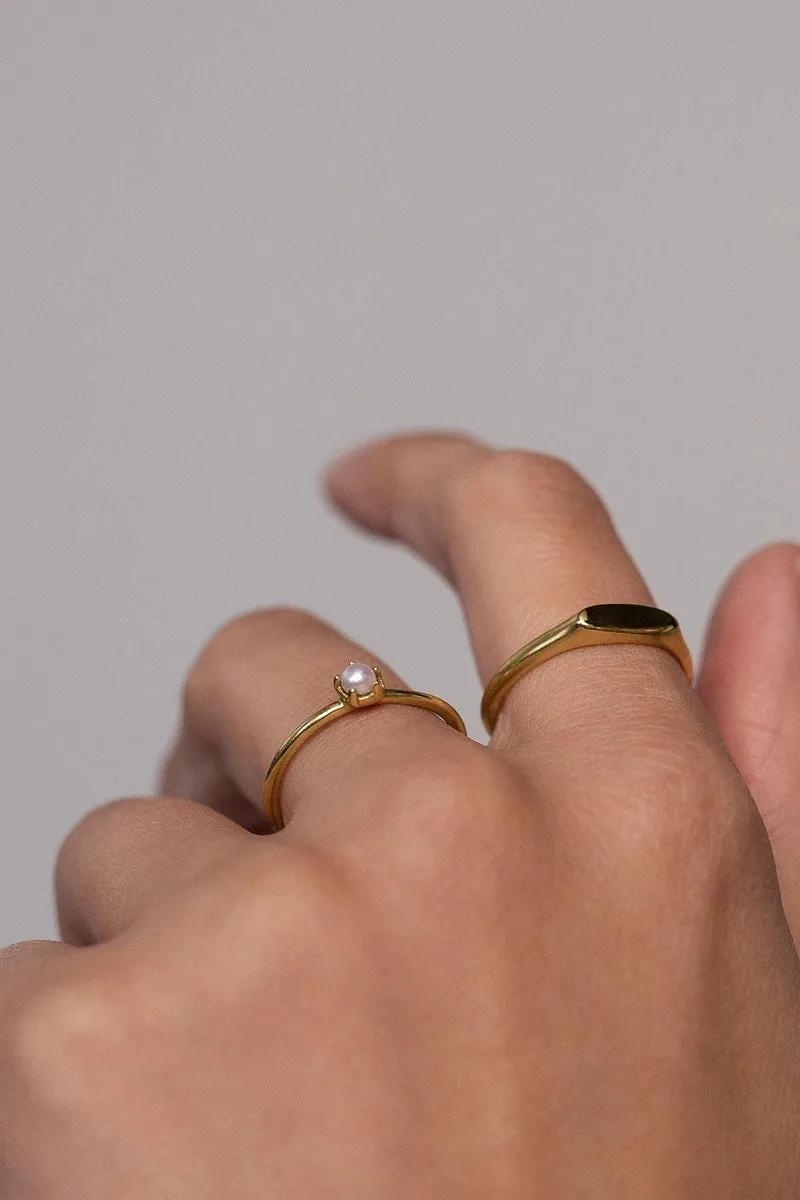
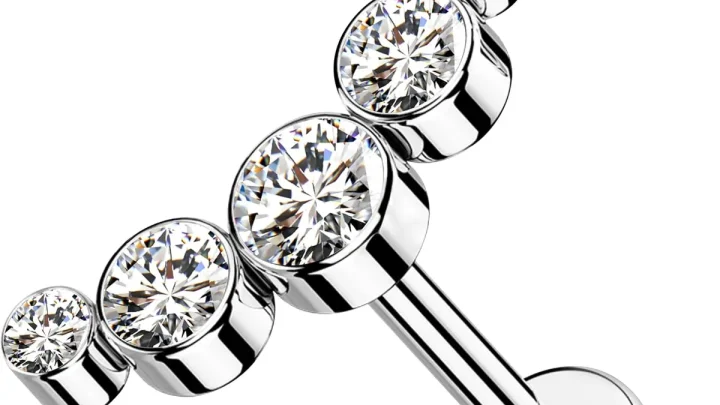
Image source: Bing (Web (fair-use with source credit))
Rings and Bands
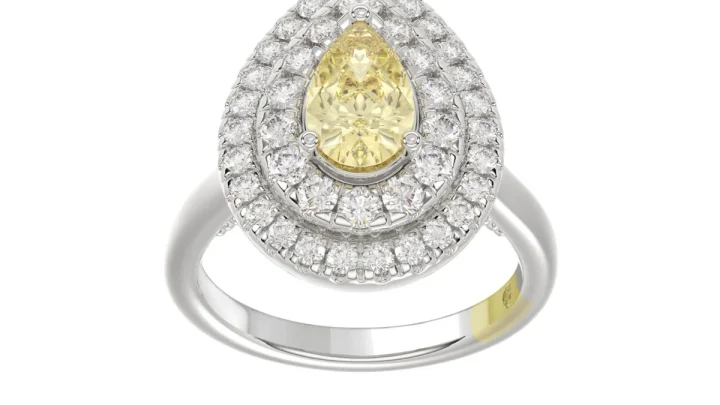
Rings endure constant friction against steering wheels, keyboards, door handles, and adjacent fingers. In our research, vermeil rings show noticeable silver wear-through along the bottom shank within six to twelve months of daily use. Gold-filled rings, by contrast, regularly maintain their gold finish for over a decade under the same conditions.
Necklaces and Pendants
Necklaces hang against skin and clothing, facing moderate friction and regular exposure to body sweat. Vermeil pendants perform reasonably well, often lasting two to four years before plating fades around bail edges. Gold-filled chains and pendants routinely last twenty years without exposing their core brass.
Earrings
Earrings experience virtually zero abrasive friction. Because they rarely touch hard surfaces or absorb heavy sweat, gold vermeil earrings can easily last five years or more without visible wear. Gold-filled earrings are effectively lifetime purchases that will not chip, tarnish, or fade under standard conditions.
Common Pitfalls That Ruin Demi-Fine Jewelry Early
Even durable pieces can degrade fast when exposed to the wrong environments. Most jewelry failures come from basic chemical exposure rather than physical drops.
Pools and hot tubs are the fastest way to destroy both metals. Chlorine attacks the copper and zinc inside jeweler's brass, causing stress corrosion cracking in gold-filled items. For vermeil, chlorine strips the thin electroplate layer and rapidly oxidizes the silver base underneath.
Saltwater is equally damaging, leaving micro-abrasive salt crystals that wear down finishes.
Daily cosmetic products also create hidden wear. Perfumes, lotions, hairsprays, and alcohol-based hand sanitizers contain harsh solvents. These chemicals settle into microscopic crevices, dulling gold surfaces and accelerating tarnish.
Always apply cosmetics and fragrances first, let them dry completely, and put your jewelry on last.
Sleeping in your jewelry generates hours of continuous micro-friction. Sheets and blankets act as low-grade abrasives against chains and ring shanks. Taking pieces off before bed dramatically extends their practical lifespan.
Maintenance Habits That Maximize Lifespan
Proper cleaning keeps both gold-filled and vermeil jewelry looking bright without stripping away their valuable gold layers. The goal is removing body oils without scraping off the finish.
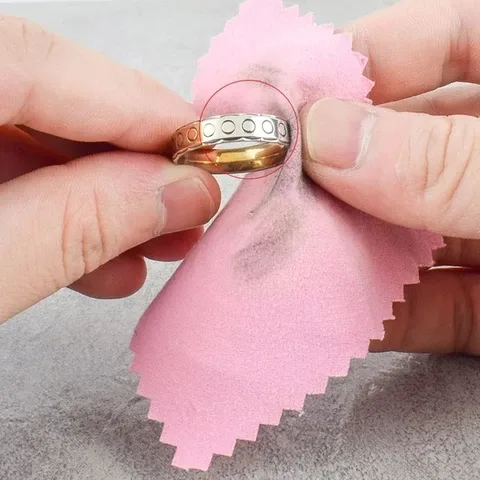
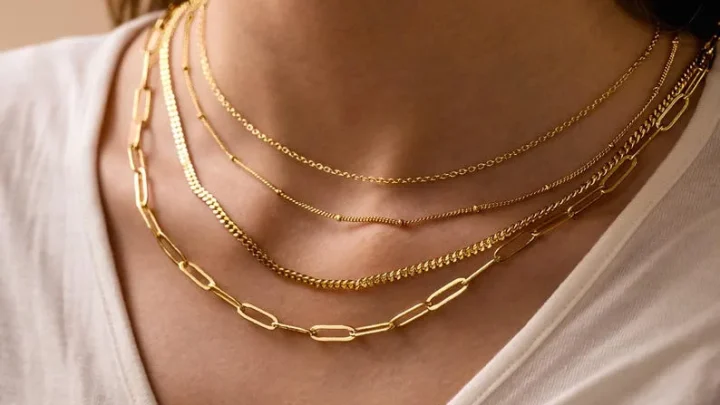
Image source: Bing (Web (fair-use with source credit))
For routine cleaning, use mild dish soap and warm water. Soak your jewelry for five minutes, then gently work away grime using a soft baby toothbrush. Rinse thoroughly with clean water, and pat everything dry using a lint-free microfiber towel.
Never leave jewelry damp, as trapped moisture promotes oxidation.
Polishing cloths require extreme care, especially on gold vermeil. Chemical-treated polishing cloths contain micro-abrasives designed to scrub tarnish off solid metals. Rubbing a vermeil piece with a treated cloth will peel away its 2.5-micron gold layer within weeks.
- Use untreated, soft microfiber cloths for daily wipe-downs on both metals.
- Reserve treated polishing cloths exclusively for occasional, gentle use on gold-filled items.
- Store pieces individually in airtight zip-top bags or lined jewelry boxes to block humidity.
- Add a small silica gel pack to your storage box to absorb ambient moisture.
Frequently Asked Questions About Gold Filled and Vermeil Jewelry
Can you wear gold-filled jewelry in the shower?
Yes, you can wear gold-filled jewelry in the shower occasionally. Fresh water and mild soaps do not harm the thick gold layer. Make sure to rinse off all soap residue and dry the piece thoroughly afterward.
Frequent exposure to harsh bath products may still dull the finish over time.
Can you re-plate gold vermeil once it fades?
Yes, gold vermeil can be re-plated easily by an experienced jeweler. Because the base metal is solid sterling silver, a bench jeweler can strip the remaining finish, polish the silver, and electroplate a fresh layer of karat gold. Re-plating usually costs between thirty and sixty dollars per item.
Does gold-filled jewelry turn your skin green?
Gold-filled jewelry rarely turns skin green. The outer layer is thick, solid karat gold, which prevents base metals from contacting your skin. Skin discoloration only occurs after years of heavy friction wear that exposes the inner brass core, or in individuals with severe copper allergies.
Is gold vermeil hypoallergenic for sensitive ears?
Gold vermeil is generally hypoallergenic because it consists solely of gold and .925 sterling silver. Both precious metals are well tolerated by sensitive skin. Irritation usually happens only if the gold layer wears away and the wearer reacts to the trace copper alloyed inside the sterling silver.
What is the difference between gold vermeil and standard gold plating?
Gold vermeil requires a sterling silver core and a minimum gold thickness of 2.5 microns under regulatory standards. Standard gold-plated jewelry uses cheap base metals like copper, zinc, or steel, and carries a microscopic gold flash often less than 0.5 microns thick that wears away quickly.
The Final Verdict: How to Choose for Your Lifestyle
Your decision between gold-filled and gold vermeil should rest entirely on how often you plan to wear the piece. Both provide an affordable bridge between cheap costume items and costly solid gold, but they serve different roles.
Choose gold-filled jewelry if you want durable, low-maintenance pieces for everyday wear. It is the superior choice for wedding bands, daily chains, permanent bracelets, and signature rings. The heat-bonded alloy shell easily shrugs off sweat, showers, and friction, delivering solid-gold performance for fifteen to thirty years at a fraction of the cost.
Choose gold vermeil if you prioritize precious metal pedigree and prefer statement jewelry for special occasions. Vermeil gives you high-karat gold over pure sterling silver, giving it higher intrinsic scrap value. It excels in low-friction pieces like cocktail rings, formal necklaces, and statement earrings that you wear once a week rather than every single day.

Similar Posts