How to Stop Canvas Tote Bag Sagging with Base Inserts
Founder & Fashion Creative Director at Julia Fashionista · CFDA Fashion Scholar, Certified Image Consultant (AICI) · 12+ years in editorial wardrobe styling, sustainable textile sourcing, and luxury capsule curation
A heavy canvas tote is unmatched for carrying groceries, books, and laptops, but placing heavy items inside instantly causes the floor to bow. Adding a canvas tote bag bottom sagging insert fixes this issue immediately by distributing concentrated weight across the bag's full base seam. Without proper support, your items bunch together in the center, and the bag folds in on itself whenever you set it down.
Standard cotton duck fabric, typically rated between 14 oz and 24 oz per square yard, offers strong tensile capacity under ASTM International standards but lacks natural horizontal stiffness. Installing a rigid base shaper eliminates fabric deflection, prevents premature thread abrasion at corner stress points, and keeps your tote standing upright on flat surfaces.
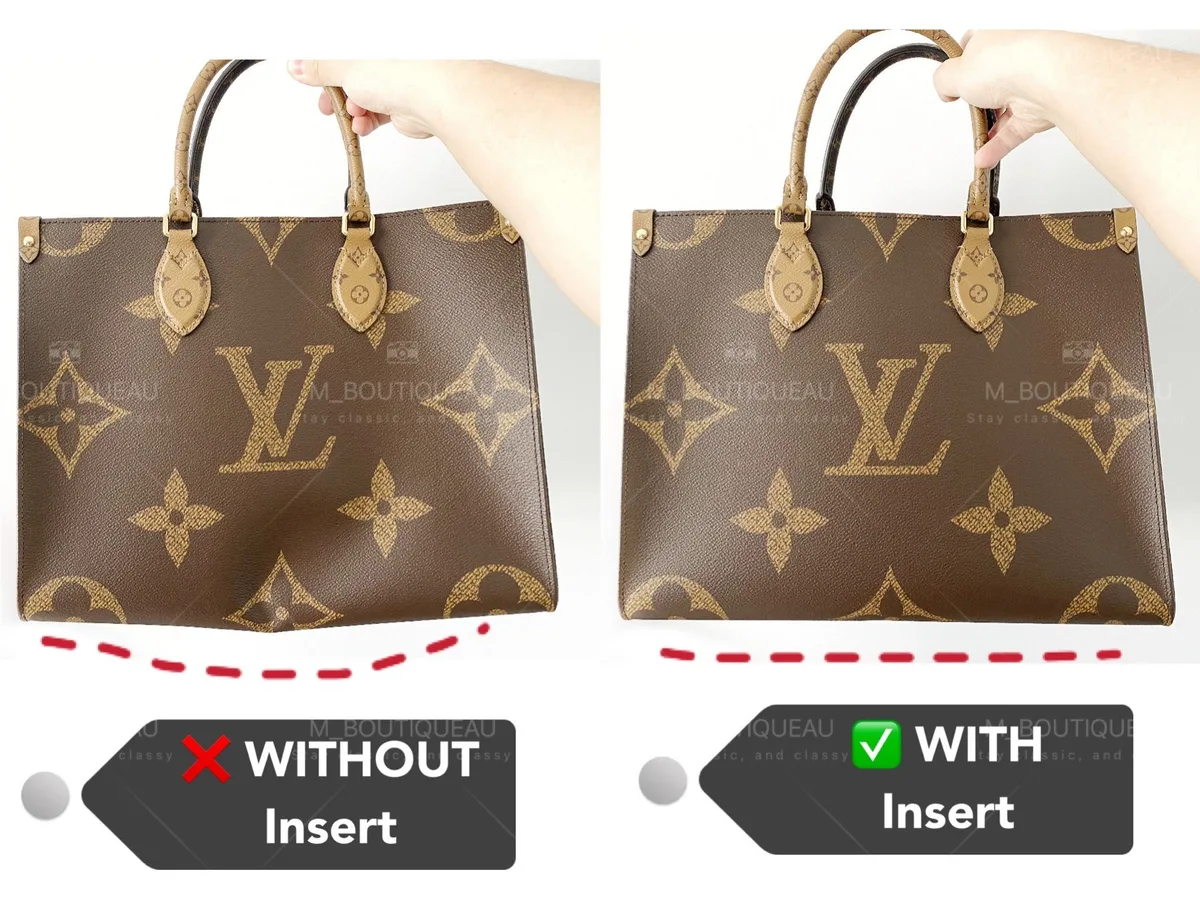
Image source: Bing (Web (fair-use with source credit))
Quick Answer
A canvas tote bag bottom sagging insert creates a flat, rigid base plate. It stops heavy items from bowing the tote floor downward. The insert spreads internal weight across the bottom seams.
It prevents corner thread wear. Your tote stands upright on desks and floors without tipping over.
The Anatomy of Canvas Tote Sag and Why Bottom Inserts Work
Canvas tote bags rely on heavy woven cotton duck. While this fabric resists tearing, it has virtually no flexural resistance along an open plane. When you place a compact, heavy object, like a thermal water bottle or a laptop charger, onto an unsupported canvas floor, gravity concentrates that entire load on a tiny patch of cloth.
This concentrated downward pressure produces what textile specialists call deflection, or the hammock effect. The center pulls downward, dragging the side gussets inward. As the gussets cave, the bag loses its flat base footprint.
Everything inside tumbles toward the middle into a cluttered heap.
A drop-in base shaper changes this mechanical dynamic completely. The rigid insert acts as a load-bearing bridge between the outer boxed seams. Instead of the weight resting entirely on flexible canvas threads, the insert transfers that force outward to the perimeter stitching.
This weight transfer protects your investment. When the bottom stays flat, the tote rests squarely on flat surfaces instead of rolling over onto dirty floors. It also reduces localized friction along the bottom exterior, extending the life of the cotton fibers significantly.
The Four Core Styles of Canvas Tote Bottom Inserts
Not every base insert performs the same way inside an unlined tote. Different materials balance weight, stiffness, and fabric wear differently. Choosing the right style depends on how much weight you carry and whether your bag encounters moisture.
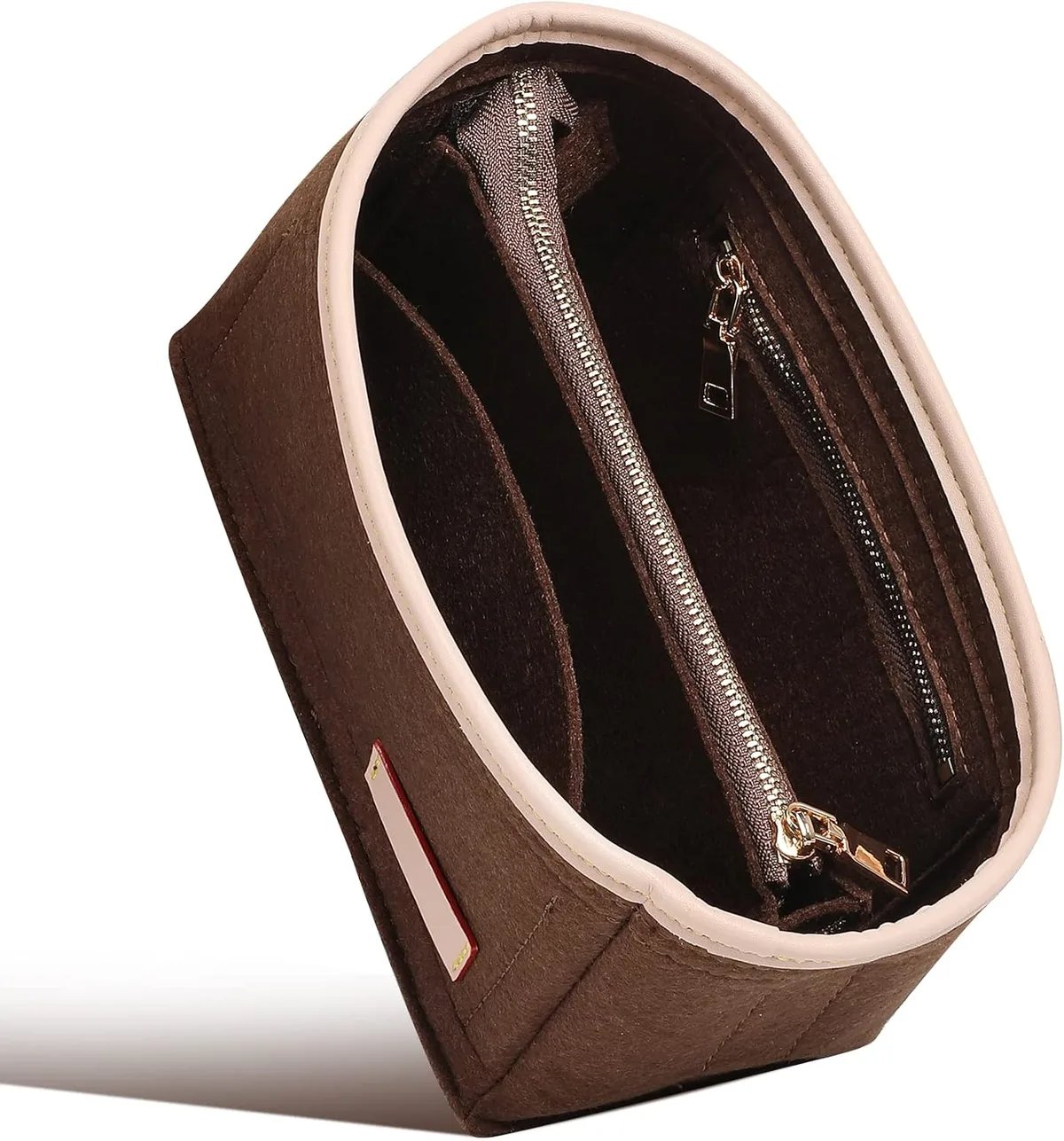
Image source: Bing (Web (fair-use with source credit))
1. Clear Acrylic Base Shapers
Clear cast acrylic plates, typically 3 mm thick, provide maximum rigidity with zero bending under loads exceeding 20 pounds. They are completely waterproof, wipe clean in seconds, and stay hidden against the tote floor. However, bare acrylic offers very little grip, causing it to slide around inside unlined cotton totes unless perfectly sized to the floor seams.
2. Vegan Leather-Wrapped Composite Boards
These inserts feature a stiff fiberboard core wrapped in stitched polyurethane (PU) leather. The textured exterior adds friction against the canvas, preventing the base from shifting while walking. While stylish, the inner composite board will swell and warp permanently if water or coffee leaks inside your bag.
3. Full Felt Bag Organizers with Built-In Bottoms
Thick 3 mm to 4 mm polyester felt organizers line the bottom while adding structured vertical side walls and pockets. They distribute weight evenly and prevent items from clattering. The trade-off is bulk: an organizer consumes internal volume and adds noticeable dead weight to a lightweight tote.
4. Flexible Polypropylene Cutting Mats (DIY Option)
Cut from inexpensive kitchen sheets, polypropylene liners offer an ultralight, moisture-proof solution. They provide moderate support for light-to-medium everyday loads like planners and light groceries. They do flex slightly under dense weights like cast-iron pans or stacks of heavy textbooks.
Side-by-Side Comparison: Weight, Rigidity, Durability, and Canvas Wear
Selecting the right insert requires weighing structural support against practicality. Rigid plastic inserts support heavy loads cleanly, but fabric-covered inserts offer far better protection against seam friction over time.
| Insert Material | Rigidity Under Load | Water Resistance | Canvas Abrasion Risk | Best Use Scenario |
|---|---|---|---|---|
| Cast Acrylic (3 mm) | Extremely High (No flex) | 100% Waterproof | High if edges are square | Heavy hardware, laptops, glass jars |
| Wrapped Composite Board | High (Rigid core) | Low (Vulnerable to leaks) | Low (Soft bound perimeter) | Dry office commutes, books, paperwork |
| Polyester Felt Organizer | Moderate (Dispersed) | Moderate (Absorbent) | Zero (Soft textile contact) | Diaper bags, daily purse essentials |
| Polypropylene Sheet | Moderate to Flexible | 100% Waterproof | Low if corners are cut round | Beach gear, groceries, casual daily carry |
As of 2026, research across consumer gear repairs highlights that edge finish matters just as much as stiffness. An ultra-stiff acrylic shaper with sharp, non-beveled edges can slowly slice through canvas weave under heavy walking friction. Conversely, flexible plastics provide adequate support for normal use while yielding slightly at the corners, protecting the outer cotton duck from premature wear.
How to Accurately Measure Your Tote’s Base Gusset
Getting exact measurements ensures your base plate sits flat without riding up the bag's side walls. An oversized insert distorts the side seams, while an undersized insert shifts around and lets the edges sag.
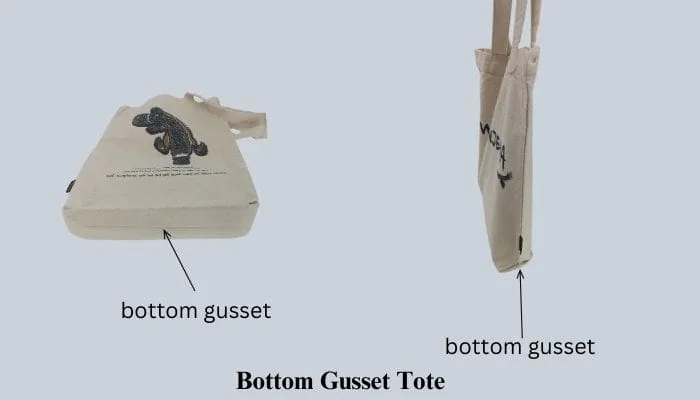
Image source: Bing (Web (fair-use with source credit))
- Turn the tote inside out: Flattening the bag inverted makes internal seams completely visible and accessible.
- Identify the boxed corners: Locate the two transverse seam lines that create the flat rectangular base.
- Measure length seam-to-seam: Lay a flat metal ruler directly between the two short edge seams across the base.
- Measure width across the gusset: Record the distance between the front and back base seam lines.
- Subtract the clearance tolerance: Deduct exactly 1/4 inch (6 mm) from both length and width. This deduction prevents the insert from stretching your stitches or bowing inward.
Once measured, check your tote for interior base shrinkage. If your cotton tote has been washed in hot water, the base gusset may have contracted unevenly. Always measure the bag in its current post-wash state rather than relying on original manufacturer tags.
Step-by-Step: Making a Safe DIY Base Insert at Home
Making a custom base shaper at home takes about twenty minutes using an inexpensive flexible kitchen cutting mat. This method yields a water-resistant, ultra-light liner tailored precisely to your tote.
Image source: Bing (Web (fair-use with source credit))
- Transfer measurements to the mat: Using your adjusted seam dimensions, mark the rectangular cutting lines onto the polypropylene sheet with a fine permanent marker.
- Cut along the lines: Place the mat on a sturdy sacrificial board. Cut firmly along a straight metal edge using a fresh utility knife blade or heavy kitchen shears.
- Trace the corner radius: Sharp 90-degree plastic corners will quickly bore holes through duck canvas. Place a standard quarter on each corner and trace the curve with your marker.
- Round every corner: Carefully trim away the pointed tips following the coin's curved line.
- Deburr and smooth the edges: Rub medium-grit (220-grit) sandpaper along all cut edges. Smooth down every burr until running your finger across the plastic edge feels completely smooth.
- Slip into a protective sleeve (Optional): Slide the finished plastic board into an envelope-style fabric pouch or pillowcase scrap. The cloth wrap grips the canvas floor securely, preventing all internal sliding.
Critical Mistakes That Damage Your Tote Bag’s Seams
Using the wrong insert material or sizing can ruin a canvas bag faster than letting it sag. The most frequent failure happens when users cut raw cardboard rectangles and leave the 90-degree corners intact. These sharp points focus downward pressure onto four pinpoint spots.
Within weeks of walking, the points rub back and forth against the cotton duck, wearing through the corner seams.
Using raw corrugated cardboard creates another hidden failure point. Cardboard absorbs ambient humidity and trapped spills. Once damp, the interior fluting collapses under the weight of a water bottle, leaving behind a soggy, creased mess that transfers paper pulp stains directly onto the interior canvas.
Skipping the size tolerance creates permanent structural strain. If you force an insert that matches the exact exterior measurements into the bag, the edges push outward against the vertical side seams. Over time, this constant outward stretch tears the thread bar-tacks and distorts the clean silhouette of the tote floor.
- Leaving edges unrounded, which saws holes through the lower boxed corners.
- Inserting bare paperboard or chipboard that deteriorates and stains after liquid contact.
- Sizing the insert too wide, stressing the vertical gusset stitching continuously.
- Using untextured plastic without a fabric sleeve, which flips vertically during daily use.
Matching the Right Insert to Your Daily Carrying Style
Every carrying routine creates different stress points on a canvas tote. A daily commuter hauling heavy tech needs maximum flat stiffness, while a casual weekend shopper benefits from lightweight flexibility and easy washing. Choosing the wrong setup leaves you with unnecessary bulk or inadequate support.
If you carry a heavy laptop and water bottles daily, choose a rigid 3 mm acrylic base plate. The acrylic completely stops heavy gear from pooling in the middle of the bag. Wrap the plate in cotton canvas scraps or felt to deaden the noise of travel mugs and stop the slick plastic from shifting around.
If you use your tote for groceries, produce, or beach gear, use a trimmed polypropylene cutting mat. Polypropylene handles moisture from cold drinks and damp swimsuits without warping or mildewing. It bends just enough to absorb jostling impacts, and you can pull it out to wash it in the sink with warm dish soap.
If you use a lightweight canvas tote as an everyday purse, pick a multi-pocket felt organizer with a reinforced bottom. The felt adds structure to limp cotton canvas, keeping the entire bag standing upright on car seats or office desks. It also solves the endless black-hole problem by keeping pens, keys, and lip balm elevated in dedicated pockets.
Frequently Asked Questions About Canvas Tote Base Shapers
What is the best material for a canvas tote bottom insert?
High-density polyethylene (HDPE) and 3 mm acrylic provide the best balance of rigidity and water resistance. Polypropylene sheets work well for light everyday loads. Avoid bare corrugated cardboard, which collapses under moisture and stains fabric.
Will a rigid base insert wear holes in my canvas tote?
A rigid insert will only wear holes if you leave sharp 90-degree corners. Round every corner using a coin template and sand the edges smooth. Enclosing the board in a thin fabric slipcover eliminates friction against internal canvas threads.
How do I stop a smooth acrylic insert from sliding around?
Sew or wrap the plastic sheet inside a tight cotton or linen sleeve before inserting it. The surface friction between the cotton wrap and the tote's duck canvas floor locks the board firmly in place.
Can I wash my canvas tote with the base insert inside?
Always remove the base insert before washing your canvas tote. Unlined cotton duck often shrinks in hot water, which makes a previously fitted insert too large. Hand-wash or spot-clean the insert separately using mild soap and water.
How thick should a tote base shaper be?
Aim for 2 mm to 3 mm (about 1/8 inch) for solid plastic or acrylic inserts. Thinner plastics flex too much under heavy items. Materials thicker than 4 mm add unnecessary weight and reduce the bag's usable interior depth.

Similar Posts