How to Stop a Magnetic Mesh Watch Band from Slipping
Founder & Fashion Creative Director at Julia Fashionista · CFDA Fashion Scholar, Certified Image Consultant (AICI) · 12+ years in editorial wardrobe styling, sustainable textile sourcing, and luxury capsule curation
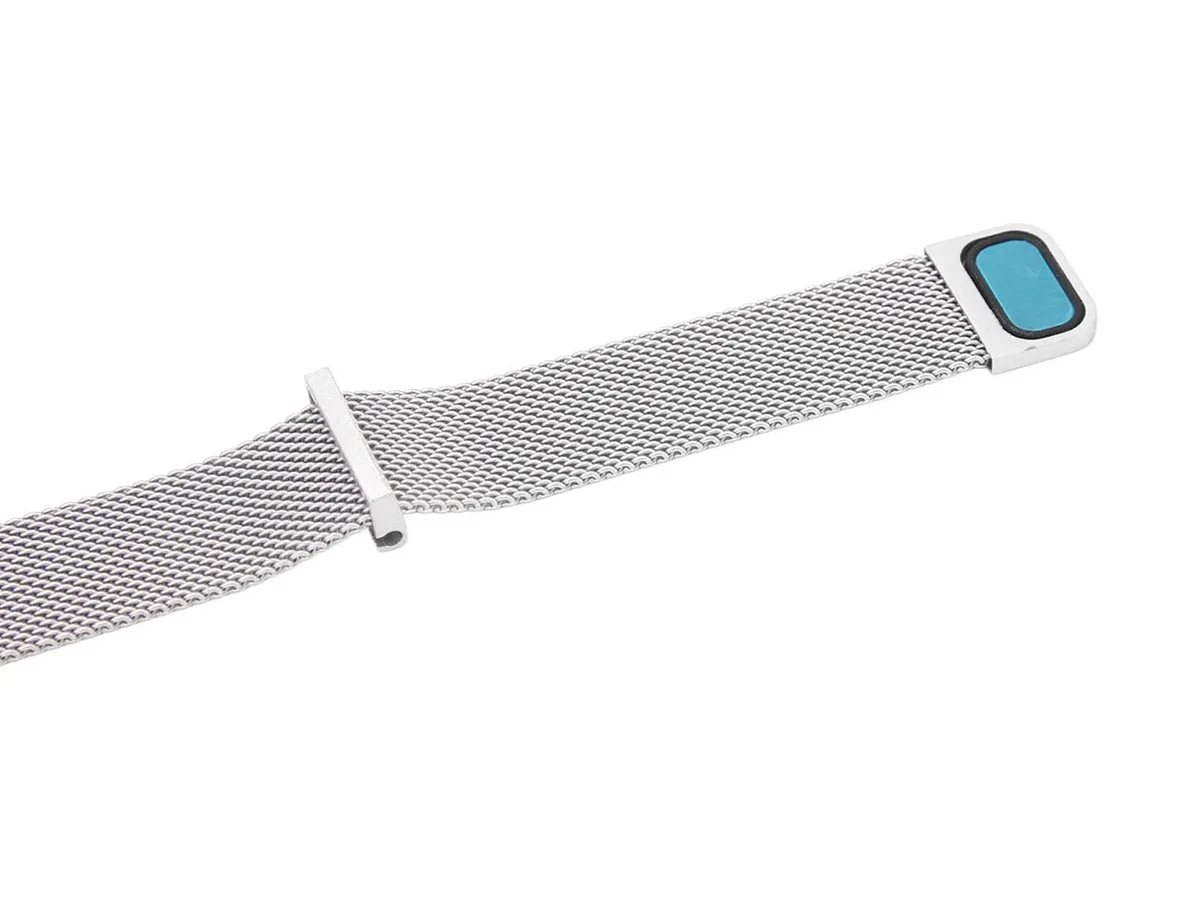
A mesh watch band magnetic clasp slipping during daily wear is an annoying problem that ruins an otherwise sleek accessory. You tighten the loop, go about your day, and suddenly find the case sliding down your forearm or failing to register your pulse.
In our research, the issue rarely stems from a weakened neodymium magnet losing its charge. Instead, the failure usually traces back to degraded mechanical friction, trapped skin oils, or fine iron debris clinging to the clasp. As of 2026, modern smartwatches rely on continuous contact to log biometric data, making a loose strap a practical headache rather than just a cosmetic flaw.
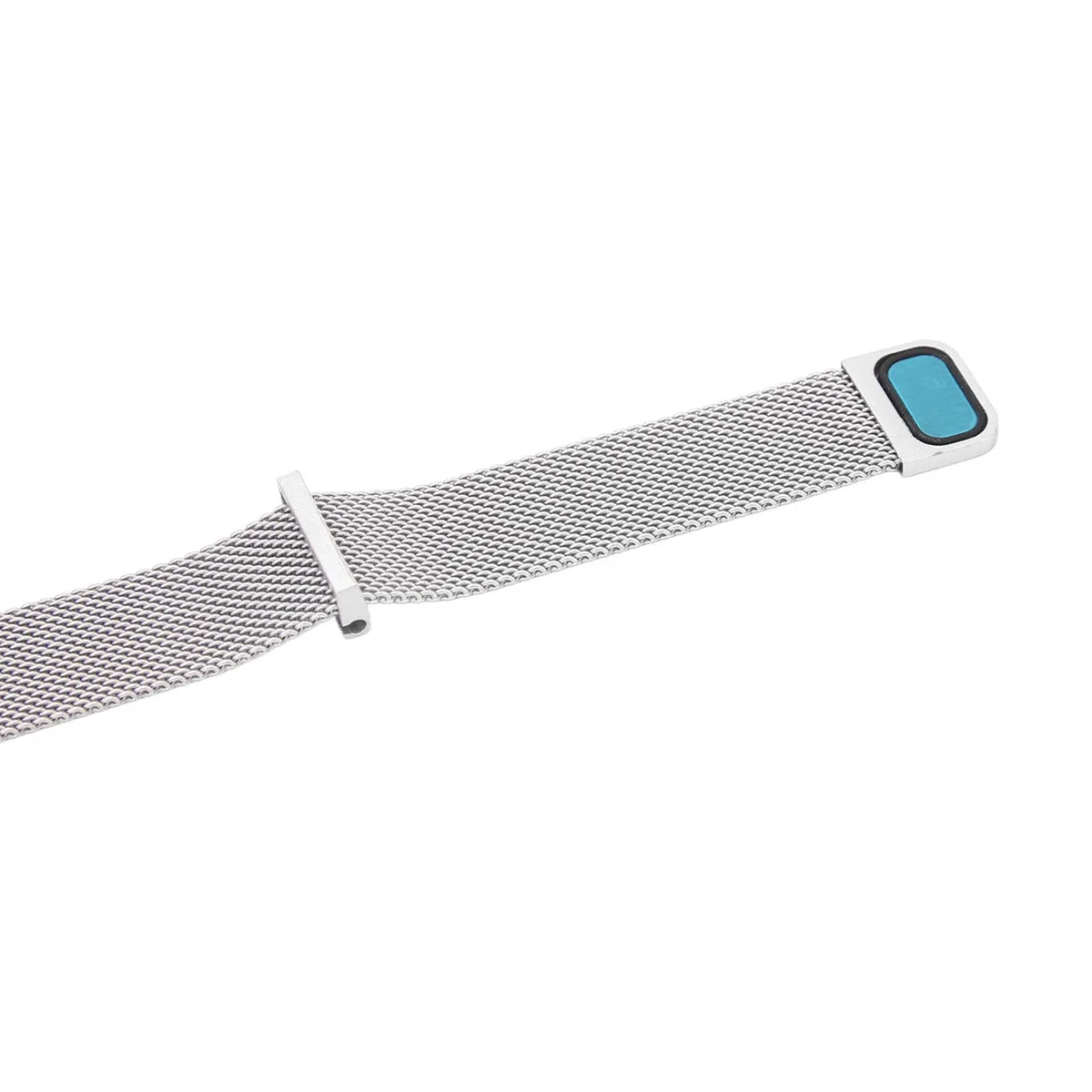
Image source: Bing (Web (fair-use with source credit))
Quick Answer
A mesh watch band magnetic clasp slipping happens when friction fails. The magnet provides clamping force, not grip. Skin oils, metal debris, or a missing rubber bezel cause the clasp to slide.
Clean the mesh and magnet using 70 percent isopropyl alcohol. Check the tiny silicone ring around the magnet cap. If that rubber ring is gone, the steel will slide freely.
Why Magnetic Mesh Bands Slip (It’s Usually Not the Magnet)
When your Milanese loop refuses to stay in place, your first thought might be that the magnet has somehow died. Magnets made from neodymium alloys retain their strength for decades under normal conditions. What has actually failed is the grip between two smooth steel surfaces.
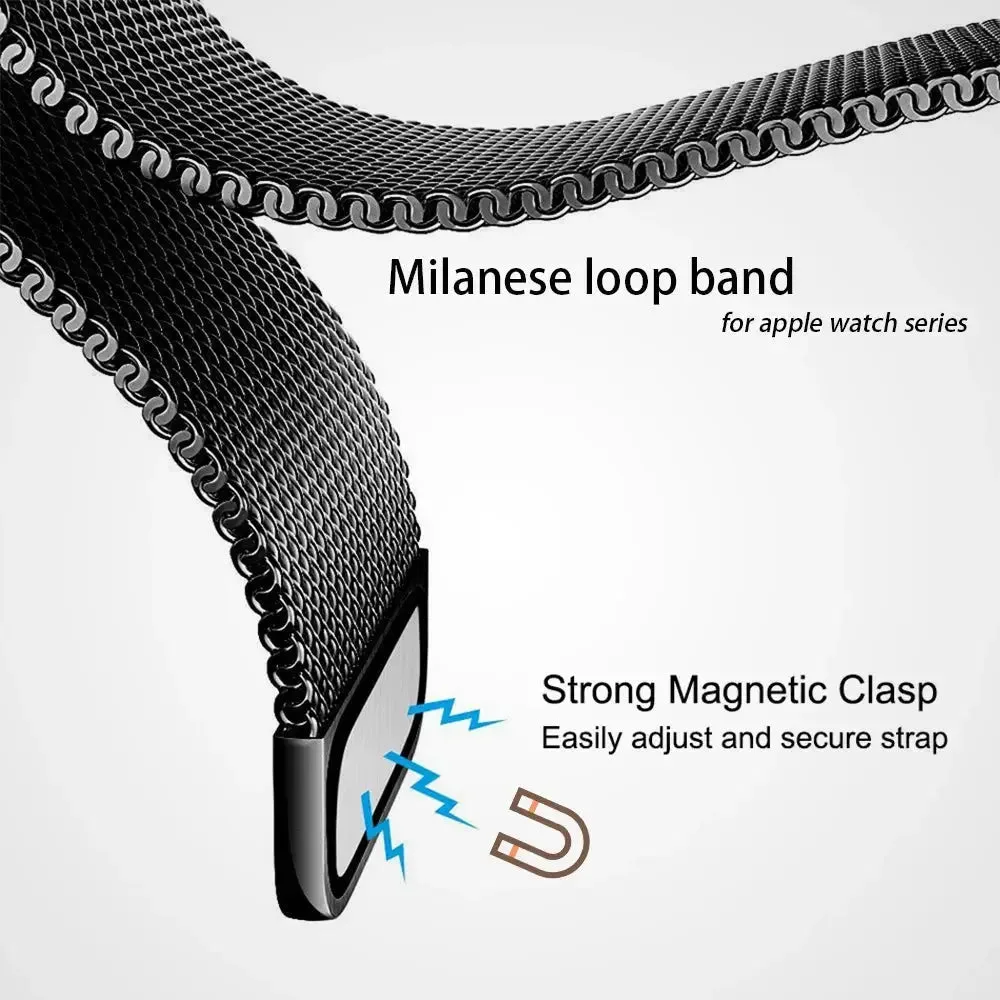
Image source: Bing (Web (fair-use with source credit))
The Physics: Pull Force vs. Shear Friction
A magnetic clasp works through two distinct forces: normal pull force and shear friction. Pull force is the perpendicular strength holding the magnet flat against the steel mesh. Shear force is the lateral sliding pressure created when your wrist flexes.
Magnets resist direct pulling very well, but they offer almost zero natural resistance to sliding sideways. The smooth, woven 316L stainless steel wire provides a frictionless runway. Without surface traction, the clasp simply glides along the band under the weight of the watch case.
The Little Rubber Gasket You Probably Overlooked
Every well-designed Milanese strap features a tiny silicone or rubberized bezel around the magnet rim. This friction gasket protrudes a fraction of a millimeter past the metal housing.
When the magnet clamps down, it compresses this rubber lip against the textured mesh. That tiny ring creates the static friction required to stop shear slippage. If that gasket wears down, dries out, or gets coated in oil, the magnet slides freely across the steel weave.
Step-by-Step Diagnostic: Finding Where Your Clasp Is Failing
Before you try random fixes, take two minutes to run through a basic diagnostic workflow. Identifying whether the issue is mechanical, chemical, or positional saves your strap from unnecessary wear.
| Diagnostic Check | What to Look For | Root Cause |
|---|---|---|
| Iron Dust Inspection | Dark fuzz or grit on the magnet face | Trapped ferrous particles lifting the clasp |
| Skin-Oil Slick Test | Band slides smoothly with no resistance | Sebum buildup eliminating mesh friction |
| Gasket Wear Check | Metal-on-metal clicking, flush rubber rim | Missing or flattened silicone friction bezel |
| Loop Orientation Test | Watch head shifts during forearm rotation | Band threaded backward through the lug |
Check 1: The "Iron Dust" Inspection
Examine the underside of the magnetic clasp under a bright light. Look closely at the edges where the magnet meets its metal cap.
If you see a fine, dark fuzz, your band has collected environmental iron particles. This ferrous grit creates a physical spacer between the magnet and the mesh. That gap drastically cuts magnetic retention and prevents the friction ring from biting into the weave.
Check 2: The Skin-Oil Slick Test
Run your dry fingertip firmly down the outer surface of the mesh track where the clasp normally rests.
If the metal feels slick, greasy, or waxy, skin sebum and lotion residue have coated the steel valley gaps. This oily barrier acts as a lubricant. It neutralizes the static friction of the rubber gasket, allowing the clasp to slide with minimal arm movement.
Check 3: The Gasket Wear-and-Tear Check
Run your fingernail gently across the face of the clasp magnet from the center outward to the edge.
You should feel your nail catch slightly on a raised rubber or silicone lip. If the surface feels completely flat and metallic, that friction ring is either missing, flattened, or worn away entirely. Without that raised edge, you are dealing with polished steel sliding on polished steel.
Check 4: The Loop Orientation Test
Look at how the strap loops through the lug adapter before wrapping around your wrist.
The strap should pull flat against your skin, with the magnetic tab resting on the outside facing downward. If the band was installed inside out, the smooth backing of the clasp will face the mesh instead of the rubber-lined side. That simple mistake eliminates all holding force.
How to Fix a Slipping Milanese Clasp: Clean, Reset, and Restore Grip
Once you have identified the weak point, you can restore holding power using basic household items. Routine maintenance takes five minutes and solves roughly 80 percent of slippage problems.
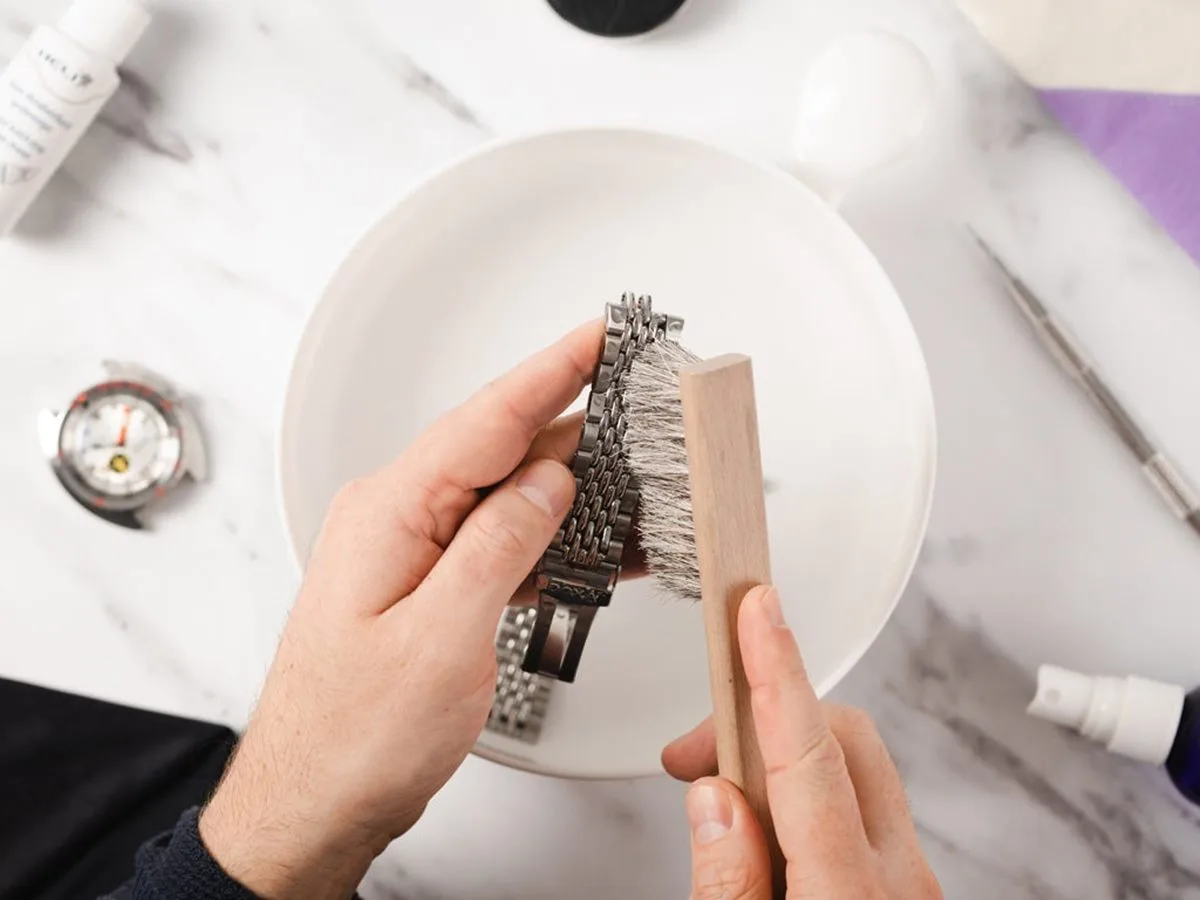
Image source: Bing (Web (fair-use with source credit))
The Alcohol Strip (De-Gunking the Mesh Track)
To strip accumulated body oils from the band, detach the mesh strap completely from your watch case. According to official Apple Support cleaning guidelines, you should keep harsh solvents away from the watch housing itself, but the detached stainless steel band can handle targeted cleaning.
- Dampen a lint-free microfiber cloth with 70 percent isopropyl alcohol.
- Wrap the cloth around the mesh and rub firmly along both sides of the strap.
- Work the cloth into the textured weave to pull out trapped sweat, salts, and oils.
- Wipe down the rubberized perimeter of the magnetic clasp cap.
- Let the entire band air-dry fully for ten minutes before reattaching.
The Adhesive Pull (Clearing Ferrous Micro-Debris)
Never use a sharp metal tool, needle, or knife to scrape debris off the magnet. Scraping can puncture the thin protective coating on the magnet, leading to internal corrosion.
Instead, take a strip of high-tack duct tape or a small ball of mounting putty. Press it firmly against the magnet face and pull it away quickly. The adhesive grabs the trapped iron filings and lifts them out cleanly without scratching the clasp finish.
Restoring or Replacing the Lost Friction Ring
If the factory rubber lip is gone, you need to reintroduce a high-friction barrier. You do not need to buy an entirely new band to solve this.
Cut a tiny strip of clear silicone tape or heavy-duty matte screen protector material. Trim it to match the flat face of the magnet, keeping the surface completely flat without wrinkles. The magnet will still pull firmly through the thin film, while the silicone surface restores the missing shear traction against the mesh.
The Band Architecture Problem: OEM vs. Third-Party Clones
Not all mesh watch bands are manufactured to the same tolerances. Understanding how your strap was built explains why some models never slip, while others loosen the moment you walk out the door.
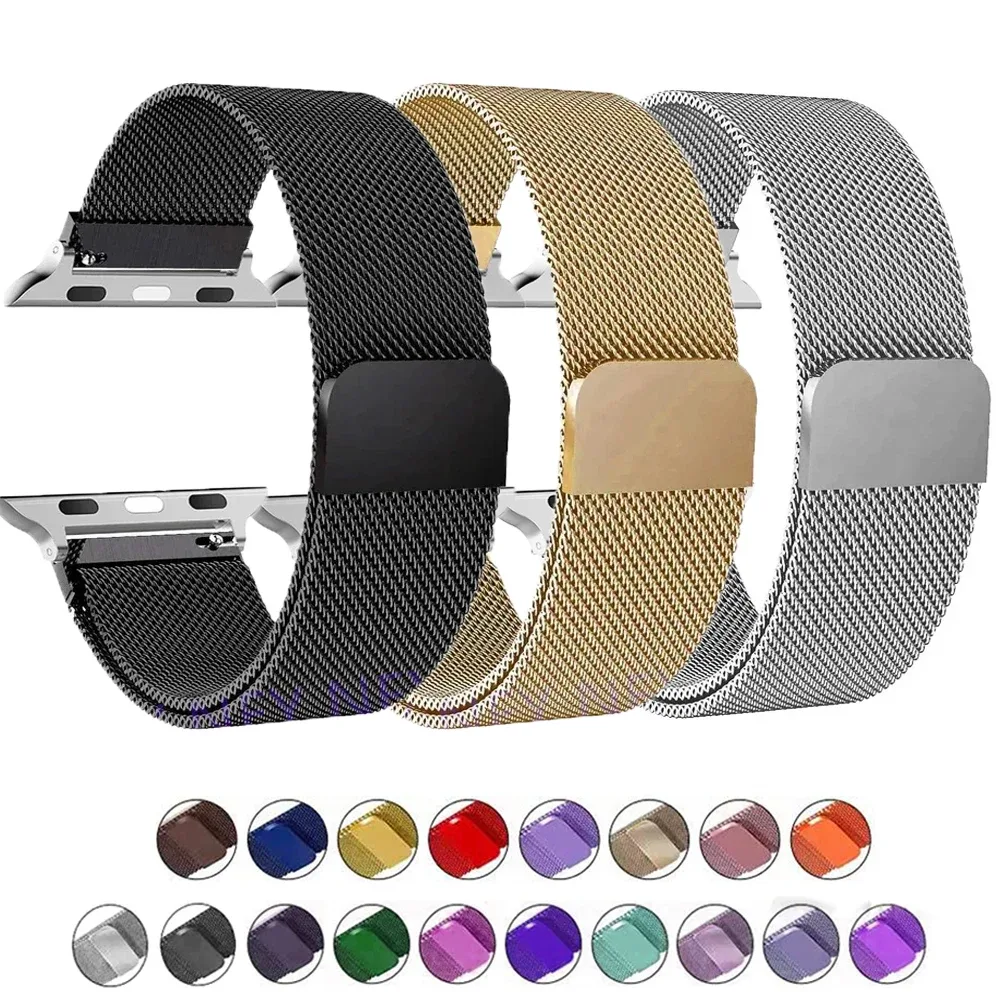
Image source: Bing (Web (fair-use with source credit))
Magnet Grade and Gasket Design Differences
Premium original equipment manufacturer (OEM) bands use high-grade N52 neodymium magnets recessed into a precision-machined housing. The surrounding elastomer gasket is vulcanized directly into the frame.
Budget aftermarket clones typically cut costs by using weaker N35 magnets and omitting the rubber gasket entirely. They rely solely on raw magnetic pull force. Without that rubber bumper, standard physical movement easily overcomes the band's lateral resistance.
Weight Ratios: Heavy Watch Cases and Wrist Dynamics
The mass of your watch case plays an enormous role in whether a magnetic clasp can hold its position. Pair a lightweight 40mm aluminum case with a magnetic mesh band, and it will rarely slip.
Mount a heavy 49mm titanium dive case or a solid stainless steel smartwatch to that same band, and physics works against you. The momentum generated by your forearm swinging acts like a slide hammer. If the band lacks deep friction grooves, that swinging weight pulls the clasp loose millimeter by millimeter.
Practical Workarounds to Stop Slippage When You're On the Move
If your clasp slips while you are at work or traveling, you do not have to put up with a loose watch all day. A few quick adjustments can stabilize the strap immediately without tools.
Flipping the Band Thread Direction
Most people thread their Milanese strap so the magnetic clasp rests directly on the bottom center of the wrist. This placement causes the clasp to rub against desks, laptops, and steering wheels.
Remove the band adapters and reverse them so the loop feeds in the opposite direction. This positions the magnetic closure on the outer side of your wrist. It moves the clasp away from contact surfaces, ending accidental friction drag.
The Micro-Drop Friction Hack
If the clasp slips despite being clean, you can create a permanent high-friction zone on the magnet edge.
Place a microscopic dot of clear flexible fabric adhesive or rubberized liquid electrical tape on the metal border beside the magnet. Use the tip of a toothpick for precise placement. Let it cure fully for 24 hours until it forms a hard, rubbery nub that grips the mesh loops securely.
Mechanical Alternatives When Magnets Just Won’t Work
Magnetic closures offer infinite micro-adjustments, but they are not the best choice for high-intensity physical activity.
- Switch to an adjustable deployant mesh bracelet that uses a physical click-latch instead of magnets.
- Use a hook-and-loop nylon weave strap for workouts, running, and heavy manual labor.
- Choose a vintage-style Milanese strap that features a mechanical clamping lock lever.
Mistakes That Ruin Magnetic Mesh Straps Faster
Fixing a slipping clasp requires a gentle touch. Many watch owners accidentally ruin their straps by using aggressive cleaning methods or pushing physical parts beyond their limits.
The Demagnetization Trap: Heat and Magnetic Fields
Neodymium magnets lose their magnetic charge permanently if exposed to excessive heat. Standard NdFeB alloys have a working temperature threshold of roughly 80 degrees Celsius (176 degrees Fahrenheit).
Never boil your metal band to sterilize it, and never use a high-heat blow dryer to dry it after washing. Exposing the clasp to strong industrial electromagnetic fields or leaving it on a wireless charging pad can also disrupt the magnetic field.
Aggressive Cleaners That Eat Rubber Seals
Harsh chemical solvents degrade the tiny silicone gasket that provides your clasp with its grip. Acetone, nail polish remover, bleach, and industrial degreasers cause synthetic rubbers to dissolve, shrink, or crack.
Once that rubberized bezel disintegrates, the clasp loses its shear resistance permanently. Stick exclusively to warm water, mild dish soap, or standard 70 percent isopropyl alcohol wipes for cleaning.
Forcing the Clasp Over the Thick End-Lug
Most Milanese loops feature a widened end-stop lug designed to keep the band from unthreading completely. Forcing this magnetic closure sideways through the lug slot bends the woven steel mesh.
Kinking the woven edge creates raised wire burrs that snag clothing. It also bends the internal frame of the clasp housing. A bent housing tilts the magnet face, preventing it from sitting flat against the mesh track.
Frequently Asked Questions About Slipping Mesh Watch Clasps
Can I remagnetize a Milanese watch band clasp?
No, you cannot safely remagnetize a watch band at home. Neodymium magnets require an immense magnetic surge from specialized industrial equipment to align their magnetic domains. If the magnet has truly lost its physical pull force due to extreme heat exposure, your only real fix is replacing the band.
Why does my watch band loosen up when I run?
Running introduces dynamic arm momentum that pulls against the magnetic seal. Sweat also creates a slick fluid layer between the silicone friction gasket and the polished steel mesh. For high-impact running or gym workouts, switch to a mechanical buckle or a breathable nylon sports loop strap.
Will isopropyl alcohol damage the stainless steel finish?
Plain 70 percent isopropyl alcohol will not damage uncoated 316L stainless steel mesh bands. It strips away sebum, skin flakes, and body oils without corroding the metal. Avoid soaking black or gold bands that use cheap painted finishes, as low-grade coatings can peel over time.
Does Apple replace slipping Milanese Loop bands under warranty?
Apple covers band defects under its standard one-year limited warranty if the failure stems from manufacturing flaws. If the internal rubber friction gasket falls out on its own, visit an Apple Store for inspection. Slippage caused by normal cosmetic wear or accidental bending is generally excluded from coverage.
Why does my magnetic clasp keep sticking to my laptop?
Laptop palm rests often use aluminum, but internal speakers and chassis edges contain steel components. When you type, the underside clasp magnet naturally attracts the internal steel elements inside your computer deck. Shifting the band loop orientation puts the magnet on the side of your wrist, resolving this problem.
The Fix-or-Ditch Decision Tree
When your magnetic mesh band continues to slide loose, use this simple decision flow to decide your next move:
- If the band is covered in oily residue: Clean the mesh track and the magnet face with 70 percent isopropyl alcohol. Allow it to air-dry completely.
- If the magnet attracts dark metal fuzz: Use duct tape or adhesive putty to pull all iron particles off the magnet face.
- If the rubber gasket is missing and the band is OEM: Contact the manufacturer for a warranty replacement, provided the strap is under one year old.
- If the rubber gasket is missing on a cheap third-party band: Apply a thin strip of silicone tape or replace the band with an upgraded version featuring an integrated bezel.
- If slippage happens strictly during heavy sweating: Reserve the mesh band for casual or office wear and swap to a dedicated sports band for physical workouts.
- If the watch case weighs over 60 grams: Replace the magnetic loop with a deployant mesh band that locks with a physical mechanical clasp.

Similar Posts