Gold Plating Rubbing Off Watch Underside? Causes & Fixes
Founder & Fashion Creative Director at Julia Fashionista · CFDA Fashion Scholar, Certified Image Consultant (AICI) · 12+ years in editorial wardrobe styling, sustainable textile sourcing, and luxury capsule curation
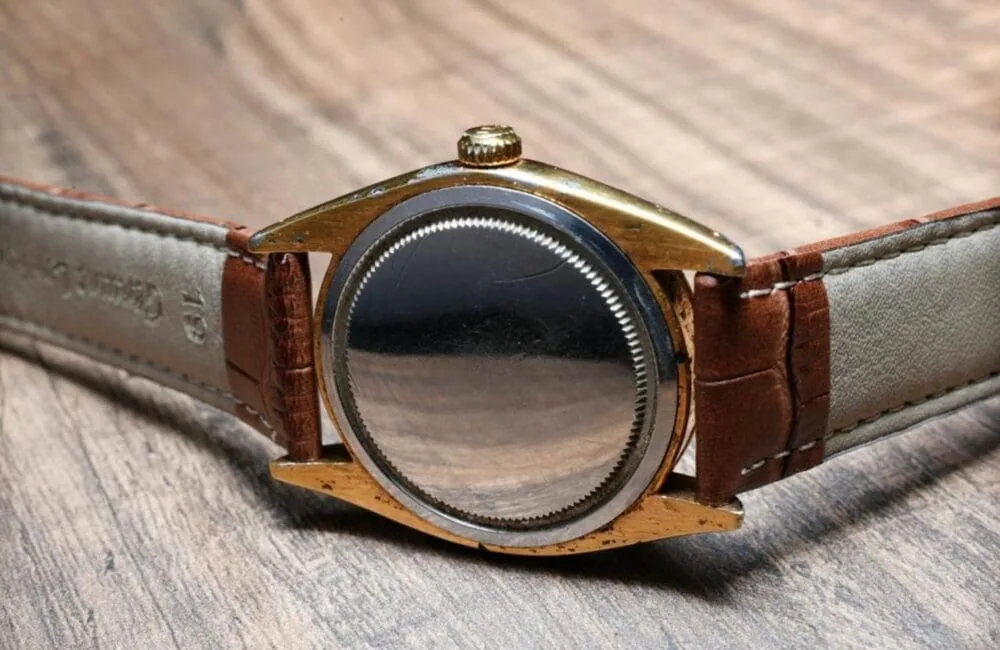
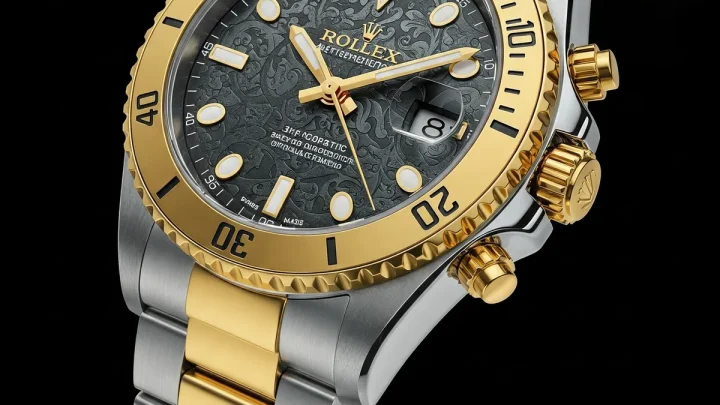
You flip your favorite watch over and see silvery patches or dull yellow metal staring back at you. When you notice your gold tone watch plating rubbing off underside surfaces, it usually feels sudden. In reality, it is the result of months of quiet friction and body chemistry slowly wearing away the micro-thin gold layer.
Gold plating on everyday watch cases measures anywhere from a fragile 0.175 microns on fashion pieces up to roughly 5 microns on heavy vintage models. According to standards established by the Federal Trade Commission in its guides for the jewelry and precious metals industry, any layer thinner than 0.175 microns cannot even legally be marketed as gold electroplate. Once that surface wears away, the exposed core metal starts causing practical problems.
Image source: Bing (Web (fair-use with source credit))
Quick Answer
Gold tone watch plating rubbing off underside surfaces happens from friction and sweat. Human sweat is acidic and chemically attacks thin gold layers. Constant skin contact physically grinds the coating away.
Exposed base metal can turn your skin green or trigger rashes. You can install a pass-through strap as a barrier. You can apply a jewelry-grade micro-lacquer.
High-value watches can be disassembled and professionally re-plated.
Why Gold Plating Wears Off the Underside First
The underside of a watch lives in a uniquely hostile environment. While the top crystal faces occasional bumps, the case back and lower lugs face constant heat, moisture, and mechanical motion.
Sweat Chemistry: The Salt and Acid Factor
Human sweat is not just water. It contains sodium chloride, lactic acid, and urea. Average human skin carries a mildly acidic pH between 4.5 and 5.5.
When perspiration sits trapped between your warm wrist and the watch, it creates a miniature galvanic cell. The acid chemically dissolves the ultra-thin gold layer, especially along sharp edges where the electroplate was thinnest during manufacture.
Friction Zones: Constant Contact and Micro-Abrasion
Every time you type, walk, or flex your wrist, the watch shifts slightly. Dust particles, dead skin cells, and microscopic grit sit beneath the case.
This trapped grit acts like ultra-fine sandpaper. The continuous micro-rubbing physically buffs the plating away over hundreds of hours of wear.
Plating Types: Flash, Micron Electroplate, and PVD
How your watch was colored determines how fast it degrades. Different methods offer drastically different lifespans:
- Flash Plating (0.175 microns or less): Common on budget fashion watches. It can wear off in under a year of regular use.
- Micron Electroplating (2 to 5 microns): Found on mid-tier or vintage pieces. Often lasts 5 to 10 years before breaking through.
- Physical Vapor Deposition / PVD (1 to 3 microns): High-tech vacuum bonding with titanium nitride. Extremely hard and resistant, but still vulnerable along sharp case edges over long periods.
How to Identify What Metal Is Exposed Underneath
Before deciding how to treat the watch, you need to know what material is now contacting your skin. Different substrate metals bring entirely different risks.
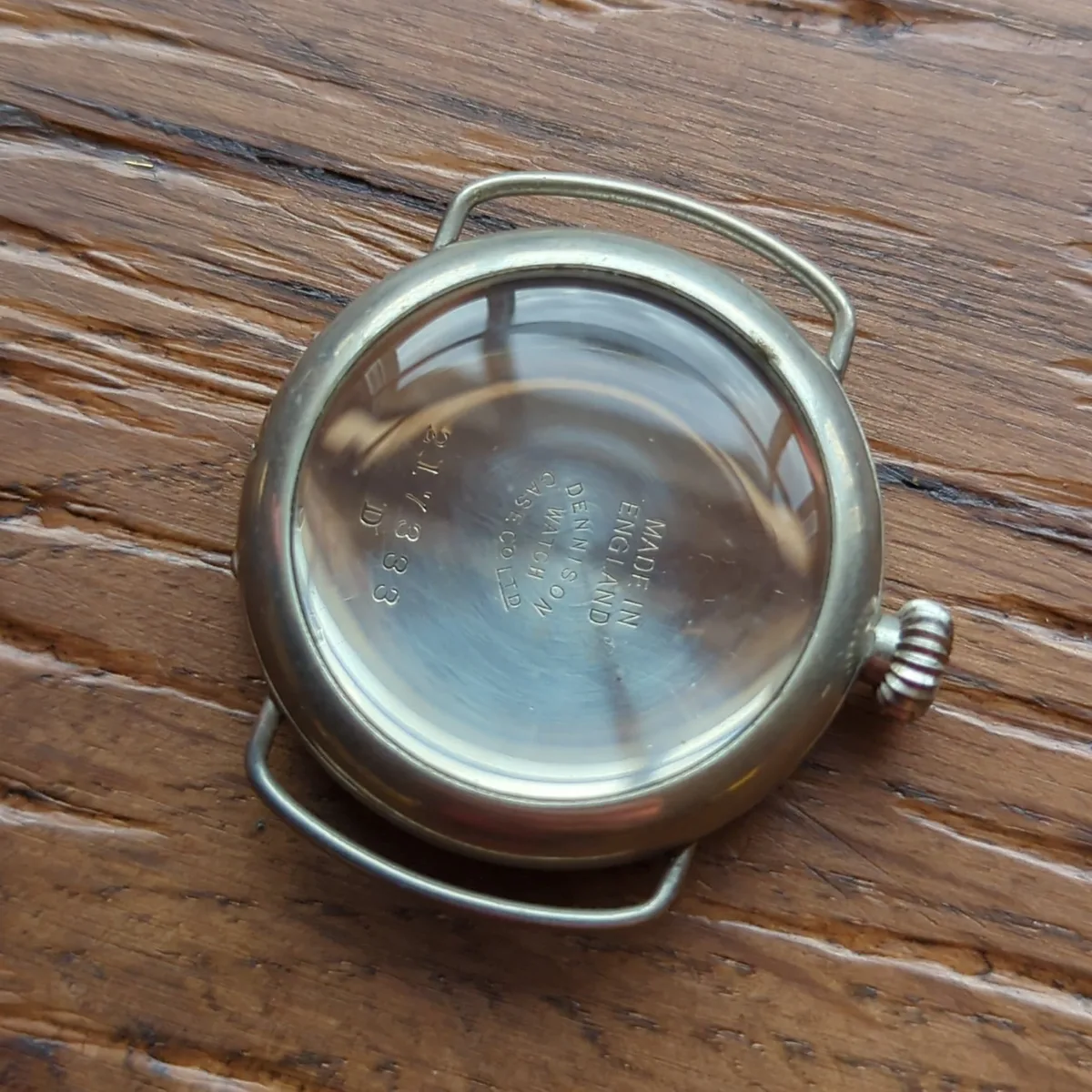
Image source: Bing (Web (fair-use with source credit))
Reading the Case Markings (Stainless Steel vs. Base Metal)
Look closely at the engraved text on the watch back:
- "Stainless Steel": The entire case is 316L or 304 stainless steel. The exposed silver area will not rust or irritate most people.
- "Stainless Steel Back": A major warning sign. Only the removable flat back plate is steel. The main case shell is cheap zinc alloy or brass.
- "Base Metal Bezel" or "Base Metal Case": The case is cast from brass, zinc, or pot metal.
The Scratch, Weight, and Magnet Check
Examine the color of the exposed area under strong, neutral light. If the underlying metal shows a dull, yellowish-brown tint, you are looking at brass.
If the bare spot looks bright silver and resists tarnishing, it is stainless steel. Inexpensive zinc alloys look dark, chalky gray where the gold flaked away.
Spotting the "Green Wrist" Effect and Nickel Rash
Brass contains high levels of copper. When copper mixes with acidic sweat, it produces copper carbonate, which leaves a harmless but annoying green stain on your wrist.
Far worse is nickel. Many manufacturers apply a nickel "strike" layer directly beneath flash gold to help it adhere. Exposed nickel frequently causes allergic contact dermatitis, leading to itchy bumps, redness, and peeling skin.
The Decision Tree: What to Do Based on Your Watch
Not every worn watch deserves the same treatment. Use this practical workflow to determine your next move based on the watch's economic and personal value.
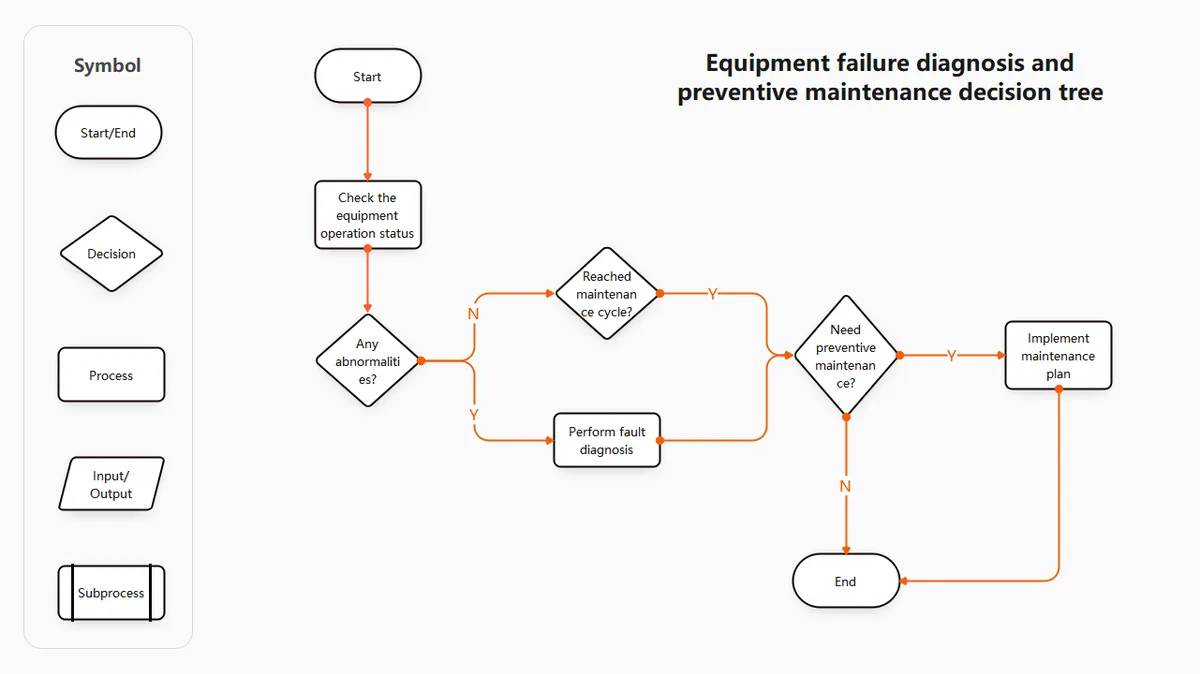
Image source: Bing (Web (fair-use with source credit))
| Watch Category | Typical Market Value | Recommended Action | Expected Cost |
|---|---|---|---|
| Budget Fashion | Under $150 | Install a barrier strap or clear resin | $10 to $25 |
| Sentimental / Heirloom | Irreplaceable | Professional teardown and re-plating | $150 to $350 |
| Vintage Collectible | $300 to $2,000+ | Leave original; install a protective barrier | $15 to $40 |
Path A: Inexpensive Fashion Watches (Under $150 Value)
If your daily watch came from a mall brand, professional re-plating makes no financial sense. Disassembling the movement, polishing the case, and running an electroplating bath will cost double the watch's replacement price.
Apply a clear jewelry coating to the bare underside or switch to a strap style that blocks case-to-skin contact.
Path B: Sentimentally Valuable or Family Heirlooms
If the piece belonged to a grandparent, preserving it matters more than the balance sheet.
Take it to an independent watchmaker who partners with a dedicated electroplating lab. They can completely remove the movement, strip the remaining degraded plating, apply a fresh nickel-free barrier, and deposit a heavy gold layer that will last another decade.
Path C: Collectible Vintage Watches (Preserving Value)
If you own an authentic vintage watch from a recognized horological brand, stop immediately before polishing or plating.
Collector markets heavily penalize re-plated vintage cases. Re-plating softens crisp case bevels and destroys original factory lines. For these pieces, leave the worn metal intact and install a physical strap barrier to protect both the case and your wrist.
Four Practical Fixes to Stop Wear and Protect Your Skin
You have four solid routes to handle worn plating, ranging from instant DIY fixes to complete horological restoration.
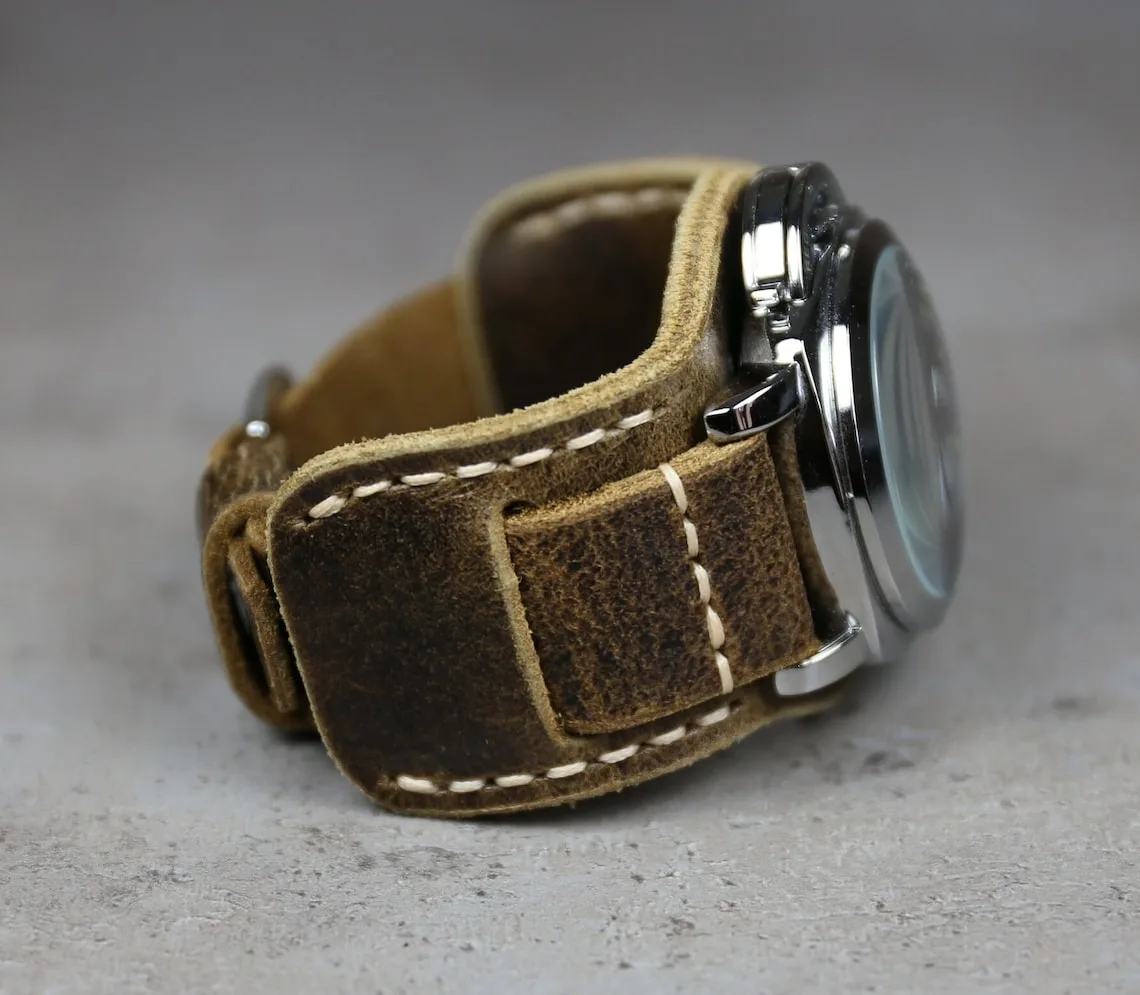
Image source: Bing (Web (fair-use with source credit))
1. The Physical Shield: NATO and Bund Straps
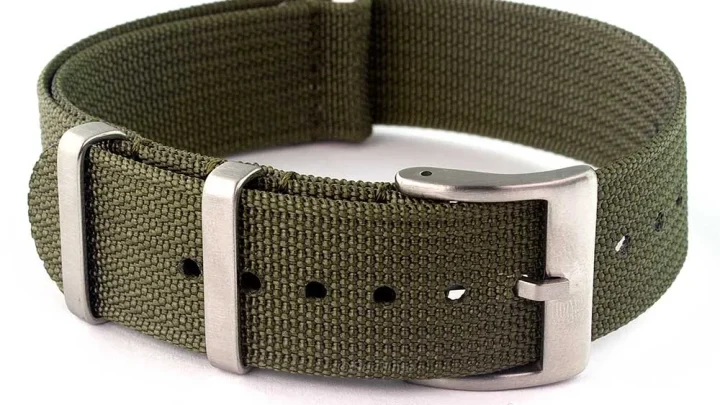
The easiest and most reliable fix requires no chemicals at all. Swap your standard two-piece strap for a single-pass nylon pass-through strap (commonly called a NATO strap).
A pass-through strap runs continuously under the watch case back. It creates a physical fabric buffer that completely isolates the worn metal from your skin.
For leather lovers, a classic Bund strap features a wide leather backing pad behind the watch. Both styles instantly solve sweat corrosion and nickel irritation without altering the watch itself.
2. Jewelry-Grade Micro-Coatings and Sealants
If you want to keep your current bracelet, apply a specialized liquid jewelry sealant made from clear acrylic or polyurethane resin.
- Clean the case back thoroughly with 90% isopropyl alcohol to remove skin oils.
- Let the metal dry completely for 10 minutes.
- Paint a thin, even layer of jewelry shield liquid over the exposed base metal spots.
- Allow the resin to cure for a full 24 hours before wearing.
This creates an invisible plastic barrier that prevents skin oils from reaching the base metal. As of 2026, ceramic-based clear nano-coatings have also become popular for this purpose, offering 6 to 12 months of durable protection before needing reapplication.
3. Professional Re-Plating (What It Involves and Real Costs)
True electroplating is an intensive industrial process. A jeweler cannot simply dip a running watch into a tank without destroying the mechanical movement and quartz gaskets.
The watchmaker must completely decase the movement, pop out the crystal, and remove all rubber seals. The bare metal case is then chemically stripped of old plating, polished to remove deep pitting, and submerged into an electroplating bath.
Expect to pay between $150 and $350 for a full teardown, re-plate (typically 3 to 5 microns of 18k or 24k gold), and reassembly.
4. Case-Back Swaps and Laser Welding Solutions
If the plating wear is isolated strictly to a round snap-off or screw-down case back, ask a watchmaker about a replacement back.
Many generic base-metal case backs can be swapped out for an aftermarket, solid 316L stainless steel back of identical diameter and thread pitch. This permanently eliminates corrosion on the flattest wrist-contact surface for less than $30.
Mistakes That Strip Gold Plating Even Faster
When watch owners first notice bare metal on their case backs, their instincts usually lead to actions that destroy the remaining gold in minutes.
The Polishing Cloth Trap (Cape Cod and Metal Creams)
Never use treated jewelry polishing cloths or metal creams like Brasso on plated watch cases. These cloths are embedded with micro-abrasives designed to scrub microscopic layers off solid silver or solid gold.
On a plated watch, one aggressive rubdown with a polishing cloth can strip off an entire micron of gold, turning a tiny worn spot into a wide patch of exposed brass.
Using Clear Nail Polish as a Quick Fix
Clear nail polish is a popular internet trick, but it creates a messy disaster within weeks.
- Nail polish is brittle and cracks quickly under wrist flex and body heat.
- Sweat seeps underneath the cracked edges, trapping acid directly against the raw brass.
- When you try to remove yellowed nail polish with acetone, you risk melting the internal rubber gaskets that keep moisture out of the watch.
Ultrasonic Cleaning Plated Base Metals
Never drop a worn plated watch into an ultrasonic cleaner, even if the watch claims water resistance. The ultrasonic sound waves create microscopic cavitation bubbles that violently collapse against surfaces.
If gold plating has already begun to lift or separate from the base metal, an ultrasonic bath will literally blast the loose plating right off the edges. Clean plated cases solely with a soft microfiber cloth and a drop of mild dish soap on a barely damp cotton swab.
Cost Breakdown: DIY Fixes vs. Professional Restoration
Fixing worn plating comes down to balancing financial cost against the watch's emotional value. A fast home remedy costs very little, while bench work by a trained watchmaker requires skilled labor.
| Method | Material / Service Cost | Durability | Best Suited For |
|---|---|---|---|
| Pass-Through / NATO Strap | $12 to $25 | 2 to 5 years | Daily beaters and skin allergy prevention |
| Jewelry Resin Barrier | $10 to $18 | 3 to 6 months | Preserving original look on fashion pieces |
| Microcrystalline Wax | $15 to $22 | 1 to 2 months | Lightly worn vintage watches in storage |
| Aftermarket Steel Case Back | $20 to $45 | Permanent | Watches with standard snap/screw sizes |
| Professional Re-Plating | $150 to $350+ | 5 to 10+ years | Heirlooms and high-end keepsakes |
If you pick the DIY sealant route, plan on periodic maintenance. Liquid resins and waxes wear away under persistent wrist friction, so you must reapply them a few times a year.
Professional re-plating demands a higher upfront spend because of the labor involved. The horologist must dismount the hands, dial, and movement before immersion to protect the movement from the electro-chemical bath. If an inexpensive fashion piece is causing you grief, the strap swap remains the most cost-effective path by far.
Frequently Asked Questions About Plating Wear on Watch Undersides
Can you fix rubbed-off gold plating at home without taking the watch apart?
You cannot restore the missing gold at home without full disassembly, but you can seal the area. DIY liquid plating pens require harsh acid cleaners that ruin watch seals. The safest home fix is applying a clear acrylic jewelry barrier or installing a pass-through nylon strap to cover the spot.
Why is the exposed metal turning my wrist green?
The green mark comes from copper carbonate. When the protective gold wears away, your sweat reacts with the copper present in the underlying brass case. The reaction is harmless to your health, but it signals that the base metal is directly oxidizing against your skin.
Will clear nail polish fix the worn plating permanently?
No, nail polish is a temporary fix that creates long-term headaches. It chips within weeks under wrist heat and traps moisture underneath, which accelerates metal pitting. Acetone used to remove chipped polish can also dissolve the rubber moisture gaskets inside the watch case.
Is professional re-plating worth it for a fashion watch?
Professional re-plating is rarely worth the money for fashion watches. The process requires full disassembly, ultrasonic cleaning, base polishing, and electroplating, which typically costs $150 to $350. That price tag almost always exceeds the replacement cost of a standard fashion timepiece.
How do I stop the gold plating from wearing off my other watches?
Wipe your watch case with a dry microfiber cloth after every wear to remove sweat, salts, and body oils. Avoid spraying colognes, perfumes, or hand sanitizers near your wrists while wearing the watch. Rotating your watches also cuts down on cumulative friction and extends the plating life.

Similar Posts