How to Fix a Bent or Kinked Herringbone Necklace
Founder & Fashion Creative Director at Julia Fashionista · CFDA Fashion Scholar, Certified Image Consultant (AICI) · 12+ years in editorial wardrobe styling, sustainable textile sourcing, and luxury capsule curation
Finding your favorite chain twisted out of shape can be disheartening. If you need a herringbone necklace kinked bent repair, you must move slowly and evaluate the metal before applying force. Forcing the links back with pliers almost always snaps the piece.
Herringbone chains rely on parallel, interlocking slanted links laid flat against each other. Hollow versions often have wall thicknesses under 0.15mm, making them especially prone to crushing. Knowing whether your chain is solid or hollow determines your next move.
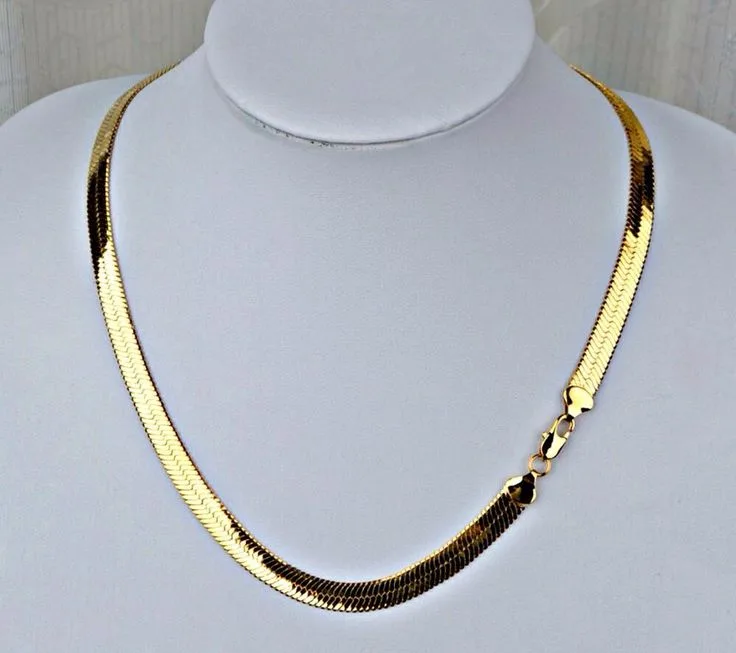
Image source: Bing (Web (fair-use with source credit))
Quick Answer
A herringbone necklace kinked bent repair depends on damage severity. Minor twists can be massaged flat at home. Sharp 90-degree creases require a bench jeweler.
Never use pliers on flat herringbone links. Pliers pinch hollow channels and snap gold.
The Anatomy of a Herringbone Kink (and Why It Breaks So Easily)
A herringbone chain is not built like an open-link cable chain. It consists of multiple flat, slanted metal plates joined side by side. They form a continuous, reflective surface that mimics liquid metal.
When the chain lies flat, these links glide against each other smoothly. When you twist or sharply fold the chain, the edges of those plates ride up over their neighbors. Once an edge pops out of line, the chain catches and locks.
Bend that lock further, and the metal undergoes work-hardening. Gold and silver become brittle when stressed repeatedly without heat treatment. If you force an overlapping link flat with hard tools, it fractures at the crease.
Hollow herringbone chains make the problem worse. Manufacturers create hollow chains by wrapping an ultra-thin sheet of gold around an acid-soluble base core. The core is dissolved, leaving a hollow tube.
These walls crush inward easily, leaving a flat, dented spot that cannot simply be popped back out.
| Chain Feature | Solid Herringbone | Hollow Herringbone |
|---|---|---|
| Link Structure | Solid metal throughout | Hollow center cavity |
| Wall Thickness | Continuous cross-section | Roughly 0.08mm to 0.15mm |
| Kink Tolerance | Low (can take gentle burnishing) | Extremely low (crushes instantly) |
| Repair Option | Can be burnished or spliced | Usually requires section removal |
The Triage Test: What You Can Fix at Home vs. What Needs a Bench Jeweler
Before you touch the chain, figure out if home repair is safe. You will need good lighting and high magnification to inspect the damage.
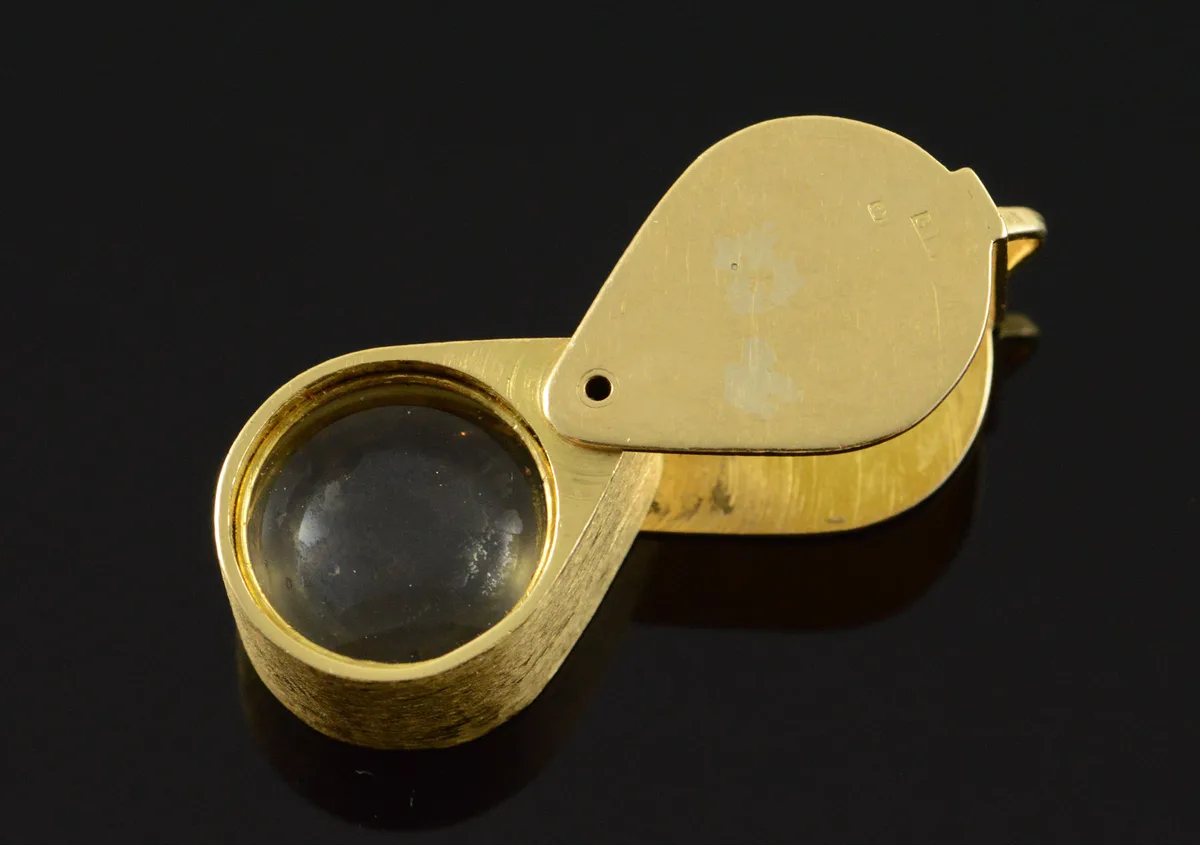
Image source: Bing (Web (fair-use with source credit))
According to educational guides from the Gemological Institute of America, assessing link deformation under 10x magnification helps you spot micro-fractures before applying any mechanical stress. Grab a 10x jewelry loupe to examine the problem spot.
Use this simple decision flow:
- If the chain has a soft wave or slight spiral: The links have shifted slightly out of alignment. You can usually coax them back flat using light pressure on a flat wooden surface.
- If the chain has an overlapping link without a fold: One plate has slipped on top of the next. Lubricating the chain and gently wiggling it side to side often resets the alignment.
- If the chain has a sharp 90-degree crease: The link walls have crimped. Forcing this flat at home will snap the metal. Stop and take it to a jeweler.
- If the kink is flattened, crushed, or split: The hollow wall has caved in or cracked. No amount of rubbing or rolling will fix this. It requires professional bench work.
The Home Rescue Method: Fixing Minor Waves Without Snapping the Links
If your chain passed the triage test with only a minor wave or twist, you can try smoothing it. Do not use metal tools. You need a hard, flat surface and a smooth, non-marring tool.
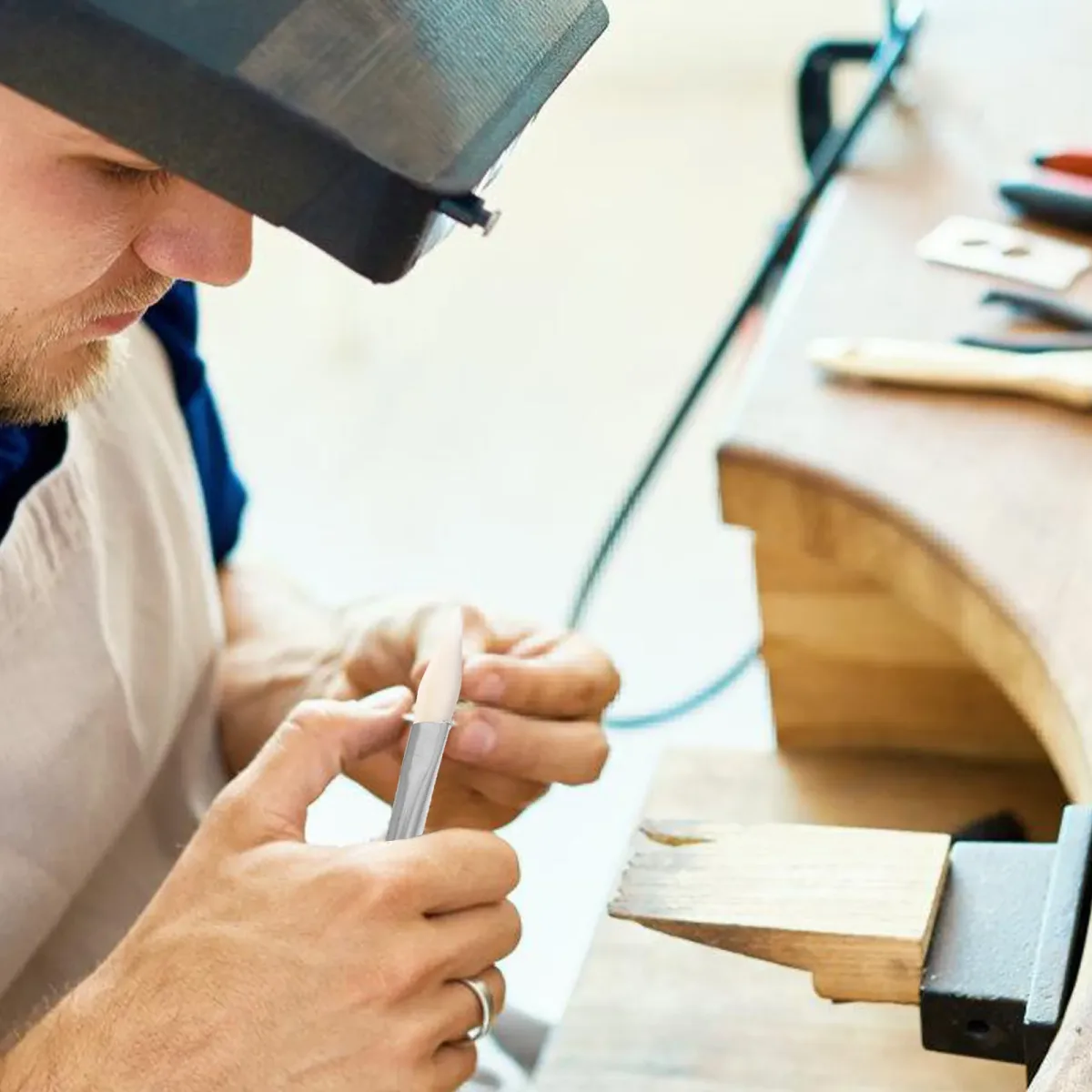
Image source: Bing (Web (fair-use with source credit))
Gather these basic items:
- A flat wooden board or thick leather pad
- A drop of mineral oil or mild liquid soap
- An agate burnisher, polished wooden dowel, or smooth plastic stylus
- A clean microfiber towel
Follow these steps carefully:
- Clean and lubricate the chain. Place a tiny drop of mineral oil directly on the twisted segment. This reduces friction between the plates so they slide past each other instead of catching.
- Lay the chain flat. Set the necklace on your wooden surface. Support the length of the chain on both sides so it does not hang or twist under its own weight.
- Massage the twist with your fingers. Gently wiggle the chain lengthwise with your fingertips. Do not pull hard. Often, light lateral vibration helps the links click back into their track.
- Burnish from the center outward. If a minor wave remains, take your agate burnisher or smooth dowel. Press down with light, even pressure. Roll or glide the burnisher over the wave, moving outward toward the ends.
- Clean off the residue. Once the chain lays flat, wash it with warm water and mild dish soap to remove the oil. Dry it thoroughly on a flat towel.
If you feel sudden resistance or hear a click, stop immediately. That means an edge is catching, and extra pressure will cause a permanent crease.
What a Professional Jeweler Actually Does (And What It Costs)
When a herringbone chain suffers a hard fold, home tools will not cut it. The metal has stretched on one side and compressed on the other. A professional bench jeweler has two primary ways to address the problem.
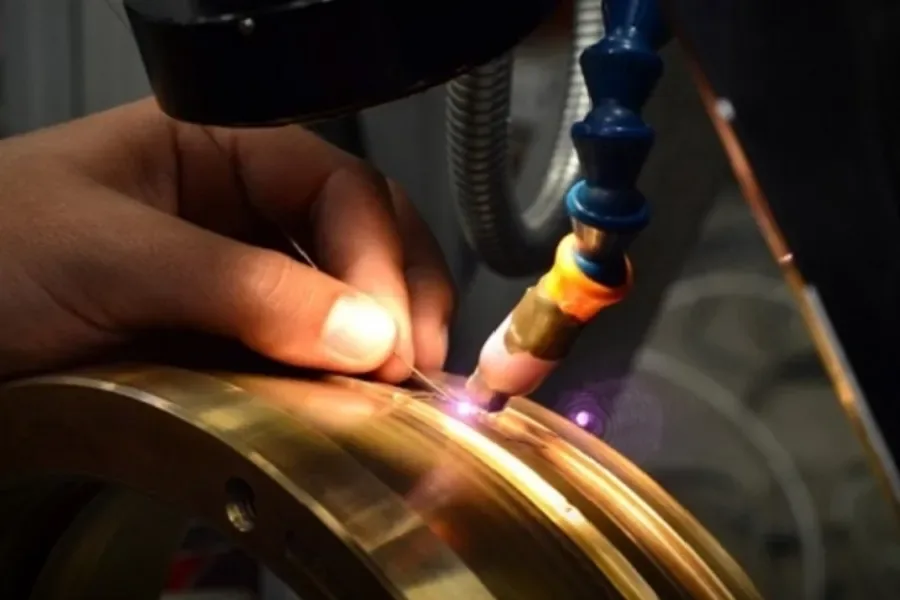
Image source: Bing (Web (fair-use with source credit))
The first option is annealing and burnishing. The jeweler removes the spring from the clasp and heats the damaged section with a micro-torch. This process, called annealing, softens the work-hardened gold.
Once softened, the jeweler places the chain on a steel bench block. They burnish the links back into place while hot, then repolish the chain. This method works well on solid herringbone necklaces.
The second method is link excision and laser welding. Hollow chains and cracked links cannot be reshaped. In these cases, the jeweler cuts out the crushed section under a microscope.
Using a pulse Nd:YAG laser welder, they fuse the clean ends back together. As of 2026, standard bench repair pricing generally follows these rates:
- Minor annealing and smoothing: $30 to $60.
- Laser splicing and soldering (one point): $60 to $120.
- Complex multi-kink excision: $130 to $200.
Laser welding preserves the chain's fluid look far better than old-fashioned torch soldering. Torch solder floods into nearby links, making that entire section rigid. A laser welder pinpoints the joint, leaving the rest of the chain flexible.
Still, expect a tiny, nearly invisible seam where the cut was made.
Repair Mistakes That Will Permanently Ruin Your Chain
Herringbone is the most unforgiving chain style in jewelry. Small missteps during a repair attempt turn a five-minute fix into a ruined piece of scrap metal.
Avoid these common mistakes:
- Using metal pliers: Flat-nose or needle-nose pliers have hard steel jaws. Squeezing a herringbone chain with pliers crushes the delicate link shoulders, leaving permanent gouges and crimps.
- Using a kitchen rolling pin: Rolling a heavy kitchen tool across the chain flattens the kinks, but it also flattens the raised bevel of the entire weave. You will destroy the necklace's light reflection and liquid drape.
- Bending the kink back and forth: Wiggling a sharp crease weakens the metal. Gold work-hardens within two or three bends. Once that happens, the chain snaps clean in two.
- Using a traditional soldering iron: Soft electronics solder contains lead, which ruins precious jewelry metals. It cannot support the tension of a necklace and creates an ugly, dull gray lump on the gold.
How to Prevent Herringbone Kinks and Store It Flat
Preventing damage is far easier than trying to repair shifted links. Because a herringbone necklace cannot twist or bend along its narrow edge, daily wear habits dictate how long it lasts.
Never sleep, exercise, or shower while wearing a herringbone chain. Tossing on a pillow creates sharp folds under your neck, while gym movements catch the chain against clothing or skin. Always put the chain on after getting dressed and remove it before changing.
Storage requires equal care. Hanging a herringbone necklace on a standard jewelry tree often creates tension bends where the links drape over hooks. Jamming it into a jewelry box pocket causes immediate link crossover.
Follow these storage practices to keep the weave flat:
- Lay it flat in a velvet-lined tray: Give the chain its own dedicated, long groove so it rests entirely straight without bending.
- Roll it in a soft microfiber cloth: If drawer space is tight, lay the chain straight across a jeweler's cloth and roll the cloth into a loose cylinder.
- Keep the clasp closed during storage: Fastening the clasp prevents the two loose ends from crossing over the delicate body of the chain.
- Avoid heavy pendants: Never slide a pendant or charm onto a herringbone chain. The focused downward weight pulls the middle links out of alignment and causes permanent sagging.
The trade organization Jewelers of America emphasizes that delicate chain styles require flat, individual storage compartments to prevent metal fatigue. Treating your chain with that level of care avoids costly bench repairs down the line.
Frequently Asked Questions About Bent Herringbone Chains
Can you fix a kinked herringbone chain with pliers?
No, never use pliers on a herringbone chain. The steel jaws crush the delicate, beveled link edges and instantly flatten hollow metal cavities. Pliers also pinch the metal, causing work-hardening fractures that cause the chain to snap cleanly in half.
Will a repaired herringbone chain look brand new?
A repaired chain will lie flat, but it will rarely look untouched. Laser-welded link repairs leave a minute seam where the broken links were joined. Annealed and burnished sections may also show slight surface variations under direct light, though casual observers will rarely notice.
Why does my herringbone necklace keep flipping over?
A herringbone necklace flips over when one or more links are slightly out of alignment or twisted. If the chain is too short, muscle movement and collarbones push against the flat underside. This forces the entire chain to twist and flip as you walk.
Is it worth repairing a hollow gold herringbone chain?
It depends on the repair cost versus the gold value. Splicing a damaged section out of a hollow chain costs between $60 and $120. If the chain is very light 10k gold, repair costs can easily exceed the chain's actual market value.
Solid gold chains are always worth fixing.
Can a jeweler fix a sharp 90-degree bend?
A jeweler cannot unbend a sharp 90-degree crease because the metal has stretched and cracked. Instead, the bench jeweler cuts out the creased links under a microscope. They then fuse the clean remaining sections back together with a precision laser welder.

Similar Posts