Summer vs. Winter Ring Size: Why Fingers Swell
Founder & Fashion Creative Director at Julia Fashionista · CFDA Fashion Scholar, Certified Image Consultant (AICI) · 12+ years in editorial wardrobe styling, sustainable textile sourcing, and luxury capsule curation
Your fingers naturally change size throughout the year, which makes ring sizing summer vs winter finger swelling a real challenge. A band that feels snug and secure in the heat of July can easily spin or slide off in January.
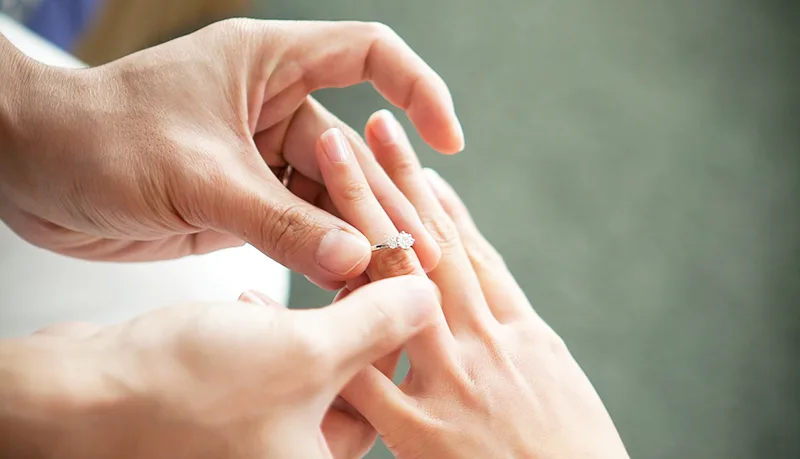
Image source: Bing (Web (fair-use with source credit))
Our research shows that seasonal temperature shifts alter your finger circumference by up to a half-size, and sometimes a full size. According to standards established by the Gemological Institute of America, even a 0.4-millimeter variance in inner diameter changes your official ring size. Let's look at why your fingers expand and contract with the weather, and how to get the right fit all year long.
Quick Answer
Ring size summer vs winter finger swelling changes your finger by roughly a half size. High heat expands blood vessels and swells your fingers. Cold winter air constricts blood vessels and shrinks them.
You should size your ring for your warm baseline. Then, use temporary ring adjusters during cold winter months to prevent losing the band.
Why Your Ring Fits Perfectly in July and Falls Off in January
Fingers do not stay the same size throughout the year. Humidity, high heat, and outdoor activity push extra fluid into your soft tissue. That makes your skin press tightly against metal bands.
In the winter, low humidity and freezing temperatures reverse that process. Your skin contracts, moisture drops, and rings become loose. Many people lose expensive rings while pulling off knit winter gloves or walking through parking lots in the snow.
The table below breaks down the typical seasonal shifts across different environments:
| Season & Condition | Finger Reaction | Ring Fit Impact | Average Size Shift |
|---|---|---|---|
| Mid-Summer Heat (>85°F / 30°C) | Blood vessels dilate; tissue retains water | Band feels tight, leaves red indentations | +0.25 to +0.50 US size |
| Deep Winter Cold (<32°F / 0°C) | Blood vessels constrict; skin dries | Band spins freely, slides over knuckle | -0.25 to -0.50 US size |
| Temperate Baseline (68°F–72°F) | Normal peripheral circulation | Balanced fit with mild knuckle resistance | Neutral baseline (0.0) |
If you purchase a ring during peak summer, you are sizing for your maximum swollen state. If you size it during a freezing cold snap, you are sizing for your absolute minimum. The goal is finding a balanced middle ground that stays on safely in the snow without cutting off circulation in July.
The Physiology of Seasonal Swelling: Vasodilation Meets Winter Chill
Your body controls its internal temperature through vascular regulation. In hot weather, your cardiovascular system uses vasodilation to cool you down. Your blood vessels widen, bringing warm blood closer to the surface of your skin to release heat.
This process naturally pushes extra fluid into your hands and feet.
In cold weather, your body does the exact opposite through vasoconstriction. It narrows peripheral blood vessels to pull warm blood inward toward your core organs. Your fingers receive slightly less surface blood flow, which reduces their overall volume.
Other daily factors also interact with these seasonal swings:
- Dietary sodium: High salt intake forces your tissues to hold extra water, worsening summer tightness.
- Hydration levels: Dehydration paradoxically causes your body to retain fluids, swelling your extremities.
- Exercise: Elevated heart rates expand hand capillaries during warm outdoor runs or gym workouts.
- Time of day: Most people wake up with slight swelling that levels off by midday.
These physiological shifts are completely normal. Your ring does not change shape, but your living tissue constantly adjusts to ambient air and internal body temperature.
Measuring Across Seasons: Band Width, Knuckle Anatomy, and Baseline Timing
Getting an accurate measurement requires looking at your bone structure and your ring's design. A plain sizing strip cannot tell you how a ring moves over real skin.
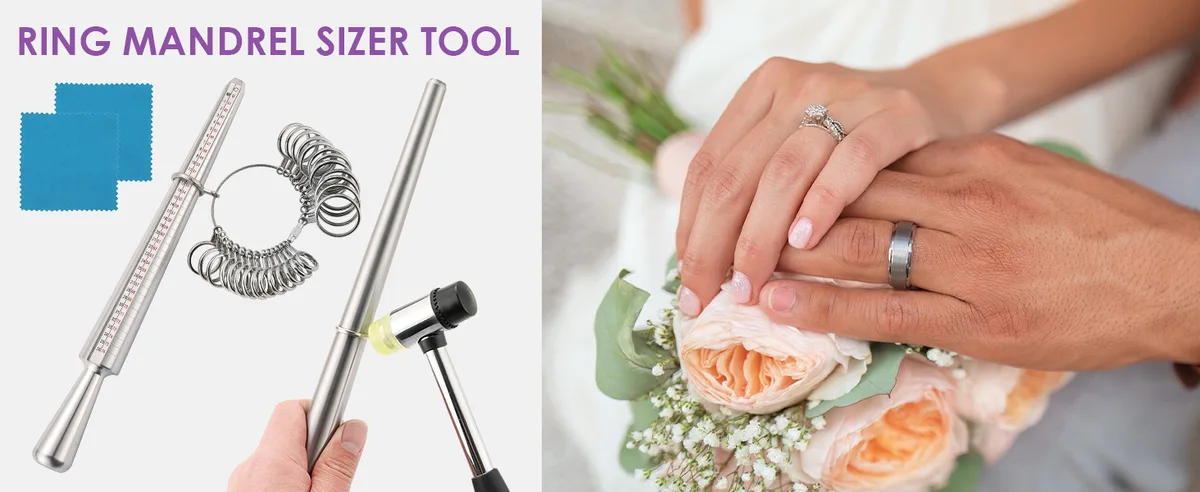
Image source: Bing (Web (fair-use with source credit))
The Knuckle vs. Base Ratio
Look closely at your hand. Some people have tapered fingers where the base is thicker than the knuckle. Others have prominent, bony knuckles with narrow bases.
If your knuckle is significantly larger than the base of your finger, sizing becomes tricky. The ring has to pass over the knuckle, but once it settles at the base, it spins freely. In winter, this spinning gets worse.
For prominent knuckles, choose a size that requires a firm, two-second wiggle over the joint. If it slides over the knuckle effortlessly, it will fall off when your hands get cold.
Why Shank Width Alters Fit
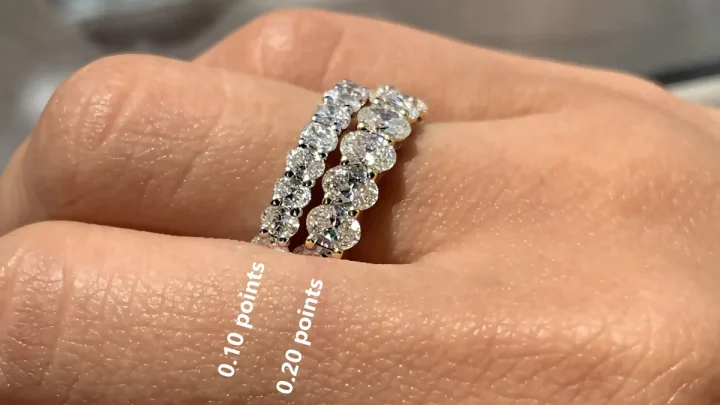
Wide bands fit much tighter than narrow bands. A 1.5mm thin solitaire band displaces very little skin, so it slides on easily even when your hands are warm. A 6mm or 8mm wide wedding band covers more surface area and traps tissue beneath it.
Whenever you choose a band that is 4mm wide or thicker, standard bench jeweler practice calls for adding a quarter to a half size. A ring sizer gauge set with thin rings will mislead you if your final ring is a heavy metal band. Always test your size using gauge rings that match the exact millimeter width of the piece you plan to wear.
Seasonal Ring Sizing Decision Matrix: How to Choose Your Exact Size
When buying a ring, use this simple decision workflow to pick your best target size based on the current season and your daily habits.
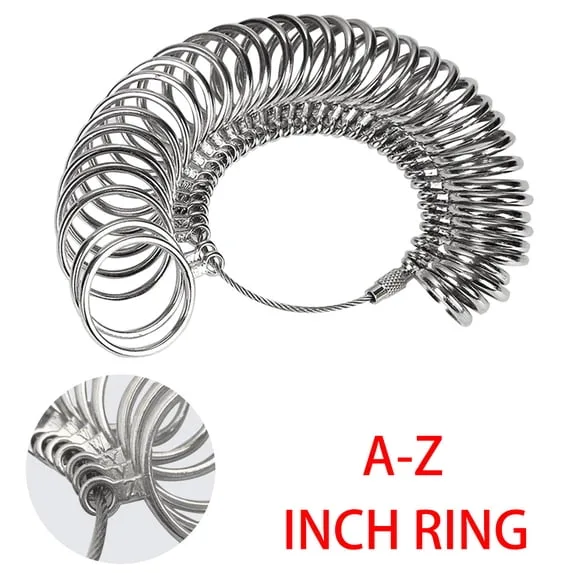
Image source: Bing (Web (fair-use with source credit))
Scenario A: You are measuring in peak summer (July to August)
- If the band is under 3mm wide: Order one-quarter size smaller than your tight summer fit. Your hands are at their maximum expansion right now.
- If the band is over 4mm wide: Keep your measured summer size. The extra surface friction will prevent the wide band from falling off during winter.
Scenario B: You are measuring in peak winter (December to February)
- If the ring fits comfortably snug right now: Add a quarter-size. If you buy a snug ring when your hands are cold, it will choke your finger come June.
- If the ring feels loose or turns easily: Keep this exact measurement. It represents your absolute minimum cold-weather diameter.
Scenario C: You have prominent knuckles year-round
- Size purely for the knuckle with a firm two-second drag. Do not size down for the base, or you will trap the ring during humid summer weather. Use interior sizing aids to secure the base fit instead.
As of 2026, many jewelers offer quarter-sizes as a standard option. Take advantage of quarter-sizes rather than jumping straight between half-sizes. A 0.25 size change provides just enough breathing room without leaving the band loose enough to slip over your knuckle.
Sizing Beads, Guards, and Inserts: Non-Permanent Solutions for Seasonal Swings
Permanent resizing can weaken your ring's metal structure if done repeatedly. Cutting and soldering a gold or platinum shank stretches the metal and loosens stone settings. Non-permanent hardware solutions bridge the gap between summer and winter without harming the band.
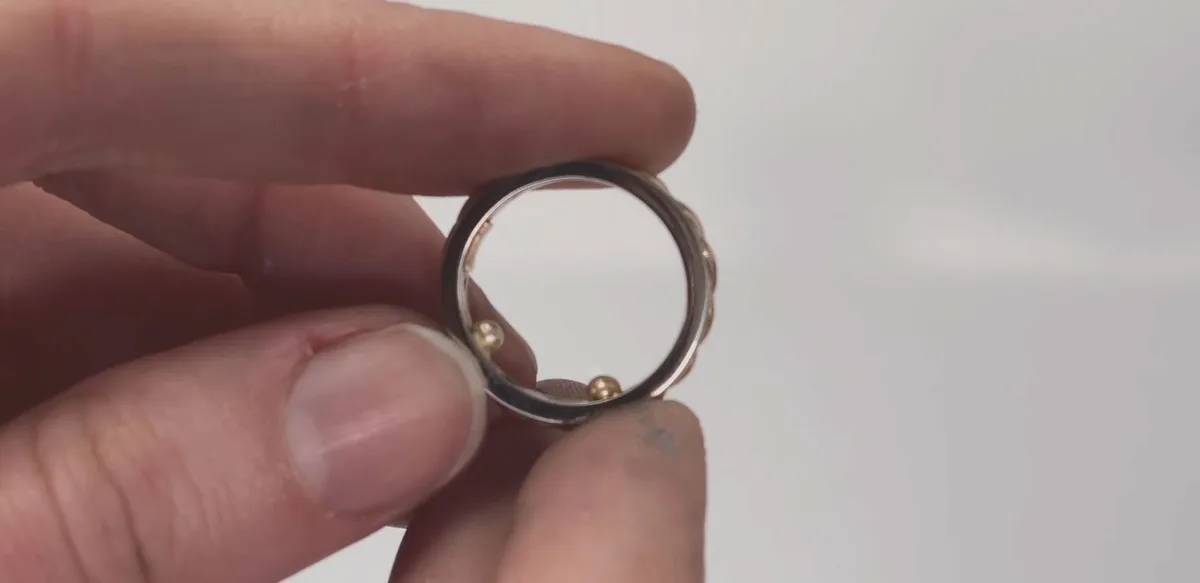
Image source: Bing (Web (fair-use with source credit))
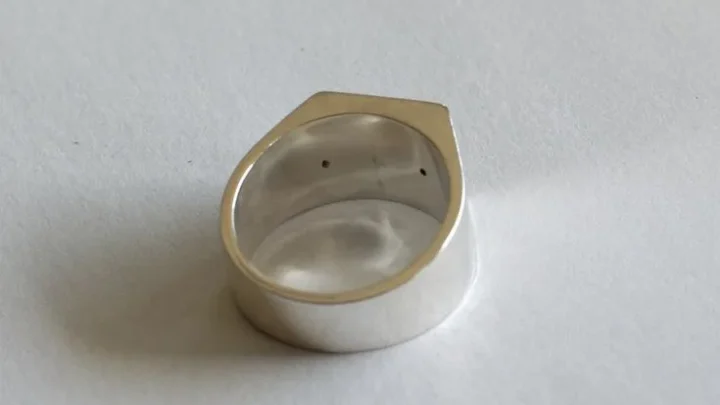
- Soldered Sizing Beads: A bench jeweler solders two small beads of matching precious metal on the inside bottom of the ring. These act like gentle speed bumps. They grip the fleshy part of your finger base to stop winter spinning, but they let the ring pass over a swollen knuckle.
- Spring Ring Inserts: Also called horseshoe sizers, these flexible metal bands sit inside the lower shank. They expand outward as you slide the ring over a warm knuckle, then spring back against the base of your finger.
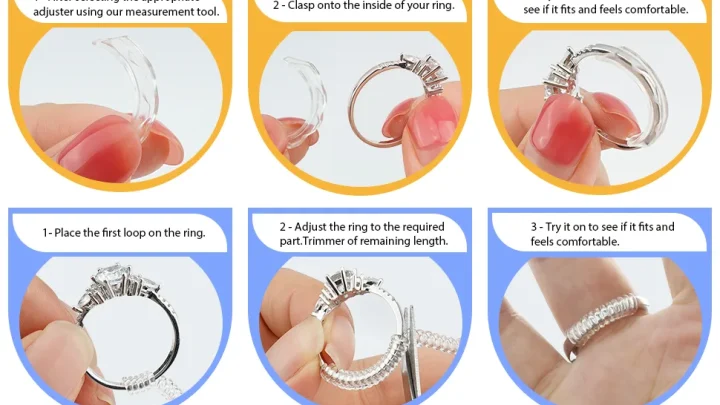
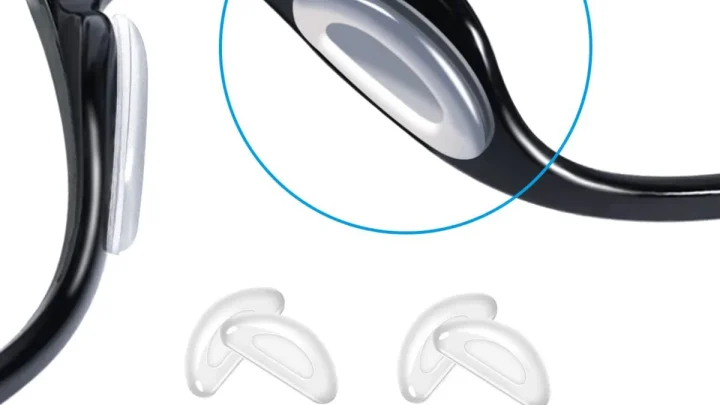
- Silicone Spiral Guards: These clear, medical-grade plastic coils wrap around the outside of your band. They are cheap, easy to trim, and can be popped on in November and taken off in May.
- Fold-Over Ring Guards: Metal clips that clamp directly to the bottom of the shank. These work well for temporary winter fixes, though they can scratch soft gold bands if not installed carefully.
If your finger fluctuates by a half-size or more between seasons, sizing beads are the gold standard. They keep top-heavy diamond rings upright in freezing temperatures while preserving the original size of the outer band for summer wear.
Common Ring Sizing Mistakes That Lead to Lost Stones and Sliced Bands
The most common mistake is sizing a ring during an acute temperature extreme. Rushing to a jewelry counter after an afternoon walk in ninety-degree humidity guarantees an oversized ring. Once winter arrives, that ring slips straight off the finger.
Another frequent error is repeatedly resizing the same metal band across alternating seasons. Sizing up in June and sizing down in December ruins the structural integrity of fine jewelry. Each cut, stretch, and solder point weakens the shank.
Over time, this stress loosens pave prongs and causes center gems to fall out.
Avoid these critical sizing pitfalls:
- Ignoring band thickness: Sizing with a skinny plastic zip-tie sizer when your actual ring is a wide, flat band.
- Panicking over summer tightness: Having a ring stretched the very first week it feels tight in July.
- Forgetting knuckle drag: Picking a size that slides easily over the knuckle joint without any gentle resistance.
- Wearing loose rings under gloves: Pulling off leather or wool winter gloves without holding onto your rings underneath.
Finally, never force a tight ring over an inflamed knuckle during hot weather. If blood flow stops, the band creates a dangerous tourniquet effect. When tissue swells severely around a tight ring, emergency departments must use manual ring cutters to slice the band off your finger.
Frequently Asked Questions About Seasonal Finger Swelling
How many sizes can your fingers change between seasons?
Your fingers typically shift between a quarter size and a half size between summer and winter. In extreme climates or during humid heatwaves, some people experience swings up to one full size. A swing larger than one full size usually involves dietary fluid retention or medical swelling rather than pure weather changes.
Is it better for a ring to be slightly loose or tight?
A ring should always lean slightly snug rather than loose. A snug ring stays centered on your finger and keeps expensive center stones from spinning. A loose ring easily slips off unnoticed when your hands are cold, wet, or soapy, resulting in permanent jewelry loss.
How do I know if my ring is dangerously tight?
A ring is dangerously tight if you feel continuous throbbing, tingling, or numbness in the fingertip. Other warning signs include deep purple skin discoloration or an inability to turn the band at all. If the finger stays swollen and pale, seek medical help or visit a jeweler to cut the band.
Can eternity wedding bands be resized for seasonal changes?
Eternity bands with diamonds wrapping all the way around the shank cannot be resized traditionally. Cutting the metal interrupts the stone pattern and ruins the prong settings. If you wear an eternity band, choose a comfortable summer fit and add clear silicone spacers to take up slack during cold winter months.
The Final Decision: How to Lock In Your All-Weather Ring Size
Finding your ideal ring size requires measuring your baseline across multiple days at standard room temperature. Visit a professional jeweler during the late morning or early afternoon, avoiding the hours right after waking up or right after heavy cardiovascular exercise.
If you are buying a ring during the winter months, buy a quarter-size larger than your cold, snug fit. That small 0.2-millimeter cushion gives your tissue room to expand during hot summer afternoons without choking off circulation.
If you are sizing your finger in the middle of summer heat, choose a size that feels comfortably snug and leaves light, non-painful skin contact. When winter rolls in, use temporary silicone spirals or have a bench jeweler install discreet sizing beads. This approach keeps your ring secure in freezing weather while saving your precious metal from repeated, damaging resizing jobs.

Similar Posts