How to Stop a Key Pouch Scratching Your Leather Bag
Founder & Fashion Creative Director at Julia Fashionista · CFDA Fashion Scholar, Certified Image Consultant (AICI) · 12+ years in editorial wardrobe styling, sustainable textile sourcing, and luxury capsule curation
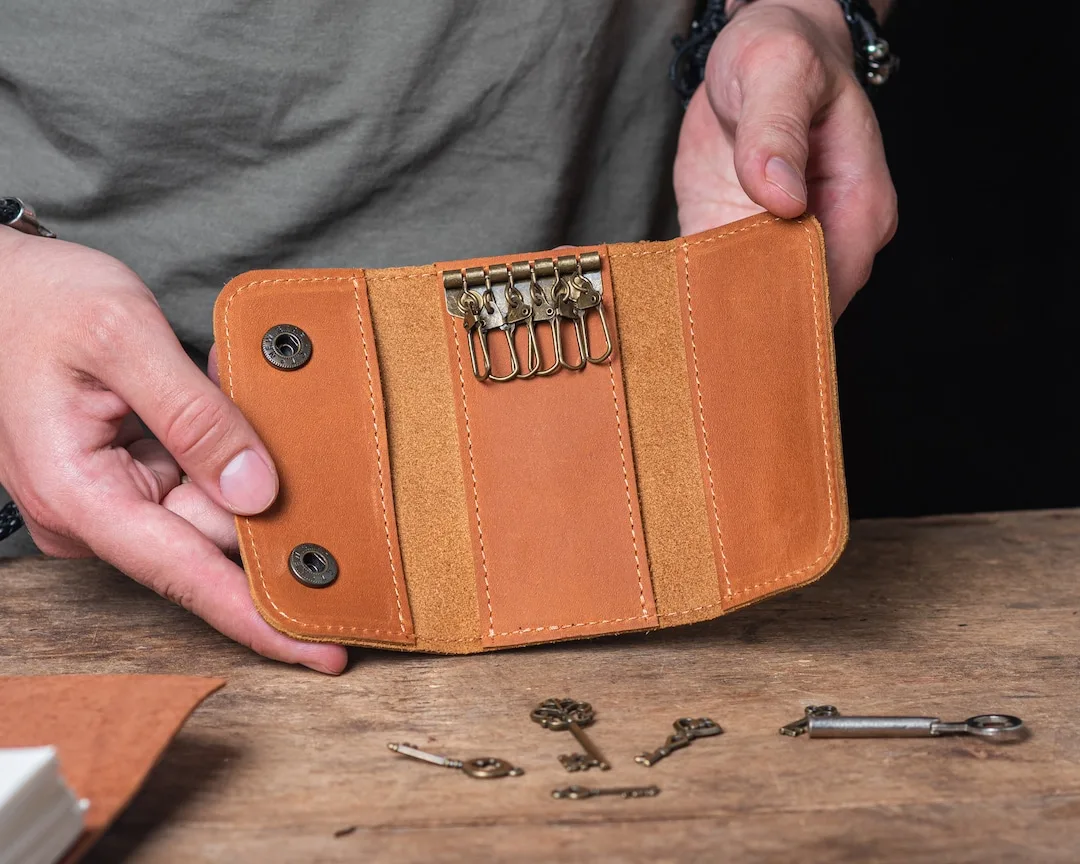
Few things are as frustrating as reaching into a favorite tote and feeling rough, scarred hide. A key pouch scratching inside of leather bag linings is a surprisingly common problem for luxury and everyday carry owners alike. You buy the pouch to guard your bag against loose keys, only to find the case itself does just as much damage.
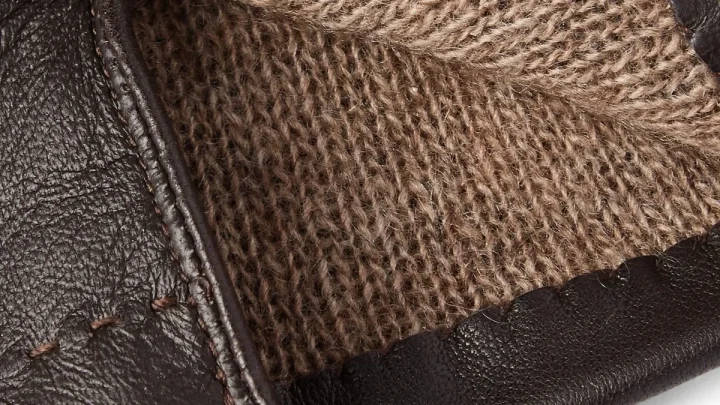
Standard interior glove leather measures merely 0.6 to 0.8 millimeters thick, making it far more fragile than exterior hides. According to technical testing frameworks from the Society of Leather Technologists and Chemists, thin aniline skins yield quickly to concentrated friction points. Understanding how your pouch abrades the interior lining allows you to resolve the mark and prevent future gouges.
Image source: Bing (Web (fair-use with source credit))
Quick Answer
A key pouch scratches leather linings when metal hardware rubs under lateral pressure. Stamped brass teeth, snap caps, and hard corners abrade fragile interior hides. Identify your lining material before applying any treatment.
Smooth top-grain linings need gentle burnishing with a bone folder. Suede and fabric linings require dry brushing with a crepe tool. Isolate the pouch in a dedicated pocket to stop friction permanently.
Why Your Key Pouch Is Scratching the Bag Lining
The physics of a handbag interior work against delicate leathers. When you drop a structured pouch into an unstructured tote, gravity pulls the pouch straight to the base. As you walk, natural hip motion creates friction between the pouch hardware and the sidewall.
Lateral compression makes this abrasion significantly worse. Packing a water bottle, tablet, and wallet squeezes your items together tightly. That inward squeeze forces the edges of the key case directly against the lining.
Even small strides cause continuous micro-rubbing throughout the day.
Hardness mismatches guarantee interior wear. Standard brass or zinc alloy hardware rates between 3.0 and 4.0 on the Mohs hardness scale. Finished lining calfskin or lambskin sits at roughly 1.5 to 2.0.
The harder metal will always abrade the softer hide under friction.
[Walking Motion] + [Lateral Bag Pressure]
                 │
                 ▼
[Hard Metal / Rigid Corners (Mohs ~3.5)]
                 │  (constant friction)
                 ▼
[Soft Interior Lining (Mohs ~1.5, 0.6mm thick)]
                 │
                 ▼
    Abrasion, Scuffs, or Fiber Tears
Unfinished zipper edges act like miniature saw blades. Cheaper zipper teeth feature stamped edges with sharp micro-burrs instead of smooth, rounded profiles. Every drop and shift inside the bag grinds those teeth against the interior grain.
Triage the Damage: Inspecting the Scratch and Lining Material
Before attempting any repair, you must diagnose the depth of the damage and your exact lining type. Treating a scratch without knowing your leather chemistry will ruin the piece permanently. Run a clean, dry fingertip lightly across the mark to assess the damage profile.
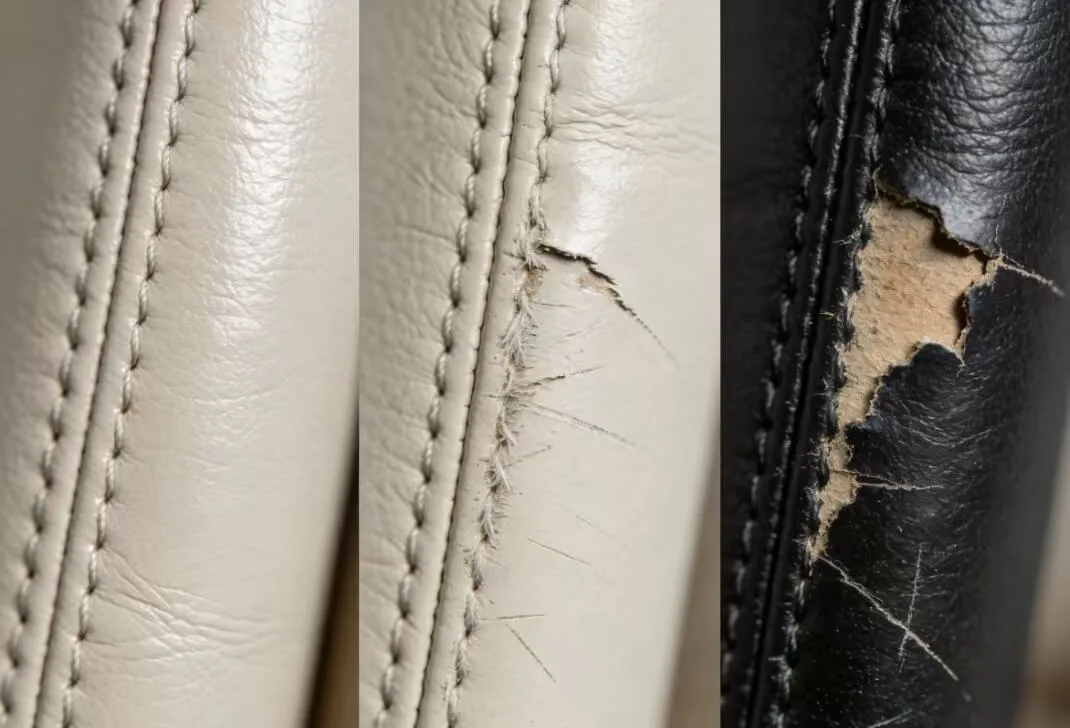
Image source: Bing (Web (fair-use with source credit))
If the mark feels smooth with zero raised edges, you are looking at a surface scuff in the protective topcoat. If you feel a rough indentation or catching fibers, the scratch has broken past the epidermal layer into the corium. Deep fiber tears require fiber re-alignment rather than simple surface conditioning.
| Lining Material | Water Droplet Test (5 Seconds) | Physical Texture | Recommended Action |
|---|---|---|---|
| Semi-Aniline Calf | Beaded, slow darkening | Smooth, slight grain | Friction burnish, light cream |
| Naked Lambskin | Instant darkening / absorption | Ultra-soft, velvety | Dry bone folder burnish only |
| Suede / Pigsplit | Fast absorption, dark spot | Fibrous, napped | Suede eraser, crepe brush |
| Alcantara / Synthetic | Beads or rests on fibers | Consistent micro-nap | Microfibre cloth, warm water |
Testing absorbency is critical for smooth interiors. Place a microscopic droplet of distilled water on an inconspicuous corner using a toothpick. If the water beads, the leather features a protective topcoat.
If the water darkens the leather instantly, the hide is naked aniline and cannot tolerate liquid oils.
The Lining-Specific Fix: How to Treat the Mark Safely
Once you know the lining type, match your repair workflow strictly to the material. Never grab a general shoe conditioner or universal balm off the shelf.
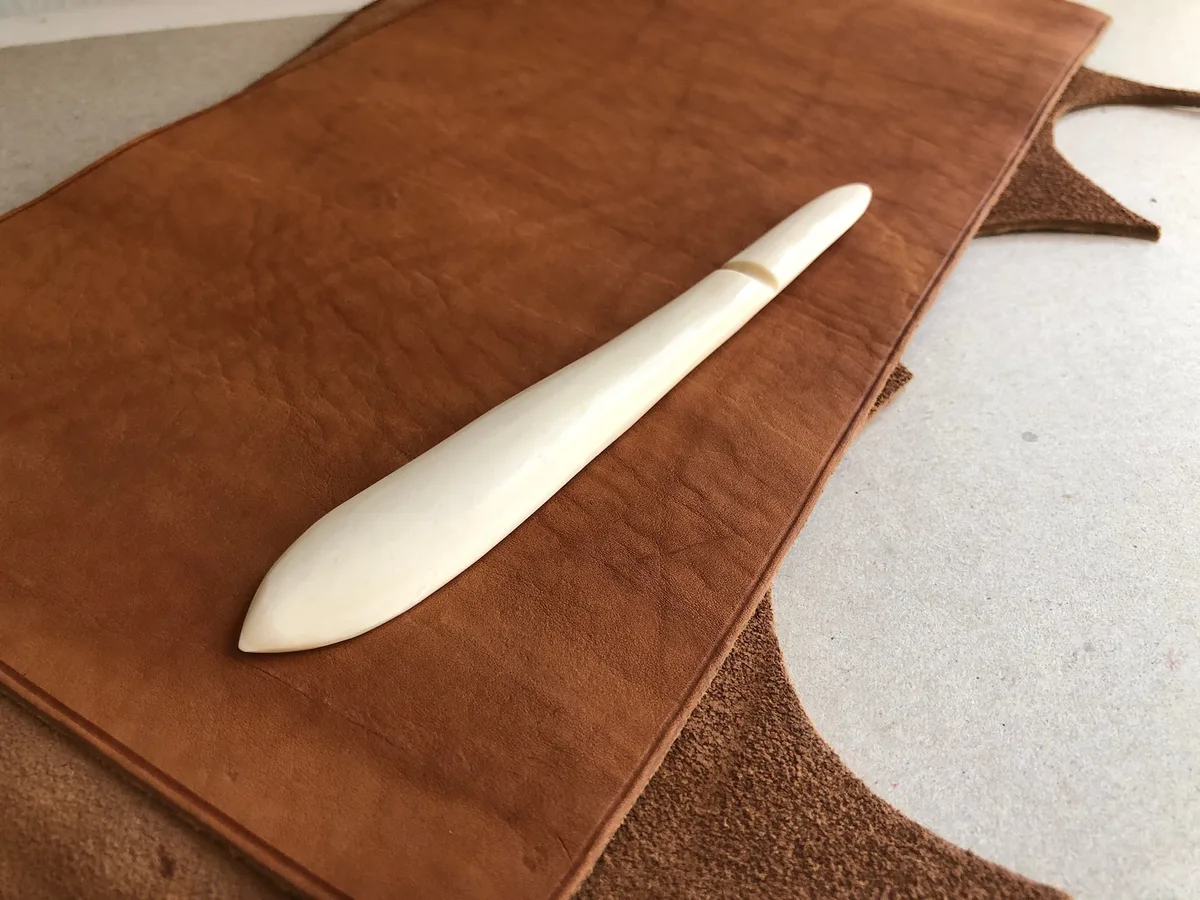
Image source: Bing (Web (fair-use with source credit))
Smooth Calfskin and Lambskin Linings
For light scuffs on smooth leather, use dry thermal friction. Place the flat edge of an authentic, polished bone folder against the mark. Rub back and forth rapidly with light, even pressure for fifteen seconds.
The heat softens the leather waxes, smoothing the compressed finish flat again.
If the scratch shows light fiber lifting, apply a pinhead droplet of neutral, wax-free leather emulsion to a lint-free cotton cloth. Never apply product directly to the interior hide. Massage the emulsion into the scratch in small circular motions.
Let it dry for twenty minutes, then buff lightly with a clean section of cloth.
Suede, Split Leather, and Microfibre
Never apply creams, oils, or leather lotions to suede or Alcantara linings. Wet products mat the loose fibers permanently, creating dark grease spots that cannot be extracted.
- Take a dry, clean suede eraser and rub across the scratch against the direction of the nap.
- Apply moderate, downward pressure to lift compressed fibers and blend scratch boundaries.
- Sweep away rubber shavings using a soft horsehair brush.
- Follow up with a natural crepe brush, working back and forth to reset the grain direction.
Hardware Culprits: Identifying What Caused the Gouge
Key pouches cause interior damage through specific mechanical components. Inspecting your pouch will tell you exactly what triggered the scratch so you can fix the source.
Exposed metal zipper teeth cause the majority of deep lining tears. Standard stamped brass zippers feature raw, angular edges along every tooth. Luxury leather goods typically specify milled zippers with polished, rounded teeth, but everyday key cases cut corners on hardware finishing.
As of 2026, many brands use nylon coil zippers specifically to prevent interior handbag abrasions.
Exposed snap fasteners present another common contact point. Riveted snap heads on pouch flaps often have sharp underside rims or unfinished edges. When a full tote presses the pouch flat against the wall, that metal circle acts like a punch against thin lambskin.
Exposed steel split rings are equally destructive. When key rings slip partially out of unzipped pouches, the coiled, flat-stamped steel edge digs straight into the interior base. Even the structural corners of stiff, edge-painted envelope pouches can rub enough finish away to create a dull patch.
Rerouting Your Carry: Prevention Strategies and Isolation Setups
Fixing the existing scratch does little good if the pouch continues to abrade the same corner tomorrow. You need to mechanically isolate the hard case from the fragile walls of your bag.
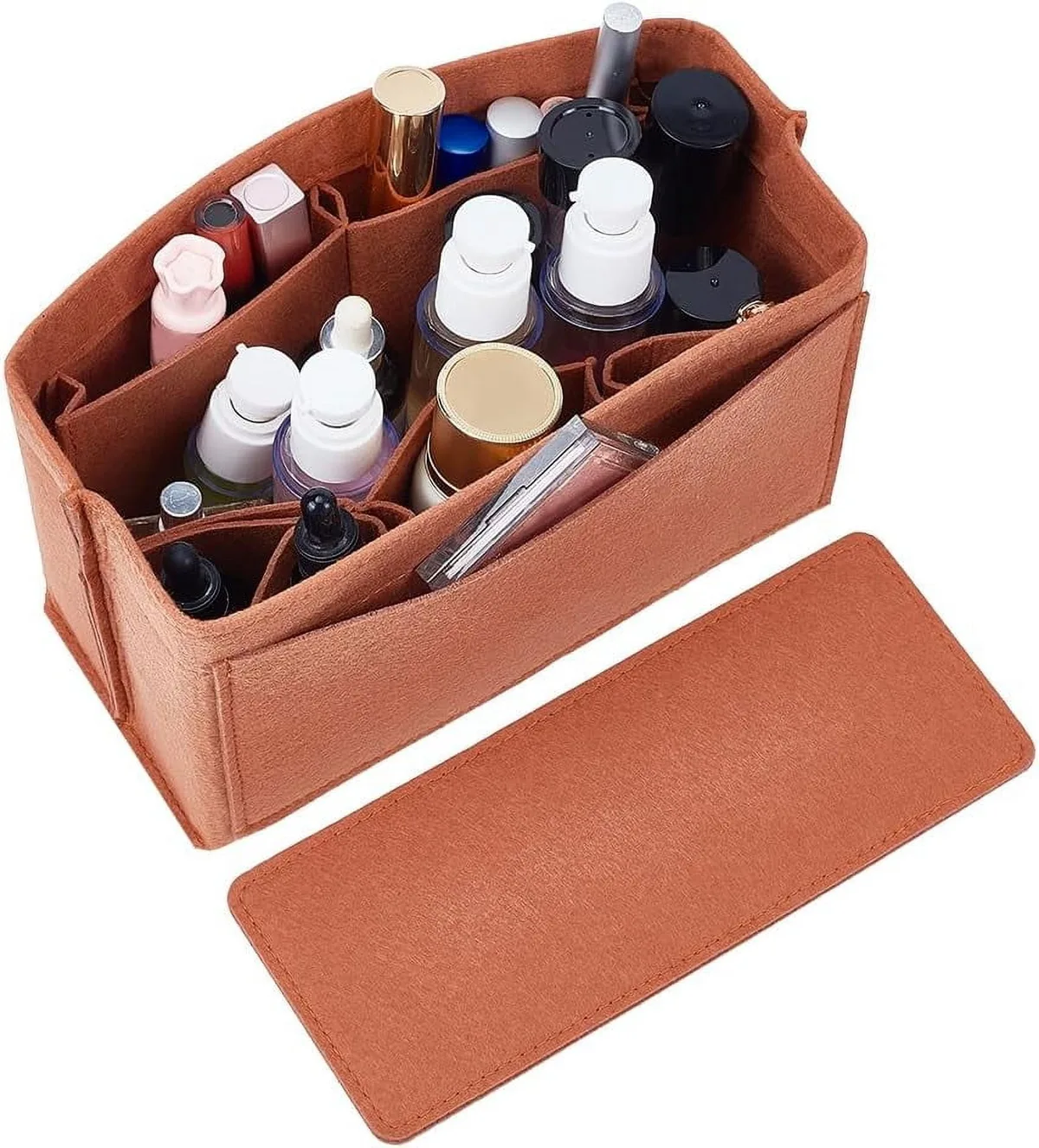
Image source: Bing (Web (fair-use with source credit))
The simplest fix is dedicating a specific interior drop pocket exclusively to your keys. Placing the pouch inside an interior pocket traps the case against soft fabric or secondary leather walls. This prevents the metal corners from sliding freely across the main body panels.
If your bag features an open, unstructured layout, consider a structured felt organizer insert. A quality wool or dense synthetic felt insert acts as a sacrificial barrier. The pouch rests safely against washable, durable felt, shielding the thin lambskin or suede lining from direct hardware contact.
- Reorient the pouch: Store the key pouch vertically with the zipper opening oriented upward, keeping metal teeth away from the bag bottom.
- Cover exposed hardware: Slip a silicone zipper-pull cover over sharp pull tabs to soften contact edges.
- Switch closure styles: Move away from exposed metal zippers toward envelope pouches with smooth internal snaps or magnetic closures.
- Lighten internal pressure: Remove duplicate loyalty fobs and unnecessary brass keys to reduce the weight and bulk pushing against bag walls.
Mistakes That Permanently Ruin Interior Leather
Panicking over an interior mark often leads to fixes that cause far worse destruction than the scratch itself. The most common error is applying heavy shoe wax, mink oil, or petroleum-based balms inside a bag. Interior leathers lack the thick topcoats found on footwear.
Those greasy compounds sink deep into open pores, leaving permanent dark grease halos that cannot be extracted.
Grabbing colored shoe polish or acrylic edge paint is another costly mistake. Interior skins flex and rub against your contents continuously. Colored pigments sit on the surface, fail to cure properly on thin linings, and eventually transfer directly onto your wallet, sunglasses pouch, or linen organizers.
Sandpaper and aggressive abrasive pads must never touch a lining tear. Some DIY guides recommend wet-sanding scratches, but interior linings measure under a millimeter thick. Taking high-grit abrasive paper to glove-soft lambskin strips the top grain instantly.
It turns a faint mechanical scratch into a bald, fuzzy hole that exposes the structural corium beneath.
Finally, avoid using household rubbing alcohol or baby wipes to lift transfer marks. Solvents strip the factory lacquer clear-coat in seconds. This leaves the surrounding leather pale, dried out, and far more prone to tearing under future friction.
Frequently Asked Questions About Bag Lining Scratches
Can you completely remove a deep scratch from a leather lining?
No, deep gouges that sever leather fibers cannot be made entirely invisible. You can smooth raised edges and blend the color using friction burnishing or specialized fiber binders. The structural tear remains beneath the surface, but proper treatment stops it from spreading or catching on other items.
Does a scratched interior lining ruin the resale value of a luxury bag?
Yes, interior damage directly impacts secondary market grading. Consignment platforms mark down valuations if an interior displays hardware gouges, ink stains, or chemical rings. Keeping the lining clean and using organizers preserves top-tier condition ratings.
Is mink oil safe to use on interior leather scuffs?
No, mink oil should never be used on thin interior leather linings. It contains heavy fats that oversaturate unprotected skins. It permanently darkens aniline leathers and creates greasy surfaces that collect dust, lint, and loose grit inside the base of your bag.
Why do some key cases scratch bags while others do not?
The design of the hardware determines whether scratching occurs. Cases with exposed, stamped metal zippers and sharp snap rims create aggressive friction points under pressure. Key cases made with folded leather clochettes, recessed snaps, or nylon coil zippers shield the metal completely, eliminating interior abrasions.
The Carry Diagnostic: Choosing Your Permanent Fix
Resolving interior friction comes down to matching your bag architecture with the right carry setup. Use this simple diagnostic flow to stop hardware abrasions permanently:
                      [Interior Lining Type?]
                                │
        ┌───────────────────────┴───────────────────────┐
        ▼                                               ▼
[Delicate: Lambskin/Suede]                     [Sturdy: Canvas/Tumbled]
        │                                               │
  [Bag Structure?]                               [Pocket Availability?]
   ┌────┴────┐                                     ┌────┴────┐
   ▼         ▼                                     ▼         ▼
[Open]    [Compartments]                        [Available] [None]
   │         │                                     │         │
   │         └─► Assign to dedicated slip pocket   │         │
   │                                               │         │
   └───────────► Install felt organizer insert     │         │
                                                   │         │
   [Hardware Swap Alternative]                     │         │
   └───────────► Switch to leather bell/clochette ◄┴─────────┘
- If your bag has a delicate lambskin or suede lining with an open layout: Install a fitted felt organizer insert. The dense felt absorbs all lateral friction from your items, providing total protection for the fragile original skin.
- If your bag features built-in slip pockets: Isolate your existing key pouch in an internal pocket permanently. Ensure the zipper pull faces inward toward the bag interior, not outward against the outer wall.
- If you prefer to carry your bag without inserts: Replace your zippered metal case with a traditional leather key clochette or wrap sleeve. These designs encapsulate keys entirely within smooth leather, eliminating exposed teeth and sharp split rings entirely.
Taking five minutes to adjust how you stow hard items preserves the craftsmanship of your bag for years of daily use.

Similar Posts