Apple Watch 38mm vs 40mm: Are Bands Compatible?
Founder & Fashion Creative Director at Julia Fashionista · CFDA Fashion Scholar, Certified Image Consultant (AICI) · 12+ years in editorial wardrobe styling, sustainable textile sourcing, and luxury capsule curation
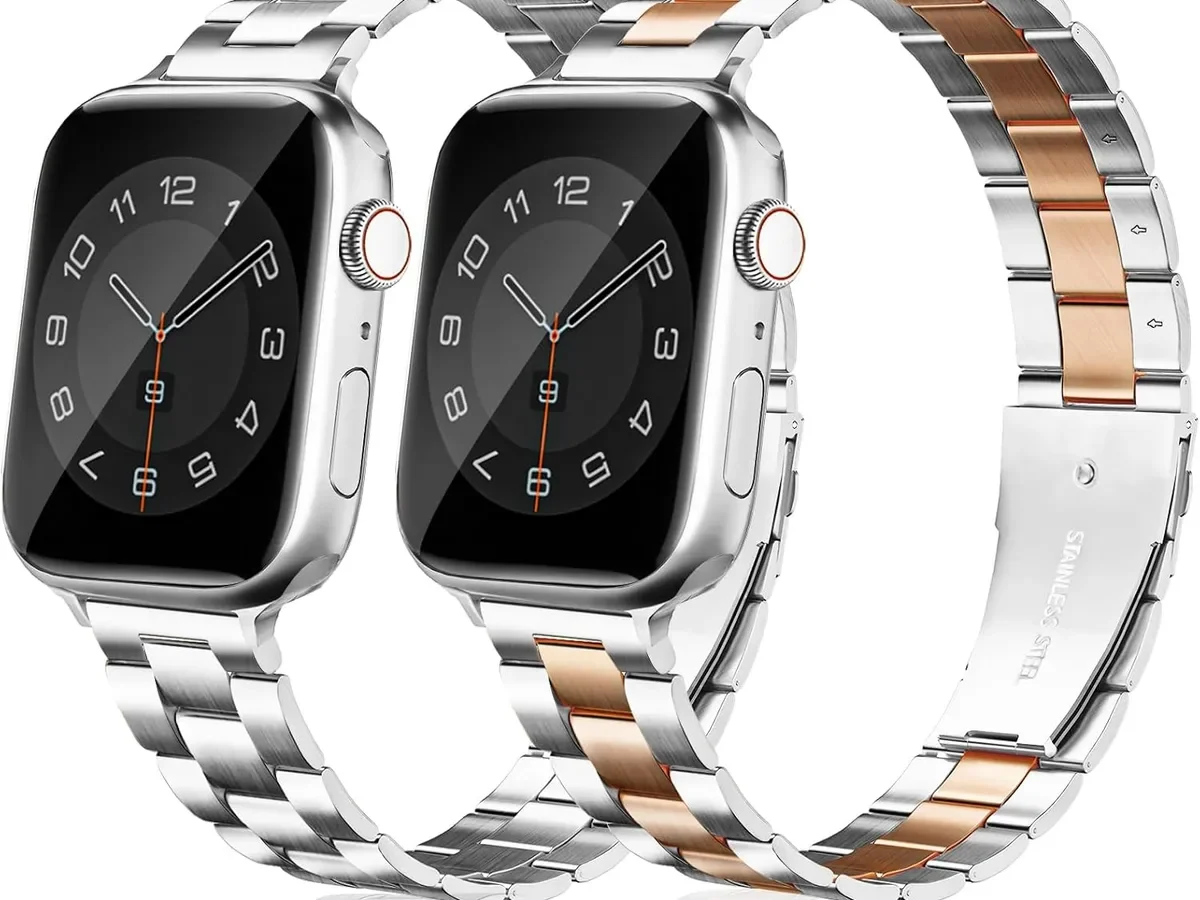
Upgrading your smartwatch should never mean abandoning a favorite strap collection. When reviewing apple watch band 38mm vs 40mm compatibility, you will quickly find that the transition between these two generations is remarkably straightforward.
Apple designed its band ecosystem with long-term hardware continuity in mind. Official dimensions from the Apple Support knowledge base show that the internal locking rails on these two case sizes share identical dimensions. Here is exactly how the hardware aligns, where minor cosmetic variations occur, and how to verify a secure fit.
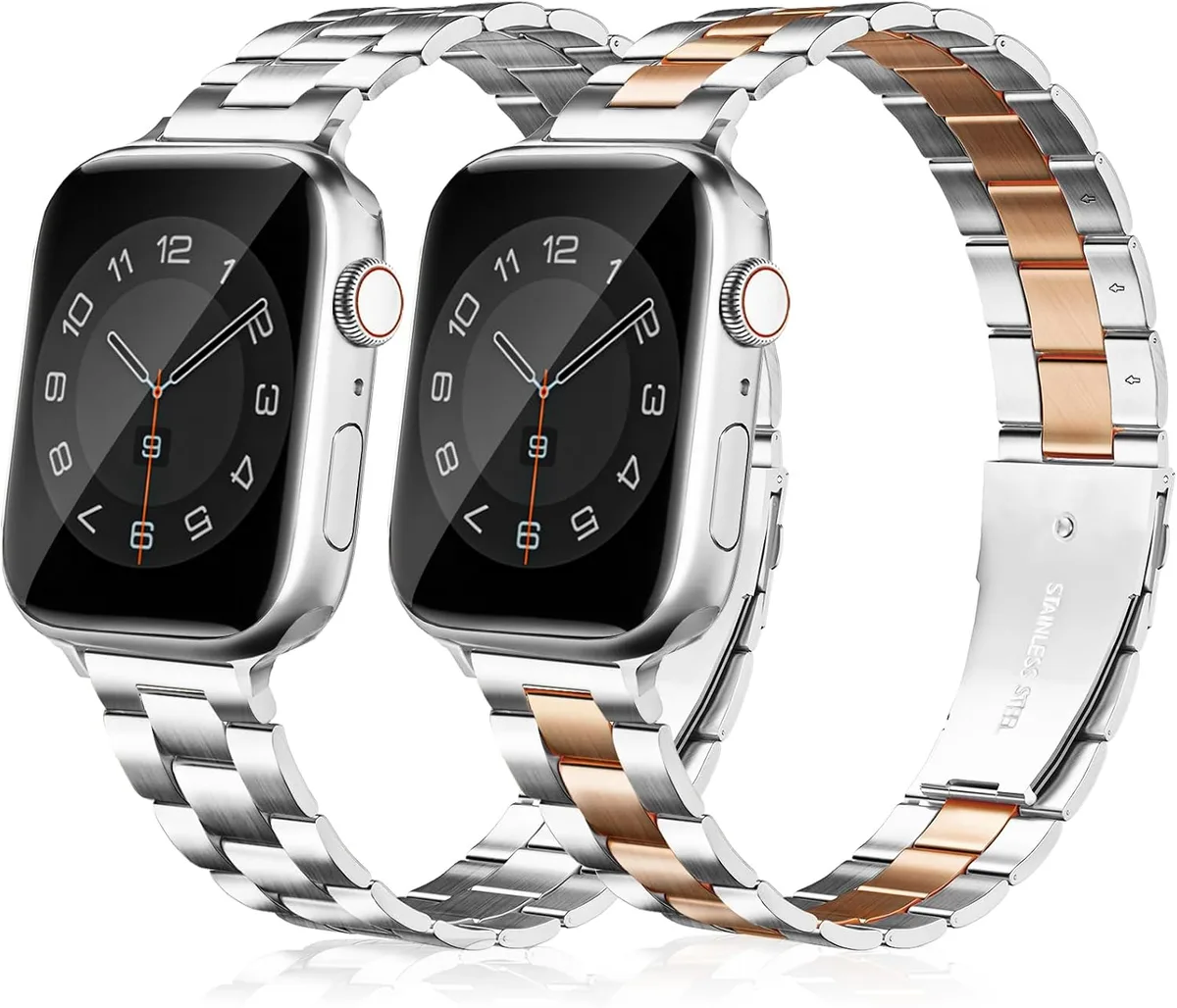
Image source: Bing (Web (fair-use with source credit))
Quick Answer
Apple 38mm and 40mm bands are 100 percent interchangeable. Both sizes use the exact same lug connector width. A 38mm band locks cleanly into a 40mm watch.
A 40mm band slides smoothly into a 38mm watch. The internal locking mechanism is identical. You can swap them without any adapters.
The Quick Answer: Does a 38mm Band Fit a 40mm Apple Watch?
The short answer is yes. Every official 38mm band fits every 40mm case without issue. The reverse is also true: a 40mm strap mounts perfectly onto an older 38mm watch.
The physical slide-in lug component, the piece of metal or plastic that clicks directly into the chassis, measures the exact same width on both styles. When you slide a 38mm strap into a 40mm casing, the spring-loaded center latch clicks into place just as intended.
You do not need an aftermarket adapter, a special bracket, or any tools. The locking tab secures firmly against the watch frame. Pulling on the strap from either side will confirm that the connection remains tight and stable.
Understanding Apple's Two-Tier Case Sizing Architecture
Apple groups its watch cases into two distinct band categories: small and large. While the external screen dimensions change every few generations, the physical band channels remain locked to these two groups.
The smaller tier originally launched with the 38mm casing. When Apple introduced the 40mm casing on Series 4, engineers retained the underlying slide channel. As of 2026, Apple has expanded this design architecture across several generations without breaking physical compatibility within the bracket tier.
| Band Tier Grouping | Compatible Case Sizes | Slide Rail Width |
|---|---|---|
| Small Tier | 38mm, 40mm, 41mm, Series 10 (42mm) | ~31.8mm internal |
| Large Tier | Legacy 42mm, 44mm, 45mm, 46mm, 49mm Ultra | ~35.8mm internal |
The takeaway for anyone managing multiple watches is simple. As long as your band comes from the small bracket tier, it works across every small-chassis model Apple has ever produced.
38mm vs. 40mm Bands: The Engineering and Aesthetic Differences
While the connection rails are functional twins, Apple updated the external chassis between these generations. These physical alterations introduce tiny aesthetic variations that careful observers might spot.
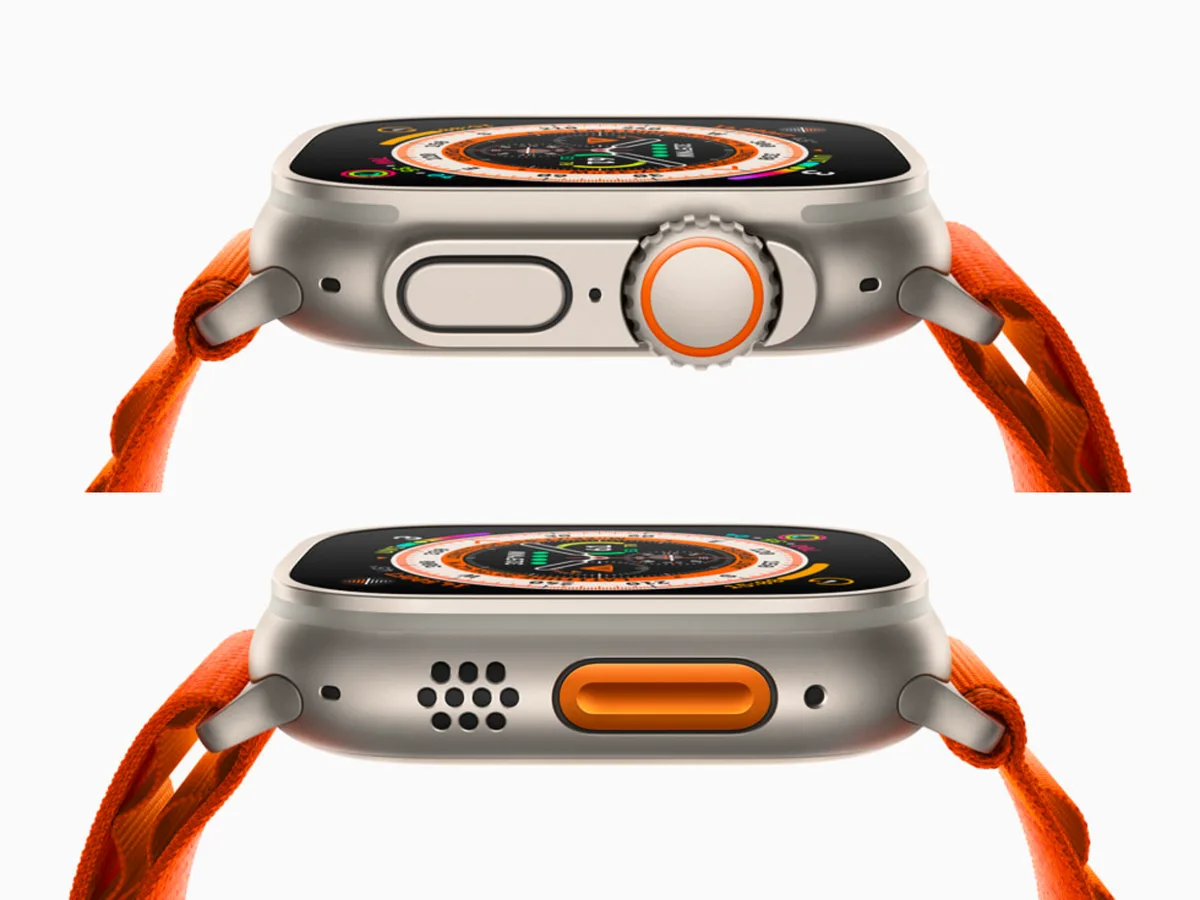
Image source: Bing (Web (fair-use with source credit))
Lug Width and Slot Dimensions
The internal lug channel on both watch models measures roughly 31.8mm across. Apple maintains strict manufacturing guidelines for band producers, specifying tight tolerances for the locking pins and silicone dampeners. Because the retention slot did not change, third-party and OEM lugs glide into both cases with the same mechanical resistance.
Case Curvature and Seam Alignment
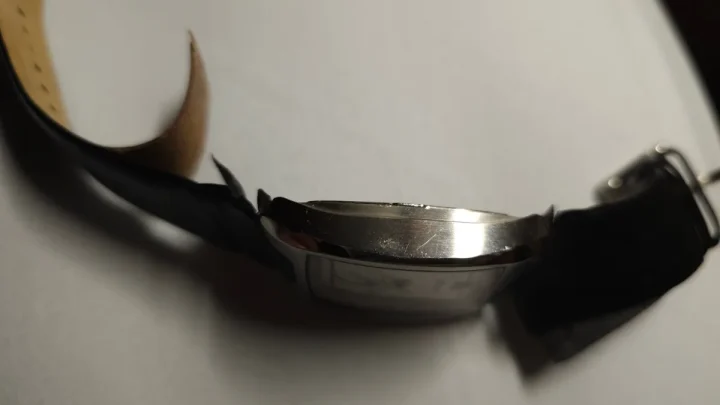
The exterior shape did change slightly between Series 3 and Series 4. The 38mm chassis features sharper corners and flatter sides. The 40mm chassis introduced softer, more rounded curves.
Because of this contour update, original 38mm bands might look a fraction of a millimeter flatter along the outer edge when clicked into a 40mm watch. Conversely, a modern 40mm band has a slightly curvier lug shoulder. The variation is practically invisible from arm's length, but you might feel a tiny ridge if you run your finger along the seam.
OEM vs. Third-Party Manufacturing Tolerances
Official Apple bands use precise elastomer tolerances that mask these small curvature differences. Third-party bands, however, vary widely by manufacturer:
- Budget metal adapters: Often feature flat shoulders that leave sharp, distinct corners exposed on 40mm cases.
- Molded silicone straps: Stretch slightly, generally hiding any mismatch along the seam.
- Spring-loaded locking tabs: Cheap clones occasionally use weak center springs that fail to seat properly inside 40mm channels.
The Full Small-Case Ecosystem: From Series 0 to Series 10
The small-tier family extends well beyond just the 38mm and 40mm options. As display bezels shrank, Apple expanded the case sizes while keeping the band channel backward compatible.
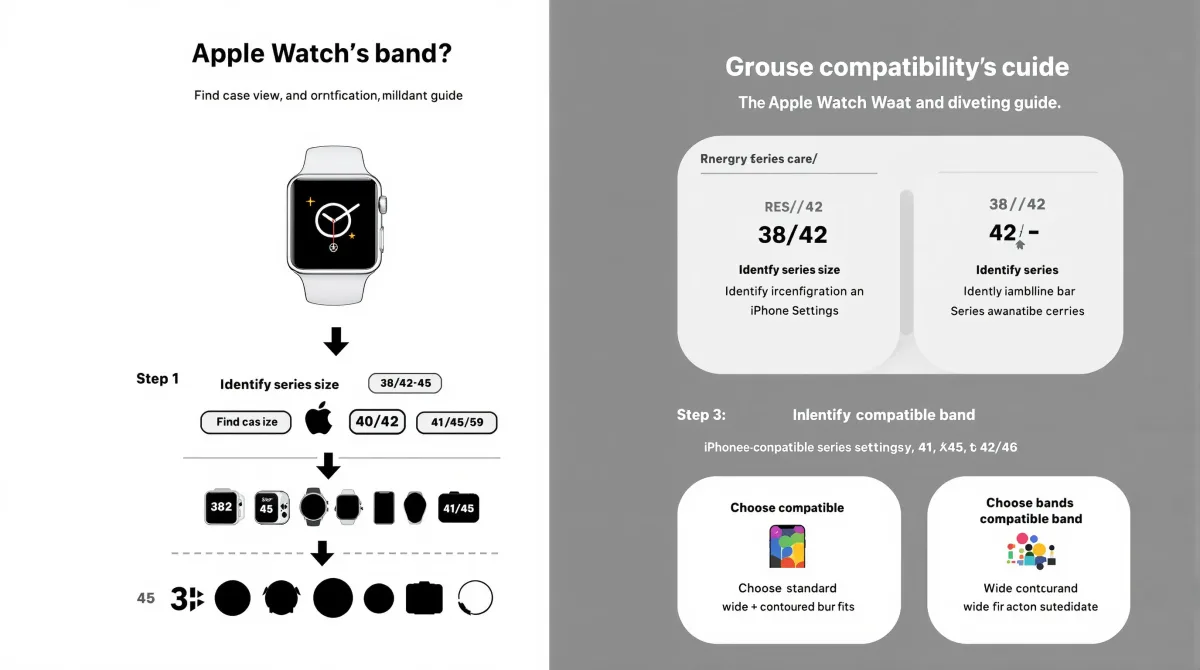
Image source: Bing (Web (fair-use with source credit))
The small-case bracket encompasses:
- 38mm: Series 0 (Original), Series 1, Series 2, Series 3
- 40mm: Series 4, Series 5, Series 6, SE (1st and 2nd Gen)
- 41mm: Series 7, Series 8, Series 9
- 42mm: Series 10 only
Any band built for one of these models will fit all the others in this list. A strap bought in 2015 for an original 38mm watch will mount onto a 41mm Series 9 or a 40mm SE today.
The "42mm Trap" You Need to Avoid
The release of the Series 10 introduced genuine confusion for watch owners. Apple produced a 42mm case from 2015 to 2017 (Series 0 through Series 3). That vintage 42mm watch belonged to the large tier.
However, the Series 10 42mm watch belongs to the small tier.
If you own an older 42mm band from an early model, it will not fit a 40mm watch. It will slide past the edges and stick out dangerously. But if you have a 40mm band, it will fit the modern Series 10 42mm perfectly.
Always confirm which generation a 42mm band was manufactured for before purchasing.
Real-World Fit Check: How to Swap and Test Your Bands Safely
Swapping bands between these two sizes takes only a few seconds. Following proper removal and installation steps keeps the delicate spring mechanisms from jamming.
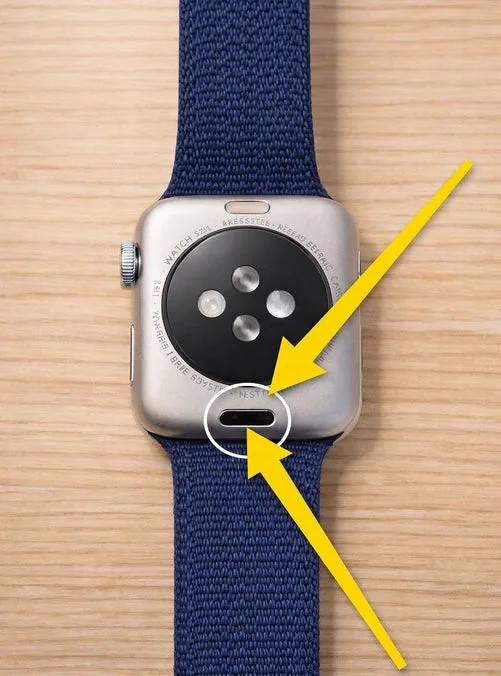
Image source: Bing (Web (fair-use with source credit))
Follow this straightforward process to swap and verify your band fit:
- Clean the channel: Dust and lint gather inside the lug tracks over time. Wipe the channel with a lint-free cloth before mounting an older strap.
- Press the release button: Turn the watch over. Depress the small oval button on the back of the case using your fingernail.
- Slide the old band out: Keep the button pressed down while sliding the strap horizontally. Never pull the band outward away from the watch.
- Orient the new band: Check the band's center lug. The side with the tiny rubber grips and the visible metal release tab must face inward toward your wrist.
- Slide until it clicks: Guide the band into the channel until you hear a clear tactile click.
- Perform the tension test: Without touching the release button, gently wiggle the band left and right. Pull outward away from the case. If the lug does not slide out, the lock is fully engaged.
Choosing Between 38mm and 40mm Bands Today
Deciding which size to buy comes down to availability, price, and the specific watch finish you wear. Because both styles fit the exact same bracket, your choice is largely practical rather than technical.
If you own an older 38mm watch, you can safely purchase any 40mm strap currently on the market. Modern 40mm options give you access to newer colorways, updated woven textiles, and refreshed silicone formulations. The fit will be structurally solid, though the outer lug corners will curve just slightly past your watch's flatter case edge.
If you wear a 40mm or 41mm watch, searching for discontinued 38mm stock can save serious money. Retailers and second-hand sellers often discount original 38mm bands heavily. Premium OEM bands like the Milanese Loop, Modern Buckle, or leather straps from earlier series work brilliantly on 40mm cases at a fraction of modern retail prices.
The only real compromise is cosmetic finish matching. Apple has shifted its aluminum and steel shades over the years:
- Space Gray variations: Early 38mm Space Gray aluminum is noticeably lighter than the deep Midnight or Space Gray shades found on Series 6 and SE models.
- Silver finishes: Silver aluminum has remained fairly consistent, making 38mm and 40mm silver pieces virtually indistinguishable.
- Gold tones: Apple shifted from yellow-gold to rose-gold and starlight across these generations, so vintage 38mm gold lugs may clash with a 40mm case.
Frequently Asked Questions About Apple Watch Band Sizes
Will a 38mm Apple Watch band fit an Apple Watch SE?
Yes, a 38mm band will fit any 40mm Apple Watch SE model. Both generations of the SE use the small-bracket channel architecture. The 38mm connector clicks directly into the SE case with full structural stability and locks firmly in place.
Can you put a 40mm band on a 38mm Series 3?
Yes, you can put a 40mm band on a 38mm Series 3 watch. The slide channel width is identical across both devices. The lug will lock securely into the Series 3 chassis, though the band edges may appear slightly rounder than the case corners.
What happens if you try to put a 42mm band on a 40mm watch?
It depends entirely on the watch generation that the 42mm band was designed for. If it is a vintage 42mm band from Series 0 through Series 3, it will not fit properly and will extend past the sides of the case. If it was made for the Series 10 42mm, it will fit your 40mm watch cleanly.
Do 38mm and 40mm bands fit the Apple Watch Ultra?
No, neither 38mm nor 40mm bands fit the Apple Watch Ultra. The Ultra series uses a 49mm chassis that belongs strictly to the large-bracket family. Small-tier bands will fail to bridge the full width of the channel and will slide out of the sides.

Similar Posts