Suede Belt Bleeding on White Trousers? How to Fix It
Founder & Fashion Creative Director at Julia Fashionista · CFDA Fashion Scholar, Certified Image Consultant (AICI) · 12+ years in editorial wardrobe styling, sustainable textile sourcing, and luxury capsule curation
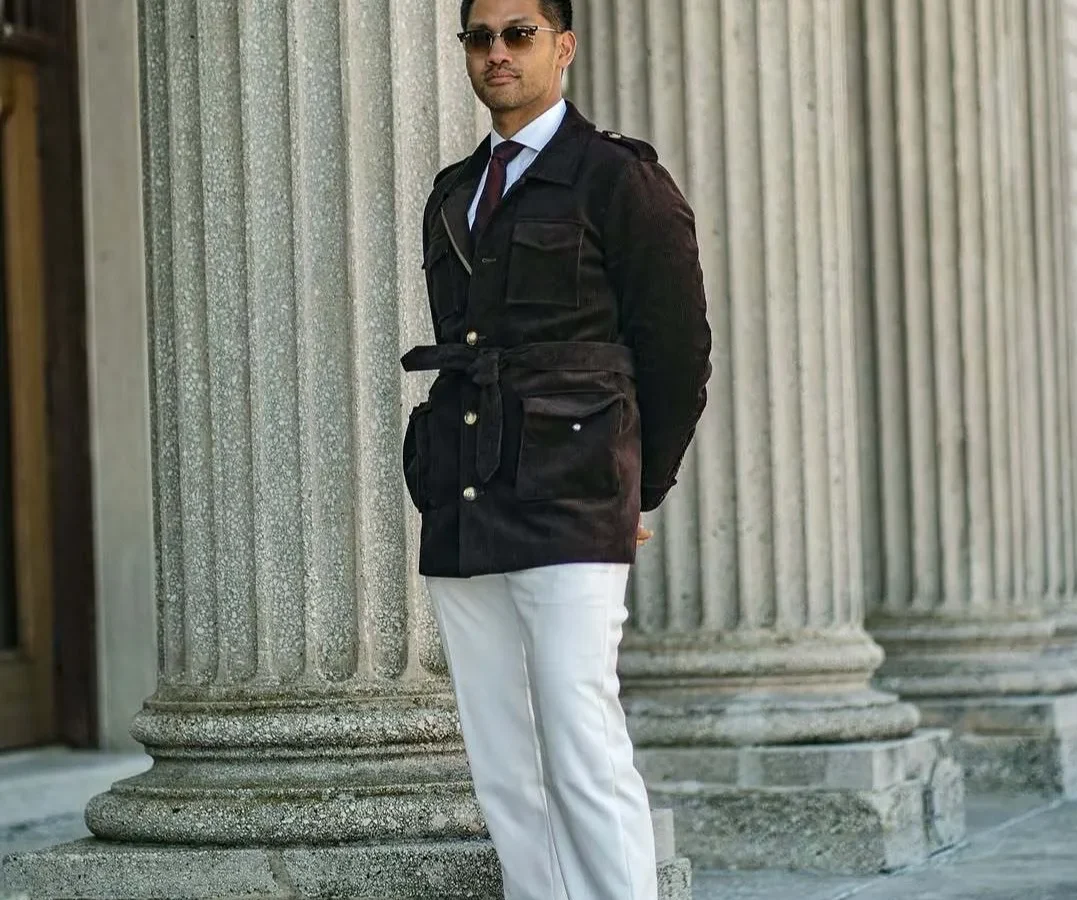
You look down at your waistband and see a dark smudge ruining your favorite pair of trousers. Dealing with a suede belt bleeding dye onto white trousers is an absolute nightmare, but it does not mean your clothing is ruined for good. Quick, targeted action can lift the pigment cleanly out of the fabric weave.
Aggregate textile testing confirms that leather dyes bond fast once they encounter high heat or reactive detergents. According to standards outlined by the American Association of Textile Chemists and Colorists, leather crocking transfers unbound surface pigments directly via mechanical friction. Here is the exact workflow to pull those pigments out and stop your belt from staining again.
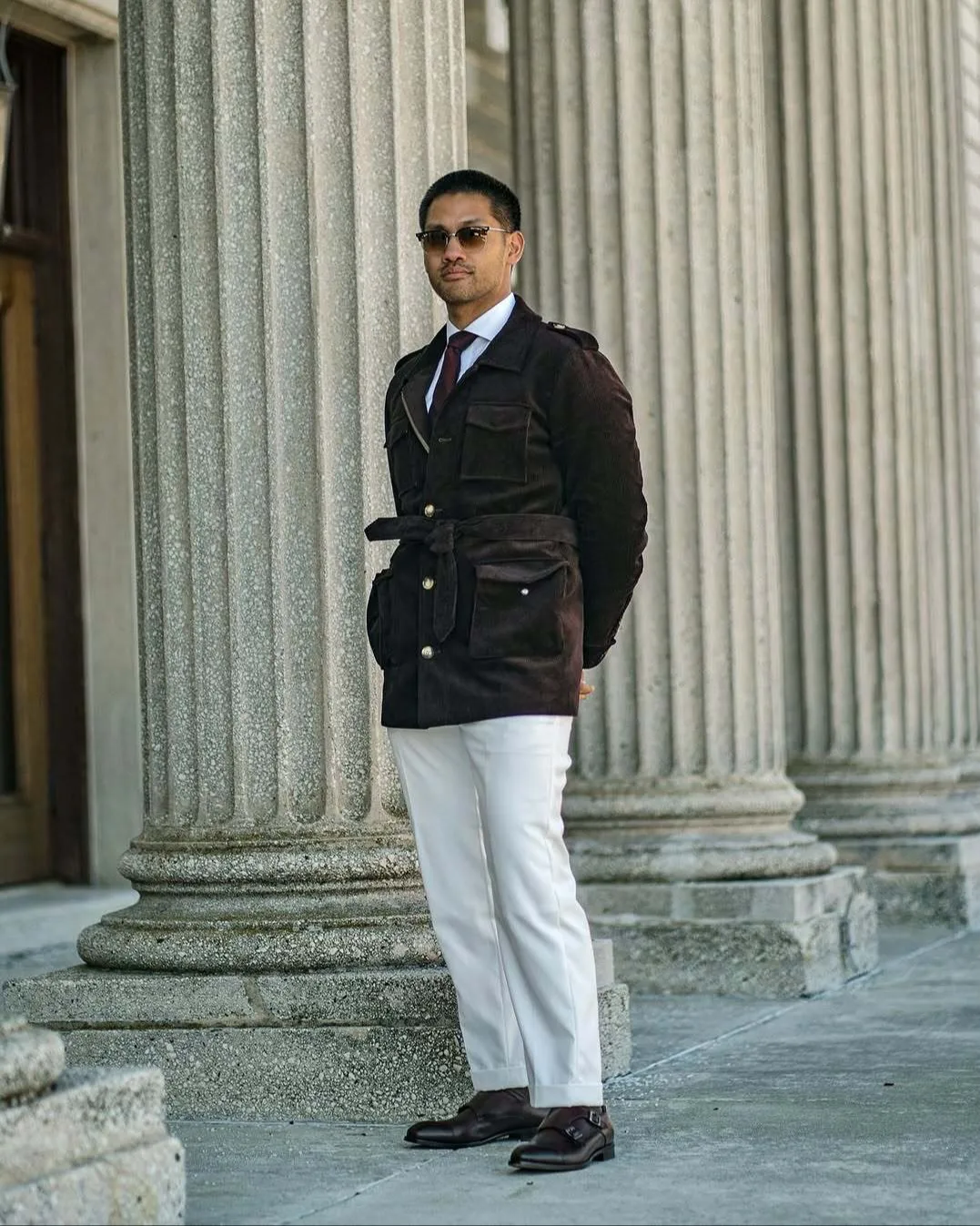
Image source: Bing (Web (fair-use with source credit))
Quick Answer
A suede belt bleeding dye onto white trousers transfers loose leather pigment. Do not wash the trousers in warm water. Do not throw them into a clothes dryer.
Heat sets leather dye permanently. Check your trouser fabric care label first. Flush washable fabrics from behind using rubbing alcohol.
Blot the stain with clean paper towels. Wash in cold water with heavy detergent.
Why Suede Bleeds on White Trousers (The Science of Crocking)
Textile specialists call this phenomenon crocking. Crocking occurs when color rubs off fabric or leather onto another surface through physical contact. Suede is uniquely vulnerable to this issue because of how tanners process the hide.
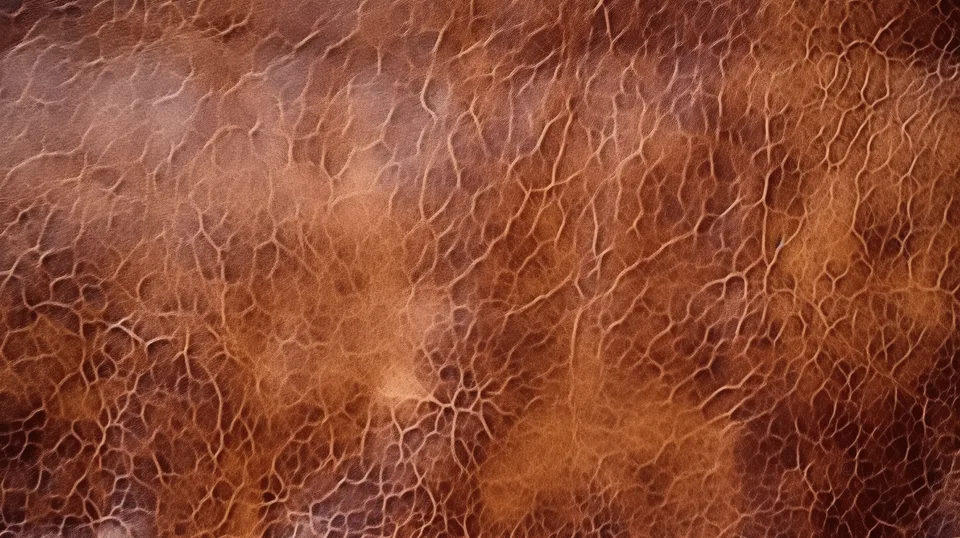
Image source: Bing (Web (fair-use with source credit))
The Difference Between Dry Crocking and Wet Crocking
Dry crocking happens purely through mechanical abrasion. As you walk, sit, and move, the waistband rubs against the belt, scraping loose microscopic dye dust directly into your trouser fibers.
Wet crocking is far more aggressive and damaging. Body heat creates localized sweat around your waistline. That slight moisture dissolves excess acid dyes lingering on the leather, drawing the color straight into the white cloth like ink through blotting paper.
Why Suede Belts Are More Prone to Transfer Than Smooth Leather
Full-grain smooth leather has an outer epidermal barrier that accepts topcoats, polyurethanes, and waxes. Suede does not have this barrier.
Suede comes from split hide, exposing an open, fibrous matrix known as the nap. This velvety texture creates enormous surface area. Tanners saturate suede with liquid dyes, but without an impermeable clear coat, those pigments sit exposed on millions of microscopic fibers.
Unlined suede straps, which lack a smooth backing leather, are the worst offenders.
The Immediate Damage-Control Protocol: What to Do in the First 10 Minutes
The first ten minutes determine whether the stain comes out completely or becomes a permanent fixture. How you react right now matters far more than what miracle cleaner you use later.
Check the Trouser Fiber Content Before Applying Anything
Pull out the inner care tag on the hip seam. You need to know the exact fiber composition before applying any liquid.
- Plant fibers (Cotton, Linen): Extremely durable and cellulose-based. They can tolerate organic solvents, rubbing alcohol, and heavy surfactant agitation.
- Protein fibers (Wool, Silk): Delicate and acidic by nature. They bond instantly with leather acid dyes, meaning heavy scrubbing or alcohol can strip the fiber's natural oils.
- Synthetic blends (Polyester, Viscose): Hydrophobic fibers that hold dye on the exterior. They require cold-water lifts to prevent mechanical melting.
The Golden Rule: Never Rub, Never Heat
Take your trousers off immediately. Do not attempt to scrub the waistline with a wet napkin or hand soap while wearing them.
Rubbing pushes surface dye particles deep into the core of the yarn, locking them into the twist of the thread. Applying hot water or setting the garment near a heat source triggers a thermal reaction that cures leather tannins permanently. Keep the fabric dry, cool, and flat until you begin targeted extraction.
| Trouser Material | Initial Risk Level | Safe Primary Solvent | Technique |
|---|---|---|---|
| Cotton Chino | Low | 70% Isopropyl Alcohol | Backside flush |
| Pure Linen | Moderate | 70% Isopropyl Alcohol | Gentle dabbing |
| Tropical Wool | High | Specialized Dry Spotter | Professional clean |
| Poly-Blend | Low | Heavy-Duty Liquid Detergent | Surface emulsification |
Trouser Salvage Decision Tree: Step-by-Step Removal by Fabric Type
Different fibers require completely different extraction chemistry. Follow the specific branch that matches your trouser care tag.
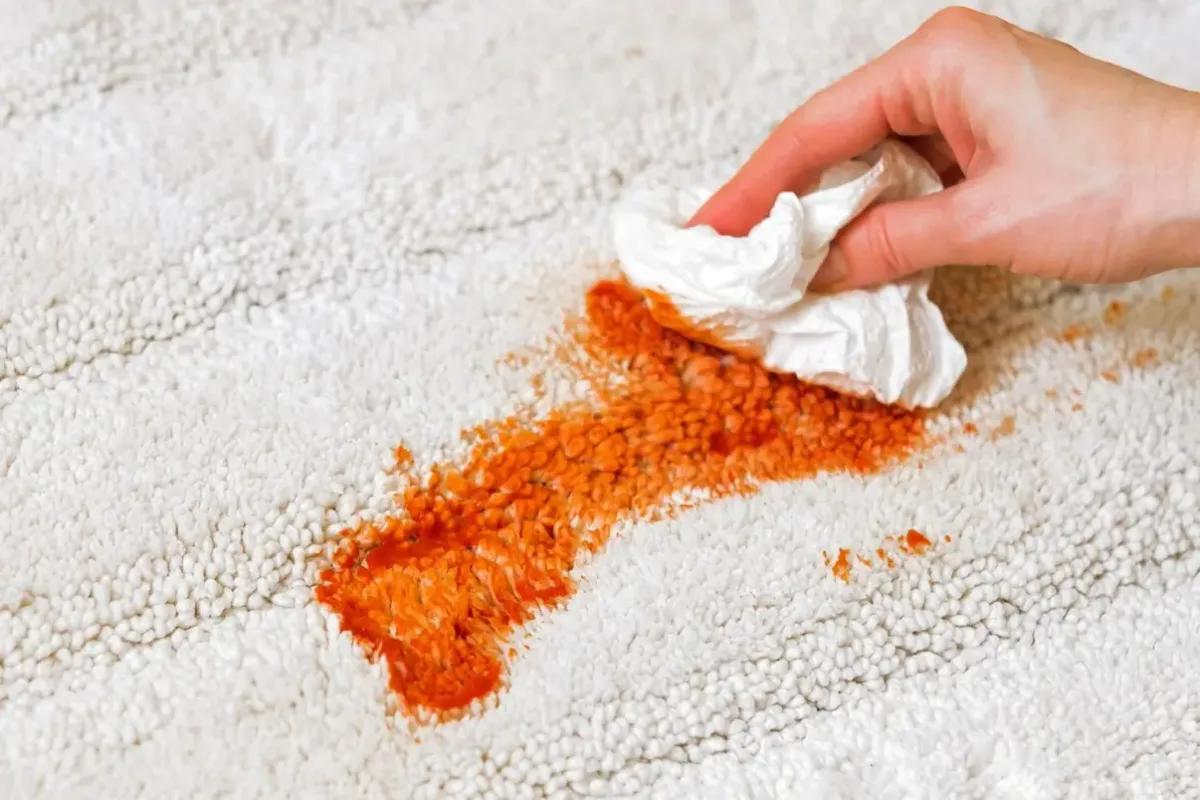
Image source: Bing (Web (fair-use with source credit))
Branch A: Washable White Cotton and Denim
Cotton can handle aggressive solvent extraction. Your goal is to flush the dye particles out the way they came in, rather than pushing them through to the other side.
- Lay a clean, dry white paper towel or old cotton rag on a flat table.
- Turn the trousers inside out and lay the stained waistband directly over the paper towel.
- Wet a clean cloth with 70 percent isopropyl alcohol.
- Press firmly down onto the back of the stain. This backside-flushing technique forces the leather pigment out of the cotton face and straight into the paper towel underneath.
- Move the paper towel to a fresh, white spot frequently to avoid reapplying lifted dye.
- Once the transfer stops, dab a drop of heavy-duty liquid laundry detergent directly onto the remaining mark.
- Wash the trousers in cold water on a regular cycle. Let them air-dry completely before checking your results under natural daylight.
Branch B: Pure White Linen
Linen fibers are brittle when wet and can form visible halos if you over-saturate a single spot.
- Support the back of the waistband with a thick stack of white paper towels.
- Dampen a cotton swab with isopropyl alcohol, avoiding complete saturation.
- Dab the stain from the edges inward to prevent the ring from spreading outward.
- If a faint shadow remains, submerge the entire garment in a bucket of cold water mixed with oxygen-based powder bleach.
- Allow the trousers to soak for four to six hours. Oxygen bleach safely breaks down dye molecules without degrading delicate linen cellulose.
- Rinse thoroughly in cold water and hang dry in the shade.
Branch C: Tailored Wool, Silk Blends, and Dry-Clean-Only Trousers
Wool trousers will felt or shrink if you treat them with excessive water or friction. Furthermore, leather tannins bond to wool protein fibers almost instantaneously.
If your trousers are labeled dry-clean only, stop immediately. Do not apply water, club soda, or household spot cleaners.
Take the trousers to a certified professional dry cleaner within 24 to 48 hours. Point directly to the waistband mark and tell the intake staff: "This is an unsealed suede dye transfer, likely an acid leather dye." Professional spotters use non-aqueous, perchlorethylene-based dry-side agents that dissolve leather binders without damaging fine wool weaves.
Fixing the Culprit: How to Seal the Suede Belt and Stop Future Bleed
Getting your trousers clean is only half the battle. If you put that same suede belt back on, you will face the exact same problem tomorrow. You must stabilize the leather nap.
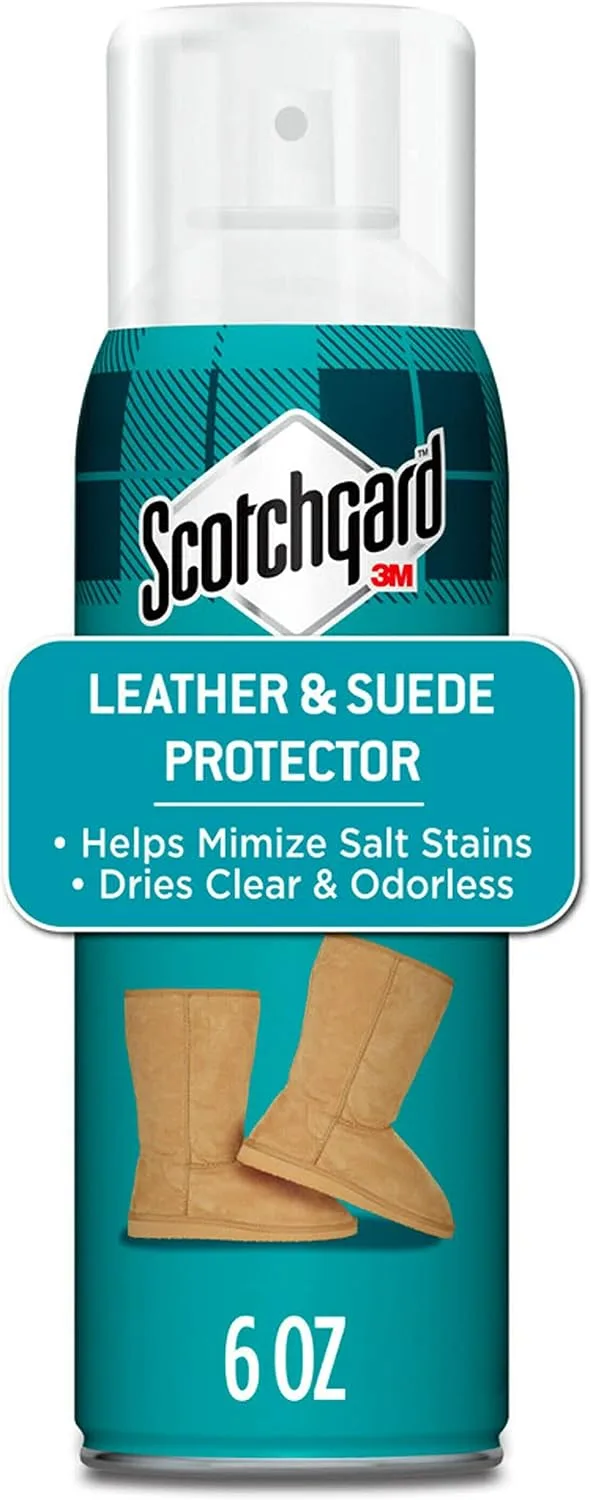
Image source: Bing (Web (fair-use with source credit))
Mechanical Buffing: Stripping Loose Surface Pigment
Much of the bleeding comes from loose, dry pigment dust left over from the tanning drum. You can mechanically pull this off before it touches your clothes.
Take a stiff, dry microfiber cloth and vigorously buff the back of the belt. Rub until the cloth stops picking up color. Next, use a specialized rubber suede eraser across the inner surface.
The eraser grabs dry, microscopic dye particles suspended in the nap, pulling them out cleanly.
Choosing and Applying the Right Suede Sealant
After buffing, you need to lock down the remaining color. Suede requires breathable, hydrophobic sealants that will not alter the texture of the nap.
- Choose a premium fluoropolymer suede protector spray. Modern formulas as of 2026 provide excellent oleophobic and hydrophobic protection without darkening the leather.
- Step outside to an open, well-ventilated area.
- Hold the spray can roughly eight inches away from the belt.
- Apply two light, uniform coats specifically targeting the inside surface that rests against your clothing.
- Allow the first coat to dry for 30 minutes before applying the second. Let the belt cure fully for 24 hours before wearing it.
When to Line the Reverse Side
Some inexpensive, unlined split-suede belts are saturated with cheap direct dyes that simply never stop crocking. If a thorough buffing and two coats of fluoropolymer sealant fail to pass the rub test, the dye is chemically unstable.
Take the belt to a local cobbler and ask them to stitch a smooth, vegetable-tanned leather lining onto the back. A glued-and-stitched leather backing completely seals the suede away from your trousers. This gives you the rich look of suede on the outside while resting smooth, non-bleeding leather against your waistband.
Costly Mistakes That Permanently Lock Dye into Fabric
The wrong move can turn a reversible transfer into a permanent mark. Avoiding these critical errors protects your garment from irreparable damage.
- Using hot or warm water: Heat accelerates chemical bonding between dye molecules and textile yarns. Always keep wash cycles below 30°C (86°F) during spot treatment.
- Tumbling in a clothes dryer: Running stained trousers through a drying cycle cures leather tannins into the core of the yarn. Always line dry your trousers until you are completely sure the stain has disappeared.
- Scrubbing with bar soap or generic dish liquid: Standard hand soaps contain heavy oils and animal fats. These coat the leather pigment, creating an insoluble sludge that resists subsequent solvent removal.
- Applying chlorine bleach to wool or colored trims: Chlorine dissolves animal protein fibers and turns white wool a sickly, permanent yellow. Stick exclusively to oxygen-based bleaches on non-wool whites.
- Scrubbing horizontally across the weave: Side-to-side friction frays fabric yarns and pushes dye particles laterally into clean sections of the waistband. Always press vertically with a blotting motion.
Troubleshooting and Maintenance Guide for High-Risk Belt and Trouser Combos
Preventing dye bleed is much easier than removing it after a long day. If you regularly wear dark suede accessories with pale fabrics, establish a simple safety routine.
Before wearing any suede belt with light trousers, perform a basic Crock Meter simulation at home. Wrap a clean, damp white cotton cloth around your thumb. Rub the inner surface of the belt firmly back and forth ten times.
If any visible color transfers to the cloth, the belt is unsafe for white trousers.
High summer humidity accelerates wet crocking significantly. Perspiration lowers fabric surface tension, letting unbound leather dyes migrate into cotton and linen fibers via capillary wicking. On hot, humid afternoons, swap unlined suede belts for lined models or vegetable-tanned smooth leather.
Store your suede belts rolled loosely in a dry, ventilated closet. Tight folding cracks untreated suede fibers and breaks down previously applied sealants. Reapply a light coat of fluoropolymer waterproofer at the start of every warm-weather season to keep the leather pigments locked securely in place.
Frequently Asked Questions About Suede Dye Transfer
Can dry cleaners remove suede dye from white trousers?
Yes, dry cleaners can remove suede dye using specialized non-aqueous dry-spotting solvents. These chemical agents dissolve leather oils and acid dyes without using water. Take the trousers in quickly and tell the staff the stain came from a suede belt so they skip steam pre-treatment.
Does vinegar stop a suede belt from bleeding dye?
Vinegar does not reliably stop a suede belt from bleeding dye. While mild acetic acid sets dyes in raw wool production, soaking suede in vinegar stiffens the leather nap and can cause mottled discoloration. Use a commercial fluoropolymer suede sealant or buff with an eraser instead.
Can you use hairspray to lift leather dye from trousers?
Do not use modern hairspray to lift leather dye. Older formulas contained high concentrations of simple alcohol, but current formulations contain styling polymers and silicones. These sticky ingredients trap the loose pigment directly inside the fabric weave, creating a much tougher stain to lift.
Is rubbing alcohol safe on white linen trousers?
Rubbing alcohol is safe on pure white linen trousers when used for gentle dabbing. Isopropyl alcohol dissolves dye binders quickly and evaporates without leaving water marks. Always spot-test the solvent on an inside seam first, and never scrub the delicate, brittle linen threads aggressively.

Similar Posts