Jubilee vs Oyster Bracelet: Which One Pulls More Hair?
Founder & Fashion Creative Director at Julia Fashionista · CFDA Fashion Scholar, Certified Image Consultant (AICI) · 12+ years in editorial wardrobe styling, sustainable textile sourcing, and luxury capsule curation
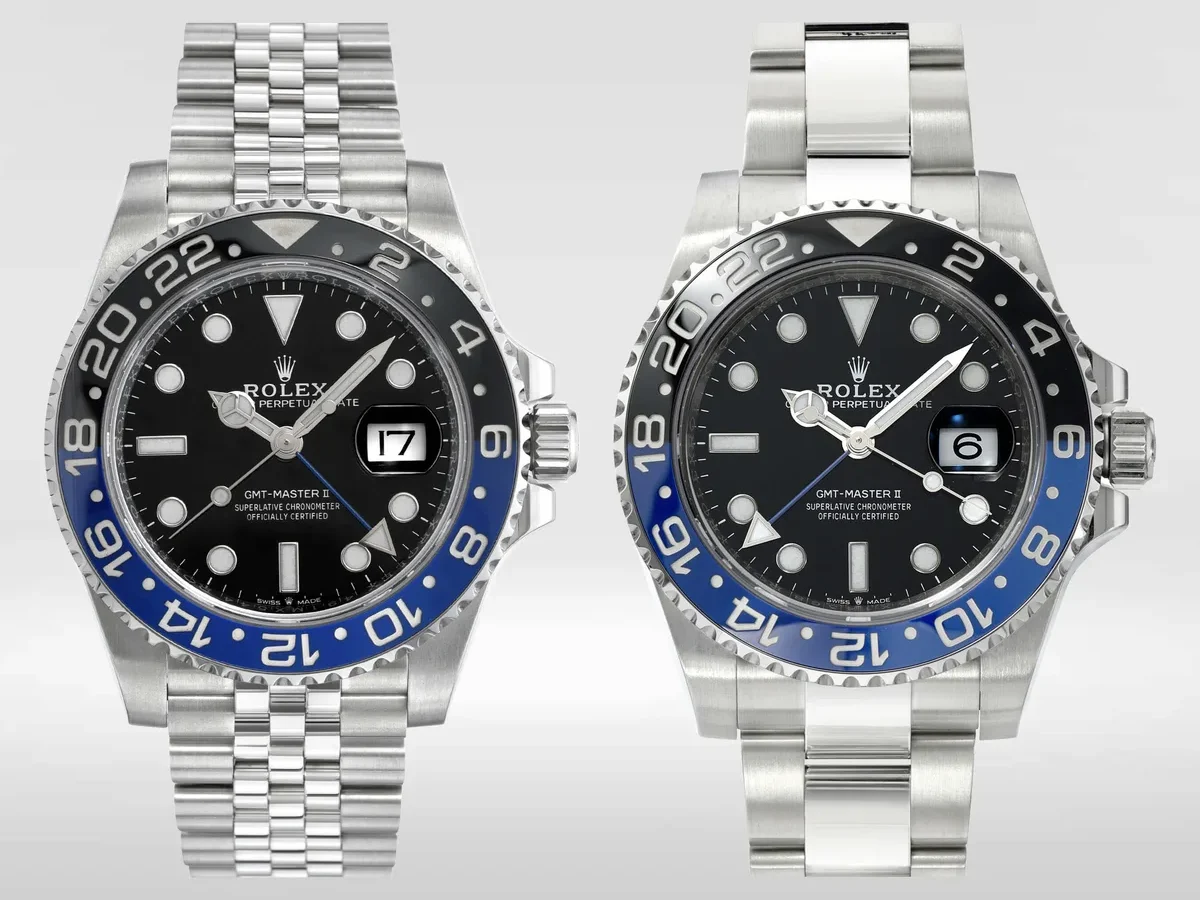
Wrist comfort often comes down to a battle against pinching. When comparing the jubilee bracelet vs oyster bracelet hair pulling debate, many wearers assume more links mean more pain.
That assumption is usually wrong. Modern machining tolerances, link articulation, and bracelet tension play a much larger role than link count alone. Looking at manufacturing developments as of 2026, modern tolerances keep link gaps below 0.05 mm, transforming how both designs interact with arm hair.
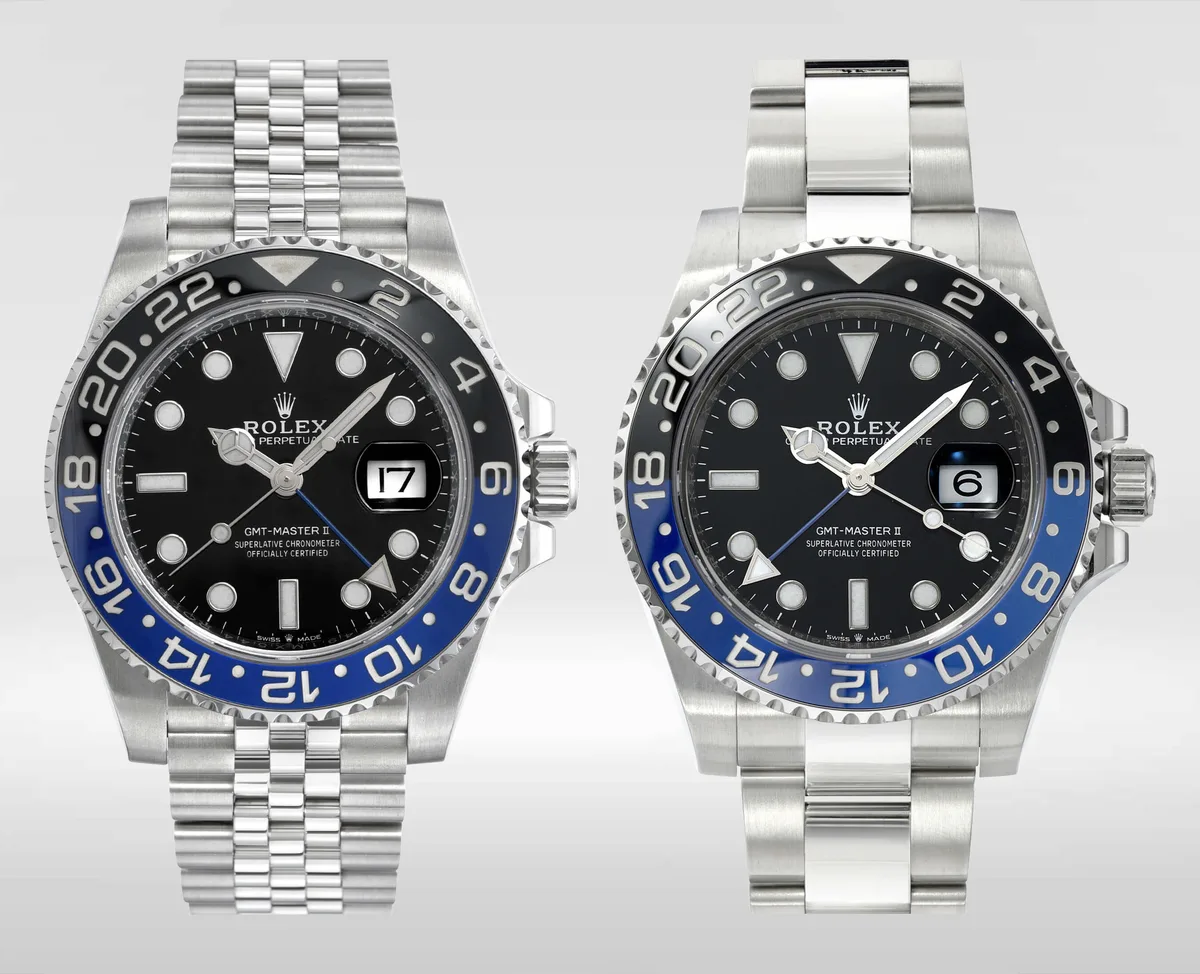
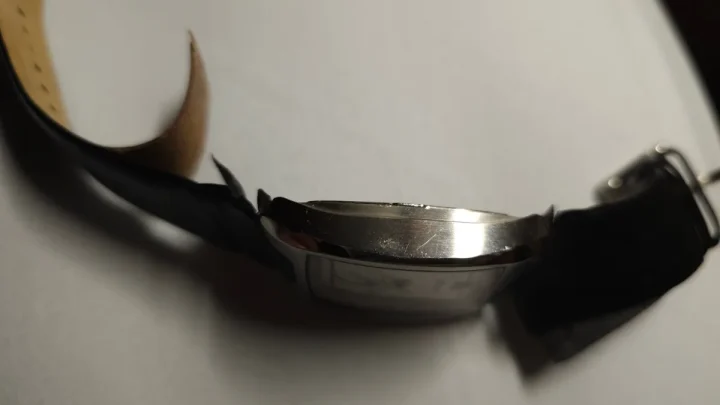
Image source: Bing (Web (fair-use with source credit))
Quick Answer
Modern solid Jubilee bracelets pull less arm hair than modern Oyster bracelets. The Jubilee drapes fluidly without sliding. Modern Oyster bracelets have fewer gaps, but slide more on the skin.
Vintage hollow versions of either design will pull hair aggressively. Stretched links create pinch points regardless of the style.
The Quick Verdict: Which Bracelet Actually Bites More?
The common myth says the Jubilee bracelet is a dedicated arm-hair epilator because of its five-piece link design. In reality, modern solid-link versions tell a completely different story.
Aggregate wearer reports and metallurgical studies show that modern Jubilee bracelets actually pull less hair than Oyster bracelets for most people. The five small links create a supple, fabric-like drape. This allows the watch to contour snugly around the wrist bones.
Because it stays in place, it does not slide back and forth across your forearm.
The three-piece Oyster bracelet is rigid by design. It uses wide, flat links that do not wrap as closely around curved wrists. This rigidity encourages the watch head to shift and slide throughout the day.
That lateral sliding action creates friction, dragging link edges directly across hair follicles.
If you are buying a modern watch, the Jubilee is typically the safer choice for hairy arms. If you are browsing vintage references, the answer flips entirely.
The Mechanics of the "Scissor Effect" in Watch Bracelets
To understand why a metal watch bracelet pinches, you have to look at the mechanical clearance between articulating parts. Watch bracelets flex to wrap around the wrist, meaning the gaps between the links open and close continuously.
Hair pulling occurs through what watchmakers call the "scissor effect." When your wrist bends or rotates, outer link edges spread apart, creating an opening. Individual hairs drop into this open tolerance gap. When you straighten your wrist, the links pivot back together.
If the internal clearance closes down past the width of a human hair (typically 0.06 mm to 0.08 mm), the metal edges grip the follicle. Any subsequent movement of the watch case generates tension. The caught hair is either sheared off at the root or yanked out entirely.
The scissor effect worsens when three specific factors combine:
- Excessive gap tolerance between worn link pins and sleeves
- Torsional flex, which allows links to twist sideways instead of pivoting straight
- A loose bracelet fit that lets the entire assembly slide up and down the arm
The Oyster Bracelet: Link Architecture, Articulation, and Arm Hair Behavior
The Oyster bracelet uses a classic three-piece architecture. It features one broad center link flanked by two slightly narrower outer links. On modern references, these parts are milled from solid Oystersteel, an alloy belonging to the 904L stainless steel family.
Because each link is long and flat, the Oyster has fewer overall seam lines per inch than a multi-link design. On paper, fewer gaps should mean fewer places to trap arm hair. For many people with sparse forearm hair, this logic holds up.
The issue arises from how the Oyster articulates. The three-piece structure does not bend laterally at all. It only pivots on a single axis across the link pin.
When worn on wrists with prominent ulna bones, the Oyster tends to bridge over hollow areas of the wrist rather than settling against the skin.
This bridging creates empty space. As your arm moves, the watch slides into that space and snaps back. Hairs get caught under the outer chamfered edges of the wide links.
When the Oyster bites, it tends to grab multiple hairs at once due to the wider link span.
The Jubilee Bracelet: Fluidity, Contact Surface, and Follicle Friction
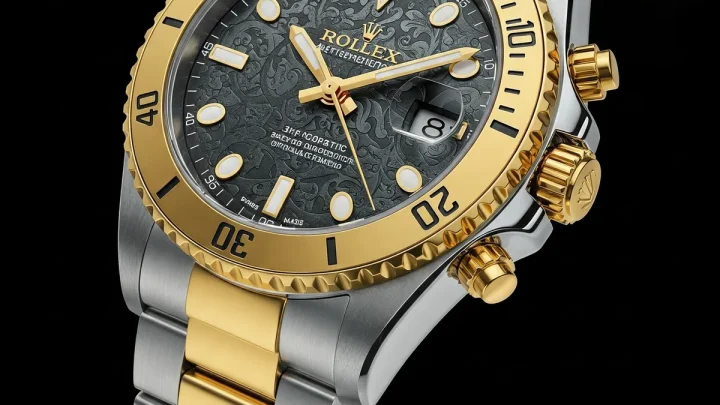
First introduced in 1945, the Jubilee bracelet features a five-piece layout consisting of three polished, semi-circular center links bordered by satin-finished outer links.
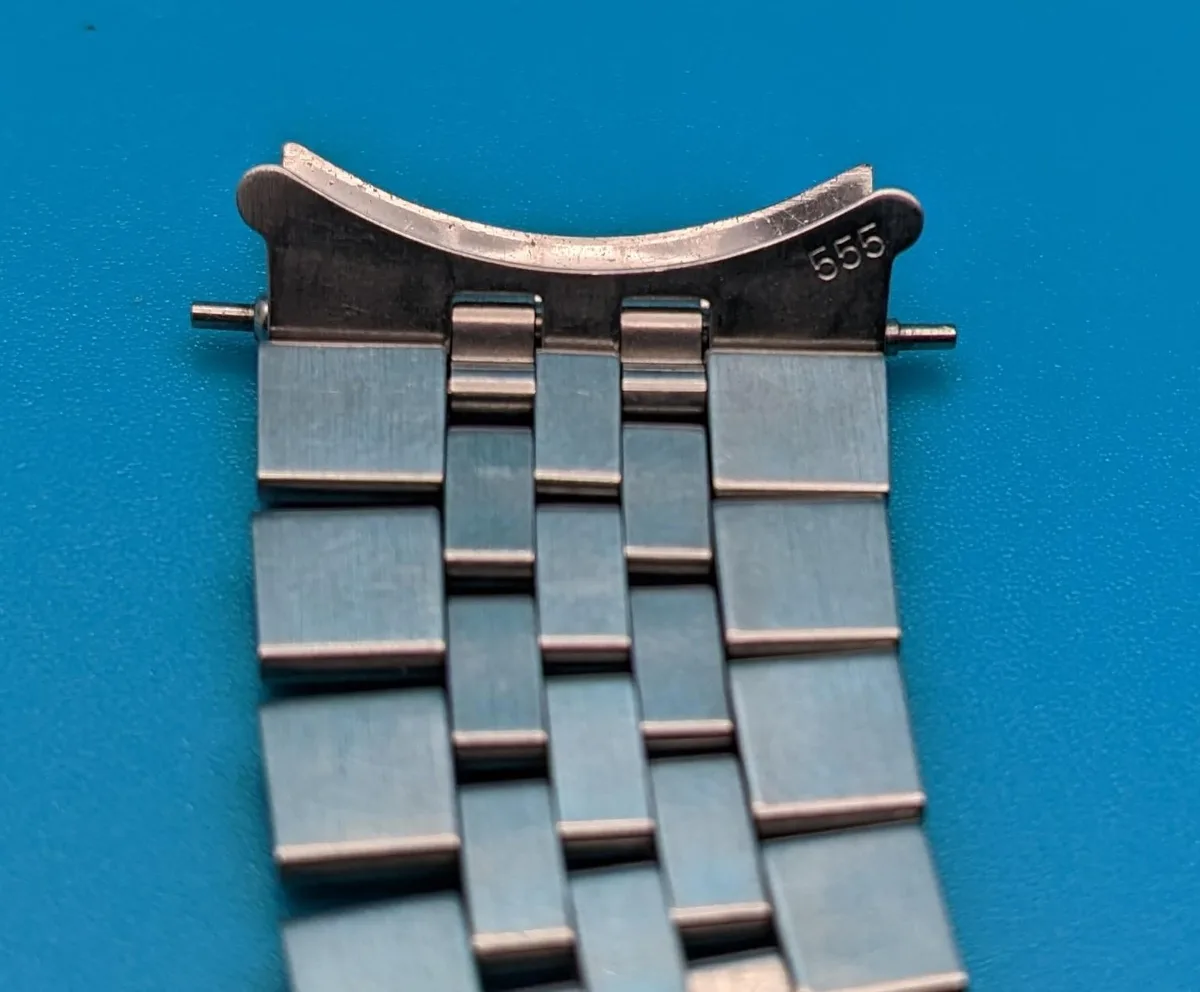
Image source: Bing (Web (fair-use with source credit))
Many buyers assume five links create four times as many pinch points across each row. However, the semi-circular profile of the small center links changes how the bracelet contacts the skin.
Instead of resting flat against the arm like a ribbon, the rounded links create micro-channels. Air flows naturally beneath the bracelet, reducing sweat buildup. Sweat often glues arm hair flat against the skin, making it easier for metal edges to snag follicles.
The Jubilee keeps hair lying in its natural direction.
Furthermore, the Jubilee offers exceptional fluid articulation. It conforms to the wrist like a snakeskin mesh. Because it distributes the weight of the watch head evenly across dozens of tiny pivot points, it eliminates the sliding motion that causes the scissor effect in the first place.
On modern references, link gaps are machined tightly enough that individual hairs cannot slip between the seams.
The Vintage Factor: Why Hollow Links and Bracelet Stretch Change the Game
Any comparison between Jubilee and Oyster bracelets falls apart if you do not account for vintage manufacturing differences.
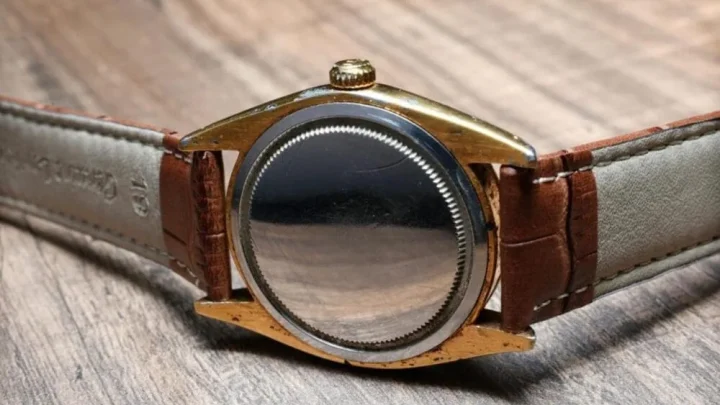
Up until the early 2000s, manufacturers used folded steel links or hollow center links (often paired with hollow end links). These hollow links were pressed and rolled into shape rather than machined from solid blocks of steel.
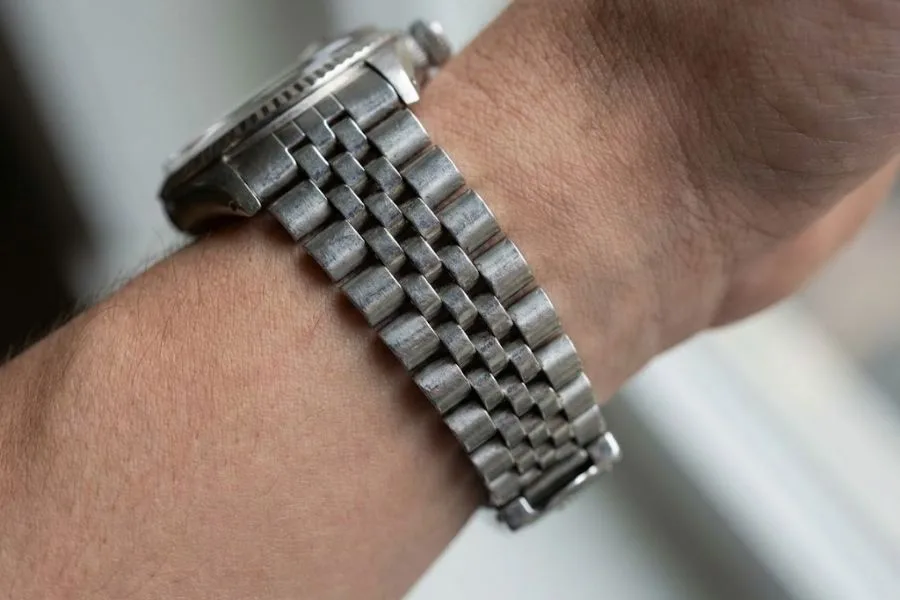
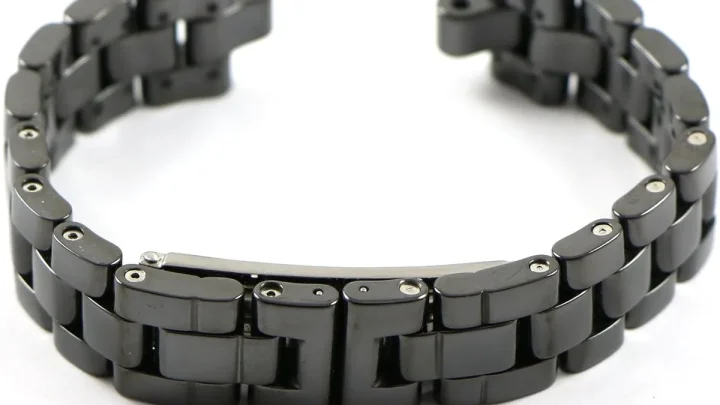
Image source: Bing (Web (fair-use with source credit))
Over decades of wear, a problem known as "bracelet stretch" develops. Dirt, dead skin cells, and sweat mix together inside the hollow cavities. This grit acts like an abrasive lapping compound, grinding away at the steel pins holding the links together.
As the pins wear down, the holes inside the links ovalize. The links pull apart from each other, creating visible sag when the watch is held sideways.
A stretched vintage Jubilee is an aggressive hair-puller. The loose links flop in every direction, opening massive gaps that snap shut like bear traps with every hand movement. A stretched vintage Oyster can be equally uncomfortable, but its heavier construction means it usually develops less torsional wobble than a worn-out vintage Jubilee.
Head-to-Head Comparison: Comfort, Hair Pulling, and Everyday Wear
Evaluating these two iconic bracelets side by side reveals distinct strengths and weaknesses. The right choice depends on your wrist anatomy, hair density, and the specific era of the bracelet you plan to wear.
| Feature / Metric | Modern Oyster (Solid Links) | Modern Jubilee (Solid Links) | Vintage Oyster / Jubilee (Hollow Links) |
|---|---|---|---|
| Link Architecture | 3-piece wide flat links | 5-piece semi-circular links | 3-piece or 5-piece folded/hollow |
| Pinch Risk (Dense Hair) | Low to Moderate | Very Low | Extremely High |
| Wrist Contouring | Rigid, bridges narrow curves | Fluid, wraps snugly | Saggy, uneven gaps |
| Skin Slide Tendency | Higher (shifts on the arm) | Lower (settles in place) | High (unstable wrist fit) |
| Clasp Systems | Glidelock or Easylink | Easylink or Crownclasp | Friction-fit stamped sheet metal |
The modern Jubilee wins the comfort battle for wearers with dense arm hair. Its small, rounded segments stay anchored to your wrist skin without sliding. That stability eliminates the motion that leads to pinched follicles.
The Oyster remains an exceptional, rugged design. It is ideal for flatter wrists where the wide links sit flush against the skin without gaping. However, if your arm hair is long and fine, the slight slip of an Oyster can occasionally catch a stray strand at the clasp hinge or outer link corners.
Practical Fixes: How to Stop Watch Bracelets from Pulling Hair
If your current bracelet is biting your wrist, you do not necessarily need to replace it. Several straightforward adjustments can eliminate pinching without compromising the watch.
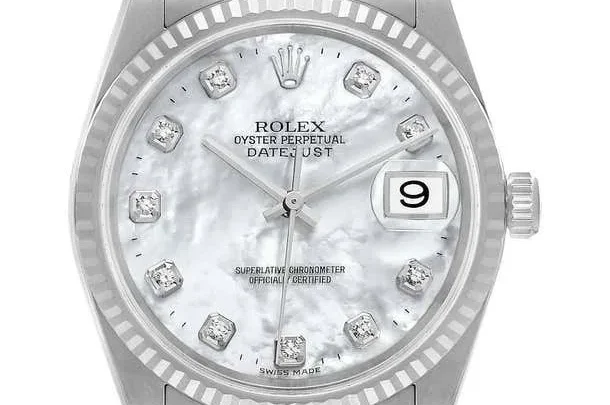
Image source: Bing (Web (fair-use with source credit))
Check the Fit and Remove Excess Slack
A loose bracelet is the leading cause of hair pulling. When a watch slides freely down toward your hand, it repeatedly shears against follicles.
Sizing the bracelet so you can fit only the tip of your index finger between the clasp and your wrist stops unwanted sliding. Using built-in tool-free micro-adjustments, like a 5 mm extension link, helps compensate for wrist swelling throughout the day.
Deep Clean the Link Articulations
Skin oils, sweat, and environmental dust accumulate between link joints. This buildup forces links to stick open rather than articulating smoothly, catching hair when the links finally snap shut.
Soak the bracelet in warm water mixed with mild dish soap. Gently scrub the link seams with a soft-bristled toothbrush to clear away trapped debris. For deep cleans, professional horological service standards from the American Watchmakers-Clockmakers Institute recommend ultrasonic cleaning tanks for detached metal bracelets.
Restore Worn Pins or Swap Straps
If you are dealing with vintage stretch, regular cleaning will not fix the problem. You have two reliable paths:
- Send the bracelet to an independent specialist to replace worn internal pins and re-sleeve loose link holes.
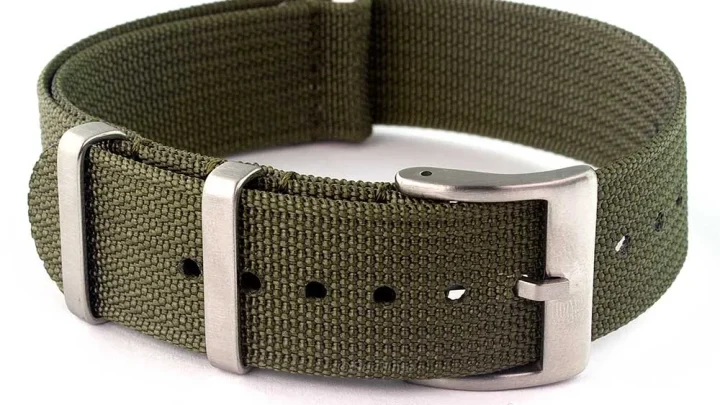
- Swap the metal bracelet for a quality fluoroelastomer rubber strap, leather strap, or woven fabric pass-through strap.
Frequently Asked Questions About Bracelet Comfort and Hair Pulling
Does a Jubilee bracelet pull more hair than an Oyster?
No, modern Jubilee bracelets generally pull less hair than Oyster bracelets. The supple five-piece links drape closely around the wrist, preventing the sliding motion that grabs arm hair. Vintage hollow Jubilees with severe stretch, however, will pinch significantly more than most Oyster bracelets.
Why do vintage watch bracelets pull so much arm hair?
Vintage bracelets use hollow or folded steel links that wear out over time. Internal friction grinds down the link pins, creating gaps between the links. As you move your wrist, these enlarged gaps flex open and snap shut, pulling hair out by the root.
Will sizing my watch bracelet tighter stop it from pulling hair?
Yes, snugging up a loose bracelet usually stops hair pulling immediately. When a bracelet fits properly, it stays anchored in one spot on your forearm. This eliminates the sliding action that pushes arm hair into the tiny gaps between articulating links.
Are modern solid-link bracelets completely hair-safe?
Yes, modern CNC-machined bracelets are virtually hair-safe. Contemporary luxury tolerances keep gaps under 0.05 mm, which is narrower than the average human hair follicle. Unless the bracelet is worn excessively loose or suffers from damage, modern solid links will not bite.
Is an Oyster or Jubilee better for hairy wrists in hot weather?
The Jubilee is better for hairy wrists in hot weather. Its rounded center links lift the bracelet slightly off the skin, improving airflow. This breathability prevents sweat from gluing hair flat against the metal, which is a common cause of pinching under flat Oyster links.

Similar Posts