Are NATO Straps Washing Machine Safe? How to Do It
Founder & Fashion Creative Director at Julia Fashionista · CFDA Fashion Scholar, Certified Image Consultant (AICI) · 12+ years in editorial wardrobe styling, sustainable textile sourcing, and luxury capsule curation
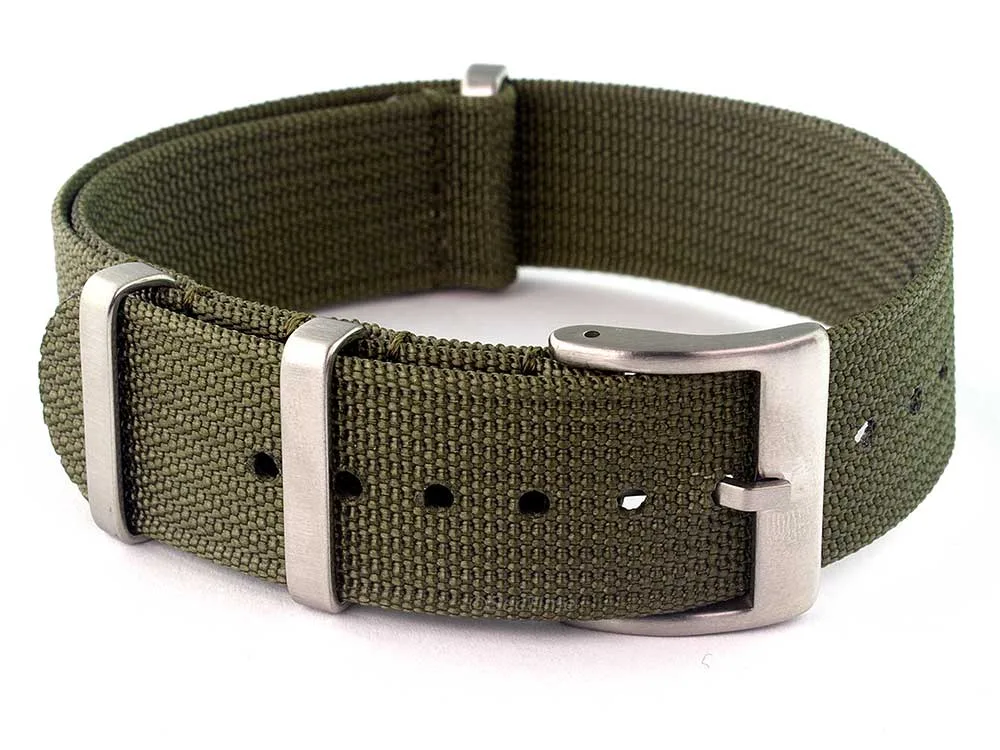
Nylon watch bands take a serious beating from daily sweat, grime, and outdoor adventures. If your strap is smelling foul or looking gray, you might wonder if a nato strap washing machine safe cycle is actually realistic.
Tossing your strap in with regular laundry sounds convenient, but the wrong washer settings will ruin its finish. The original military specifications, outlined in standards like UK MoD Def Stan 66-47, designed these bands from tough synthetic fiber. Even so, the combination of hot water, spinning drums, and exposed steel hardware requires a specific approach.
Image source: Bing (Web (fair-use with source credit))
Quick Answer
A nylon NATO strap is washing machine safe with proper protection. Always seal it inside a mesh laundry bag first. Use a gentle cycle with cold water under 30°C.
Never machine wash leather or heat-welded straps. Air dry completely, and never use a tumble dryer.
The NATO Strap Triage: What Can and Cannot Be Washed
Not every slip-through watch strap belongs in your laundry appliances. Before running a wash, you need to identify the exact materials and assembly methods used on your strap. A mistake here can delaminate layers, peel coatings, or destroy the band completely.
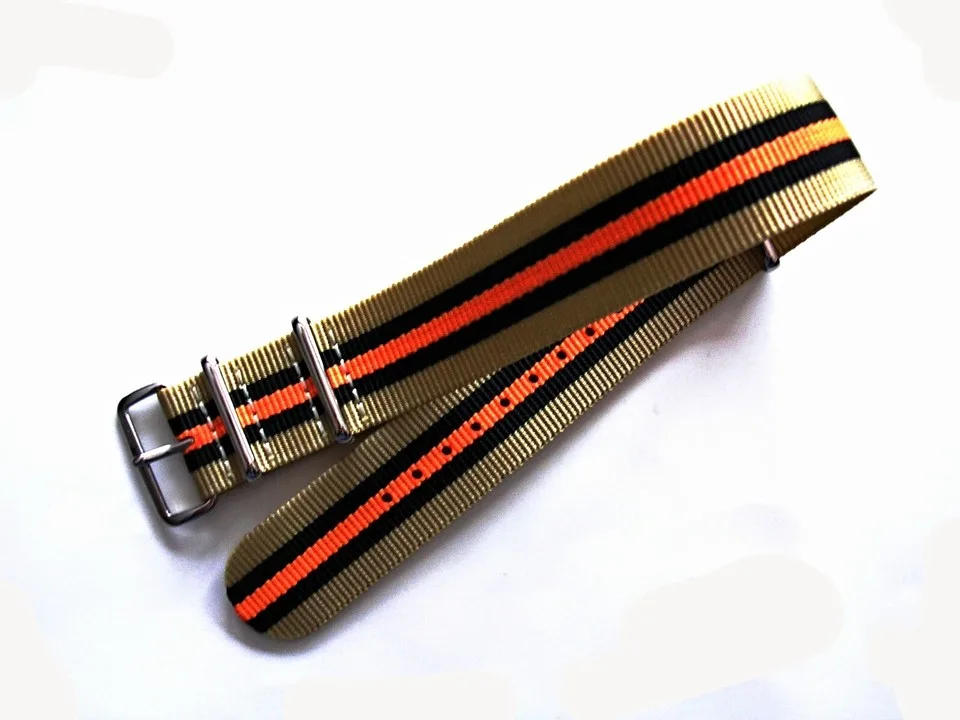
Image source: Bing (Web (fair-use with source credit))
Material Construction: Stitched vs. Heat-Welded Nylon
Check how the fabric folds around the buckle and keepers. Premium military-style straps use stitched box joints with bonded nylon thread. These stitched joints withstand mechanical washer agitation easily.
Cheaper straps use ultrasonic heat-welds instead of thread. Hot water weakens these fused plastic bonds, which causes the strap layers to separate. If your strap has heat-sealed seams without visible stitching, wash it strictly in cold water or clean it by hand.
Hardware Finishes: Brushed Steel vs. PVD and Bronze
Standard hardware on authentic straps is made of 316L stainless steel. Brushed or polished stainless steel handles a wash cycle without corrosion or discoloration.
Coated hardware requires extra caution. Black physical vapor deposition (PVD) coatings and bronze hardware chip or scratch when tossed against the washer drum. Keep coated hardware isolated inside heavy fabric layers so it never strikes hard metal surfaces.
What Never Goes in the Drum
Some straps should never enter a washing machine under any circumstance. Review this baseline checklist before laundering:
- Leather NATO straps: Water strips natural tanning oils, causing stiffness, warping, and rot.
- Elastic Marine Nationale straps: Machine spin cycles overstretch internal elastane webbing.
- Loose spring bars: Never leave watch pins inside strap folds. They will rust or damage your washer pump.
- Perlon braided straps: Loose synthetic weaves snag easily on other fabrics or drum perforations.
| Strap Material / Type | Machine Safe? | Preferred Cleaning Method | Key Vulnerability |
|---|---|---|---|
| Heavy Stitched Nylon | Yes (in mesh bag) | Cold Gentle Machine Cycle | Drum impact damage |
| Heat-Welded Nylon | Conditional (Cold only) | Hand Wash with Dish Soap | Seam delamination |
| Seatbelt Weave Nylon | Yes (in mesh bag) | Cold Gentle Machine Cycle | Surface snagging |
| Leather NATO | Strictly No | Leather Cleaner and Balm | Water rot, shrinking |
| Elastic Parachute Webbing | No | Lukewarm Hand Soak | Loss of elasticity |
Step-by-Step Machine Washing Workflow
Cleaning woven watch bands in bulk saves time, especially as of 2026 when multi-strap collections are standard for watch owners. Following a controlled workflow ensures clean nylon without scratched machine parts.
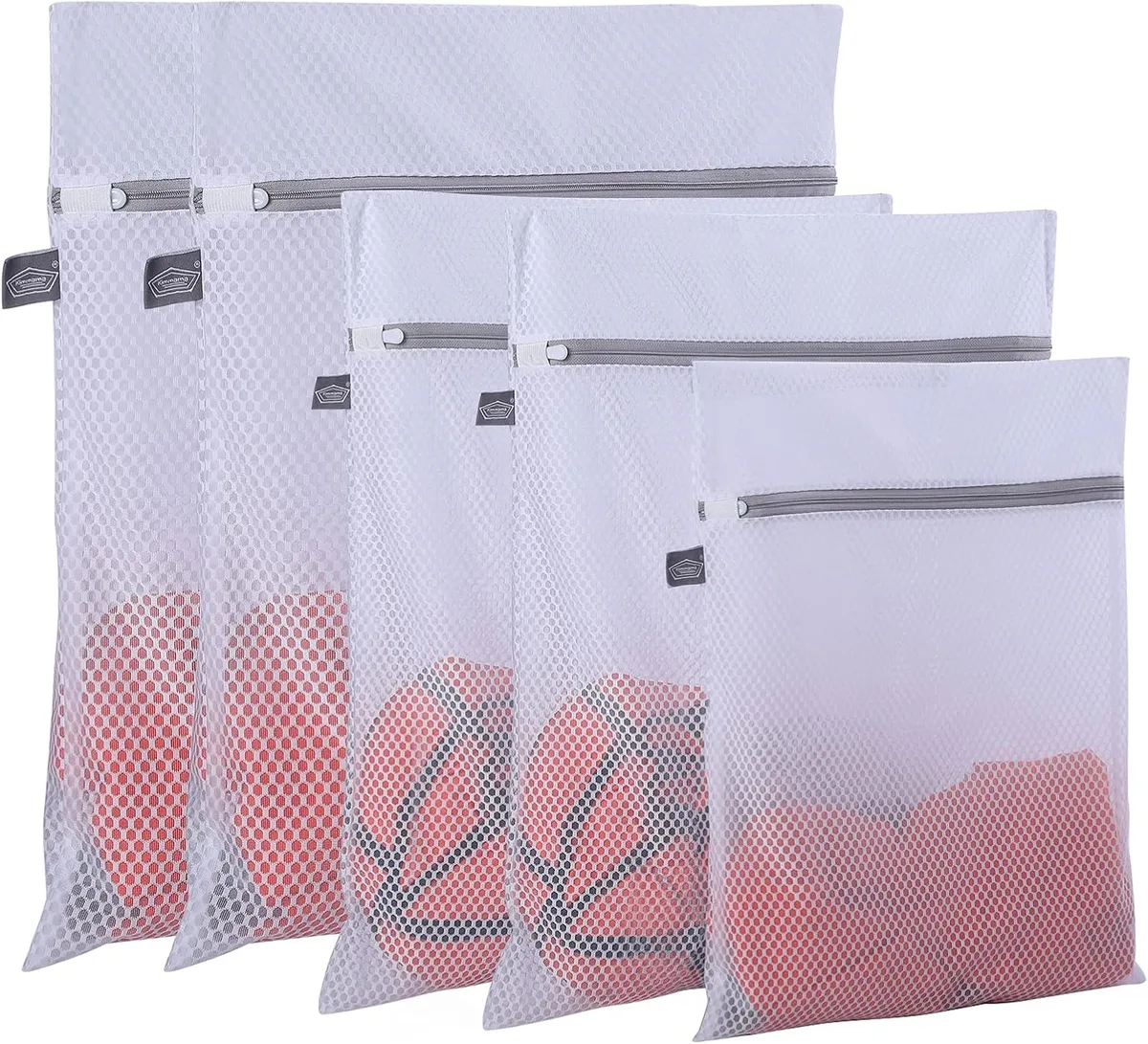
Image source: Bing (Web (fair-use with source credit))
Pre-Wash Preparation and Drum Protection
Start by inspecting the strap for heavy grease or embedded trail dirt. If you spot heavy grime along the wrist-contact zone, pre-scrub it using a soft-bristle toothbrush with a drop of clear dish soap. This lifts body sebum before the main wash cycle starts.
Never throw a strap into the washer drum loose. Steel buckles will bang against your appliance walls, potentially denting the drum or cracking plastic agitators. Put your bands into a zippered mesh delicates bag.
If you do not have a mesh pouch, drop the straps into a thick cotton tube sock and tie a tight knot at the opening.
Cycle Parameters: Temperature, Speed, and Detergent Choice
Dial in your machine settings carefully. High heat weakens synthetic fibers and melts heat-sealed edges. Synthetic fabric guidelines published by NIST highlight that synthetic polymers lose structural tensile strength under sustained thermal stress.
- Water Temperature: Cold wash only (maximum 30°C or 86°F).
- Cycle Type: Delicate, hand-wash, or gentle cycle.
- Spin Speed: Low spin (400 to 600 RPM) to minimize centrifugal force on the metal buckles.
- Detergent: Mild liquid laundry detergent or activewear wash.
- Banned Additives: Never use fabric softeners or chlorine bleach. Softeners leave a waxy film on nylon weave that traps sweat odors later.
The Strict Air-Dry Protocol
Remove the straps immediately once the cycle finishes. Reshape the damp nylon with your fingers, smoothing out any twist along the strap tail.
Lay the strap flat on an absorbent towel away from direct sunlight and artificial heaters. Never put a NATO strap in a clothes dryer. Dryer heat easily shrinks nylon, curls edge cauterizations, and weakens the thread.
Standard drying time takes two to four hours at normal indoor room temperature.
Machine Wash vs. Hand Wash vs. Ultrasonic Cleaning
Machine laundering is practical for running batches of everyday nylon straps, but it is not the only way to clean them. Depending on your collection and strap value, alternative techniques offer distinct pros and cons.
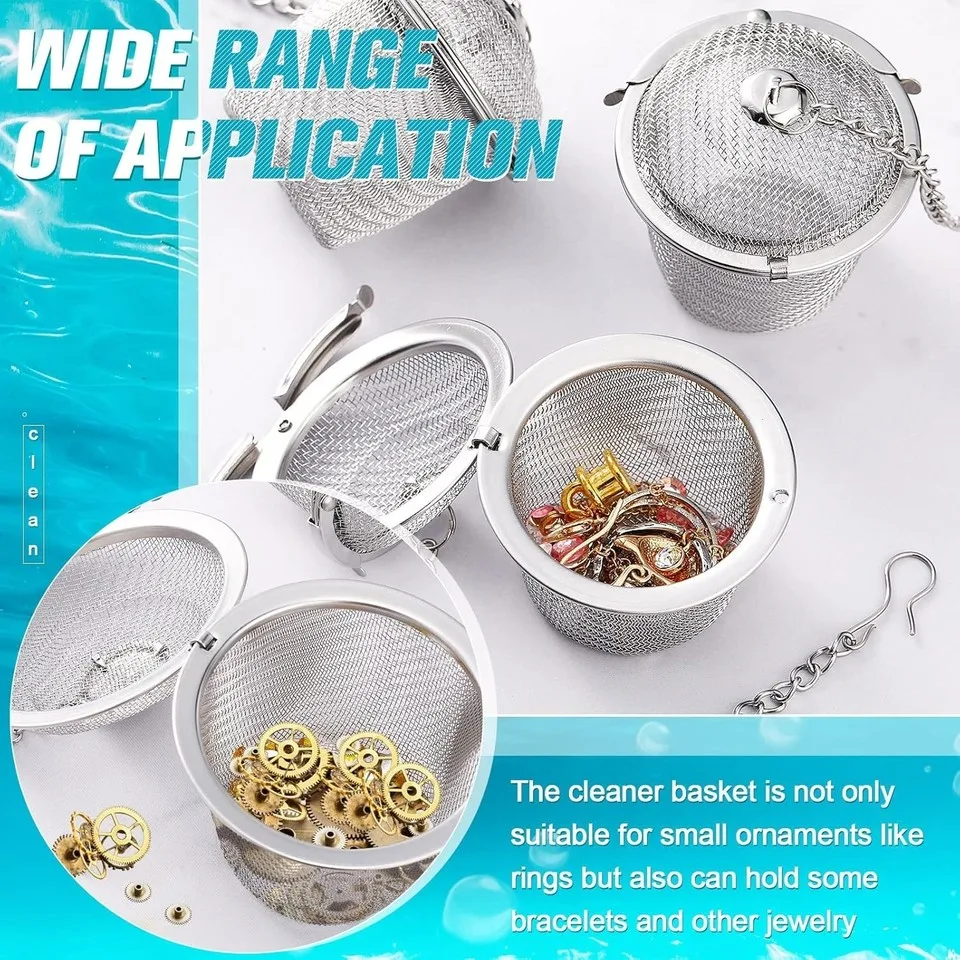
Image source: Bing (Web (fair-use with source credit))
Hand washing in a sink gives you maximum control. Fill a small bowl with warm water and a few drops of dish soap or mild wool detergent. Submerge the strap, let it soak for fifteen minutes, and scrub the weave with an old toothbrush.
Hand washing protects delicate PVD coatings, though it takes more manual effort and does not rinse deep sebum as efficiently as a washer.
Ultrasonic cleaning tanks work wonders on metal hardware, but they show mixed results on woven nylon. Sound waves easily blast grime out from tight hardware crevices and buckle pin holes. However, loose nylon weaves tend to absorb sound cavitation energy rather than transfer it, making ultrasonic tanks less effective at lifting ground-in mud than a direct scrub.
Use an ultrasonic bath primarily when you want to strip stubborn oxidation off the steel keepers without scrubbing the strap fabric.
Mistakes That Ruin Straps and Scratch Washing Machines
A few small oversights can ruin an expensive strap or damage your laundry drum. The most common error is washing straps loose alongside regular clothing. Loose steel buckles can catch on delicate knits, shredding shirts while scratching the inner tub of your washer.
Always use a dedicated wash bag.
Another frequent misstep is leaving spring bars inside the strap folds. Spring bars are made of thin metal containing miniature internal springs. High-spin rinse water forces grit into the spring barrels, causing them to jam or corrode from the inside out.
Always pull every spring bar before washing.
Using chlorine bleach is equally destructive. Bleach breaks down synthetic polymer chains in nylon, leaving the weave brittle and discolored. Stick to mild liquid laundry detergent.
Avoid powder detergents too, as undissolved granules can lodge between tightly woven ribs and chafe your wrist.
Pro Maintenance Tips for Long-Lasting Nylon
Routine care keeps nylon straps fresh without running full wash cycles every week. If you wear your watch in chlorinated pools or ocean surf, rinse the strap under cool tap water right away. Salt crystals dry inside the weave, acting like micro-blades that abrade the fabric as you move.
To prevent strap odor from dead skin cells, rotate between two or three bands throughout the week. Giving a strap twenty-four hours to dry completely prevents bacterial colonization. If you notice minor fraying along the sizing holes, carefully sweep the blue flame of a lighter near the edge for one second.
The heat will cauterize loose fibers instantly without scorching the band.
Frequently Asked Questions About Cleaning NATO Straps
Will a washing machine rust my NATO strap hardware?
No, genuine military-style straps use marine-grade 316L stainless steel hardware. This alloy resists rust and detergent exposure. However, cheap counterfeit bands with chrome-plated base metals can rust over time if not dried thoroughly after washing.
Can I put a NATO strap in the tumble dryer?
No, never place a nylon strap in a tumble dryer. Tumble dryer heat easily exceeds the threshold where synthetic nylon warps or shrinks. High heat also curls heat-sealed strap edges, permanently ruining the clean profile of the fabric.
How often should you clean a NATO strap?
Wash your nylon strap every four to six weeks for normal daily wear. If you exercise with it daily or wear it in hot, humid weather, rinse it weekly and deep clean it every two weeks to prevent odor and dirt buildup.
Does washing fade the color of a nylon strap?
Cold water and mild liquid detergent will not fade quality nylon webbing. Fading happens when straps are exposed to bleach, harsh enzyme detergents, hot wash cycles, or dried in direct scorching sunlight for extended periods.
The Final Verdict: Safe Laundering Decision Guide
Laundering your nylon watch bands in the washing machine is both safe and efficient when done correctly. If your strap features stitched 316L stainless hardware, seal it in a mesh pouch and run it on a cold, gentle cycle.
If your strap relies on heat-welded seams, black PVD coatings, or leather details, skip the appliance entirely. A ten-minute sink soak with mild dish soap will clean the strap safely without risking heat damage or drum friction. Match your cleaning method to the construction of your strap, air dry on a flat towel, and your nylon bands will stay comfortable and odor-free for years.
Deep Odor Removal: Dealing with Stubborn Sweat and Mildew
Sometimes a gentle wash cycle does not fully remove sour mildew odors. Synthetic fibers trap body oils deep within the yarn structure. If your strap still smells stale after a machine run, targeted chemical pre-treatment will break down those stubborn lipids without compromising tensile strength.
An oxygen bleach soak is the most effective solution for stubborn funk. Submerge the nylon strap in a shallow bowl of lukewarm water mixed with one teaspoon of sodium percarbonate powder. Let the strap soak for thirty to forty-five minutes.
Oxygen-based bleaches break down organic proteins and bacteria, whereas chlorine bleach destroys nylon polymers.
Distilled white vinegar provides an alternative rinse aid for mineral and sweat buildup. Soak the strap in a 1-to-4 mixture of white vinegar and cool water for twenty minutes before washing. The mild acetic acid dissolves dried sweat salts that lock odors into synthetic threads.
Always rinse the strap thoroughly in fresh water before air-drying to clear any lingering vinegar aroma.
Hardware Care: Maintaining 316L Steel and Coated Buckles
Metal hardware requires maintenance alongside the nylon webbing. Water, friction, and detergent residues can dull polished steel surfaces over time. Inspecting your keepers and buckles after laundering prevents long-term finish degradation.
Brushed and bead-blasted 316L stainless steel hardware benefits from an occasional wipe with an isopropyl alcohol swab. This clears detergent films that cause blotchy discoloration. If fine hairline scratches appear on brushed buckles from normal wear, a light rub with a fine synthetic abrasive pad along the grain restores the original matte appearance.
Coated hardware demands a non-abrasive approach. Never use metal polishes or scrub pads on black physical vapor deposition (PVD) surfaces, as abrasives strip the micrometer-thin carbon coating right off the steel core. If dirt lodges inside the tongue cut-out or spring pin recess, clear the obstruction using a soft wooden toothpick rather than metal tools.
Storage and Rotation: Keeping Straps Fresh Between Washes
How you store clean nylon bands directly impacts how long they stay odor-free. Never stuff damp or freshly washed straps into an airtight plastic container or dark drawer. Trapped residual moisture promotes mold growth and permanent sour smells within synthetic weaves.
Store your clean bands flat or hung by the buckle in an open, well-ventilated area. A slotted watch-strap roll made of breathable canvas works well for travel and drawer storage. Keeping straps flat also preserves the neat factory press along the fold lines, preventing curling around the wrist.
Establishing a simple rotation strategy extends the functional lifespan of your collection. Swapping between two or three nylon bands gives each strap time to dry out from daily perspiration. This simple habit keeps sweat salts from hardening between the ballistic weave fibers, making future laundry cycles faster and far more effective.

Similar Posts