Argentium vs 925 Sterling: Which Tarnishes Faster?
Founder & Fashion Creative Director at Julia Fashionista · CFDA Fashion Scholar, Certified Image Consultant (AICI) · 12+ years in editorial wardrobe styling, sustainable textile sourcing, and luxury capsule curation
When comparing argentium silver vs 925 sterling tarnish, the differences come down to chemistry and maintenance. Traditional sterling silver demands constant polishing because its copper content reacts rapidly with airborne sulfur. Argentium silver replaces part of that copper with germanium, creating an alloy that resists discoloration for far longer.
As of 2026, standard metallurgical guidelines classify both materials as authentic silver alloys, but their surface behaviors are entirely different. Per testing standards documented by organizations like The Goldsmiths' Company Assay Office, Argentium requires significantly fewer chemical cleanings over its lifespan. Understanding these chemical differences helps you protect your jewelry, hollowware, or studio metalwork.
Image source: Bing (Web (fair-use with source credit))
Quick Answer
Argentium silver resists tarnish far better than 925 sterling. Traditional sterling reacts quickly with sulfur in the air. This chemical reaction creates dark silver sulfide.
Argentium contains added germanium. The germanium forms a clear protective oxide layer. This barrier blocks sulfur from reaching the metal surface.
You clean Argentium much less often than standard sterling.
The Real Problem: Why Traditional Sterling Silver Tarnishes So Fast
Traditional sterling silver is a simple metal alloy. It contains 92.5 percent pure silver and 7.5 percent base metal, which is almost always copper. Pure silver itself does not react easily with oxygen or water at normal room temperatures.
The copper content gives the alloy strength, but it also creates severe vulnerability to ambient chemicals.
The real culprit behind black tarnish is atmospheric sulfur. When copper and silver contact airborne hydrogen sulfide, a chemical reaction occurs. This reaction deposits a thin layer of silver sulfide on the surface of your metal.
The process begins as a faint yellow tint, darkens to brown, and eventually turns into a dense, chalky black coat.
Humidity, ambient heat, and pollution speed up this corrosion process significantly. Storing traditional sterling in a bathroom or near open windows accelerates the reaction. Even handling the metal with bare hands transfers skin oils, salts, and acids that eat into the shine.
Regular sterling silver requires frequent friction polishing, which wears away crisp metal details over the years.
Metallurgy Breakdown: What Makes Argentium Fight Off Tarnish?
Argentium silver solves the tarnish issue by modifying the standard alloy formula. Developed in the 1990s by metallurgist Peter Johns at Middlesex University, Argentium replaces a portion of the copper with the metalloid germanium. Most modern commercial sheets and wires come in two purity grades: Argentium 935 and Argentium 960.
Both grades offer higher elemental silver purity than standard 925 sterling.
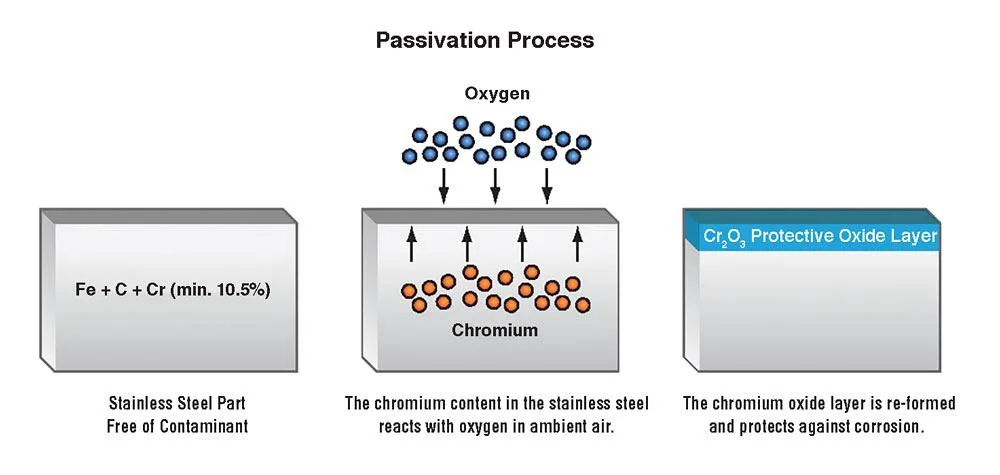
Image source: Bing (Web (fair-use with source credit))
Germanium has a much higher affinity for oxygen than copper or silver does. When exposed to normal air, the germanium atoms migrate toward the exterior of the piece. They react with ambient oxygen to form a micro-thin, transparent layer of germanium oxide.
This passivation layer acts like an invisible shield over the silver core.
This germanium oxide surface barrier is naturally self-replenishing. If you accidentally scratch or wear down the surface, exposed germanium contacts air and reforms the film. The barrier stops hydrogen sulfide gas from bonding with the silver underneath.
Because sulfur cannot touch the base metal, silver sulfide cannot form under typical domestic storage conditions.
Argentium vs. 925 Sterling: Direct Performance and Tarnish Comparison
Accelerated exposure testing reveals clear behavioral differences between these two materials. When subjected to ammonium polysulfide vapors in metallurgical test labs, standard 925 sterling blackens within minutes. Argentium 935 placed in the exact same environment retains its mirror shine significantly longer.
It often shows only a faint tint long after traditional sterling has turned pitch black.
The visual tone of the metal also differs straight off the polishing wheel. Traditional sterling possesses a warm, slightly greyish cast due to its heavy copper content. Argentium produces a brighter, cooler white color that closely resembles fine silver or rhodium plating.
| Performance Factor | Traditional 925 Sterling | Argentium Silver (935/960) |
|---|---|---|
| Silver Purity | 92.5% elemental silver | 93.5% or 96.0% elemental silver |
| Key Alloying Element | 7.5% pure copper | Germanium plus reduced copper |
| Tarnish Mechanism | Rapid silver sulfide formation | Slowed by protective germanium oxide |
| Surface Color | Warm, slight grey undertone | Bright, icy white finish |
| Salt / Sulfur Resistance | Low; discolors quickly | Very high; resists normal airborne gas |
| Annealed Hardness | Around 75 HV (Vickers) | Around 70 HV (can be heat-hardened) |
While Argentium provides exceptional protection against normal air, it is not completely invulnerable. Harsh household chemicals like chlorine bleach, swimming pool water, and concentrated saline will still pit and discolor the surface. The alloy simply prevents the passive, ambient tarnishing that ruins unworn jewelry inside standard jewelry boxes.
Working at the Bench: Firescale, Heat-Hardening, and Soldering Differences
For jewelers and metalsmiths, the benefits of Argentium extend well beyond anti-tarnish wear. Traditional sterling creates firescale, a dark purple-red stain caused by cuprous oxide forming below the surface when heated with a torch. Removing firescale requires harsh acid pickles, aggressive sanding, or toxic cyanide bombing.
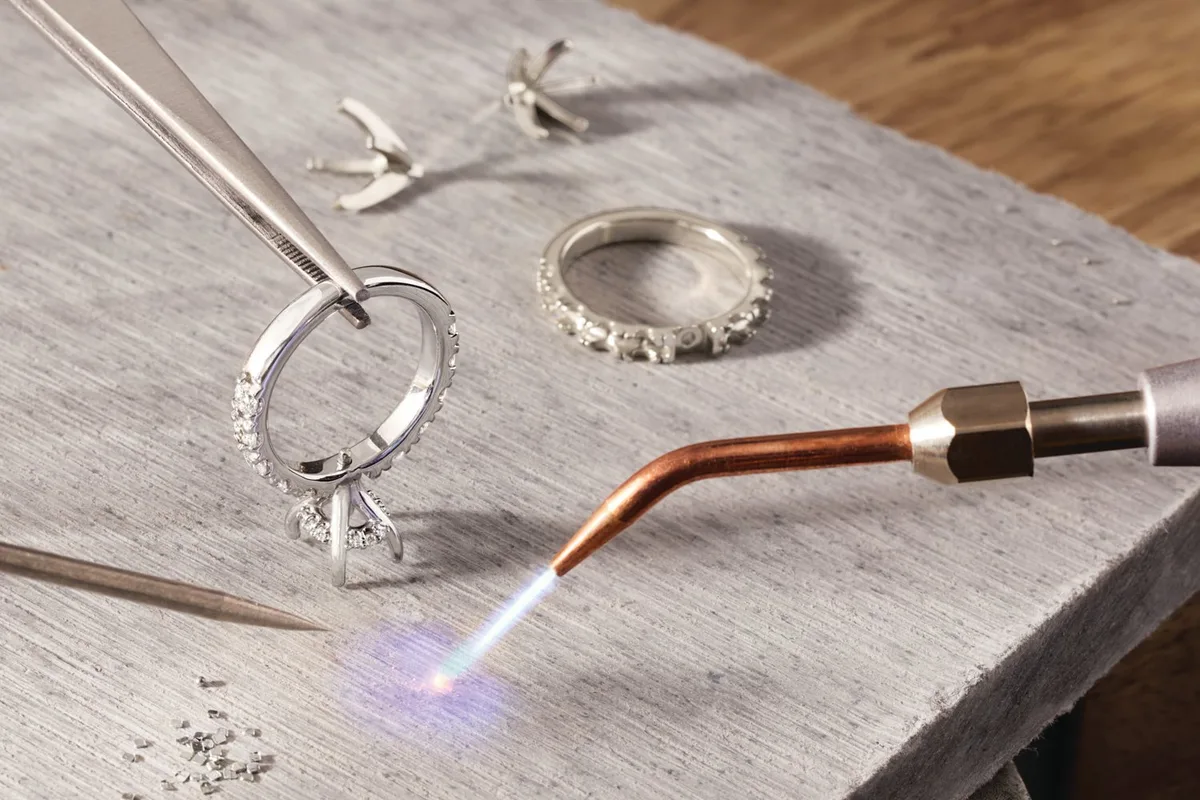
Image source: Bing (Web (fair-use with source credit))
Argentium completely eliminates firescale because the germanium captures oxygen before it reaches any internal copper. You can torch-anneal and solder pieces repeatedly without developing sub-surface firestains. This clean heating property saves hours of bench work and avoids aggressive metal loss during cleanup.
Argentium also possesses unique physical traits that require adjustments during fabrication:
- Red-Shortness: The alloy becomes brittle at red-hot temperatures. If you move, bump, or quench a glowing piece, it will crack instantly. Always let it cool until the glow disappears completely before handling.
- Thermal Conductivity: Argentium conducts heat more slowly than traditional sterling. The torch heat stays concentrated directly where you aim the flame.
- Simple Heat-Hardening: You can precipitation-harden finished pieces in an ordinary kitchen oven. Baking the metal at 572 degrees Fahrenheit (300 degrees Celsius) for 45 minutes doubles its hardness.
- Direct Fusing: The germanium oxide layer allows clean, solder-free fusing of joints, jump rings, and granules without melting the surrounding body.
Everyday Care and Maintenance: How to Clean Both Alloys Without Damaging Them
Caring for Argentium requires a completely different approach than maintaining traditional sterling. Abrasive paste polishes, dipping solutions, and harsh polishing cloths are standard tools for reviving blackened 925 sterling. However, using those aggressive methods on Argentium will actually strip away the beneficial germanium oxide film you want to keep.
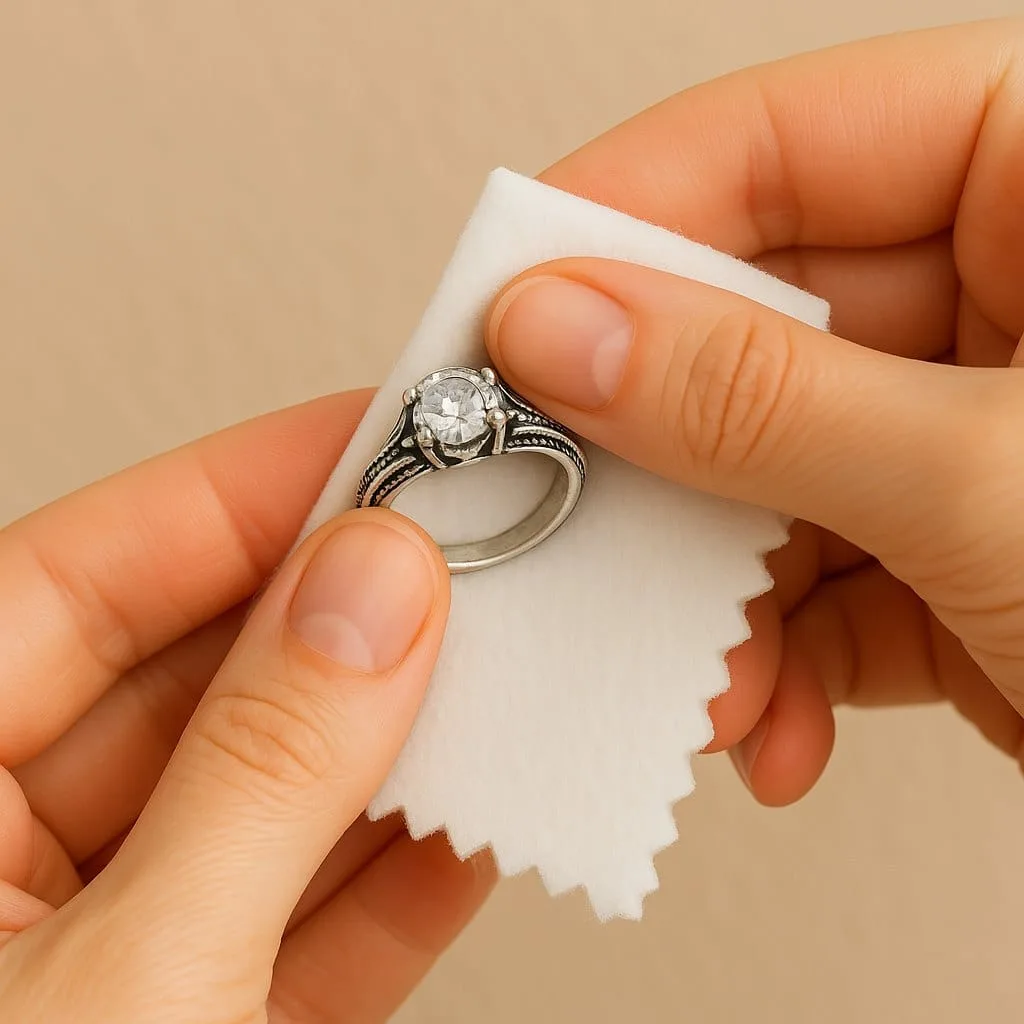
Image source: Bing (Web (fair-use with source credit))
Routine care for Argentium is straightforward and chemical-free. Simply wash the piece in warm water mixed with a few drops of mild, phosphate-free dish soap. Rinse it thoroughly under clean tap water, then wipe it dry with a soft, lint-free microfiber towel.
If your Argentium piece ever loses its luster, rub it gently with a dry, untreated microfiber cloth. The simple friction and exposure to air encourage the germanium oxide barrier to rebuild its protective seal. Keep your Argentium pieces away from dedicated sterling silver polishing cloths.
Those cloths often contain rogue copper dust and harsh chemical strippers that contaminate the alloy.
Which Silver Should You Choose? Matching the Metal to Your Needs
Choosing between these two materials depends on how you use, maintain, and fabricate your pieces. Traditional 925 sterling remains the historical standard for commercial casting, mass manufacturing, and projects that require antique chemical patinas. Argentium costs roughly 15 to 25 percent more in raw sheet and casting grain, but it drastically cuts labor and maintenance over time.
Argentium is the better choice if you fit these scenarios:
- You live in a humid coastal region or geothermal area with high ambient sulfur.
- You wear silver jewelry daily and dislike frequent polishing.
- You suffer from metal allergies or skin reactions caused by copper leaching.
- You are a bench jeweler who wants to eliminate firescale polishing and pickle pots.
- You build delicate wirework, chains, or granulation that benefits from direct torch fusing.
Stick with traditional 925 sterling silver in these situations:
- You want deep chemical oxidations, like liver of sulfur patinas, which apply unevenly to Argentium.
- You operate automated high-production casting lines calibrated strictly for standard silver-copper cooling curves.
- You work on a tight budget where the upfront metal surcharge cannot be passed to buyers.
- You need standard jewelry bench techniques without worrying about red-hot brittleness.
Frequently Asked Questions About Argentium and Sterling Silver Tarnish
Is Argentium silver completely tarnish-proof?
Argentium is highly tarnish-resistant, not completely tarnish-proof. It stops regular ambient tarnishing from atmospheric sulfur through its germanium oxide layer. However, harsh chemicals like chlorine bleach, salt pools, and hot spring minerals will still discolor the metal if exposed directly.
Can you stamp Argentium as sterling silver?
Yes, you can legally stamp Argentium as standard 925 sterling silver. Argentium contains 93.5 or 96.0 percent fine silver, which exceeds the required 92.5 percent legal threshold. Pieces can also carry the proprietary Flying Unicorn hallmark alongside official assay purity stamps.
Does Argentium turn your skin green or black?
Argentium rarely causes skin discoloration. Traditional sterling turns skin green or black when its high copper content reacts with perspiration salts. Argentium binds its lower copper volume behind a clean germanium barrier, making it largely hypoallergenic for sensitive skin.
Can you use commercial silver dip on Argentium?
Avoid commercial liquid silver dips on Argentium pieces. Harsh chemical dipping solutions strip away the beneficial germanium oxide barrier immediately. Stick with warm soapy water and a clean microfiber cloth to preserve the self-healing protective film.
Why is Argentium silver more expensive than 925 sterling?
Argentium costs more because of its raw ingredients and proprietary production licensing. Germanium is a rare, costly metalloid that drives up alloy casting prices. Argentium also uses higher base silver purities (93.5% or 96.0%) than standard sterling (92.5%).

Similar Posts