Thumb Ring Size vs. Index Finger: Are They the Same?
Founder & Fashion Creative Director at Julia Fashionista · CFDA Fashion Scholar, Certified Image Consultant (AICI) · 12+ years in editorial wardrobe styling, sustainable textile sourcing, and luxury capsule curation
Figuring out your thumb ring sizing compared to index finger dimensions often trips people up. Most people assume the thumb is simply one full size larger than the index finger on the same hand. That quick estimate causes plenty of loose bands and frustrating returns.
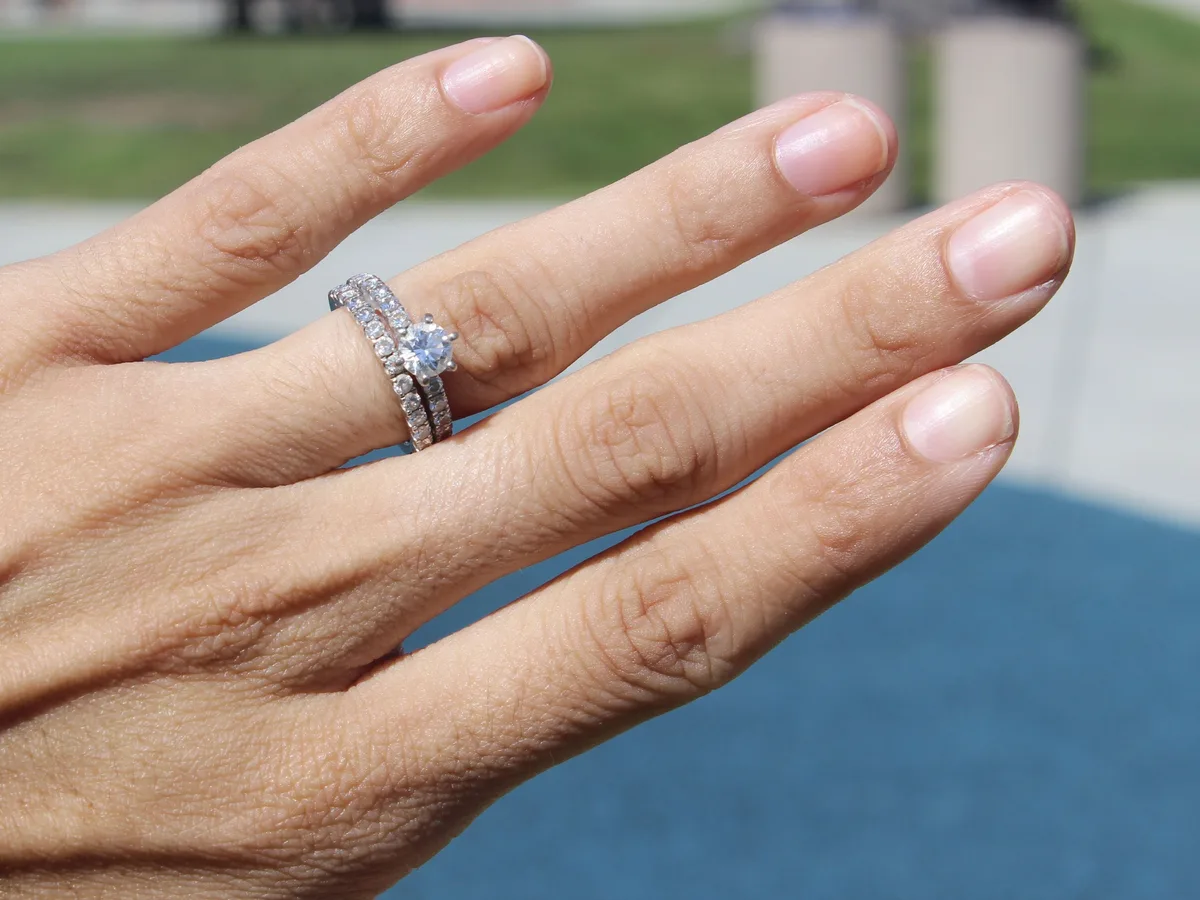
Image source: Bing (Web (fair-use with source credit))
Our research into bench jewelry sizing standards shows that finger anatomy varies wildly between these two digits. The ASTM International F2915 standard provides exact internal ring diameters, yet real fingers do not follow rigid charts. A thumb ring typically measures between a half size smaller to two full sizes larger than an index finger.
Quick Answer
A thumb ring sizing compared to index fingers usually differs by half a size. Most thumbs measure larger than the index finger on the same hand. Some thumbs match the index size exactly.
Knuckle width determines the best fit for your thumb. Band width also changes the size you need to wear comfortably.
The Baseline Difference: How Thumb and Index Ring Sizes Compare
If you place your thumb next to your index finger, the thumb looks significantly thicker. That visual difference leads most shoppers to order a thumb ring that is much too loose. The soft tissue on your thumb flattens out, which deceives the naked eye.
Across bench jeweler sizing studies as of 2026, the average dominant thumb is between 0.5 and 1.5 US sizes larger than the dominant index finger. However, that baseline only holds true when comparing fingers on the exact same hand. Your non-dominant thumb, by contrast, frequently matches the exact size of your dominant index finger.
Hand dominance creates a noticeable shift in muscular development. If you are right-handed, your right index finger has dense tissue from writing, typing, and gripping tools. Your left thumb often shares an identical ring size with that right index finger.
This cross-hand parity makes it easy to swap a single ring between both digits if you plan ahead.
Another critical factor is digit circumference versus knuckle clearance. An index finger has two flexible joints that taper gradually down to the palm. A thumb has a single massive interphalangeal joint sitting right in the middle of the digit.
You must size a thumb ring specifically to cross that bone, even if the band sits looser at the root.
Anatomy Matters: Why You Can't Just Add "One Size Up"
Relying on a blanket "one size up" rule fails because thumbs and index fingers move differently. The thumb is an opposable digit built for strong pinch grips, heavy lateral force, and rotational freedom. Ring fit must accommodate these mechanical differences.
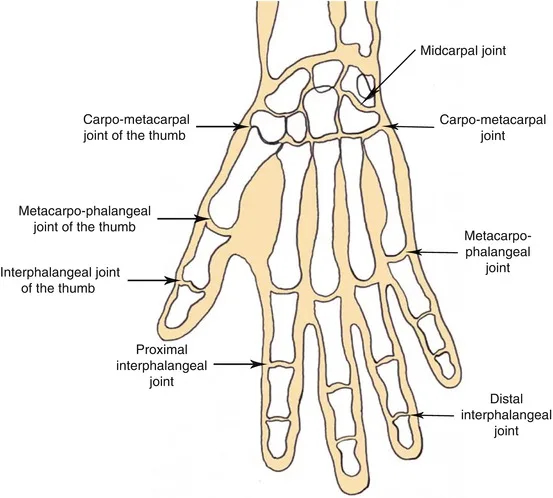
Image source: Bing (Web (fair-use with source credit))
The Knuckle-to-Base Ratio: The Interphalangeal Joint Problem
The interphalangeal joint of the thumb is wide, flat, and rigid. On many hands, this knuckle measures two full millimeters wider than the base where the ring rests.
If you size for the base of the thumb, the band will never slide past the joint. If you size solely for the knuckle, the ring may spin wildly once seated. Index fingers rarely present this problem because their proximal interphalangeal joints compress easily under light pressure.
Fleshy Compression vs. Bone Structure
Your index finger features soft, compressible tissue along the sides of the phalanx. You can comfortably press a slightly snug band over an index finger because the skin yields.
Thumbs lack that level of give. The skin over the thumb knuckle is taut and thin, covering solid bone and dense tendon. A ring that requires even slight force to pass an index knuckle will get stuck on a thumb knuckle.
Hand Dominance and Bilateral Asymmetry
Your dominant hand does the heavy lifting throughout the day. That constant mechanical stress builds thicker tendons and wider bones.
- Dominant index fingers are routinely a half-size larger than non-dominant index fingers.
- Dominant thumbs show increased joint width from grip tasks and typing.
- Non-dominant thumbs tend to have a straighter, less bulbous joint profile.
Checking both hands prevents costly sizing errors when shopping for specific digits.
The Thumb vs. Index Sizing Decision Workflow
Finding the right size requires looking at three distinct physical traits. Follow this workflow before picking a ring size for either digit.
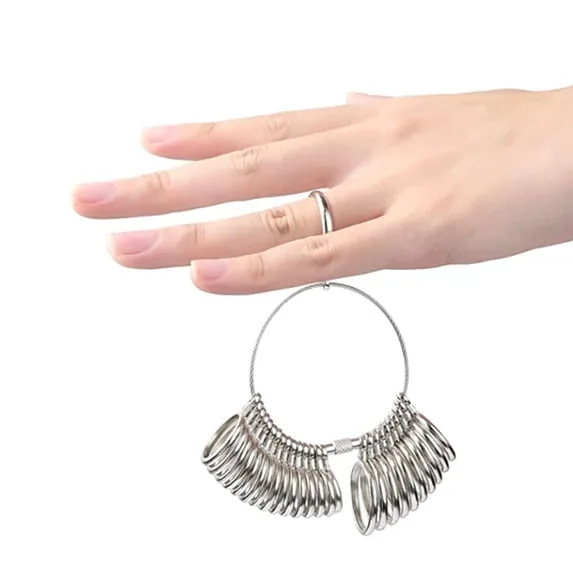
Image source: Bing (Web (fair-use with source credit))
Step 1: Assess Your Digit Profile (Straight vs. Tapered vs. Knuckled)
Look closely at the shape of your thumb and your index finger. Your bone structure decides which measurement takes priority.
- Straight digits: Your knuckle and base have the exact same width. Size for a snug fit at the base.
- Tapered digits: Your finger gets wider toward the palm with no prominent knuckle. Size down slightly so the ring does not slip off when relaxed.
- Knuckled digits: Your knuckle is wider than the base. Size strictly to pass the knuckle with light resistance, then plan to use sizing aids if the base spins.
Step 2: Factor in Band Width and Internal Profile
Band width alters how tight a ring feels on your skin. Wide metal bands trap moisture and displace more flesh, requiring a larger size.
Standard sizing rings measure around 2mm to 3mm wide. If your chosen thumb ring is a broad cigar band measuring 6mm or wider, step up by a half size. A comfort-fit band features a domed interior surface, which slides over the thumb knuckle much easier than a flat-edged band.
Step 3: Run the Motion and Dynamic Grip Test
Do not judge ring fit while holding your hand completely flat. Digits expand and contract as your muscles flex.
Make a tight fist, hold your phone, and grab a steering wheel. If the thumb ring pinches the web of your hand or feels tight across your knuckle during a grip, it is too small. A properly sized thumb ring leaves your grip unhindered.
Thumb vs. Index Size Reference Across Band Styles
Band design changes how a ring translates between your thumb and index finger. The table below outlines standard size adjustments based on our jeweler measurement data.
| Band Style & Profile | Index Finger Baseline | Expected Thumb Size (Same Hand) | Sizing Adjustment Needed |
|---|---|---|---|
| Thin Dainty Band (1.5mm – 2.5mm) | Size 7.0 | Size 7.5 to 8.0 | True to size. Stays at your natural knuckle measurement. |
| Standard Band (3mm – 5mm) | Size 7.0 | Size 7.5 to 8.5 | True to size. Standard ASTM calibrated fit. |
| Wide Cigar Band (6mm – 8mm) | Size 7.5 | Size 8.5 to 9.5 | Add 0.5 to 1.0 full size above knuckle measurement. |
| Extra-Wide Statement (9mm+) | Size 8.0 | Size 9.0 to 10.5 | Add 1.0 to 1.5 sizes to clear joint flexion comfortably. |
| Comfort-Fit Core (Domed Interior) | Size 7.0 | Size 7.5 to 8.0 | Deduct 0.25 size due to the rounded internal metal profile. |
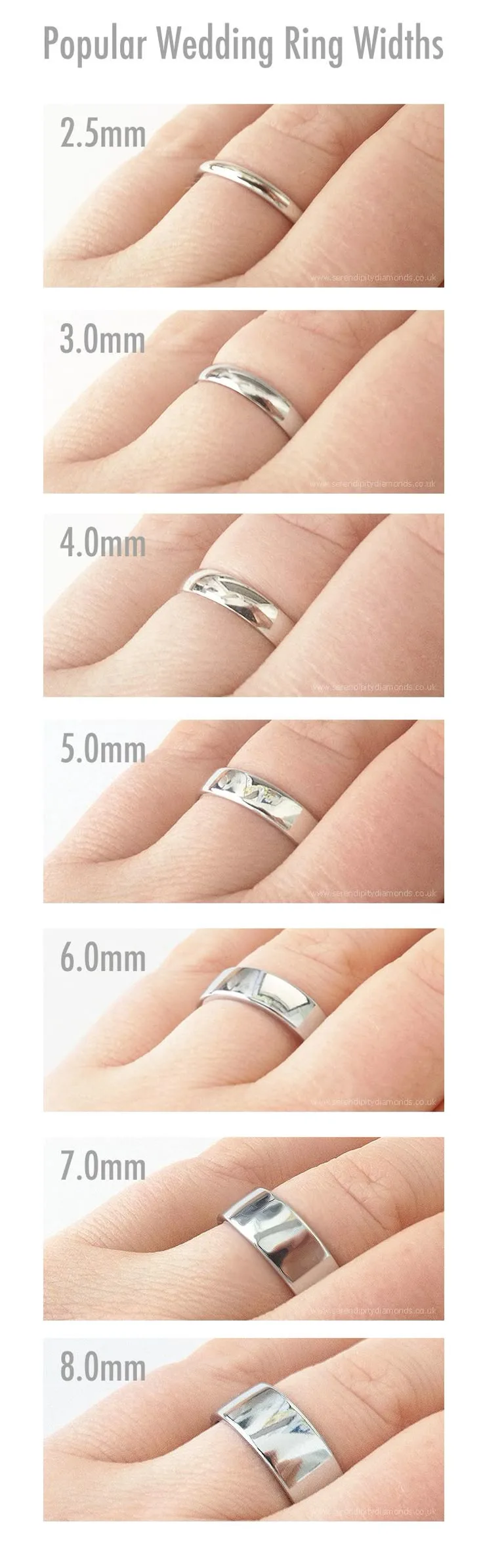
Image source: Bing (Web (fair-use with source credit))
Common Sizing Pitfalls (And How to Fix Them)
A poor fit on a thumb or index finger creates daily annoyance. These three mistakes account for almost all sizing returns on wide-digit rings.
The "Knuckle Block" Trap
This happens when a ring glides easily over the knuckle but drops off when your hand points downward. It is common on hands with large, angular joints and lean palms.
Fix this by adding interior sizing beads or a clear silicone coil inside the shank. These additions allow the ring to clear the knuckle while resting snugly against the base.
Cold Hands and Hydro-Stripping
Your hands shrink significantly in cool temperatures and cold water. Thumbs lack an outer knuckle ridge to stop a loose band from sliding free.
A thumb ring that feels loose in a warm room will slide straight off in a swimming pool or under a cold tap. Always size your thumb ring so that removing it requires a deliberate twist over the joint.
Web Space Pinching During Pinch Grips
The web space between your thumb and index finger folds deeply whenever you write, hold a cup, or use tools. Rings with thick, boxy profiles bite directly into this skin.
Choose a band with a tapered bottom shank for your thumb. A tapered design gives your joint maximum freedom when pinching, keeping the metal from bruising the soft web of your hand.
Frequently Asked Questions About Thumb and Index Ring Sizing
Can an index finger ring fit on a thumb?
An index finger ring can fit your thumb if you swap hands. Your dominant index finger often shares the exact same ring size as your non-dominant thumb. Trying to wear the same ring on the thumb and index finger of the same hand rarely works well.
The thumb on any given hand is almost always larger.
Should a thumb ring fit tighter or looser than an index ring?
A thumb ring should fit slightly looser at the base than an index ring. Your thumb requires room to flex during grip tasks, writing, and holding objects. The band must still fit snugly enough over your knuckle so it will not slide off when your hands get cold.
How do you accurately measure your thumb ring size at home?
Measure your thumb using plastic ring sizer loops instead of string or paper strips. Paper bends and compresses tissue, leading to an undersized ring. Wrap the gauge loop over your thumb knuckle first.
Slide it back and forth to ensure it clears the joint with gentle resistance.
Why does a thumb ring hurt when typing or writing?
A thumb ring hurts during desk work if the band is too wide or thick. Rings with high profiles press directly into the soft web space between your fingers. Bench standards like ISO 8653 define ring circumference, but comfort depends on thickness.
Choose a low-profile band under 2mm in depth to prevent friction.
Will my thumb ring size fluctuate during the day?
Your thumb size changes more than any other digit throughout the day. Active blood flow, gym sessions, and warm weather expand the soft tissue quickly. Cold temperatures contract the tissue, making the ring loose.
Always measure your fingers in the late afternoon when your hands are at their average resting size.
The Final Decision Checklist: Getting the Fit Right the First Time
Before you place an order or take a ring to the jeweler for resizing, walk through this quick verification checklist. Checking these four points saves time and prevents unnecessary return shipping fees.
- Check the knuckle clearance first: Make sure the ring passes over the interphalangeal joint with a slight push. It should not slide off freely when you shake your hand downward.
- Compensate for band width: Add a half size for bands between 5mm and 7mm wide. Add a full size for heavy bands exceeding 8mm.
- Test your daily grip: Close your hand into a tight fist while testing a sizing ring. The band should not pinch your skin or cut off blood circulation.
- Verify the metal type: Gold, silver, and platinum can be adjusted later by a bench jeweler. Hard metals like tungsten carbide, titanium, and ceramic cannot be resized at all.
Paying attention to your unique knuckle profile and hand dominance guarantees a perfect fit. When you account for the knuckle rather than just the base, your thumb ring will stay secure, comfortable, and easy to wear all day long.

Similar Posts