Cards Falling Out? Fix a Stretched Leather Cardholder
Founder & Fashion Creative Director at Julia Fashionista · CFDA Fashion Scholar, Certified Image Consultant (AICI) · 12+ years in editorial wardrobe styling, sustainable textile sourcing, and luxury capsule curation
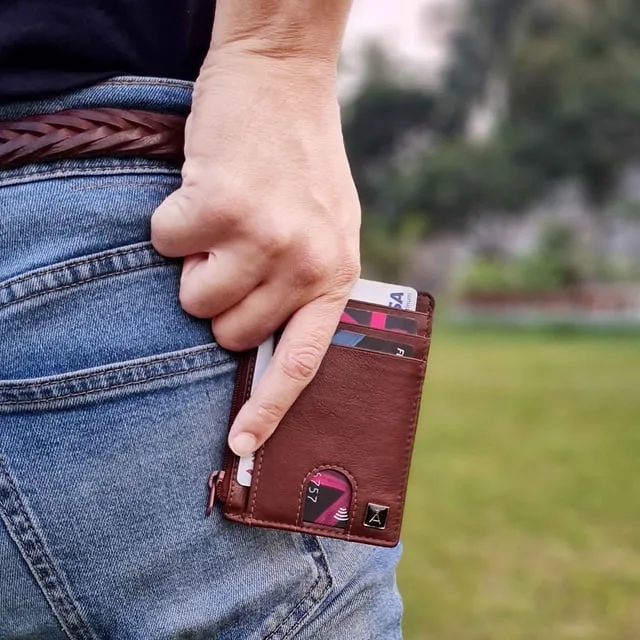
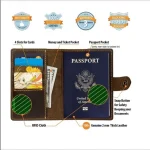
When your cardholder leather stretched out cards falling onto the sidewalk becomes a daily worry, you need a fast fix. Over time, carrying multiple cards forces the pocket walls apart. Pulling cards out later leaves loose gaps that drop your essentials.
Image source: Bing (Web (fair-use with source credit))
Standard credit cards follow the ISO/IEC 7810 ID-1 specification of 0.76 millimeters in thickness. Cramming three cards into a single slot forces leather fibers past their elastic limits. You can restore your card case once you match the correct repair method to your leather type.
Quick Answer
To fix a cardholder leather stretched out cards falling issue, identify your leather first. Vegetable-tanned leather can shrink back using a damp-cloth wet-molding method. Chrome-tanned or lined designer leather will ruin if soaked.
Use thin silicone friction strips or card inserts instead.
Why Your Leather Cardholder Stretches (And Why Leather Doesn't Just Snap Back)
Leather is an interconnected web of natural collagen fibrils. When tanners process animal hide, they preserve these protein strands while removing water and fats. The resulting material flexes easily under daily mechanical pressure.
When you slide cards into a fresh pocket, the fibers deform elastically at first. They resist tension and grip the plastic firmly. Over months of pressure, that elasticity gives way to plastic deformation.
The fiber matrix yields, elongates, and settles into its new, expanded shape.
Pulling two cards out leaves the remaining card completely loose. Because leather lacks synthetic elastane, it cannot contract back on its own without targeted intervention. Temperature, humidity, and carry friction accelerate this slack over time.
Quick Diagnostic: What Kind of Leather Are You Dealing With?
You must identify the tanning method before applying any liquid or heat. Using water on the wrong finish creates dark water stains, ripples, and permanent edge delamination.
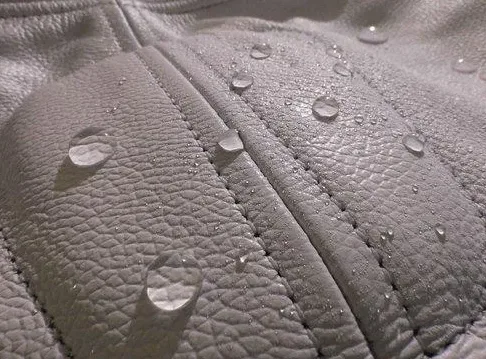
Image source: Bing (Web (fair-use with source credit))
Vegetable-tanned leather uses tree bark tannins and reacts readily to water molding. Chrome-tanned leather uses mineral salts. It remains water-resistant, soft, and chemically unstable under direct heat or heavy moisture.
| Attribute | Vegetable-Tanned Leather | Chrome-Tanned / Finished Leather |
|---|---|---|
| Common Look | Natural patinas, smooth grain, raw edges | Bright colors, pebbled, edge-painted, Saffiano |
| Water Drop Test | Water absorbs within 30 to 60 seconds | Water beads up indefinitely on the surface |
| Flex & Feel | Firm, rigid, softens gradually with use | Supple, drapey, stretches without holding shapes |
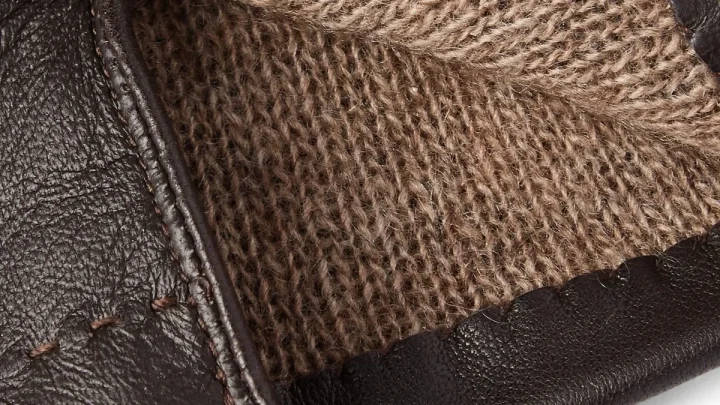
| Lining Style | Often unlined with exposed fibrous suede backing | Bonded fabric, nylon, or polyester pocket liners |
To test your wallet, place a tiny pinhead drop of clean water on an unseen interior seam. If the moisture darkens the spot and soaks inward, it is unfinished vegetable-tanned leather. If the water beads on top without penetrating, it has a synthetic topcoat or chrome tannage.
The Decision Tree: How to Fix Stretched Pockets Based on Tannage and Finish
Choosing the wrong repair method will ruin expensive leather goods. Walk through this simple sequence to select the safe route:
- Step 1: Check the lining. Does the pocket have fabric or nylon stitched inside?
- If yes: Stop. Do not use water or heat. Use Method 2 (non-invasive inserts).
- If no: Proceed to Step 2.
- Step 2: Check the tannage test. Did the test water drop soak into the leather?
- If yes: Proceed to Method 1 (controlled wet-molding).
- If no: The leather is chrome-tanned, coated, or oil-stuffed. Proceed to Method 2.
- Step 3: Check edge construction. Are edges folded and glued, or burnished raw?
- Folded or edge-painted: Moisture weakens internal adhesives. Use non-invasive fixes.
- Raw burnished edges: Full-grain vegetable leather responds safely to damp shrinking.
As of 2026, most luxury minimalist cardholders use chrome-tanned calfskin or coated canvases. If there is any doubt about the finish, avoid soaking and stick to mechanical friction inserts.
Method 1: Wet-Molding Vegetable-Tanned Leather Back to Shape
Wet-molding resets the collagen matrix around your target card volume. You only need lukewarm distilled water, a lint-free cloth, and the exact cards you plan to carry.
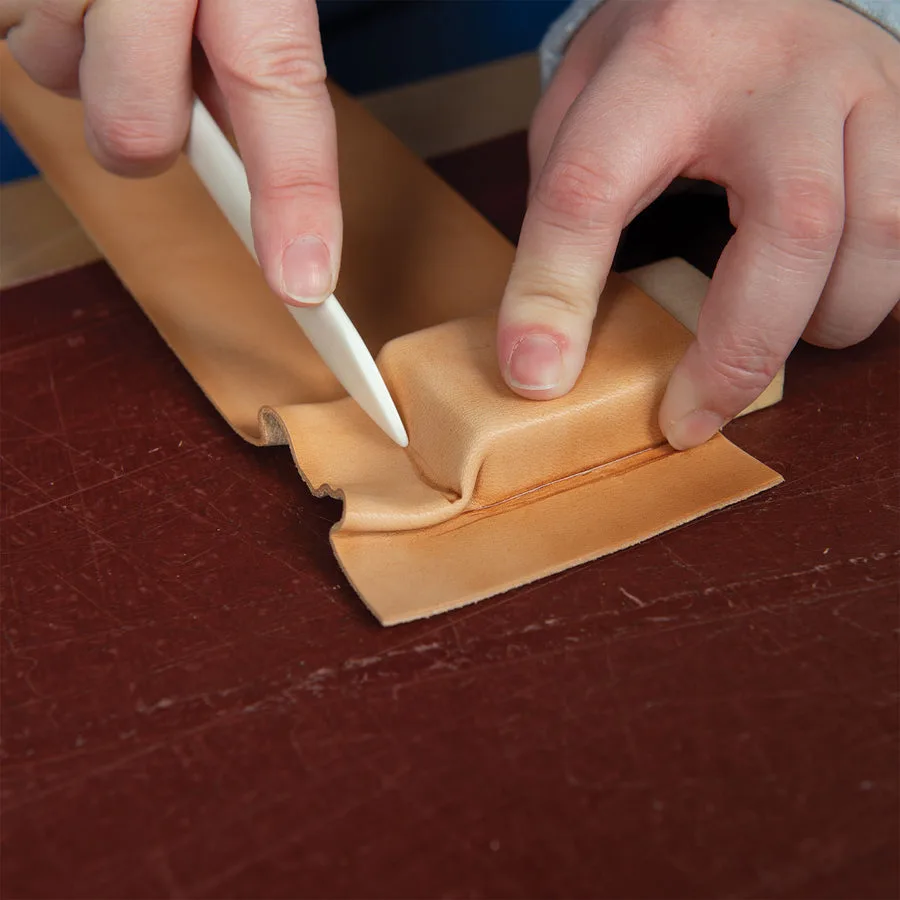
Image source: Bing (Web (fair-use with source credit))
Follow these steps carefully:
- Empty the pocket. Remove all cards, cash, and paper receipts from the slot.
- Dampen the leather evenly. Dip a soft cotton cloth into lukewarm distilled water. Wipe the outside and inside of the stretched slot until uniformly damp, not dripping wet.
- Insert your target cards. Slide in the exact number of cards you want to carry. Wrap them in plastic kitchen film first to keep moisture off the chips and magnetic strips.
- Form the pocket edges. Use your fingers or a smooth wooden bone folder to press the leather flat against the edges of the card. Mold the pocket walls tight against the plastic face.
- Let it dry naturally. Place the wallet on a flat surface away from direct sunlight, heating vents, or radiators. Allow it to air-dry for 24 to 36 hours.
- Replenish lost oils. Wetting leather strips natural lipids. Once dry, apply a light coat of beeswax or lanolin-based leather balm to restore flexibility.
Method 2: Non-Invasive Fixes for Chrome-Tanned, Saffiano, and Lined Wallets
Chrome-tanned hides and designer coated leathers will not shrink evenly with water. Mineral-tanned fibers resist moisture reforming, and hot water causes irreversible curling. Use non-invasive friction methods instead to secure your cards.
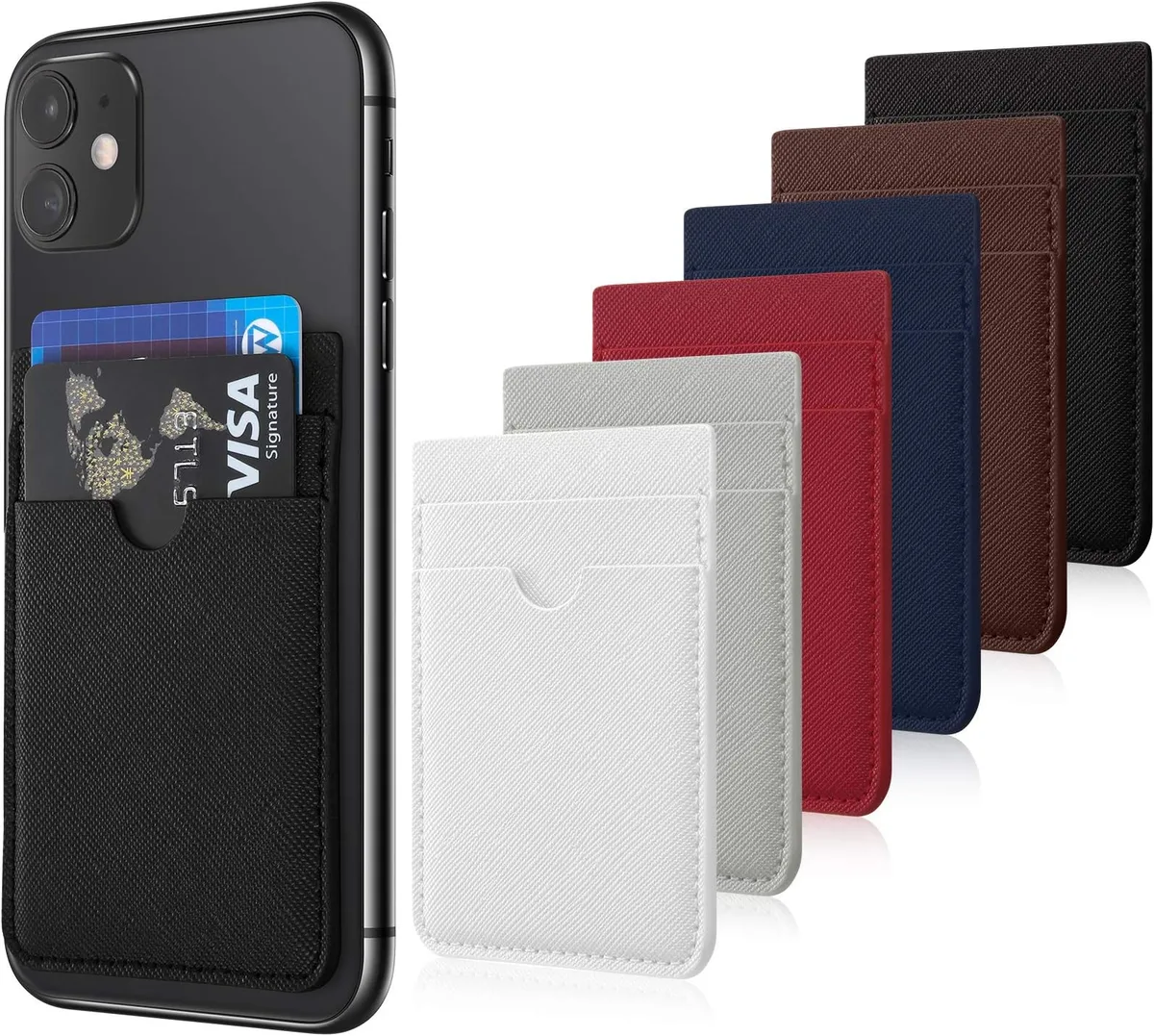
Image source: Bing (Web (fair-use with source credit))
- Silicone grip strips: Place an ultra-thin clear adhesive silicone tape strip inside the interior pocket wall. The added surface friction holds single cards in place without adding bulk.
- Self-adhesive moleskin or velvet: Cut a thumbnail-sized patch of thin cotton moleskin. Stick it against the back inner lining of the pocket to add gentle tension.
- Sacrificial filler card: Keep an inactive library card, blank RFID shield, or transit pass behind your primary credit card. This restores the original internal thickness instantly.
- Targeted edge stitching: A local leather repair shop can run a single saddler's locking stitch down the outer margin. This tightens the pocket opening without modifying the leather itself.
Critical Mistakes That Will Permanently Ruin the Leather
Leather cannot survive aggressive DIY shortcuts. Trying to force rapid shrinking almost always results in permanent physical damage to the hide.
The most common error is using boiling water or an oven. Vegetable-tanned leather has a hydrothermal shrinkage temperature around 60 to 65 degrees Celsius (140 to 149 degrees Fahrenheit). Heating the leather past this point permanently cooks the protein matrix.
The collagen fibers denature into brittle, glass-like gelatin that cracks on contact.
Direct convective heat from hair dryers or home radiators causes similar problems. Forced hot air strips natural moisture unevenly, resulting in severe warping and curled corners. It also liquefies edge paint and seam adhesives, leaving sticky residues on your cards.
Submerging an entire lined wallet under water dissolves internal water-soluble glues. Modern wallets use thin structural papers and fabric stiffeners between leather layers. Soaking turns these reinforcements into mush, permanently destroying the wallet's shape and profile.
How to Prevent Your Cardholder from Over-Stretching Again
Preventing stretched leather is far easier than reshaping deformed pockets. A few simple carrying habits will keep pocket tension firm for years.
- Commit to a strict card count: Designate each pocket for one card or two cards, and never change it. Once you insert three cards, the pocket stretches to hold three cards permanently.
- Keep folded cash separate: Paper banknotes create uneven, wedge-shaped tension along pocket edges. Store folded bills in a central cash pocket or a dedicated money clip instead.
- Rotate cards carefully: Never stack embossed cards face-to-face inside a tight slot. Raised numbers concentrate stress on single points in the grain, accelerating localized sagging.
- Condition twice a year: Apply a tiny amount of natural leather cream every six months. Conditioning keeps hide fibers pliable, preventing dry, permanent micro-tears under tension.
Frequently Asked Questions About Stretched Leather Cardholders
Can you shrink a stretched leather wallet with a hair dryer?
No, you should never use a hair dryer on a leather wallet. Forced hot air dries out natural oils too fast, causing the grain to shrink unevenly and warp. High heat also melts internal bonding glues, dissolves edge paint, and leaves the leather stiff, brittle, and prone to cracking.
Does boiling water shrink stretched leather cardholders?
Boiling water permanently destroys leather goods. Temperatures near boiling denature the collagen fibers, turning supple leather into a rigid, curled, and brittle material. For vegetable-tanned hides, use only lukewarm water on a damp cloth to lightly hydrate fibers before remolding.
How do you tighten a cardholder without using water?
To tighten a cardholder without water, add internal friction or subtle thickness. You can install an ultra-thin adhesive silicone grip strip inside the pocket wall. Alternatively, insert a thin adhesive moleskin patch or slide a sacrificial dummy card behind your main payment card.
Will stretched chrome-tanned leather ever shrink back?
Chrome-tanned leather will not shrink back to its original size. The mineral tanning process creates chemical cross-links that resist moisture reshaping and thermal shrinkage. For chrome-tanned, pebbled, or designer coated wallets, non-invasive friction pads or spacer cards are the only safe fixes.

Similar Posts